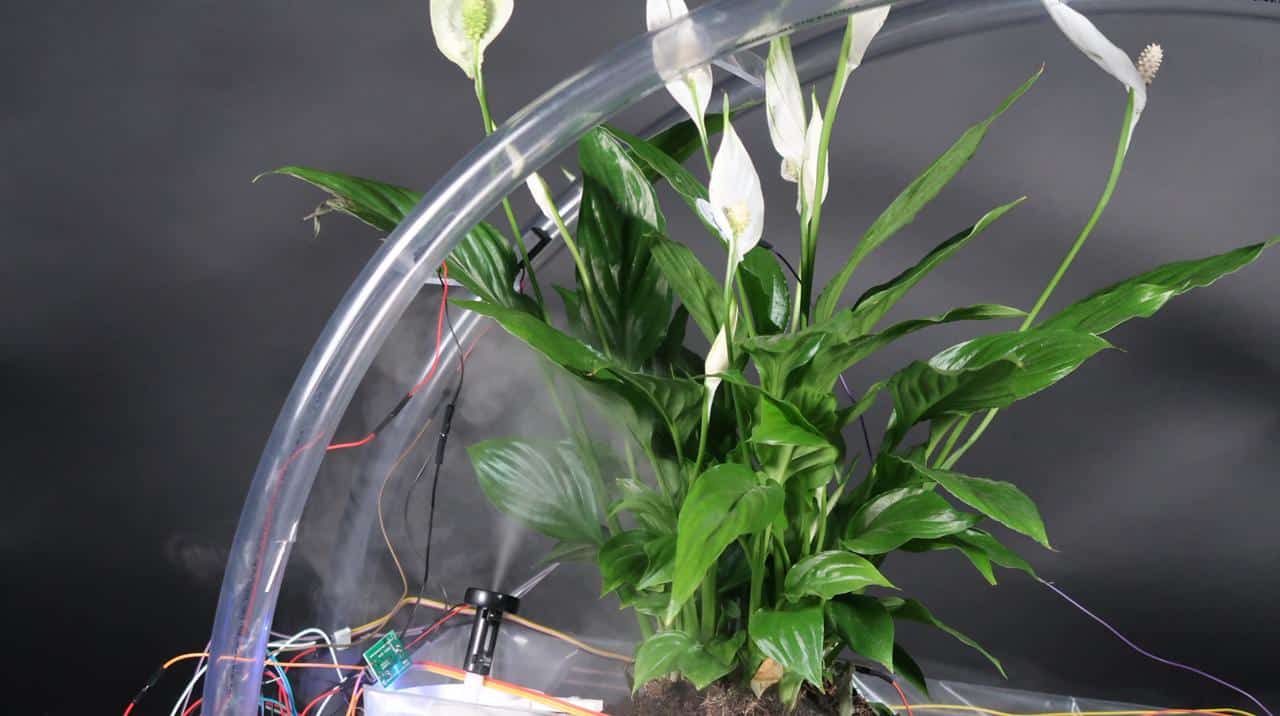
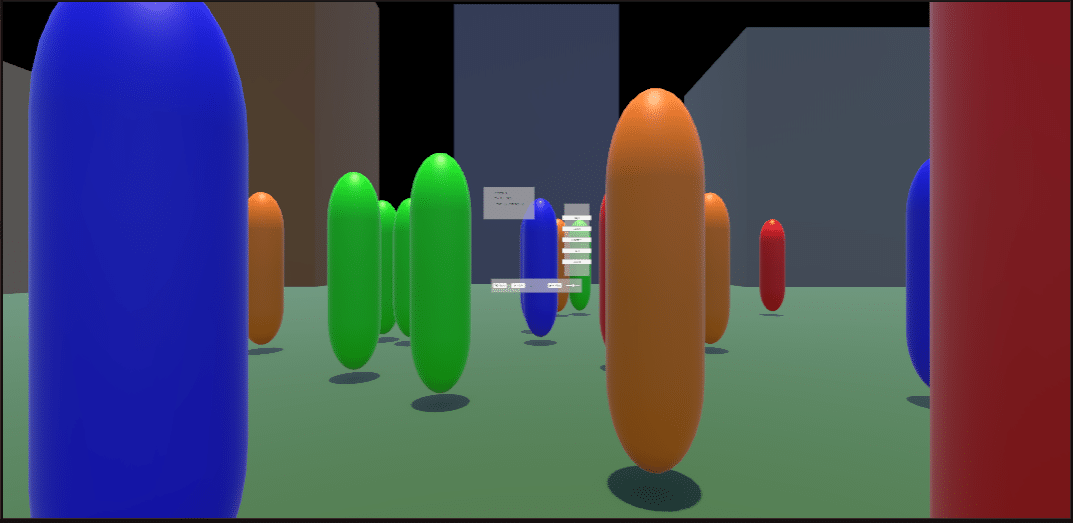
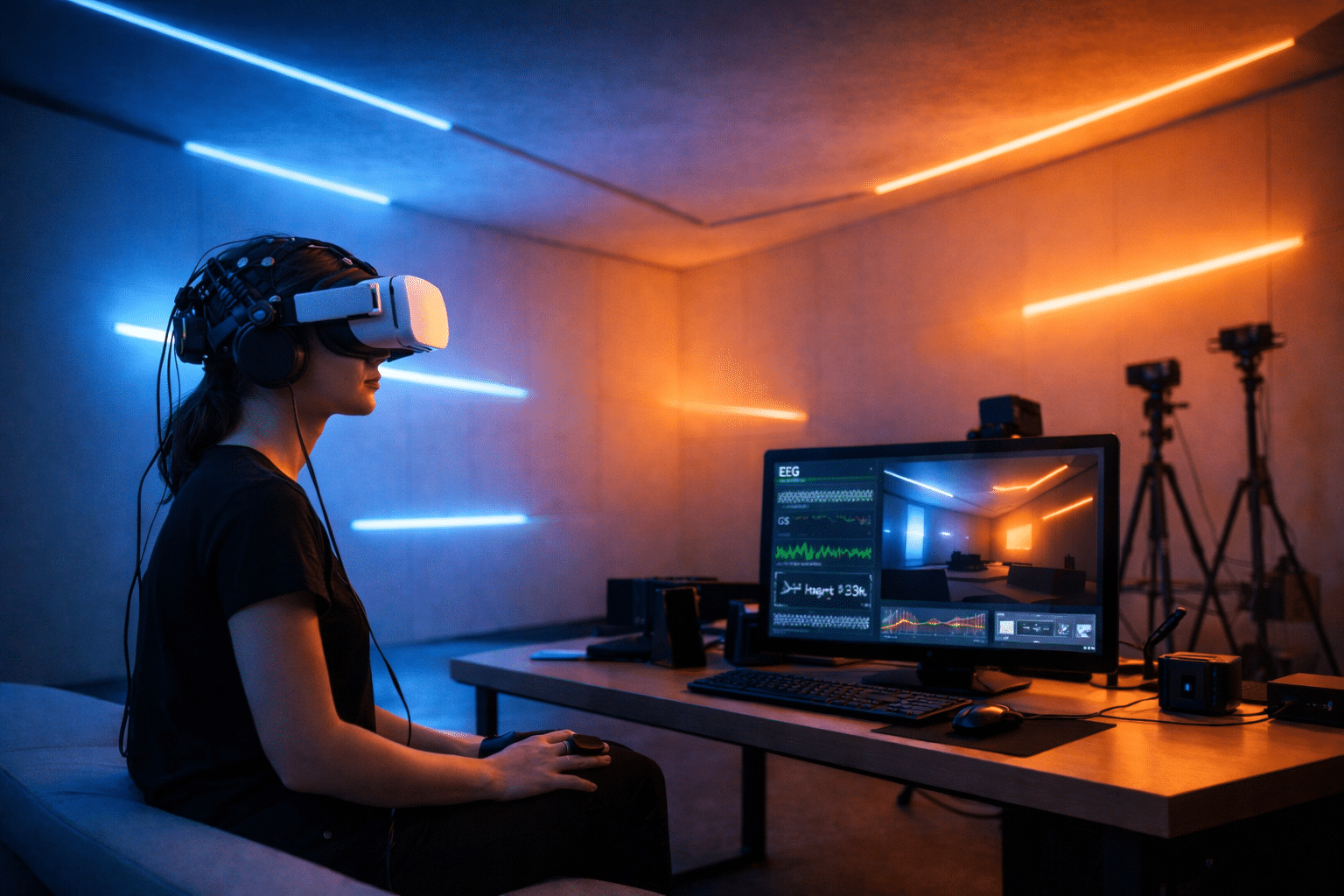
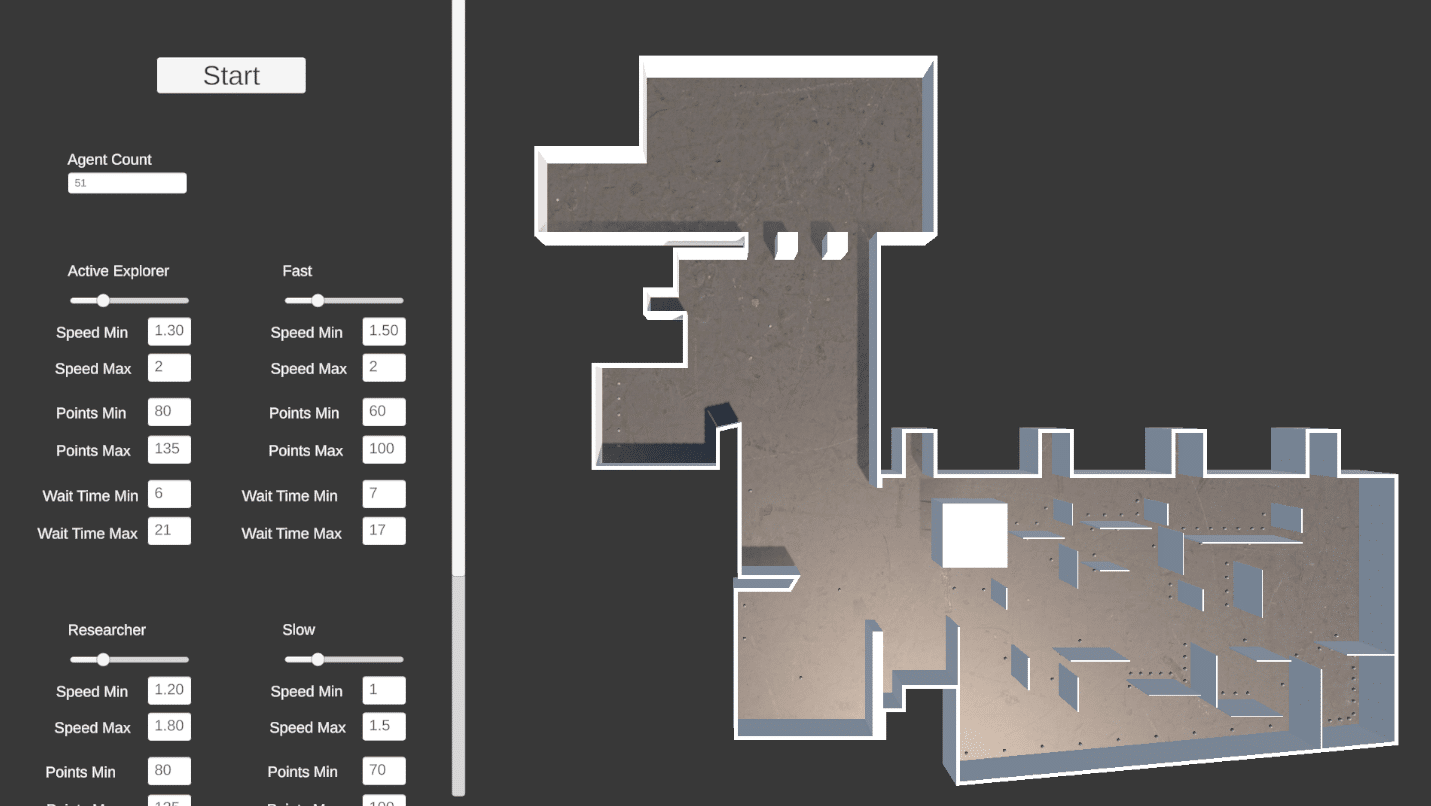
Credits: student project Neuro-Sensitive Spatial Biophilia by Asja Osmanovic in the reMixed Reality seminar MAA02 2023-2024, IAAC
The technology landscape is an extremely fluid and ever-changing reality that, to an extent, is present in all aspects of the current way of living, thinking, and working. We are now able to automate not just the manual and mundane tasks, but even more human-centric and seemingly more subjective skills with AI. In the field of architecture and design, this trend allowed us to redefine what is imaginable, what is doable, what is usable, – and iterate the process faster, more thoroughly, more flexibly. In urbanism, this allowed us to bridge the gap between scales, times, and participants – and evaluate ideas with minimal upfront cost, thus drastically pushing the rate and quality of development. What’s more, we now carry incredibly powerful devices, even in our pockets, allowing more communication potential, embedding seamless connection to our immediate and remote environments. Yet as mainstream digital tools grow more powerful, they also increasingly rely on opaque, fixed frameworks that can instead constrain creative exploration. Designers today face a dual challenge: our ideas demand more adaptable and, at times, composite interconnected sets of distinct tools, and our processes require new ways to articulate the layered reasoning that drives them.

Credits: CatenARy student project by Ekaterina Polyakova, Dimitra Roumelioti, Mohammad Karimi Farani and Miguel Giménez Pérez, 2023
This course introduces students to the mindset and workflow of creating bespoke and unique purpose-built design tools. Unlike the monolithic programs that we are used to day-to-day, sometimes a small, targeted, and tailored solution in the context of specific project or target audience needs, – can be preferred and achieve a more concentrated and specific impact or allow us to digitise aspects of the problem. Mixed Reality (MR), understood as a spectrum of spatial computing and communication technologies, offers a unique opportunity in architecture, urbanism, and related fields: it allows us to work to various extents directly within physical space while augmenting it with responsive digital information, interaction, and scale/time flexibility. Whether for immersive visualization, enriched communication of design intent, fabrication assistance, public engagement, or even playful gamification strategies, – MR provides a medium where spatial intuition and computational adaptability meet.
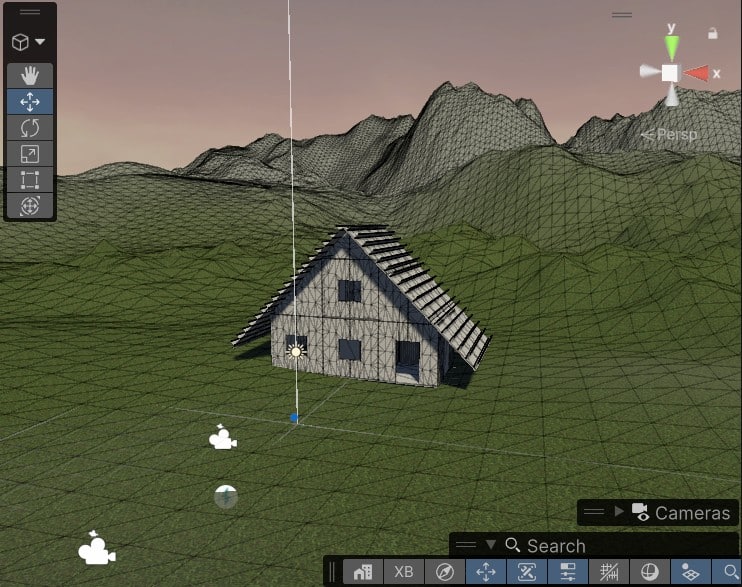
In this year’s concentrated dive-in seminar, students will use Unity as the primary development environment – further extending and customising with application of C# scripting and object-oriented thinking. Students are invited to explore within the umbrella of their thesis project contexts and build practical MR tools. Throughout the workshop, we will explore, evaluate, leverage, and repurpose well-established practices and tools from the gaming industry, such as approaches in user experience (UX) and interface design (UI), – to help students craft nonlinear, spatial forms of communication, directed toward juries, clients, citizens, or their own internal design processes.

Credits: HoloFab by Ardeshir Talaei, Daniil Koshelyuk & Armin Akbari, 2018
Learning Objectives
At course completion the student will:
- Understand types of MR technologies, and limitations and learn appropriate use cases;
- Be able to prototype ideas with the mentioned technologies;
- Define the niche interaction the project requires and develop custom UX flow, translating project ideas into tangible applications;
- Shift from the mindset of finding the tools to developing the tools to fit their goal.