BIMSC STUDIO – The Vertical Machine
Source: faculties courtesy.
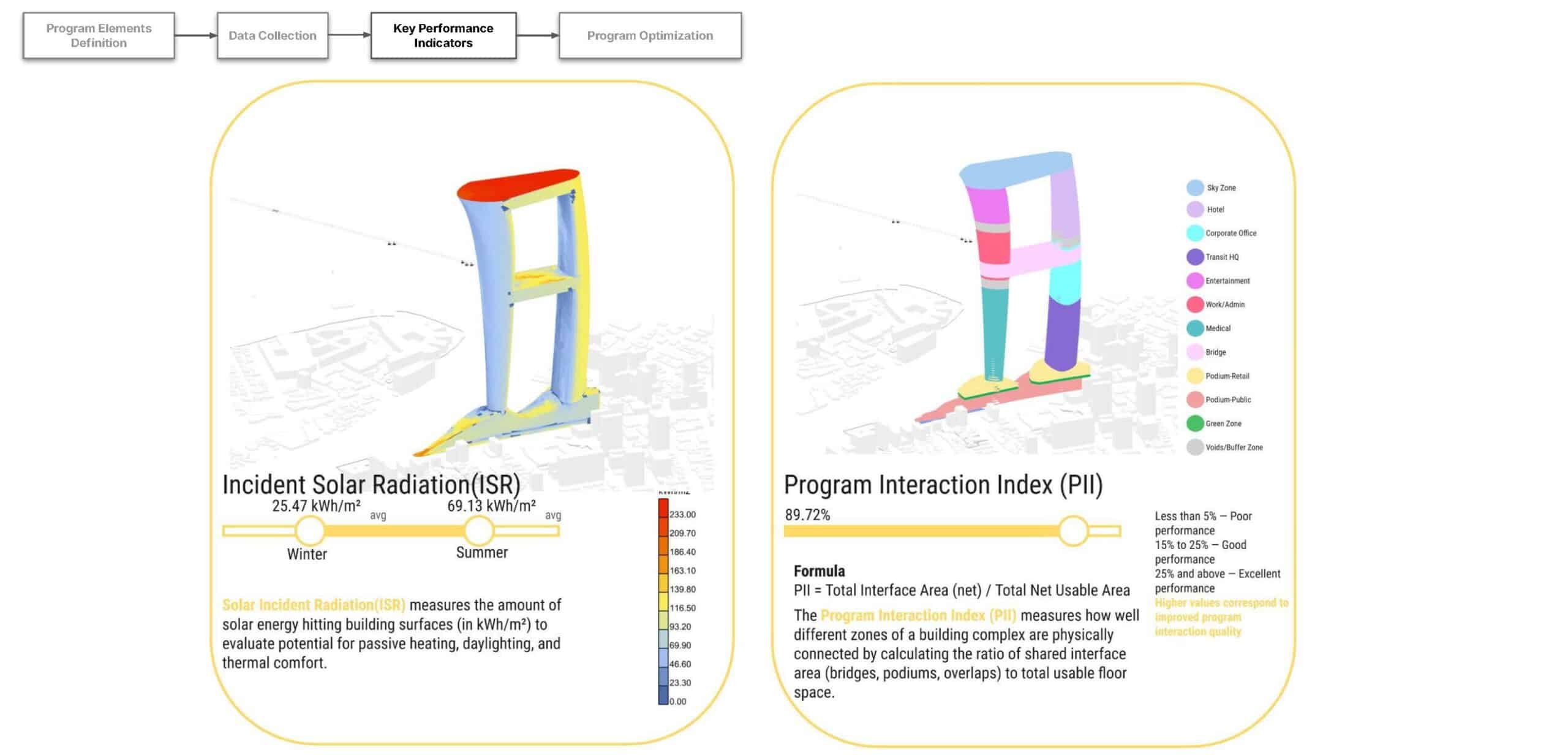
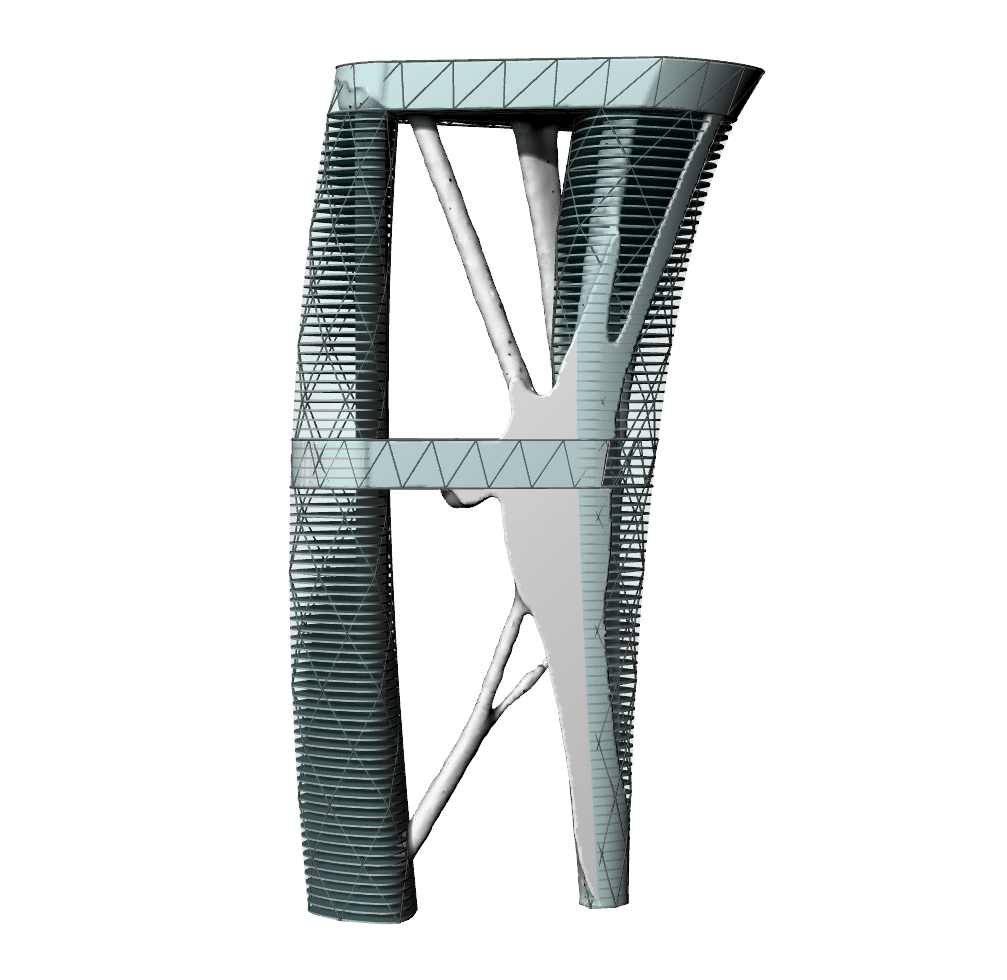
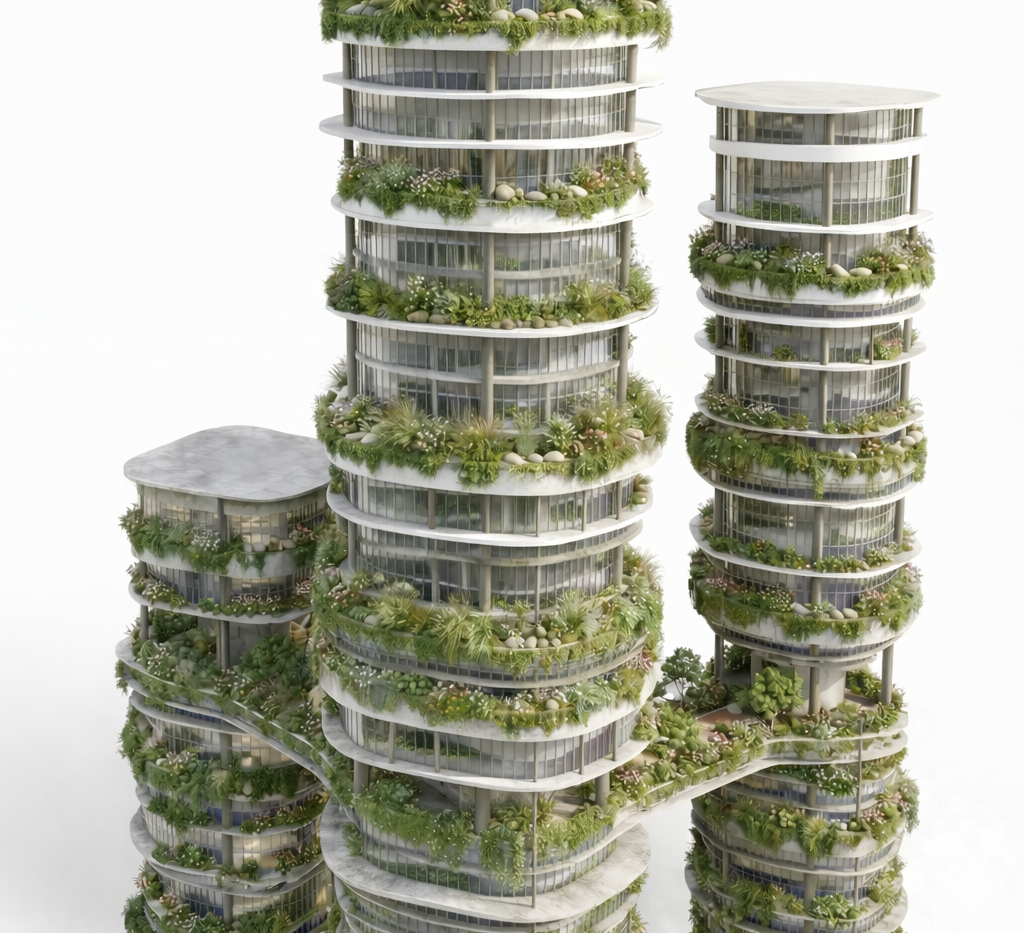
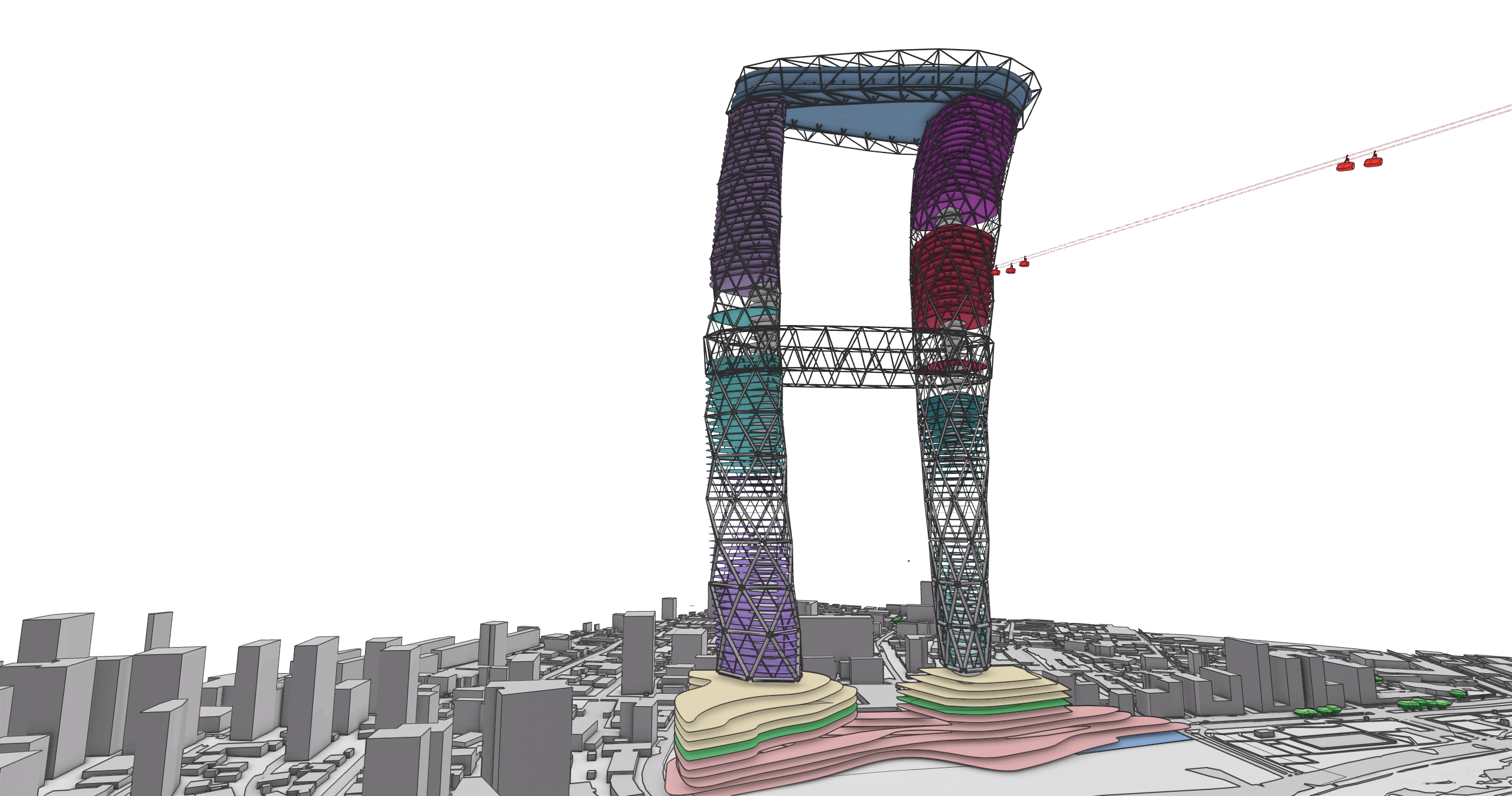
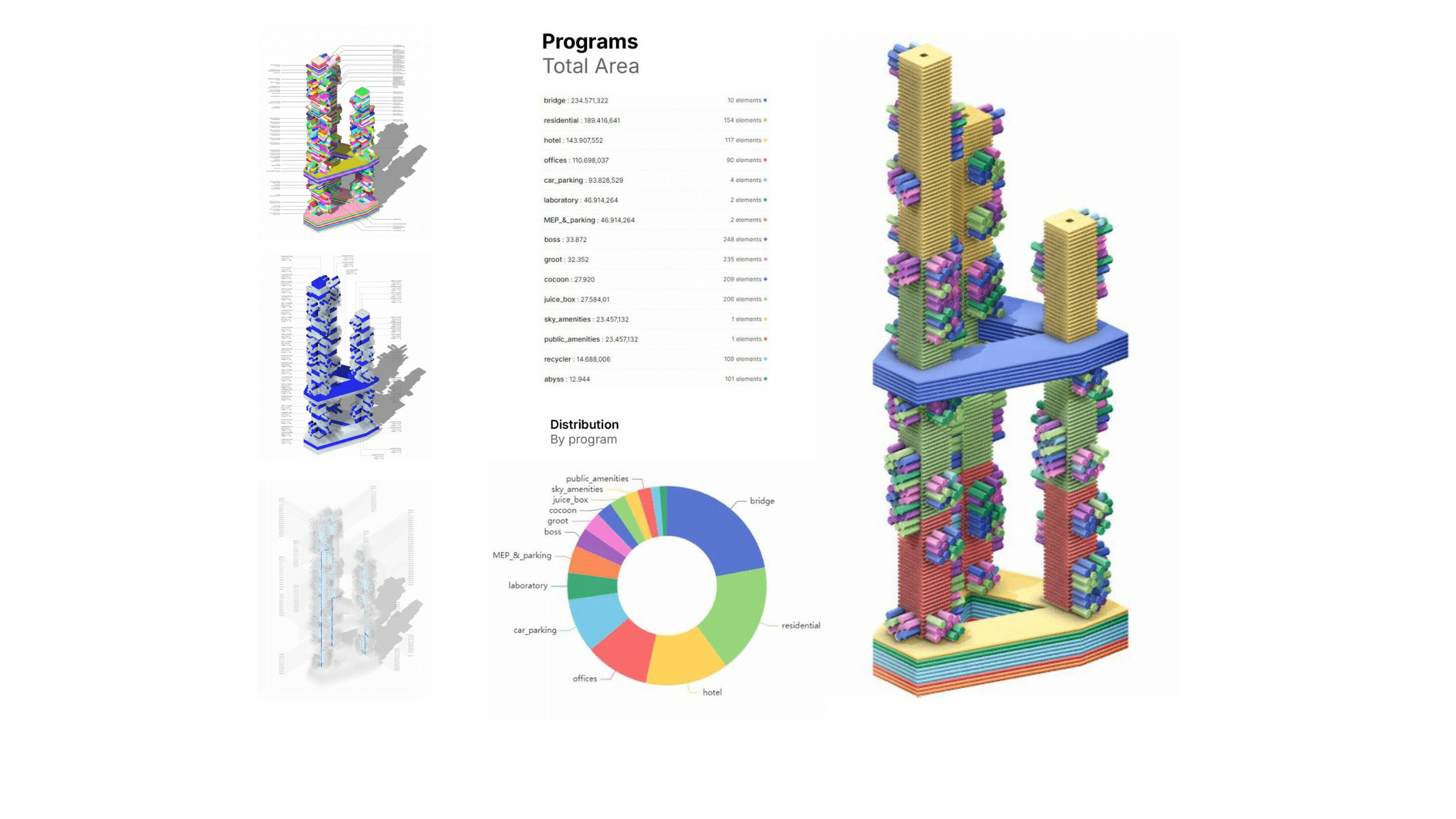
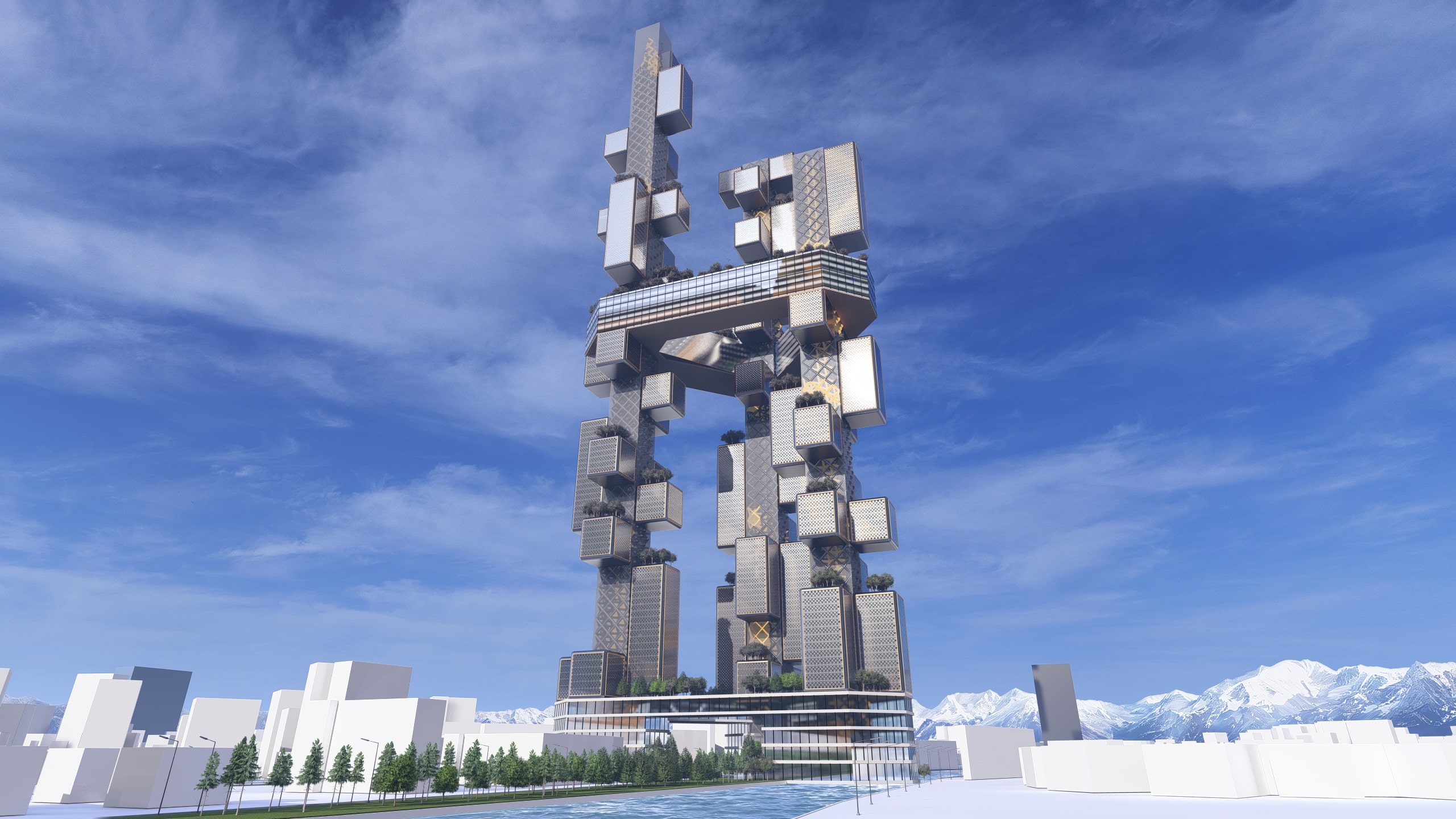
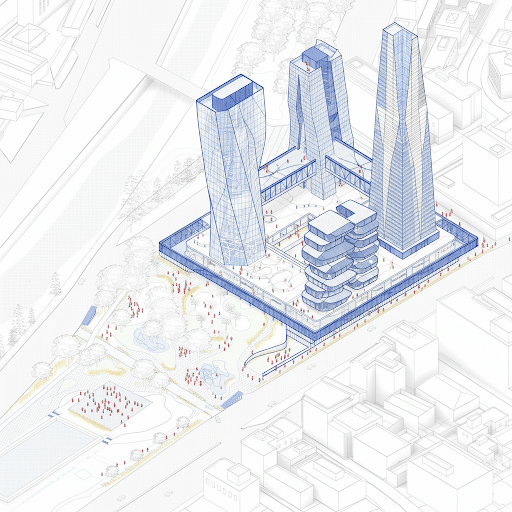
In the Vertical Machine Studio, we are taking on a big challenge: the future of our cities. Our laboratory for this experiment is the city center of Santiago de Chile. Here, we will explore “hyper-buildings”—vertical cities that go beyond what we traditionally see in architecture—to help solve the urban problems we expect to face in the next century.
We are not just designing isolated towers. We will insert multiple hyper-buildings into the existing urban fabric. These massive structures will not stand alone; they must interact with one another and the city around them.
To do this, we use advanced BIM technology and smart ways of working together. The goal is to design a network of buildings that truly respond to the needs of the future.
How We Work Together
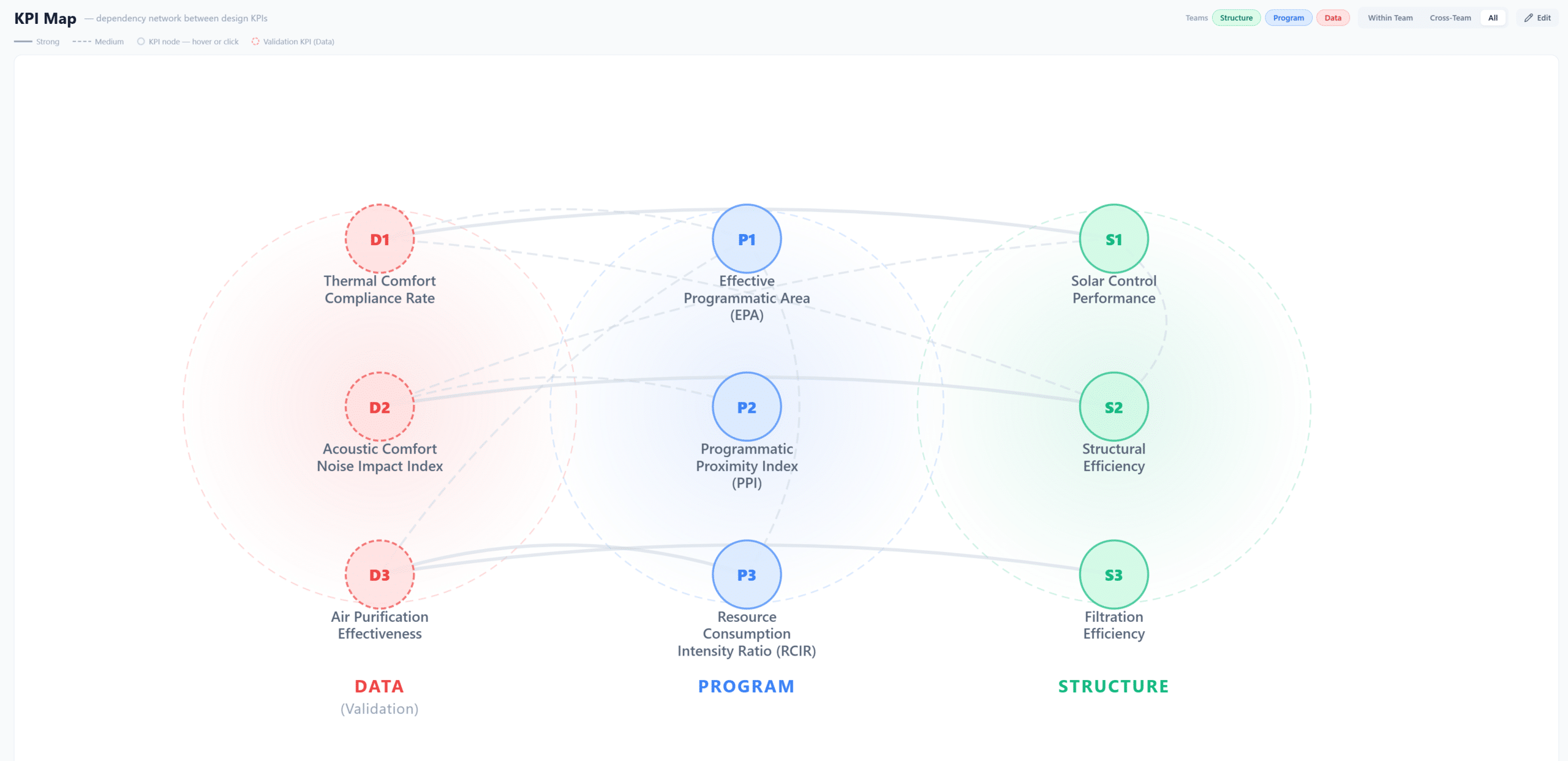
You will work in teams, with each group taking ownership of a specific, crucial part of these structures. Our way of working is a bit different. We combine real-time collaboration tools, like Speckle, with advanced parametric design and professional BIM workflows.
We think of this studio as a living laboratory. Here, the data behind the architecture—and the data flowing between the buildings—is just as fundamental as the physical structures themselves.
Finding the Balance
We are aiming for a specific balance in our design work. We want you to work within one unified framework so that all the buildings connect and communicate, but we also expect you to develop your own distinct design ideas.
This creates a healthy tension between fitting in and standing out. It pushes you to find new ways to handle complex data and understand how different architectural relationships work across a city block.
Asking Big Questions
These hyper-buildings are more than just a design exercise. They are a platform that helps us ask—and answer—crucial questions about our future:
- How can we create vertical communities that are self-sufficient?
- How do we balance standard construction methods with new, creative ideas?
- How can smart construction change the way we approach large-scale projects?
Building Real Skills
By getting your hands on cloud-based tools and advanced modeling techniques, you will build professional skills that bridge the gap between computational design and real-world implementation.
The final project will show more than just a vision; it will show that you understand the next generation of digital workflows. Ultimately, this studio focuses not on the tools themselves, but on the processes required to make those tools valuable for us as designers.
Learning Objectives
Upon completion of this studio, students will be able to:
- Develop a Computational Pipeline
-
-
- Implement advanced BIM workflows across multiple platforms
- Develop and manage complex data structures using Speckle
- Create robust parametric systems that can adapt to changing requirements
- Master real-time collaboration tools and cloud-based workflows
- Engineer an Iterative Design process
-
-
- Apply systematic approaches to design evolution and refinement
- Evaluate and optimize solutions through multiple design iterations
- Develop feedback loops between different design components
- Create scalable and adaptable architectural systems
- Data Architecture and Structural Thinking
-
-
- Design coherent data hierarchies for complex architectural projects
- Establish clear relationships between different building components
- Implement effective naming conventions and parameter structures
- Create flexible yet robust data frameworks that support design evolution
- Collaborative Technical Communication
-
-
- Articulate technical concepts clearly to team members
- Document complex workflows for team implementation
- Manage version control and design changes effectively
- Coordinate multiple teams working on interconnected components
- Process Decomposition and Integration
-
- Break down complex architectural challenges into manageable components
- Develop systematic approaches to problem-solving
- Create clear interfaces between different system components
- Integrate multiple subsystems into coherent architectural solutions