In this course, students will explore a suite of tools that support the creation of interactive 3D web applications. You will learn how to leverage your Grasshopper skills and convert your definitions into functions that can be accessed through the web.


Syllabus

Cloud based Data Management

Source: Biel Pitmans_MaCAD 24-25 Digital Tools for Cloud-based Data Management seminar.

It is 2025, and computing is ubiquitous—embedded in our pockets, our cities, and our homes. You are currently undergoing a course that is teaching you how to use computation to tackle critical issues in the built environment. This next step focuses on extending that computational logic to the people for whom you are designing.

A key challenge in contemporary practice is making computational design accessible: involving others in the design process, gathering diverse feedback, and sharing 3D information with audiences who may not have specialised software or technical expertise. Equally important is finding ways to communicate your design logic without exposing or giving away your underlying methods.

In this course, we will explore a suite of tools that support the creation of interactive 3D web applications. You will learn how to leverage your Grasshopper skills and convert your definitions into functions that can be accessed through the web.

At the core of this workflow is Rhino.Compute, an open-source project by McNeel that enables Rhino and Grasshopper to run on the cloud and be reached from any device with an internet connection.

Learning Objectives

  • Develop proficiency with modern web development frameworks and workflows for interactive applications
  • Understand and apply Rhino.Compute as a cloud-based engine for geometry processing
  • Learn how to transform Grasshopper definitions into fully functional web-based configurators accessible to end users

Faculty


Faculty Assistants


Projects from this course

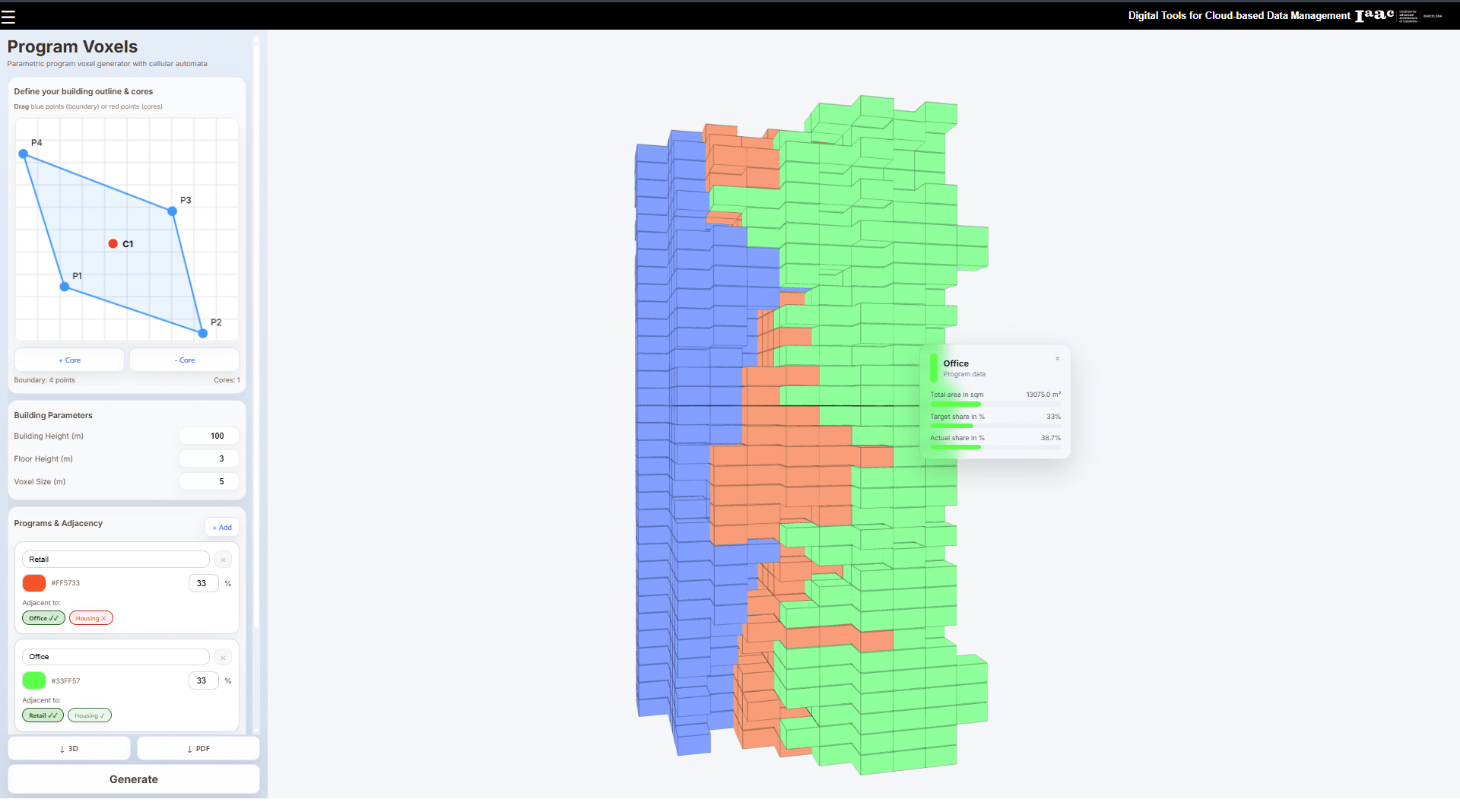
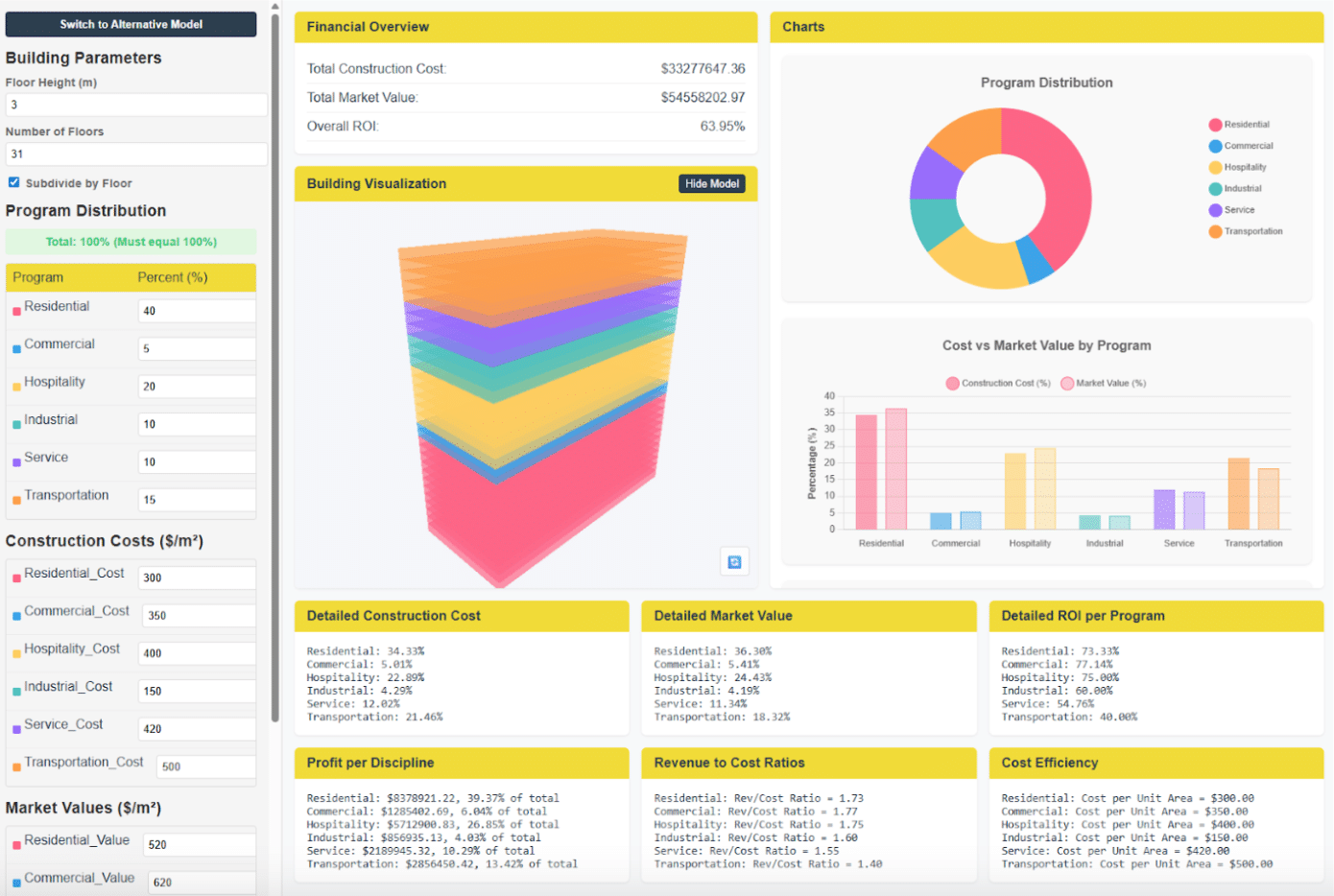
Program Voxels: Interactive Web Based Program Generator

Program Voxels is a web-based parametric tool that automates building massing studies using cellular automata algorithms. Designed for architects and urban planners, the application intelligently distributes multiple building programmes within a user-defined boundary while respecting complex adjacency relationships. Built with Vue 3, Three.js, and Rhino Compute, the tool bridges visual programming with an intuitive web … Read more

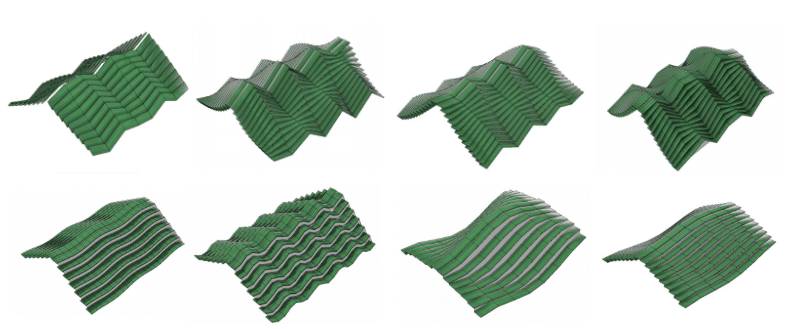
Roof Panelizer – Breaking Free from Planar Constraints in Roof Design

Roof design has long been constrained by the limitations of traditional BIM applications. While architects envision expressive, non-planar geometries, they often default to repetitive planar forms due to technological barriers. Beyond aesthetics, these planar designs leave critical questions unanswered: How many panels are needed? What custom tile sizes must be fabricated? How do design decisions impact material costs and constructability? Problem Statement Most BIM applications limit roof design to planar forms, creating a significant gap between architectural vision and what’s … Read more

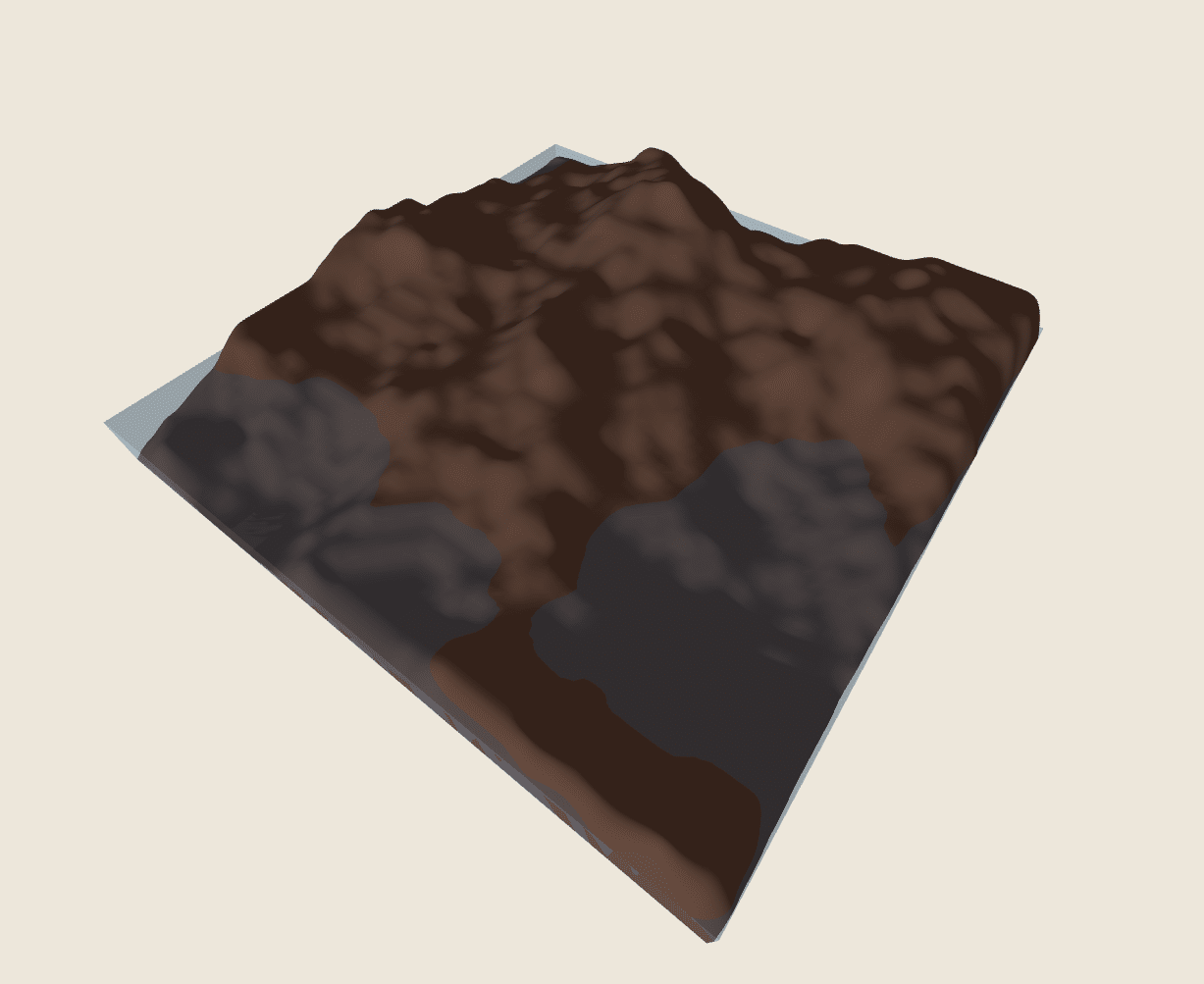
Web-Based Bitmap Terrain Generator

In the Cloud-Based Data Management seminar, our final project explored how parametric design tools can move beyond the desktop and become accessible through the web. The course focused on transforming Grasshopper definitions into web-based applications using Rhino.Compute, Vue, and web visualization workflows, with the goal of making computational design more accessible to end users. This … Read more

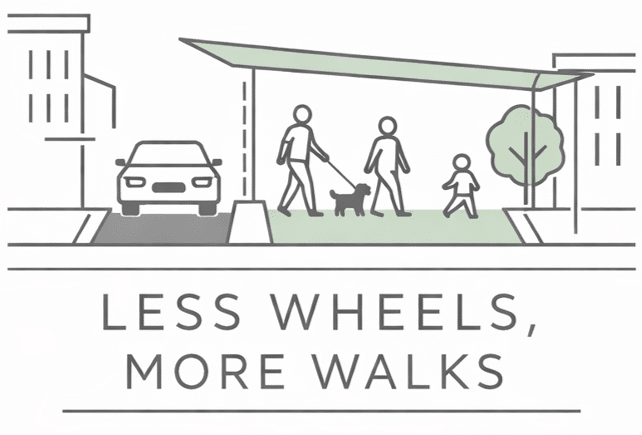
Less Wheels, More Walks

Team member(s): Hani KarimeModified by Hani Karime on April 12, 2026 Concept Less Wheels, More Walks is a parametric web-based urban simulation tool that explores how shading strategies can shift street space from cars to pedestrians. The idea started from living in Qatar, where the lack of shaded sidewalks discourages walking. Even short distances are often traveled by car. … Read more

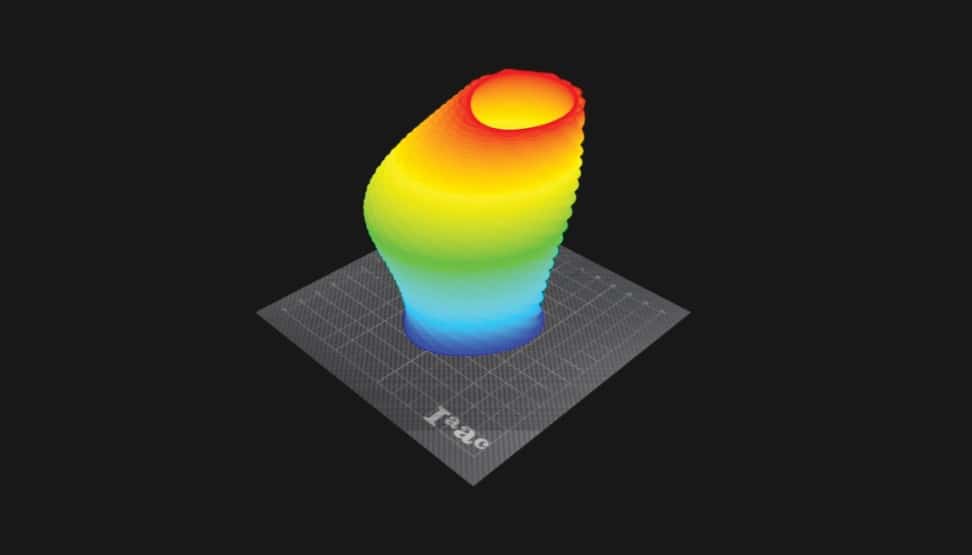
A Browser-Based Custom G-code Slicer

Built on Vue.js + Grasshopper + Rhino Compute This documentation presents the design, development, and technical implementation of a browser-based G-code slicer built as part of the Digital Tools for Cloud-based Data Management course at the IAAC Problem Statement Commercial 3D printing slicers, such as PrusaSlicer, Bambu Studio, and Ultimaker Cura, are designed as general-purpose … Read more

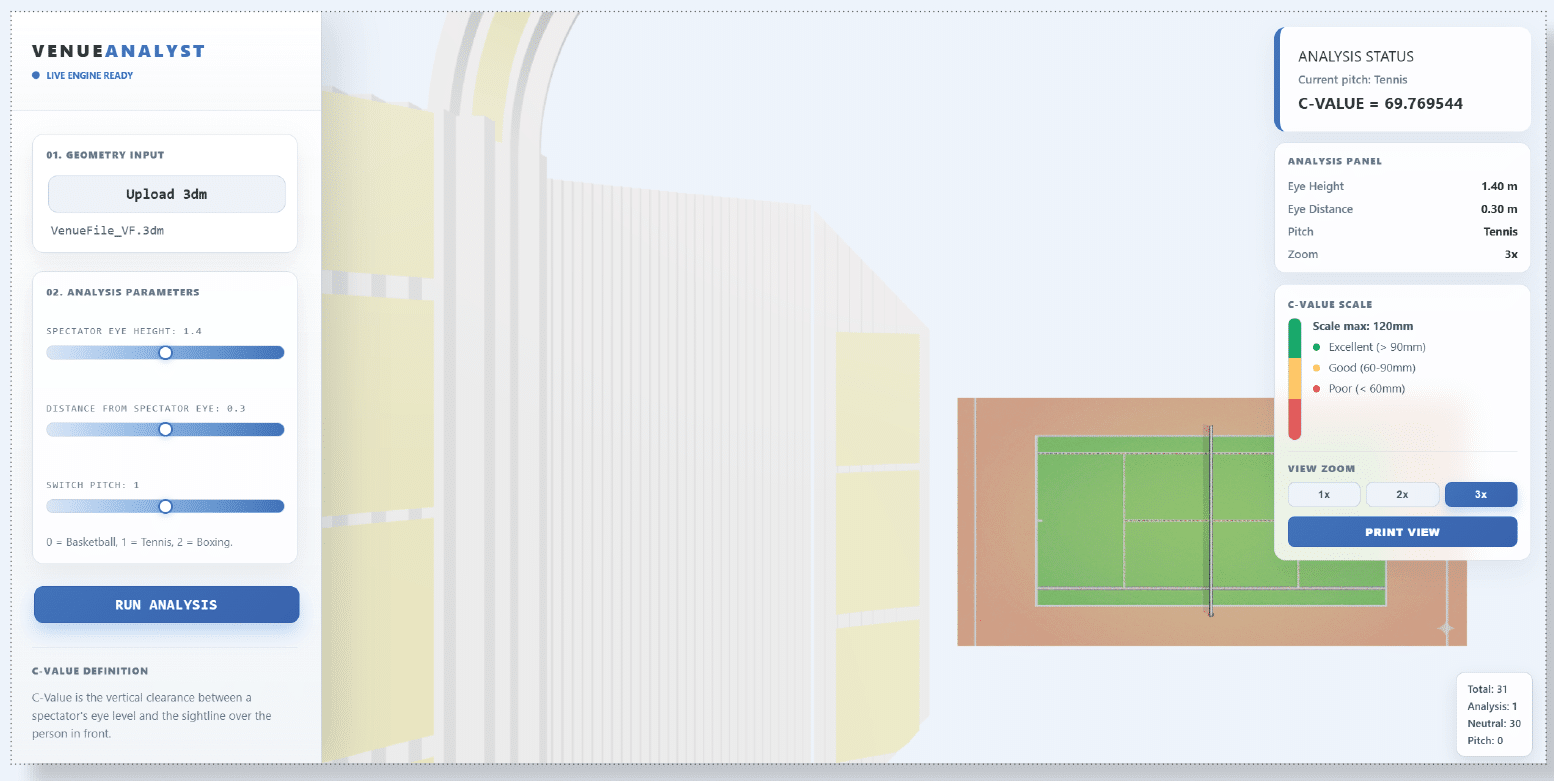
VenueAnalyst: Building a Cloud-Based SaaS for Stadium Sightline Diagnostics

From Jakarta to Data: Automating the Perfect View with VenueAnalyst What started as a design studio project for a floating, flood-resistant stadium in Jakarta quickly evolved into a computational challenge: How do we prove a stadium actually works for the fans? While many architects focus on generating new forms from scratch, the reality of the … Read more

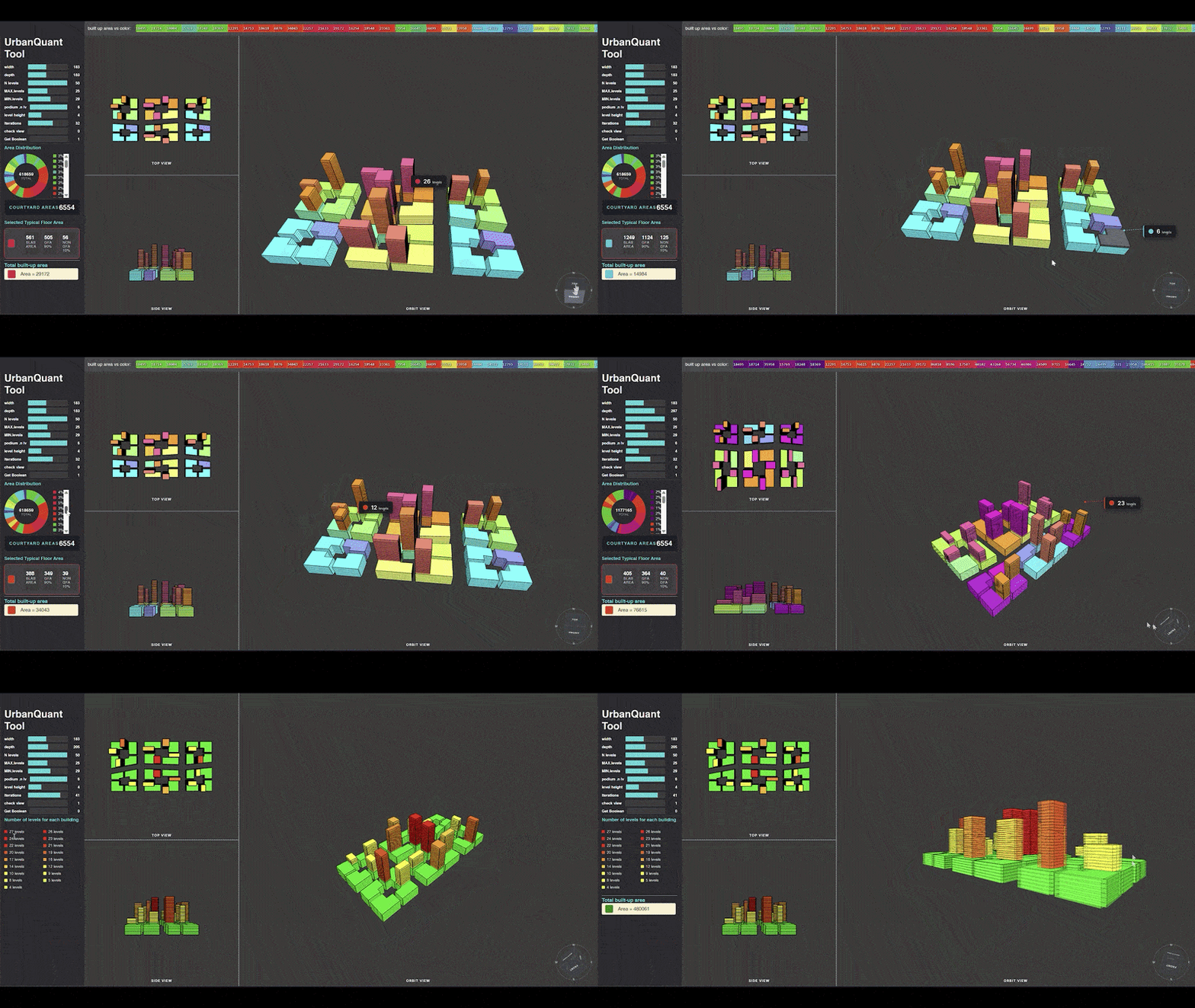
Urban Quant Tool

Urban Quant is a data‑driven urban design tool delivering area and massing analyses for buildings and open spaces. It calculates Built‑Up Area (BUA), Gross Floor Area (GFA), service/core areas and building levels, integrating solar exposure and sun‑hour simulations. The platform converts regulatory, programmatic, contextual inputs into comparable scenarios, visualizations, and reports for architects. Area distribution … Read more

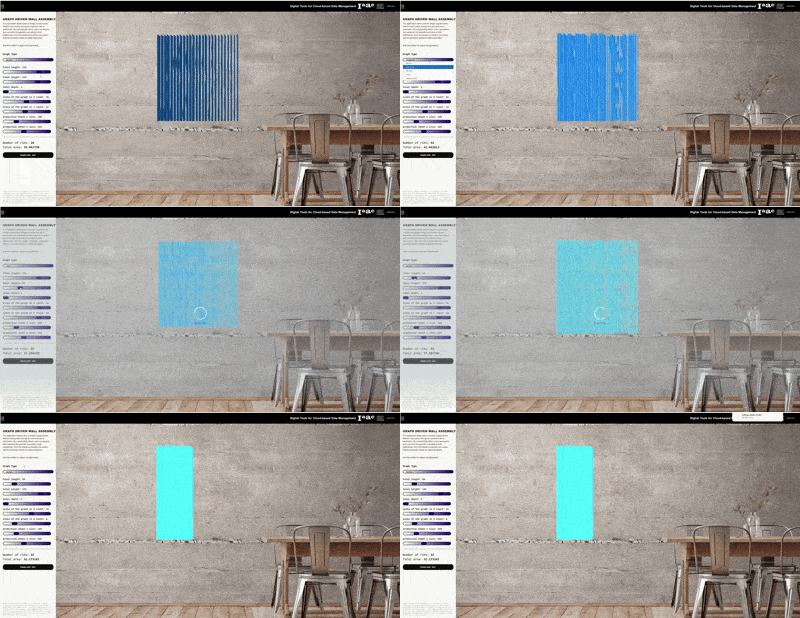
Graph Driven Wall Assembly

From Parametric Design to Web-Based Configurator: A Computational Design Workflow This project presents the development of a web-based parametric configurator for a graph-driven freeform wall assembly system. The project integrates Rhinoceros 3D, Grasshopper, and Rhino Compute with a Vue.js frontend to create an interactive design tool that allows users to explore, customize, and export fabrication-ready … Read more

COMMERCIAL PRODUCT: Interior Wall Configurator (Web-based)

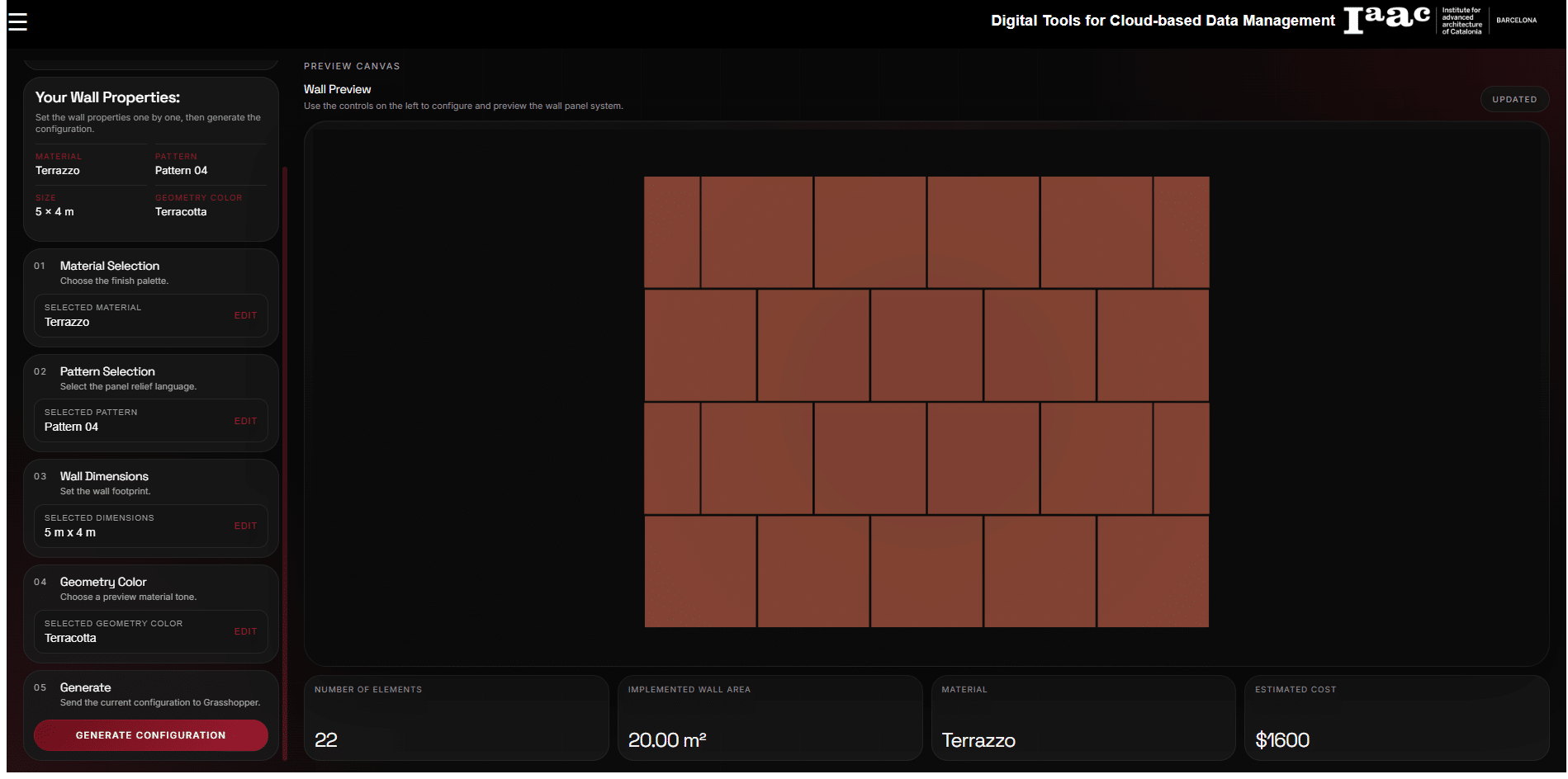
This project presents a web-based parametric configurator for interior wall panel systems, developed as a stylized and cohesive branded interface connected to a working Grasshopper definition running through Rhino.Compute via Hops. The application includes a project title, a description of the tool, and all required inputs to interact with the Grasshopper logic directly from the … Read more

Breaking the Desktop Barrier: A Real-Time Parametric Pavilion

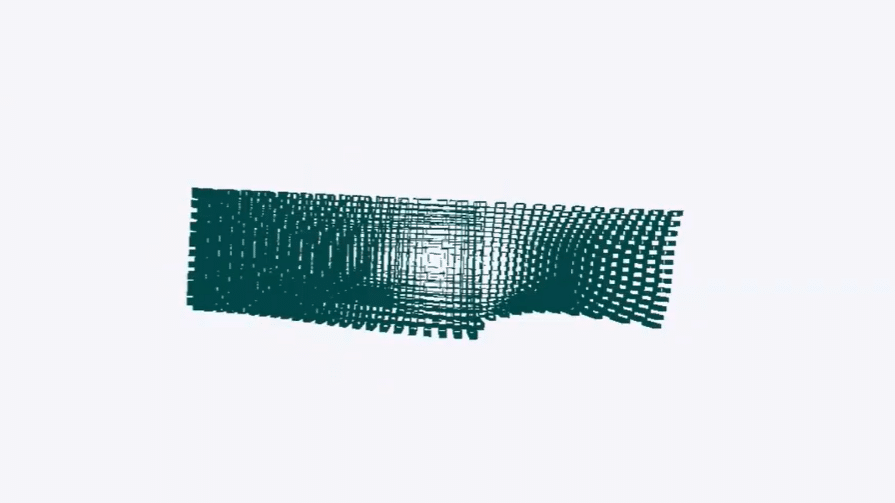
In the traditional architectural workflow, parametric models are often “trapped” inside heavy desktop software like Rhino and Grasshopper. My latest project, the Parametric Brick Pavilion, aims to bridge this gap by moving high-level structural computation directly into a web-based interface. The Challenge: Accessibility in Complexity Parametric design is a powerful tool for iteration, but it … Read more

Ascend: Democratizing Parametric Staircase Design from Web to CAD

Designing a staircase is one of the most complex spatial and structural challenges in residential architecture. It requires a delicate balance between ergonomic constraints, safety regulations, and aesthetic fluidity. Traditionally, this process is confined to complex CAD software, demanding continuous intervention from the architect even for basic modifications. With Ascend, I set out to challenge … Read more

Project Description — BuildScape

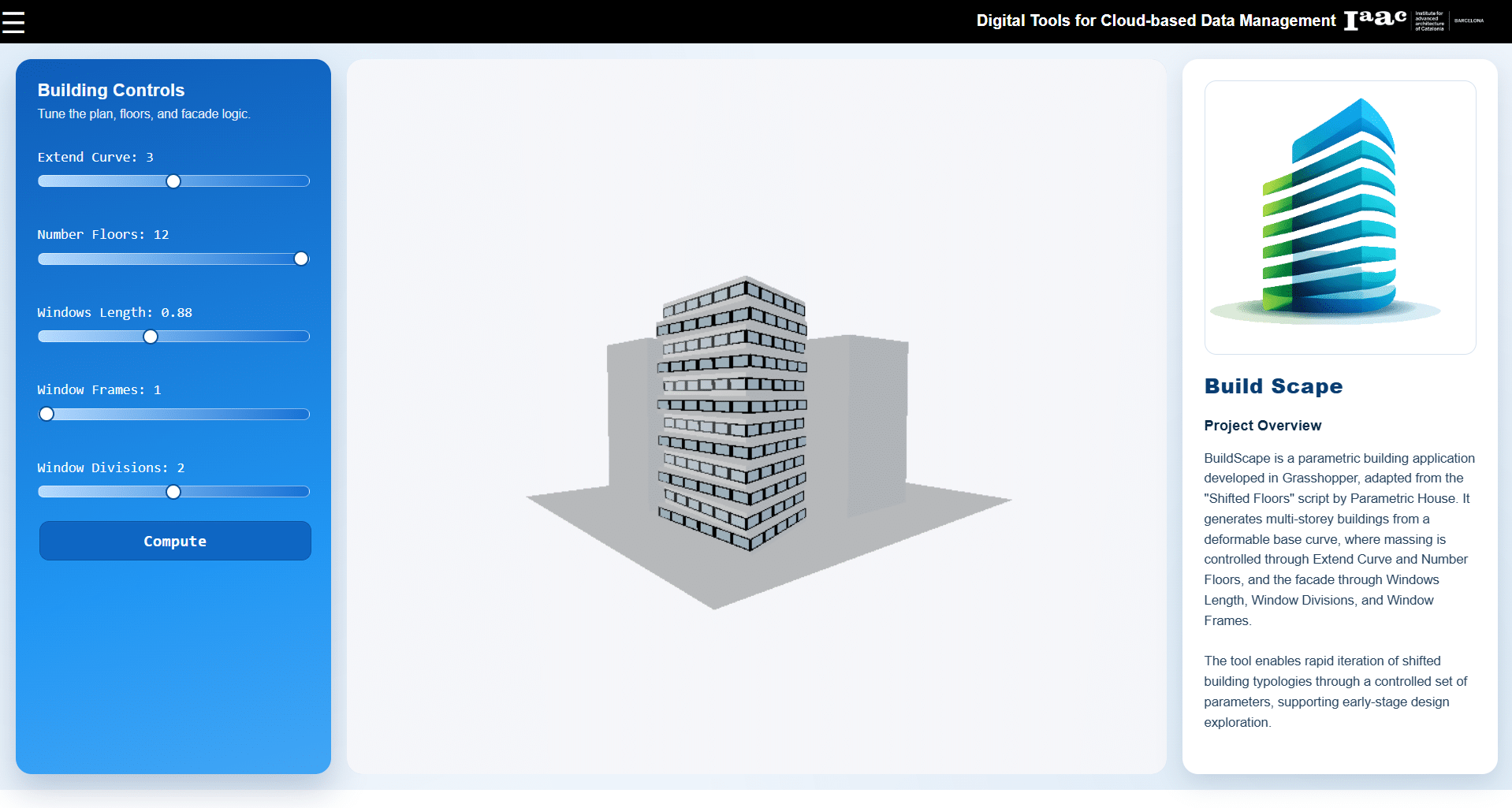
BuildScape is a parametric building generator developed in Grasshopper, adapted from the “Shifted Floors” definition by Parametric House. The project restructures the original script into a modular system and deploys it through Hops, enabling real-time interaction via a web interface. The Grasshopper definition is organized into three computational stages: 1. Solid Generation (Base Geometry + … Read more

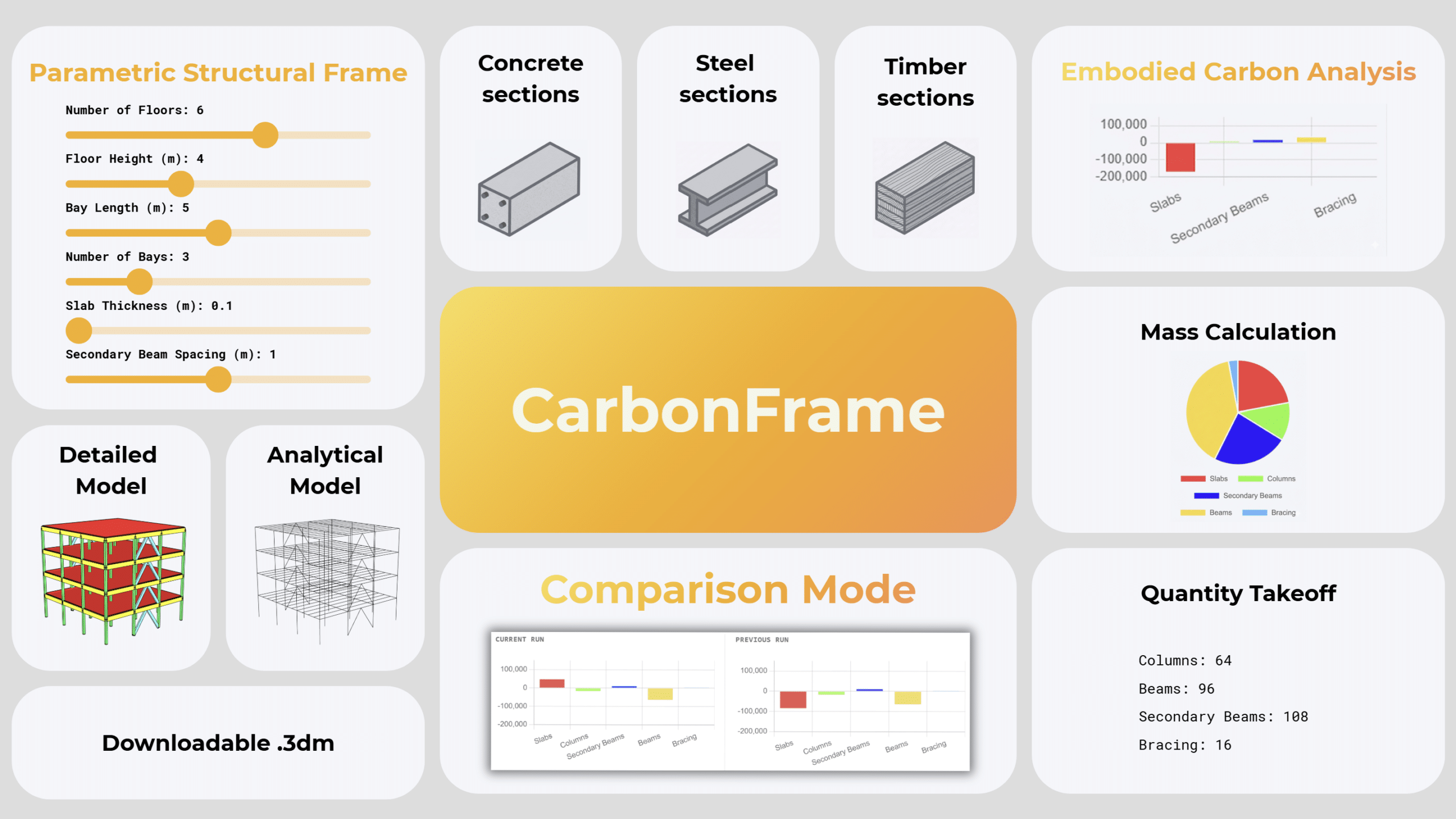
CarbonFrame – Structural Frame Embodied Carbon Calculator

CarbonFrame is a web-based parametric tool for calculating the embodied carbon of structural frames. Life Cycle Analysis is becoming a requirement in the building industry. However, integrating it into everyday design workflows—especially in the early stages—remains a challenge. This is critical, because structural systems and material choices are often the largest contributors to a building’s … Read more

Façade/gen

Design in Seconds: Rethinking Parametric Architecture with Façade/gen Introduction In the fast-paced world of modern architecture, the earliest stages of a project are the most critical. This is where a building’s identity is forged and its environmental footprint is largely determined. However, for years, high-level parametric design has been gated behind significant barriers: expensive software … Read more

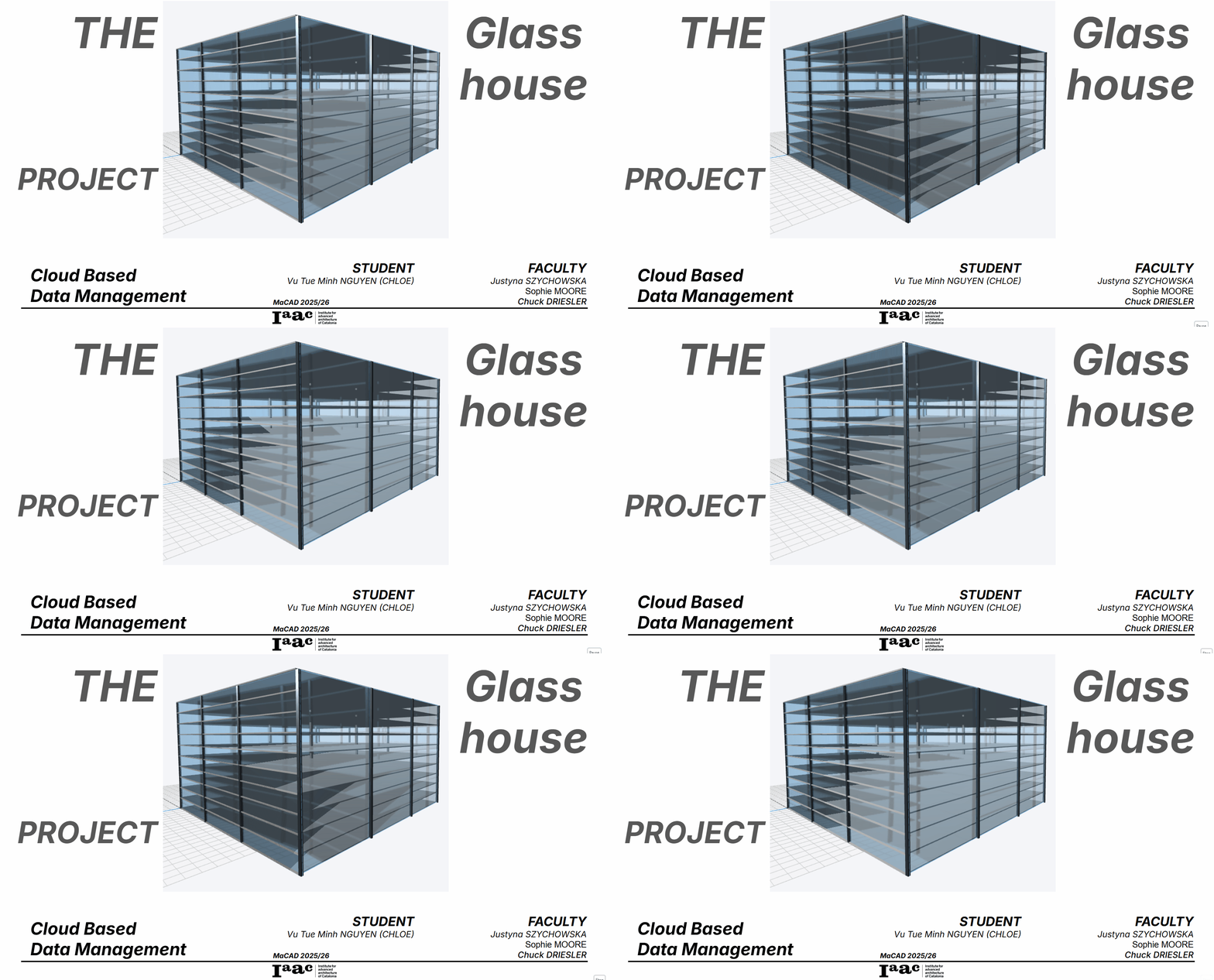
The Glasshouse Project

//INTRODUCTION I developed this project to design and deploy an interactive Glass House prototype where architectural parameters are controlled through web-based sliders. As you can see from my workflow, I’ve built a system that integrates structural data—like floor thickness, footing sizes, and column counts—directly into the browser. This allows for instant geometric manipulation, bridging the … Read more

VAZA: Real-Time Parametric Design for 3D-Printable Vases

VAZA is an interactive web application developed for 3D-printing enthusiasts interested in creating unique vase designs. It functions as a parametric design tool that transforms simple user inputs into complex 3D geometries, making advanced form generation accessible through an intuitive interface. From Simple Inputs to Parametric Form Generation VAZA demonstrates how intricate shapes can emerge … Read more