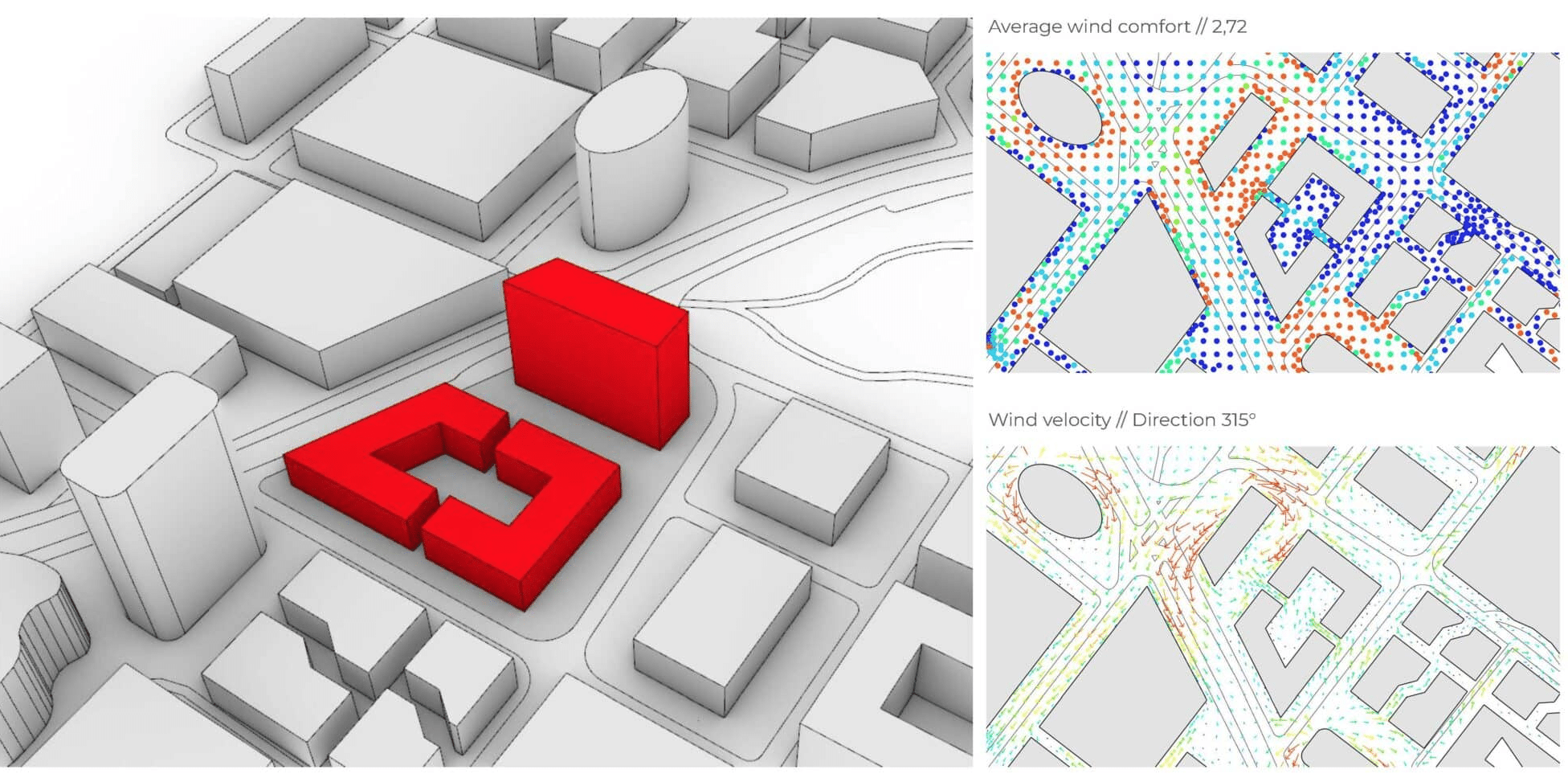
This seminar seeks to equip students with the theoretical foundation and technical skills needed to use environmental simulations to inform architectural design within an urban case-study context.


Syllabus


MaCAD2024-25 Environmental Analysis, Climate Analysis Framework for Abu Dhabi by students Andrea Ardizzi, Ernesto Preciado, Krisztian Hajdu

DIGITAL TOOLS FOR ENVIRONMENTAL ANALYSIS

The undoubtedly significant contribution of buildings’ performance to the devastating effects of climate change has in the past decades driven research and development efforts in the architecture, engineering and construction industry. To enable the shift towards more performance-aware design, environmental simulation tools have become more readily available through the constant development of new interfaces that incorporate state of the art simulation engines in mainstream CAD frameworks. Architects and urban designers have at their disposal today, as part of their design workflows, a wide range of analytical tools that allow them to assess the environmental performance of their designs, in order to make informed and sustainable design decisions. Further to the incorporation of simulation tools the recent developments in optimization and generative design methods are fundamentally changing the computational design workflow and enable the exploration of vast design spaces, unconceivable by manual processes.

This seminar aims to empower students with the theoretical background and the technical expertise to inform architectural design in an urban case study site using environmental simulations. Either on empty unused land plots or the rehabilitation of existing infrastructures, the projects will have synergy with the rest of the digital tools seminars, allowing the students to apply the knowledge received into a practical and speculative design proposal. This hands-on investigation will enable students to apply evidence-based solutions to complex environmental design problems using state-of-the art software and analytical techniques.
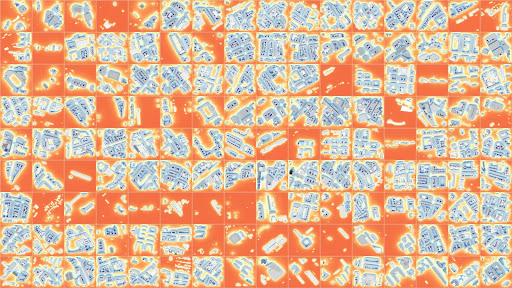


InfraredCity

Learning Objectives

At course completion the student will:

  • Understand Environmental Simulation principles for Architecture and Urban Design.
  • Be able to set out a simulation strategy for a given problem.
  • Be familiar with the fundamental simulation engines and integrated tools in Rhino
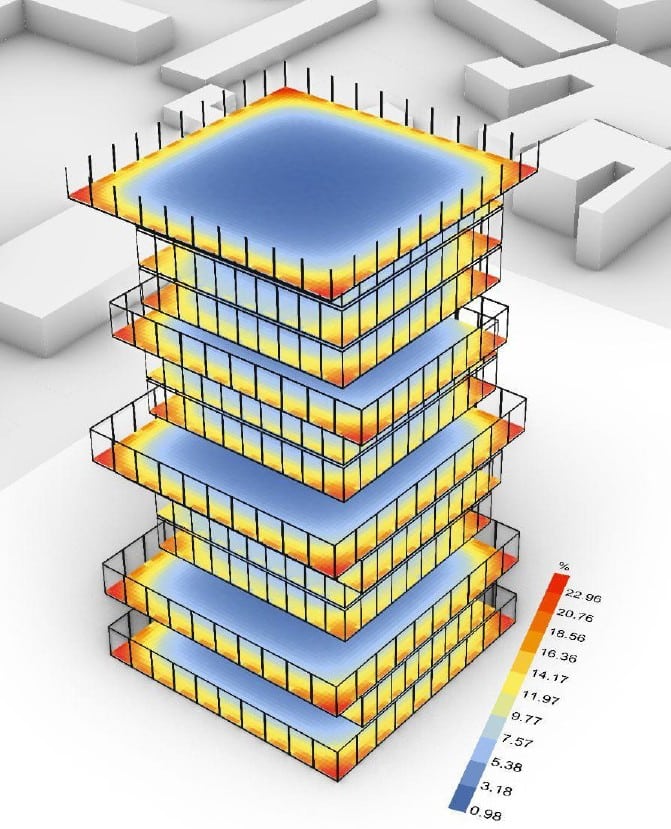
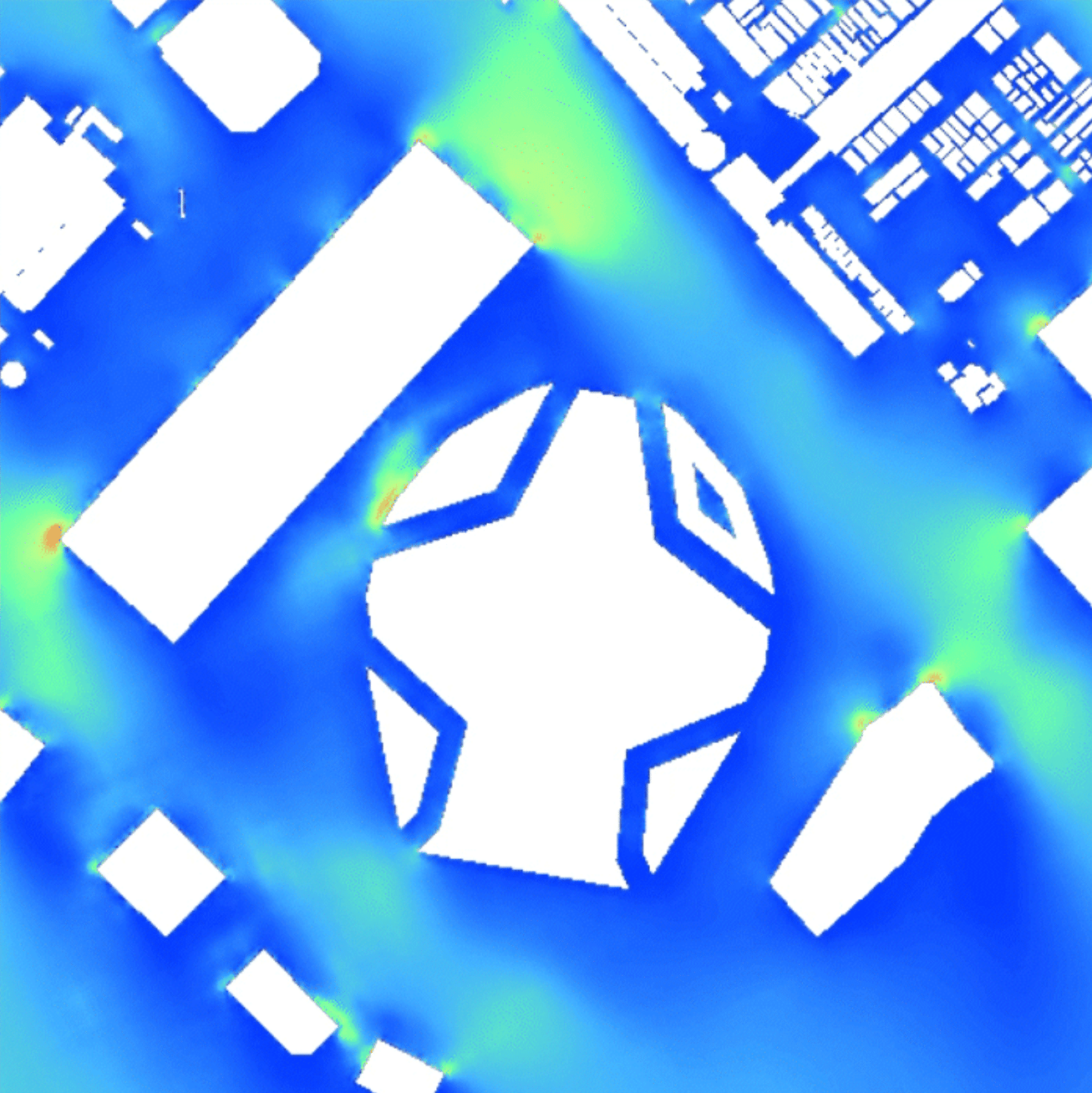
  • Set up and run fundamental simulation studies – Solar Radiation, Daylight and Wind
  • Visualise, understand and meaningfully interpret the results of simulations
  • Be able to make informed decisions based on the simulation results

SEMINAR KEYWORDS – simulation, performance-driven design, optimization, climate simulation, environmental performance



Faculty


Faculty Assistants


Projects from this course

Desert Voxels

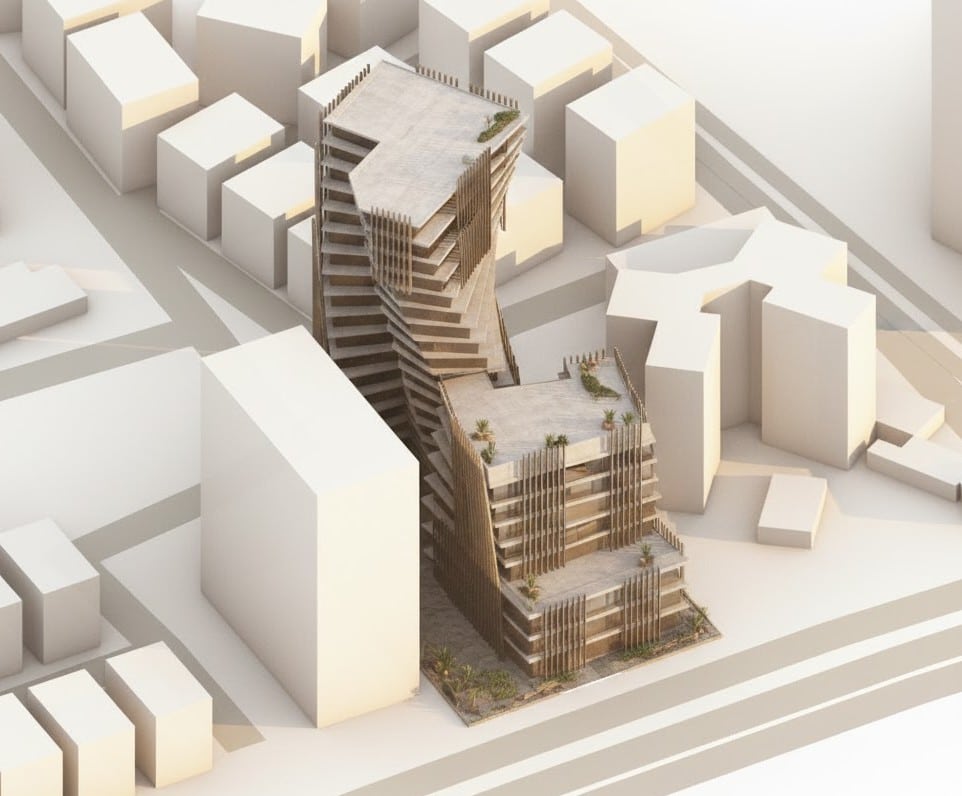
Sustainable Design and Environmental Analysis for a Cultural Center in Dubai’s Business Bay Site The project is located in Business Bay, Dubai’s dynamic mixed-use district along the Dubai Creek. Characterized by high-rise towers, waterfront promenades, and a lively urban atmosphere, the area blends commercial, residential, and cultural spaces. Within this dense urban context, the project … Read more

Data-Driven Environmental Analysis in Palermo (Italy)

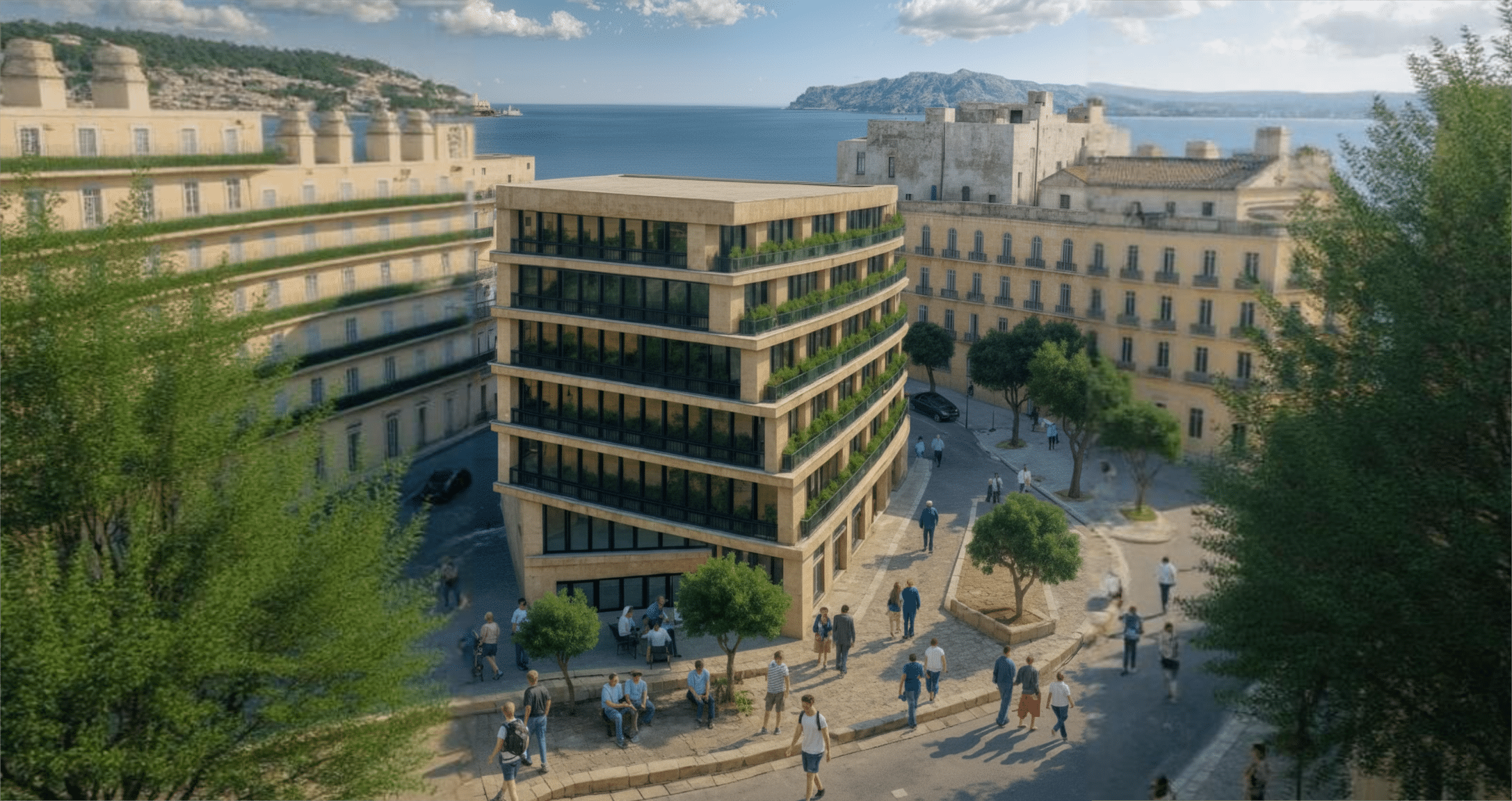
A comprehensive environmental assessment and design optimization process was developed for a proposed residential development located in Palermo, Italy. This study integrates climate analysis, massing optimization, outdoor thermal comfort assessment and the development of a final design proposal informed by performance-based criteria. Introduction The project area covers approximately  6,500 m2 within a dense and flat residential … Read more

Quantum Grounds: Climate-Adaptive Urban Futures at CERN

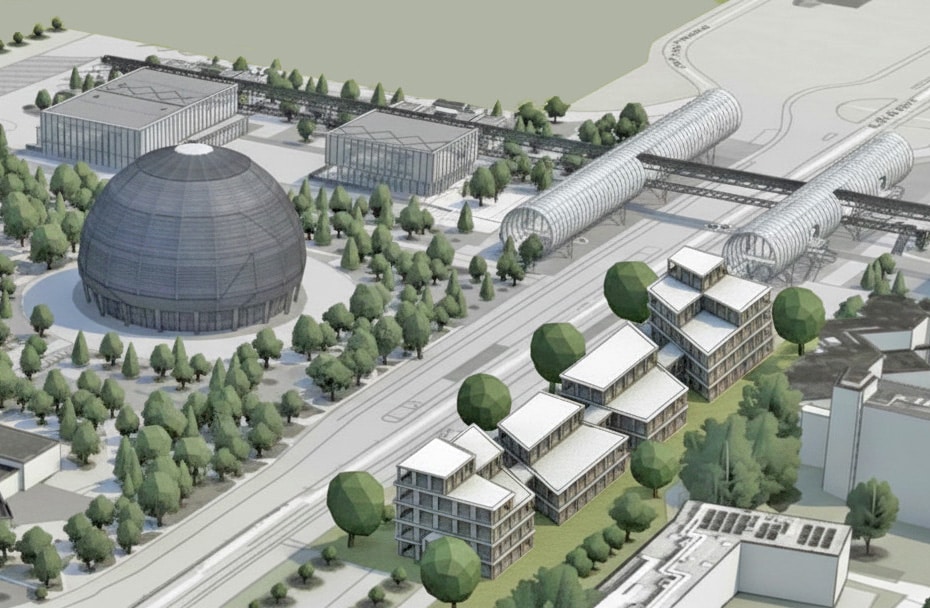
Case Study Site Context The site is located at 46.2330, 6.0556 in Meyrin, Geneva, Switzerland. It includes the Esplanade des Particules, within the CERN campus, and covers an area of 45.000 sqm, surrounded by a urban residential area with low-rise buildings. The primary land uses in the vicinity include grass and allotments. The site’s location … Read more

Ahmedabad’s Extreme Climate: Environmental Performance Driven Design, from Data to Form

Introduction This project, developed by Group D (Giovanni Carlo Volpe, Nihan Malkoç, Sushmitha Ravi, Zeynep Sezen Dursun) as part of the Master in Advanced Computation for Architecture & Design at IAAC, explores a computationally driven strategy for creating environmentally responsive architecture in the challenging climate of Ahmedabad, India. Through a rigorous process utilizing Digital Tools … Read more

The Sheltered Core

Kyiv’s climate shows limited periods of thermal comfort throughout the year. Most months are uncomfortable due to cold winters and hot summers. Comfort in the shade improves slightly in mid-seasons, while exposure to the sun enhances warmth in spring and autumn but increases heat stress in summer. Sun & Wind Study Insights:Wind significantly influences thermal … Read more

Revitalizing the Tsukiji Fish Market: An Environmental Analysis of Tokyo

Introduction Group Async A, comprised of Charles Abi Chahine, Emilie El Chidiac, María Sánchez, and Lakzhmy Zaro, conducted an environmental analysis of a redevelopment project in Tokyo, Japan. We focused on a 19-hectare plot that was historically the site of the Tsukiji fish market. The Challenge of Dressing for TokyoAnyone who has visited Tokyo’s famous … Read more

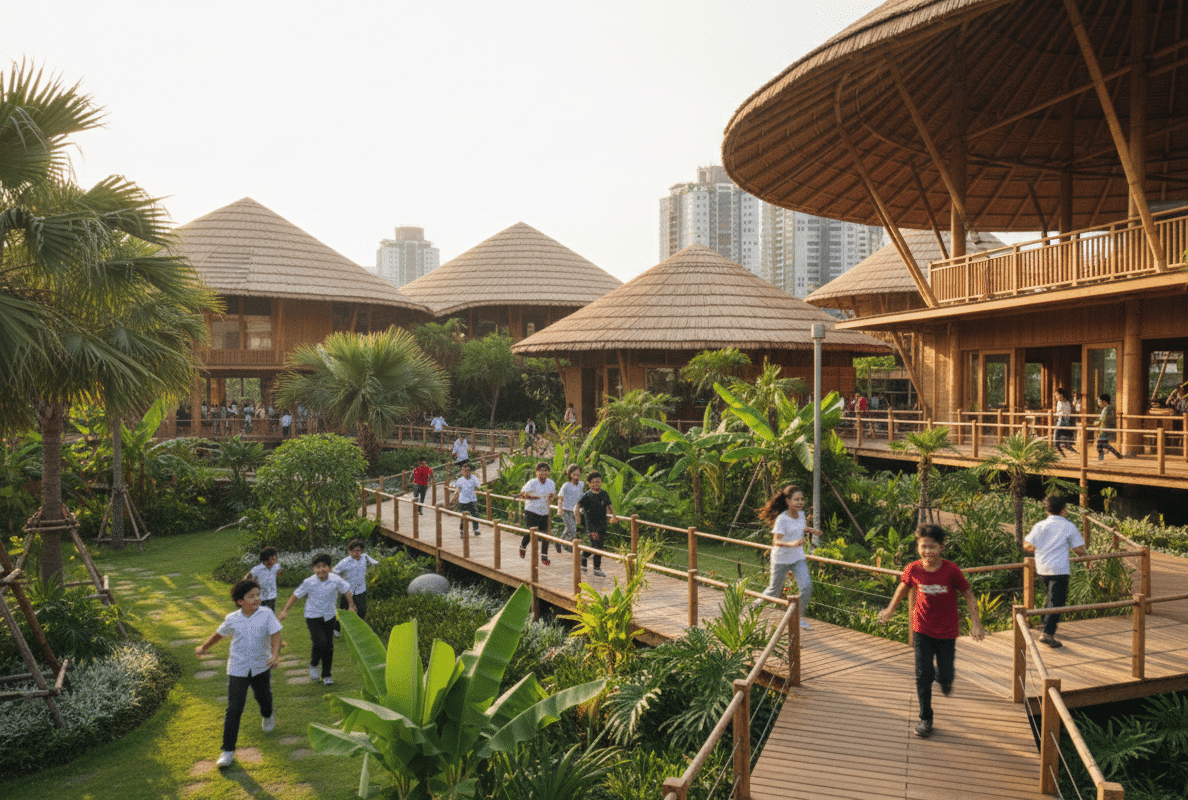
Designing for Comfort: How Digital Tools Informed Our Proposal for Mani Witthaya School

Team members: Nguyen Vu Tue Minh (Chloe), Eduardo Martinez Toribio, Symon Kipkemei Modified by Nguyen Vu Tue Minh on December 12, 2025 //CONTEXT //SITE INFORMATION //CLIMATIC ANALYSIS //DESIGN PARAMETERS 1. Precedent Study & Early stage explorations 2. Form Study 3. Design Exploration To test our ideas effectively, we simplified our design proposal into clean, minimal … Read more

St. Julian’s – Environmental Analysis Research

Saint Julian’s City in Malta Saint Julian’s is Malta’s nightlife and tourism epicenter (Paceville), causing extreme population density and infrastructure strain in summer. Its coastal development makes it highly vulnerable to climate change impacts like sea-level rise, while its energy-intensive industry contributes to Malta’s emissions. Environmental Analysis to Inform Design Environmental Analysis Workflow The workflow … Read more