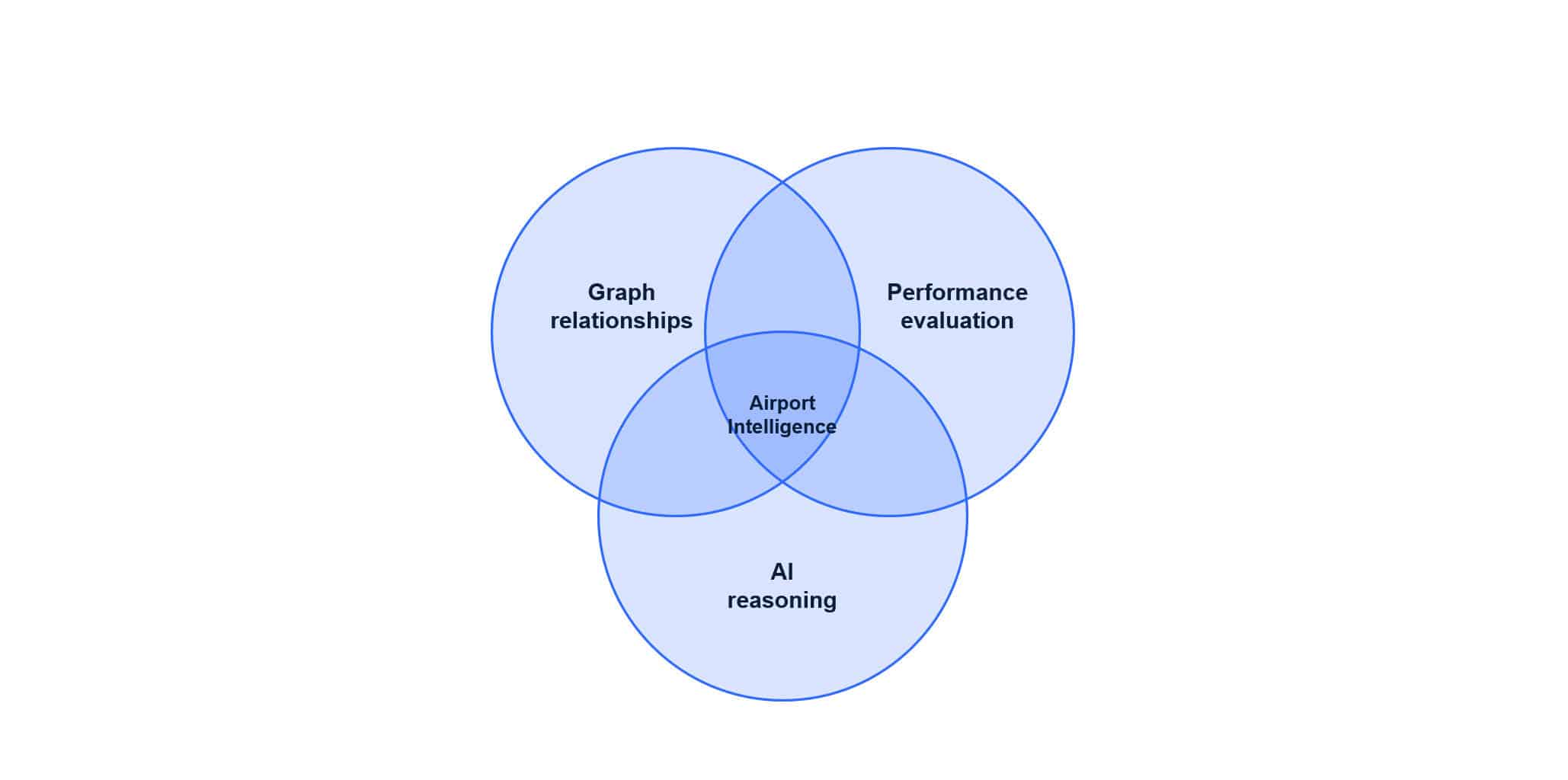
Can We Decompose BIM Models and Regenerate Them with AI?
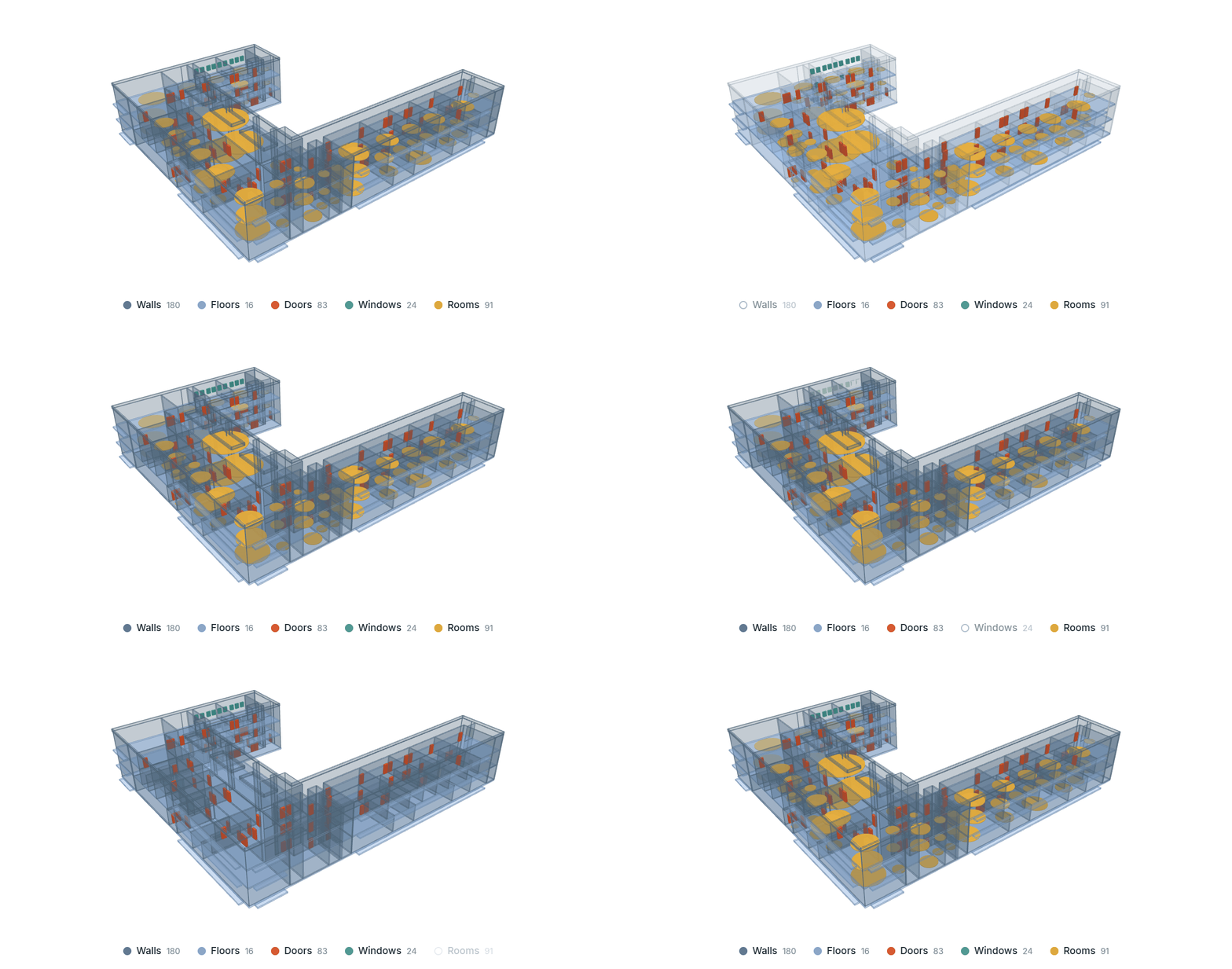
A five-minute Pecha Kucha pitch on my MaCAD thesis: take real Revit models apart, learn by hiding parts of them, and let an AI propose new, valid models through an MCP server.

Using design thinking and innovation methodologies, students explore how their work can grow beyond the academic context. They also will learn to communicate and position their research through pitching, grant writing, and business models.
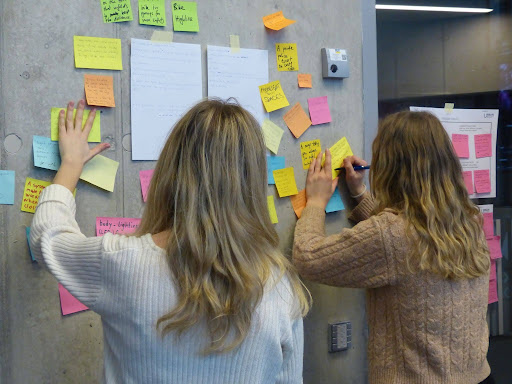
Applied Research Technologies explores how research can move beyond the thesis to generate practical applications, innovation, and future opportunities. Running alongside students’ thesis development, the course provides a framework for positioning research within broader social, technological, economic, and industry contexts.
Through a combination of design thinking, innovation methodologies, ecosystem mapping, entrepreneurship, business modelling, and communication strategies, students will examine how research can be translated into new products, services, processes, tools, ventures, collaborations, or further research pathways. The course introduces students to the wider research and innovation ecosystem, including opportunities for knowledge and technology transfer, research funding, industry collaboration, and entrepreneurial development.
Throughout the course, students will apply the methodologies and concepts directly to their own thesis projects. They will progressively define the problem and stakeholders surrounding their research, identify potential pathways for development and impact, explore models for creating value, and develop a narrative for communicating their work to different audiences.
The course culminates in an Applied Research Showcase, where students present a concise pitch of their research, articulating the problem, research proposition, potential value, and future pathway of their work. Through peer questioning and discussion, students will critically reflect on how their research can continue to develop beyond the academic context.
By the end of the course, students will be able to:
COURSE KEYWORDS
Entrepreneurial Ecosystems, Applied Research, European Research Framework, Innovation, Design Thinking, Communication
A five-minute Pecha Kucha pitch on my MaCAD thesis: take real Revit models apart, learn by hiding parts of them, and let an AI propose new, valid models through an MCP server.