Syllabus

Visual Intelligence is an advance architecture workshop that investigates the role of representation as both a design tool and a communicative language. The course engages students in a critical exploration of drawing, modeling, and visualization techniques, emphasizing abstraction, narrative, and complexity. By challenging conventional methods and embracing experimental media, students develop a deeper understanding of how architectural ideas are constructed and conveyed. Through hands-on exercises, theoretical discussions, and advanced post-production training, the workshop equips participants with the skills to produce articulate, innovative, and visually compelling work. Representation is treated not as secondary to design, but as central to its development.


Faculty


Projects from this course

Visualizing Water Flow

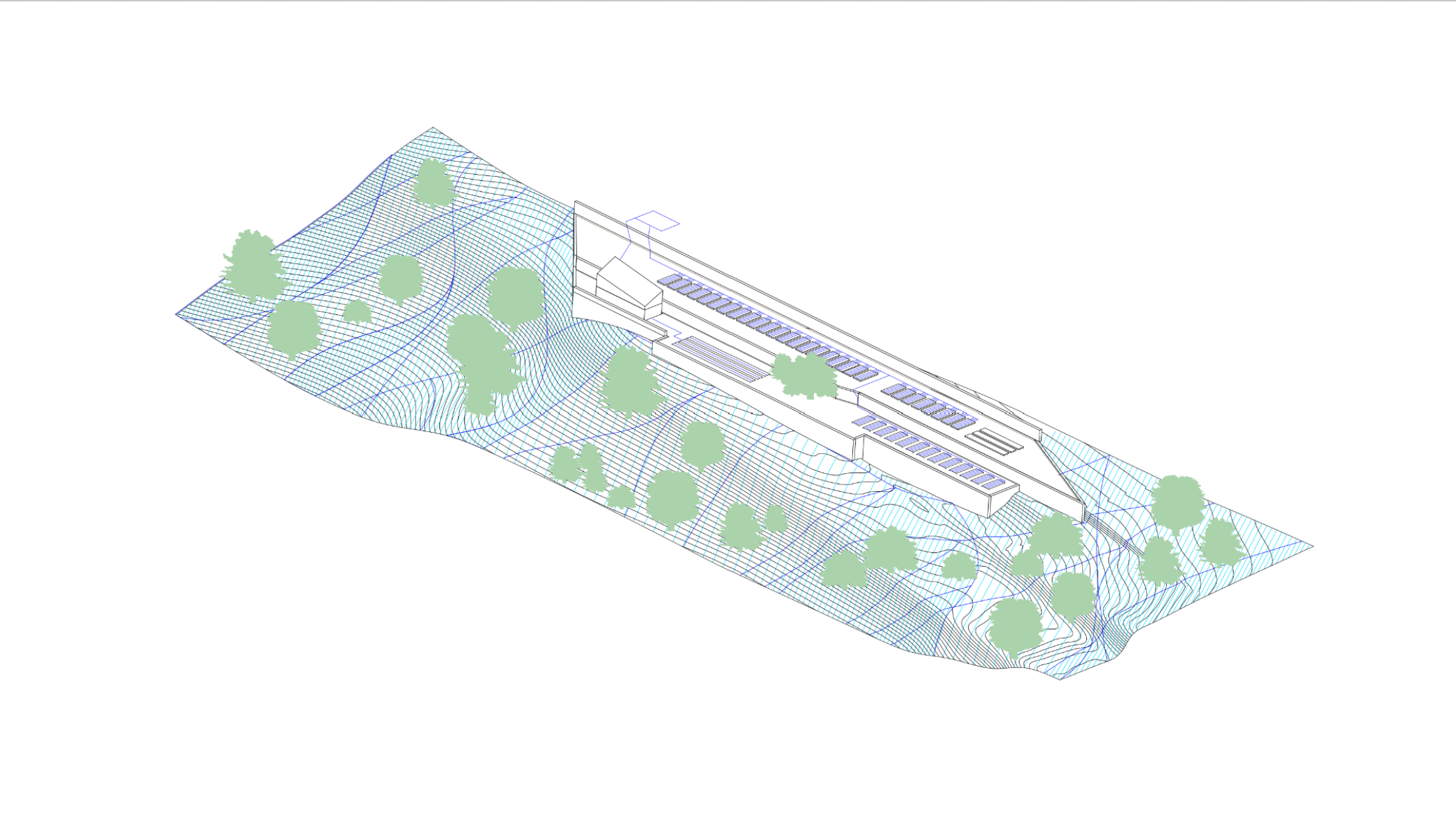
Analyzing the concentration of water flow across a landscape is an important factor in site planning, being able to communicate those findings in a digestible manner is the issue I hoped to address today. The focal point of the drawing is the flow of water, I did not want to draw attention to the terrace … Read more

Visual Intelligence 2.0 – MAEBB Exhibition Space

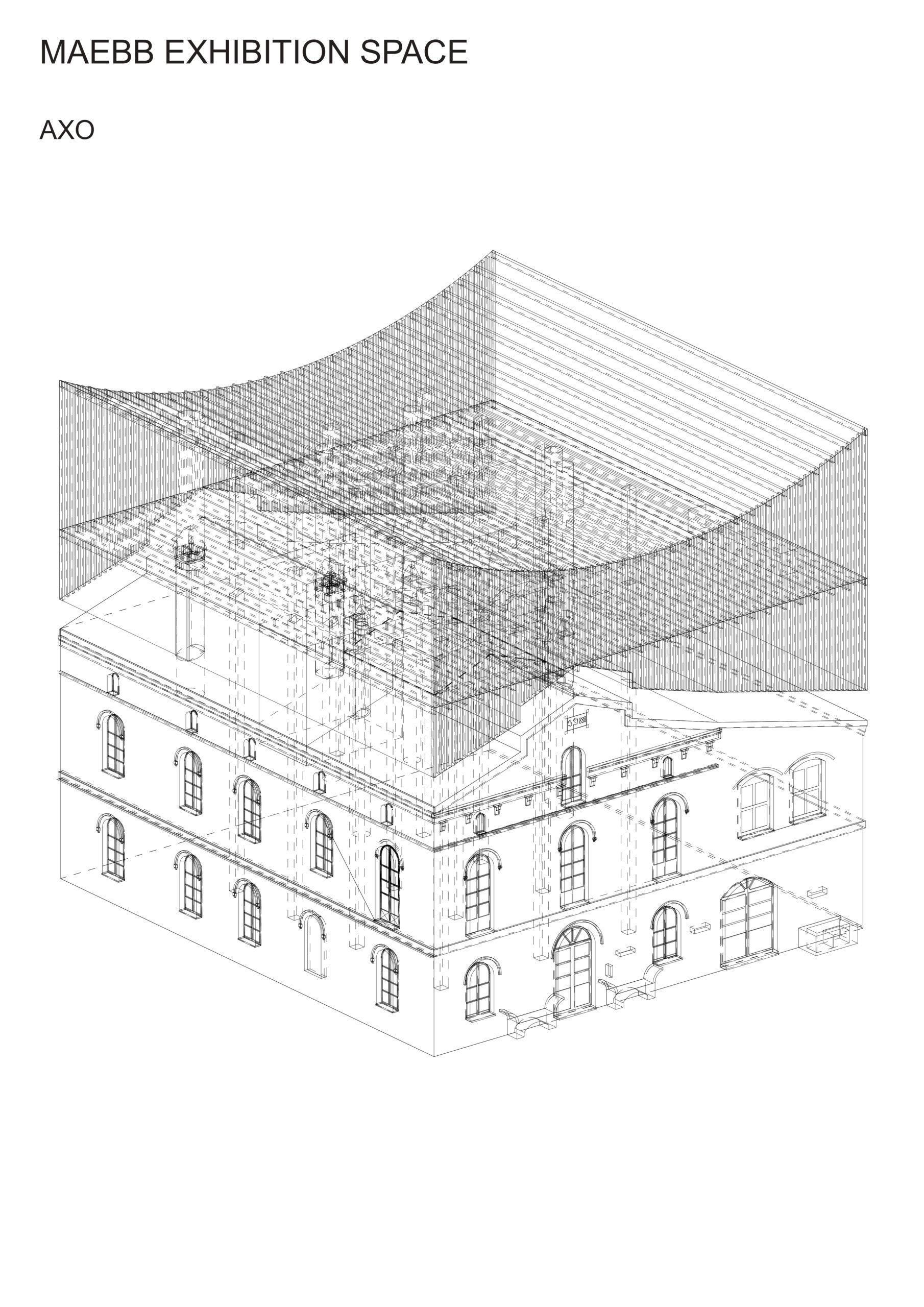
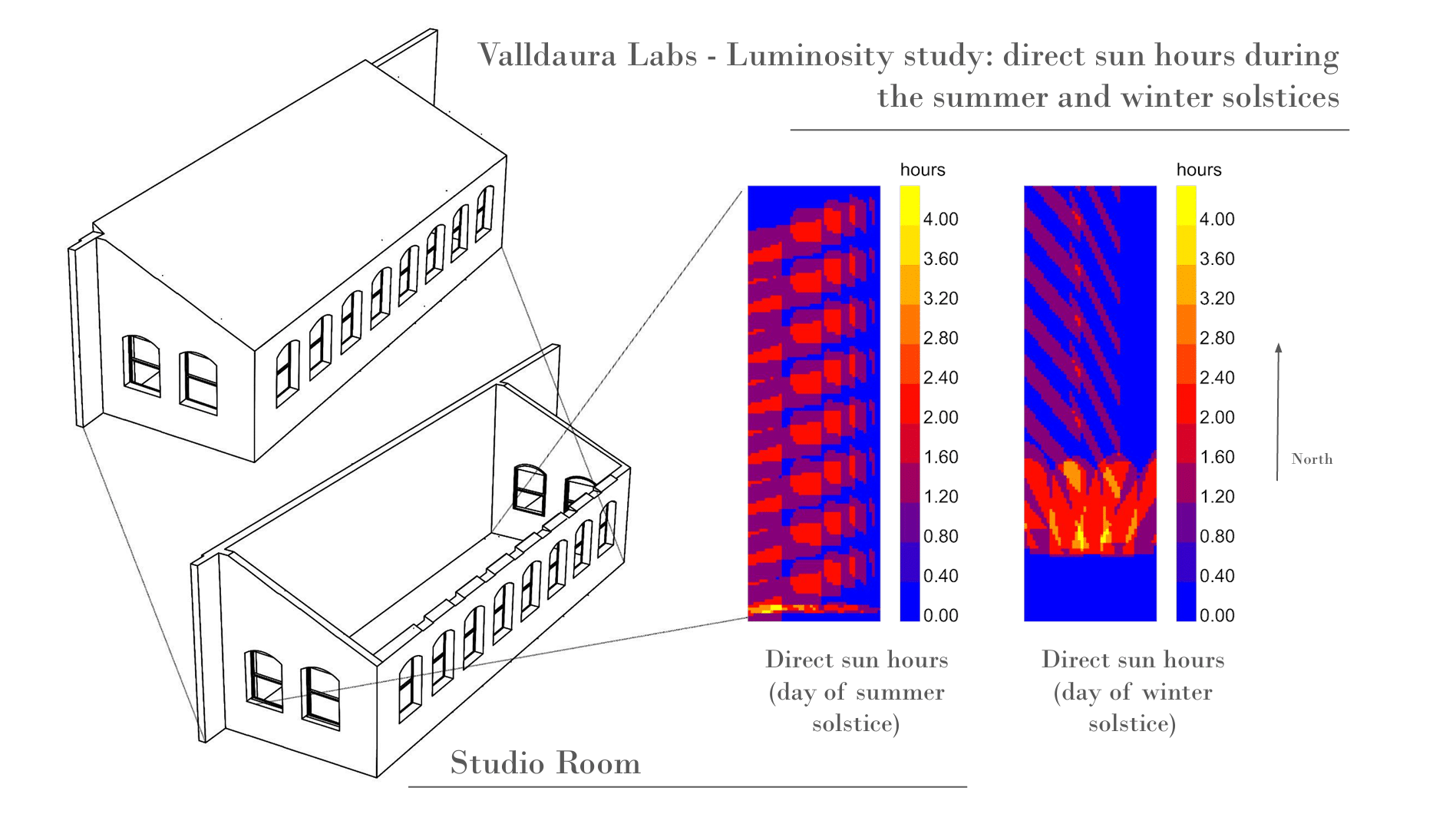
The MAEBB Exhibition Space is conceived as a lightweight timber pavilion that gently rises above the existing Valldaura Labs building—a contemporary crown inspired by Herzog & de Meuron, reinterpreted through the ecological logic of locally sourced wood. Resting on a minimal peripheral frame, the structure introduces a luminous and fully reversible addition at the height … Read more

Topographies of Work

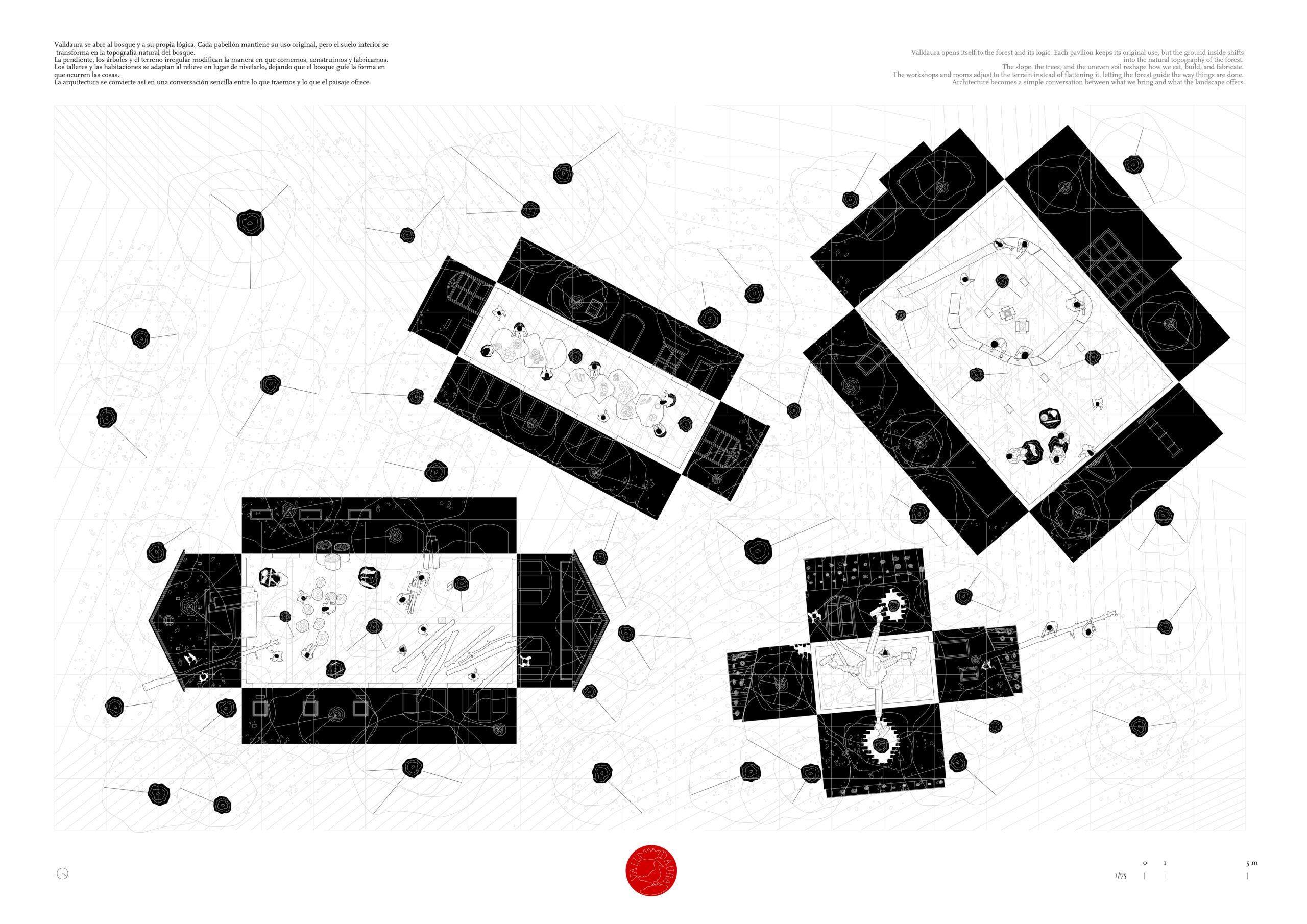
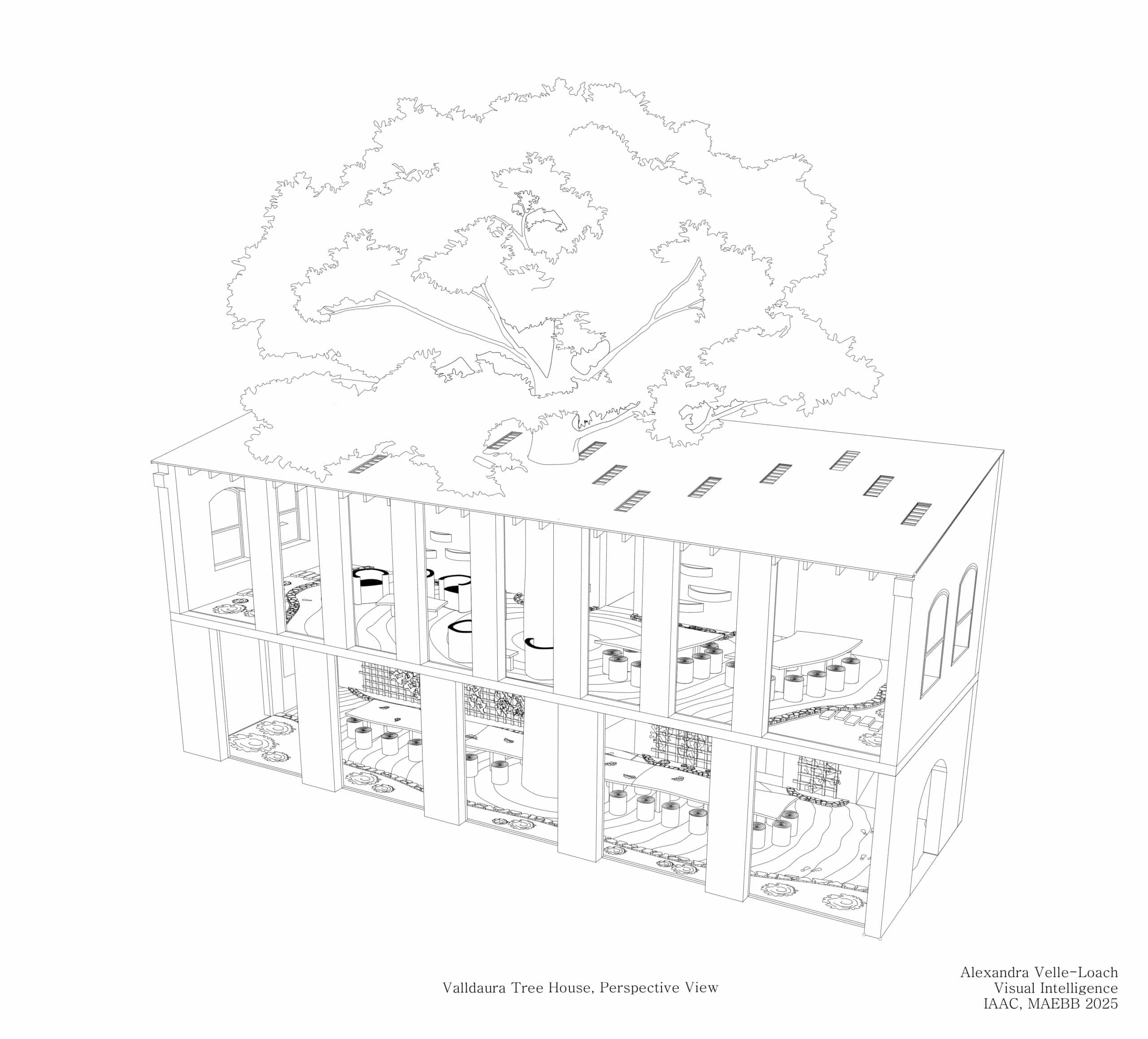
This drawing explores how architecture transforms when it stops imposing its order and allows the forest to define its own conditions. It explores a shift from “building in a forest” to “building as a forest”. In the drawing Valldaura Lab is not an object placed in the forest, it is an interpreter of the forest … Read more

GREENHOUSE AIRFLOW

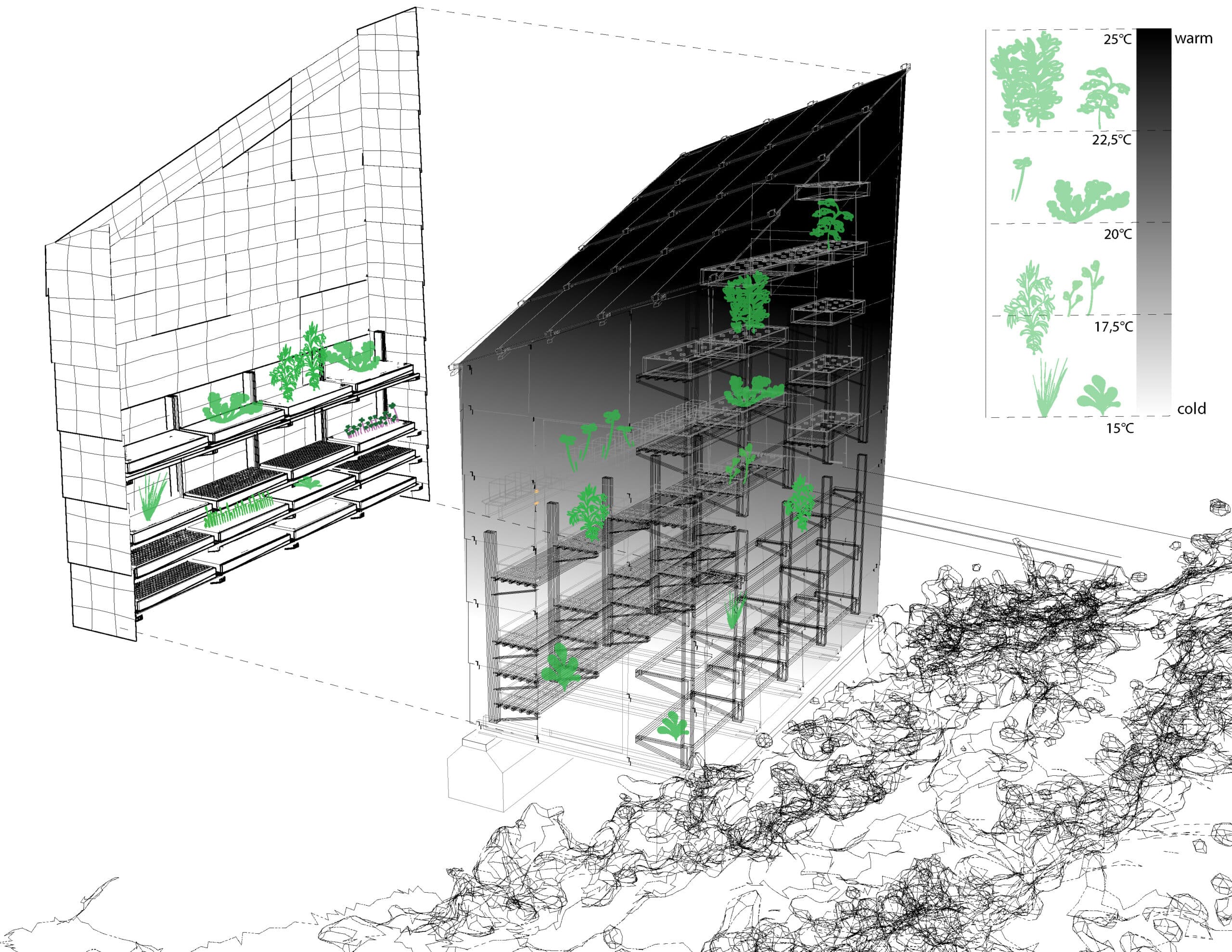
The greenhouse that was built in one of the previous MAEBB projects is a successful and daily used prototype. If something could be changed, it would be the gap in between the windows. These let too much air inside the greenhouse and makes the room too cold for some plants in winter. The airflow is … Read more

Voices from the basement

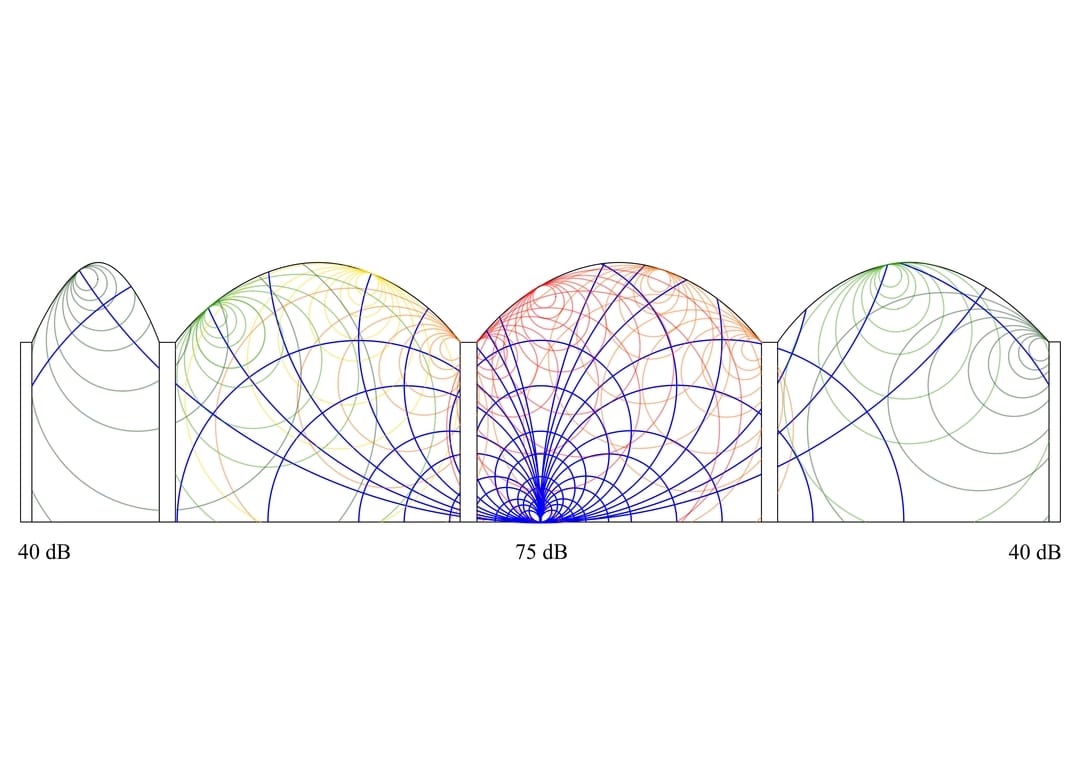
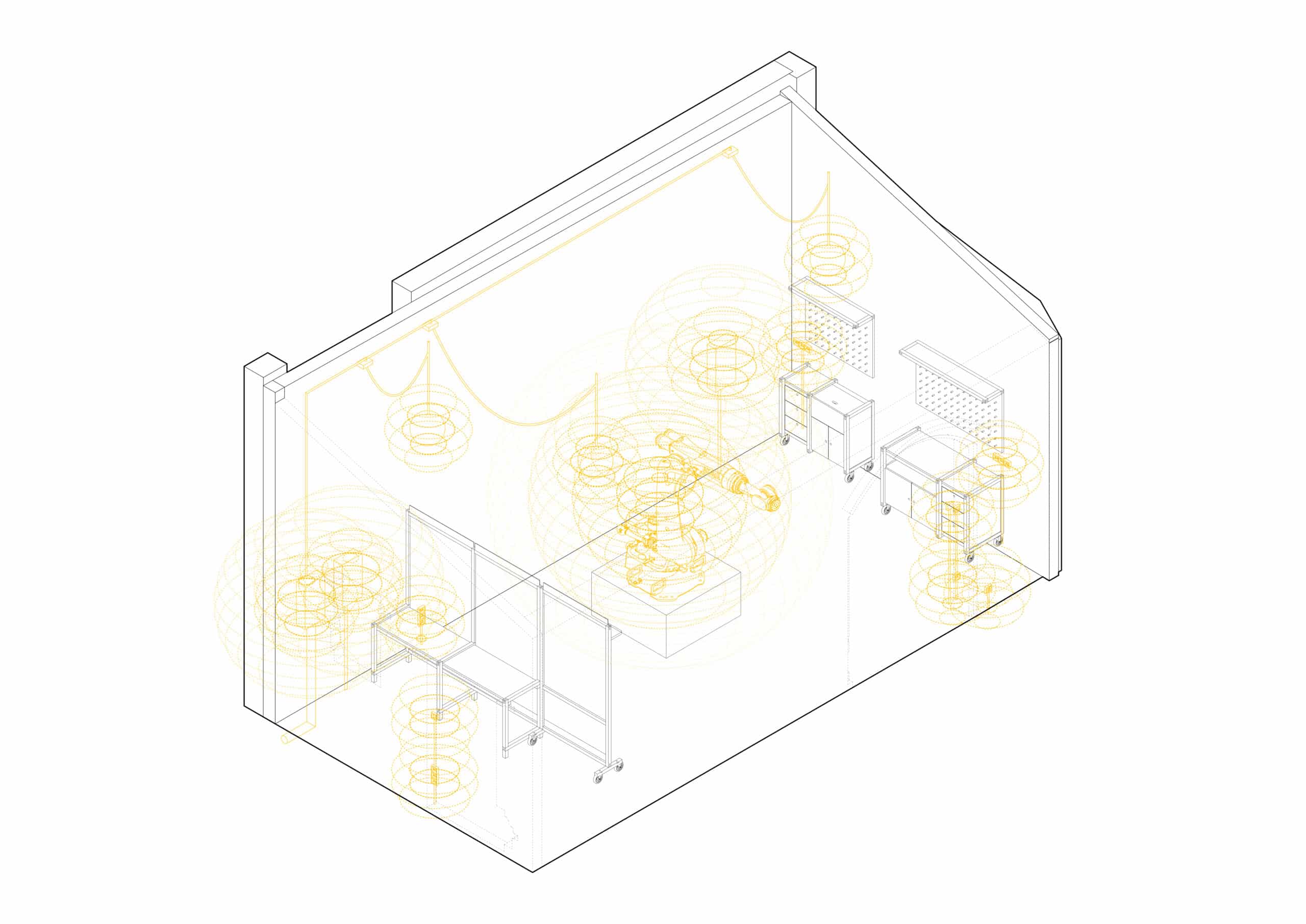
Acoustics is the field of physics studying the mechanics of waves such as vibrations, sounds, ultra- and infra-sounds. Room acoustics is a sub-branch focusing on the behavior of sound in a room. The following diagrams showcase the acoustics reflection from the ceiling of the Valldaura lab basement. In both drawings, the initial sound is initialized … Read more

Visual Intelligence | 2.0

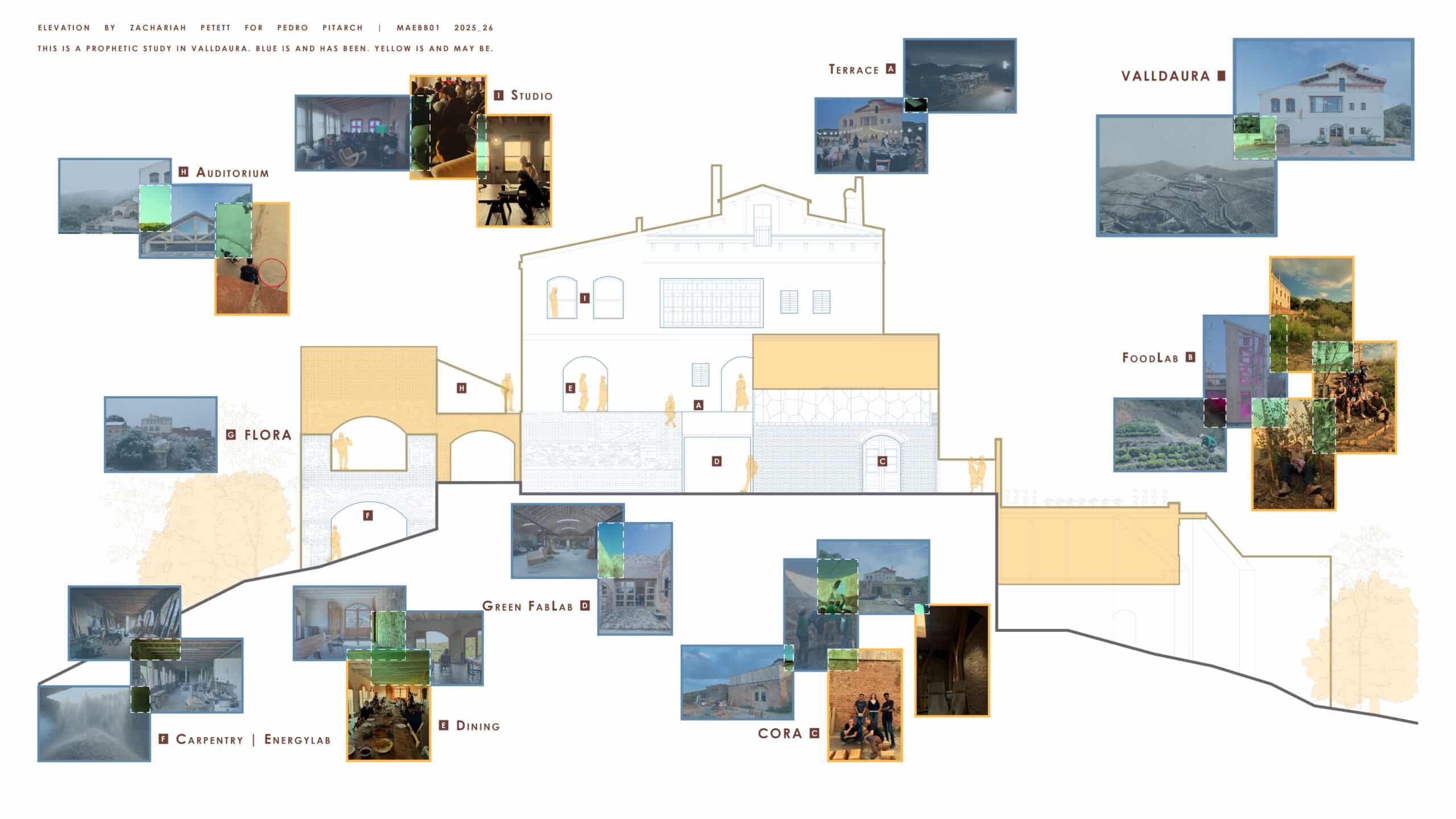
“Being unable to speak directly about the ineffable realm of eternity, prophecy speaks of history as if from the standpoint of eternity. The brash facility with which prophecy treats notions of past, present and future is not a trick in a spectacle of prediction, but a symptom of its implicit relativizing time” Federico Campagna, Prophetic … Read more

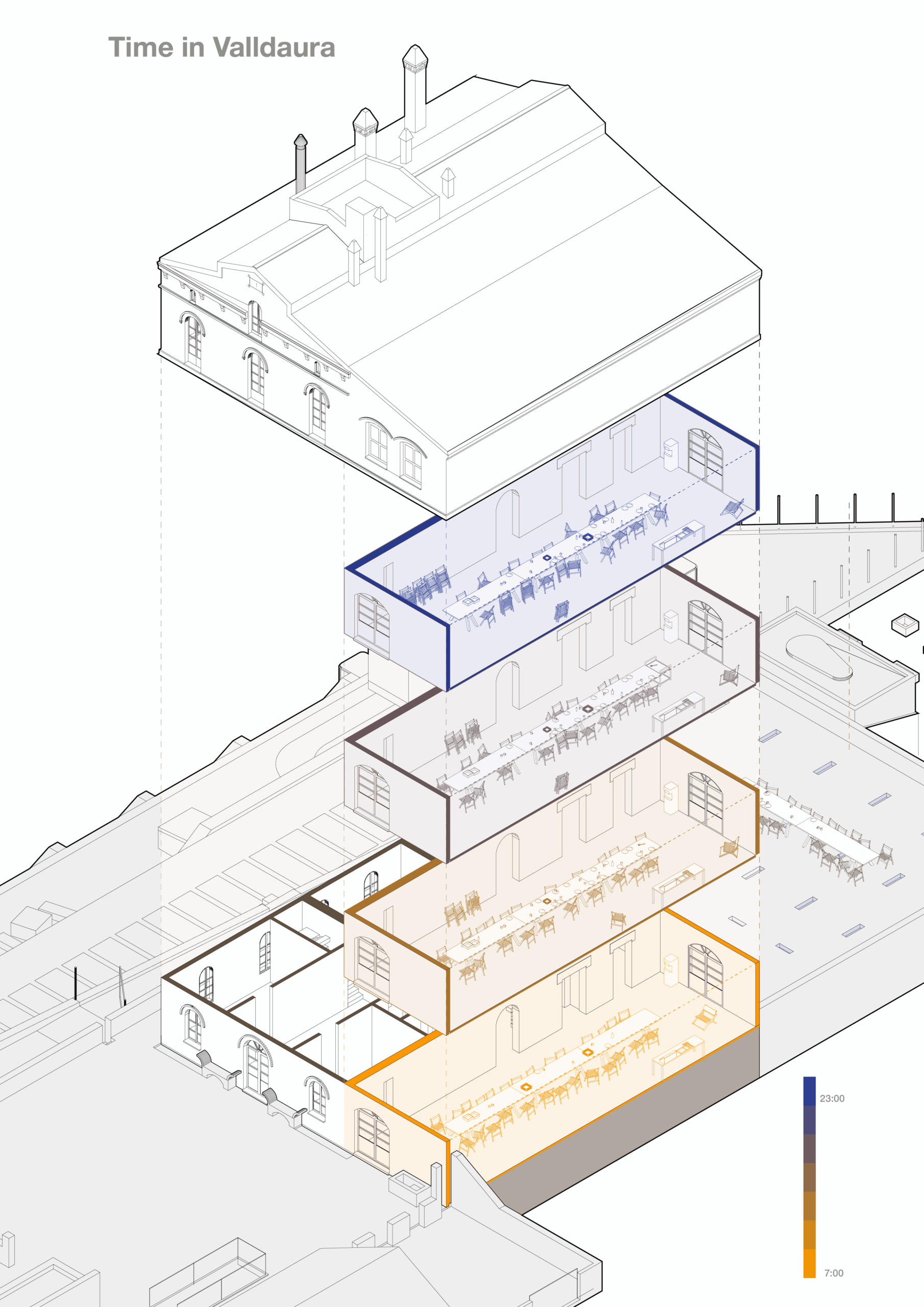
Titled by Time: a Cube Out of Line

Voxel Damage

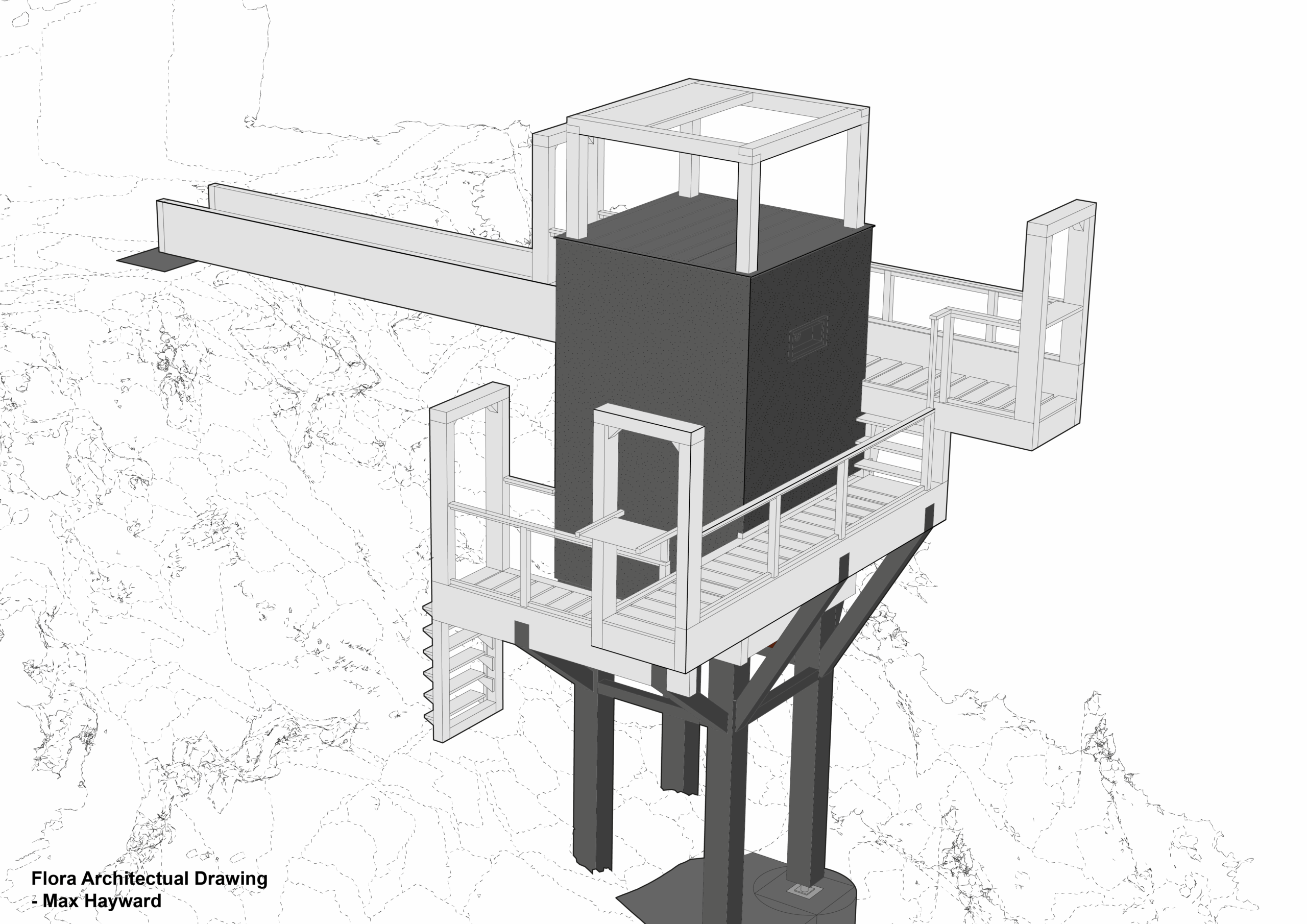
Overview Pedro Pitarch’s Visual Intelligence course, tasked students with creating a 2D and 3D visualization of an existing structure on campus. I chose to analyze and document the condition of the Voxel Quarantine Cabine five years after its installation, highlighting both cosmetic deterioration and a critical structural failure. I began with careful observation of the … Read more

Bridging Data and Design: Insights from Visual Intelligence 1.0

This seminar explored architectural representation as both a design tool and a communicative language. Through drawing, modeling, and visualization exercises, we engaged with abstraction, narrative, and complexity to produce clear, innovative, and visually compelling work. We were encouraged to treat representation as an abstract language capable of expressing spatial and conceptual ideas beyond literal depiction. … Read more

IMAGINATION TO ILUSTRATION

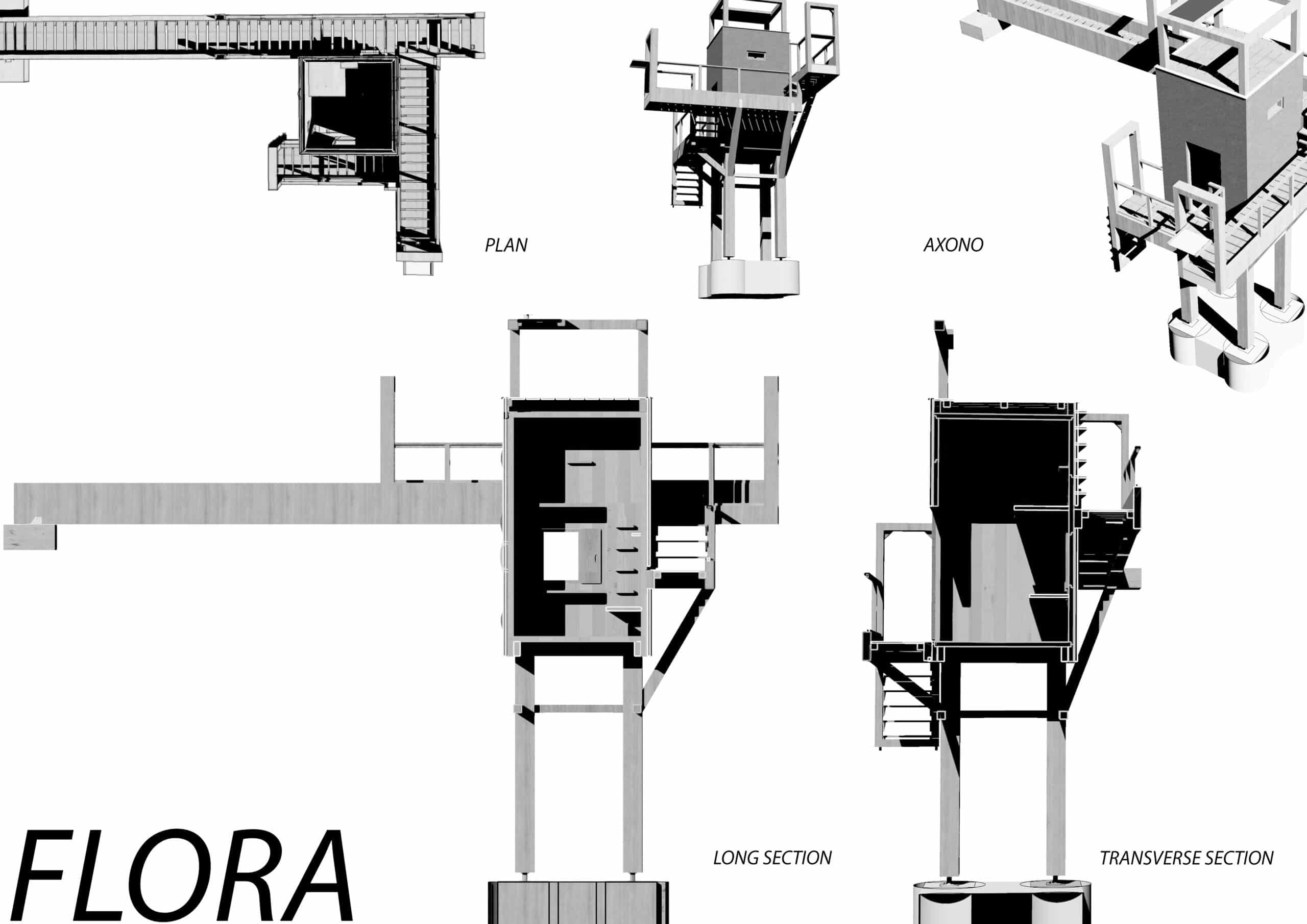
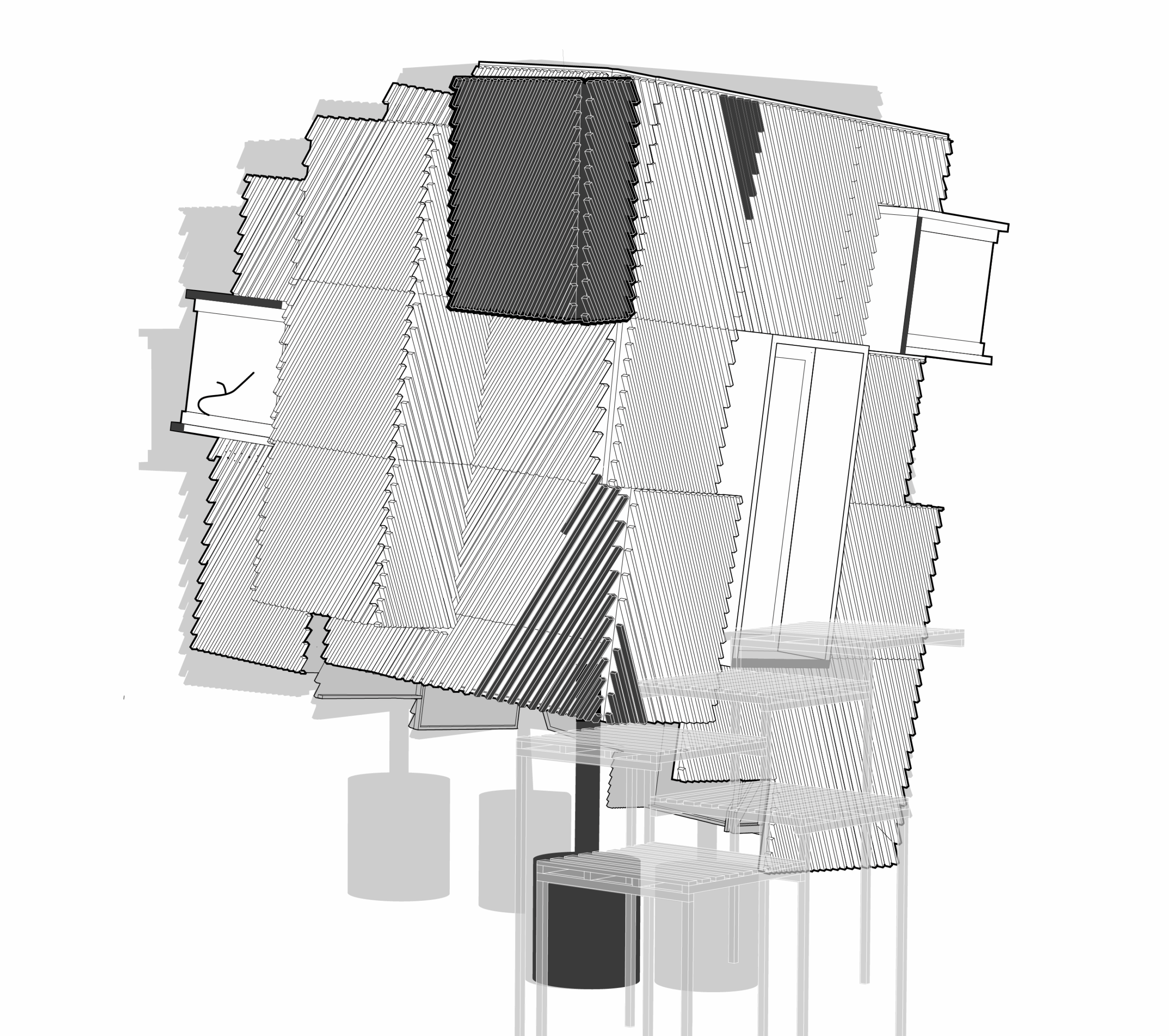
The concept for the 2D drawing starts at the base with a section, cutting through the middle of the plan, looking North. Afterward having plan views at different levels. Plan A: looking at the multiple longitudinal boards of the bridges. Then plan B: reveals the inner frame of the longest primary bridge, this system then … Read more