Credits: TIME³ is a project of IAAC’s Master in Advanced Urban Planning & Data Analytics (formerly City & Technology) 2024-2025 by students: Bruka Ulmane, Josefina Ovalle and Maja Mawusi, Course: Digital Cartographies Studio Faculty: Iacopo Neri and Laura Guimarães.
Urban Design in the age of Planetary Urbanisation, Socio-Economic Disparities, the Climate Crisis and Big Data:
Today, urban design finds itself facing evermore complex and serious challenges in cities, and urban designers and planners have the undeniable responsibility to answer these challenges. What’s more, what the future holds is more and more uncertain. This brings forth the urgency to equip young urban designers with methodologies that can adapt to these constantly evolving conditions, and an evermore complex network of information, enabling designers to respond and design within planetary boundaries.
The complexities of designing for all humans, rather than a select subset, and for just humans, rather than the planet, are increasingly evident in a world shaped by rapid urbanisation, socio-economic inequality, and the climate crisis. These issues are particularly pronounced in urban settings, where design choices influence behaviour, social equity, and resilience to global challenges. The question of who we are designing for is, at its core, a question of inclusivity and representation in the data and tools designers use. This limitation is compounded by the fact that existing data is often biassed, reflecting only certain demographics, perspectives or behaviours while overlooking others (Kitchin, 2014).
The integration of local and remote data collection methods, such as direct user surveys, GPS movement tracking, and behavioural analytics, provides a more holistic view of urban life (Townsend, 2013). These tools enable designers to understand not just aggregate behaviours, but the nuanced differences within specific demographics, fostering environments that are accessible and welcoming to all.
Within this context, the Data Driven Urban Studio proposes to enable the design of territorial and urban spatial justice through the implementation of data driven design processes.
This course aims to equip students with the knowledge and skills needed to address vulnerability and biases in urban planning and design through inclusive design and data-driven approaches. The key objectives include:
- Advancing Spatial Justice: Focusing on inclusive design to explore how data analytics can be leveraged to identify gaps, mitigate biases, and promote equitable access to mobility solutions for diverse populations from an intersectional perspective.
- Developing Future-Proof Digital Skills: Preparing students for the digital transformation of urban transport by embedding AI-driven analysis, digital mobility solutions, and participatory data collection techniques into educational programs.
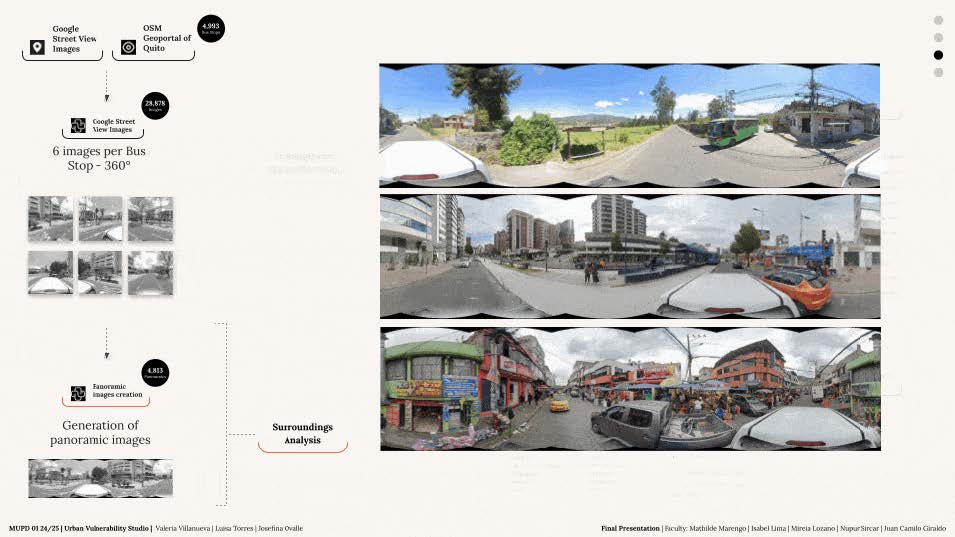
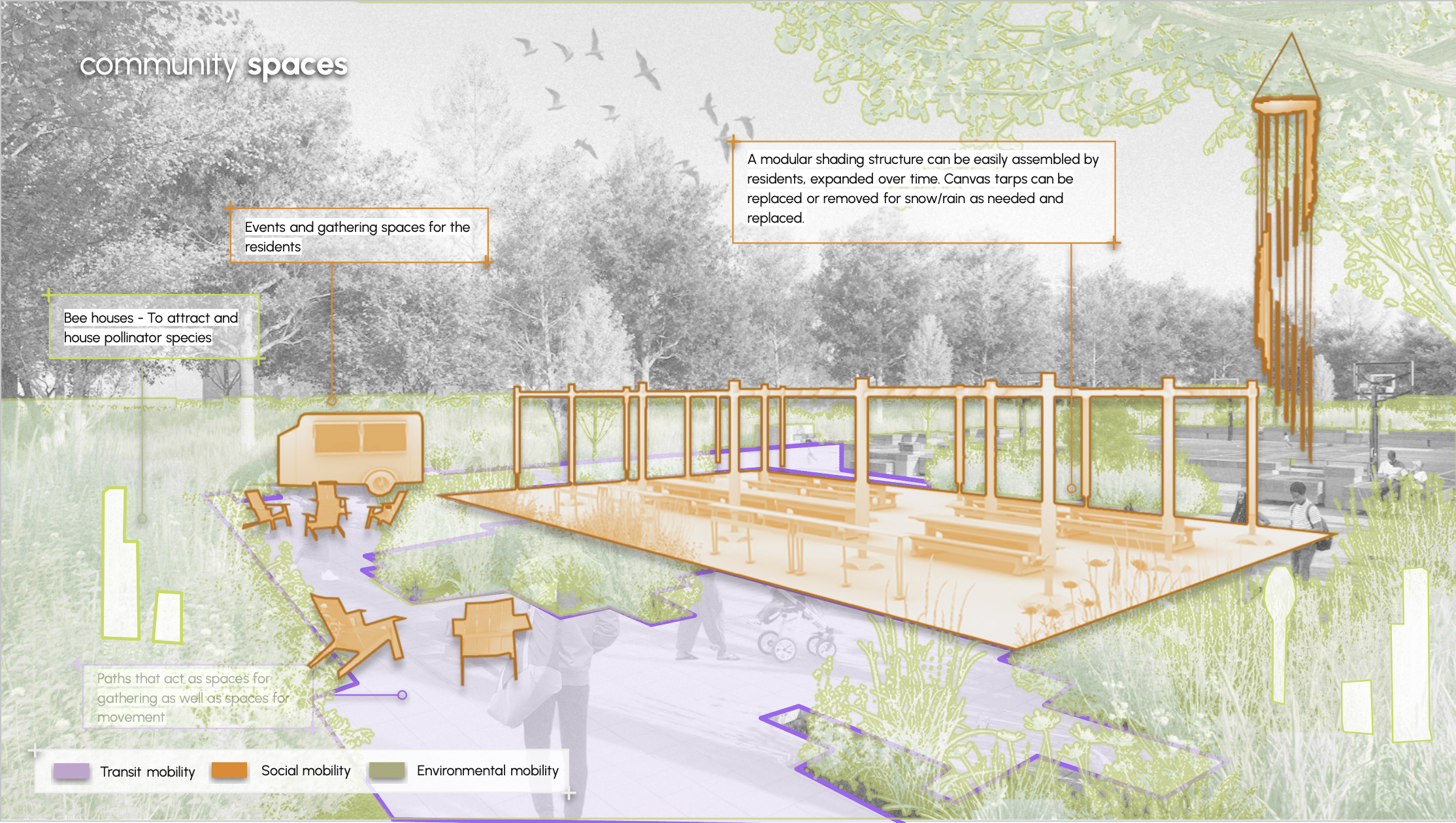
Credits: Quito | in Transition is a project developed in the Master in Advanced Urban Planning & Data Analytics (formerly City & Technology) 01 – 2024-2025 by the students: Luisa Torres, Valeria Villanueva and Josefina Ovalle during the course MaCT01 24/25 Computer-aided Mobility Justice with Mathilde Marengo, Isabel Lima and Mireia Lozano Carbassé.
Real-world Application through C40 Students Reinventing Cities Competition
This course integrates theoretical knowledge with practical application by analyzing four diverse case studies, each addressing a unique theme within topics of spatial justice. In this sense, students will explore 6 sites that have been selected for the C40 Students Reinventing Cities Competition, specifically:
- Pantelimon-Fundeni Neighbourhood, Bucharest, Romania: Located in northeastern Bucharest, the Pantelimon-Fundeni neighborhood represents a typical post-socialist residential district where fragmented green spaces offer potential for climate-responsive transformation.
- ZUMA de Bosa Apogeo, Bogotá, Colombia: Urban site in southwestern Bogotá, within the ZUMA Bosa–Apogeo, dedicated to cleaner air, greener spaces, and healthier communities.
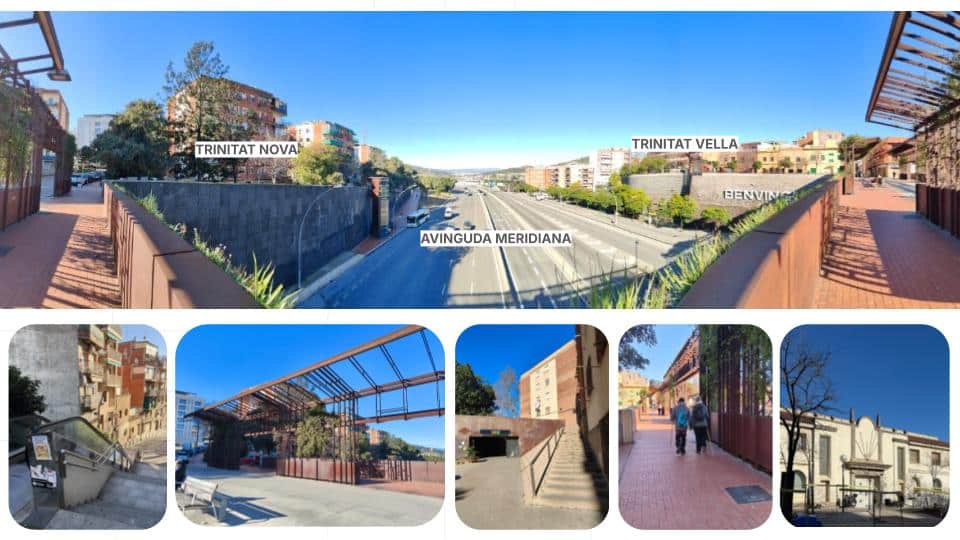
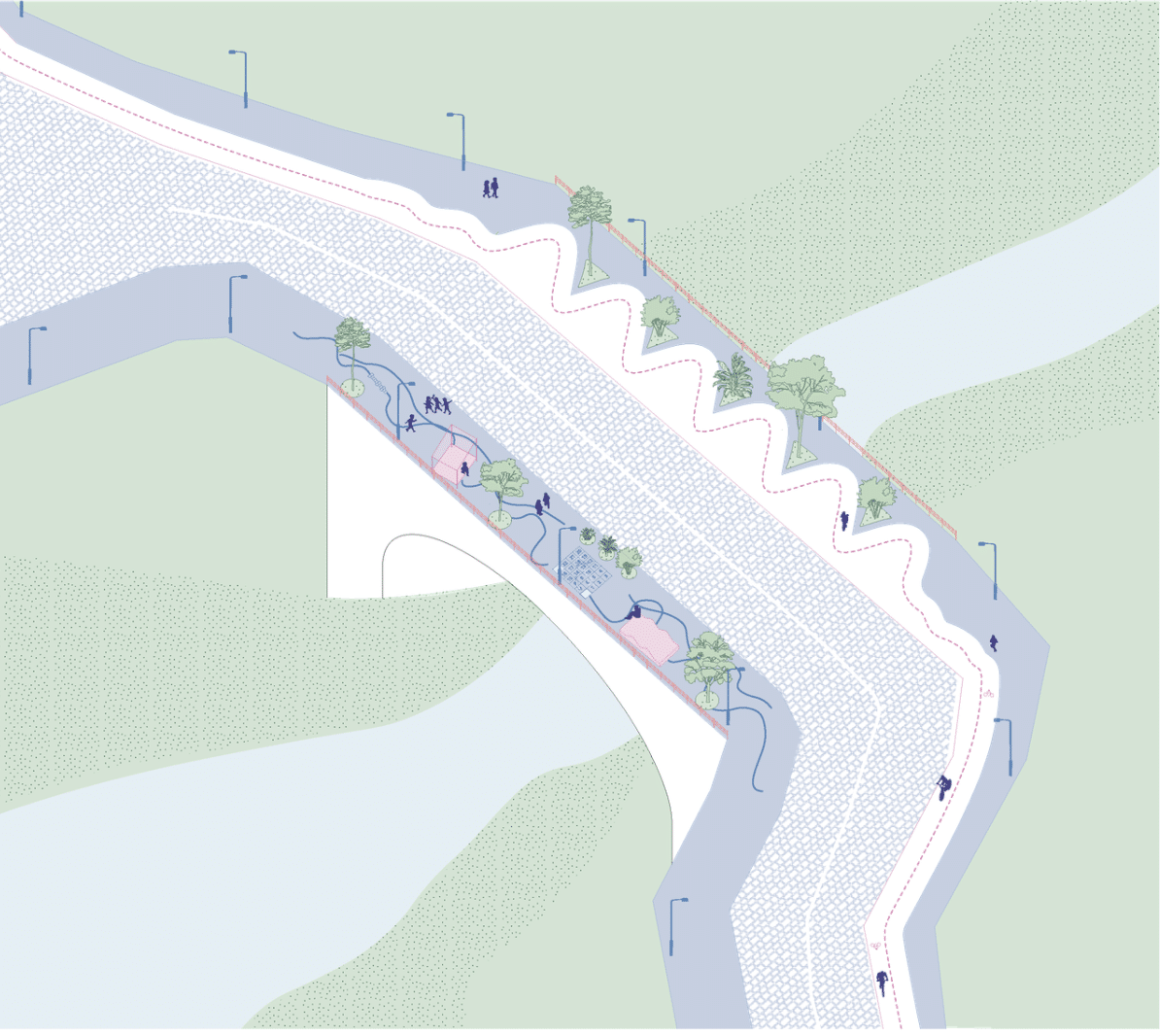
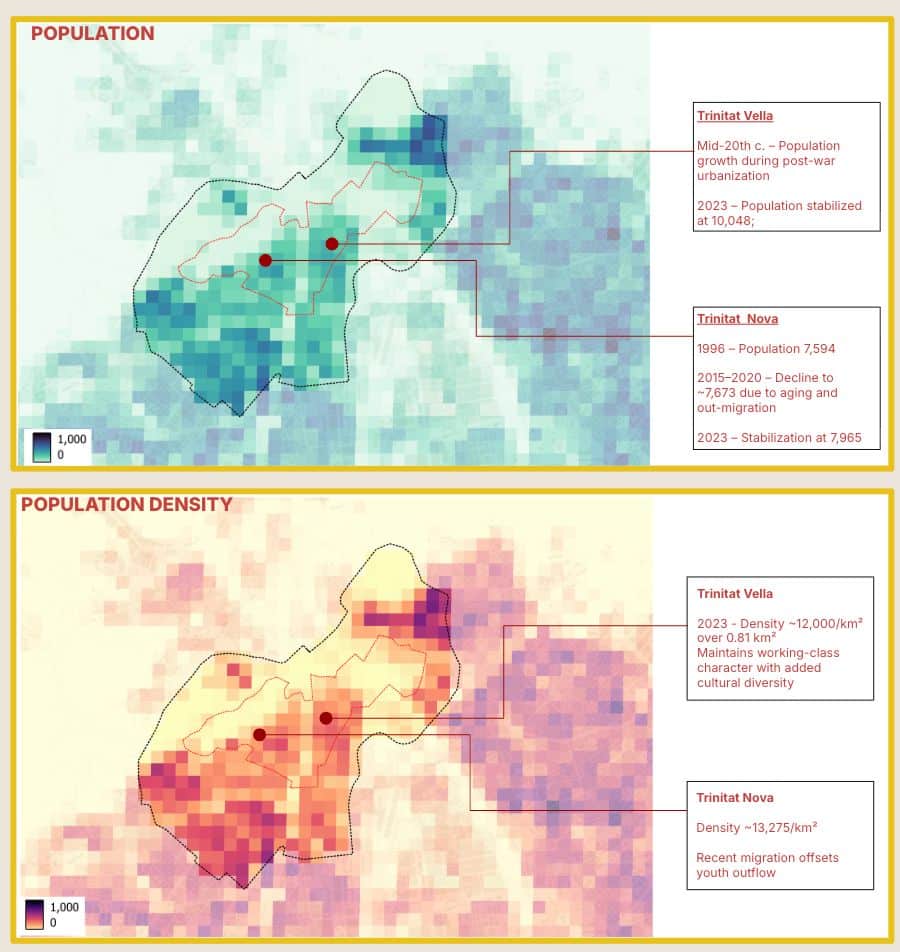
- Trinitat Nova Neighbourhood, Barcelona, Spain: Located in the northern district of Nou Barris, Trinitat Nova represents an opportunity to reconnect fragmented urban fabric through sustainable design and community-centered intervention.
- Community Primary School Itowolo, Lagos, Nigeria: Reduce flood impacts by integrating nature-based solutions, such as stormwater strategies within the campus to become an emergency hub.
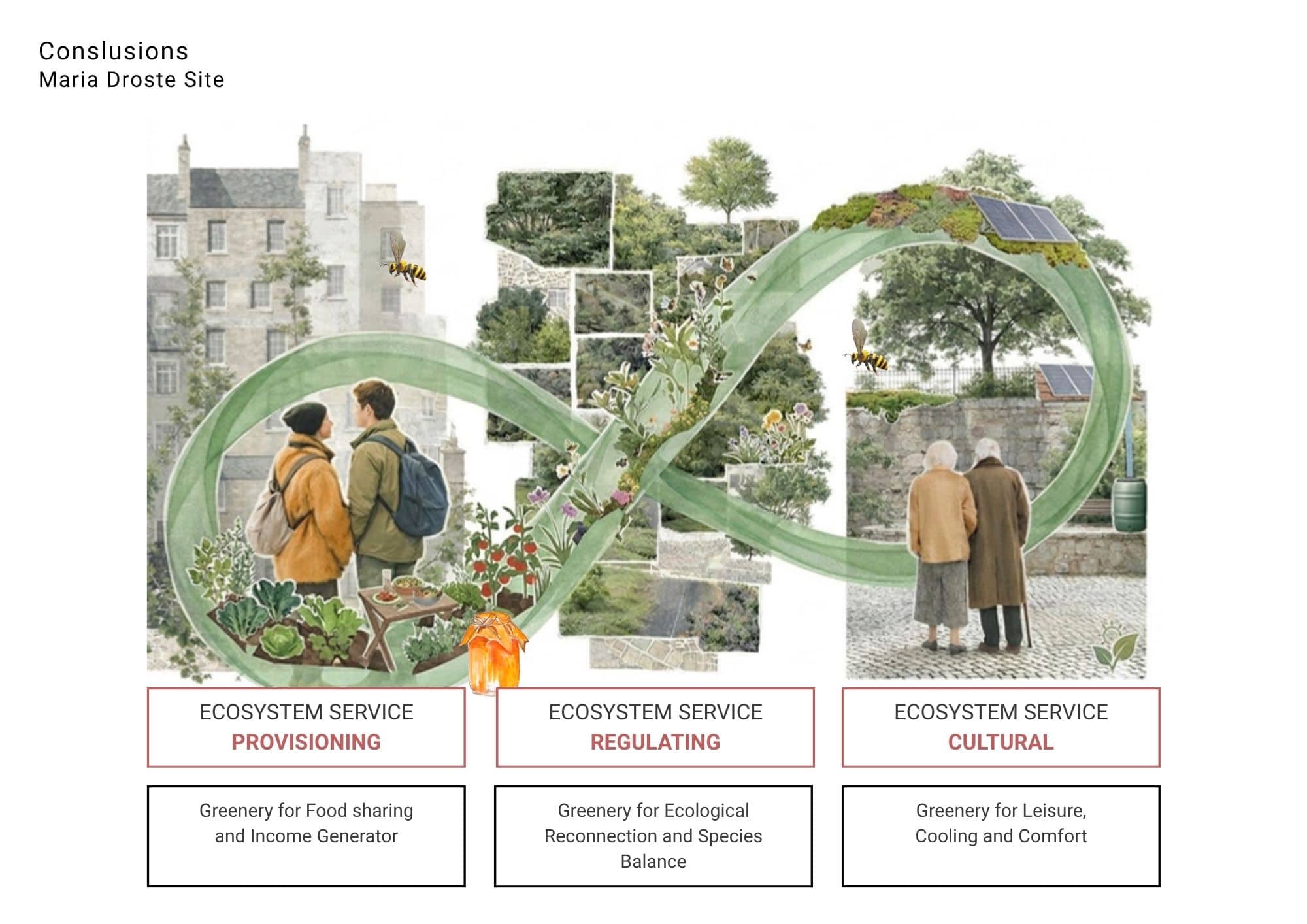
- Maria Droste Site, Lisbon, Portugal: Reimagining the Northern Green Corridor of Lisbon.
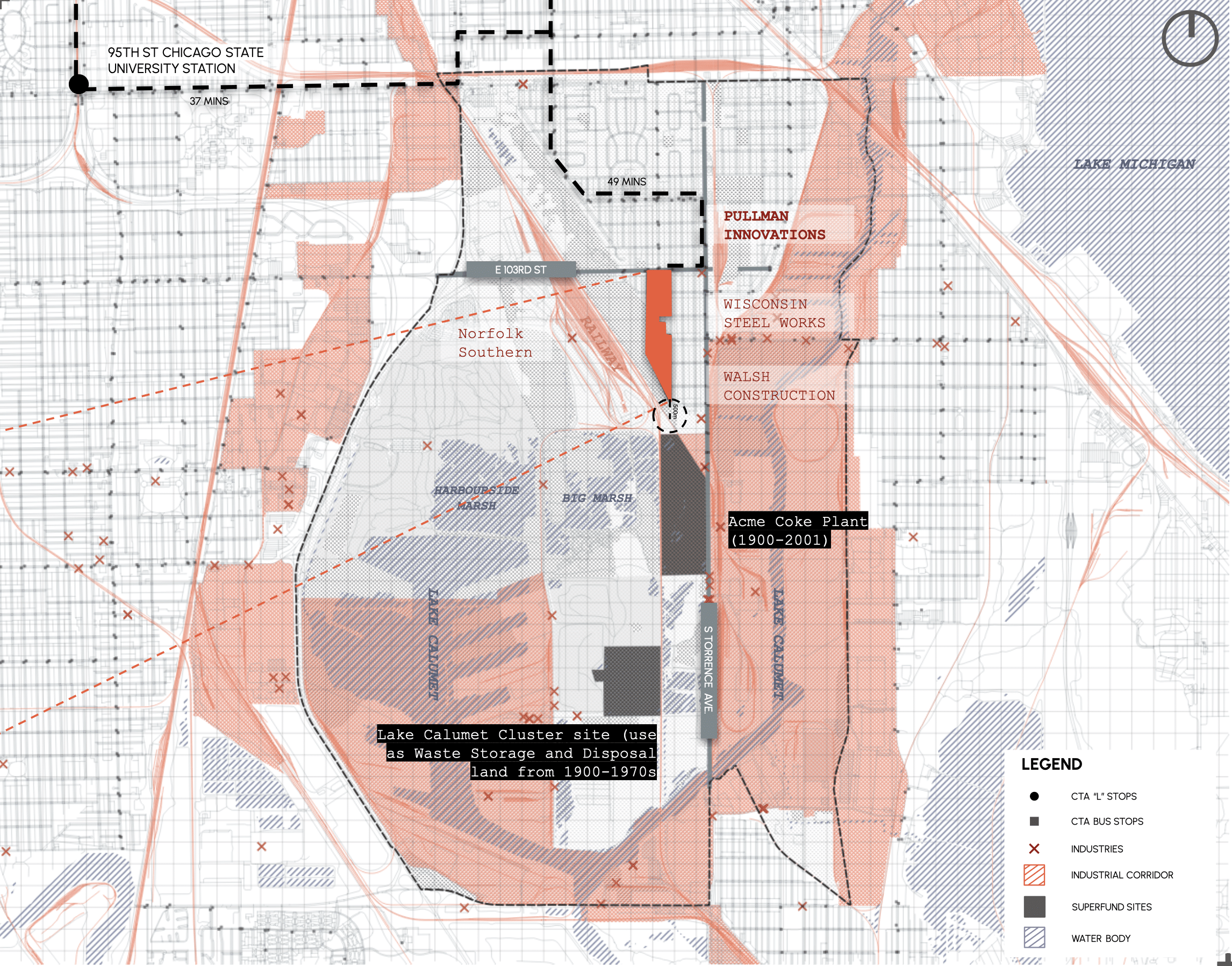
- Trumbull Park Homes, Chicago, United States: Located in the South Deering community on Chicago’s Southeast Side, surrounded by industrial uses and adjacent to Trumbull Park.
Learning Objectives
At course completion the student will:
● Be capable to design a real-situation urban project or proposal, managing both quantitative and qualitative data that supports it.
● Be capable to combine design, indicators, and citizen or ecology-centred processes to support an urban transformation proposal and narrative.
● Be capable of developing a complete creative and critical urban plan and design, as well as strategic directives to support this.
● Critically engage with spatial justice frameworks to identify and respond to injustices in the design of urban spaces, infrastructures, and mobility systems.
● Apply feminist methodologies and intersectional thinking to reveal and address the layered experiences of exclusion and access in urban contexts, especially across gender, race, class, and ability.
● Develop and propose gender-inclusive design strategies that reflect the diverse needs and lived realities of city users, particularly in relation to transportation.
● Use urban data analytics to assess spatial equity, mobility patterns, environmental factors and access gaps, translating insights into inclusive design interventions.
● Integrate computer-aided design and scenario-building tools to explore and visualize equitable futures, with an emphasis on participation, justice, and usability.
● Strengthen critical and design thinking skills to analyze complex urban challenges and propose responsive, justice-oriented spatial solutions in heterogeneous contexts.