
The Black Paintings are a group of 14 works created by Francisco de Goya between 1819 and 1823, during the final years of his life. Painted directly onto the walls of his house, the Quinta del Sordo, these works represent one of the most intimate, radical, and unsettling moments in Western art. They are now housed in the Prado Museum.
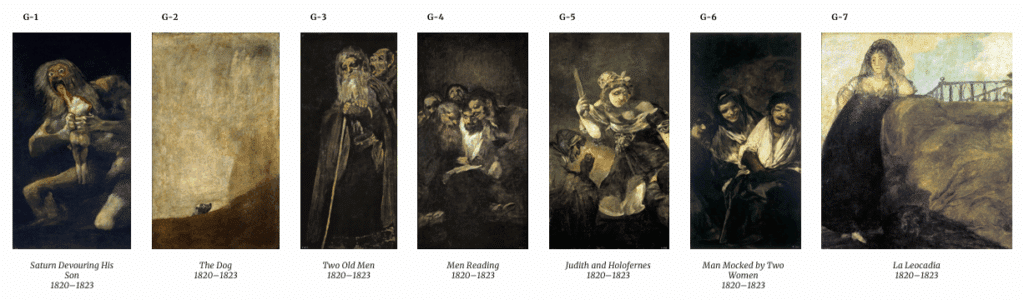
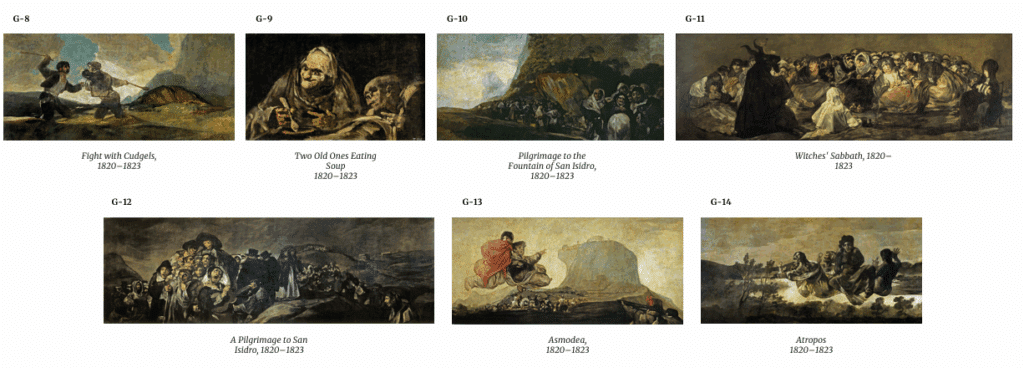
Within the framework of the “Data to Motion” workshop, we asked the following question: What shape would Goya’s darkness take in three dimensions?

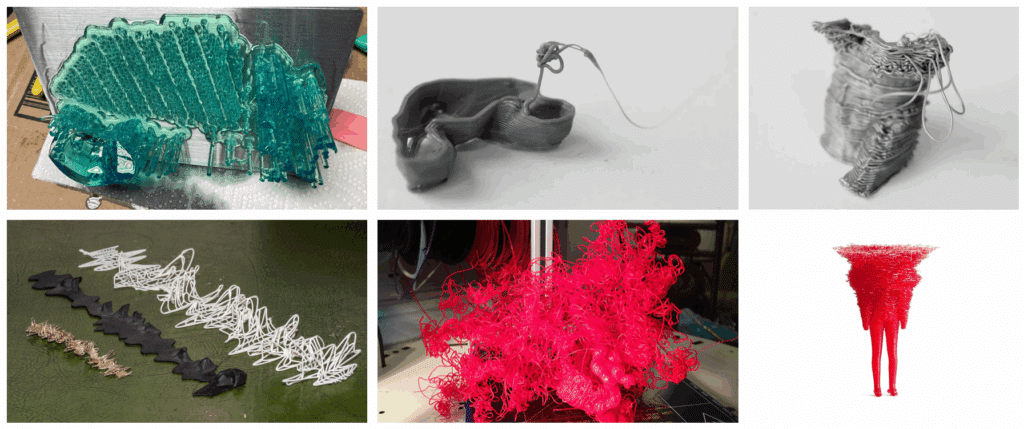
This project proposes an experiment in transmutation: converting the visual information of a tormented mind into kinetic trajectories to materialize an object using a robotic arm. We do not seek to replicate the image, but to abstract its behavior, interpreting the turbulence and saturation of the Black Paintings in order to give them a physical body.
Methodology: From Dark to Continuous Ribbon
The workflow moves away from figurative representation to focus on the extraction of pure data.
“If Goya painted with violent stains and contrasts, we ‘paint’ with point clouds and extrusion paths.”
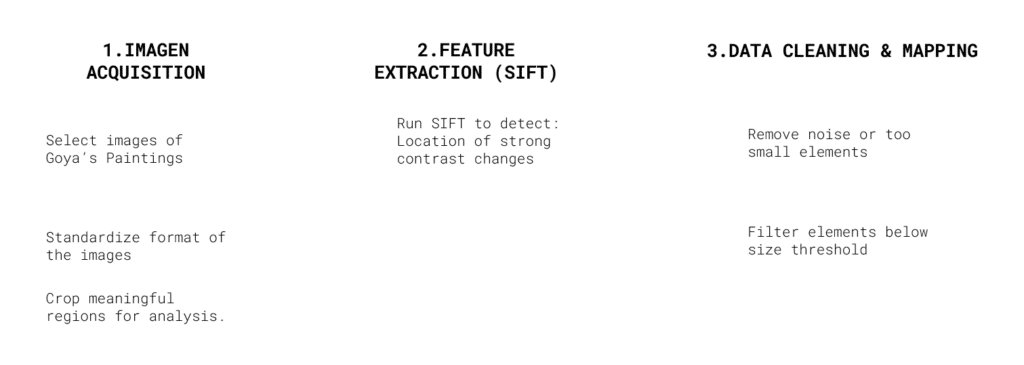
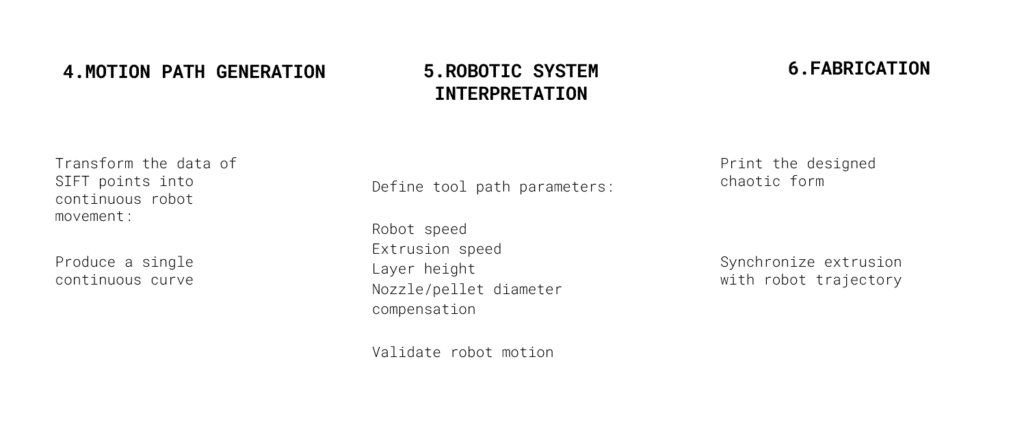
The process is structured in three phases of algorithmic translation:
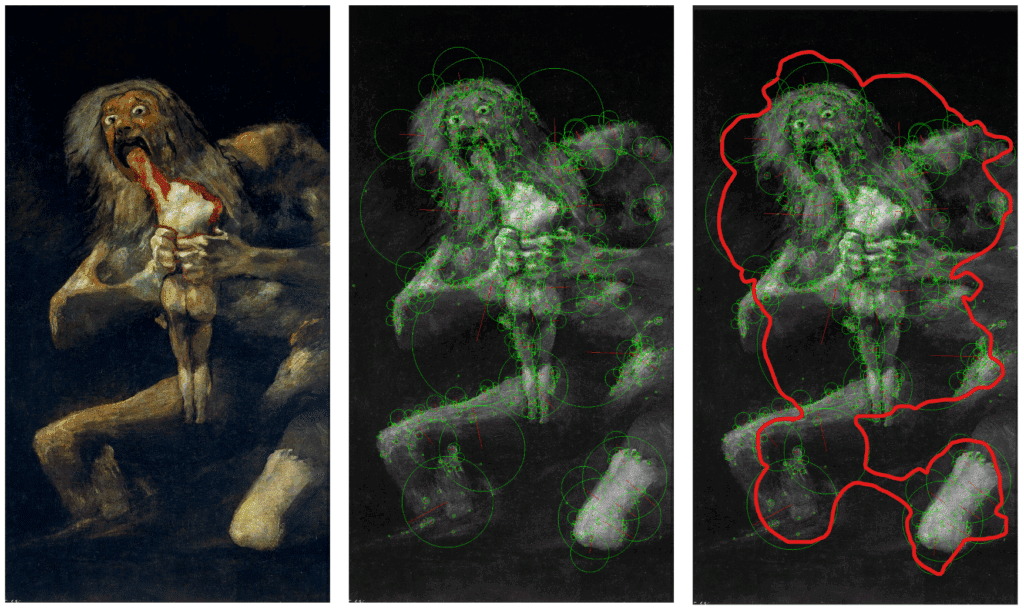
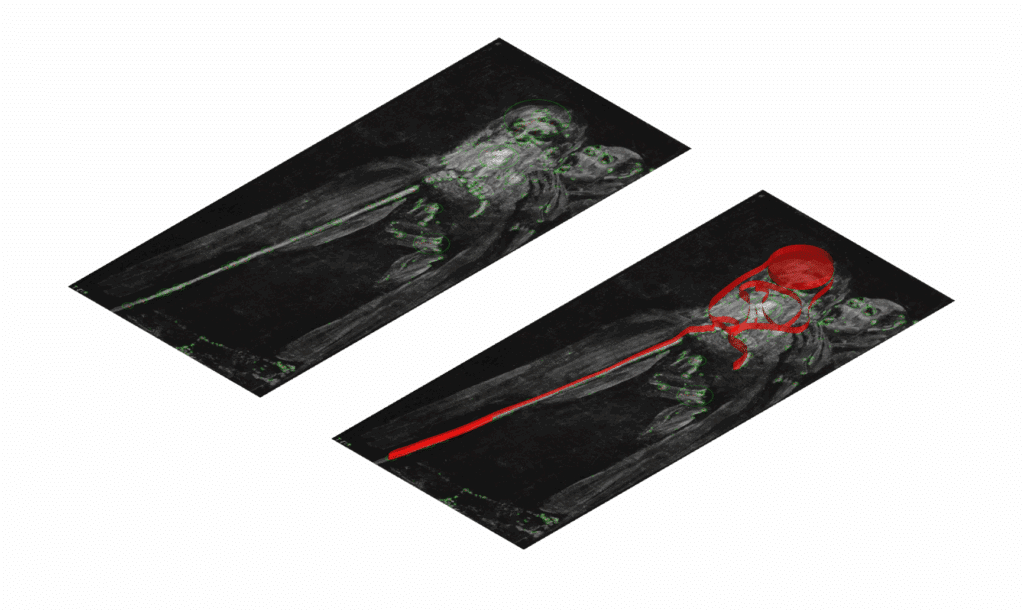
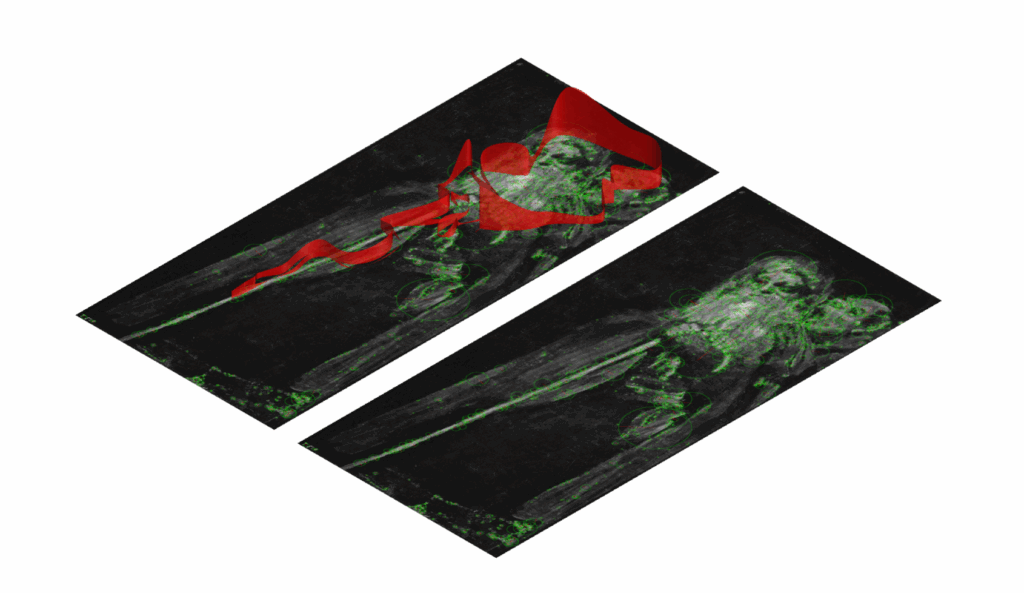
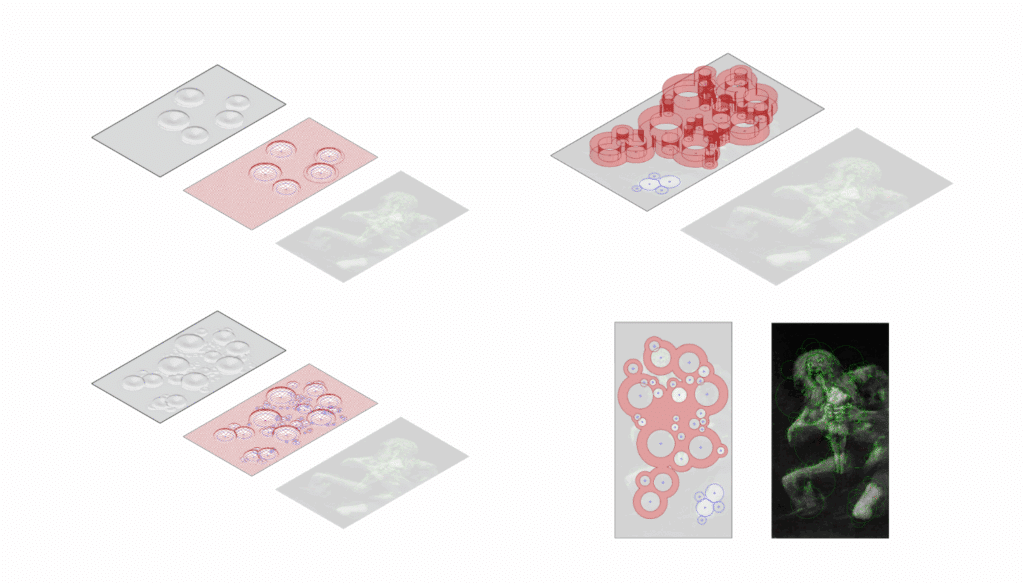
- SIFT Analysis and Data Filtering: We use the SIFT (Scale-Invariant Feature Transform) algorithm to decompose the works into a cloud of “keypoints” or points of interest based on local contrast. However, the amount of information obtained is overwhelming. To manage this excess, we apply a critical filter: we select only the moments of greatest importance (represented as circles with larger dimensions). We discard minor noise to keep the skeletal structure of Goya’s composition.
1820–1823
The Datafication of Art: SIFT Analysis and Focal Region Extraction.
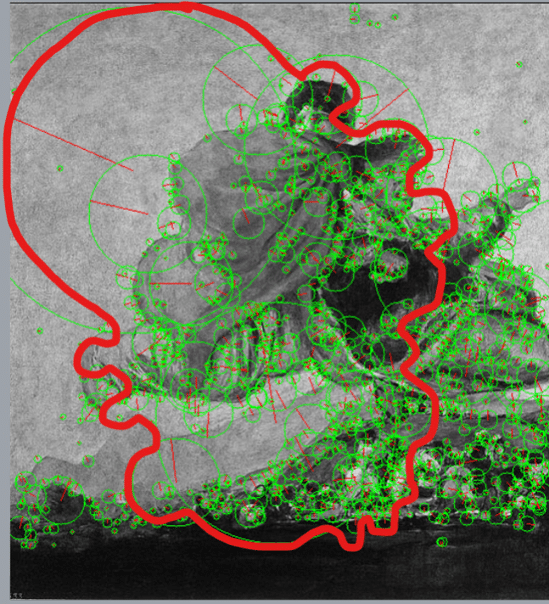
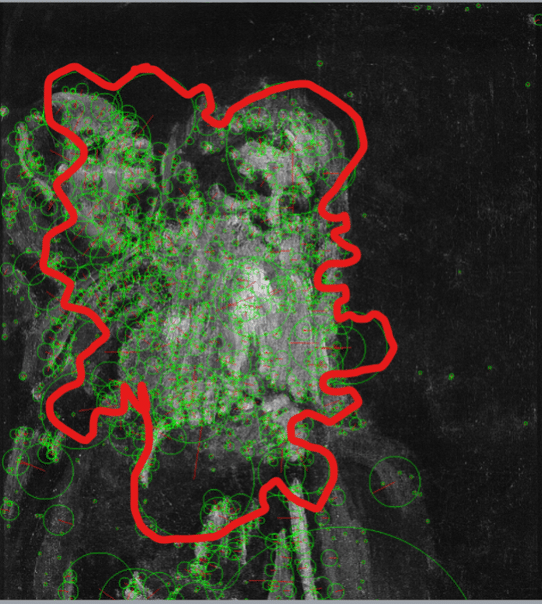
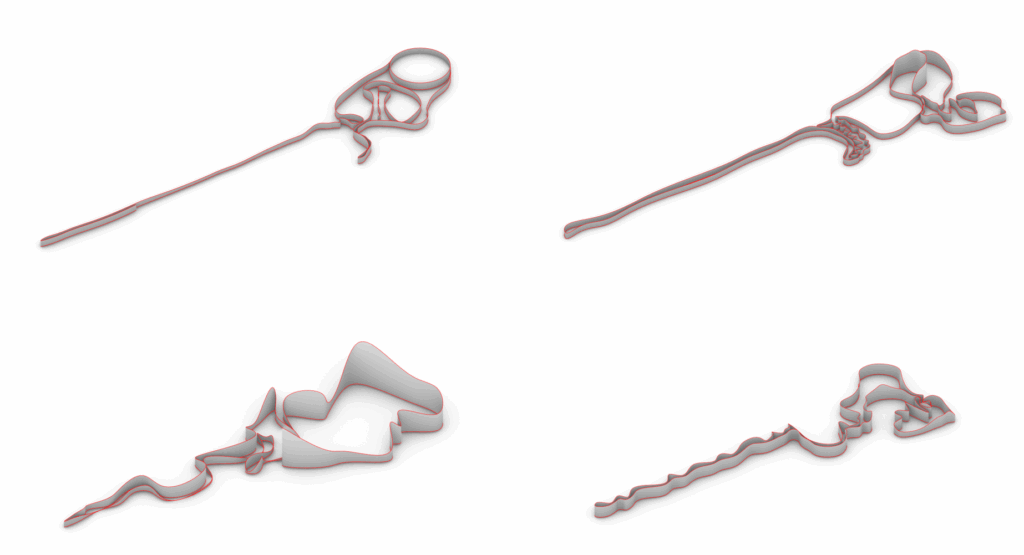
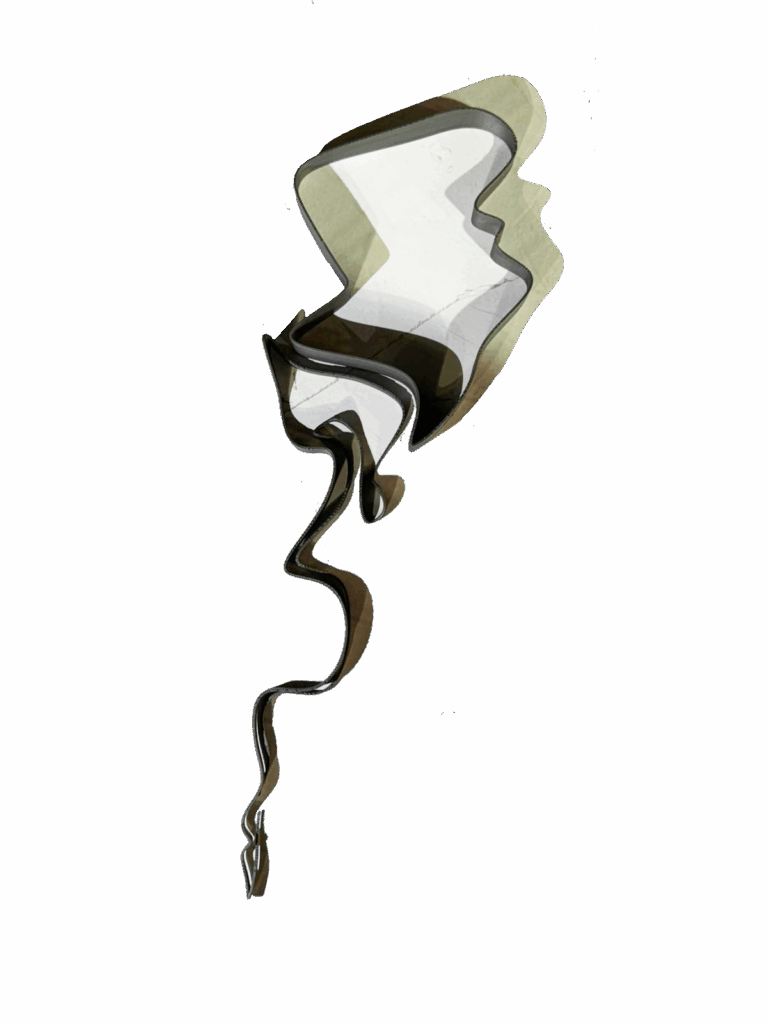
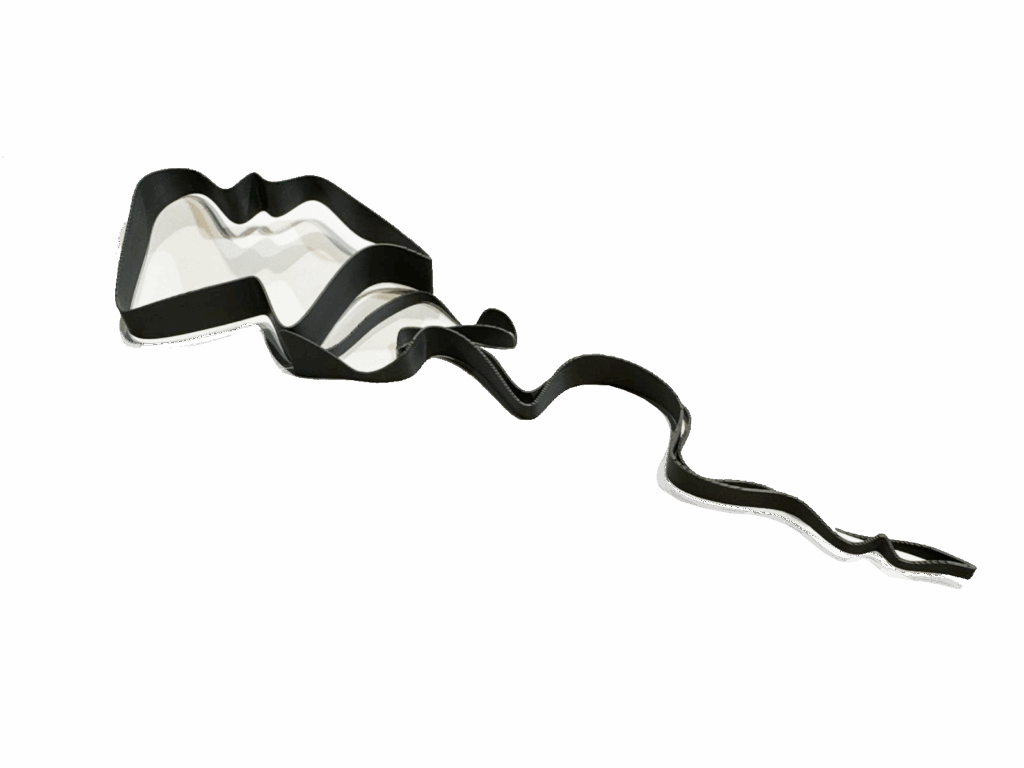
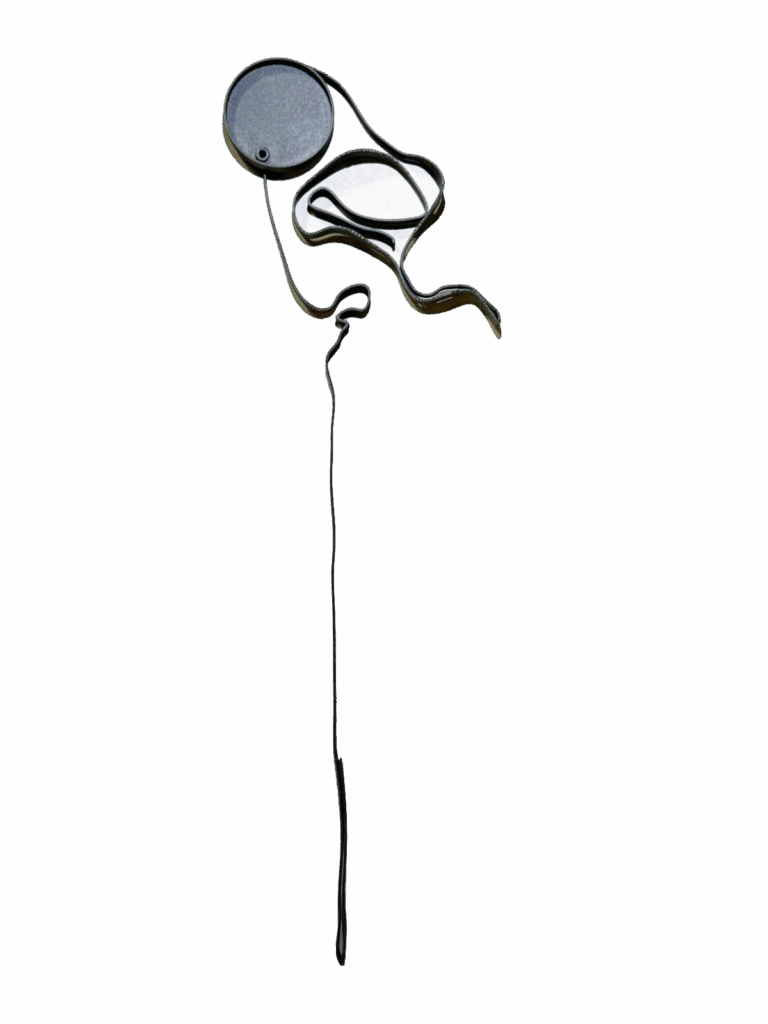
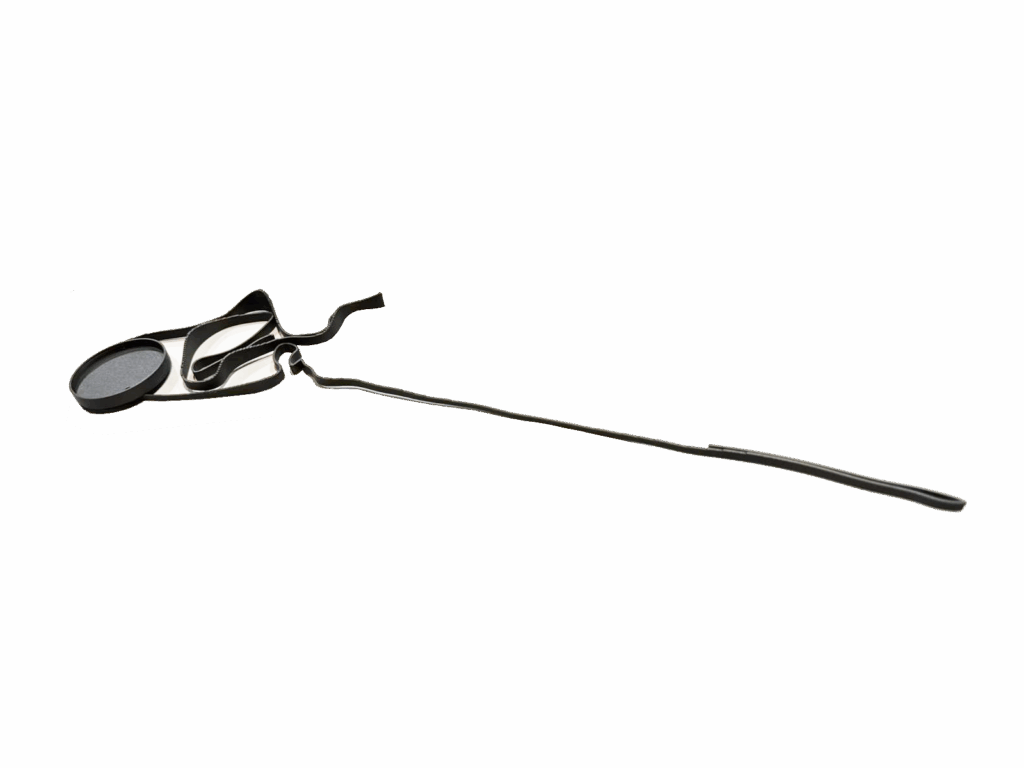
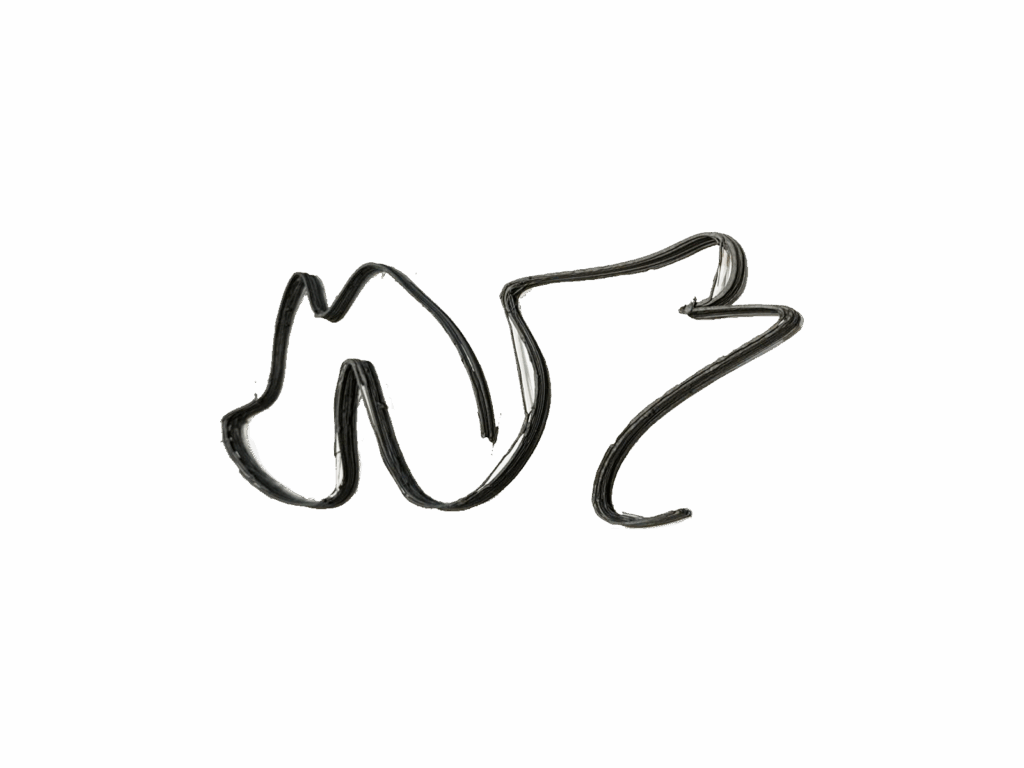
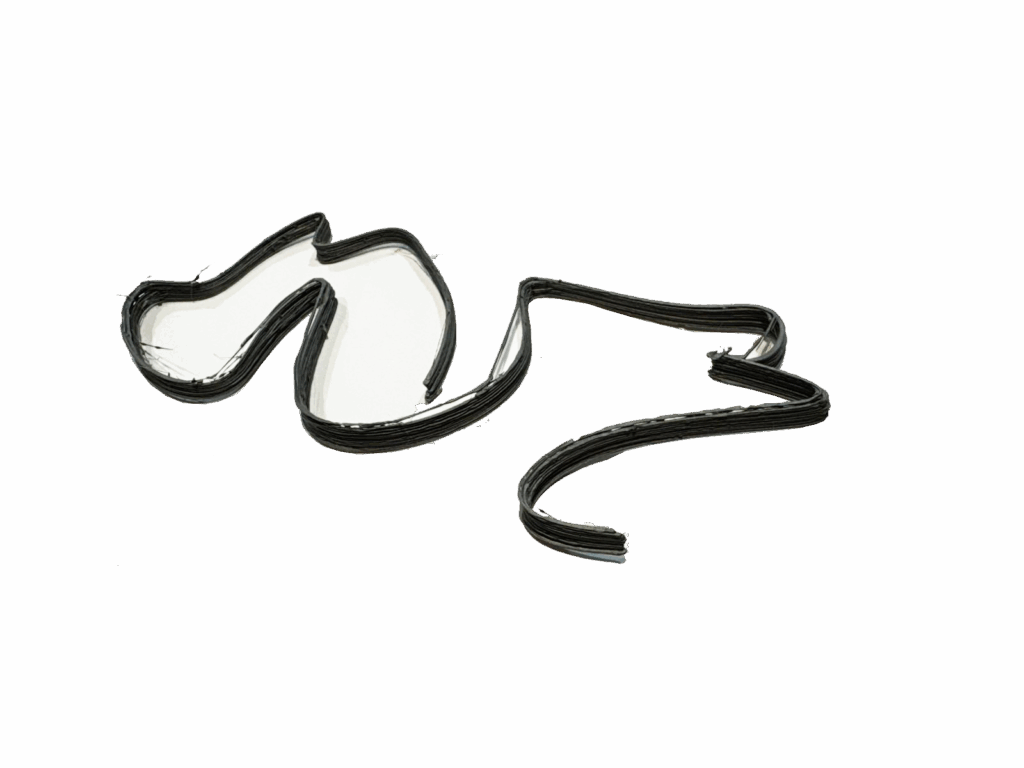
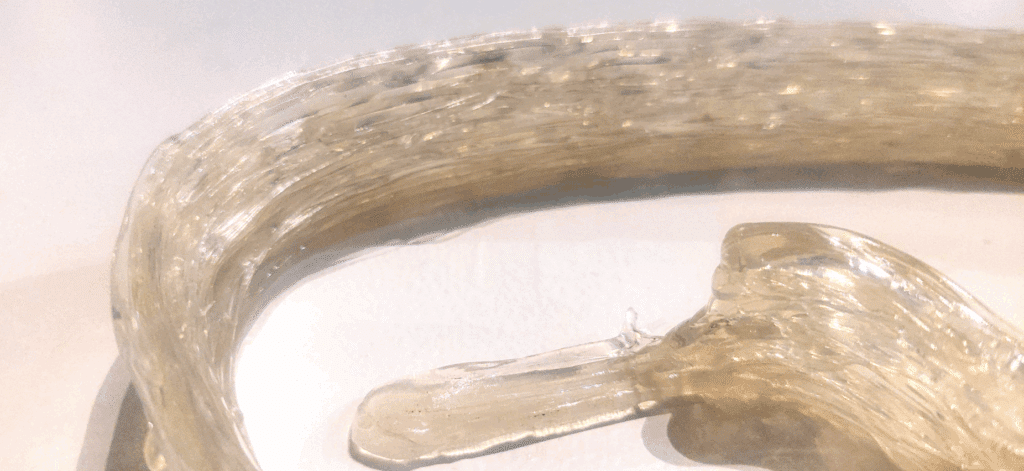
- Shape Generation (Ribbons of Chaos): Once filtered, these focal points are not treated as isolated entities, but as nodes in a network. We connect these high-importance points to generate continuous geometry. The result is not a conventional solid, but a series of continuous and chaotic ribbons that traverse space, materializing the invisible tension that exists between the original brushstrokes.
Two Old Men
1820–1823
Saturn Devouring His Son
1820–1823
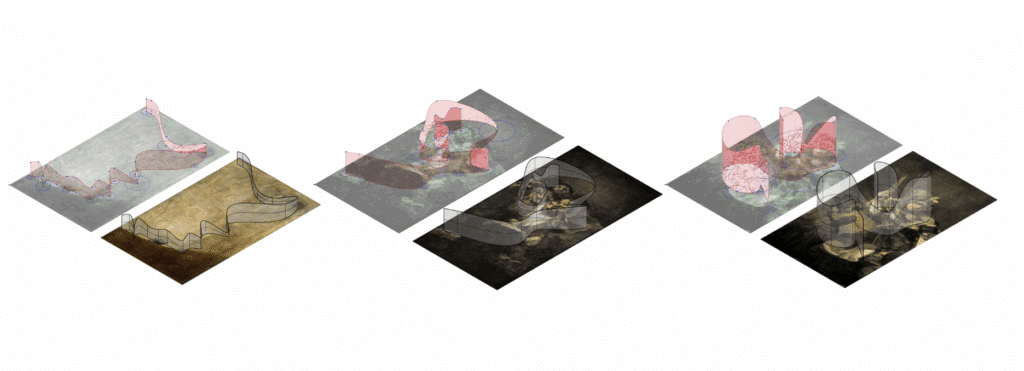
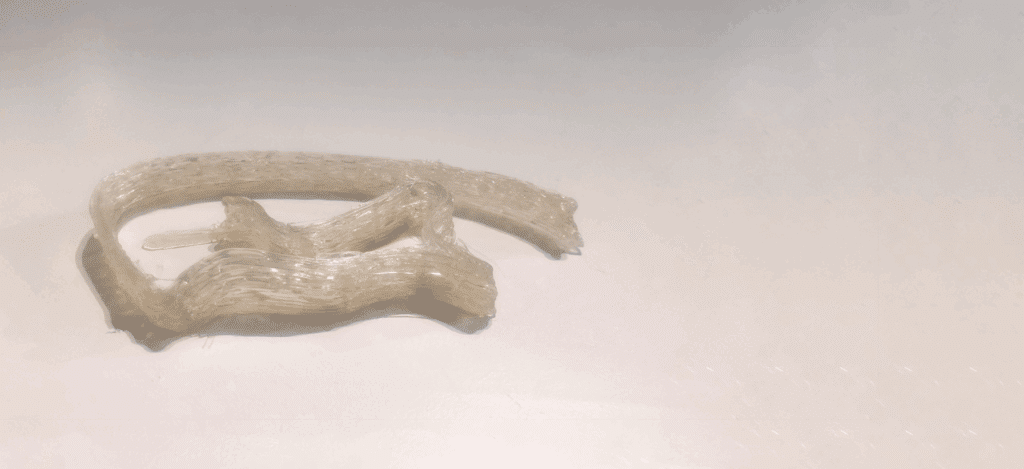
- Robotic Materialization (Non-Planar 3D Printing): Finally, the geometry is translated into machine code. Unlike traditional 3D printing that stacks flat layers, we use the non-planar 3D printing technique.
Fight with Cudgels
1820–1823
Final Reflections: Managing Entropy
The transition from the 2D image to robotic sculpture presented us with a central challenge: the complexity of abundance.
Handling such a large amount of data extracted from the paintings proved to be a process of constant decision-making. The algorithm provides us with information, but not with criteria. Initially, the difficulty lay in how to concretize an abstract “data cloud” into a tangible and aesthetically coherent physical form.
We explored multiple paths to control the chaos inherent in the data excess. We learned that computational design is not just about generating geometry, but about knowing which data to ignore and which to amplify. The final result is a contrast of approaches: different algorithmic strategies to “tame” Goya’s turbulence, demonstrating that data manipulation is, in itself, a new type of brushstroke.
