Within the current global context of rapid change, integrated with the potentials of digital technologies, IAAC’s Master in Advanced Architecture (MAA) is committed to the generation of new ideas and applications for Urban Design, Self Sufficiency, Digital Manufacturing Techniques and Advanced Interaction.

In this context IAAC works with a multidisciplinary approach, facing the challenges posed by our environment and the future development of cities, architecture and buildings, through a virtuous combination of technology, biology, computational design, digital and robotic fabrication, pushing innovation beyond the boundaries of a more traditional architectural approach.

Filters
Course

TRIAD FLUX

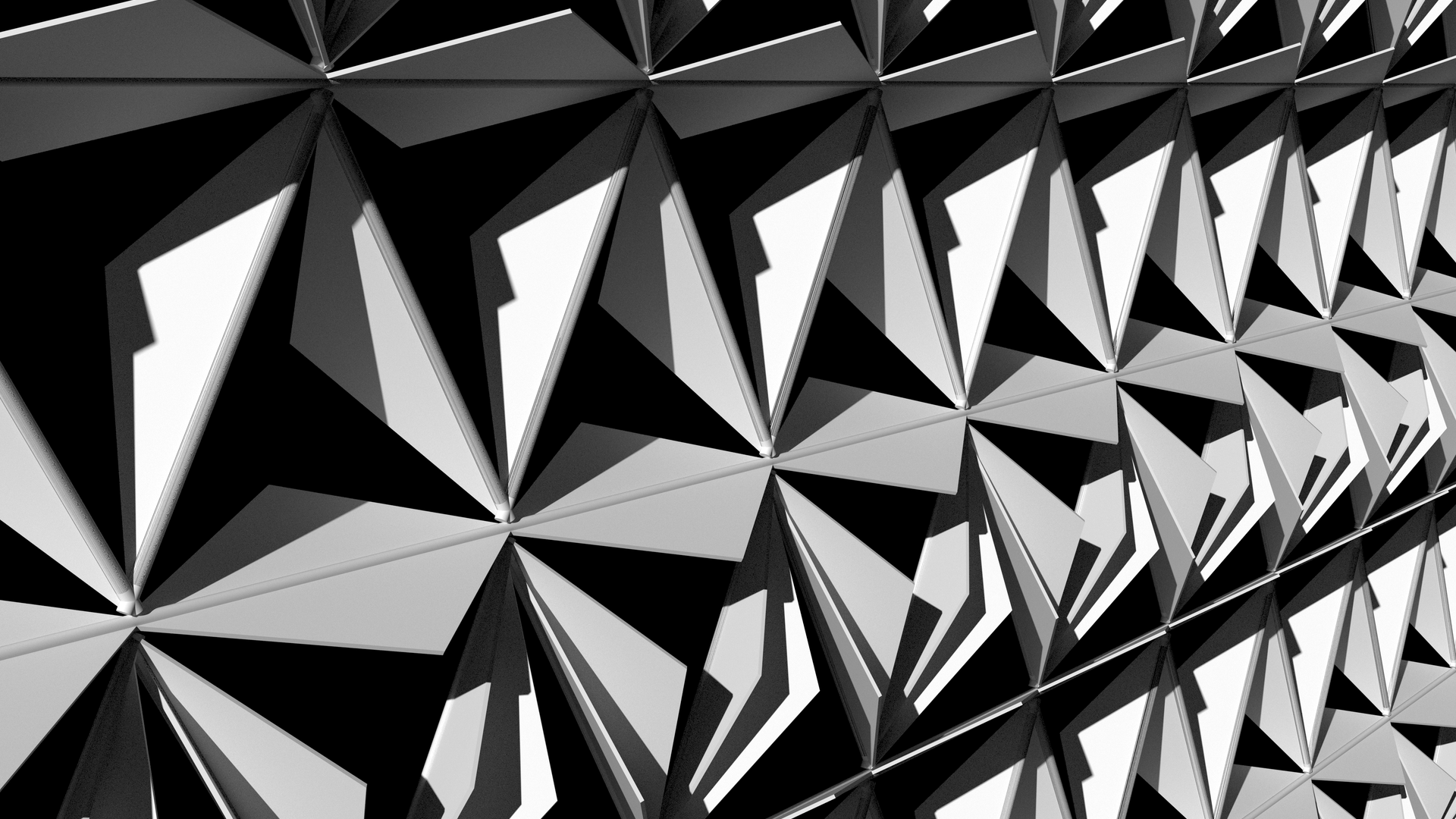
CONCEPT “From a static facade to a living envelope.” This statement helps us address the notion of our project. Most facades are designed for one moment and then frozen, while the sun crosses them all day. The project asks what happens if the geometry itself keeps moving with the light. Instead of a single screen … Read more

H U S H

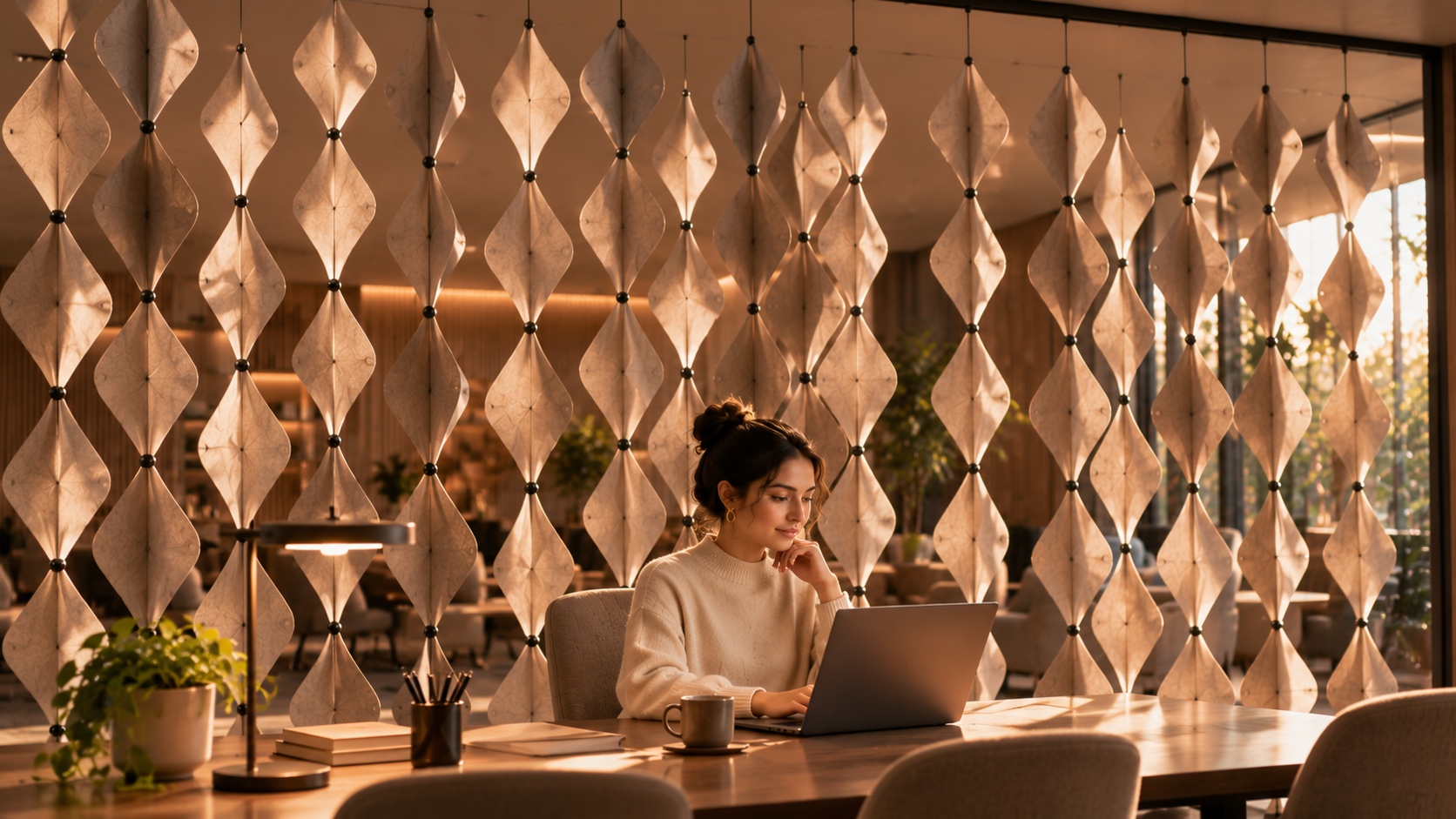
THE CHALLENGE In contemporary shared environments, the relationship between openness and privacy is constantly shifting. While open spaces encourage interaction and collaboration, they also introduce challenges related to noise, distraction, and personal comfort. Traditional architectural partitions often remain static, unable to respond to changing environmental conditions. H U S H challenges this limitation by exploring … Read more

Fluid Landscapes: Hydro-Morphology

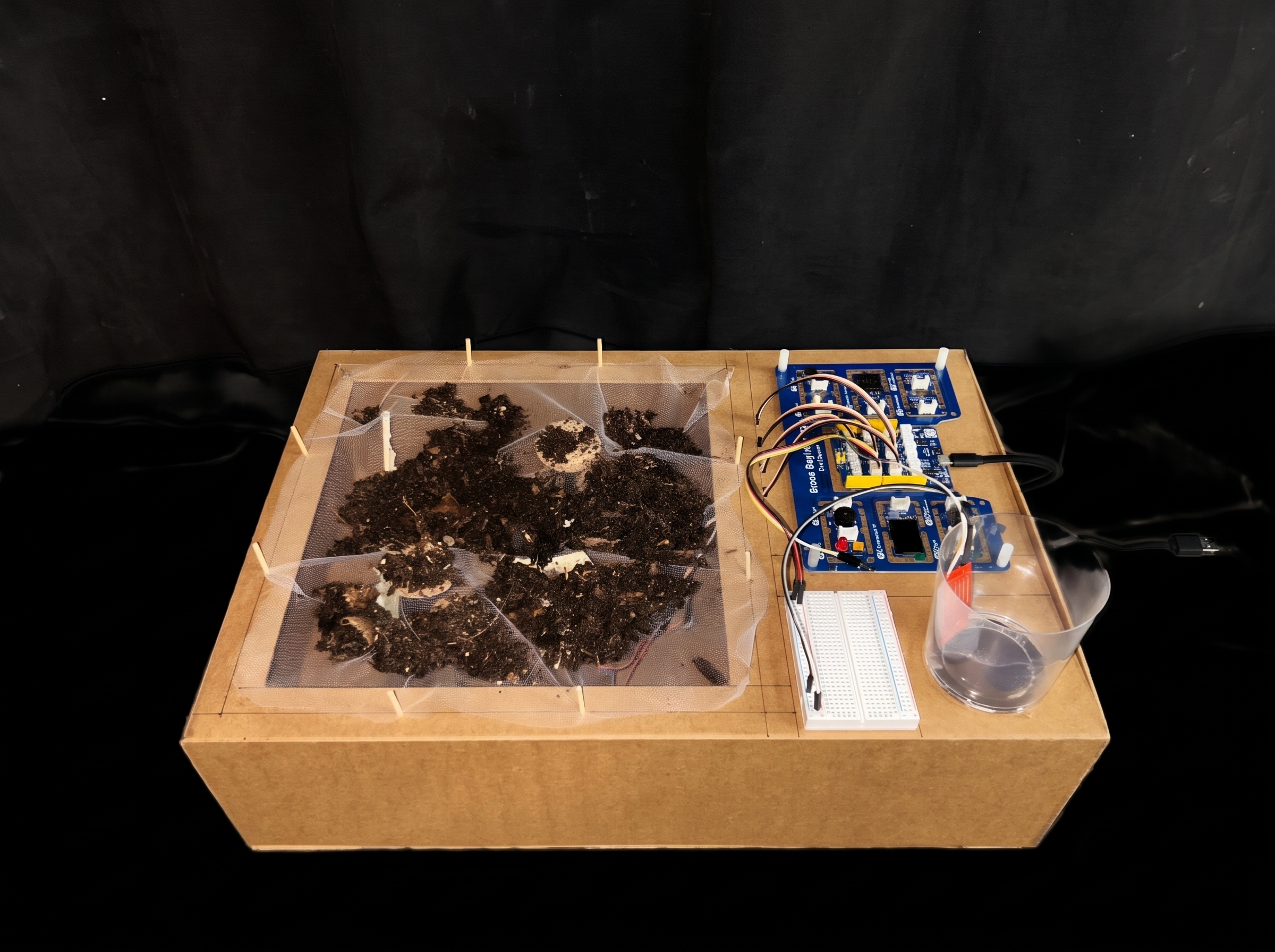
Exploring responsive topography through physical computing and adaptive water management. Rethinking the Relationship Between Water and Terrain Water is one of the most fundamental resources on Earth, shaping landscapes, sustaining ecosystems, and supporting human life. However, challenges such as flooding, drought, and soil erosion highlight the increasing need for more adaptable approaches to water management. … Read more

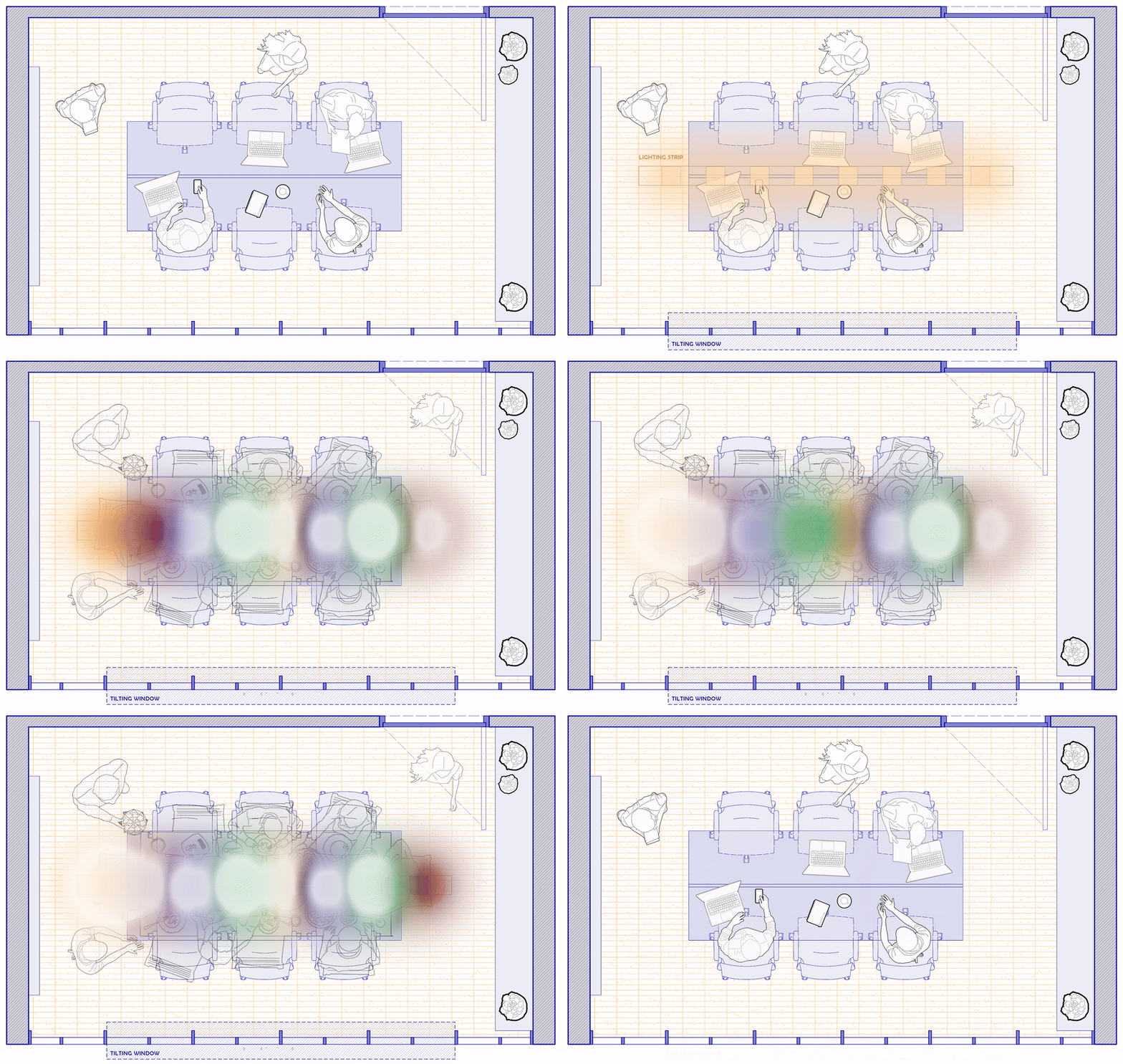
Key Balance: A meeting room that keeps work healthy and knows when it is time to party.

Meeting rooms are designed for productivity, but they rarely respond to the changing needs of the people using them. Poor indoor air quality can reduce comfort and concentration, while the same workspace often lacks the flexibility to transition into a more relaxed social environment after working hours. To address this challenge, our project, Key Balance, … Read more

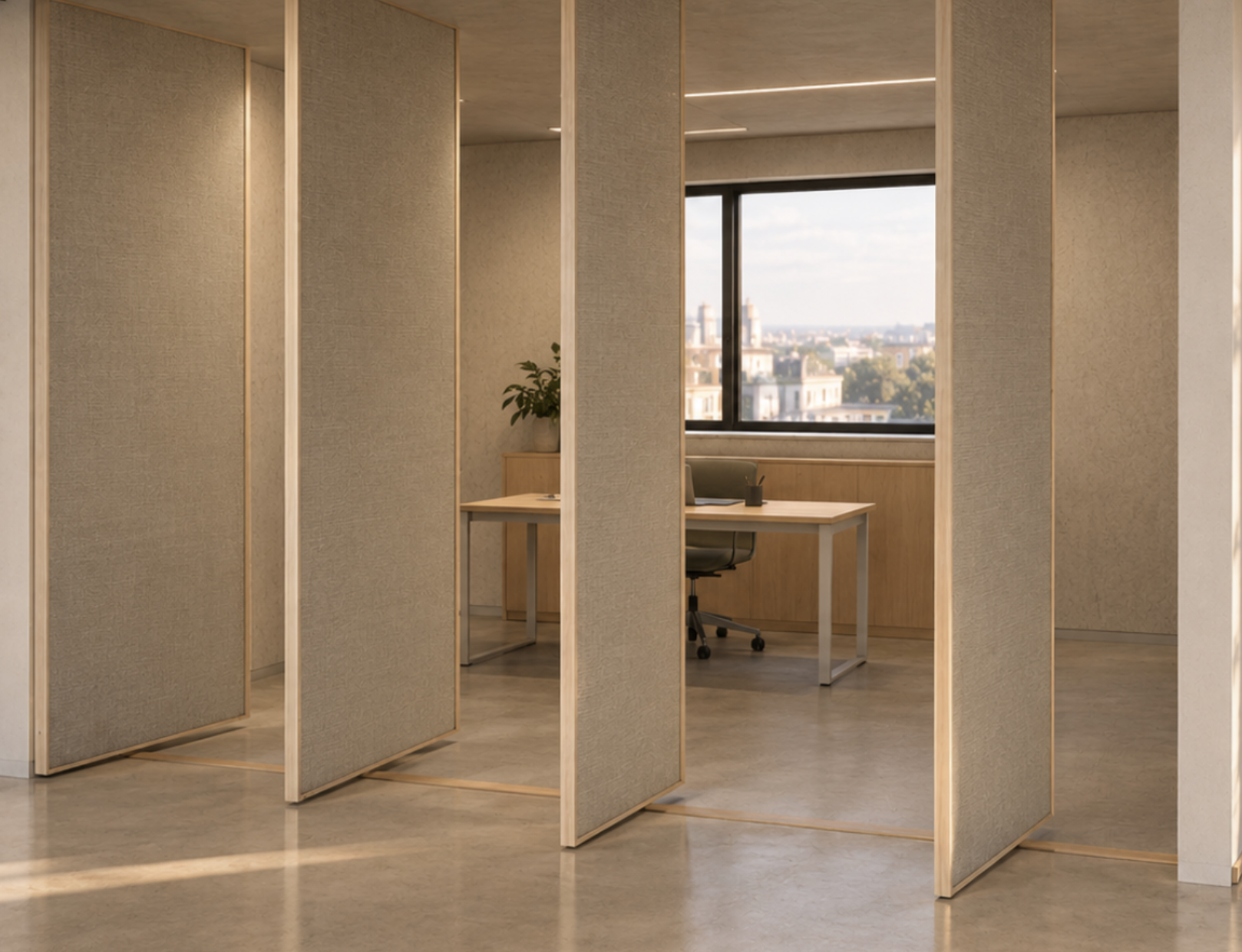
Focus – A responsive workspace

The idea What if a workspace could respond to the people around it? FOCUS is a responsive workspace designed to create a balance between openness, privacy, and concentration. The project explores how a physical environment can adapt to human presence through simple interactions between people and technology. The panels move depending on the movement of … Read more

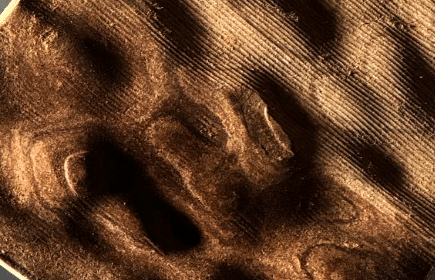
BANANA MATTERS

Abstract Banana Matters transforms discarded banana pseudostem biomass into carbon-sequestering architectural panels through material research, bio-based binders, and digital fabrication. The project addresses the untapped potential of nearly 525 million tonnes of annual banana waste by developing lightweight, low-carbon composites with acoustic and structural applications. Through iterative material experimentation, heat-press manufacturing, and mechanical and physical … Read more

Living Fibers: Robotic Needle Felting as an Architectural Construction System

MAA/MRAC Studio Term 3 — 2025/2026 | Robotics for Ecological Building When you think of wool, construction probably isn’t the first thing that comes to mind. But wool has a longer history as a building material than most people realize, and it carries inherent properties that make it genuinely compelling for architecture: moisture regulation, thermal … Read more

BIO FLOW

“ An AR-Driven Biomimetic Pavilion Generated Through Environmental Field Behavior “ Architectural pavilion design and fabrication often require complex digital workflows, technical expertise, and multiple visualization tools, making the process difficult for rapid concept development and real-world understanding. Designers also face challenges in translating organic, nature-inspired forms into fabrication-friendly structures.  BIOMIMICRY PAVILIONS Organic Geometry Biomimicry … Read more

FLOW FORM

CONCEPT Double-Skin Façade STRATEGY TO CURVE CURVE ITERATIONS FINAL DESIGN THERMAL SIMULATIONS LOAD APPLICATIONS ROBOTIC FABRICATION Layer Height – 2.0 Clay thickness  – 10mm Pressure – 3.95 Nozzle Diameter – 6mm FINAL BLOCK FABRICATION FRAME ASSEMBLY  Final Assembly

The Can Ricart Regeneration Project

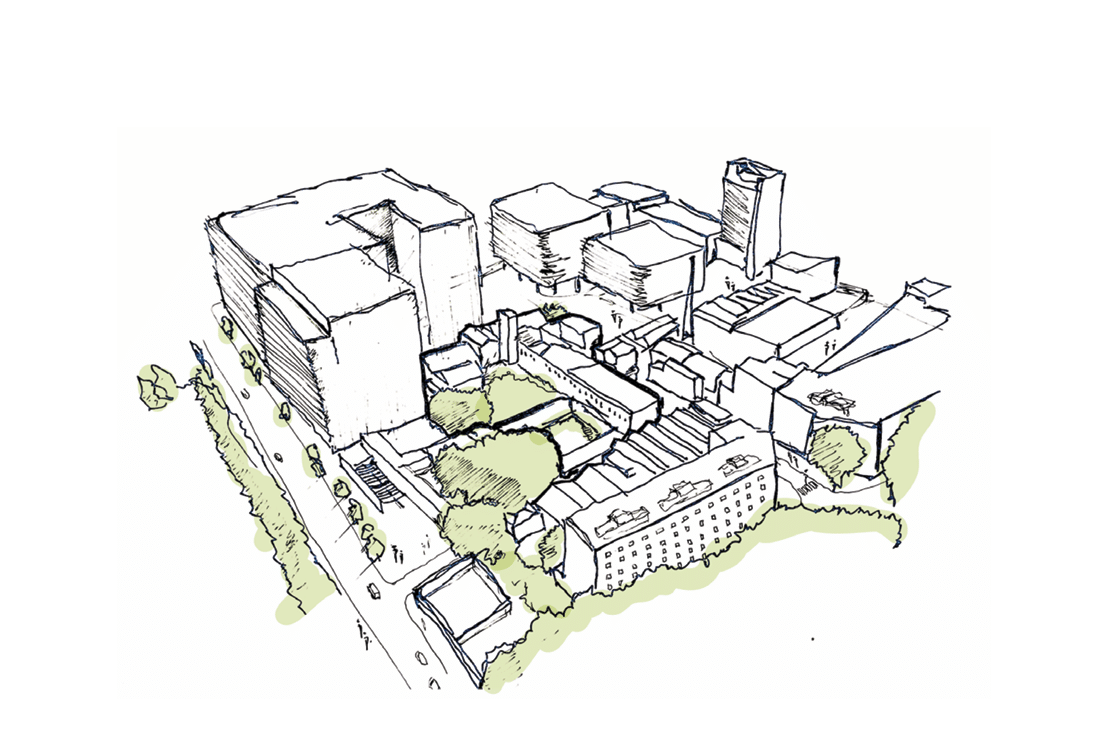
Design Ethos This project seeks to explore how issues of stagnation and obsolescence can be tackled whilst still enabling socio-economic and technological developments of our urban spaces. It will explore how they can be applied within architecture to evaluate how we can more effectively address issues of erasure whilst still permitting modern interventions and advancements … Read more

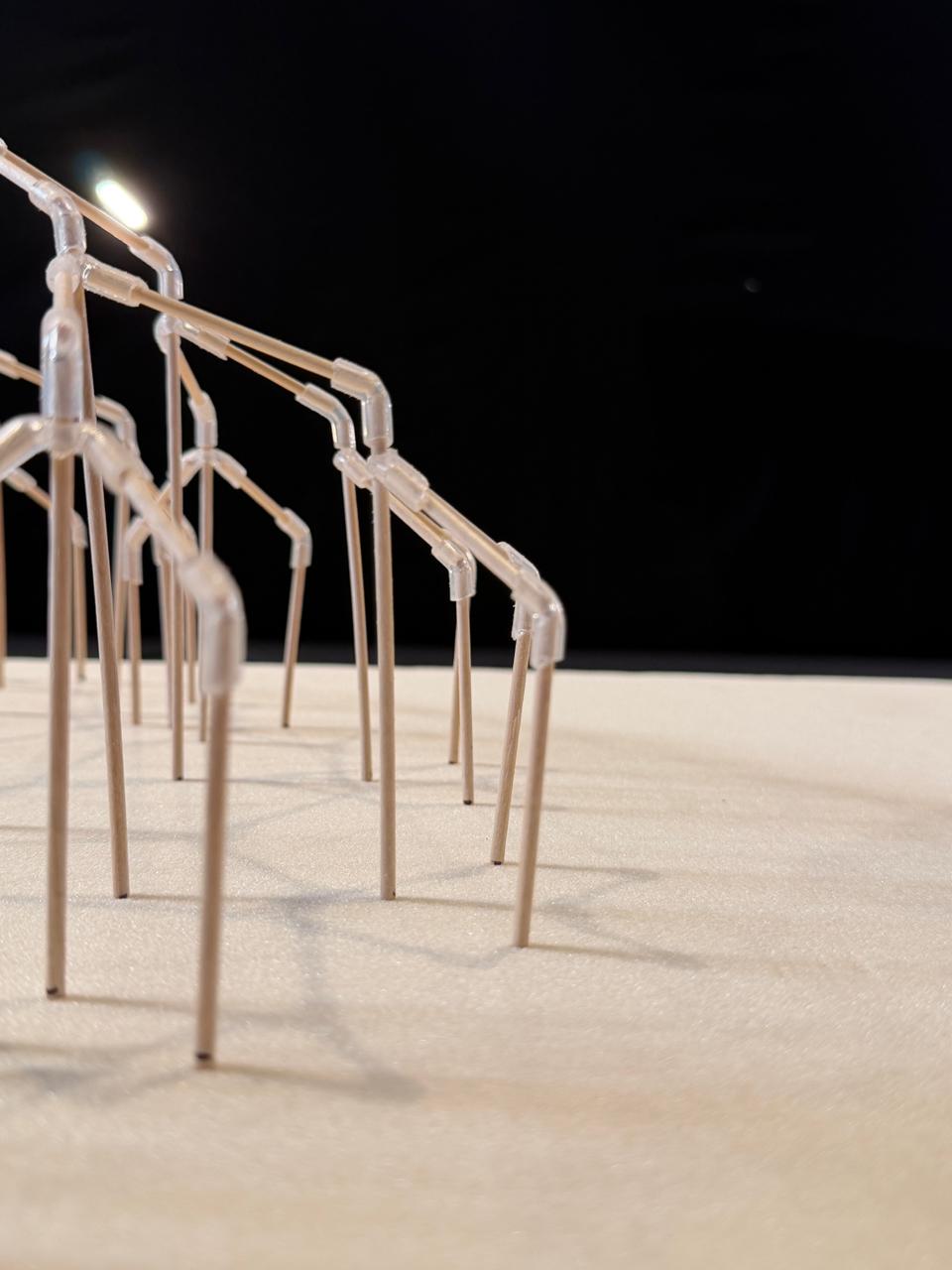
Cano(Pi)

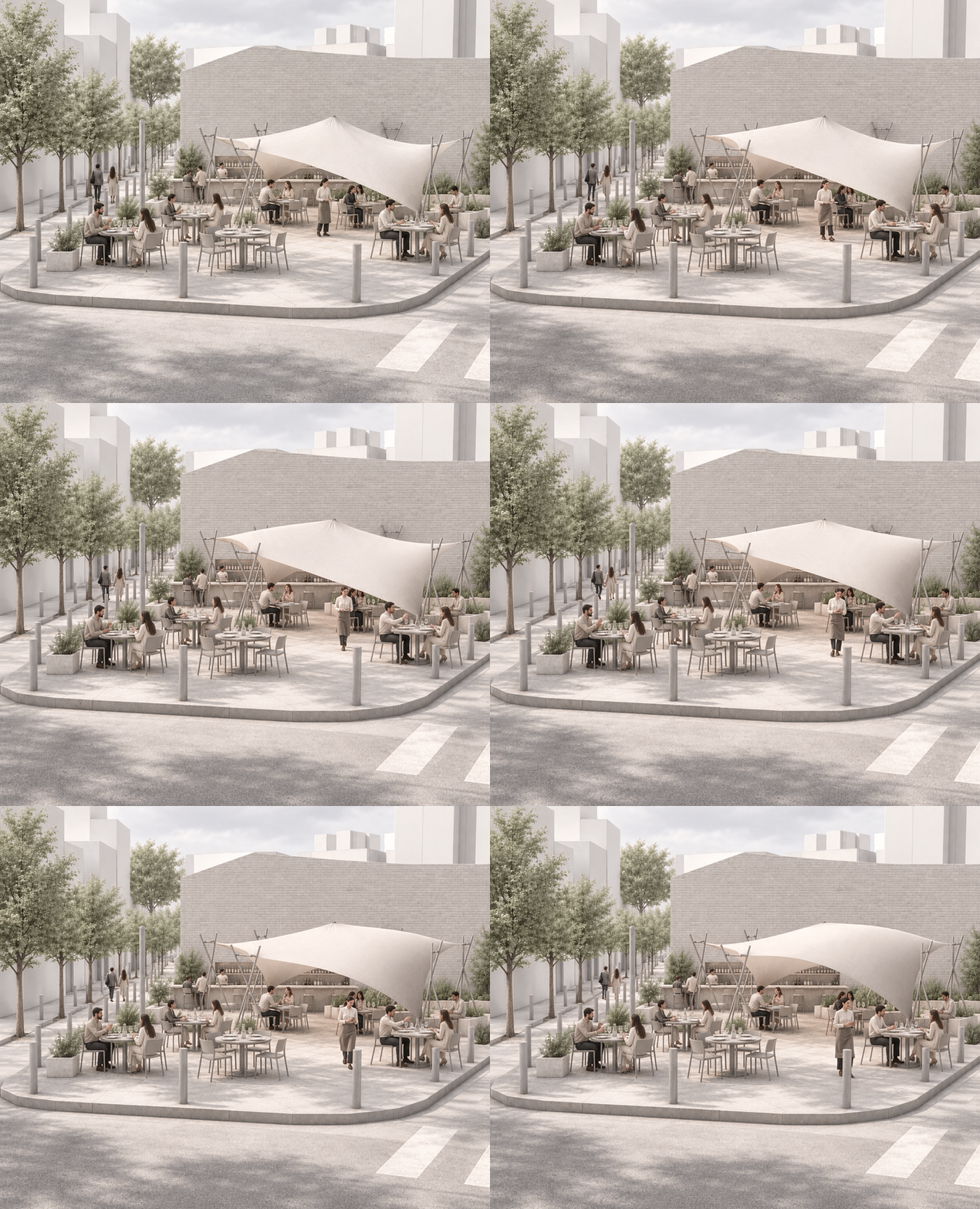
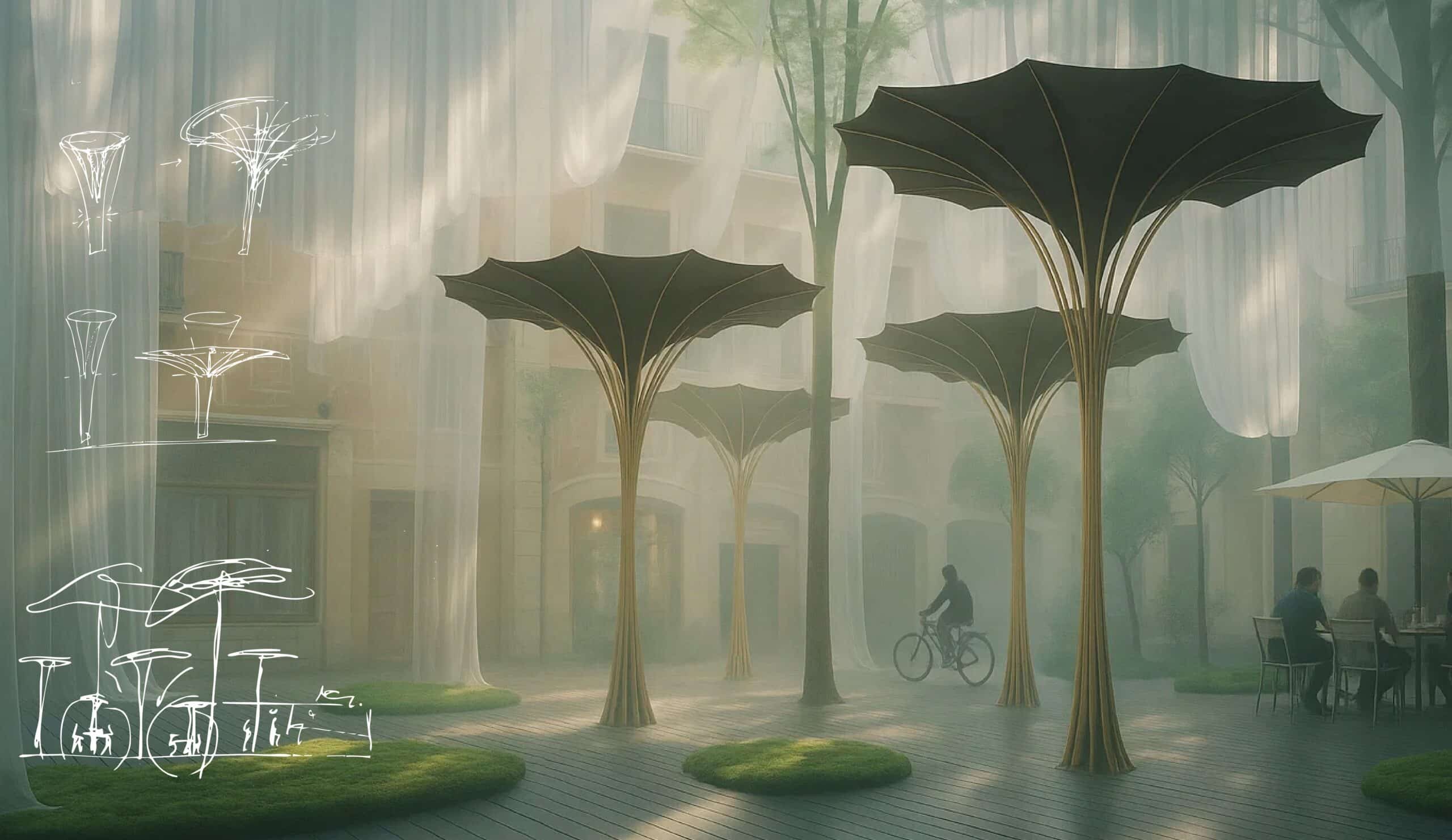
A dynamic forest pavilion. Plaça del Pi, Barcelona, Spain Design Concept Form Finding Psuedo Code The script relies on the organic undulation of sine and catenary curves to reflect the organic nature of our inspiration as well as provide a real-life simulation of the suspended fabric forming the canopy reacting to gravitational logic in both … Read more

Rainwater Harvester The project proposes a regenerative infrastructure for runoff water collection, treatment, and reuse within the built environment. Conceived as a responsive system embedded in architecture, it seeks to transform excess rainwater often perceived as waste into an active resource within a closed ecological loop. During episodes of heavy rainfall, the system captures surface … Read more

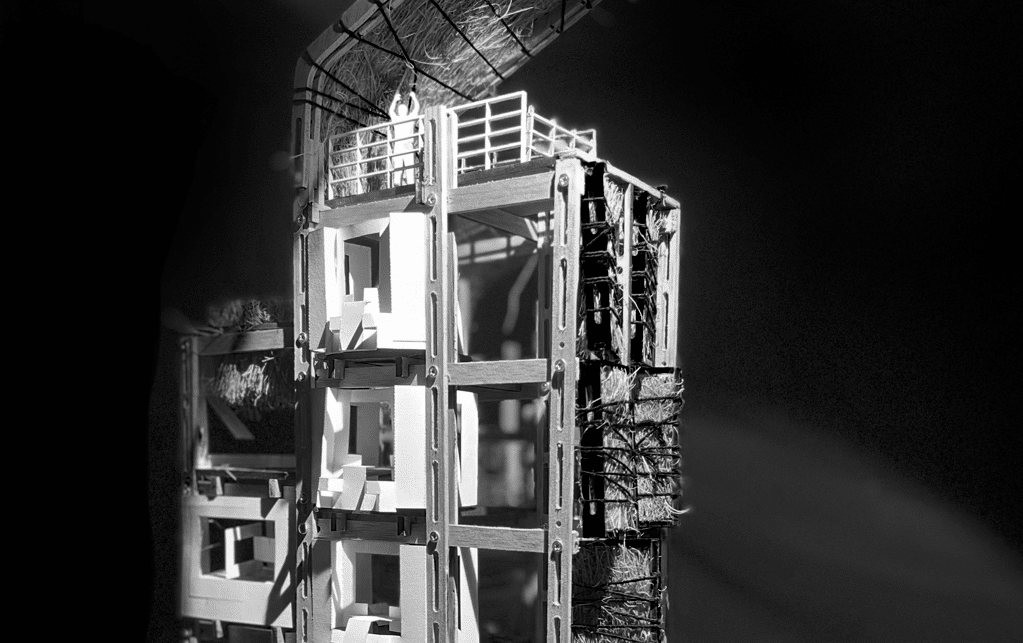
HYGROHOUSE

Self Sufficient Buildings The project investigates esparto grass as a natural humidity moderator within urban student housing. By analyzing its hygroscopic response and recording relative humidity variations, a passive air filtration system is developed. Anchored in a double landscape strategy, the design links material cultivation, extraction, and environmental performance across urban and ecological contexts. Carrer de … Read more