Within the current global context of rapid change, integrated with the potentials of digital technologies, IAAC’s Master in Advanced Architecture (MAA) is committed to the generation of new ideas and applications for Urban Design, Self Sufficiency, Digital Manufacturing Techniques and Advanced Interaction.

In this context IAAC works with a multidisciplinary approach, facing the challenges posed by our environment and the future development of cities, architecture and buildings, through a virtuous combination of technology, biology, computational design, digital and robotic fabrication, pushing innovation beyond the boundaries of a more traditional architectural approach.

Filters
Course

KOMA

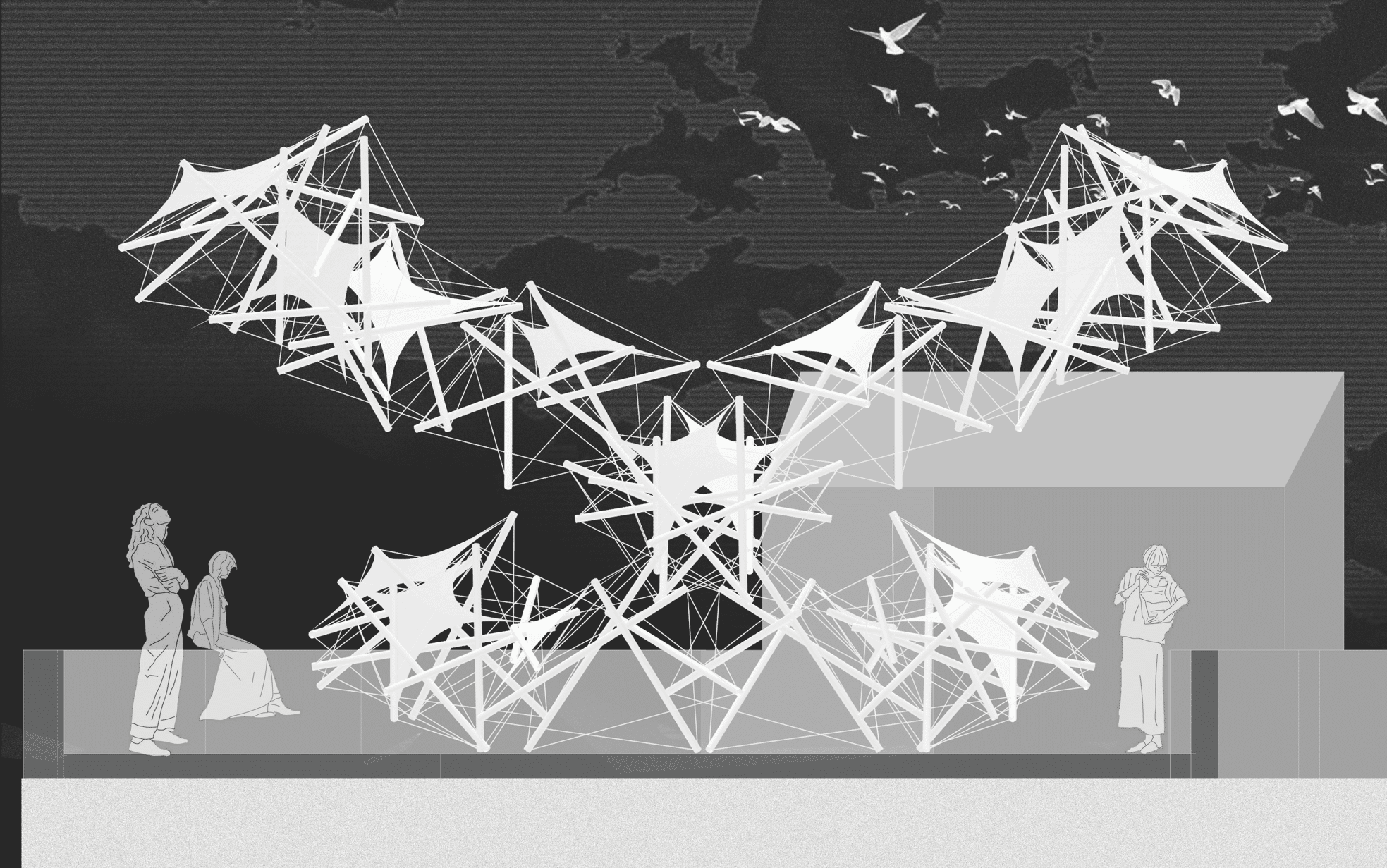
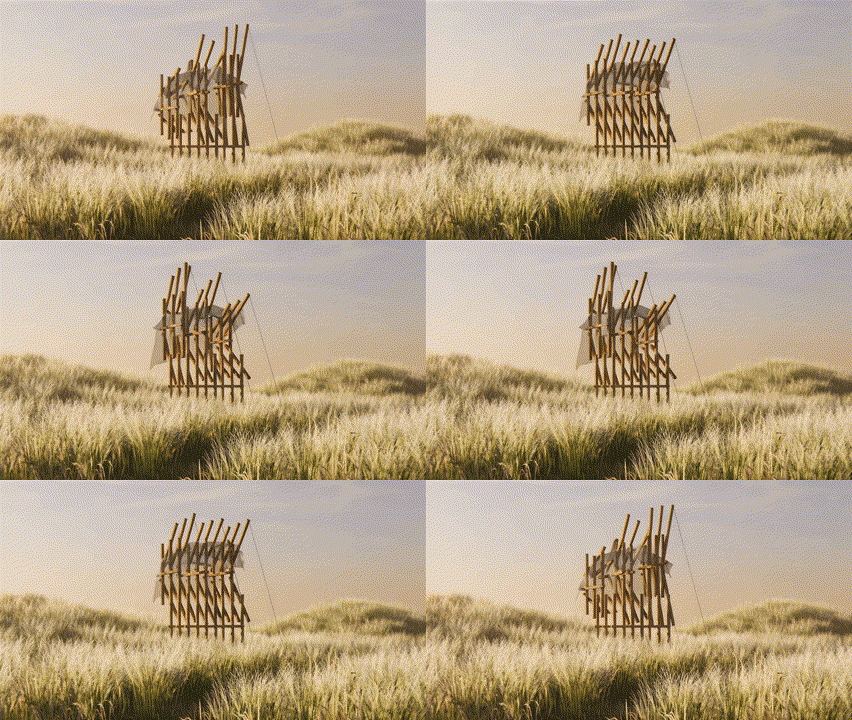
can robots and humans work hand in (hand) to create beautiful architecture? KOMA is a contemplative space, designed to be set in the landscape and allow for peaceful viewing, the form of KOMA is parametric and is able to sway with the wind through the use of tensile cables. The vertical timber elements were placed … Read more

JOIN(x)

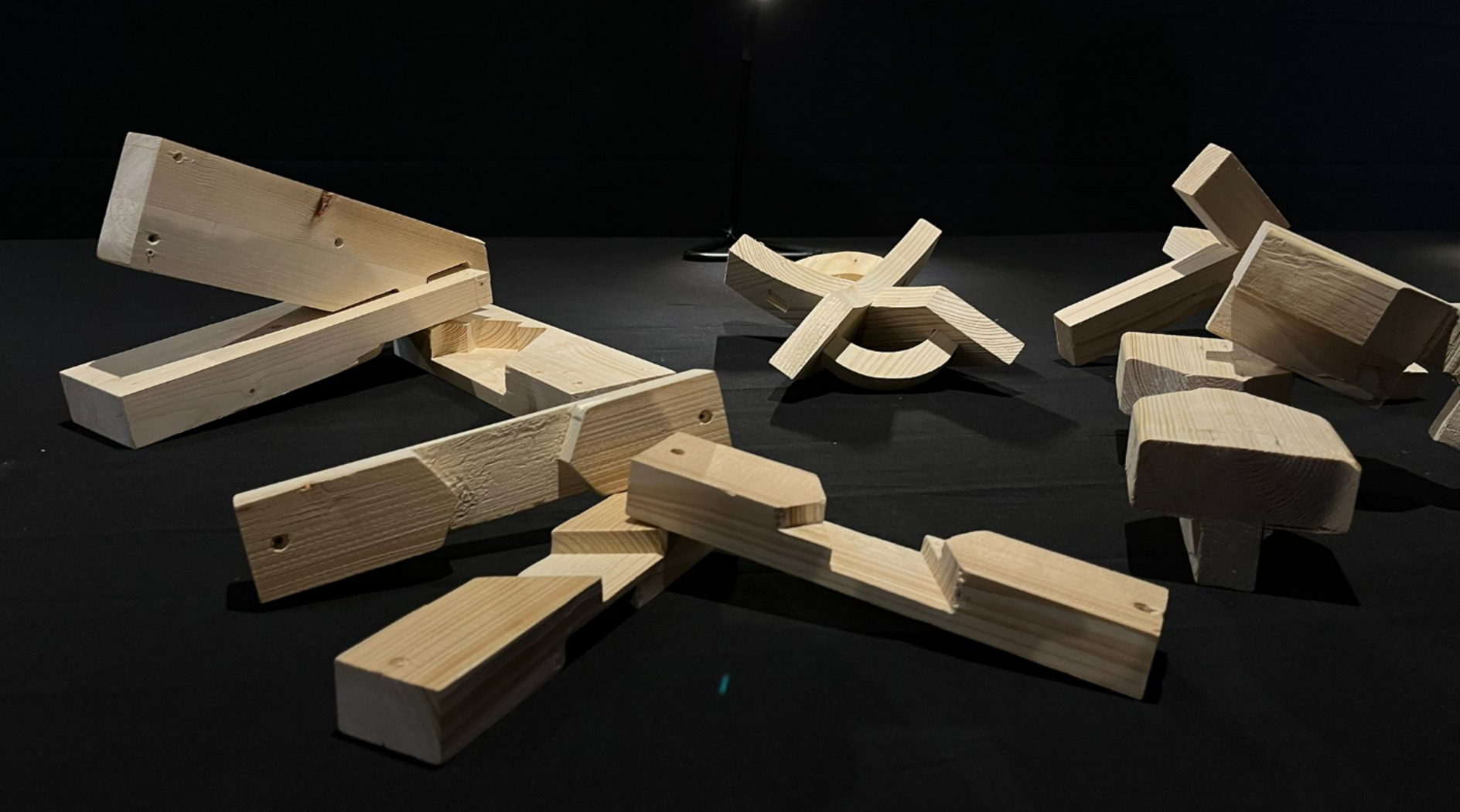
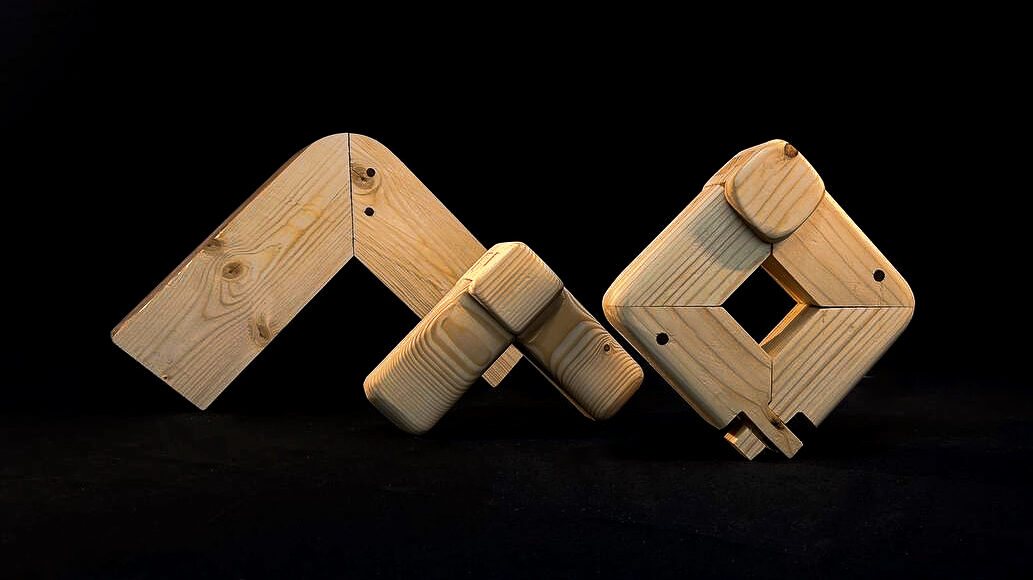
investigative research into creating a catalogue of joinery methods, varying in complexity and geometries. At the same time, integrating a new workflow of design to mill fabrication using new components such as D2P & TasMachine to create sophis`iticated digital models and manage complexity. precedence first day / manual studies on our first day, we picked … Read more

Zenithra

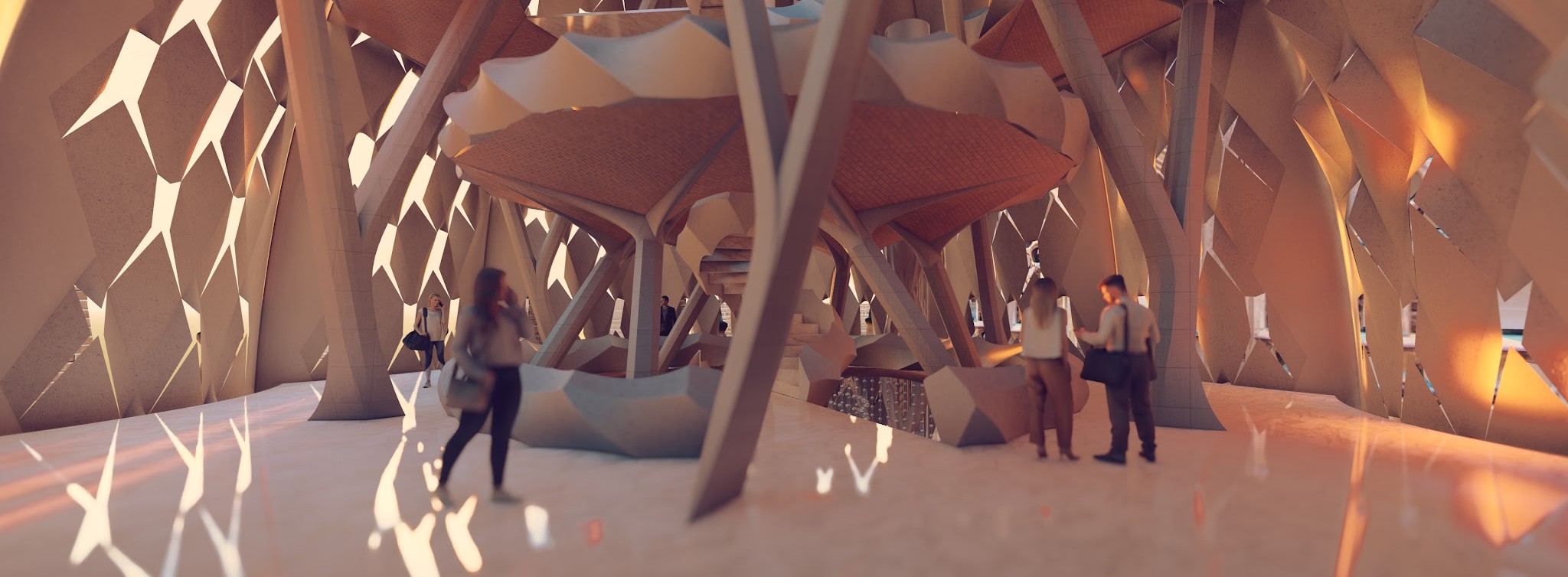
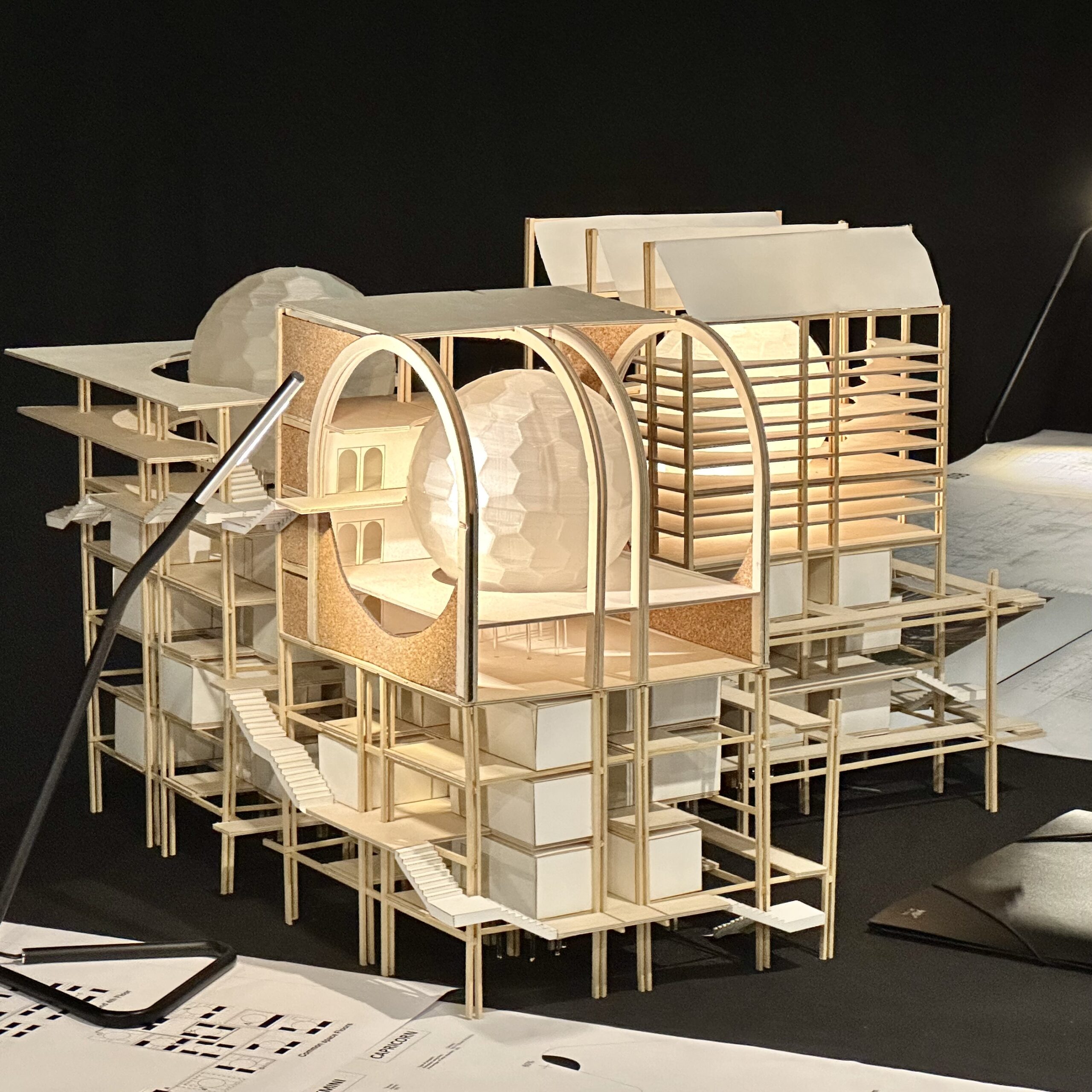
Concept The design concept for the Spiritual Retreat Center draws inspiration from Antoni Gaudí’s profound integration of nature in the Sagrada Família. Just as Gaudí translated organic forms into architectural elements, we aim to go beyond mere inspiration by incorporating natural elements—sunlight filtering through dynamic openings, water features that enhance tranquility, lush indoor gardens fostering … Read more

BACK TO ZERO

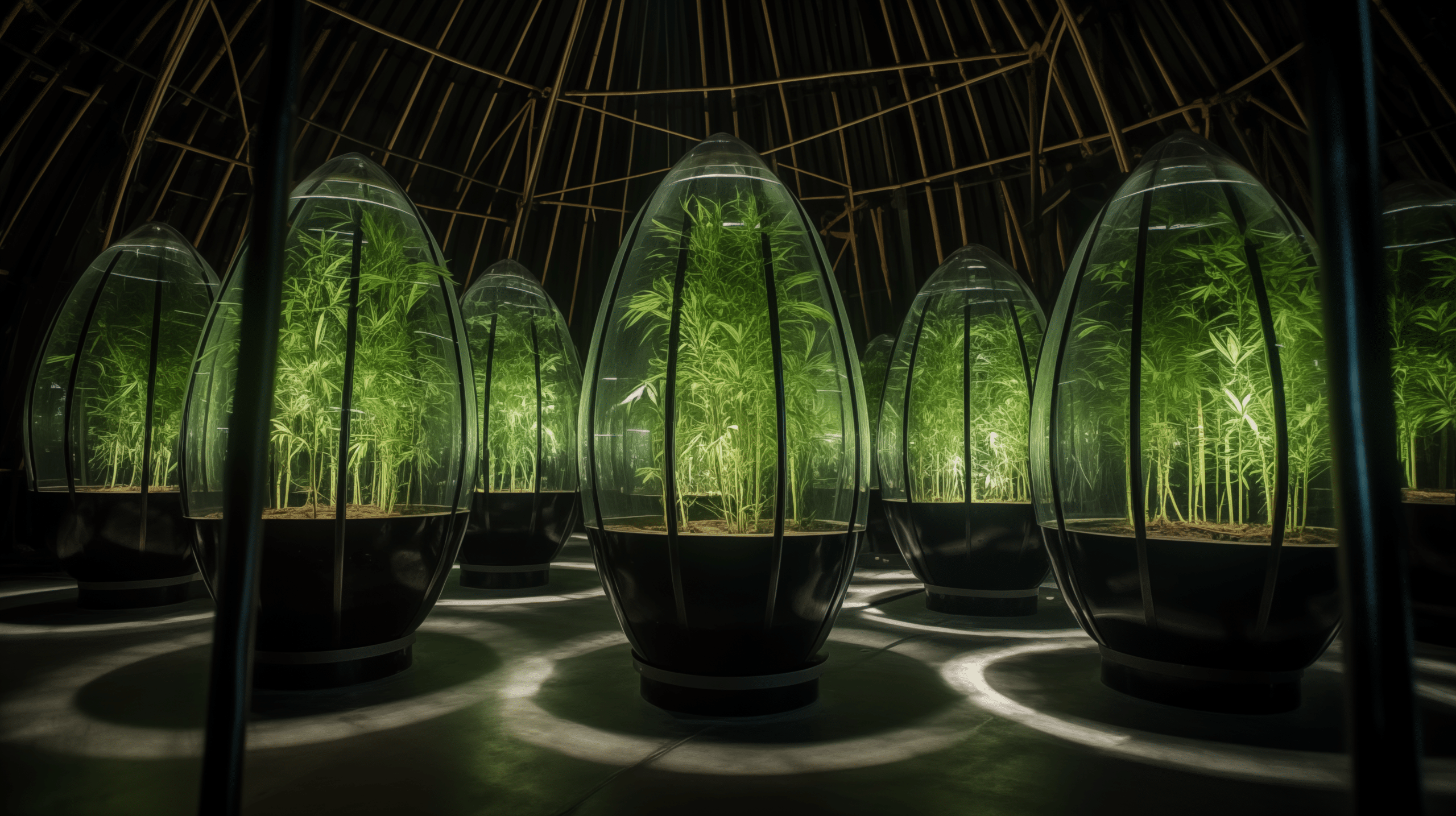
NARRATIVE Back to Zero is a regenerative concept that targets oil refineries and other aging infrastructures that pollute our world. The narrative is inspired from the “skin in the game” concept, and calculates lifetime co2 emissions for high emitting “hosts”, which then becomes a target for that same “host” to sequester through the carbon sequestration … Read more

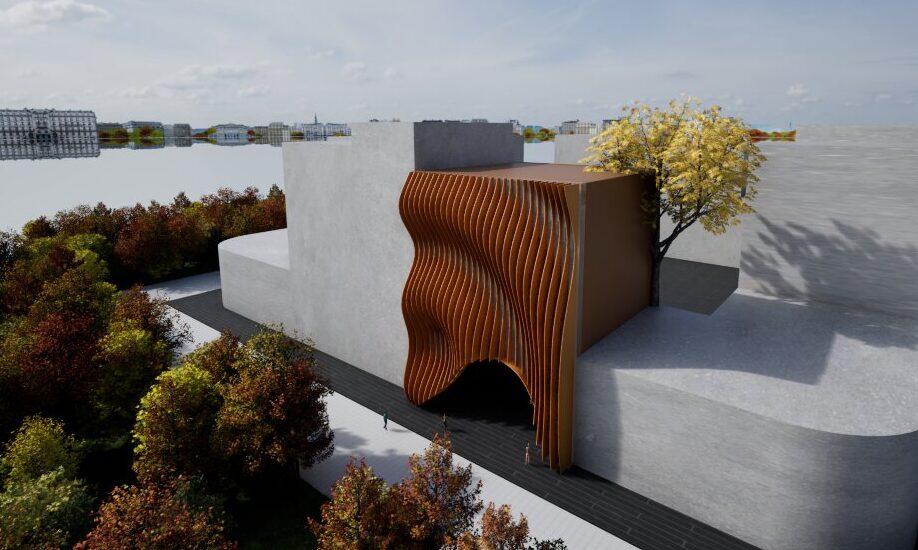
The Wavefront Facade

Reference : “Sami Frashëri” School by SOA Architecture Deconstructing the logic behind the facade This building facade uses a parametric design after an initial climatic analysis of the place, conducted in the early stages of the project to archive an annual summer and winter strategies for indoor and outdoor environments. Pseudocode Workflow Animations Script Renders

TREE WISE

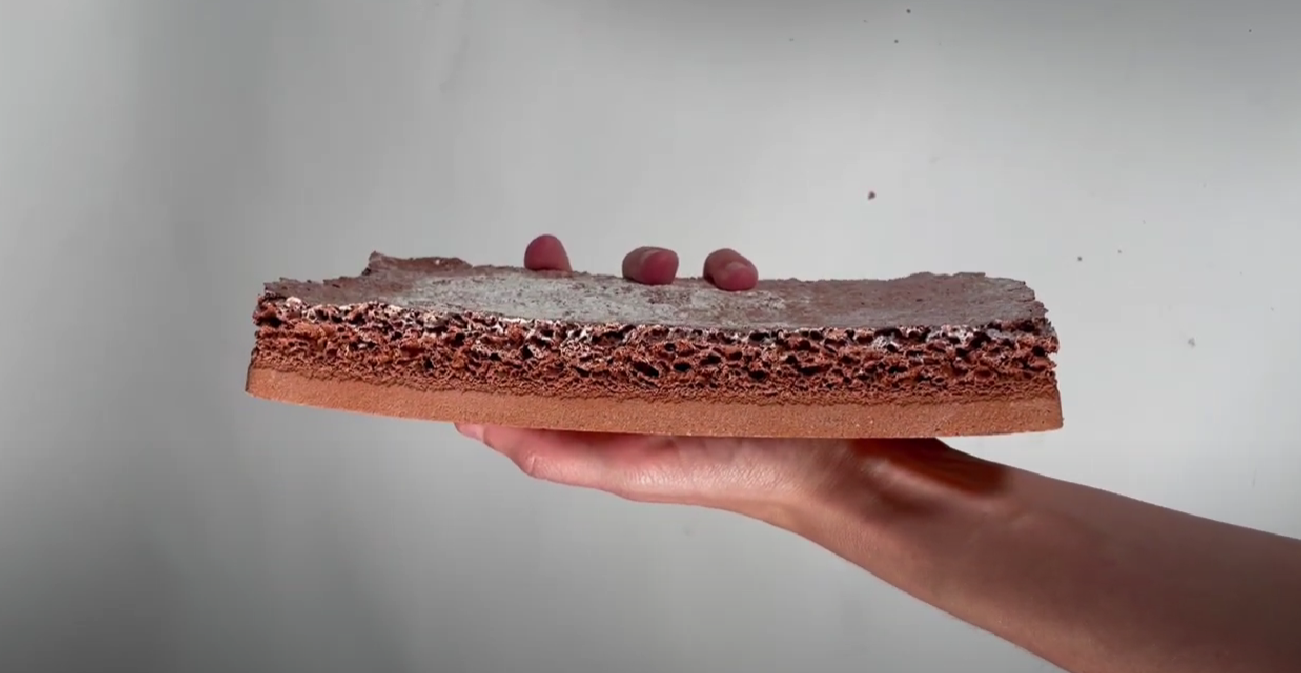
TIMBER SENSING TECHNOLOGY A material system combining timber and graphene, replacing traditional sensors through graphene’s sensing capabilities. This innovative approach allows first, real-time tracking of deformations inside the wood. Second, creating a digital twin that improves maintenance efficiency in the operational phase. Third, providing a detailed service life passport, this system supports reuse and reduces … Read more

Tiny Topographies

Optimizing Bar Buildings for Sunlight and Pathways The aim of this project was to design a typology of housing is needed that resembles small, artificial terrains. The Bar Building typology will have set of long, dense buildings that will mimic the form of a topography. The forms will need to be optimized to allow for all the … Read more

SWARM_FACADE

SWARM_FACADE investigates using swarm intelligence principles (separation, alignment, and cohesion) in architectural design and façade construction. By employing multi-agent-based swarm intelligence algorithms, a conceptual design method was introduced. Evolutionary optimization and parametric control were applied to define solid-void elements in the building façade. The resulting façade variations were optimized and evaluated based on relative daylight … Read more

PHYLLOTACTIC TOWER

PHYLLOTAXIS The arrangement of leaves or floral parts around a stem or axis is called phyllotaxis. The term comes from the Greek phullon – ‘leaf’ and taxis – ‘arrangement’. The model was first proposed by Wilhelm Hofmeister in 1868. IMPORTANCE: The objective of the phyllotaxis is to avoid overcrowding. So that all leaves get maximum … Read more

RETHINKING URBAN FORESTRY

Through a meticulous analysis of data extracted from the site and a comprehensive understanding of Barcelona’s climatic conditions, our visionary project sets its sights on the future, envisioning Barcelona in the year 2050 as a harmonious blend of urban living and natural serenity. At the heart of our exploration lies the theme of urban forestry, … Read more