
During the second year of the Master in Advanced Architecture + Thesis Project (MAA02), students have the unique opportunity to work for a period of 1 year on an Individual Thesis Project, focused on the development of a research or pilot project based on the student’s interest, and the learnings of the first year. IAAC supports the student in selecting their Thesis Project topic in order to better orient them according to their future career interests and opportunities. Each student, according to their specific topic, is assigned one or more Thesis Advisors that follow the development of the work throughout the year.
In parallel to the development of the Individual Thesis Project, the second year of the MAA02 offers a series of seminars enhancing the theoretical, practical and computational skills of the students.
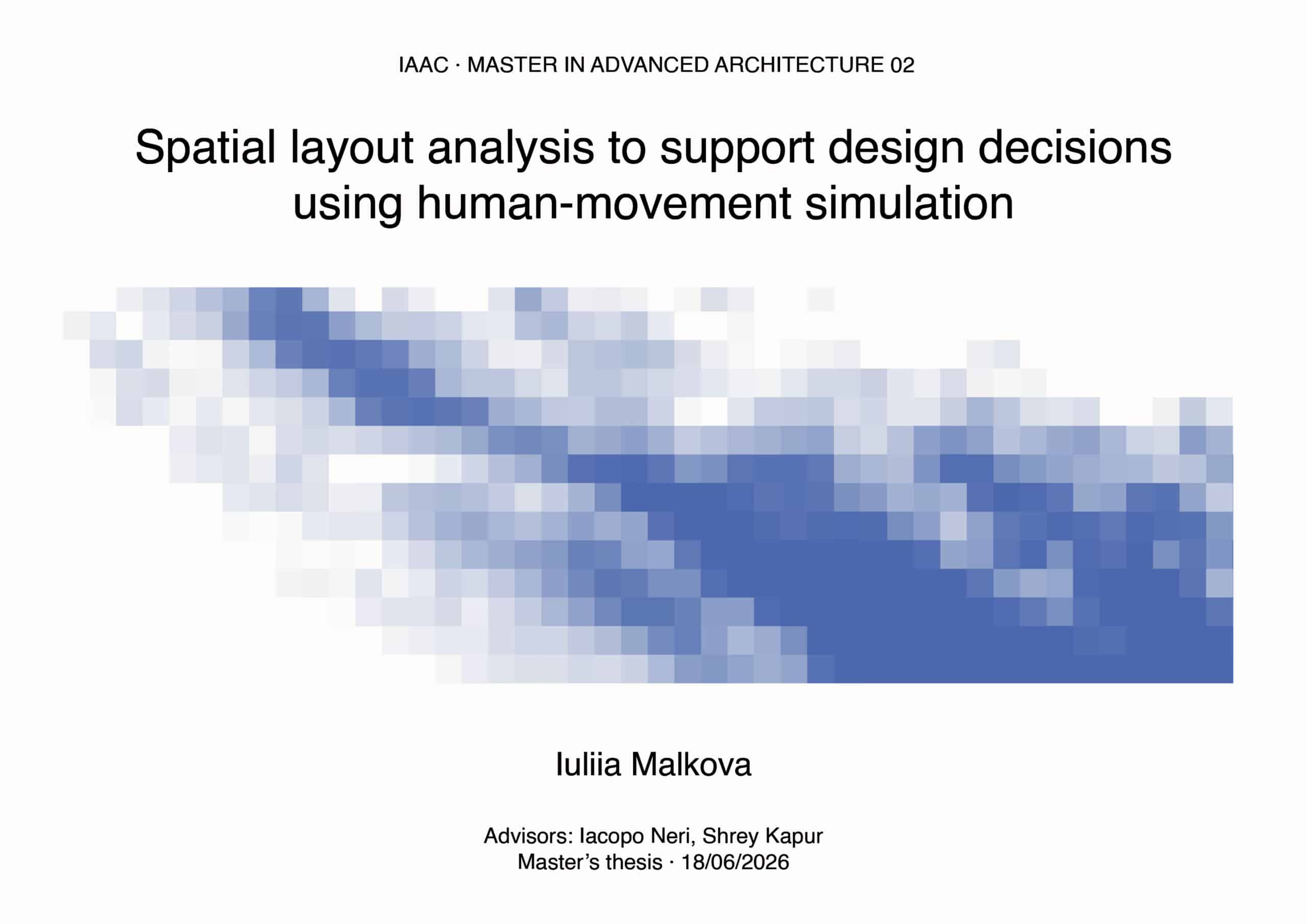
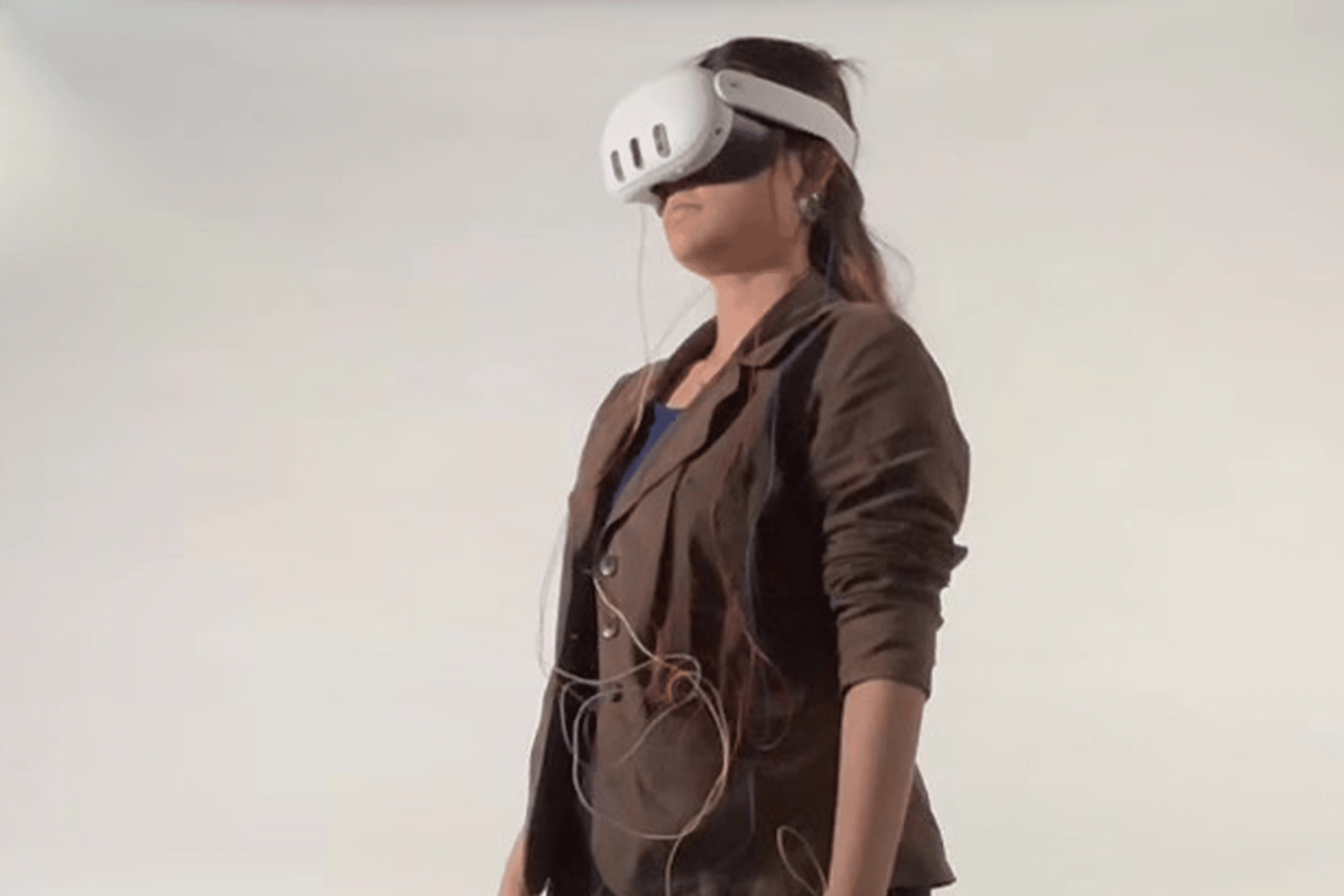
THE MANUFACTURED VERNACULAR
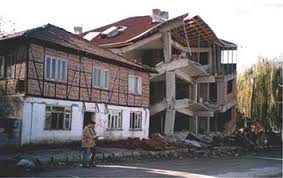
Turning time-tested vernacular intelligence into scalable, multi-hazard self sufficient building INTRODUCTION See this image above? yes, its comparison between two structures that survived a 6.8 rector scale earthquake in year 2005. The ironic part is , that these vernacular structures hold the carbon friendly intelligence responding towards climate adaptation and structural resistance against earthquakes, yet … Read more
Sentient Constructs:
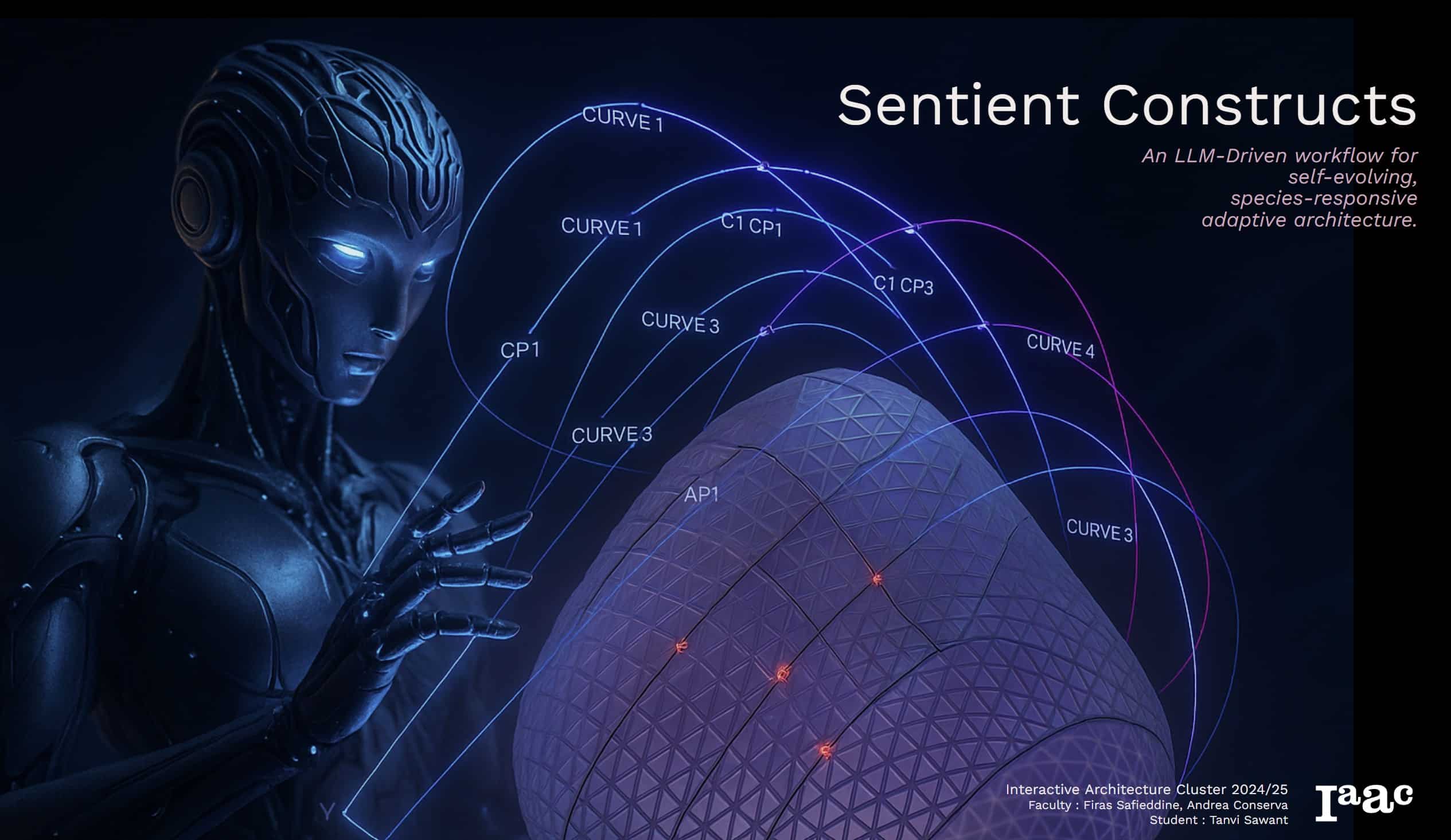
An LLM-Driven and GAN-Inspired Workflow for Self-Evolving, Species-Responsive Adaptive Architecture Abstract Contemporary architecture remains predominantly anthropocentric, prioritizing human needs while neglecting the urgent ecological imperative to design for multispecies coexistence. In response to biodiversity loss and environmental degradation, this research advances a new framework for cybernetic architecture – an adaptive, intelligent, and ecologically attuned design … Read more
TOO BRIGHT!
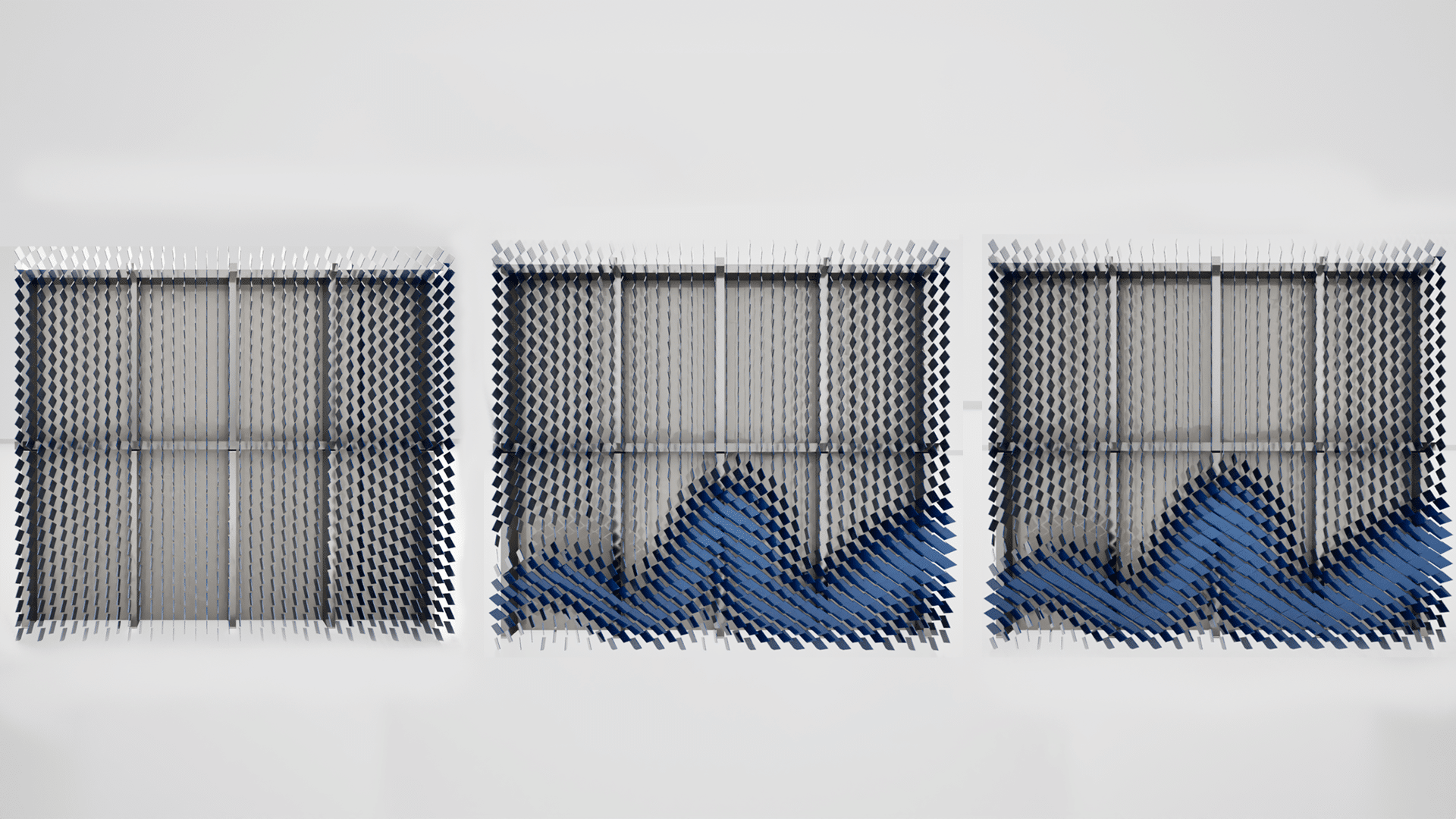
CONCEPT Creating a dynamic relationship between the building and its environment A responsive façade design inspired by the concept of living architecture The geometric logic and panel behavior were first modeled in Grasshopper, where the movement angles and facade modules were tested digitally. Then, through Arduino’s control, this virtual logic was physically prototyped turning environmental … Read more
SKYLOFT
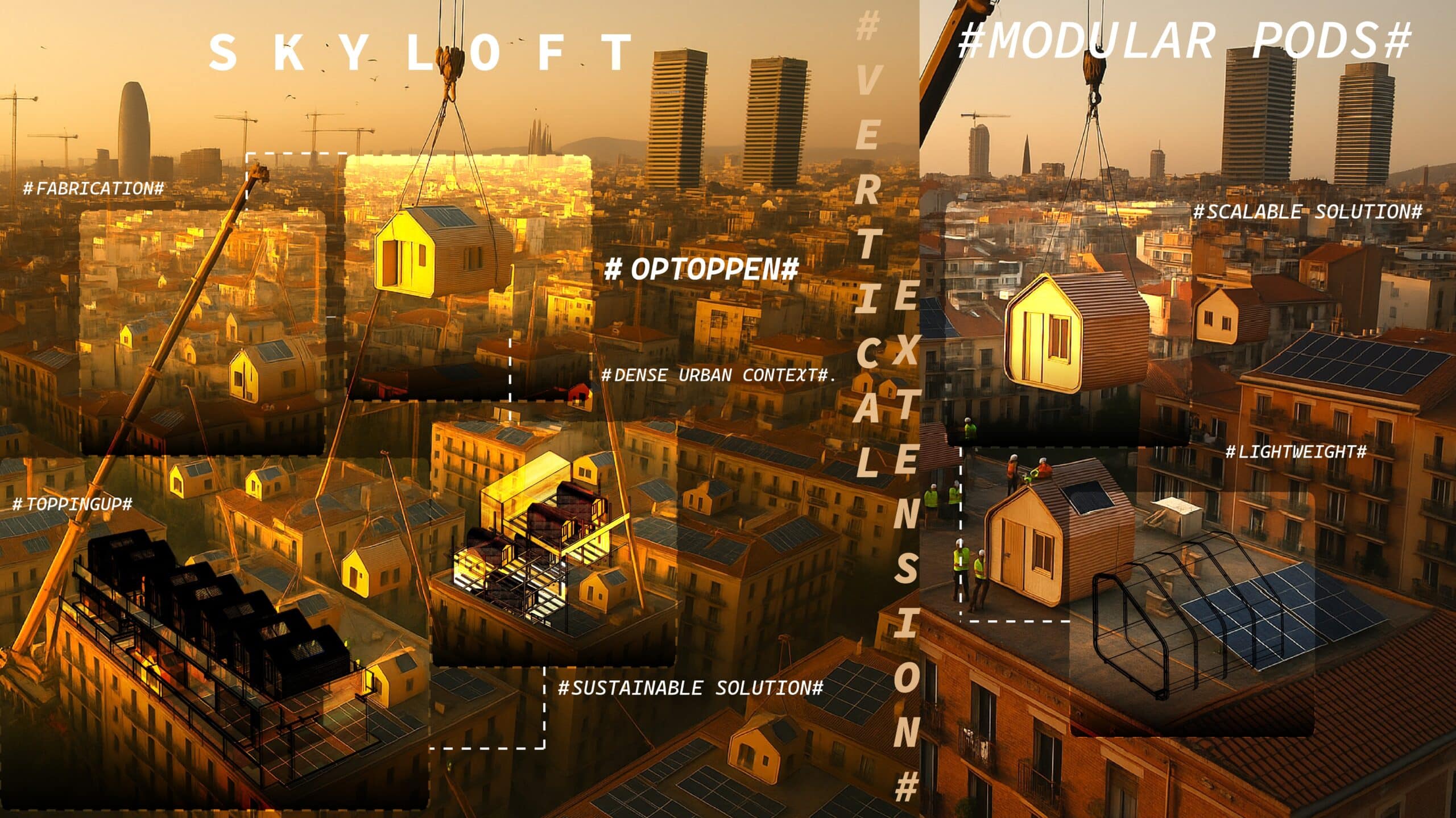
MODULAR PODS VERTICAL EXTENSIONS To address urgent urban housing needs, this thesis explores modular rooftop pods using Digital Twins, CNC fabrication, kerfing, and timber joinery—enabling precise, low-waste, minimum tool required for assembling and sustainable expansion of aging urban buildings through scalable and prefabricated Modular systems Why Vertical extension required ? What’s the purpose of the … Read more
WOLF
“What if you could speak your design ideas and watch them transform into complete parametric scripts in real-time?”
Flow – SIGHT: De- coding urban mobility
Introduction Urban traffic congestion is more than just an inconvenience—it’s a global challenge tied to pollution, stress, and wasted time. While cities are turning to AI-driven systems to ease the gridlock, the question remains: Do these technologies actually perform better than traditional methods?Flow – SIGHT is a comparative research project that investigates traffic systems across … Read more
AQUA.NEST

AQUA.NEST: An AI-Powered Decision Support Toolbox for Adaptive Urban Design Using Nature-Based Solutions in Flood-Exposed Coastal Cities Coastal urban flooding is emerging as one of the most urgent climate challenges of our time. Without strong adaptation, annual flood damages could reach €930 billion globally by 2050, even with improved infrastructure (OECD, 2020). Rising sea levels and … Read more

Advanced Manufacturing Cluster – T02
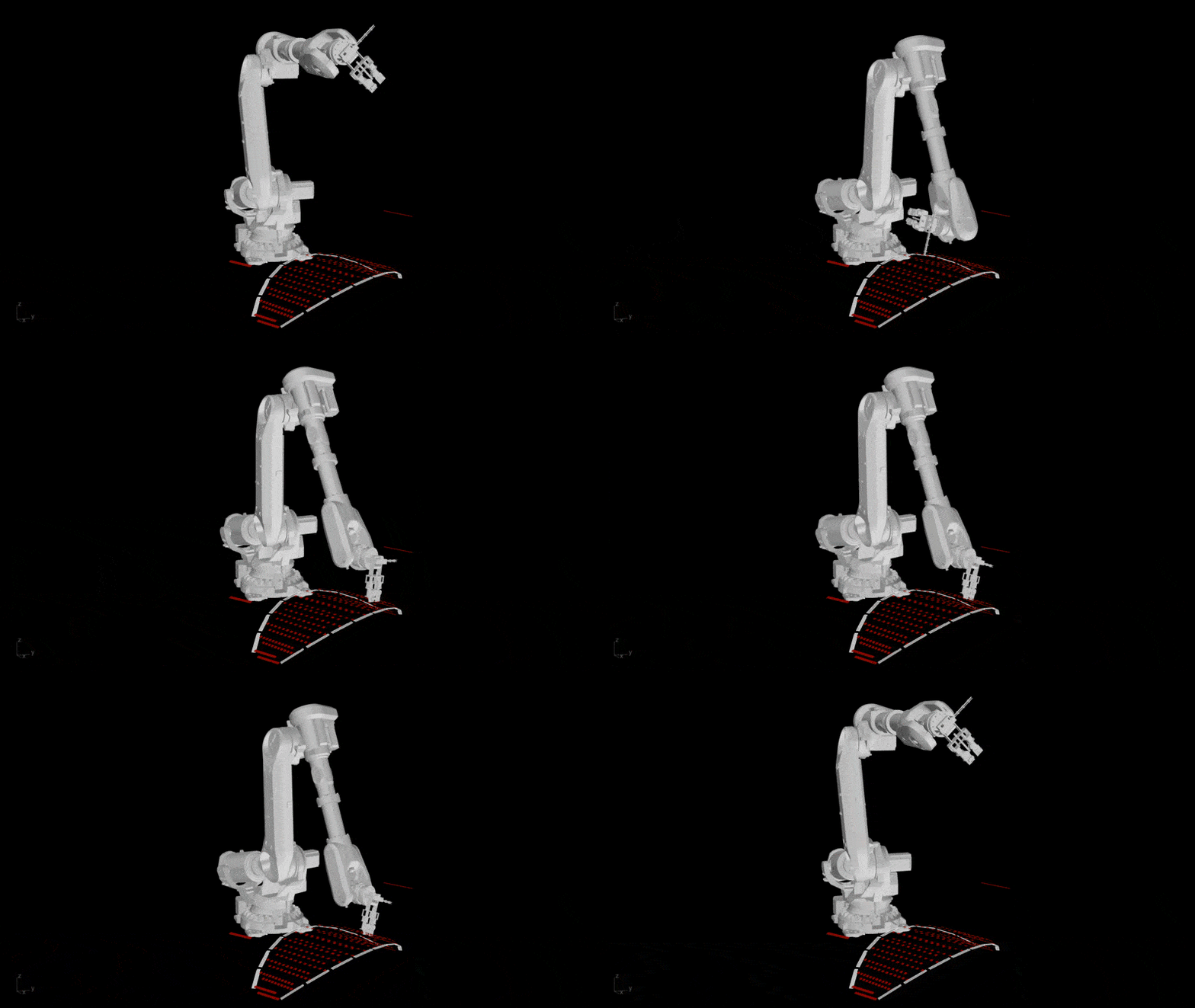
Analog End Effector Explorations Mechanical End Effector Explorations Final Robotic Jig Design | Facade Iterations
Living Frames: Architecting Intelligence for Multispecies Design
Contemporary architecture often prioritizes humans at the expense of ecological balance, distancing us from nature and other species. This thesis envisions a future where buildings evolve into living, adaptive frameworks that foster interspecies mutualism. By integrating third-order cybernetics, machine learning, and AI, architecture can become a mindful mediator, enhancing relationships between humans and other species. … Read more
Augmented & Mixed Reality
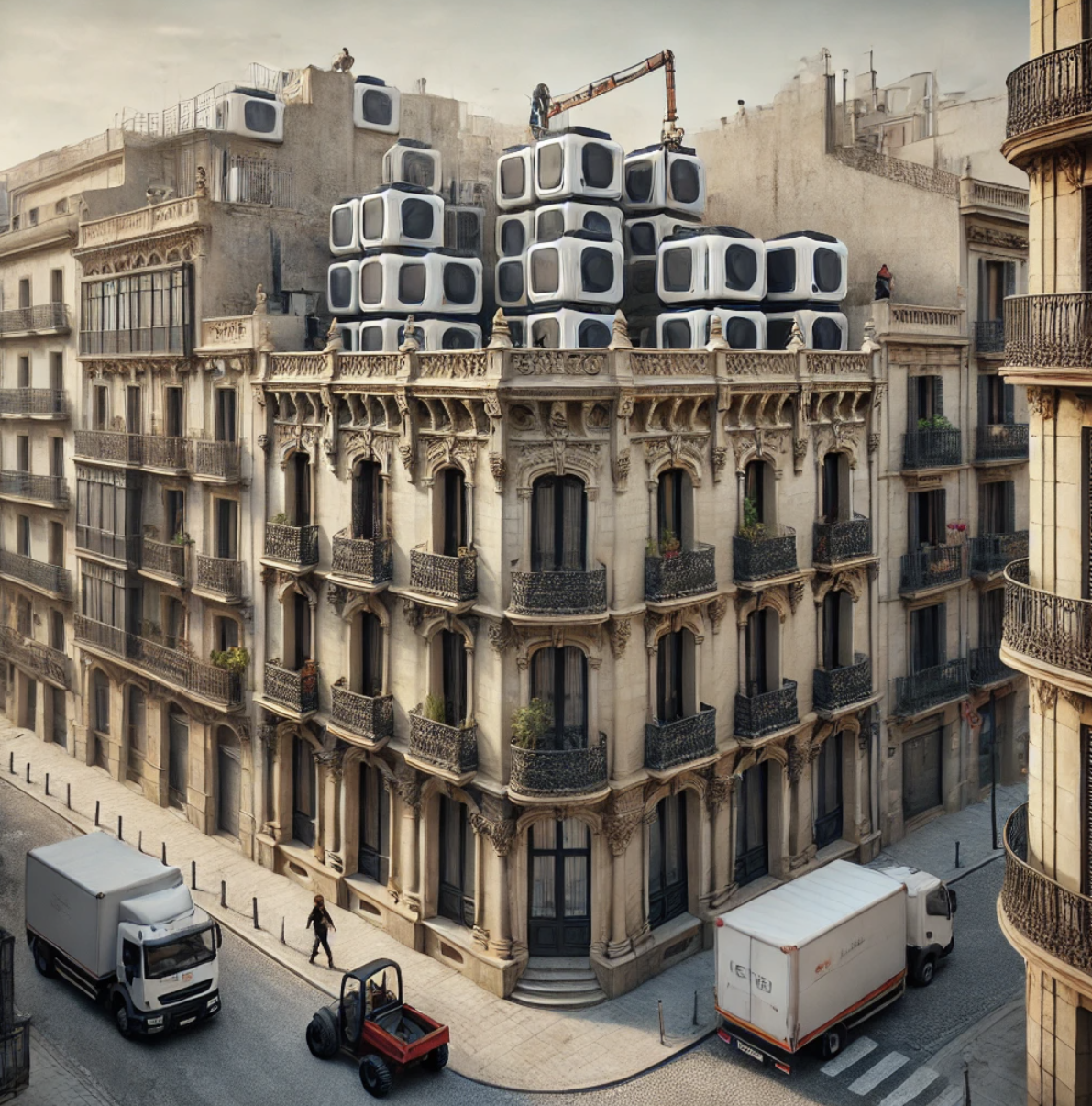
AR/VR enhances the connection between architecture and clients by visualizing rooftop pod safety, insulation, and climate adaptability. It provides immersive experiences, making designs more tangible, understandable, and acceptable for real-world living solutions. AR/VR allows clients to explore how rooftop pods are made, the materials used, and required tools. It offers immersive mockups, enhancing understanding, trust, … Read more
Wildlife Integrating Landscape Design Artificial Intelligence – WILD.AI — Term_II
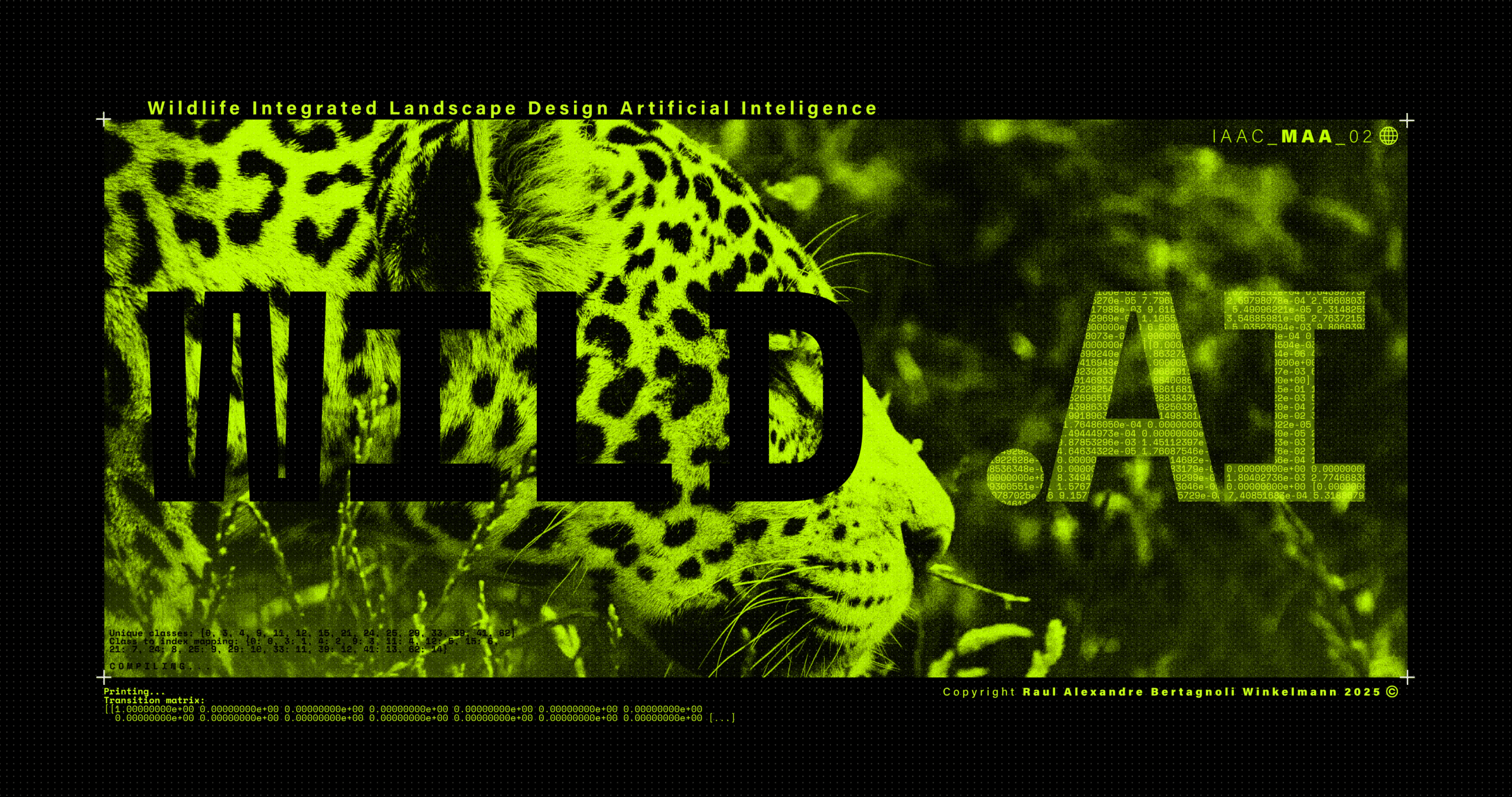
Context How? Where? Workflow Outputs
DESIGN FLEX- PHASE- II

Abstract Parametric design tools like Grasshopper empower architects to create adaptive and efficient spatial layouts, but their complexity presents a barrier for non-experts. This research proposes a community-driven design tool that leverages Graph Neural Networks (GNNs) and Large Language Models (LLMs) to learn from expert-authored Grasshopper scripts, enabling prompt-based parametric layout design. By encoding design … Read more
