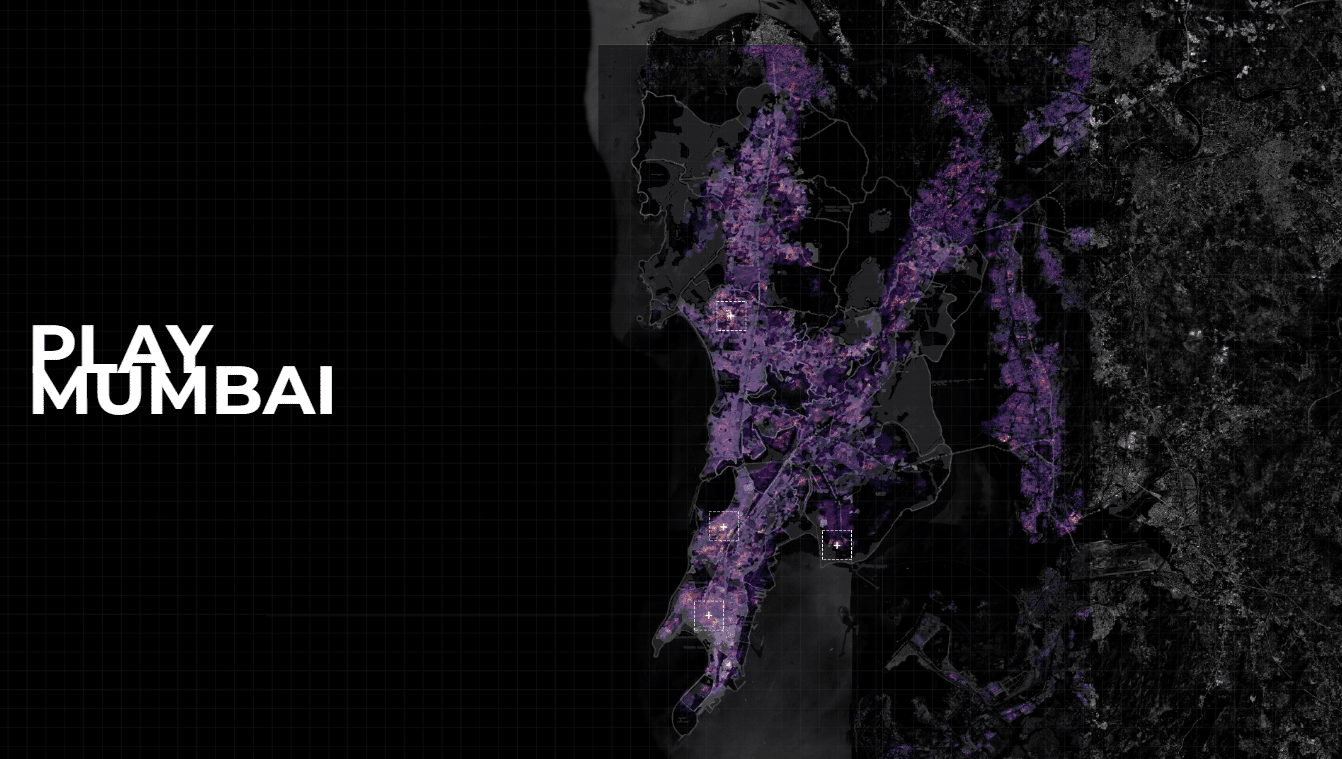
Play Mumbai
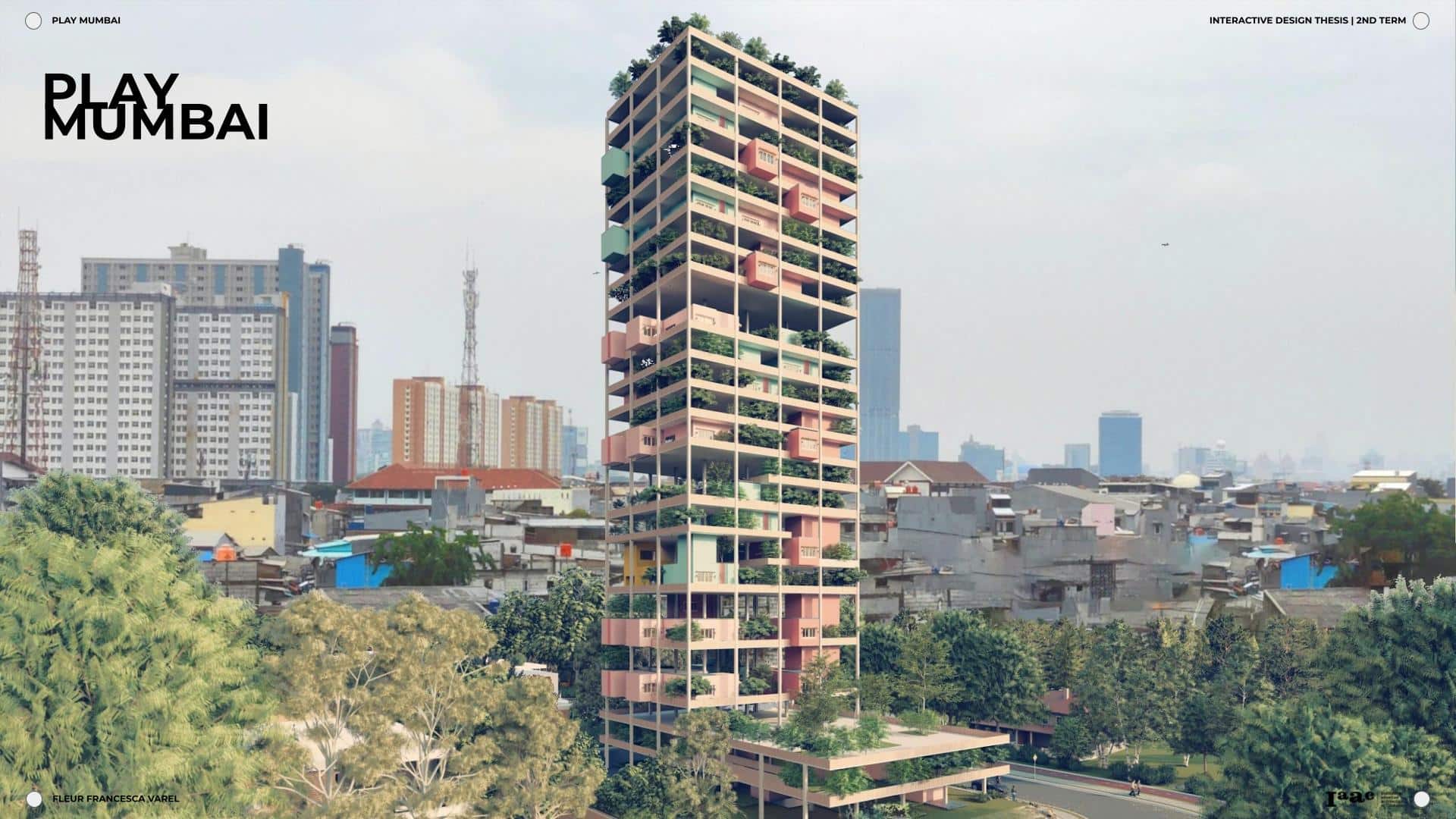
“A Digital Tool that facilitates Self-Redevelopment in Mumbai through the Participatory Development Method [PDM] and Decentralized Autonomous Organizations [DAOs] to Reduce Ecological Footprint[EP]. ”

During the second year of the Master in Advanced Architecture + Thesis Project (MAA02), students have the unique opportunity to work for a period of 1 year on an Individual Thesis Project, focused on the development of a research or pilot project based on the student’s interest, and the learnings of the first year. IAAC supports the student in selecting their Thesis Project topic in order to better orient them according to their future career interests and opportunities. Each student, according to their specific topic, is assigned one or more Thesis Advisors that follow the development of the work throughout the year.
In parallel to the development of the Individual Thesis Project, the second year of the MAA02 offers a series of seminars enhancing the theoretical, practical and computational skills of the students.
“A Digital Tool that facilitates Self-Redevelopment in Mumbai through the Participatory Development Method [PDM] and Decentralized Autonomous Organizations [DAOs] to Reduce Ecological Footprint[EP]. ”

AQUA.NEST: An AI-Powered Decision Support Toolbox for Adaptive Urban Design Using Nature-Based Solutions in Flood-Exposed Coastal Cities Coastal urban flooding is emerging as one of the most urgent climate challenges of our time. Without strong adaptation, annual flood damages could reach €930 billion globally by 2050, even with improved infrastructure (OECD, 2020). Rising sea levels and … Read more
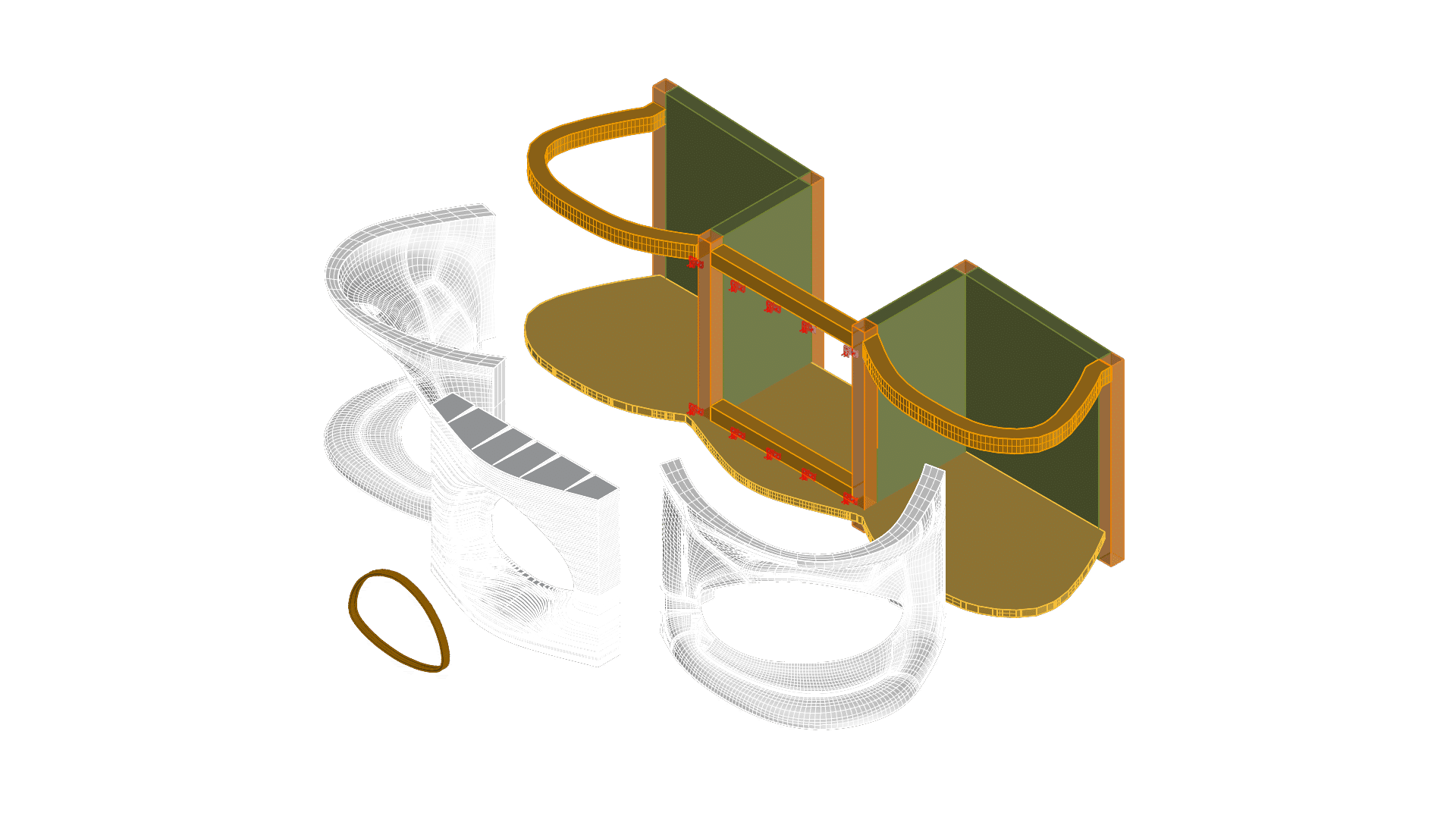
Contexept is a design-to-fabrication workflow that uses AI to generate context-aware façade designs and turn them into 3D-printable architectural modules. By combining semantic keyword clustering, image generation, and robotic clay printing, the system transforms abstract ideas into buildable, site-sensitive forms. It bridges digital creativity with physical construction, making AI a meaningful collaborator in architecture. Architecture … Read more
A Methodological Approach to Urban Morphology and Hybrid Energy Systems in the Global South Project Statement: “Even as we advance in Energy Innovation, our cities continueto grapple with deep inequalities. In this research, I proposerethinking Urban Morphology—not merely as the physicalform of our settlements, but as a strategic lever for equitableenergy solutions. The conceptual Energy-Morphology … Read more

An Exploration of Root Architecture and Material Study | TERM-2 EFFECTS OF EROSION CAUSES OF EROSION CURRENT SOLUTIONS AND PROBLEMS: THESIS OBJECCTIVE (WHAT IS NEEDED) POTENTIAL SITES STATE OF THE ART 3 MAIN TYPOLOGIES BIOLOGICAL ( ROOT AND SOIL STUDY), STRUCTURAL (SOIL COMPOSITION AND PRINTABILITY), DESIGN (SITE AND SPECIE SPECIFIC DESIGN EXPLORATION) BIOLOGICAL TYPOLOTY – … Read more
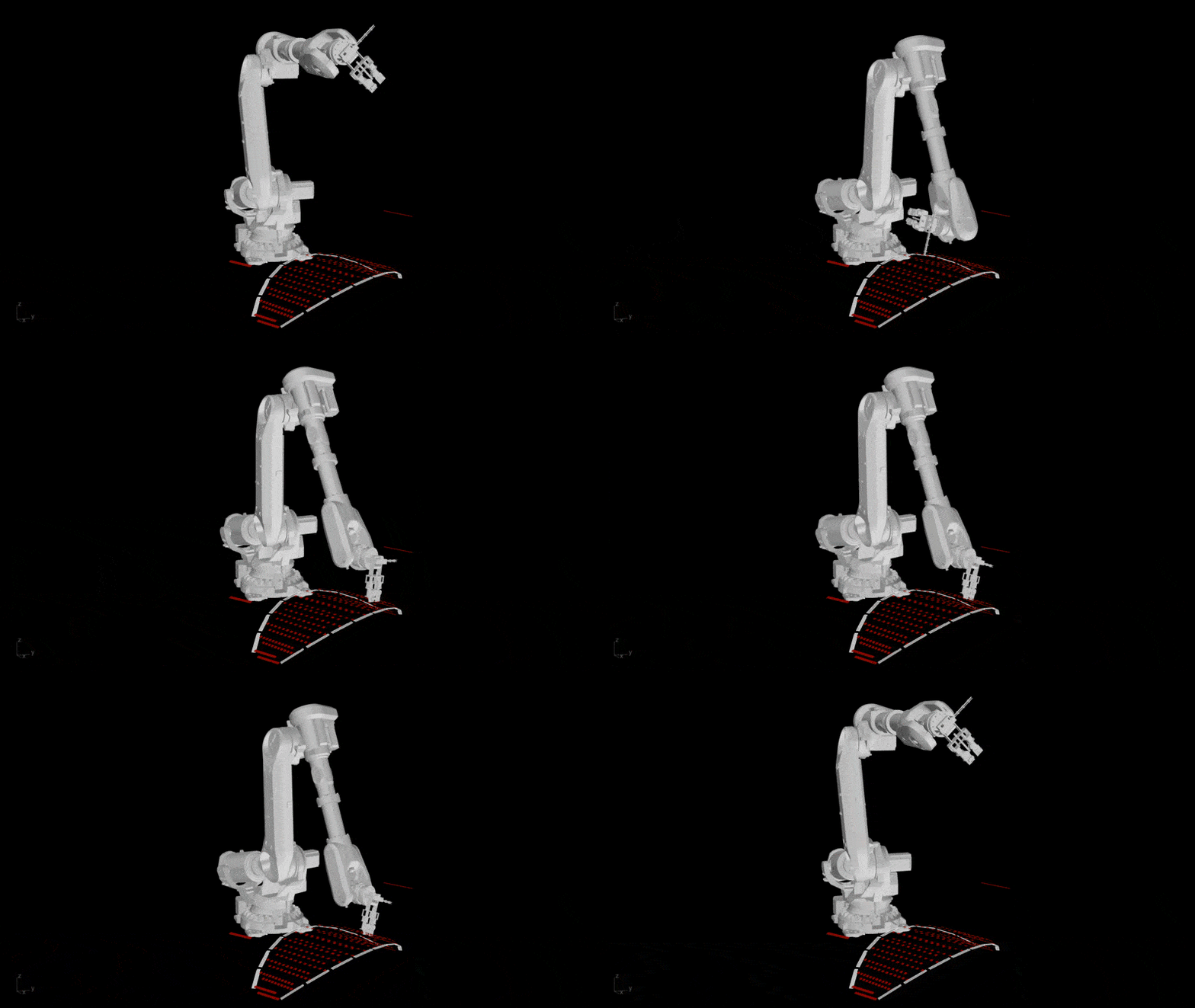
Analog End Effector Explorations Mechanical End Effector Explorations Final Robotic Jig Design | Facade Iterations
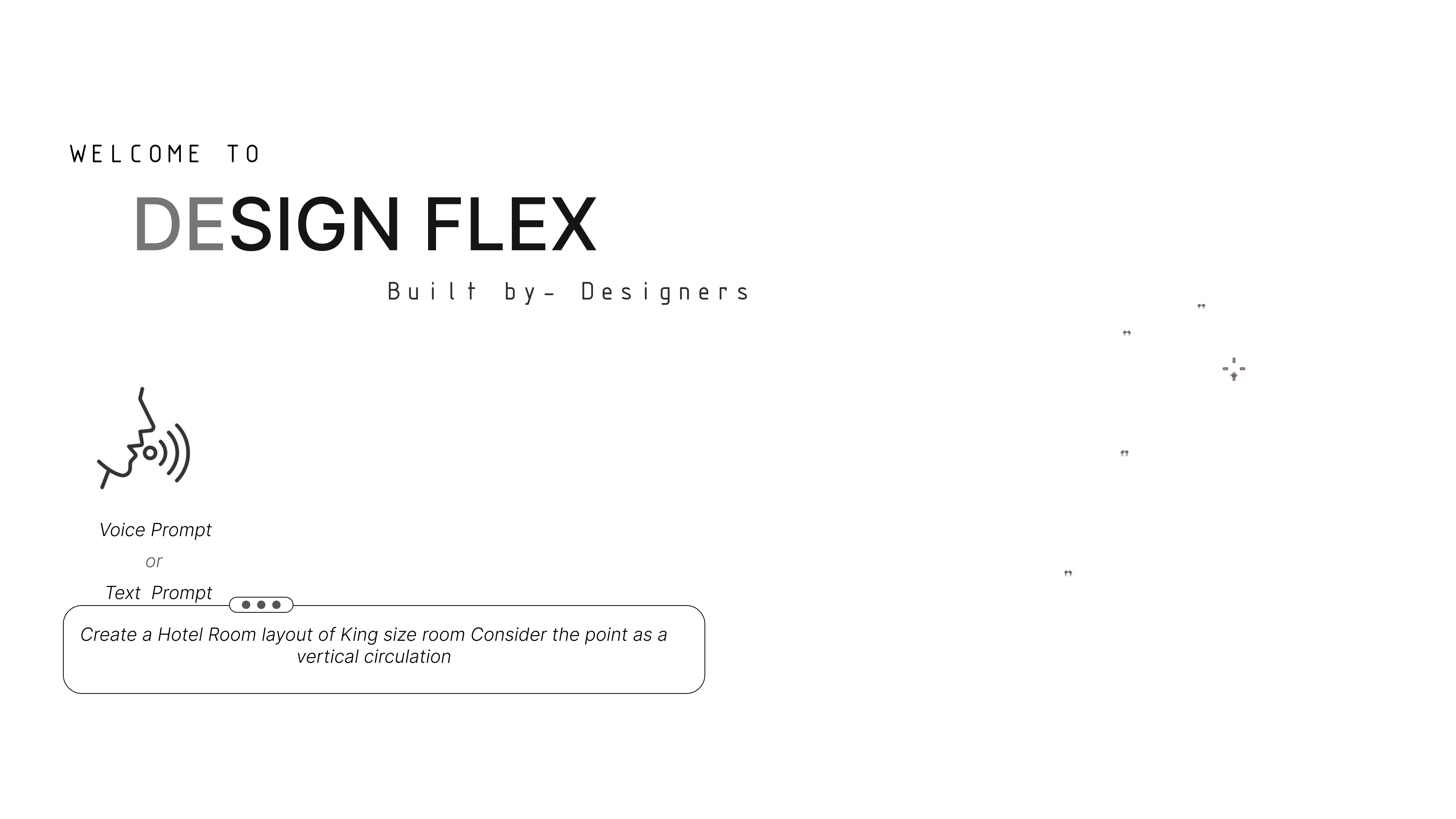
Abstract Parametric design tools like Grasshopper empower architects to create adaptive and efficient spatial layouts, but their complexity presents a barrier for non-experts. This research proposes a community-driven design tool that leverages Graph Neural Networks (GNNs) and Large Language Models (LLMs) to learn from expert-authored Grasshopper scripts, enabling prompt-based parametric layout design. By encoding design … Read more
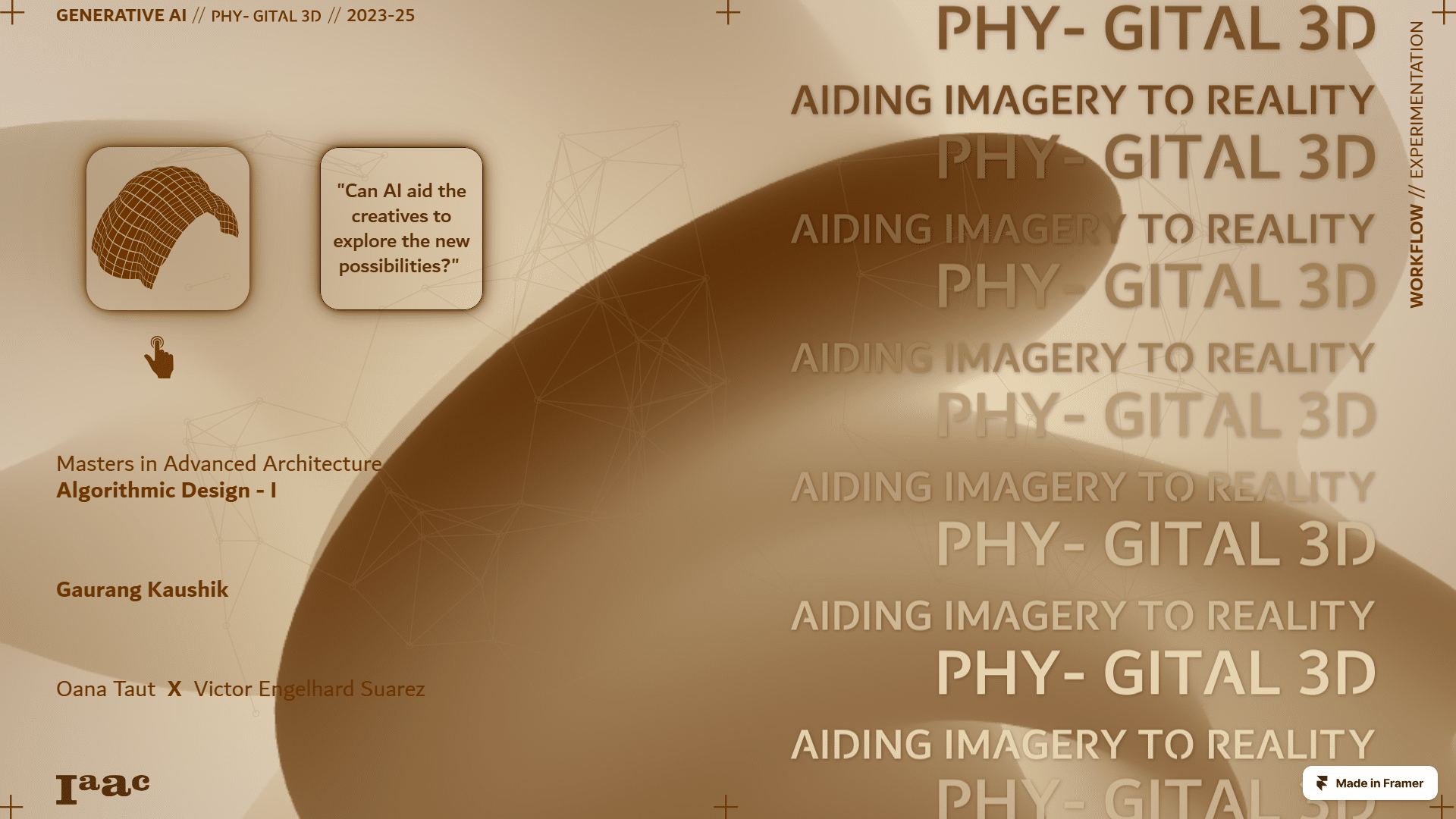
The Thesis explores the possibility of potential research experimentation developed to initiate a workflow incorporating novel tools of Generative AI with Fabrication possibility aiding to actualise the geometry from a visual image to real fabrication ” Presentation Website – https://phygital3d.framer.website/
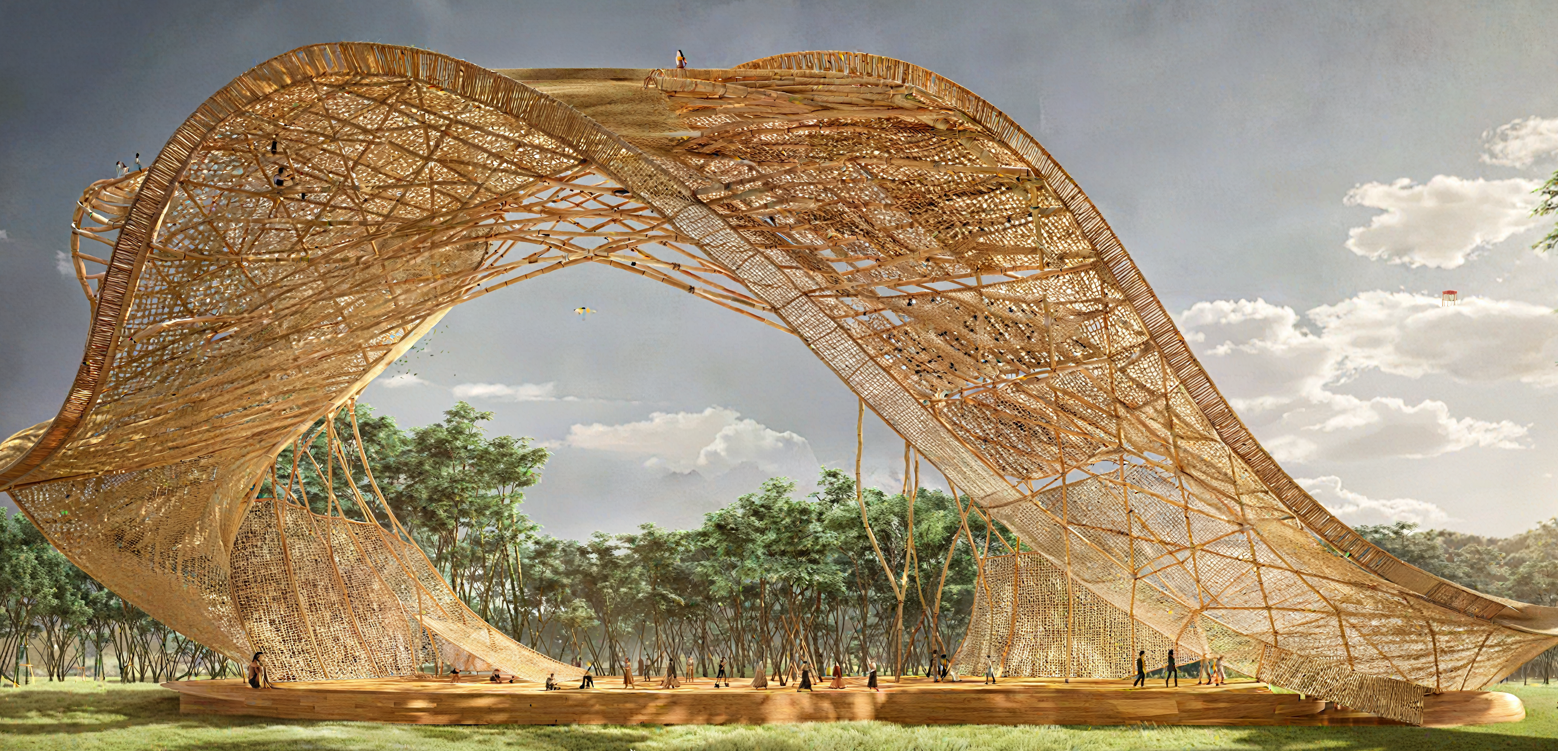
Research Question Context Why Natural Fibers? Possible Impact Typologies State of Art Material Research Methodology Design Workflow

Optimising Modular Skyscrapper design through environmental and spatial intelligence