lux.ai

Lux.Ai: a specialized toolset built for the IFCore platform. Our mission is simple: to transform static BIM models into active solar energy assets by automating compliance and yield auditing

The MAA is a visionary master program with an innovative and open structure, mixing diverse disciplines, shaping professionals capable of producing theoretical & practical solutions towards responsive cities, architecture & technology.
Lux.Ai: a specialized toolset built for the IFCore platform. Our mission is simple: to transform static BIM models into active solar energy assets by automating compliance and yield auditing
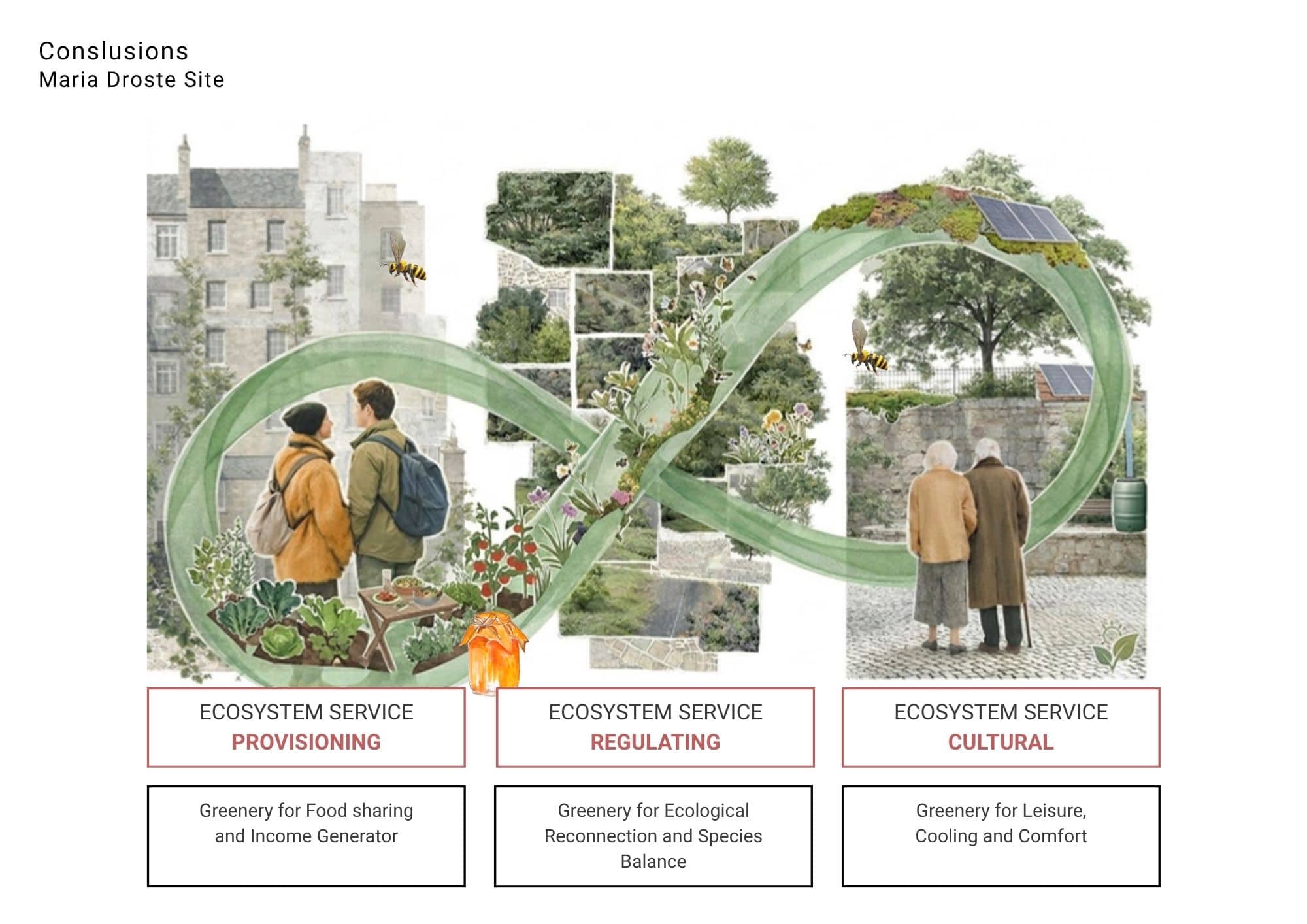
– Reimagining the Northern Green Corridor of Lisbon – Location The project site in Lisbon is strategically located within a dynamic urban fabric characterized by a mix of historic layers and contemporary development. Positioned between key mobility corridors and densely populated neighborhoods, the area experiences a high level of pedestrian and vehicular activity throughout the … Read more
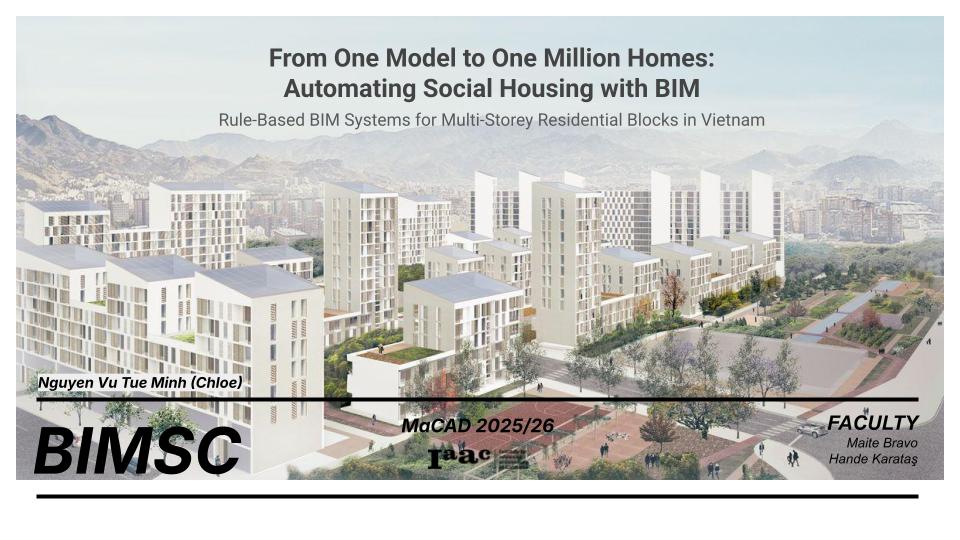
Rule-Based BIM Systems for Multi-Storey Residential Blocks in Vietnam Using rule-based BIM master models to automate repetitive social housing design in Vietnam, while addressing real-world challenges of coordination, adoption, and collaboration across large-scale public projects. //CONTEXT Vietnam currently has an ambitious national target to build one million social housing units by 2030. However, progress … Read more

Our concept is about designing a pavilion that works with the wind instead of against it. We wanted to create a space that feels light, open, and alive a structure that shows movement even when it stands still. We see wind not just as a natural force, but as something that shapes space. The pavilion … Read more

During the AI in Architecture and Urbanism Seminar, our team built an automated compliance checking system that validates architectural projects directly from IFC models. Building regulation checks are traditionally manual, slow, and error-prone. Architects review 2D drawings, interpret regulations individually, and often wait weeks for compliance feedback. We asked a simple question: what if compliance … Read more
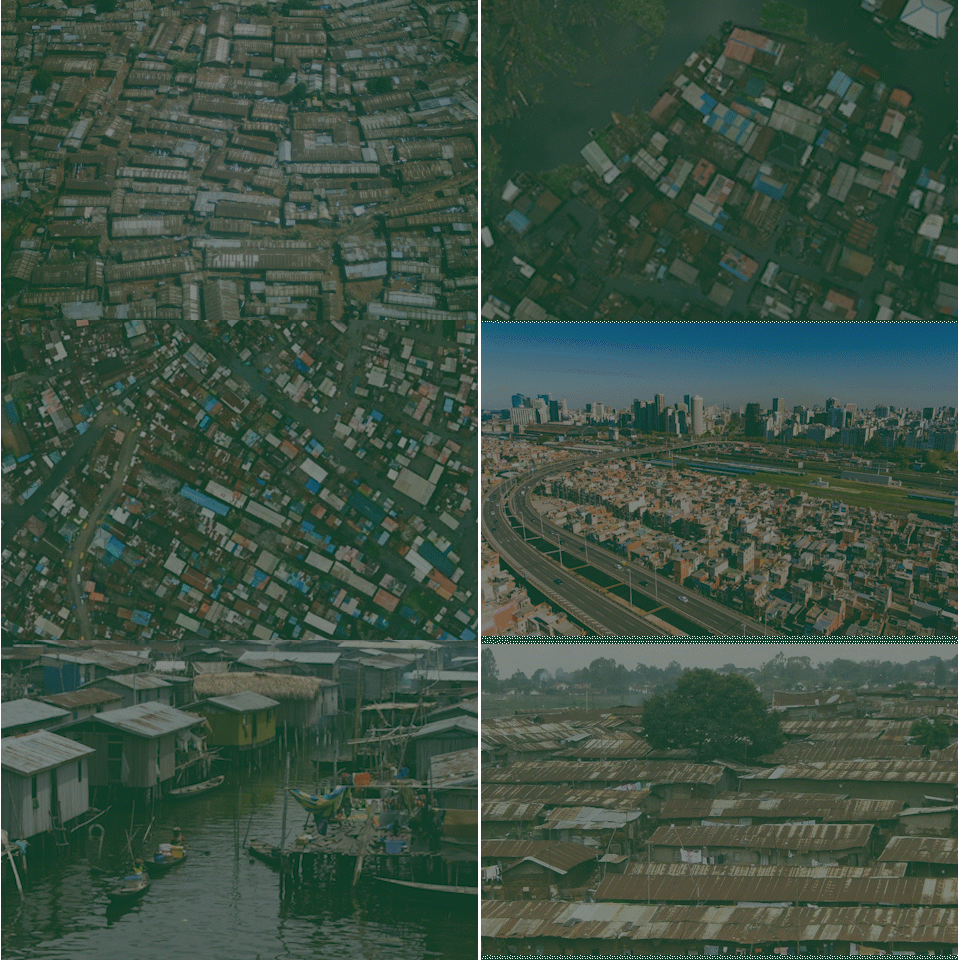
A Methodological Approach to Urban Morphology and Hybrid Energy Systems in the Global South Project Statement: “Even as we advance in Energy Innovation, our cities continueto grapple with deep inequalities. In this research, I proposerethinking Urban Morphology—not merely as the physicalform of our settlements, but as a strategic lever for equitableenergy solutions. The conceptual Energy-Morphology … Read more

SecondMatter challenges architecture’s extractive processes and wasteful material cycles by upcycling Construction Demolition Renovation Waste (CDRW) into structural and non-structural applications. It blends ramming, which compacts granular materials into high-strength forms, with jamming-inspired interlocking of irregular aggregates. Large concrete waste pieces form a reinforced core, wrapped in a rammed mix of fine brick and concrete … Read more
Contemporary architecture often prioritizes humans at the expense of ecological balance, distancing us from nature and other species. This thesis envisions a future where buildings evolve into living, adaptive frameworks that foster interspecies mutualism. By integrating third-order cybernetics, machine learning, and AI, architecture can become a mindful mediator, enhancing relationships between humans and other species. … Read more
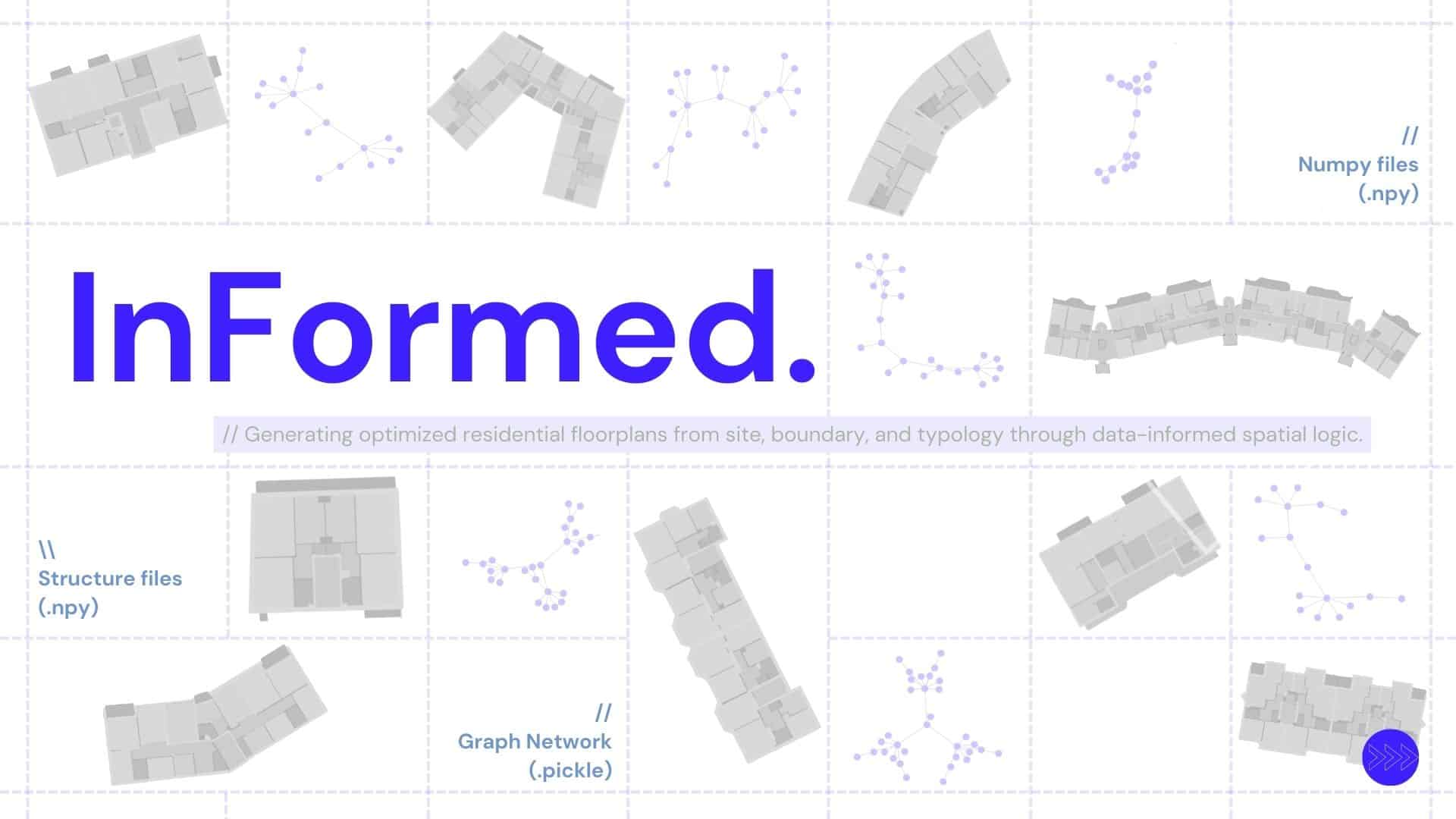
Manual floorplan generation for high-rise residential buildings is labor-intensive and often overlooks key environmental parameters, limiting the ability to quickly assess performance-based design alternatives.

Context How? Where? Workflow Outputs
ABSTRACT; Decoding Urban Mobility: This project evaluates the impact of AI-driven traffic management versus conventional fixed-timing methods on urban congestion. It analyzes real-time and historical data—including traffic patterns, weather, demographics, and incident reports—from cities like London, Barcelona, and Los Angeles and compares machine learning models (e.g., LSTM, GRU, XGBoost) with traditional techniques. The study identifies … Read more
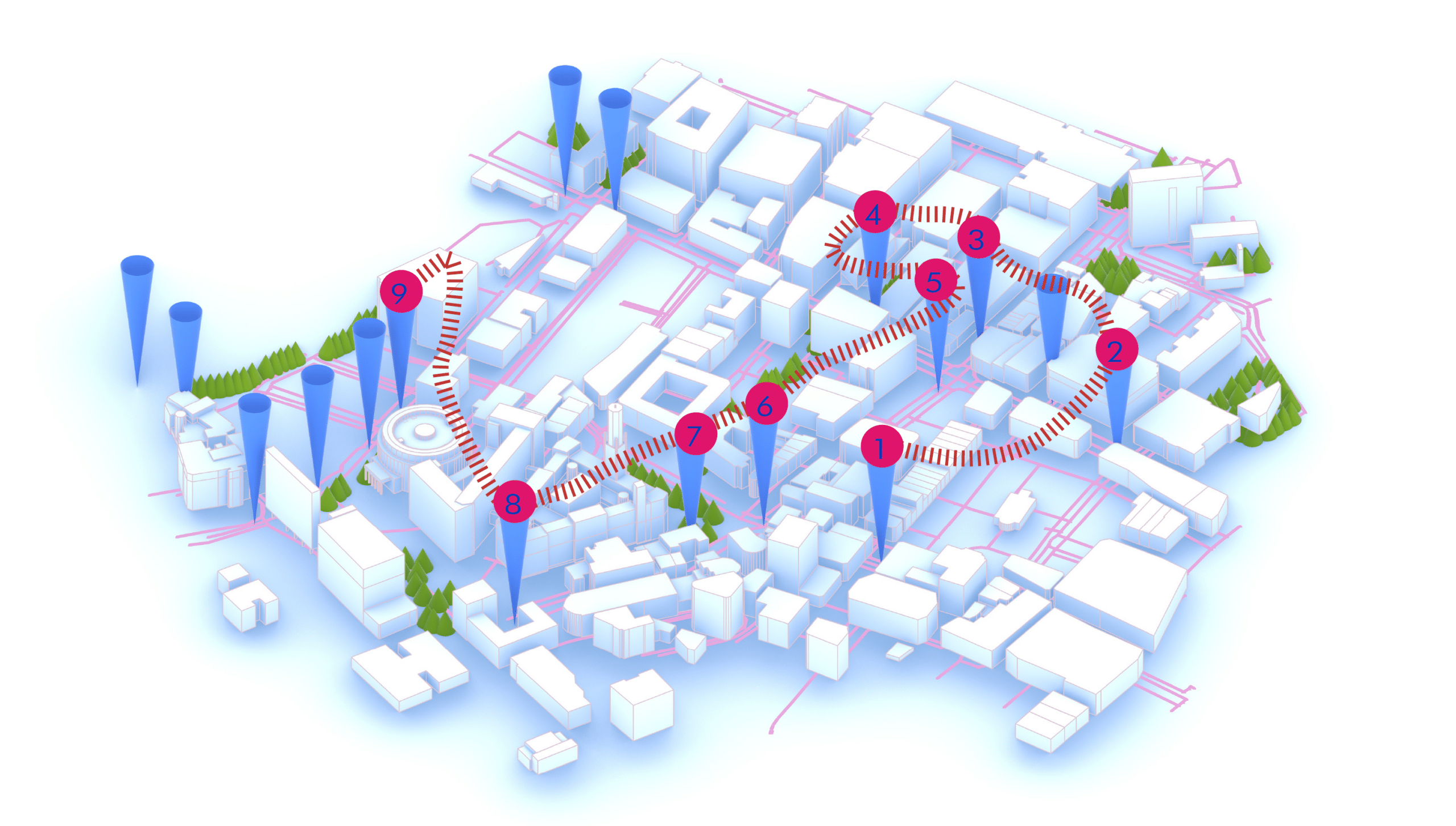
Introduction Urban areas are increasingly becoming impermeable, exacerbating environmental challenges such as elevated temperatures, flooding, and pollution. EcoNodes is designed to empower policymakers with a sophisticated tool for dynamically assessing and adapting urban environments towards increased sustainability by pinpointing and prioritizing areas for green interventions. Impervious Surfaces and Urban Heat Islands Cities today face the … Read more
The Thesis explores the possibility of potential research experimentation developed to initiate a workflow incorporating novel tools of Generative AI with Fabrication possibility aiding to actualise the geometry from a visual image to real fabrication ” Presentation Website – https://phygital3d.framer.website/
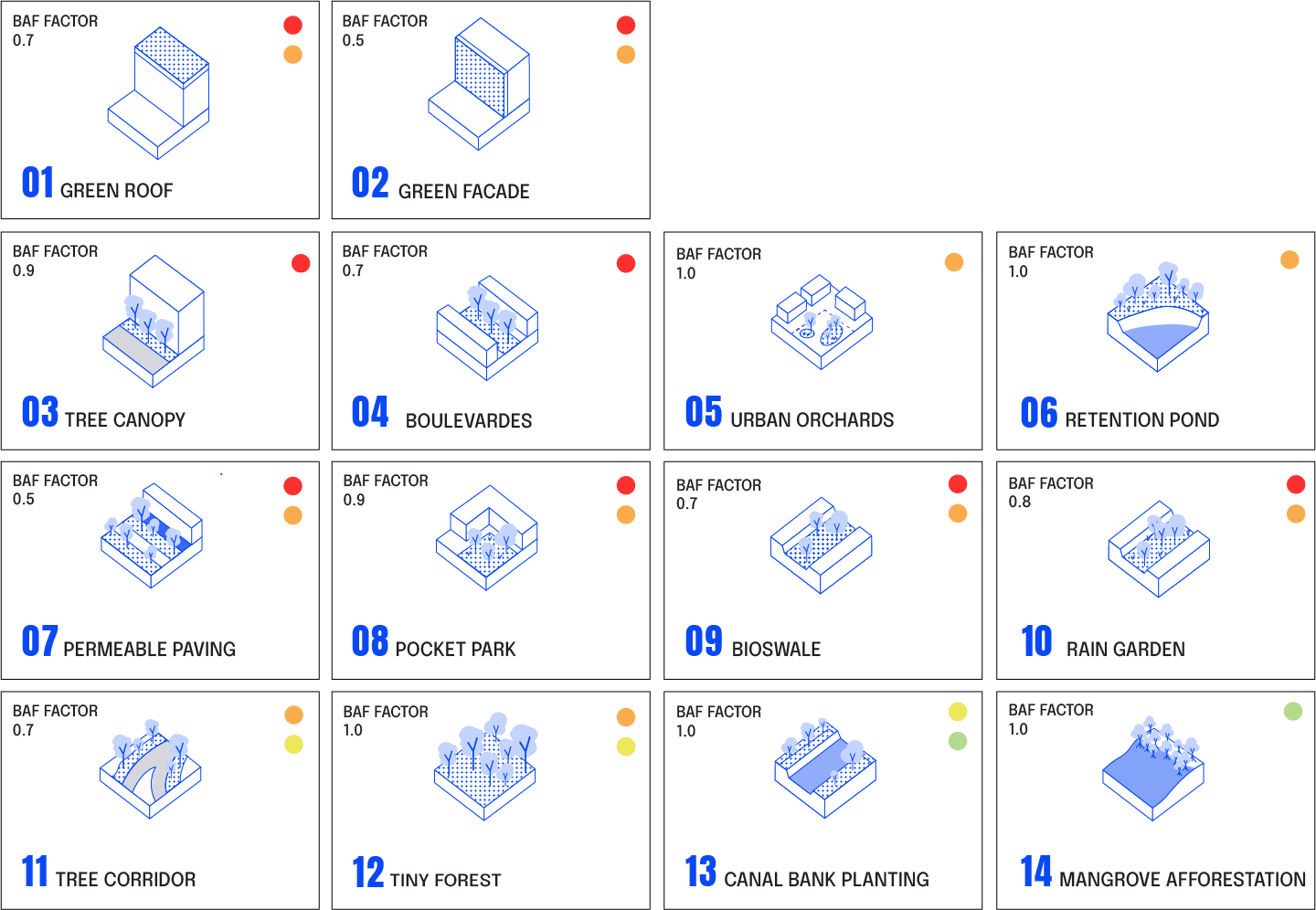
Flood Resilience Toolbox: AI-Powered Solutions for a Sustainable Future Flooding is the most frequent and costly natural disaster worldwide, with annual damages exceeding €38 billion. By 2050, this figure could rise to $64 billion, impacting millions of lives. Coastal cities, particularly in Southeast Asia, are at high risk due to rapid urbanization, sinking land, and … Read more