The MAA is a visionary master program with an innovative and open structure, mixing diverse disciplines, shaping professionals capable of producing theoretical & practical solutions towards responsive cities, architecture & technology.


Filters
Course

The Stabbing Simulator 🔪🔪🔪

After years in which machines have served humans, supported them, and simplified their lives, we have finally created something different. Designed not to help, but to deceive humans (oh, how stupid they can be!) and annoy them with technological mischief. My personal reflection: Throughout the two weeks of Unpacking Tech Systems, I went through a … Read more

ReSchool Ukraine

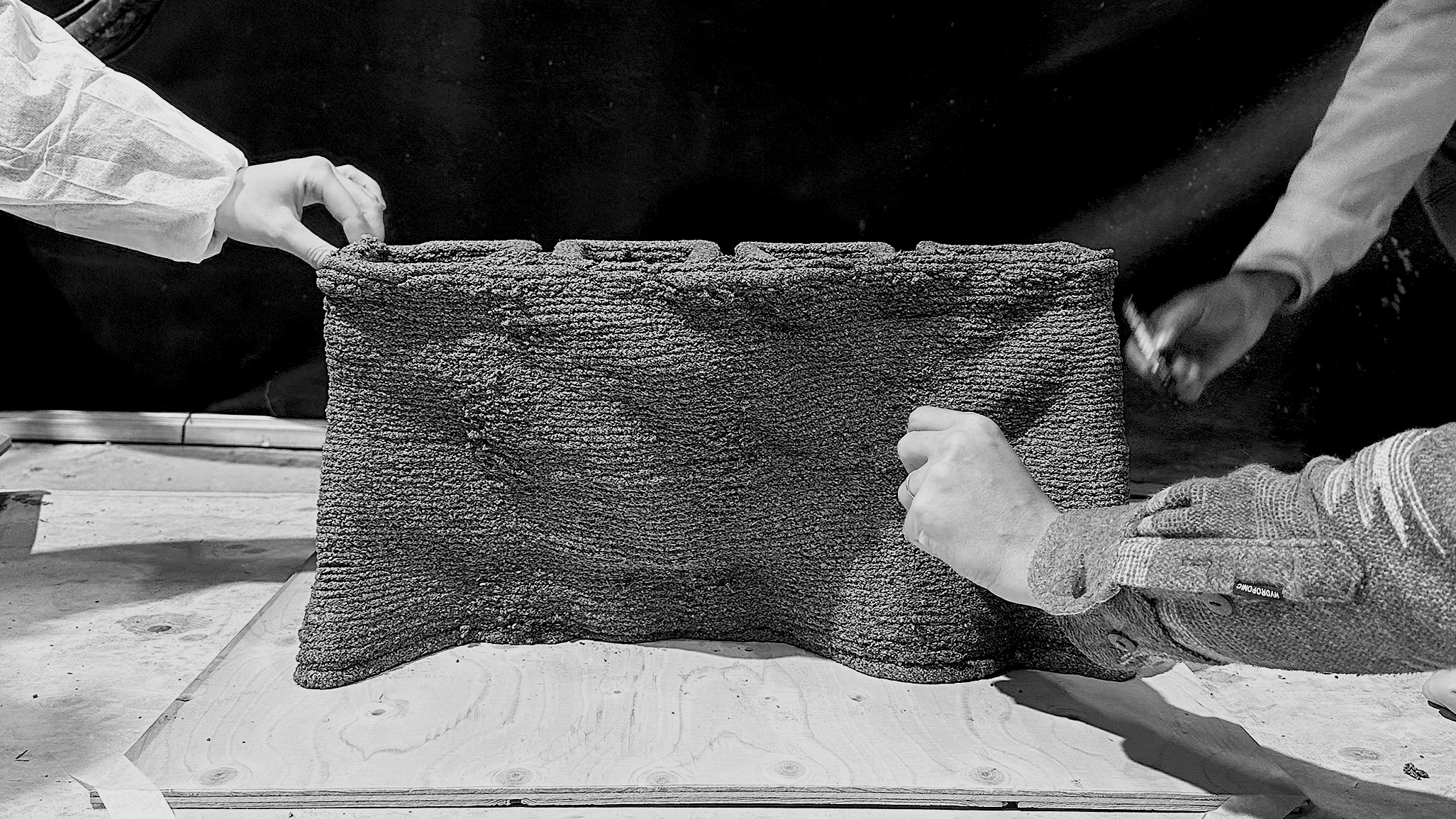
ReSchool Ukraine develops fast-build 3D-printed educational centers to support reconstruction in war-affected regions. Traditional construction is too slow and labour-intensive to meet urgent educational needs. Our modular 3D-printed classrooms can be built in 3–4 weeks, using 60–70% less onsite labour and lower-carbon materials. In 2025, we aim to launch three pilot projects with municipalities and … Read more

Ventilation for Printed Earth Wet State

The drying process is a mass transfer, it removes water or another solvent from a material through evaporation, which is driven by simultaneous heat and mass transfer. Heat is transferred to the material, causing the liquid to evaporate at the surface, and a carrier gas or vacuum removes the vapor from the material’s vicinity. Common … Read more

Bamboo Lens: Community AR Tools for Bamboo Construction

“Bamboo Lens” is an augmented reality application designed to empower local communities with hands-on guidance for sustainable bamboo construction. Using mobile AR, the app offers intuitive, step-by-step visual tutorials—from joinery details to full structural assemblies—enabling users to learn and build independently. Targeted for low-resource settings, the tool bridges traditional craftsmanship and digital learning, making bamboo … Read more

RESPIRA

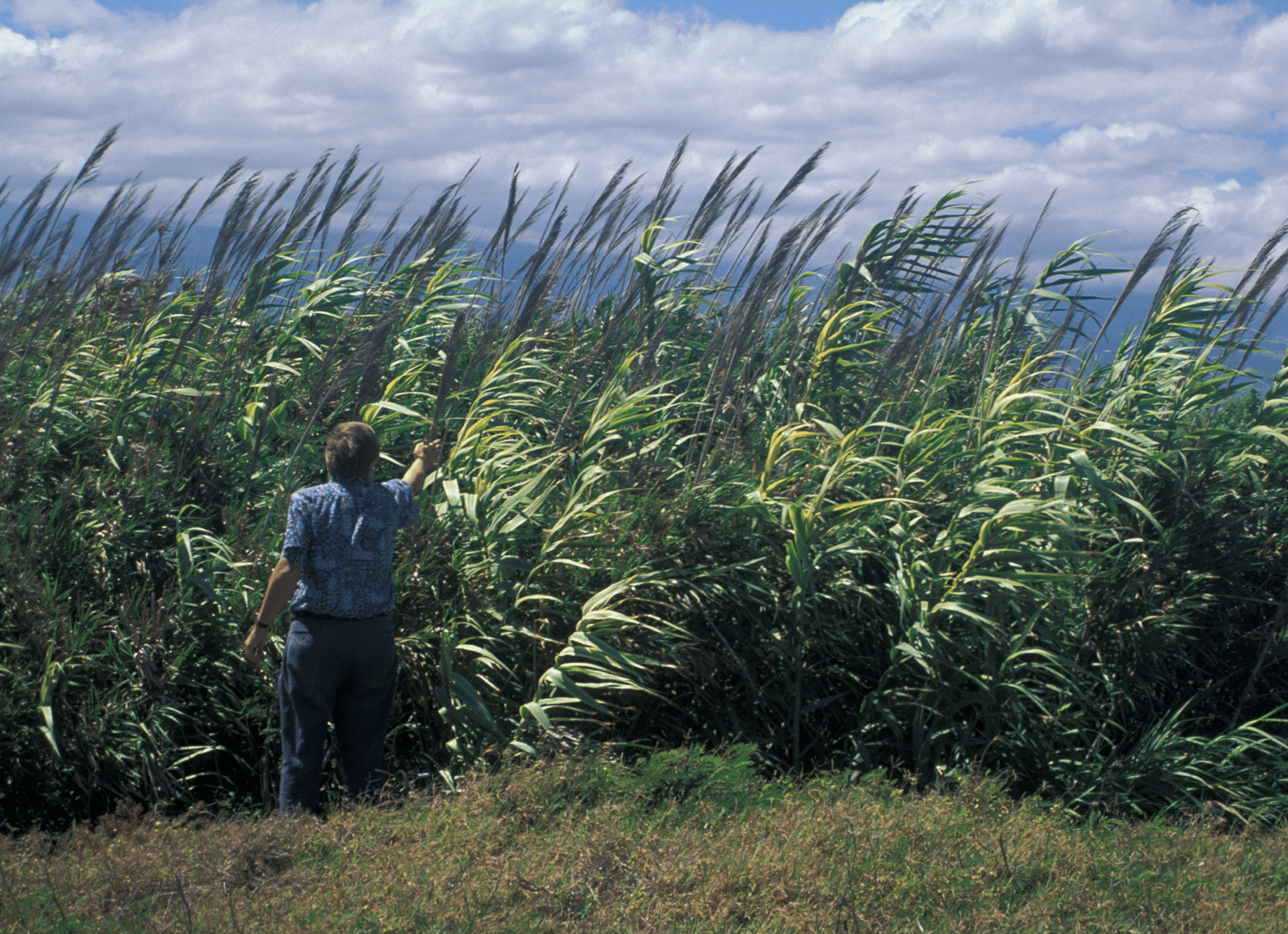
This project explores the climatic optimization of modular student housing units located in Barcelona, each with dimensions of 5m x 4m x 7.5m. The focus is on developing comfortable, energy-efficient living spaces by strategically analyzing and refining the positioning of openings, enabling effective cross ventilation, and incorporating humidity-absorbing esparto material as part of the building … Read more

Augmented Bamboo: Exploring Structural Learning Through Augmented Reality

/ This project explores the use of Augmented Reality (AR) as an educational tool to teach basic structural concepts and construction techniques using bamboo. The aim is to bring hands-on learning into university environments by leveraging AR to bridge the gap between theory and practice. The core objective was to develop a workflow where AR … Read more

HOSTILE

Architectural Alienation In a world that is rapidly urbanizing itself, architecture holds immense power to shape the lives of individuals and how they experience the public space. Yet, architectural design often neglects the various needs of the community it is supposed to serve, leading to alienation and exclusion, particularly for marginalized populations. – 1.1.Hostile design  … Read more

Biblically Accurate Pavilion

For my pavilion project, I found myself oddly inspired by a “biblically accurate angel” — you know, the ones that look less like the serene, harp-playing figures from greeting cards and more like a fever dream fueled by too much divine caffeine. Covered in eyes, wings, and inexplicable geometry, this chaotic celestial energy felt like … Read more

Vernacular Architecture – Ecological Memory

Of all the topics explored in our Ecological Intelligence seminar—ranging from urban greening to multispecies design—vernacular architecture stood out as the most quietly radical. Its intelligence is not flashy or algorithmic. It doesn’t require parametric software, biofabrication labs, or climate dashboards. Instead, it draws from generations of lived experience, calibrated to the rhythms of place, … Read more

Go with the Flow Term 2

Research Question: In my research I believe that by looking and understanding ancient vernacular passive systems and working with computer aided design and cfd wind analysis, we will be able to create a system that can manipulate airflow to cool a space. This data can then inform modernized plans and sections that use these strategies … Read more