The MAA is a visionary master program with an innovative and open structure, mixing diverse disciplines, shaping professionals capable of producing theoretical & practical solutions towards responsive cities, architecture & technology.


Filters
Course

Kontravoid 0.2 MBMS

My Body, My Software: Architecture as Firmware investigates the body as a local-first interface for adaptive architecture. The thesis proposes a privacy-preserving system in which physiological signals become a consent-based API through which environments can respond to changing states of stress, focus, balance, and affect. Rather than treating data as a resource to be extracted, … Read more

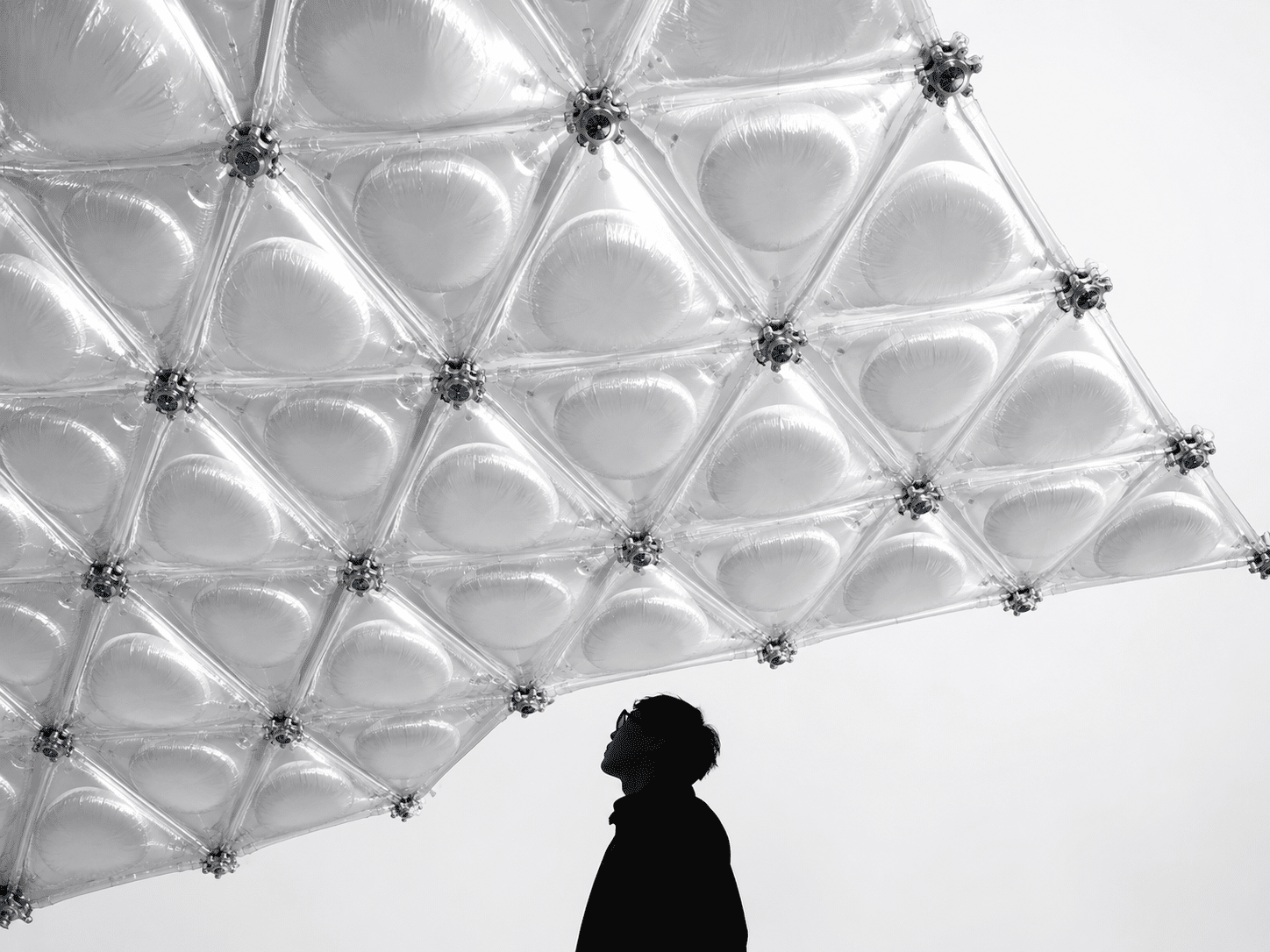
Breathing Shade

Breathing Shade explores a lightweight, modular inflatable canopy for reducing heat exposure in urban public spaces. The system uses triangular two-chamber modules with a transparent outer envelope and an opaque inner chamber. As the inner chamber inflates, it increases shade, expands the module, and reduces gaps between neighbouring units, allowing opacity and porosity to change … Read more

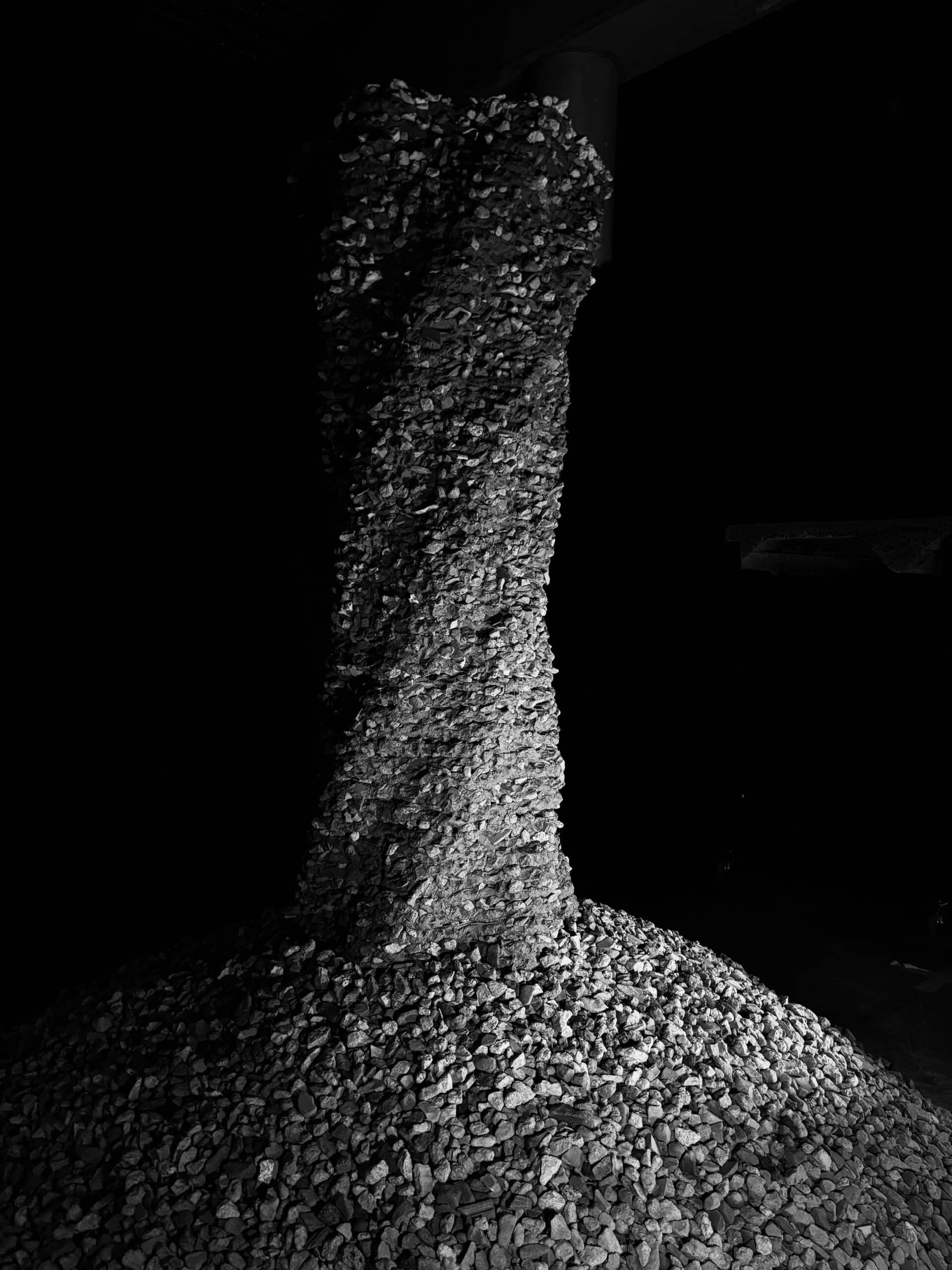
GranuLith

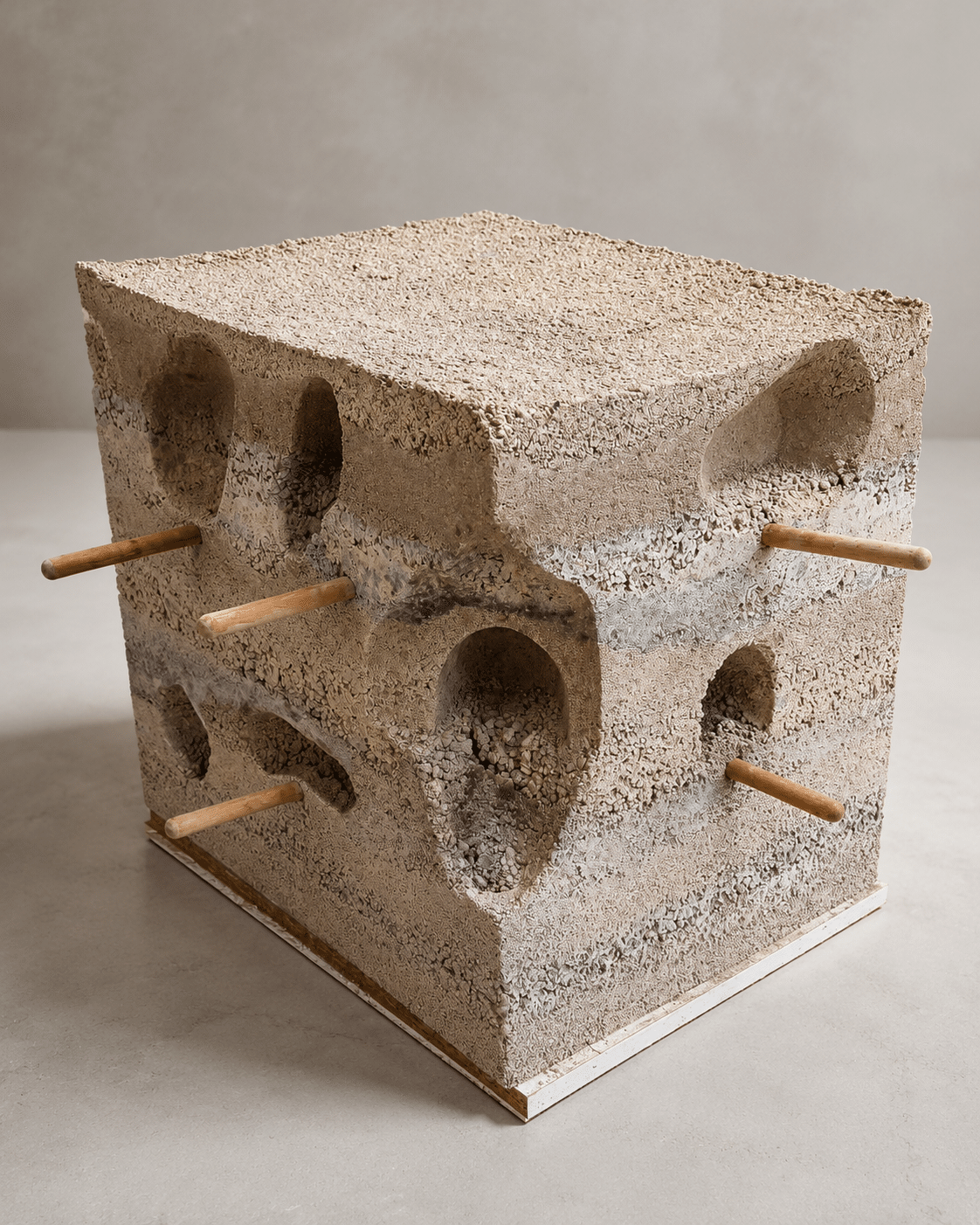
Reassembling matter. Rethinking structures. The construction industry generates billions of tones of construction and demolition waste every year, yet most of this material remains excluded from structural applications due to its irregularity, unpredictability, and incompatibility with conventional building systems. Granulith investigates an alternative approach, asking whether demolition waste can be transformed from a discarded by-product … Read more

casting the in-between

Dynamic Casting of Functionally-Graded Geopolymers Using Urban Excavation Waste Thesis Abstract It is estimated that in the next 15 years, the world will generate over 3 billion tonnes of waste; in the European Union alone, 35% originates from the construction sector due to demolition, excavation, and dredging (“28 Incredible Statistics About Waste Generation,” 2021). These … Read more

NEURO-ADAPTIVE INTERFACE

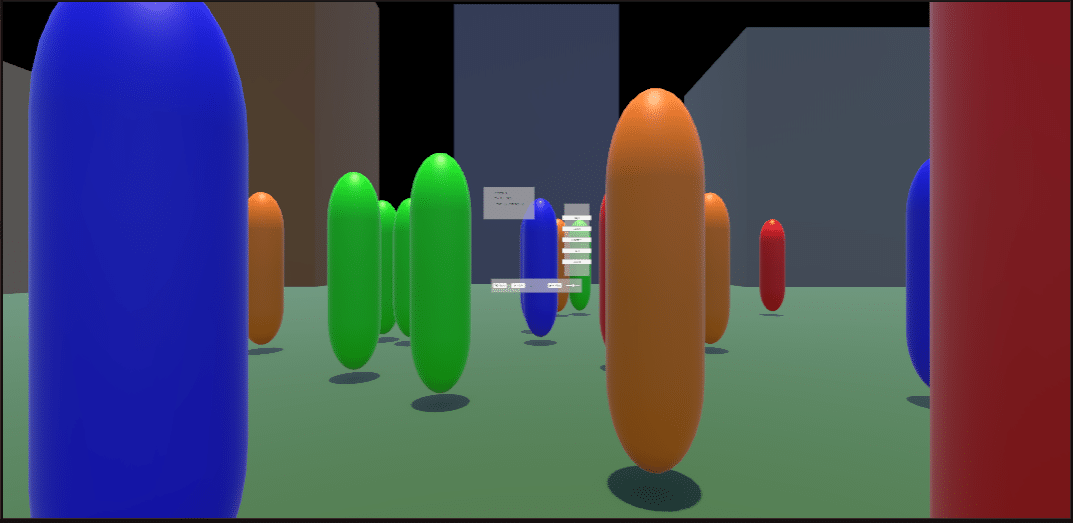
Neuro Daptive Interface

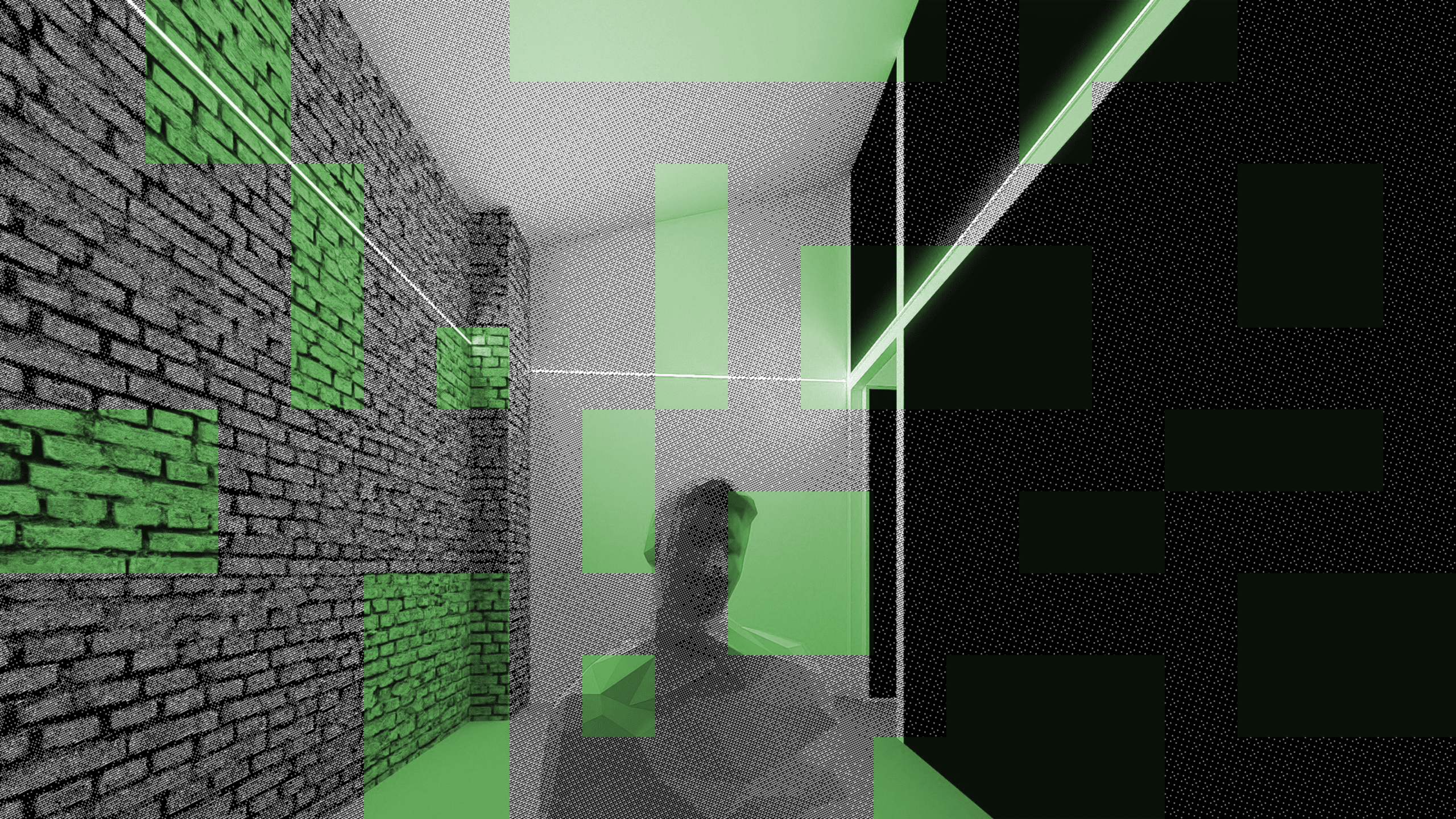
This thesis explores how biosignals can transform artificial light into an adaptive architectural interface. While light strongly affects human emotions, cognition, and well-being, most lighting systems still rely on manual control and cannot respond to users in real time. The research investigates how EEG, ECG, and GSR data can be used to create dynamic lighting … Read more

THE MANUFACTURED VERNACULAR 

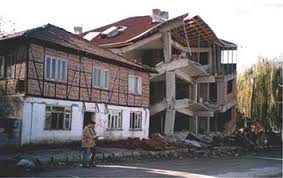
Image of comparison between a vernacular structure and a modern structure

Turning time-tested vernacular intelligence into scalable, multi-hazard self sufficient building INTRODUCTION See this image above? yes, its comparison between two structures that survived a 6.8 rector scale earthquake in year 2005. The ironic part is , that these vernacular structures hold the carbon friendly intelligence responding towards climate adaptation and structural resistance against earthquakes, yet … Read more

BAMBOO

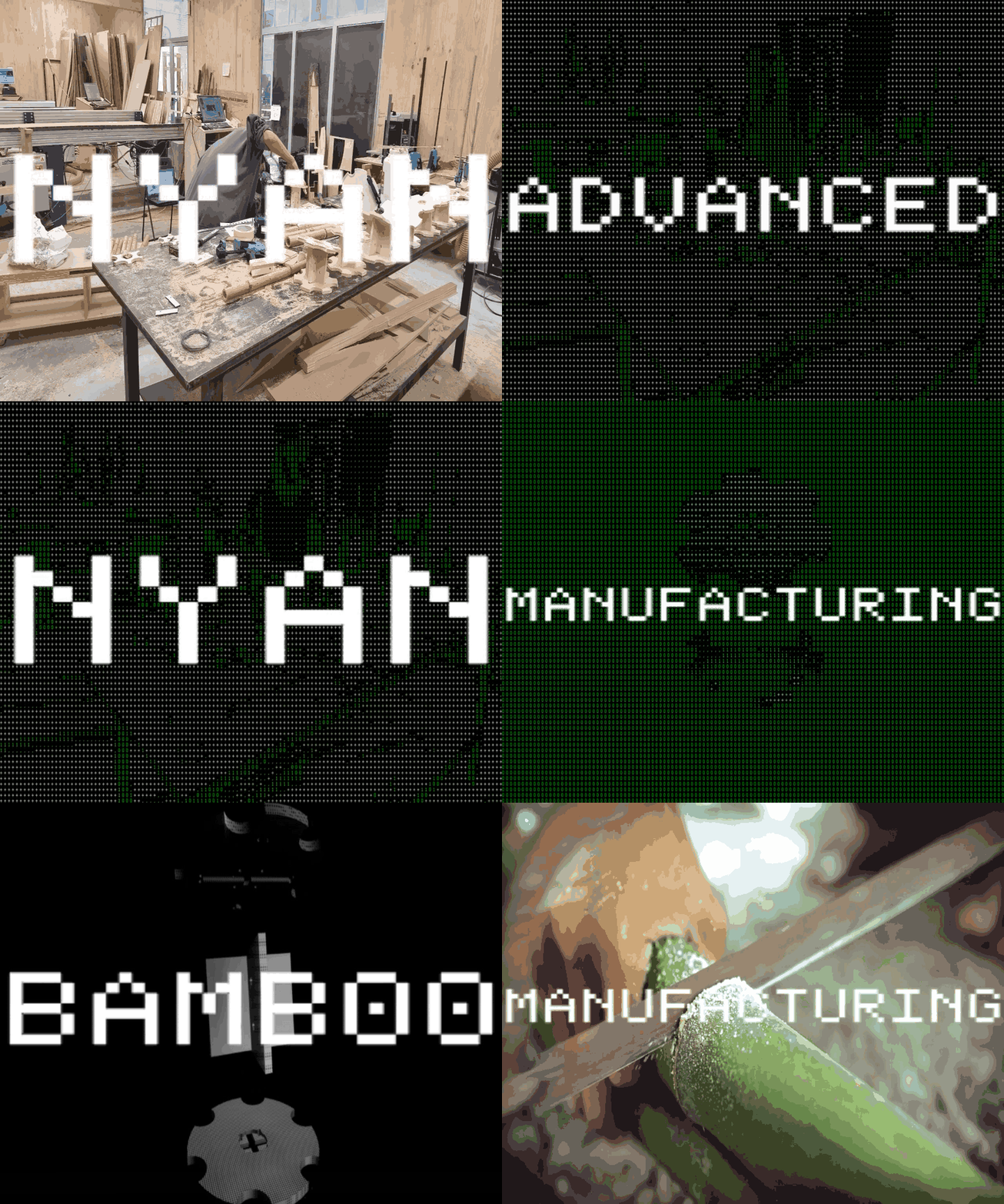
Exploring Low-Tech, Sustainable Construction Methods and Manual Strategies for Community Empowerment The use of bamboo in construction is emblematic of an ongoing tension between traditional knowledge and the global imperatives of sustainable development. Despite its traditional use in many regions, the potential as a resilient, self-sustaining construction material remains largely underexplored in the contemporary architectural … Read more