The MAA is a visionary master program with an innovative and open structure, mixing diverse disciplines, shaping professionals capable of producing theoretical & practical solutions towards responsive cities, architecture & technology.


Filters
Course

Ecosystem Services in Lisbon
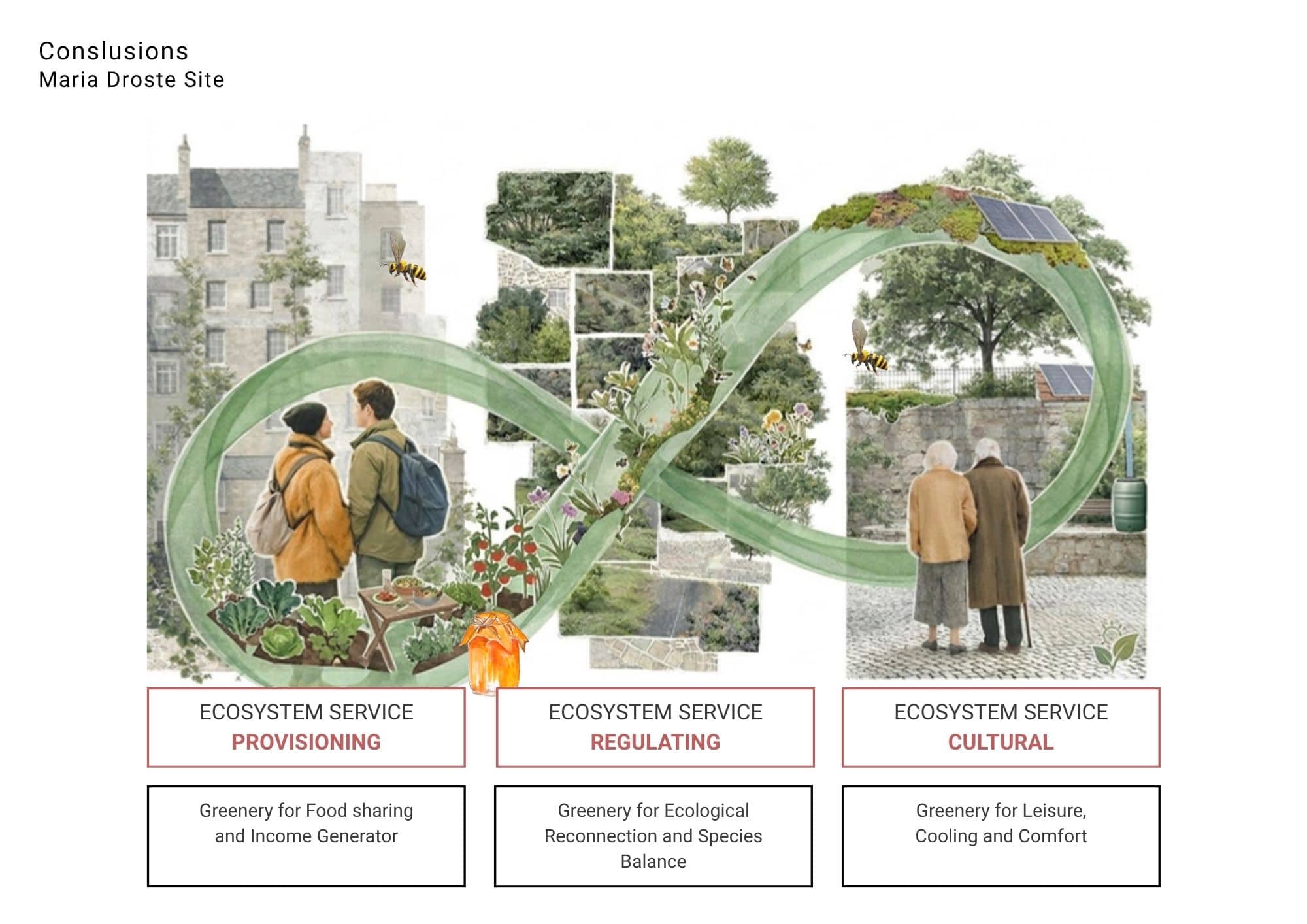
– Reimagining the Northern Green Corridor of Lisbon – Location The project site in Lisbon is strategically located within a dynamic urban fabric characterized by a mix of historic layers and contemporary development. Positioned between key mobility corridors and densely populated neighborhoods, the area experiences a high level of pedestrian and vehicular activity throughout the … Read more

F.lok

…digitizing terrain to understand runoff & delivering local NBS solutions… …there are 3 types of floods… …the mountains affect runoff… GREEN CITIES AROUND THE WORLD NBS (Nature Based Solution) Bank …Prototyping Phase… …understanding the prototype… THE PROTOTYPE

Between Ritual and River

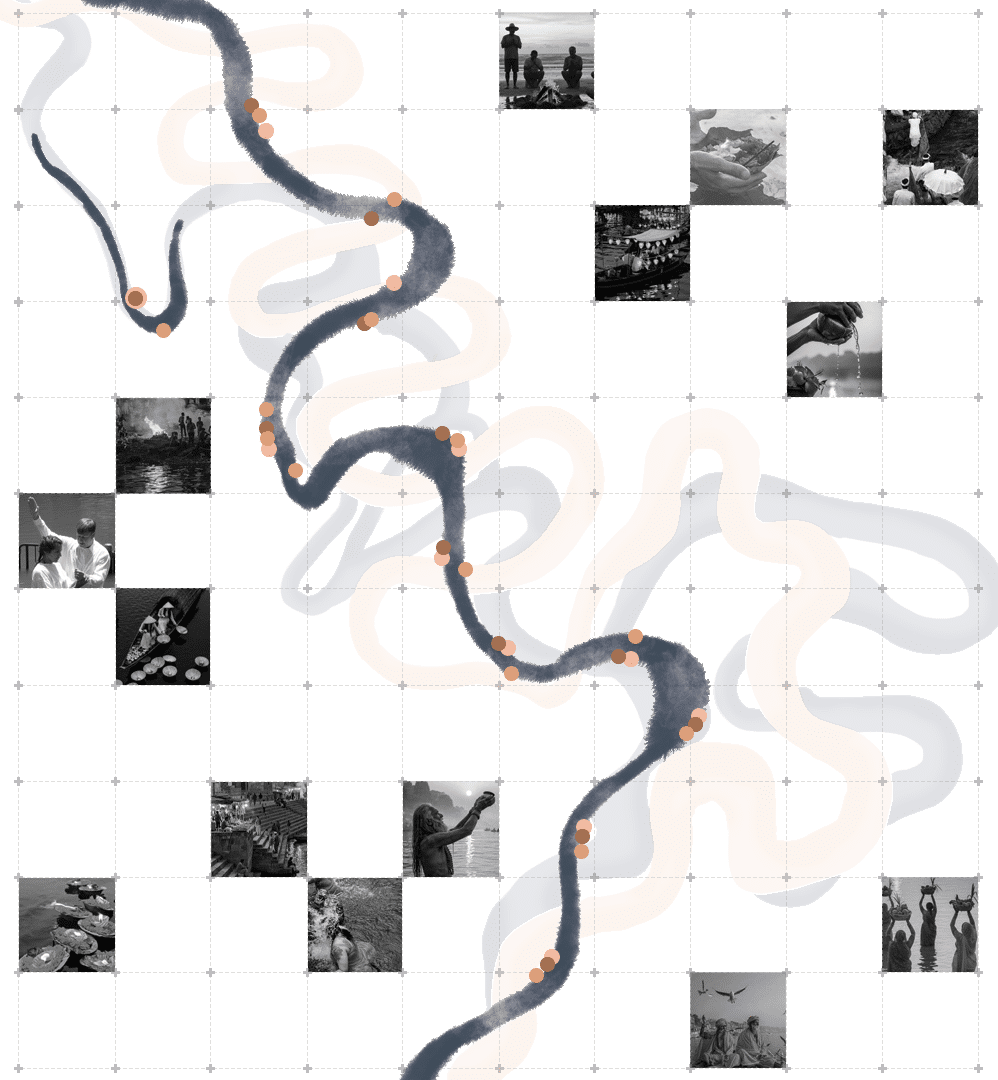
Ecological Renewal of Ghats Statement “While industrial and sewage pollution receive significant attention in river conservation efforts. Ritual pollution stemming from religious and cultural practices remains largely unaddressed due to its sensitive nature. But it contributes substantially to river degradation and requires culturally respectful solutions.” Sacred Sites Across every continent and culture, rivers have never … Read more

Community Connections

Trinitat Nova and Trinitat Vella Scavenger Hunt   Moving between the neighborhoods of Trinitat Nova and Trinitat Vella in Barcelona, and reaching natural landscapes nearby, like the Collserola hillside or the Besòs River, can already feel a bit like a scavenger hunt. Large highway infrastructures carve through the area, creating barriers that make simple trips … Read more

Beaver Burrow Pavillion

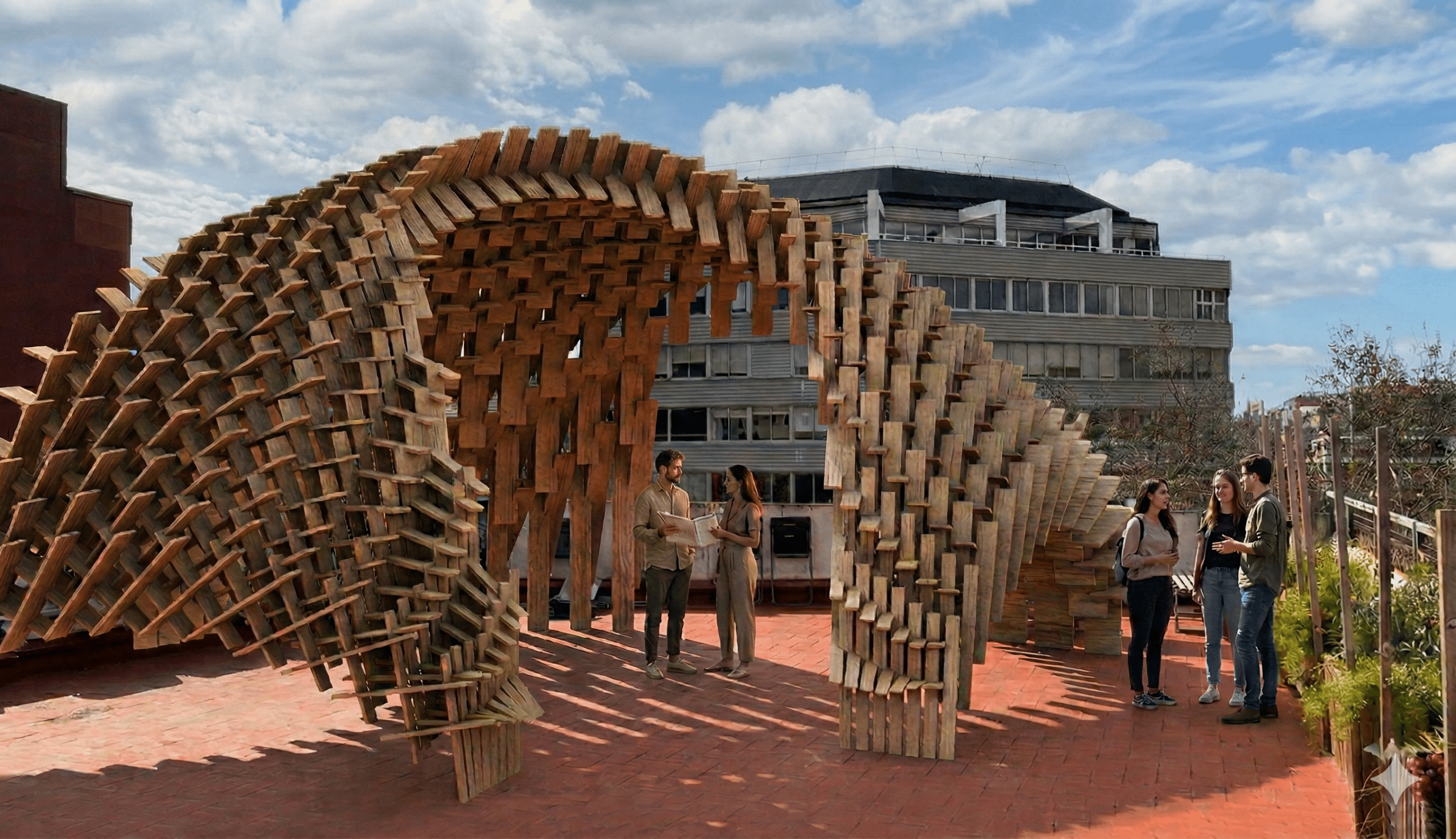
This project introduces a high-performance terrace pavilion that merges environmental data with advanced robotic fabrication. The design process began with a comprehensive solar and circulation analysis, identifying thermal hotspots and vantage points to determine the optimal balance between shaded gathering areas and open viewing corners. The resulting structure features a complex, interlocking timber geometry that … Read more

HOSTILE

Architectural Alienation In a world that is rapidly urbanizing itself, architecture holds immense power to shape the lives of individuals and how they experience the public space. Yet, architectural design often neglects the various needs of the community it is supposed to serve, leading to alienation and exclusion, particularly for marginalized populations. – 1.1.Hostile design  … Read more

EMI: Engine for Morphological Integration Vol II

A Methodological Approach to Urban Morphology and Hybrid Energy Systems in the Global South Project Statement: “Even as we advance in Energy Innovation, our cities continueto grapple with deep inequalities. In this research, I proposerethinking Urban Morphology—not merely as the physicalform of our settlements, but as a strategic lever for equitableenergy solutions. The conceptual Energy-Morphology … Read more

Re – Rio_ The Next 10 years

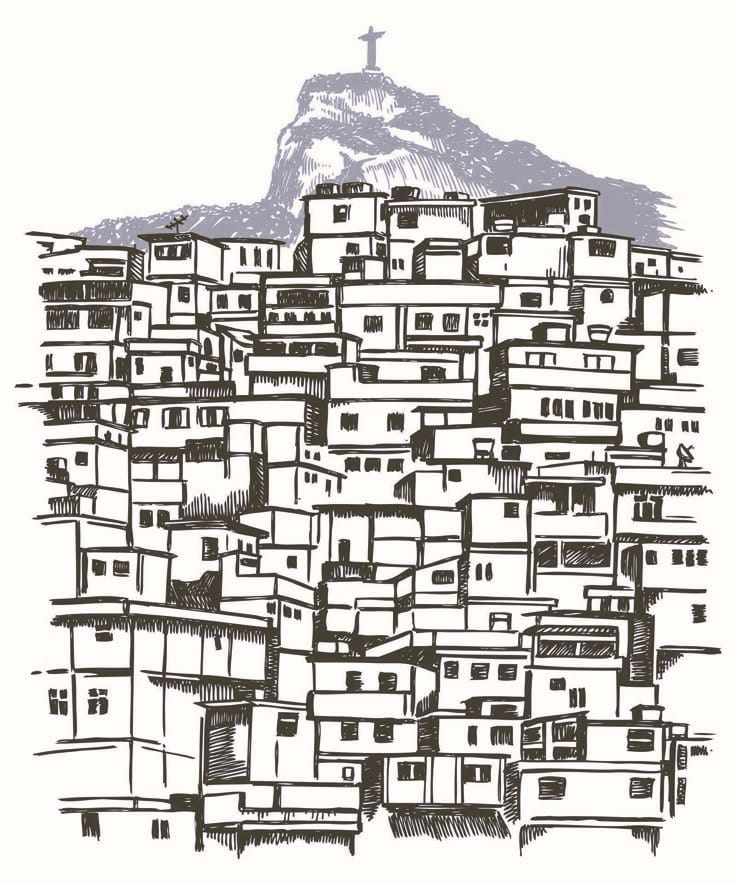
Redesigning the Municipality of Mesquita for Productive Justice: A Sustainable Urban Transformation Productive Justice “Productive justice for self-sufficiency” refers to the frameworks and practices aimed at enhancing individual and community self-reliance while promoting social justice. Productive Justice Through Architecture and Urban Planning State Of The Art Collectives/Case Studies Rio De Janeiro _Productivity Focused Research on … Read more

DECODING URBAN MOBILITY

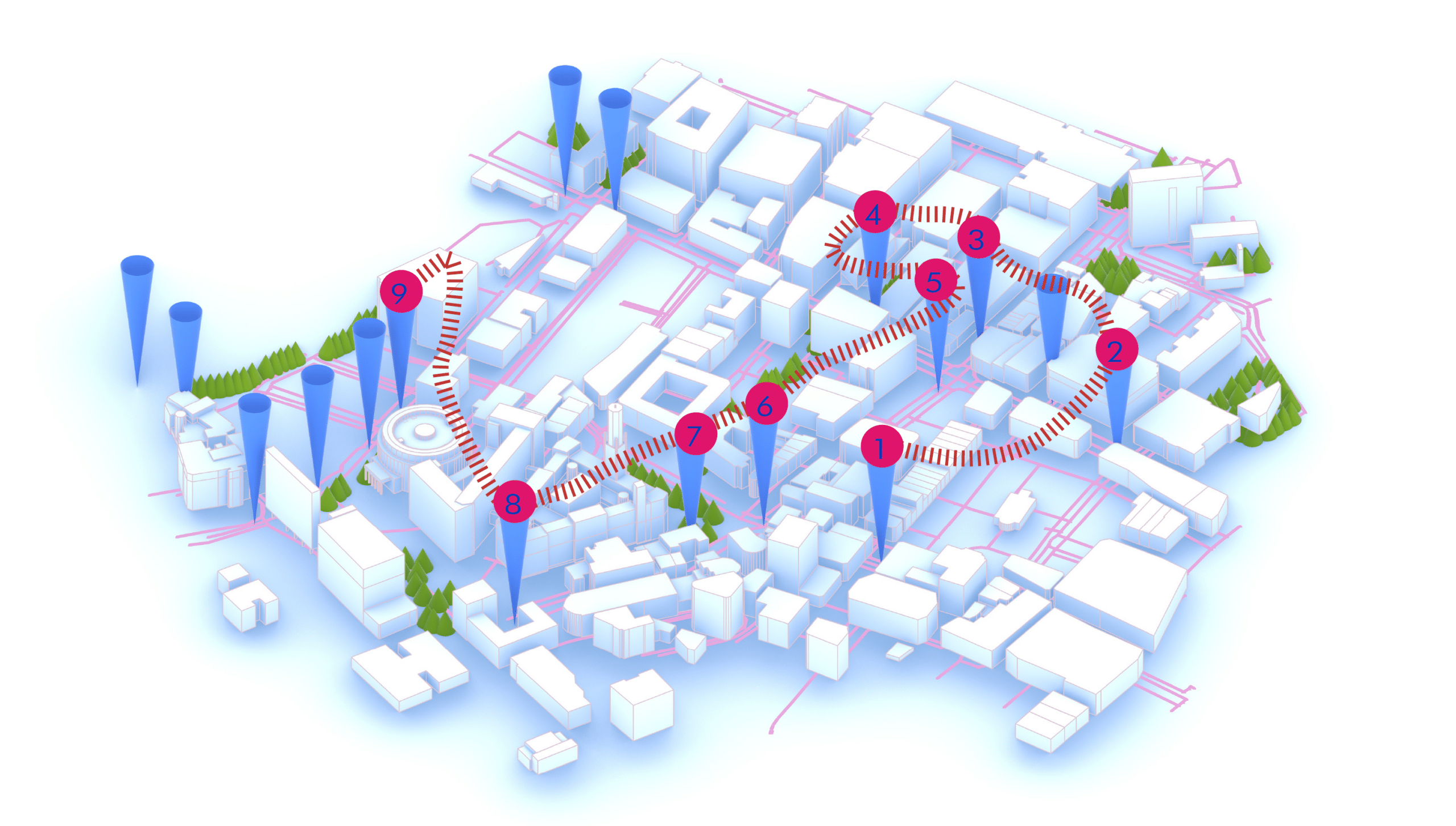
ABSTRACT; Decoding Urban Mobility: This project evaluates the impact of AI-driven traffic management versus conventional fixed-timing methods on urban congestion. It analyzes real-time and historical data—including traffic patterns, weather, demographics, and incident reports—from cities like London, Barcelona, and Los Angeles and compares machine learning models (e.g., LSTM, GRU, XGBoost) with traditional techniques. The study identifies … Read more

EcoNodes

Introduction Urban areas are increasingly becoming impermeable, exacerbating environmental challenges such as elevated temperatures, flooding, and pollution. EcoNodes is designed to empower policymakers with a sophisticated tool for dynamically assessing and adapting urban environments towards increased sustainability by pinpointing and prioritizing areas for green interventions. Impervious Surfaces and Urban Heat Islands Cities today face the … Read more