The MAA is a visionary master program with an innovative and open structure, mixing diverse disciplines, shaping professionals capable of producing theoretical & practical solutions towards responsive cities, architecture & technology.


Filters
Course

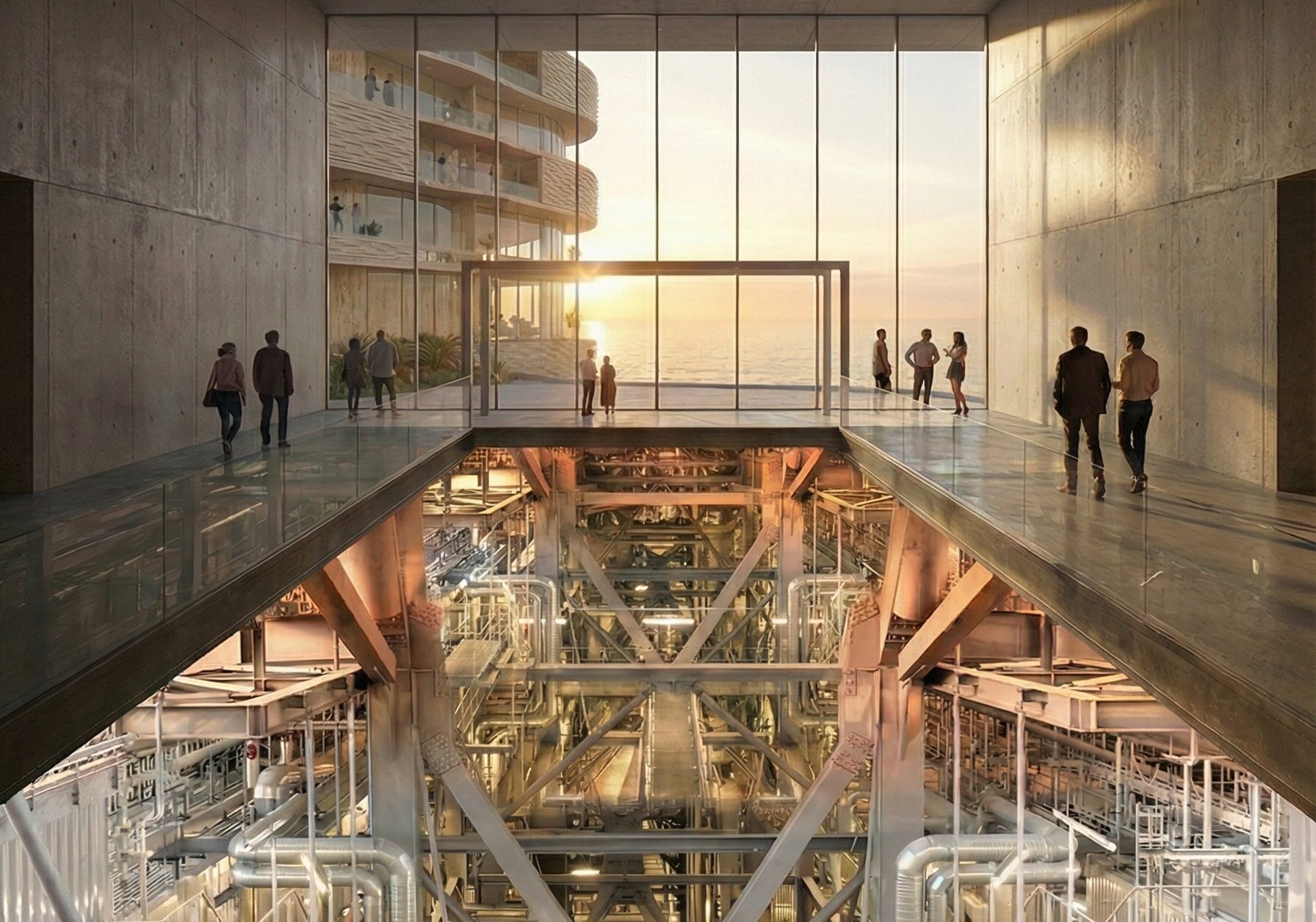
Mining The City

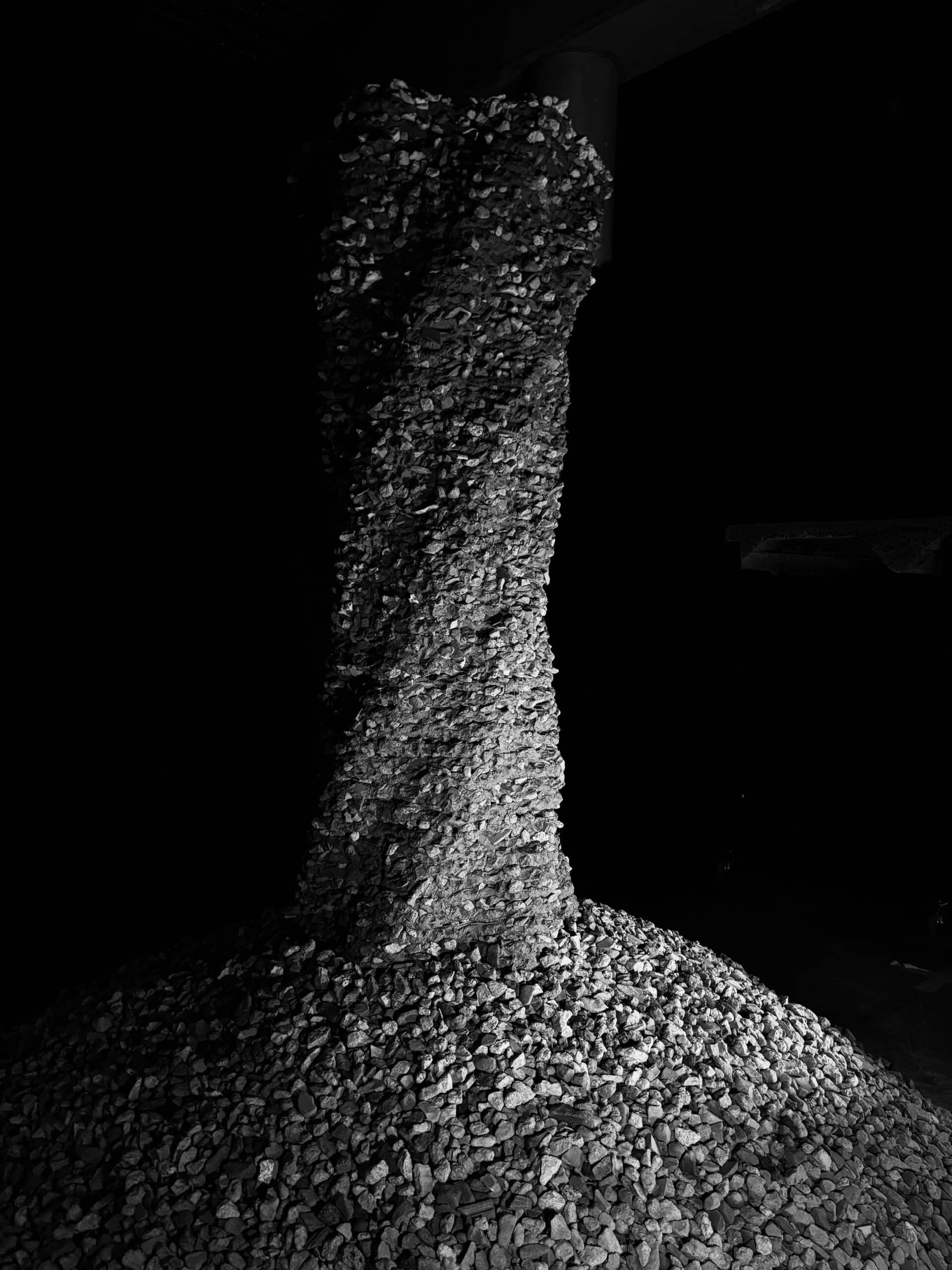
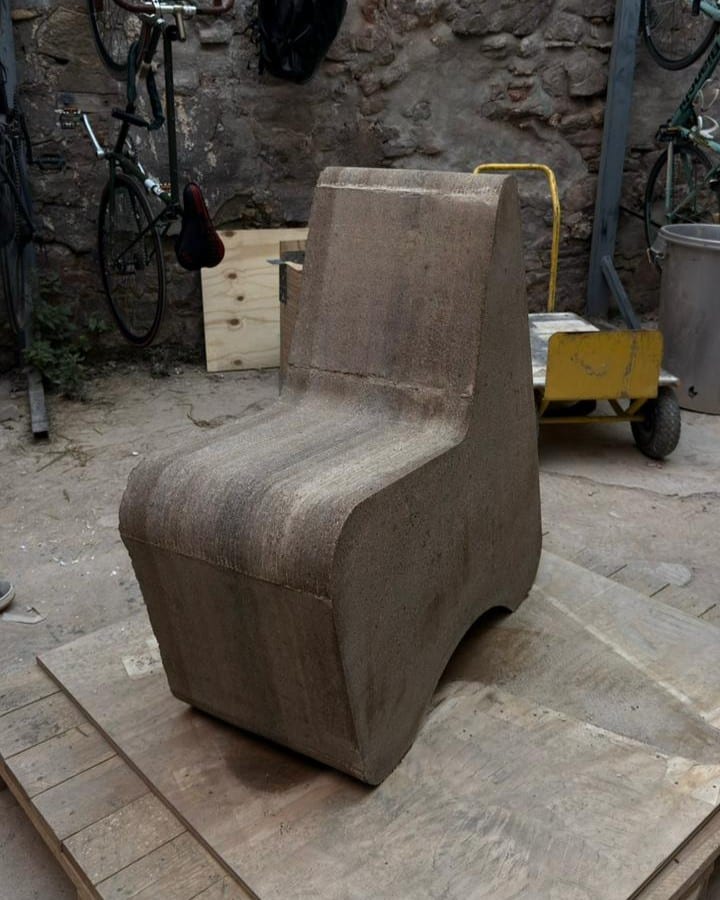
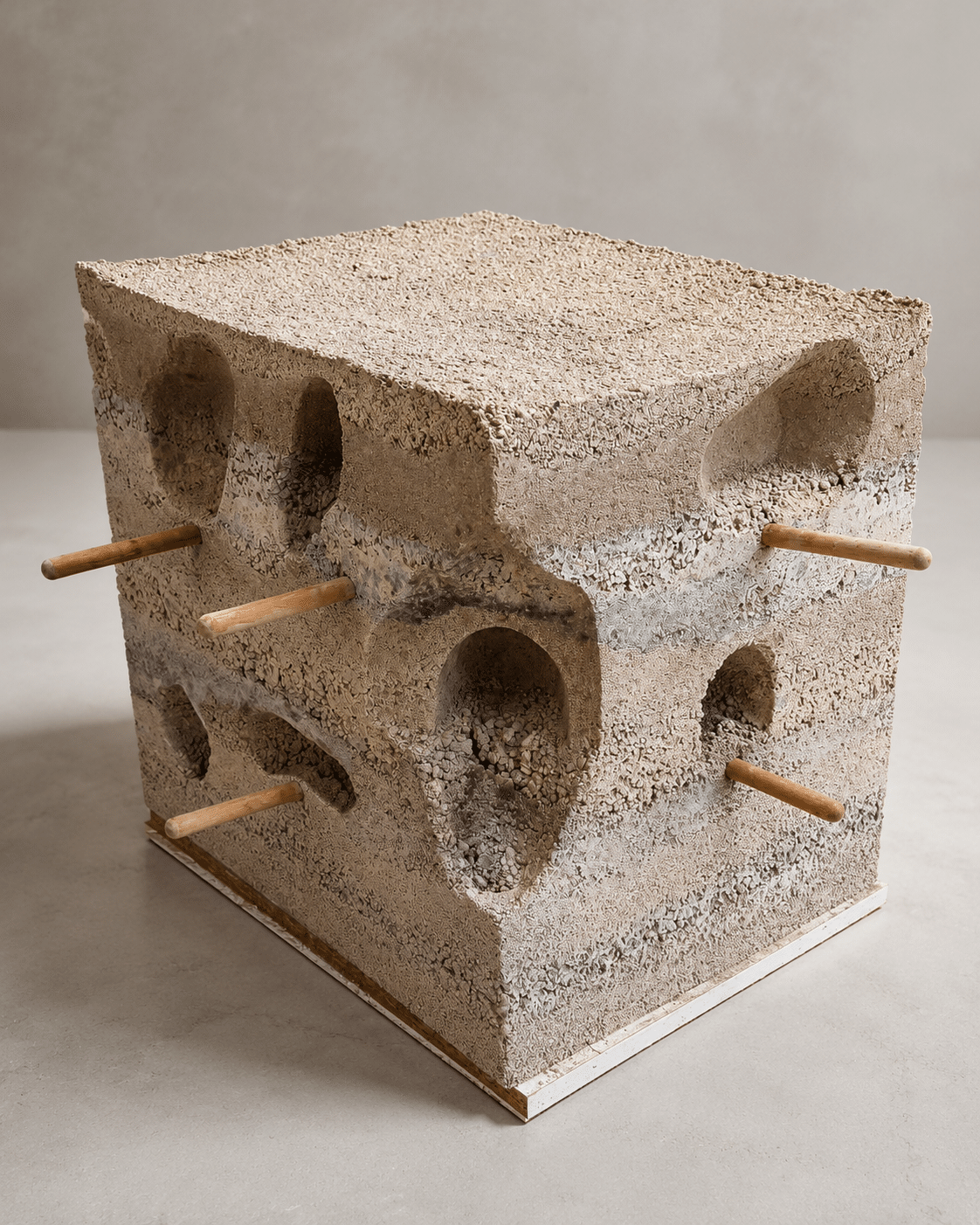
“Metabolising waste into habitat in a resource-scarce future” “Mining the City” reconceives legacy industrial infrastructure as an active force for urban regeneration and material resilience. Rather than treating waste as a problem to be discarded, this project positions Barcelona’s material flows from household refuse to industrial by-products as the resource base for a new metabolic … Read more

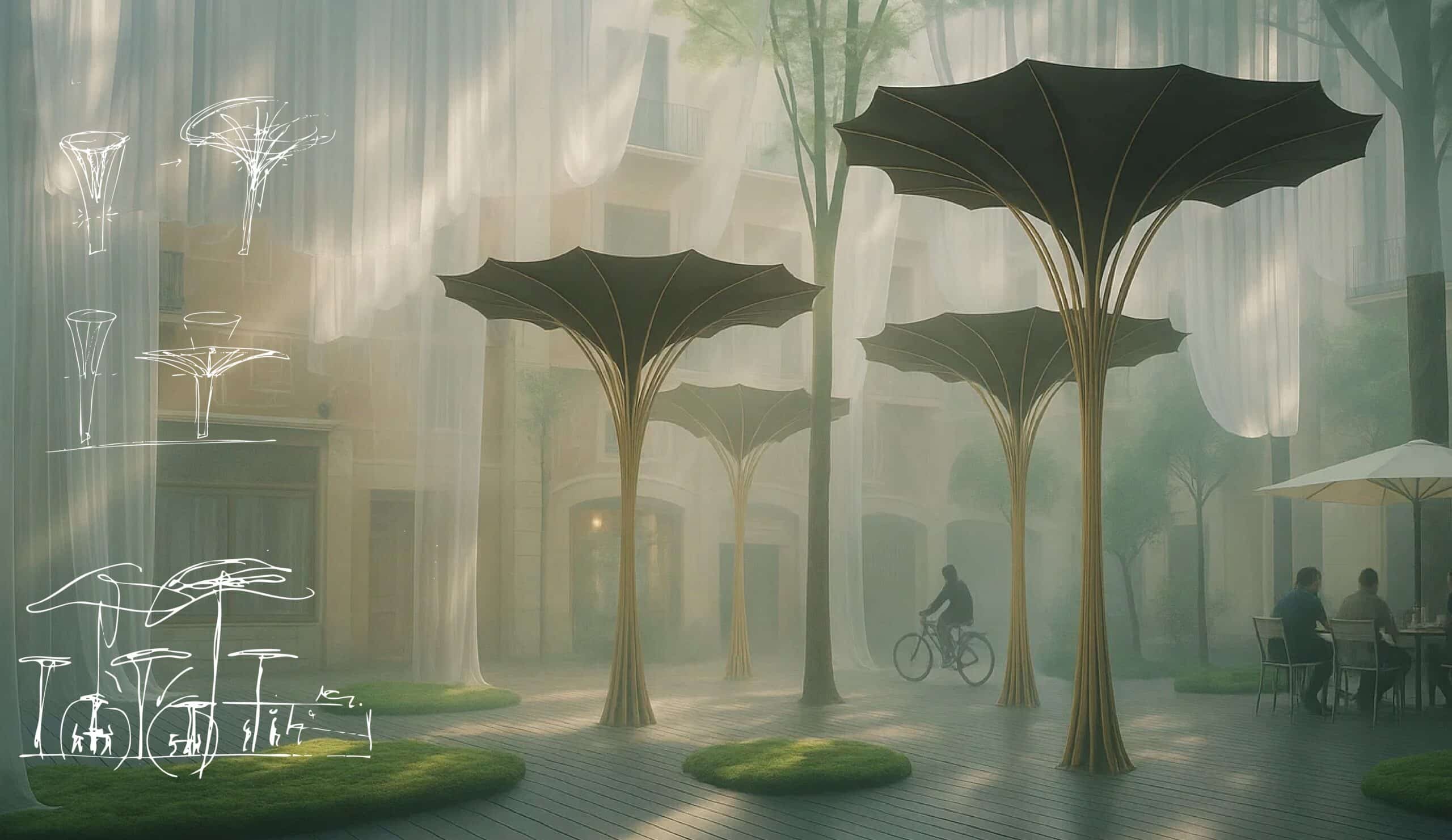
Cano(Pi)

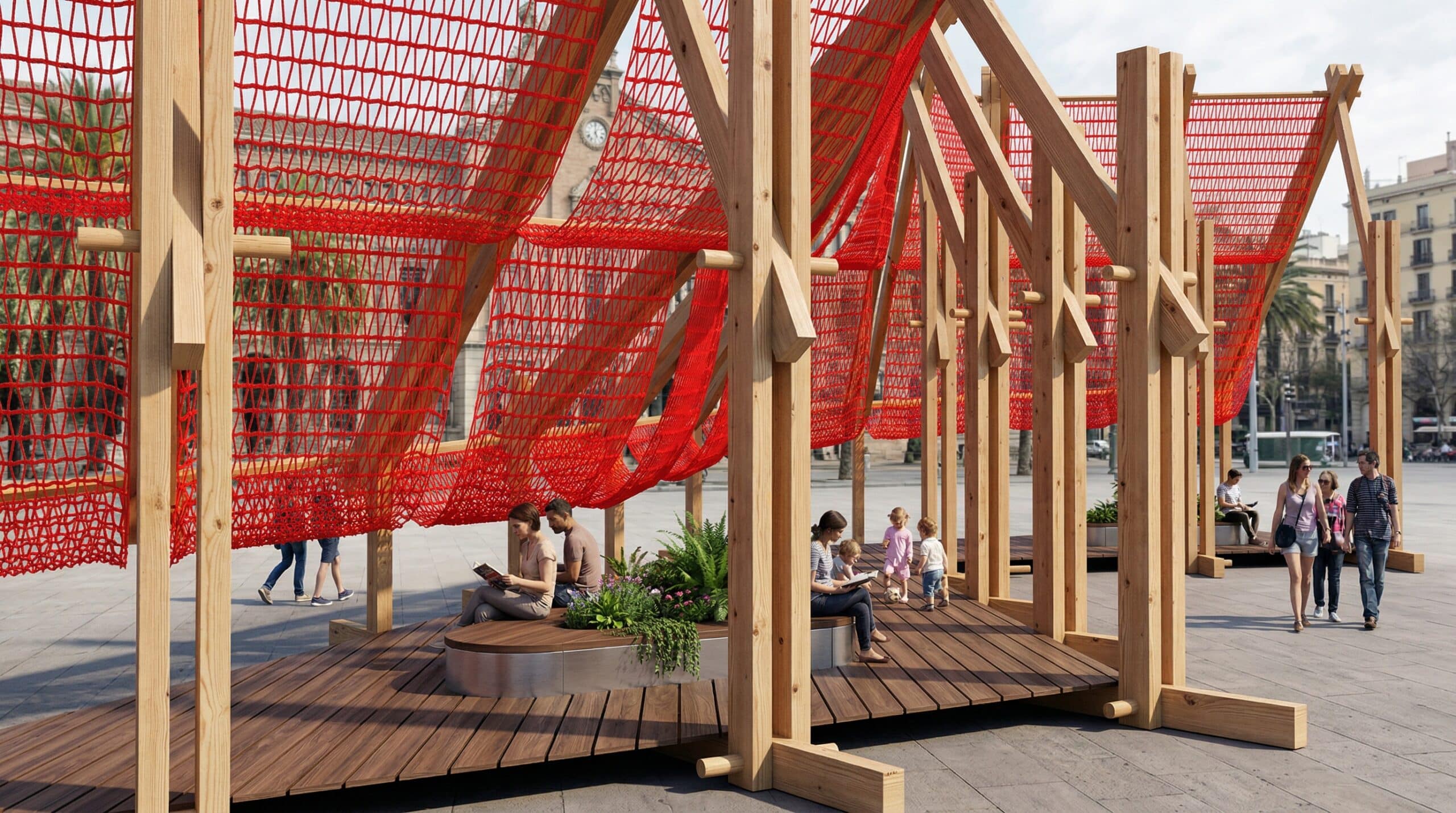
A dynamic forest pavilion. Plaça del Pi, Barcelona, Spain Design Concept Form Finding Psuedo Code The script relies on the organic undulation of sine and catenary curves to reflect the organic nature of our inspiration as well as provide a real-life simulation of the suspended fabric forming the canopy reacting to gravitational logic in both … Read more

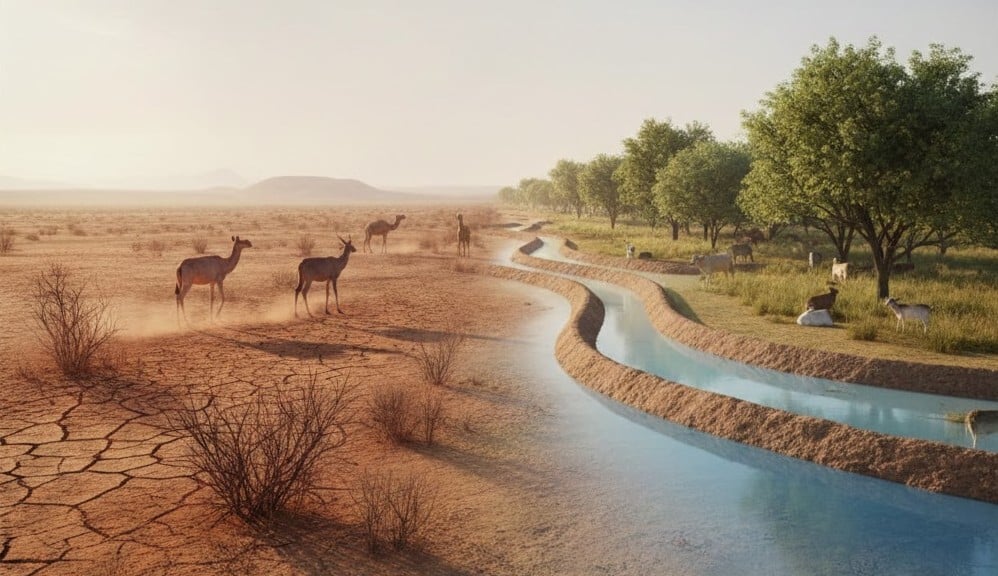
Wildlife Integrating Landscape Design Artificial Intelligence – WILD.AI — Term_III

CONTEXT DYNAMICS METHODOLOGY ANALYSIS By subtracting different scenarios from one another: The differences start to become clear as to what areas are consisently lost vs what areas are inconsistently lost. The latter being the one where planners and ecologists should focus their efforts the most if aiming to potentialize action. The figure becomes even clearer … Read more

Rootscapes

An exploration of root structures and material study 70% of the world’s population lives along coastlines and rivers, out of which, thousands of people get affected yearly due to erosion. However, our marine ecosystems such as mangroves and soils have the capability of storing large amounts of CO2 and provide a barrier amongst erosion.  CAUSES … Read more

EMI: Engine for Morphological Integration

An algorithmic roadmap that converts self-organized settlement morphology into clean-energy action: the Energy-Morphology Index mines open roof- and density data, ranks each building’s readiness, and matches “Ready / Promising / Not-Ready” clusters to modular solar toolkits—turning self-organized settlements into engines of energy justice

Transient Plastics 3.0

The plastic crisis has reached staggering proportions. If all the plastic waste on Earth were laid out, it would be enough to cover the entire surface of Argentina ankle-deep. Every year, we produce 300 million tons of plastic globally. Yet only 10% remains in use, while more than 80% is discarded. Of this discarded plastic, … Read more

Re- Rio Infrastructural Justice

Re-Rio is a vision to bring dignity, connection, and opportunity to the Gradim fishing community in Rio de Janeiro. Faced with poor infrastructure and social neglect, this project reimagines housing and public space through sustainable, affordable, and flexible design. It creates cool, breathable homes, shared learning spaces, and eco-tourism paths that celebrate local culture. By … Read more

AQUA.NEST

AQUA.NEST: An AI-Powered Decision Support Toolbox for Adaptive Urban Design Using Nature-Based Solutions in Flood-Exposed Coastal Cities Coastal urban flooding is emerging as one of the most urgent climate challenges of our time. Without strong adaptation, annual flood damages could reach €930 billion globally by 2050, even with improved infrastructure (OECD, 2020). Rising sea levels and … Read more

SOMA LOOM

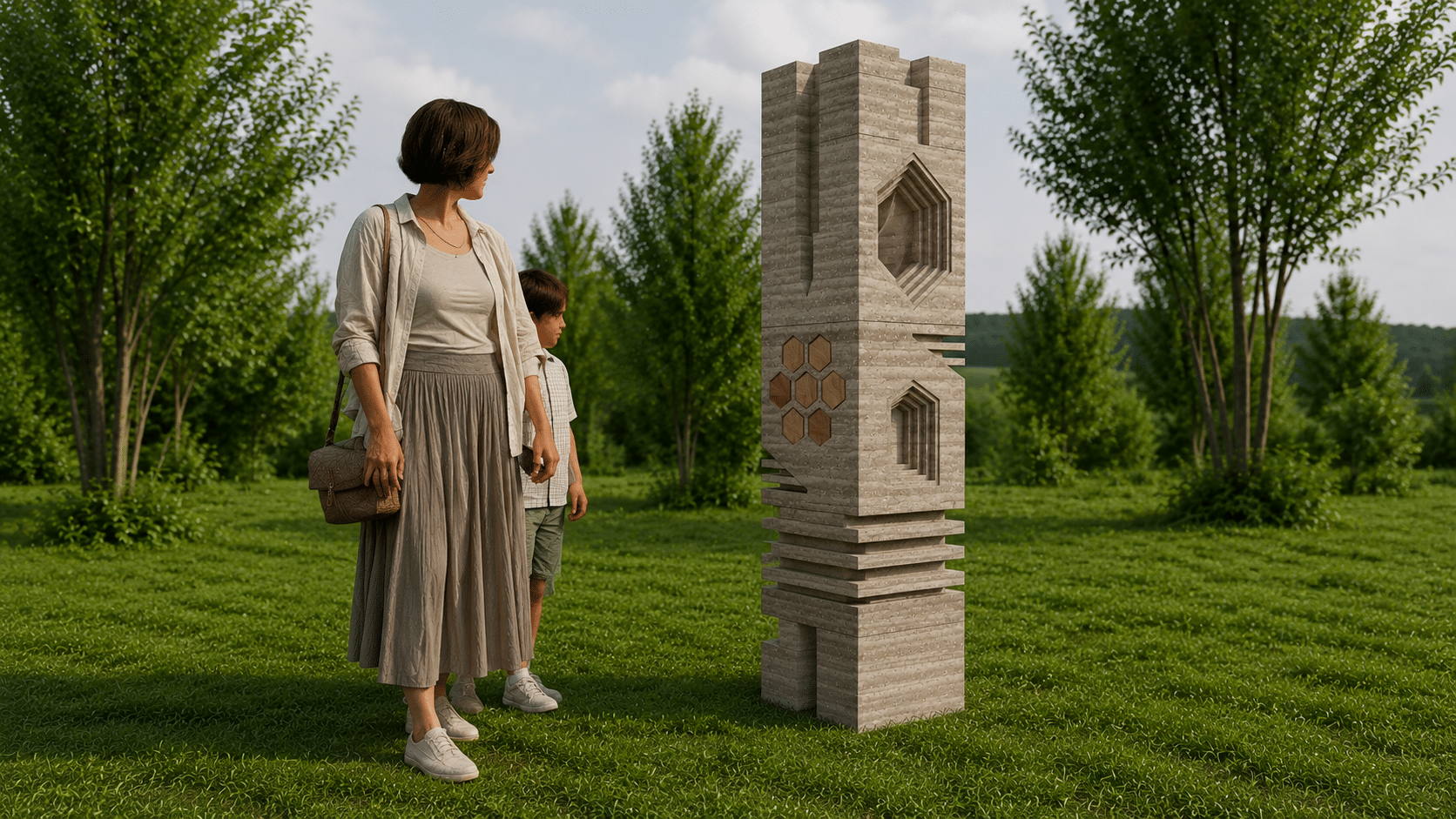
This project introduces an environmental sculpture, up to 1.5 meters tall, placed in the garden of Ballina Methodist Church in Ballina, Ireland. The column acts as a multifunctional architectural element supporting local biodiversity—attracting insects, bees, butterflies, and small birds—while blending harmoniously into the public landscape. Constructed from a geopolymer made with crushed seashells and biochar, … Read more

Ostara

SITE CONTEXT Ballina Methodist Church in Ballina in County Mayo. It was built in 1857 originally as a school. The old Methodist Church in Ballina was built in 1839. In 1983 the Methodist Church in Ballina relocated to this building. INSPIRATION Irish rock wall stacking is a centuries old dry stone technique characterized by carefully … Read more

Domus-X

DomusX is a modular pavilion designed using the Assembler plugin in Grasshopper, exploring parametric assembly systems for adaptive architecture. The structure consists of interlocking components that can be easily reconfigured or expanded, allowing flexibility in design and use. DomusX promotes sustainable, site-responsive design through modularity and digital fabrication. DomusX leverages Assembler’s generative capabilities to create … Read more