
Within the current global context of rapid change, integrated with the potentials of digital technologies, IAAC’s Master in Advanced Architecture (MAA) is committed to the generation of new ideas and applications for Urban Design, Self Sufficiency, Digital Manufacturing Techniques and Advanced Interaction.
In this context IAAC works with a multidisciplinary approach, facing the challenges posed by our environment and the future development of cities, architecture and buildings, through a virtuous combination of technology, biology, computational design, digital and robotic fabrication, pushing innovation beyond the boundaries of a more traditional architectural approach.
Course: MAA01 22/23 Self Sufficient Buildings Studio
Self-sufficiency is about consuming the resources you are able to produce, annulling our ecological footprint. This scenario is close to the statements that we need to achieve for the 2020 agenda. During the Research Studio self-sufficiency will be a wider concept, not only we will apply this term when speaking about energy, but also speaking about other issues like water, food, economy and society among others. As architects, our role in this new concept of ecology goes beyond buildings, materials, light, space or shape. Our approach to this new way of thinking must be holistic, emphasizing the importance of the whole, and the interdependence of its parts. Therefore, for us, architecture is about this complex combination of elements and their relations. We will read and learn from the people that are already talking about this holistic way of thinking (Rifkin, Braunghart, Mc Donnough, Latour...). In order to face this approach to thinking, architects cannot be alone, they must learn to work inside multidisciplinary teams. A starting point will be the scenario of the studio, in which we will work on our projects together with physicists, biologists, economists and designers. Inside the topic of self-sufficiency, in the past years IAAC has developed projects around the ideas of Factory of the Future, Urban Retrofitting, Factory of Knowledge, and many more.
view Syllabus & Faculty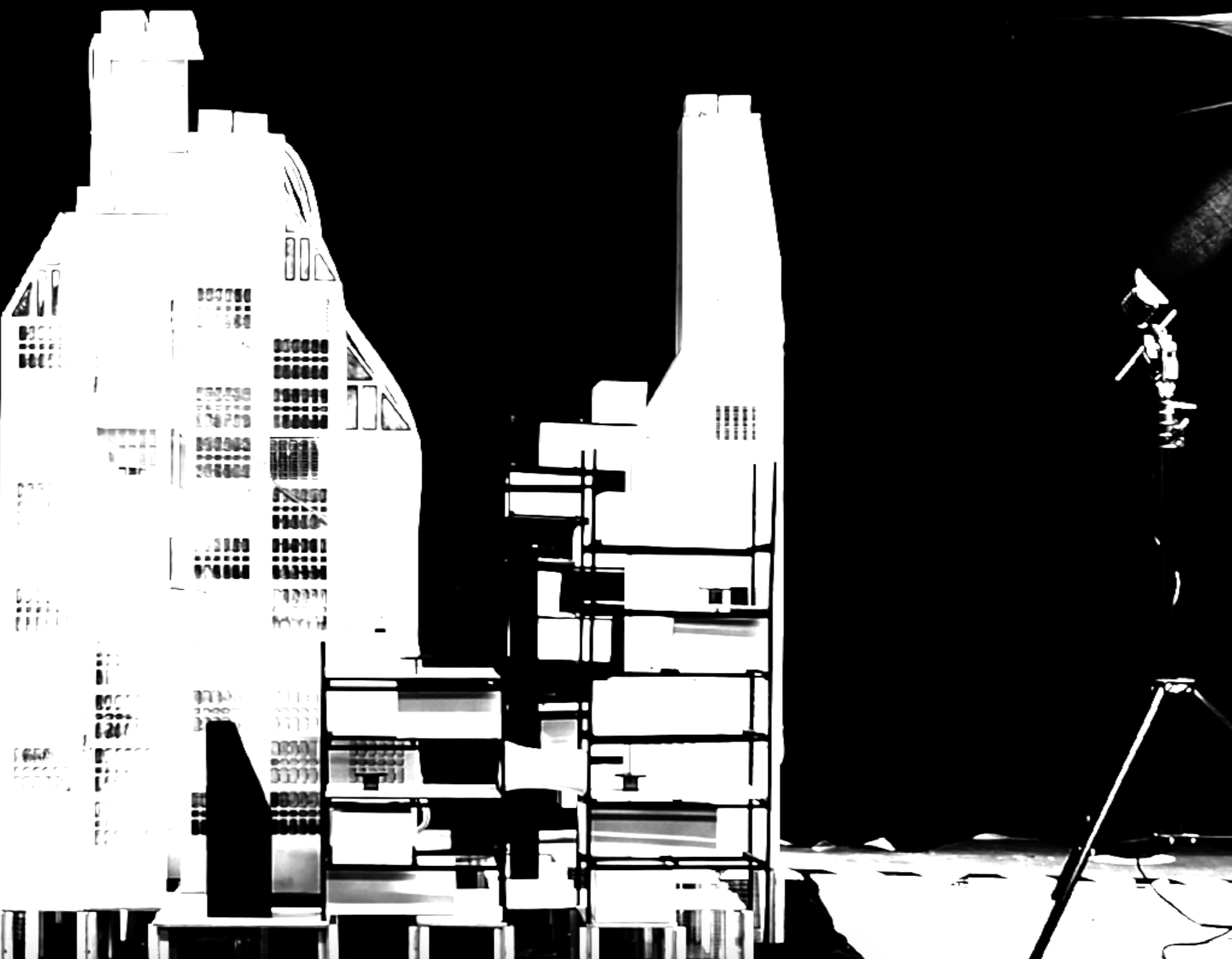
Rise
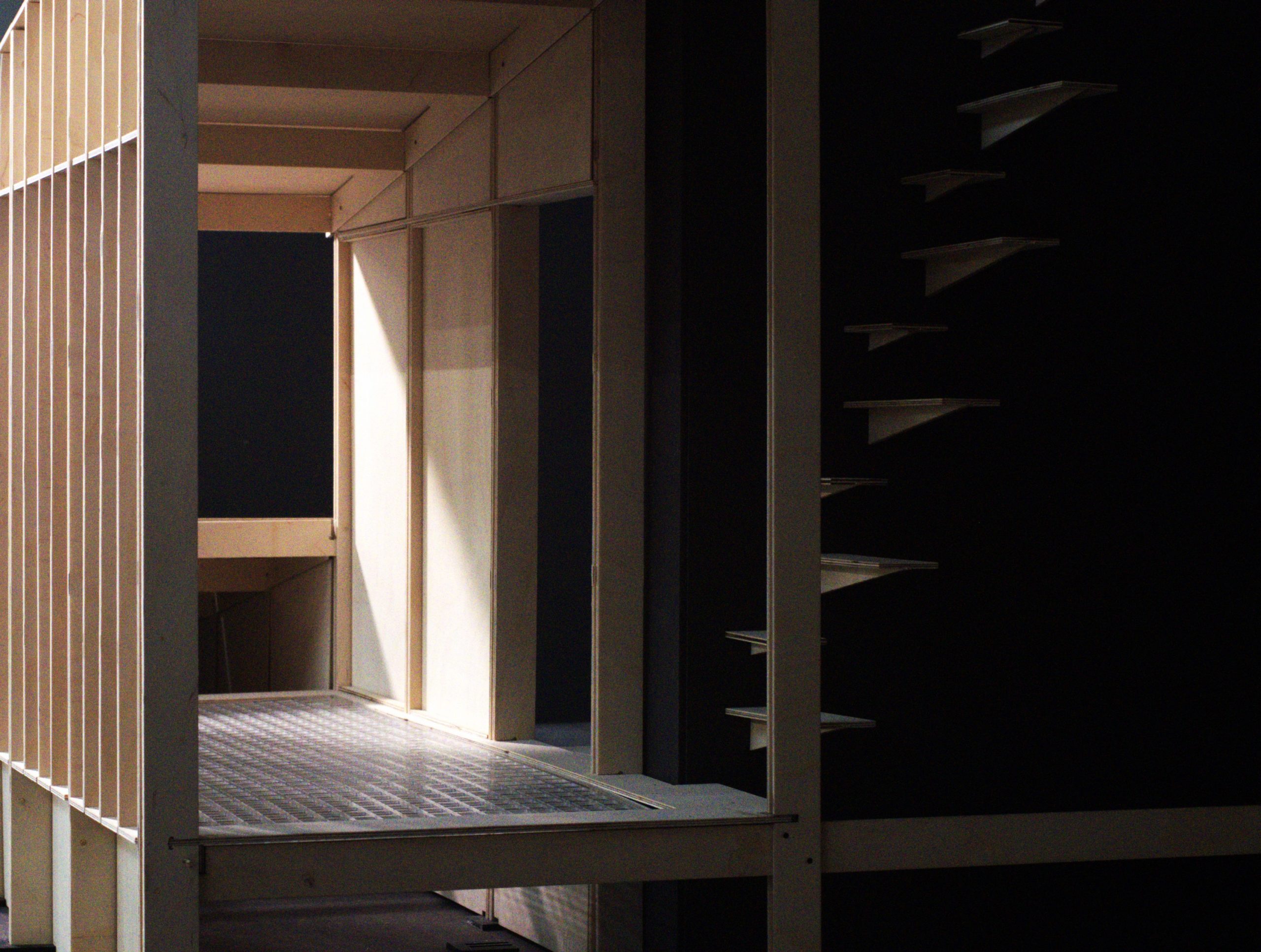
Heat is a form of energy that can be transferred between objects or systems due to a temperature difference. It is a manifestation of the internal energy of a substance or a system, resulting in the motion of its constituent particles. Heat can be transferred through three main mechanisms Phase 1_Device How can we control … Read more
EVA
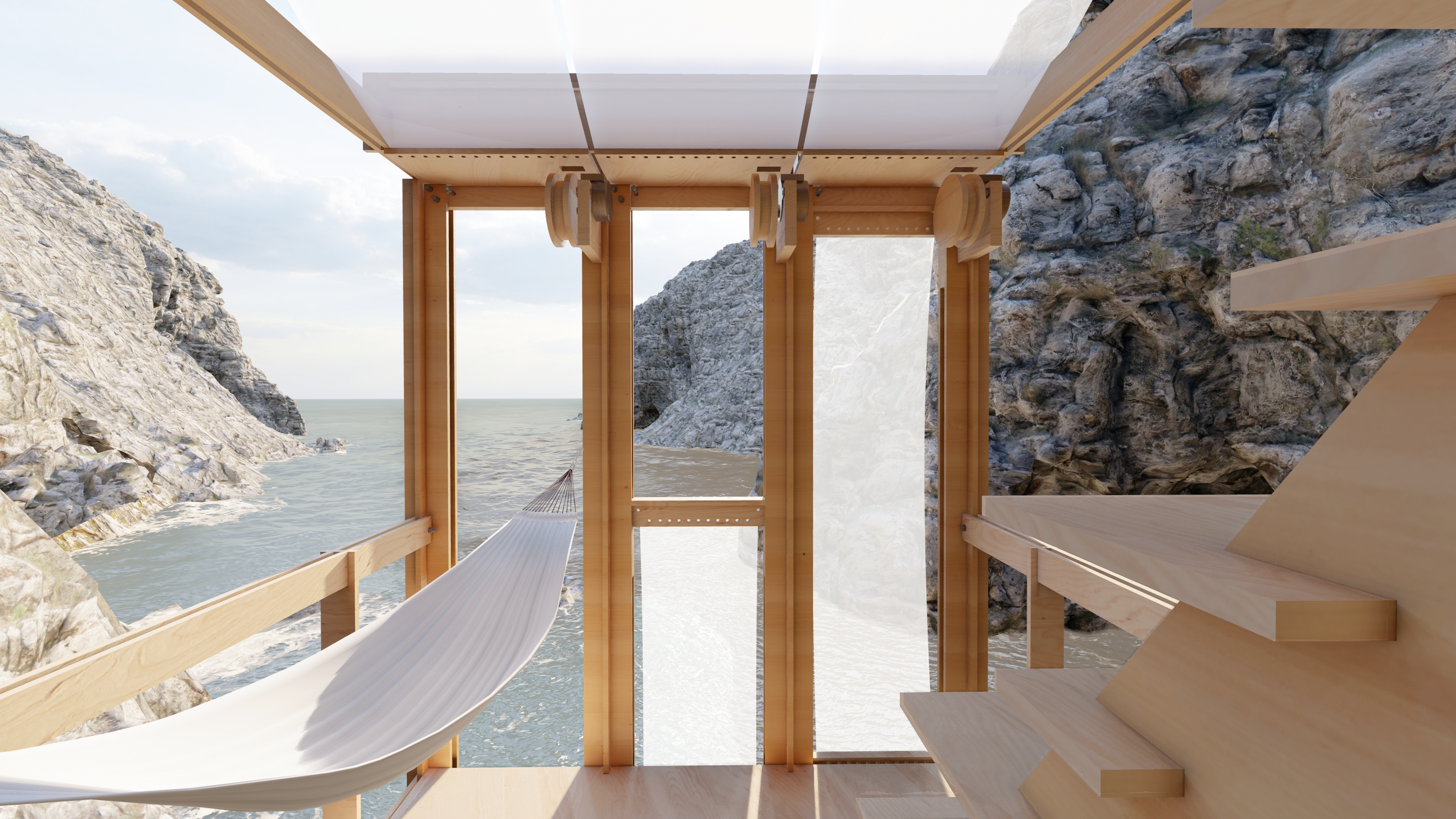
Statement In extreme summer heat, our bodies work overtime to regulate how we feel. It takes massive amounts of energy to maintain a normal and consistent body temperature. All this energy use can cause us to feel tired and sluggish.It makes it important to have a COOLING system in high temperatures. What is a possible … Read more
