Within the current global context of rapid change, integrated with the potentials of digital technologies, IAAC’s Master in Advanced Architecture (MAA) is committed to the generation of new ideas and applications for Urban Design, Self Sufficiency, Digital Manufacturing Techniques and Advanced Interaction.

In this context IAAC works with a multidisciplinary approach, facing the challenges posed by our environment and the future development of cities, architecture and buildings, through a virtuous combination of technology, biology, computational design, digital and robotic fabrication, pushing innovation beyond the boundaries of a more traditional architectural approach.

Filters
Course

The Kinetic Node Pavilion

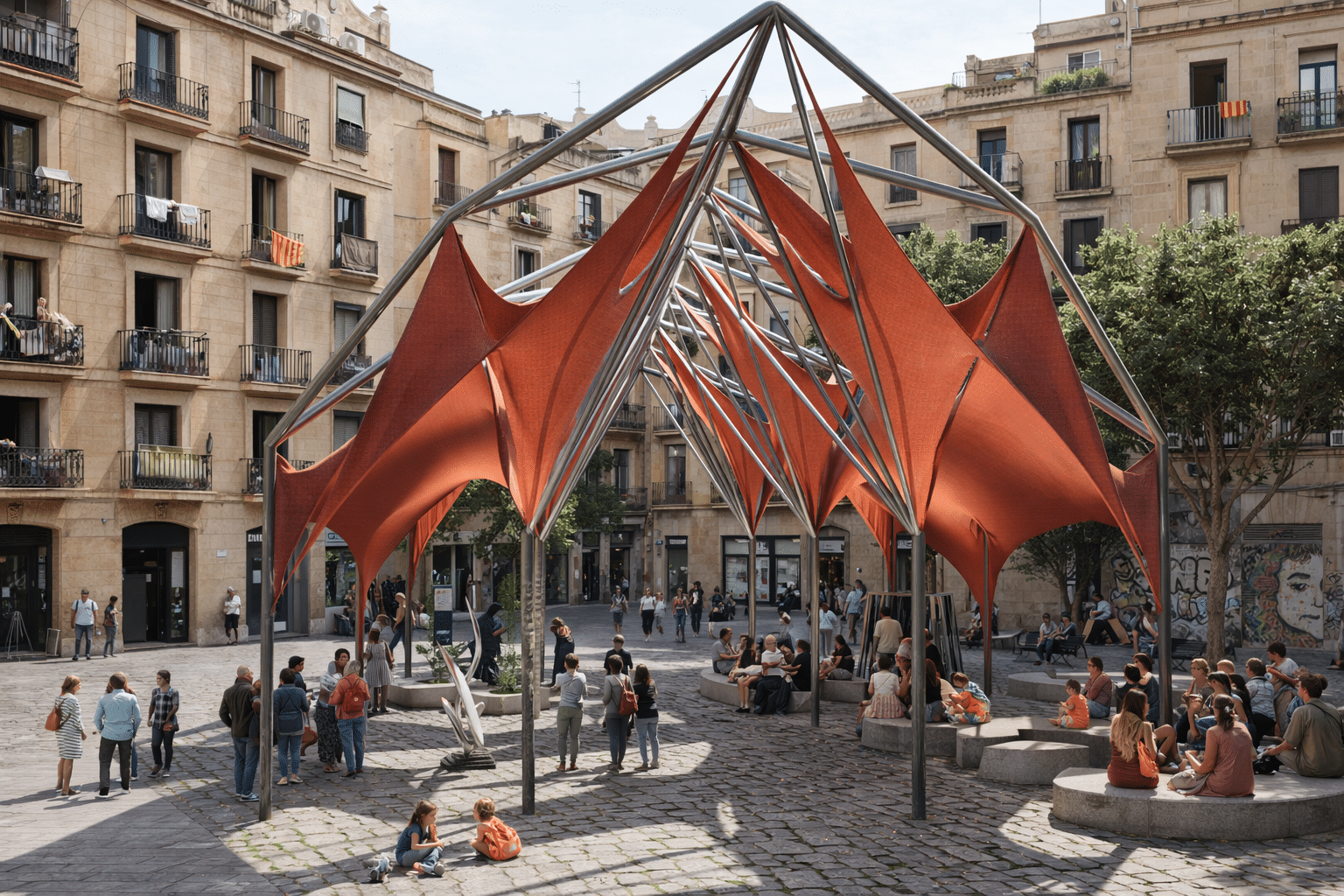
Architectural render of the final timber pavilion, showing integrated ramps for skateboarding and shaded areas for pedestrians.

The Kinetic Node proposes a dynamic pavilion located in the central pedestrian zone of Plaça de la Universitat, Barcelona. Developed within a computational design seminar, the intervention explores the intersection of generative algorithms and active public space. The design utilizes parametric tools to generate a fluid structure where architectural form seamlessly transitions into skateable terrain, … Read more

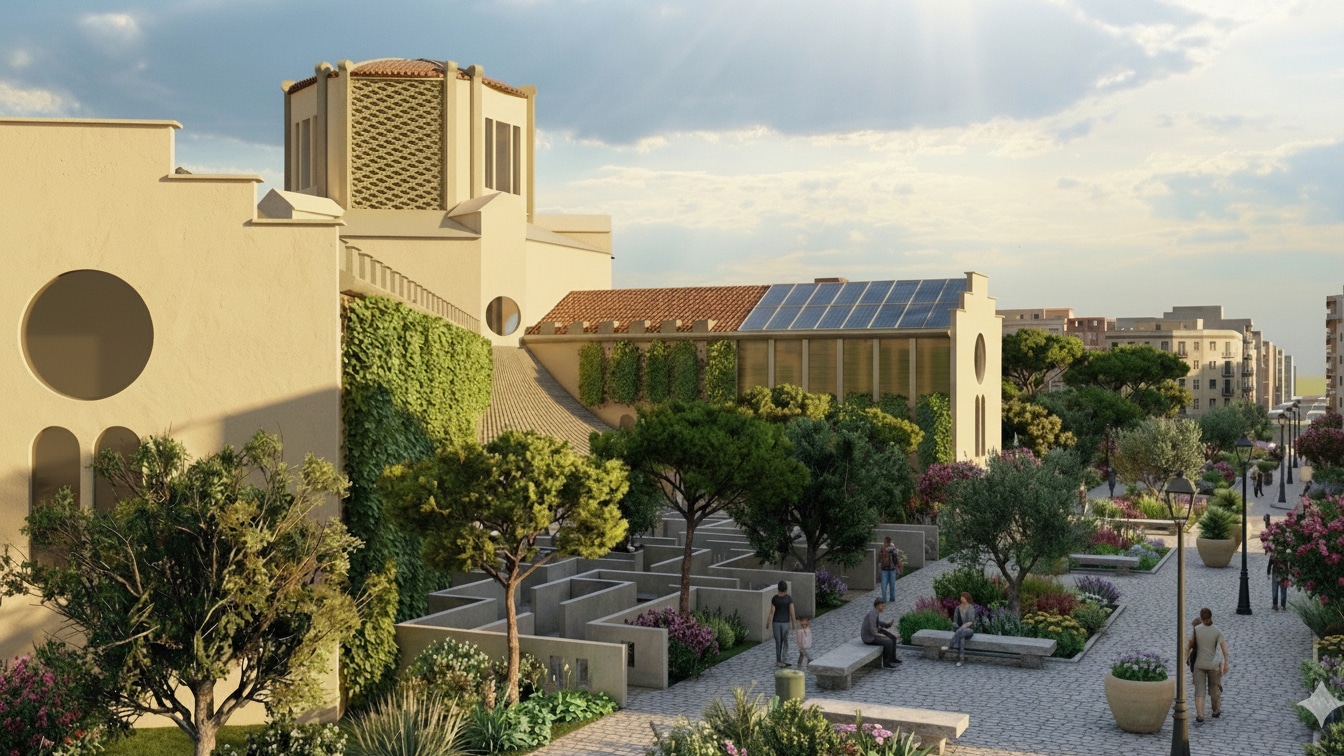
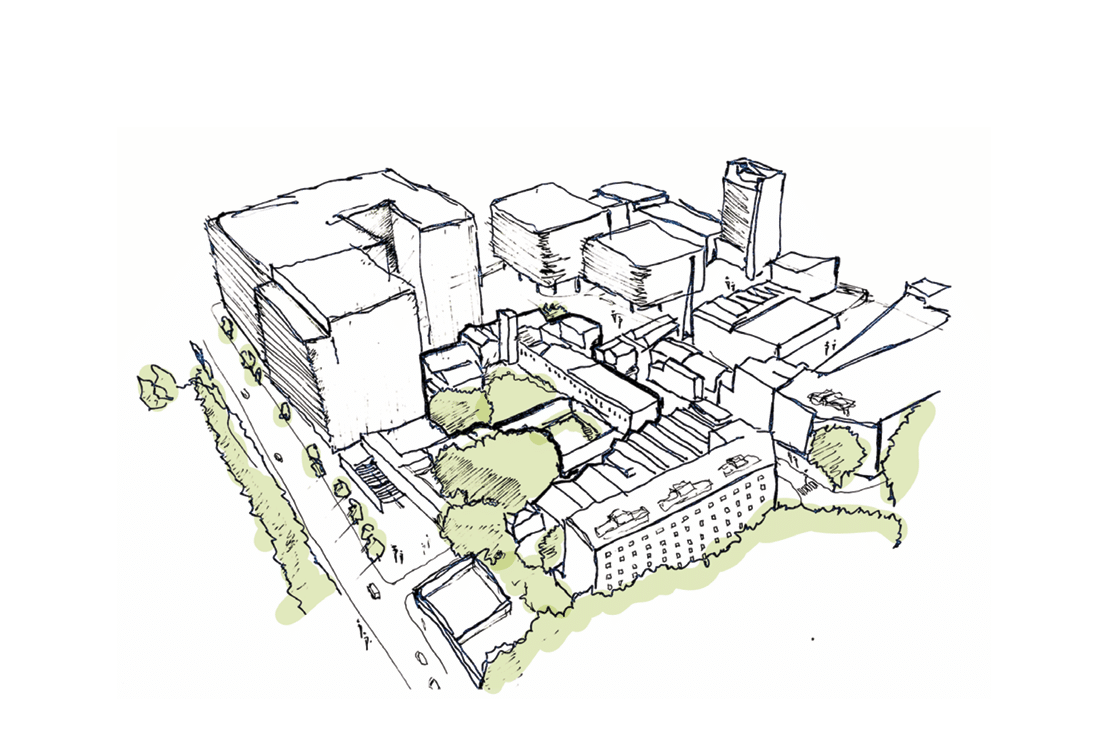
The Can Ricart Regeneration Project

Design Ethos This project seeks to explore how issues of stagnation and obsolescence can be tackled whilst still enabling socio-economic and technological developments of our urban spaces. It will explore how they can be applied within architecture to evaluate how we can more effectively address issues of erasure whilst still permitting modern interventions and advancements … Read more

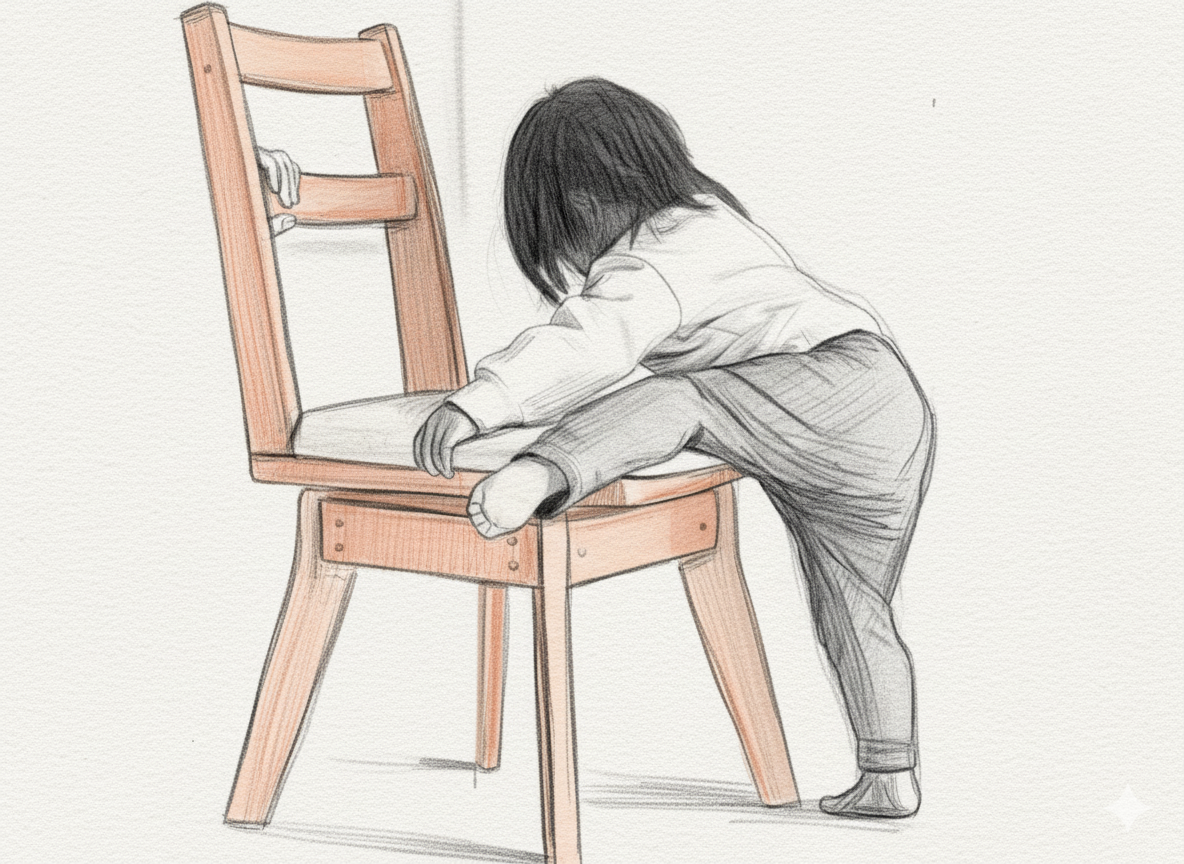
AutoAdapt

All seats in public areas are typically uniform in height; however, individuals differ in stature. When a seat is elevated, a child may find it challenging to access, whereas a low seat could cause discomfort for a taller individual. The optimal proportion is that the chair’s seat height should be approximately 25% of your total … Read more

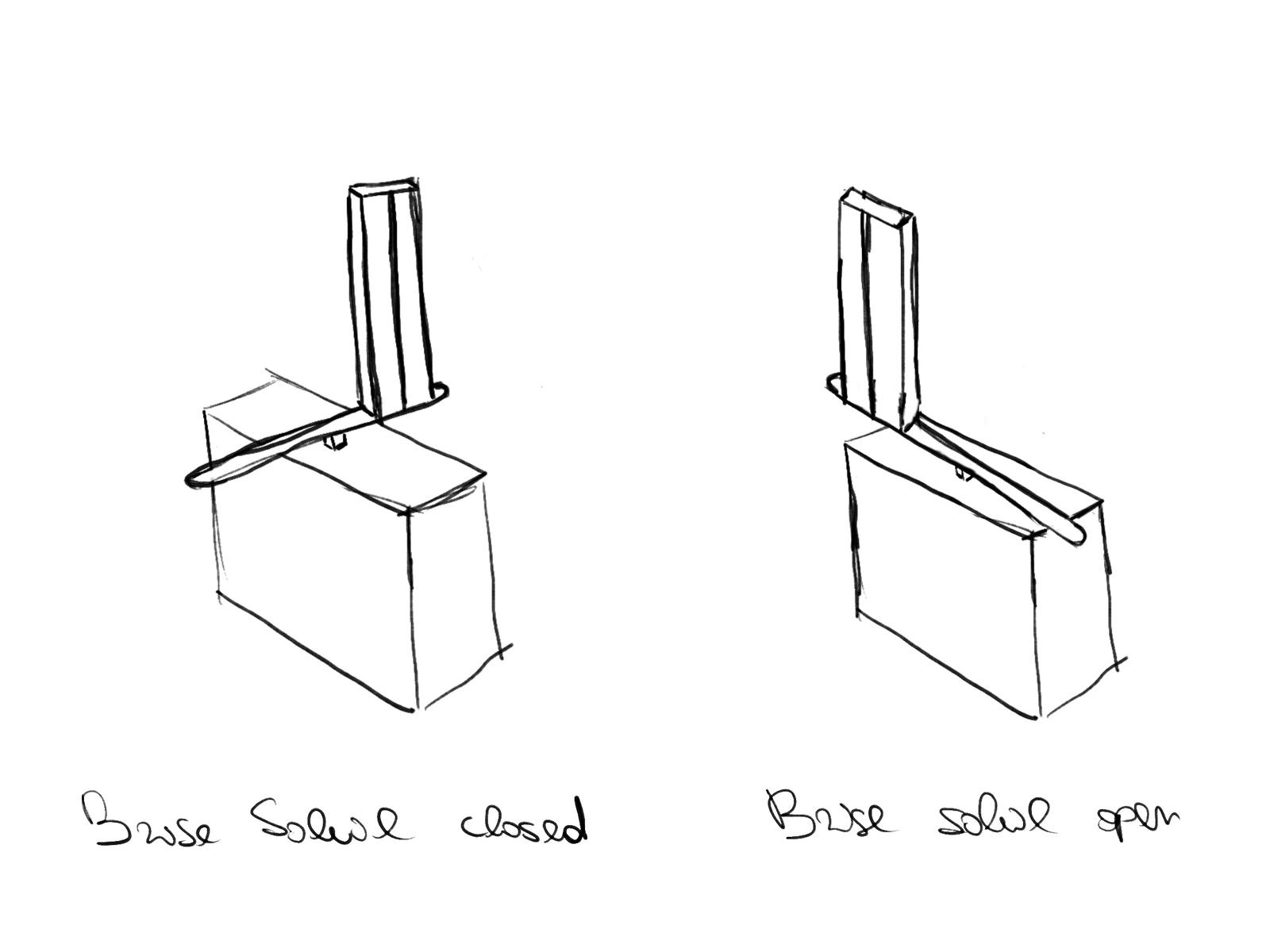
SolarShift

Concept What if our façades could react to sunlight? This project explores how architecture can respond to changing light conditions through simple automation. Using Arduino, it translates light intensity into movement, mimicking the adaptive behavior of a brise-soleil, and highlighting how design can respond to environmental change. REFERENCES – BRISE SOLEIL Schematics The Arduino code … Read more