Within the current global context of rapid change, integrated with the potentials of digital technologies, IAAC’s Master in Advanced Architecture (MAA) is committed to the generation of new ideas and applications for Urban Design, Self Sufficiency, Digital Manufacturing Techniques and Advanced Interaction.
In this context IAAC works with a multidisciplinary approach, facing the challenges posed by our environment and the future development of cities, architecture and buildings, through a virtuous combination of technology, biology, computational design, digital and robotic fabrication, pushing innovation beyond the boundaries of a more traditional architectural approach.
Thermo-Char
“Carbon-breathing panels: a regenerative material system for climate-adaptive architecture.”
SecondMatter
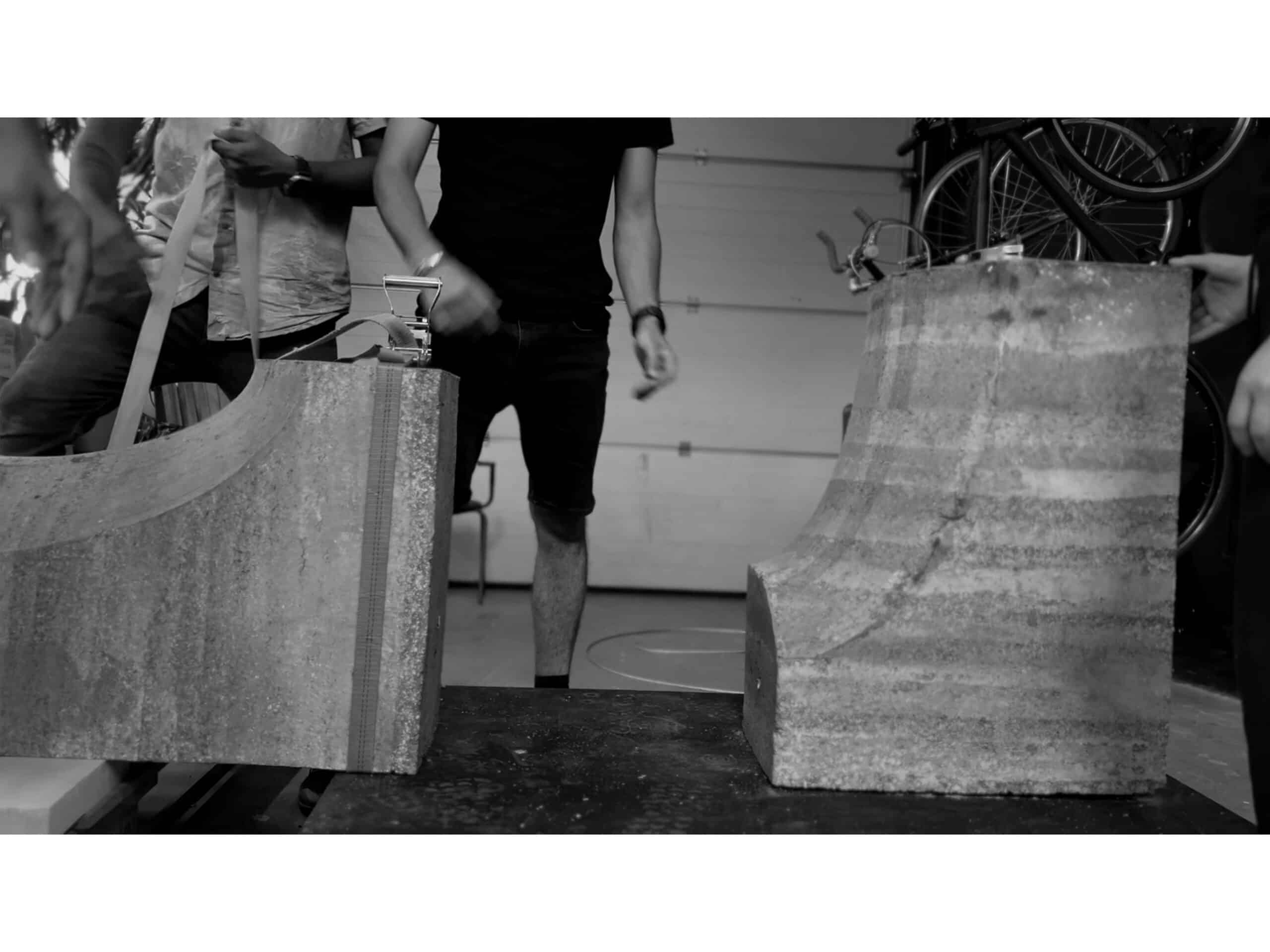
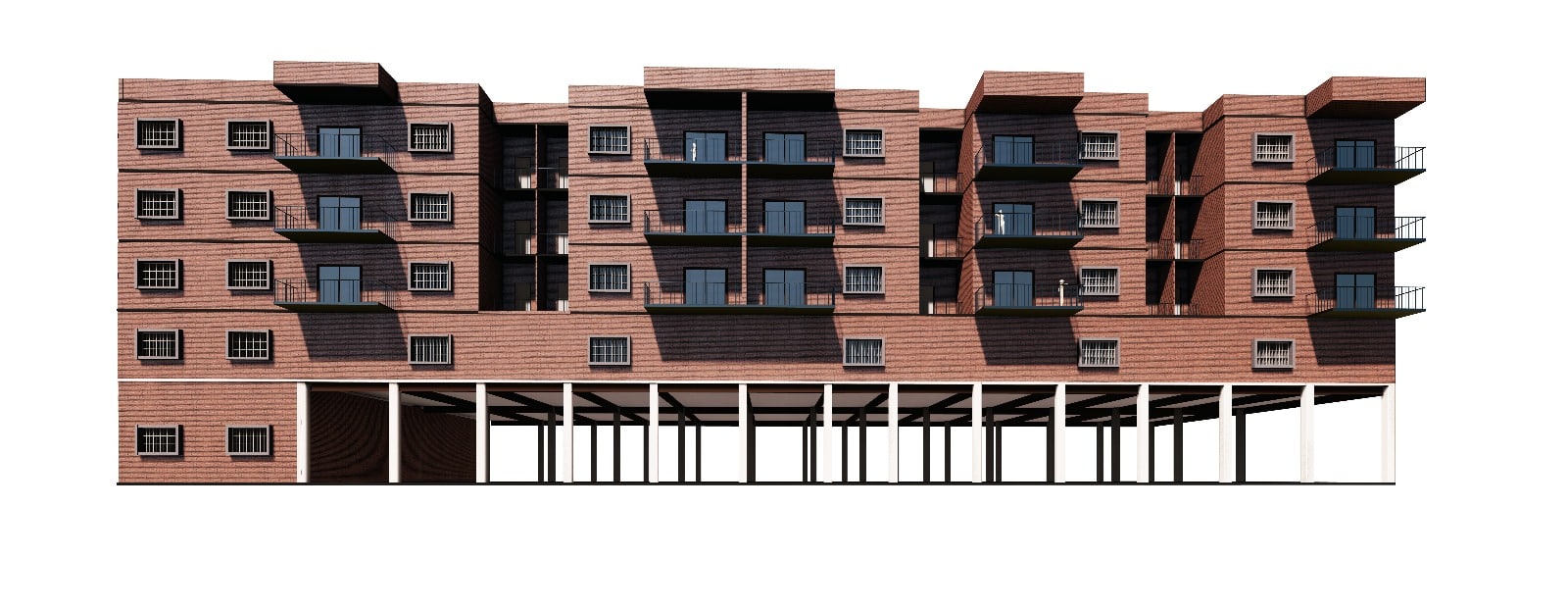
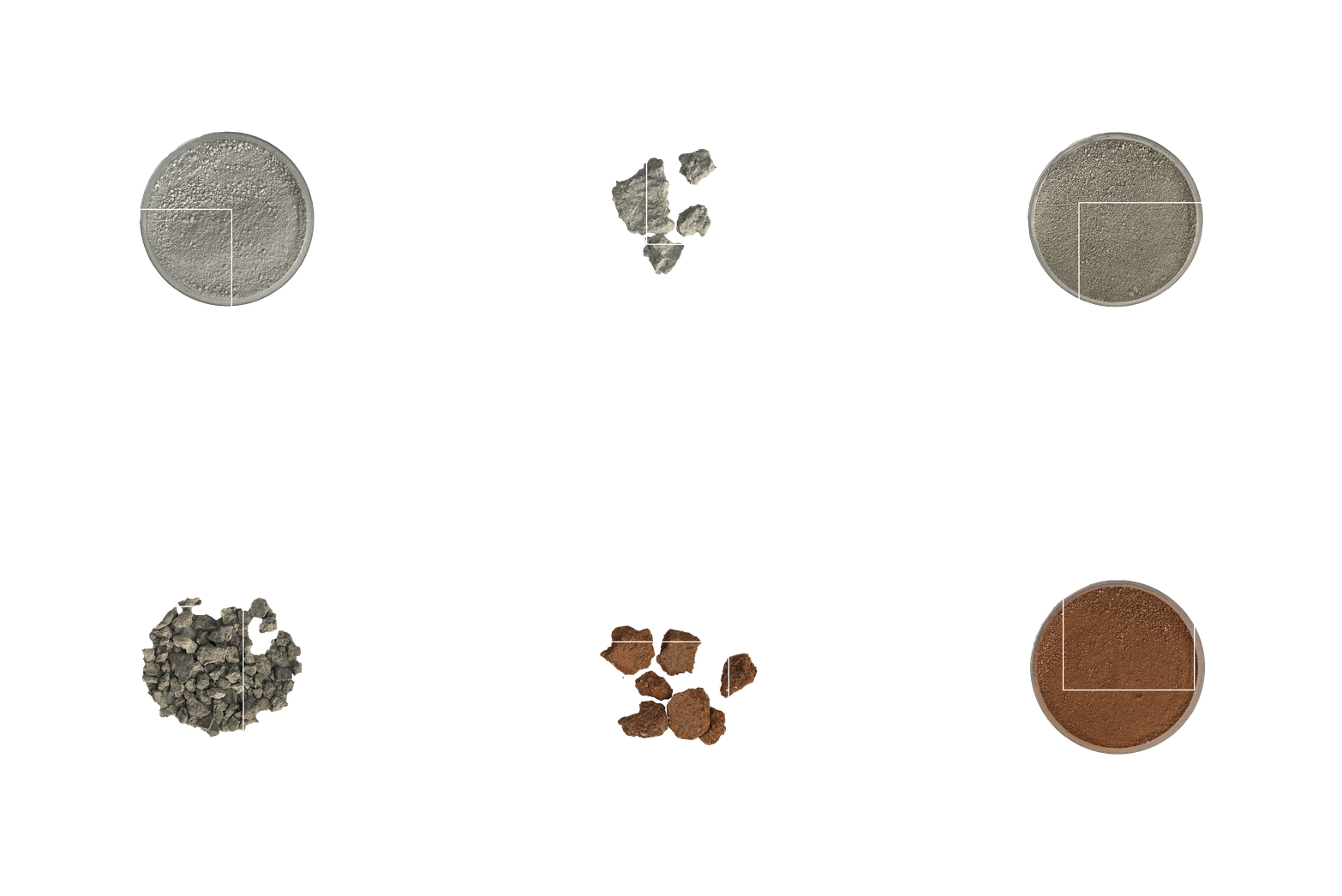
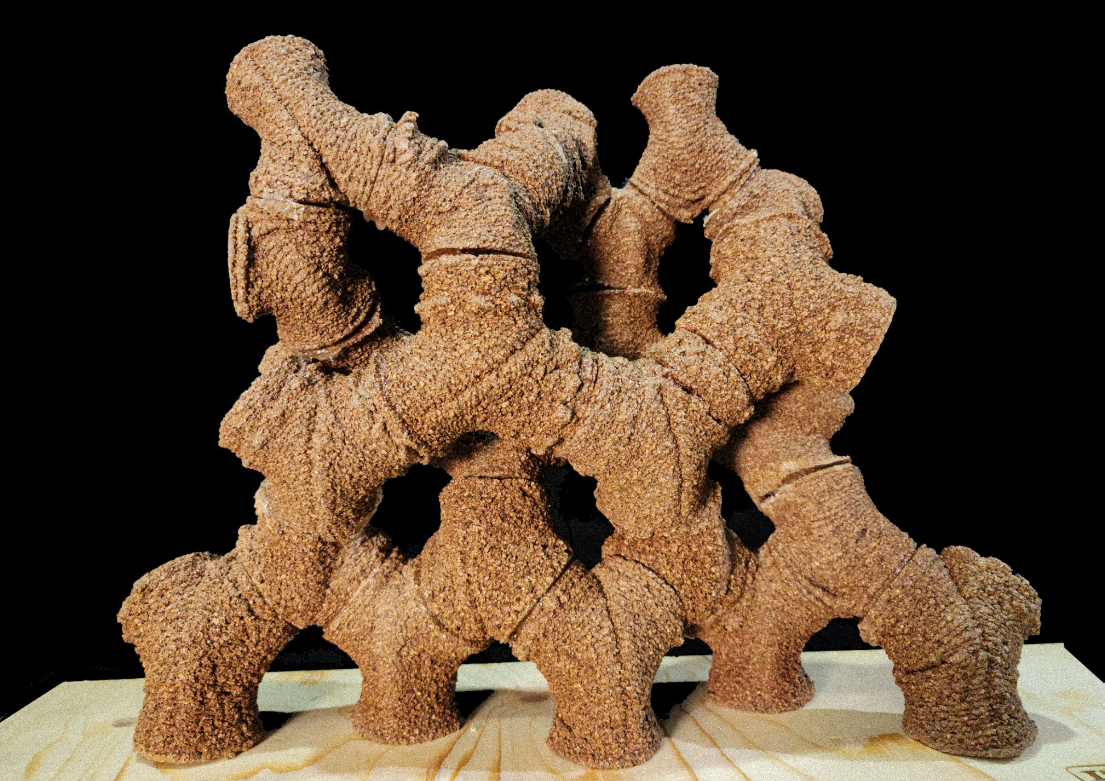
SecondMatter upcycles 85% construction and demolition waste into low-impact building units using a hybrid ramming-jamming technique. With 9 MPa strength and 7% lower carbon emissions, it forms walls, panels, and columns. Integrated into municipal waste systems, its compaction method adapts to unpredictable debris, turning urban waste into resilient, structural architecture within existing material cycles. What if … Read more
Low CO2 Social Housing
Project by Saad Khan , Sai Mohan Satwik and Baran Koc INTRODUCTION Our group was assigned to study the TMDC building, focusing on its material composition, spatial qualities, and potential for on-site material reuse. The goal is to explore how the existing structure can become a source for recycled construction materials, which we would then … Read more
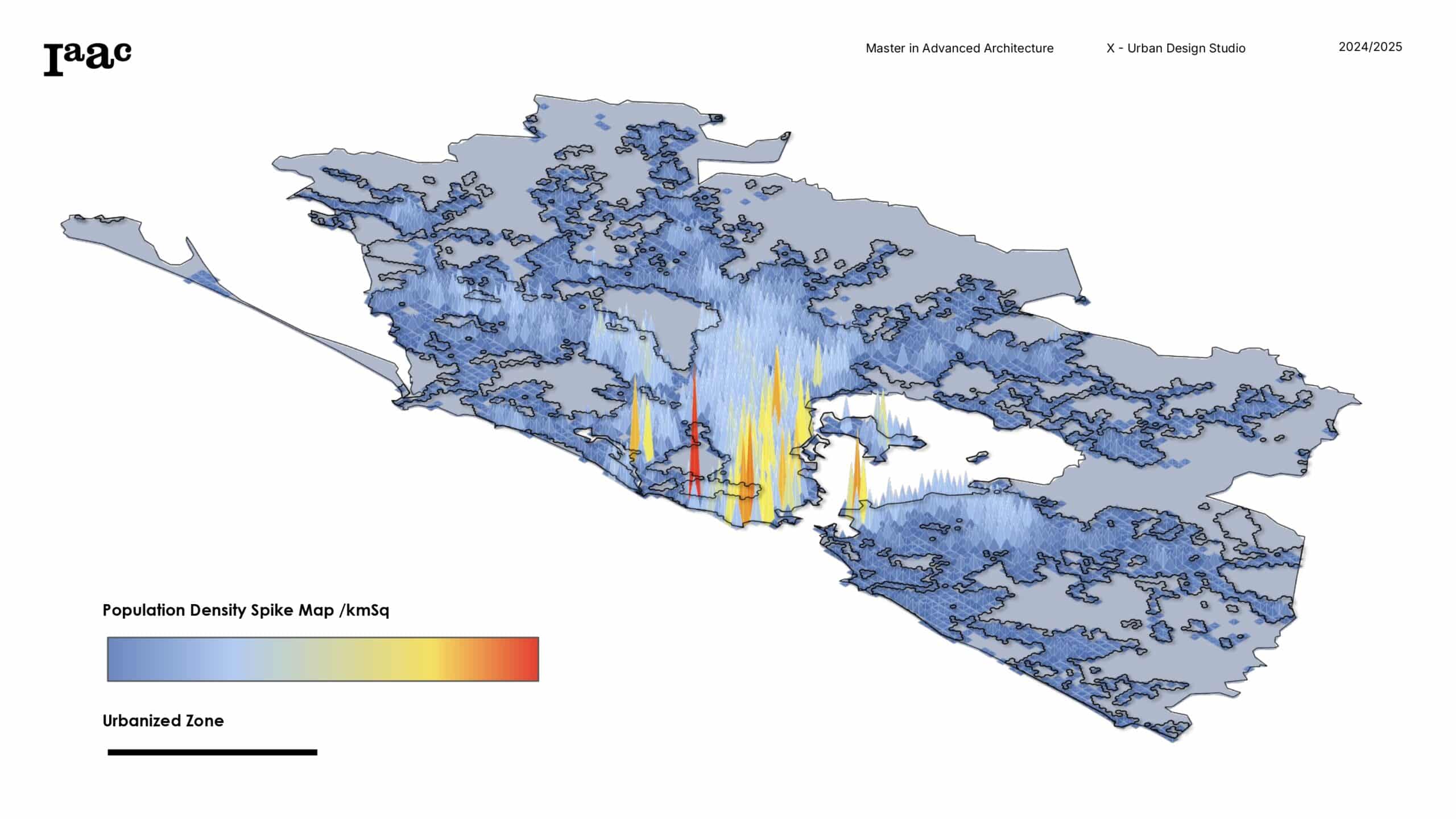
Re Rio: Infrastructure Justice
What is Infrastructure Justice? Rio’s Context State of the Art Rio Maps Sao Goncalo Proposal Thank you!
SecondMatter
SecondMatter challenges architecture’s extractive processes and wasteful material cycles by upcycling Construction Demolition Renovation Waste (CDRW) into structural and non-structural applications. It blends ramming, which compacts granular materials into high-strength forms, with jamming-inspired interlocking of irregular aggregates. Large concrete waste pieces form a reinforced core, wrapped in a rammed mix of fine brick and concrete … Read more
KINXA
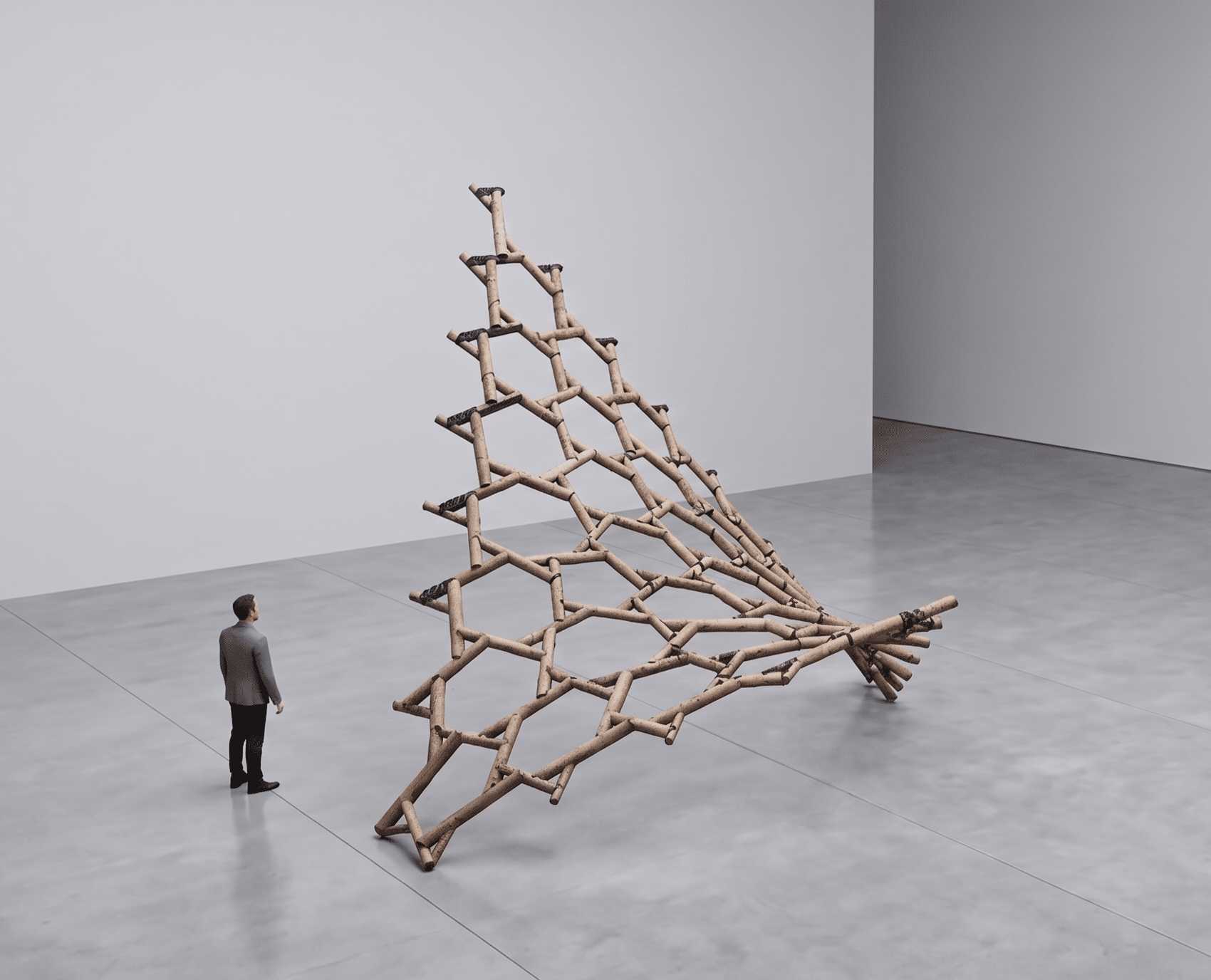
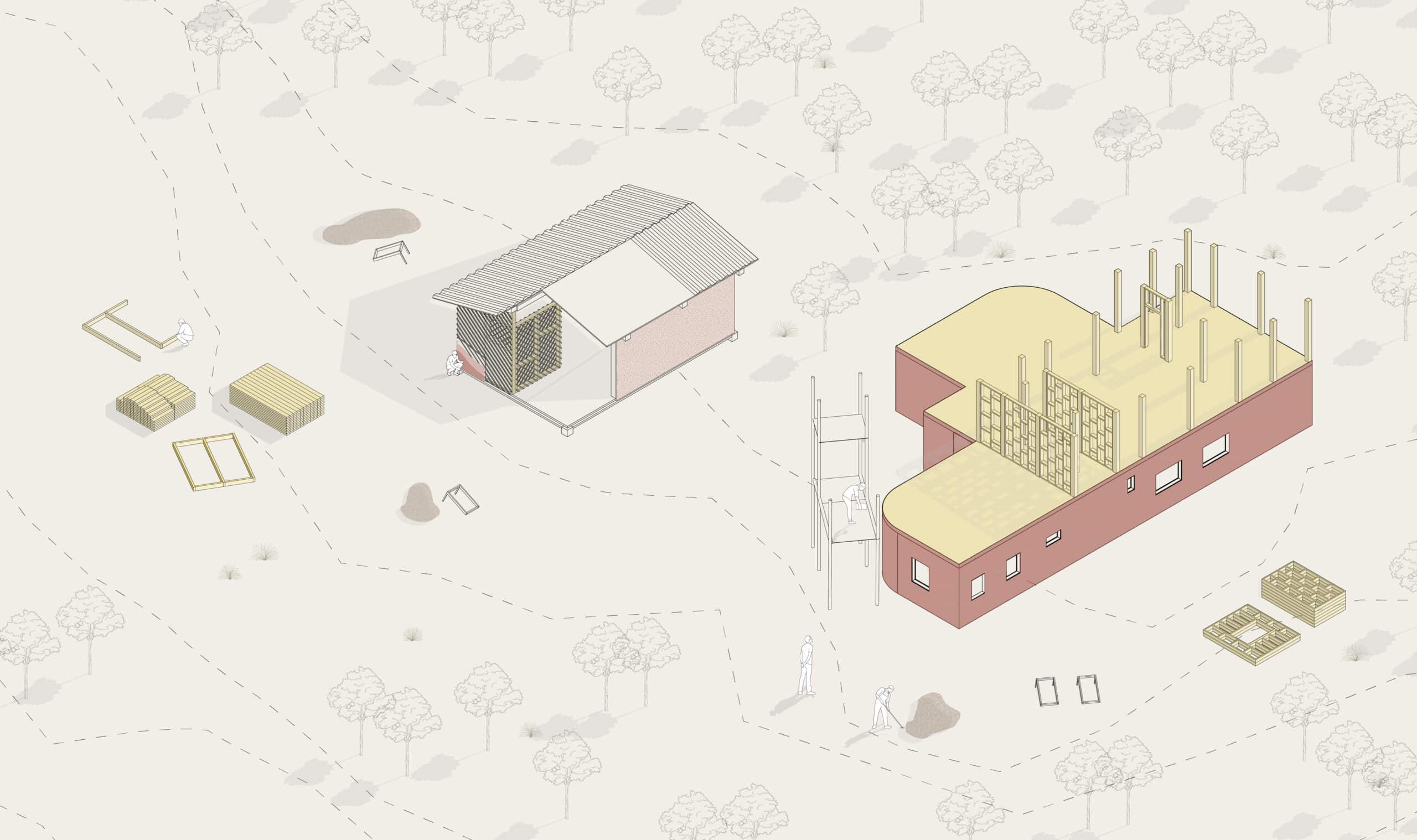
KINXA aims to bring vernacular construction back into contemporary architecture by systemizing traditional “quincha”. At the same time, through a redesigned material system, KINXA seeks to take advantage of local resources and lower even more its precedent carbon footprint. Quincha is a technique prevalent in Latin America which consists of the use of a wood … Read more
BIOGENESIS
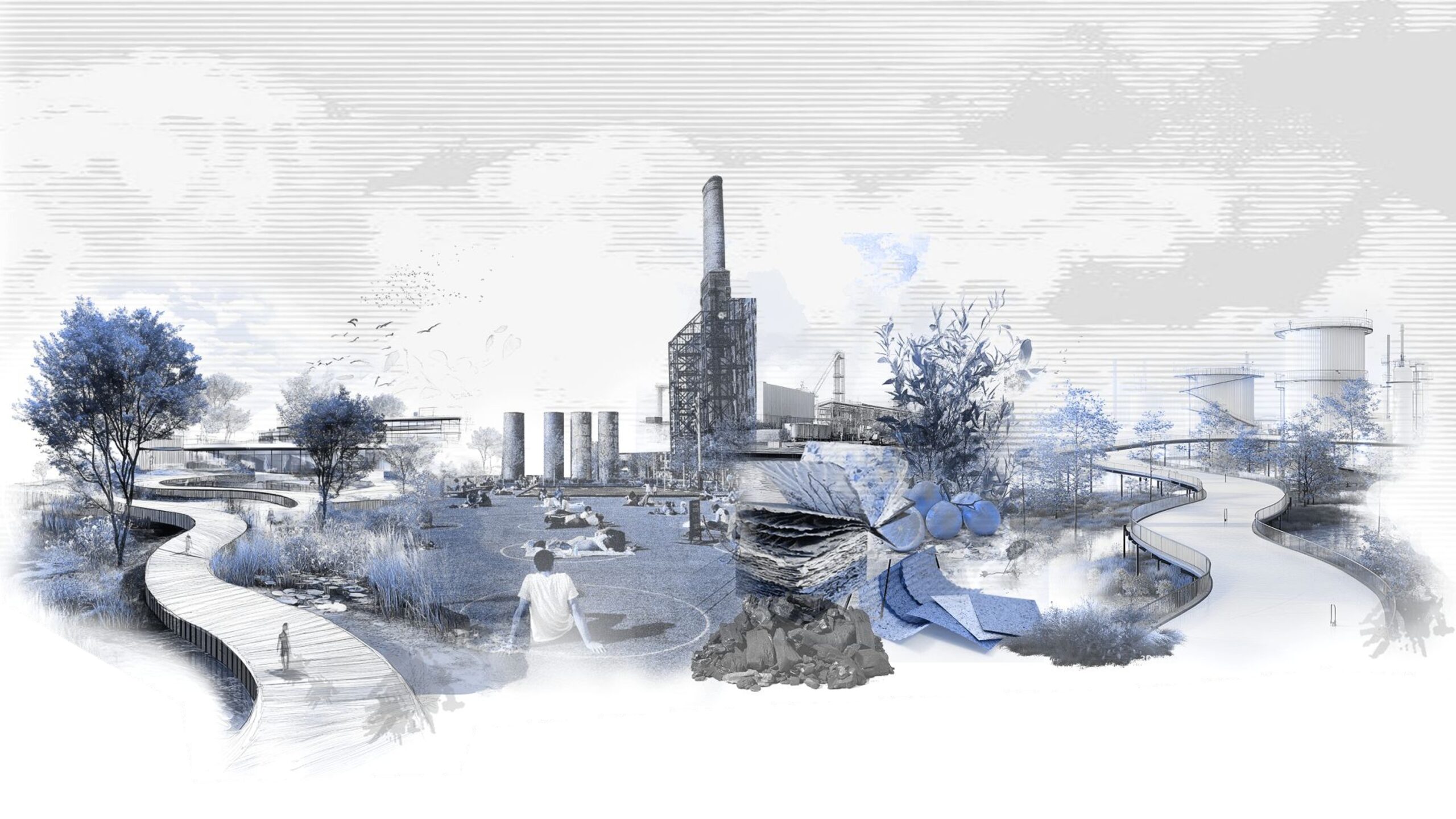
TRANSFORMING WASTE INTO SUSTAINABLE MATERIAL RESOURCES The goal is to convert various types of waste into sustainable resources, establishing a circular economy that enhances environmental benefits by repurposing waste, promoting renewable energy, and encouraging innovation in bioproducts. This site, like many others around the world, holds the memories of a different time. What happens when … Read more
TREE WISE
TIMBER SENSING TECHNOLOGY A material system combining timber and graphene, replacing traditional sensors through graphene’s sensing capabilities. This innovative approach allows first, real-time tracking of deformations inside the wood. Second, creating a digital twin that improves maintenance efficiency in the operational phase. Third, providing a detailed service life passport, this system supports reuse and reduces … Read more
Decharbonization
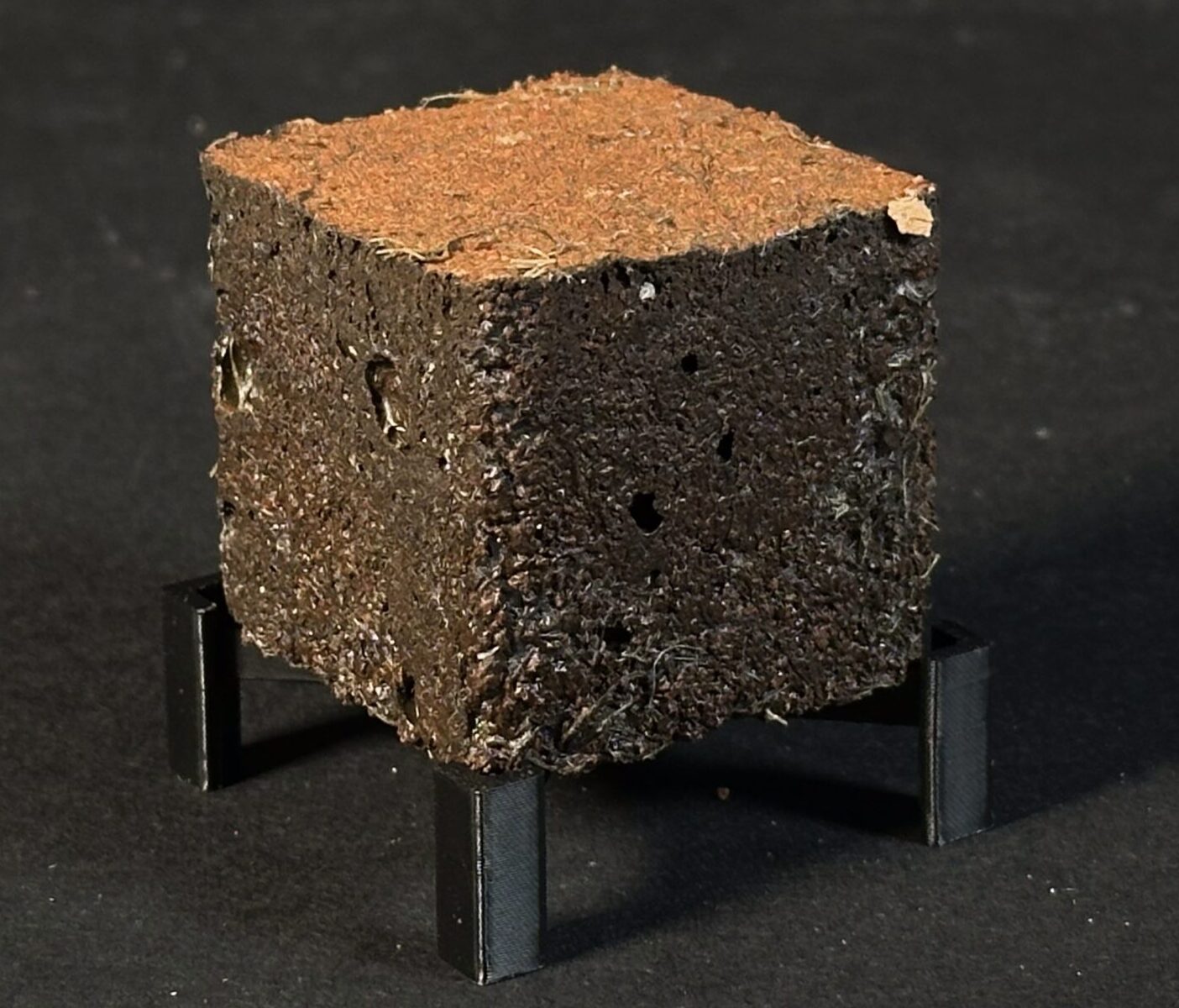
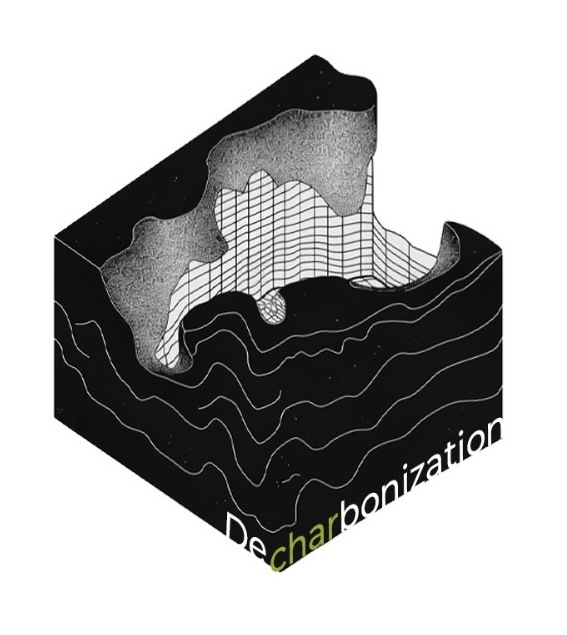
From exterior soil remediation to interior acoustics enhancement The goal of this project is to create a non-cementitious geopolymer, using as the main component biochar, an worldwide abundant material, and amplify its qualities to sequester carbon in order to make carbon sink architecture. Through the process of material engineering and testing, it was possible to … Read more
A FISHERMAN’S TALE 渔夫的故事
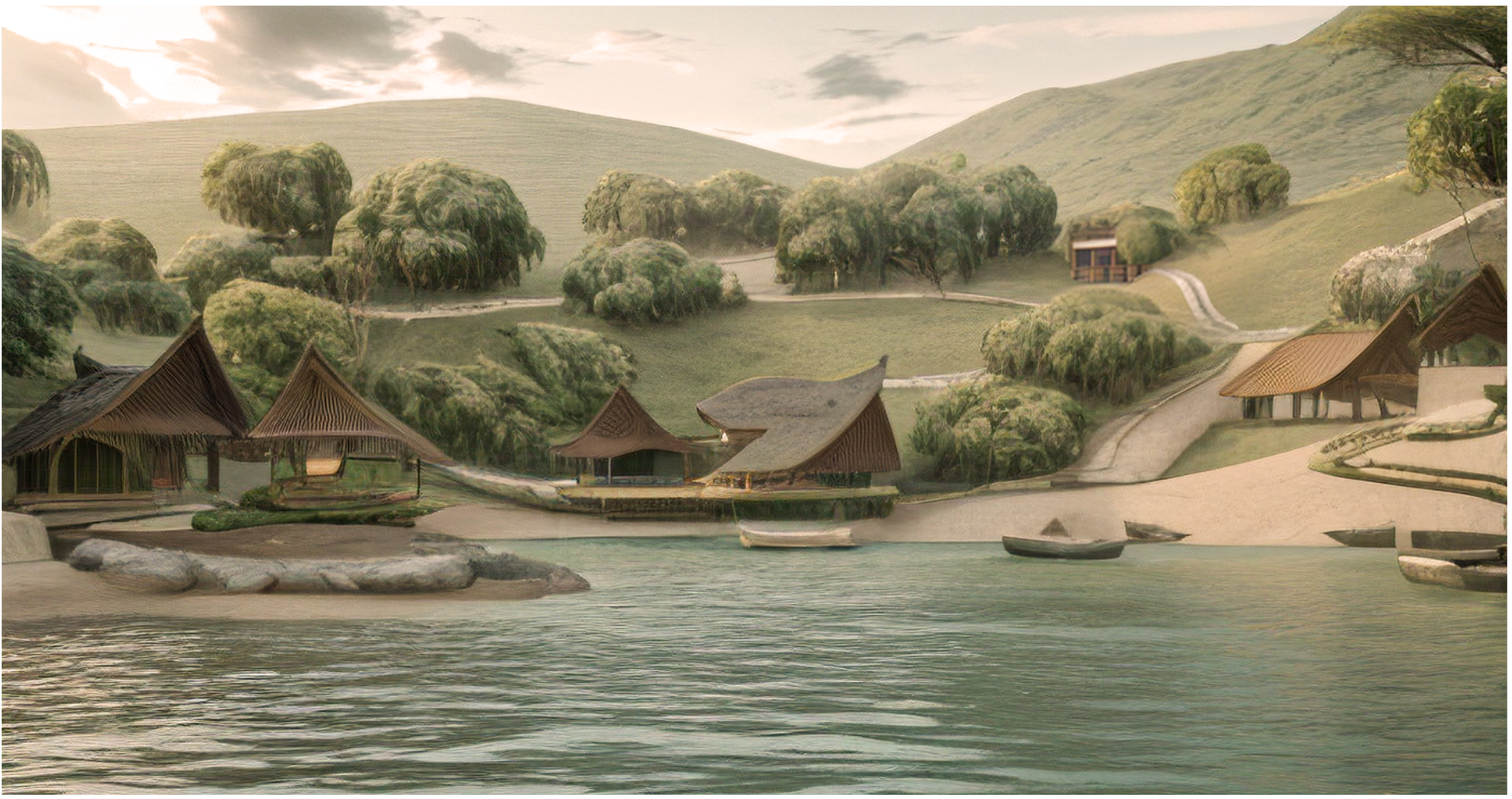
Harmonising Coastal Futures, Restoring Balance in China’s Maritime , A Speculation of Communal Synergy in the context of Houtouwan THE PROBLEM // RESOURCE EXPLOITATION | OVER FISHING China’s over fishing crisis looms large, statistics revealing a stark reality of declining marine resources. With the majority of the worlds fishing resources coming from China, the country has … Read more
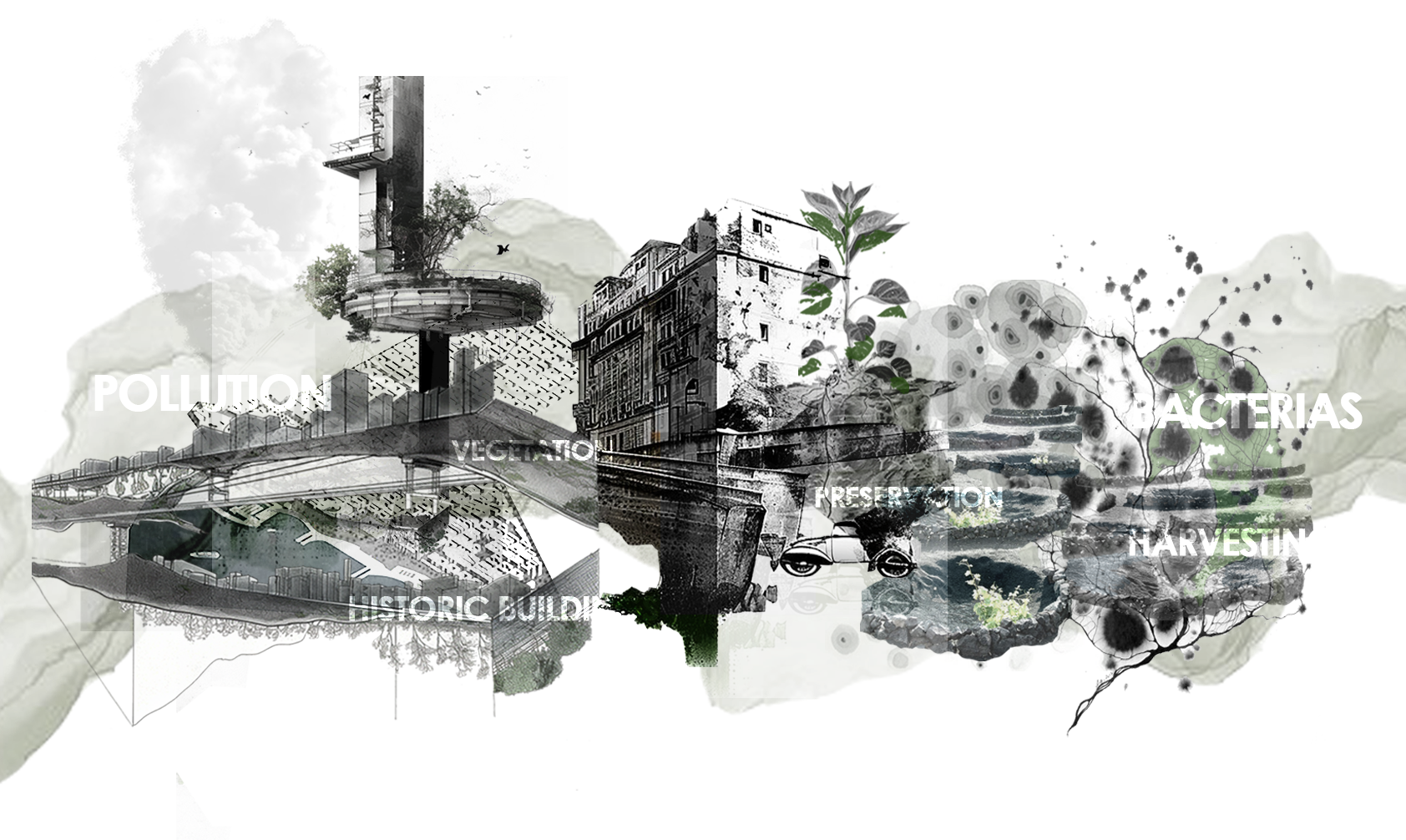
Microbial Influence on Building Decay
Our project investigates how bacteria living in historical buildings contribute to decay. We aim to enhance resilience of architectural elements and harness microbial interactions to create sustainable and self-repairing building materials.
CORK.CATENATION
Non planar 3D printing cork based biomaterial CORK.CATENATION employs the novel methodology of non-planar 3d printing using Cork as the bio-material. The final outcome is a connection of interconnected lattice structures- broken down into modules that can be assembled to form a building skin that can morph according to the surface topology and solar radiation results.
BIOMATTER
LIFE IN A BIOTOPIAN WORLD BIOMATTER IS … GROWTH TYPE: NEWTONIAN GEOMETRY: SPHERES FORCE: GROWTH SIMULATION LIFE IN BIOMATTER WATER BODIES SHELTER FOR ANIMALS NOURISHMENT
FROM WASTE TO TAP
REIMAGINING WATER TREATMENT INFRASTRUCTURE THROUGH BIO-BASED SOLUTIONS PROJECT OVERVIEW WATER STRESS Due to the climate change, inefficient irrigation systems for agriculture, population growth and inefficient water infrastructure, the water stress in the world is increasing. But we question ourselves if water is really a scarce resource or is it just the issue of how the … Read more