Within the current global context of rapid change, integrated with the potentials of digital technologies, IAAC’s Master in Advanced Architecture (MAA) is committed to the generation of new ideas and applications for Urban Design, Self Sufficiency, Digital Manufacturing Techniques and Advanced Interaction.

In this context IAAC works with a multidisciplinary approach, facing the challenges posed by our environment and the future development of cities, architecture and buildings, through a virtuous combination of technology, biology, computational design, digital and robotic fabrication, pushing innovation beyond the boundaries of a more traditional architectural approach.

Filters
Course

STEP ON IT!

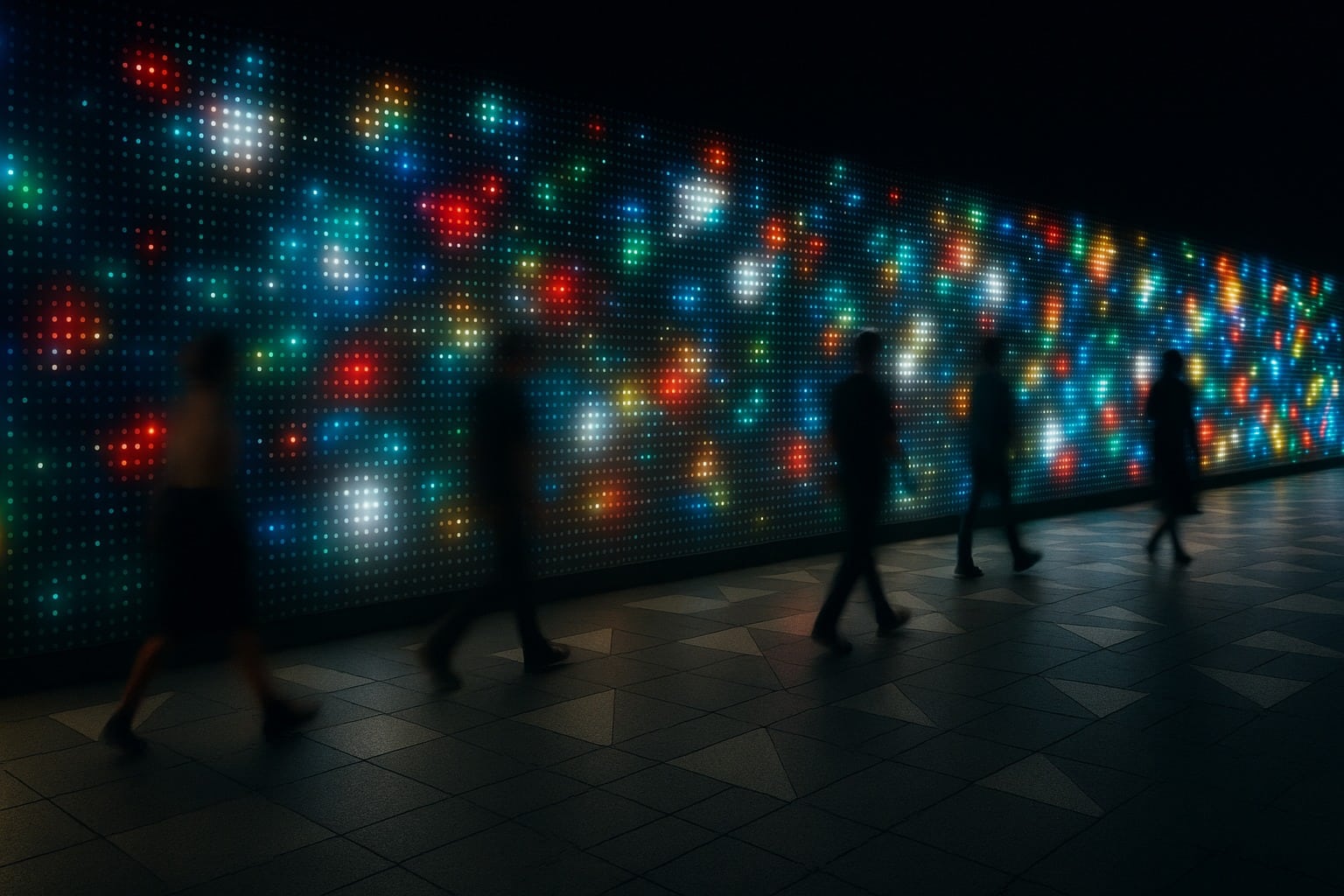
A prototype for an interactive floor system that transforms human movement into light. The prototype consists of buttons representing movable floor tiles equipped with sensors that detect when someone steps on them.Each activated tile triggers an individual light source, creating a unique and dynamic composition that changes with every step.As people move across the surface, … Read more

COUNTER

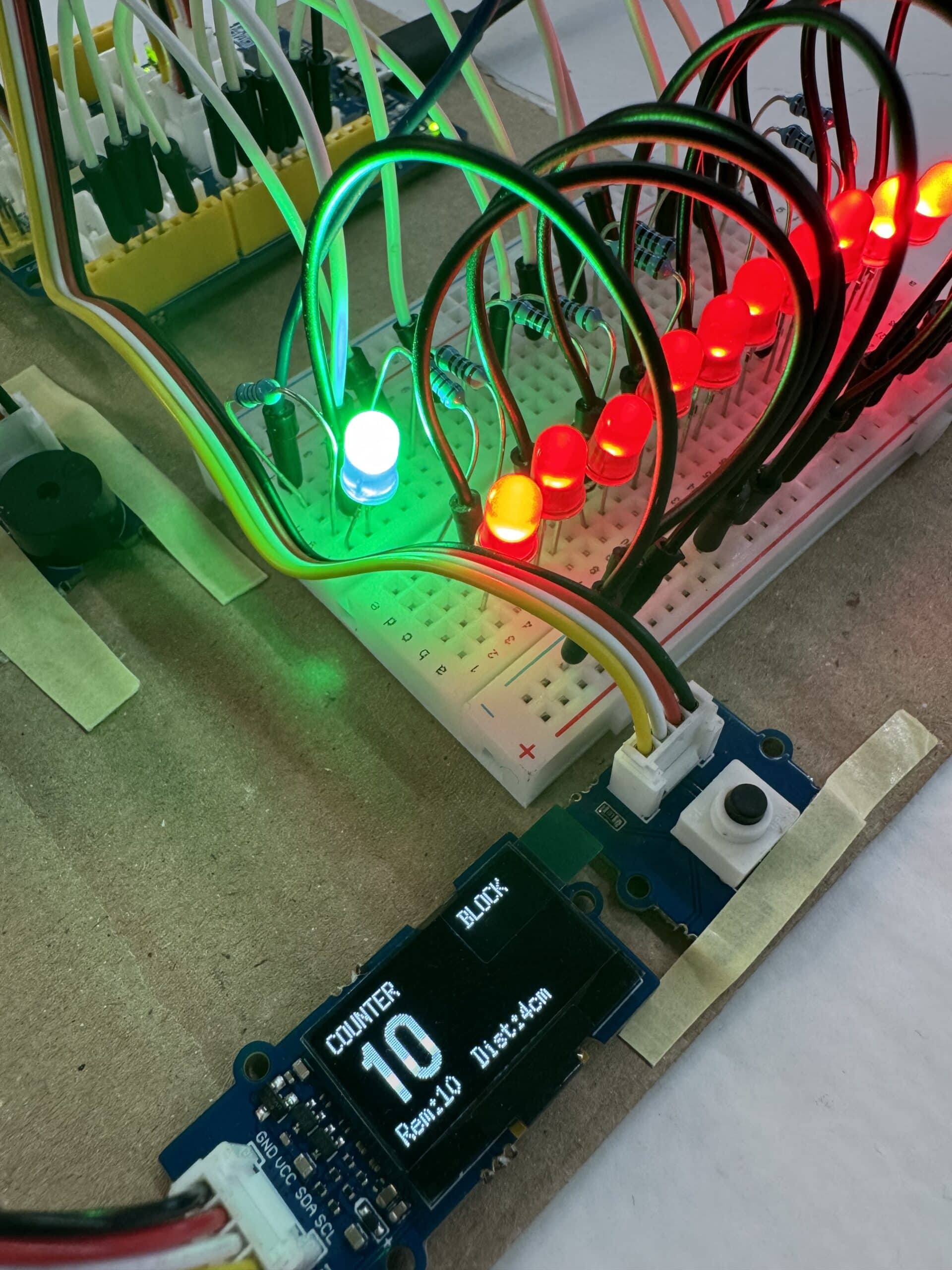
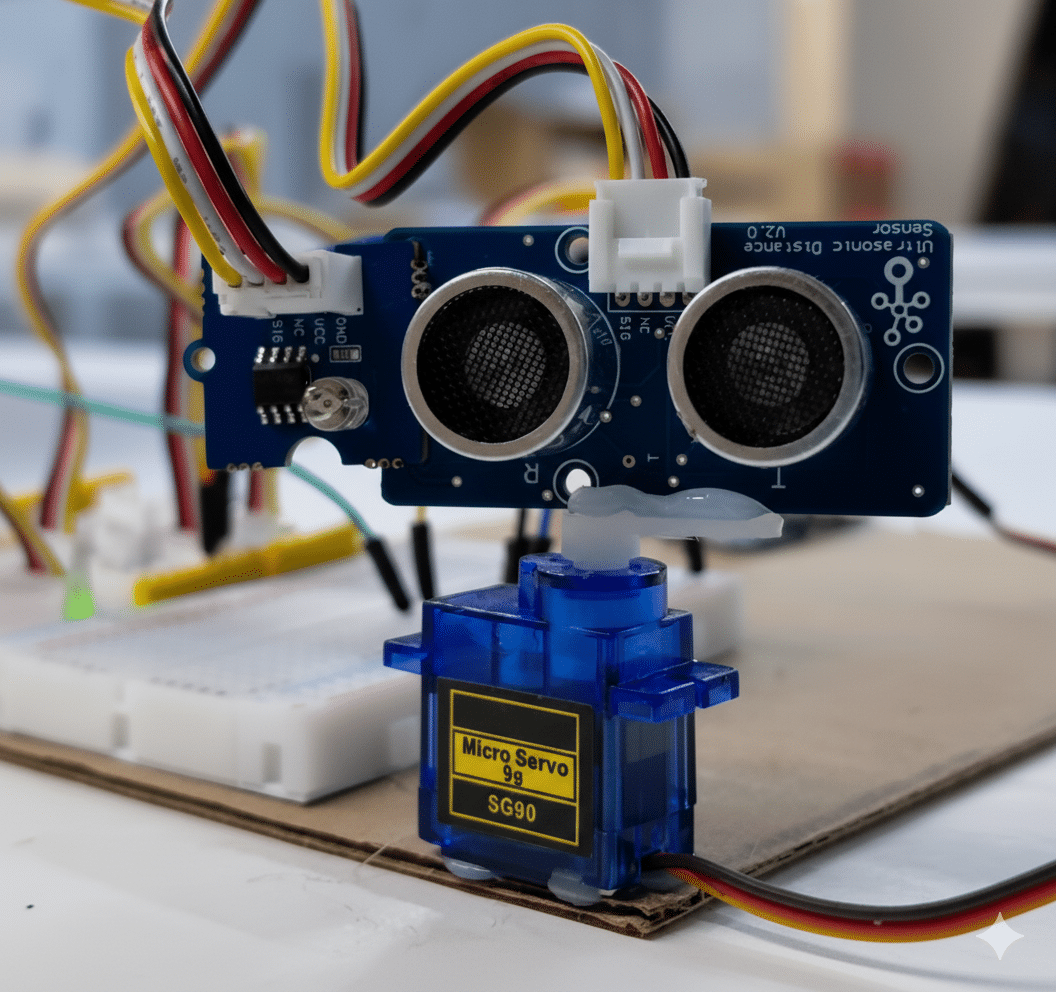
Introduction to Programming and Physical Computing Seminar Leonard A. Rieck   CONTEXT Ultrasonic Counter System – Explanation This system uses an ultrasonic sensor to detect when an object passes in front of it.Every time something comes closer than x cm, the Arduino counts one pass and lights up fewer red LEDs, showing how many passes … Read more

Rainwater Harvester The project proposes a regenerative infrastructure for runoff water collection, treatment, and reuse within the built environment. Conceived as a responsive system embedded in architecture, it seeks to transform excess rainwater often perceived as waste into an active resource within a closed ecological loop. During episodes of heavy rainfall, the system captures surface … Read more

Autonomous Plant

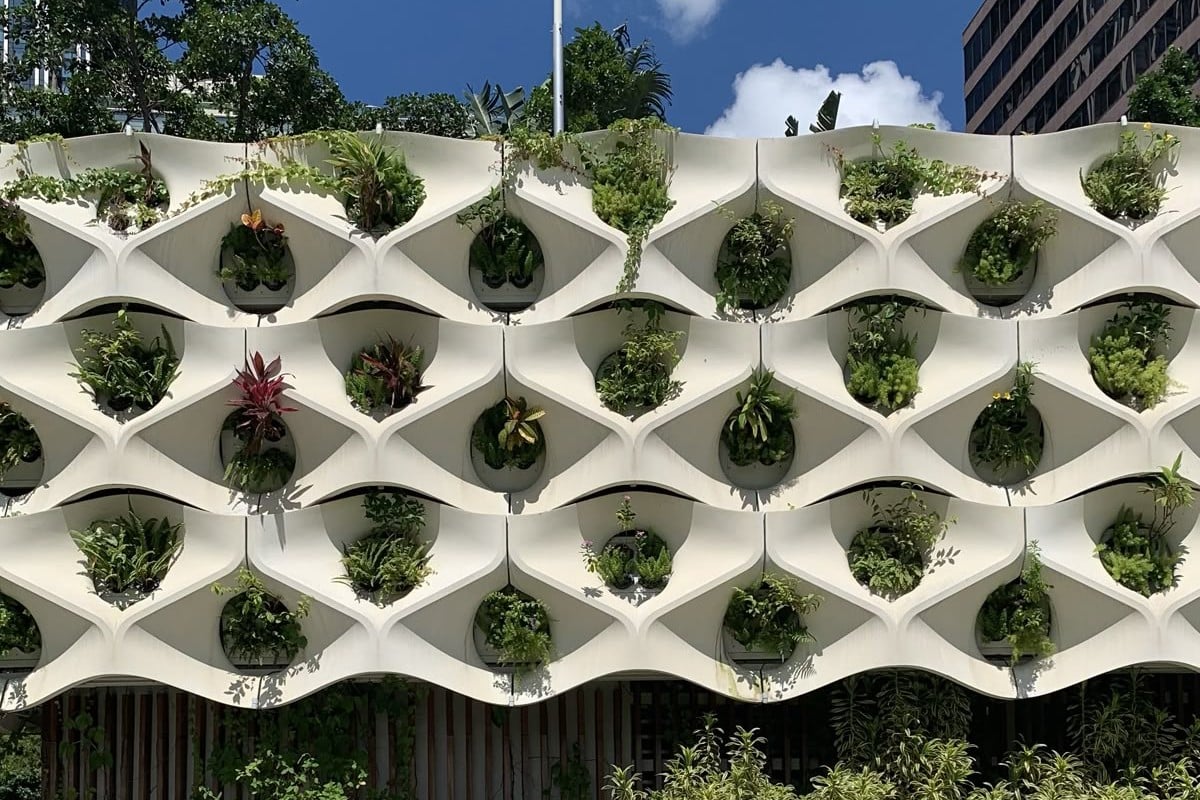
Autonomous Plant is a project that explores how non-human beings can actively respond to the built environment. The central idea is that human and plant needs do not necessarily conflict; instead, they can be aligned to create mutual benefit. While humans inside buildings often prefer shade, plants seek sunlight. A dynamic façade system can satisfy … Read more

BioFacade-Valve

Introduction to Programming and Physical Computing Faculty: Daniel MateosFaculty Assistants: Adai Suriñach, Antoine Jaunard Conceptual Narrative Water is our most stressed urban resource, yet we spill it daily through irrigation. Sprinklers run on timers, not need; water evaporates on hot surfaces, overspray sidewalks, and runs off compacted soil. Without feedback from the ground, we irrigate … Read more

SolarShift

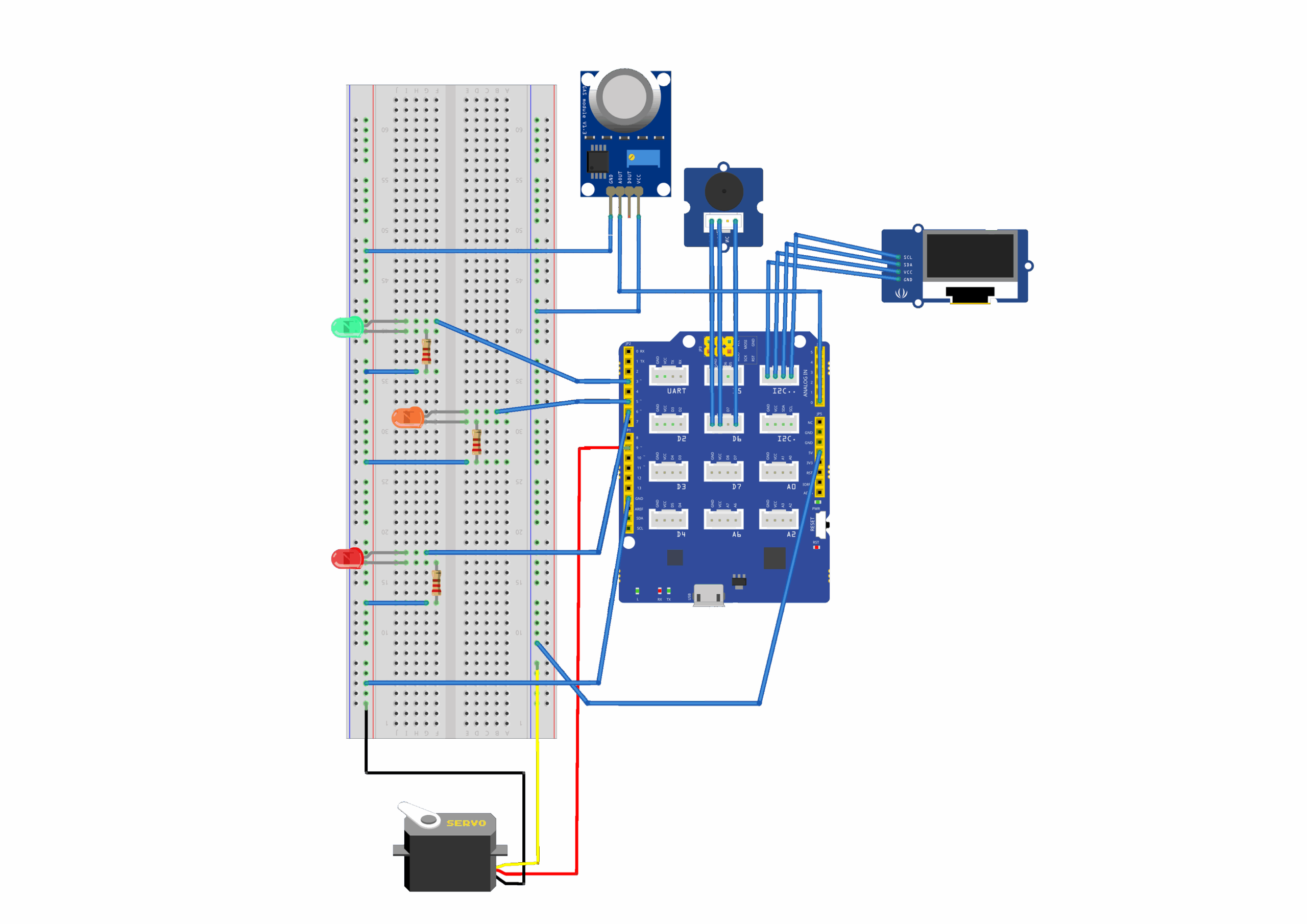
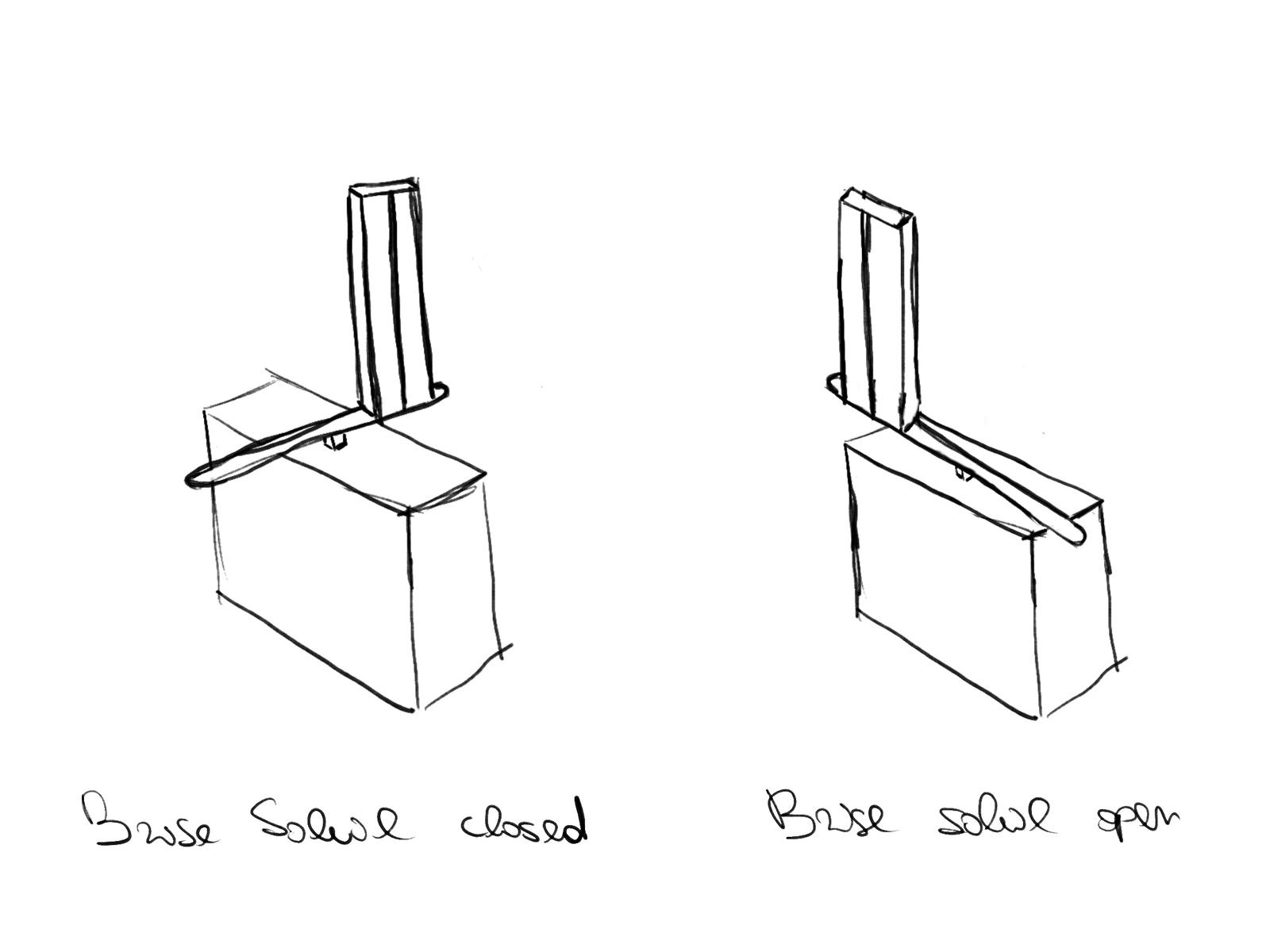
Concept What if our façades could react to sunlight? This project explores how architecture can respond to changing light conditions through simple automation. Using Arduino, it translates light intensity into movement, mimicking the adaptive behavior of a brise-soleil, and highlighting how design can respond to environmental change. REFERENCES – BRISE SOLEIL Schematics The Arduino code … Read more

Sustainability in Modular Design

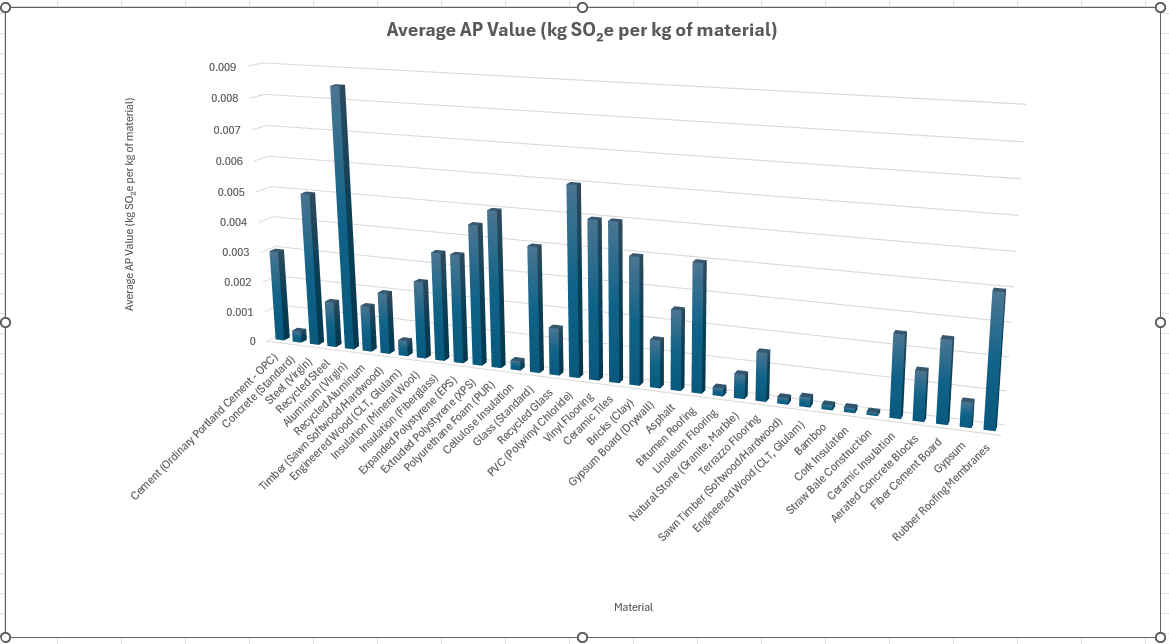
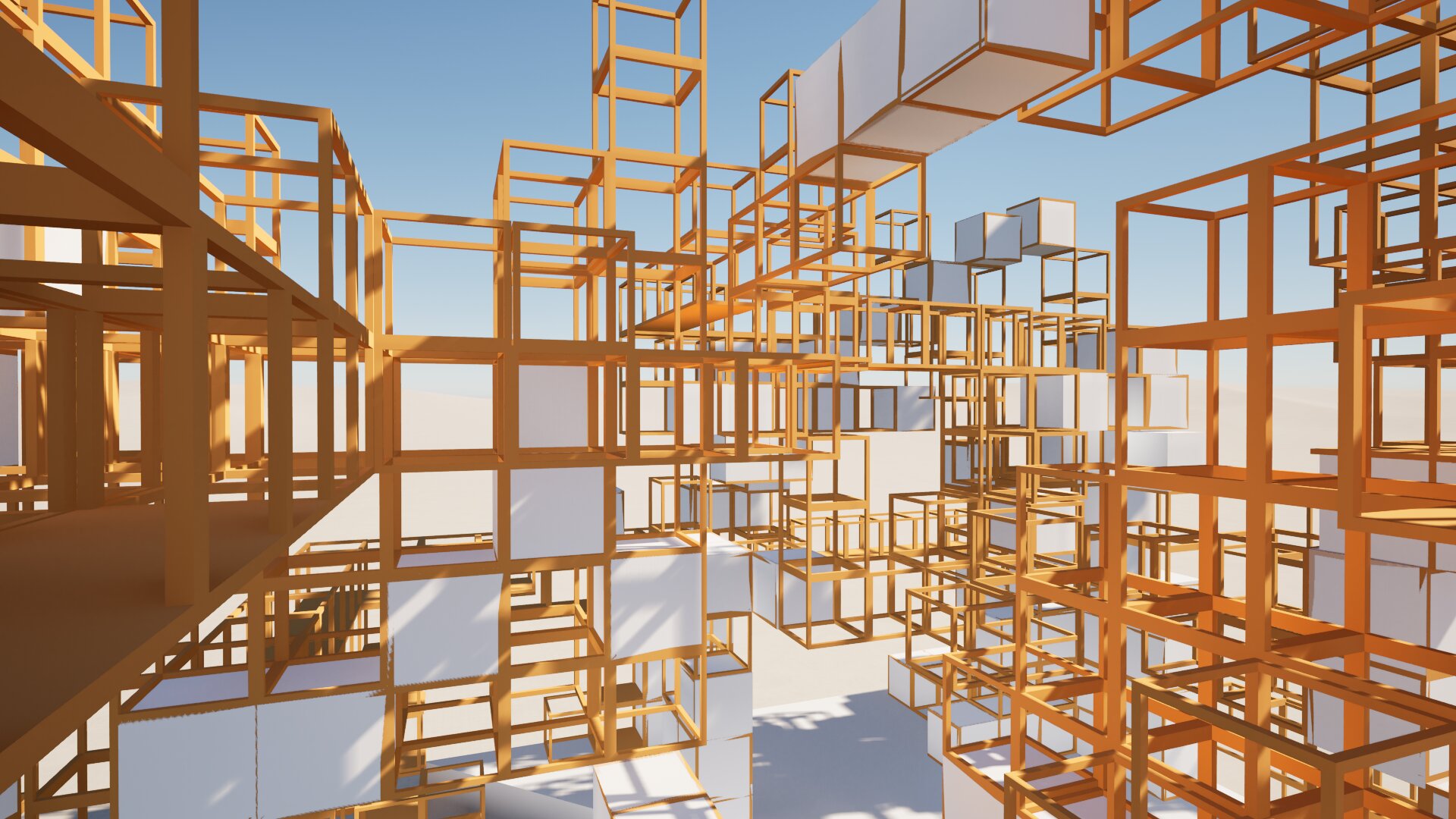
Insights from LCA, Materials, Energy, Circuitry, and Transport Modular design is increasingly becoming a cornerstone of sustainable construction, offering innovative ways to balance environmental responsibility with functional efficiency. Our recent exploration through five interconnected sessions—ranging from Life-Cycle Assessment (LCA) to energy use, advanced manufacturing, and transport—has provided profound insights into how we can optimize modular … Read more

BACK TO ZERO

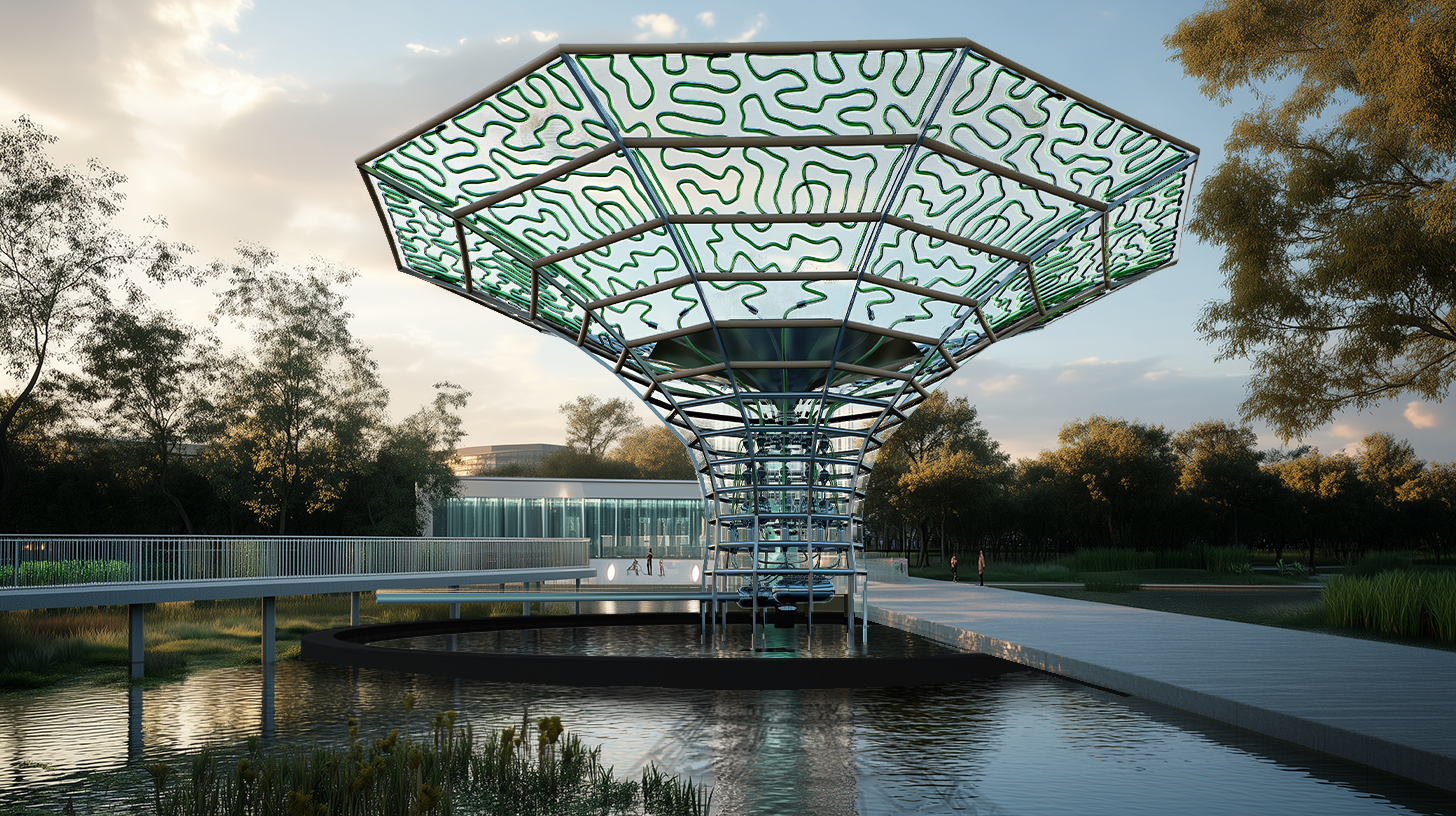
NARRATIVE Back to Zero is a regenerative concept that targets oil refineries and other aging infrastructures that pollute our world. The narrative is inspired from the “skin in the game” concept, and calculates lifetime co2 emissions for high emitting “hosts”, which then becomes a target for that same “host” to sequester through the carbon sequestration … Read more

SEED

Reviving Resources for a Living Future Introduction ‘Seed’ envisions an innovative approach by transforming educational spaces into hubs for urban farming, food education, and community resilience. By merging learning, living, and farming, we aim to create a self-sustaining ecosystem where students and the community collaborate to tackle food scarcity while minimizing resource use. Site Location … Read more

BIOGENESIS

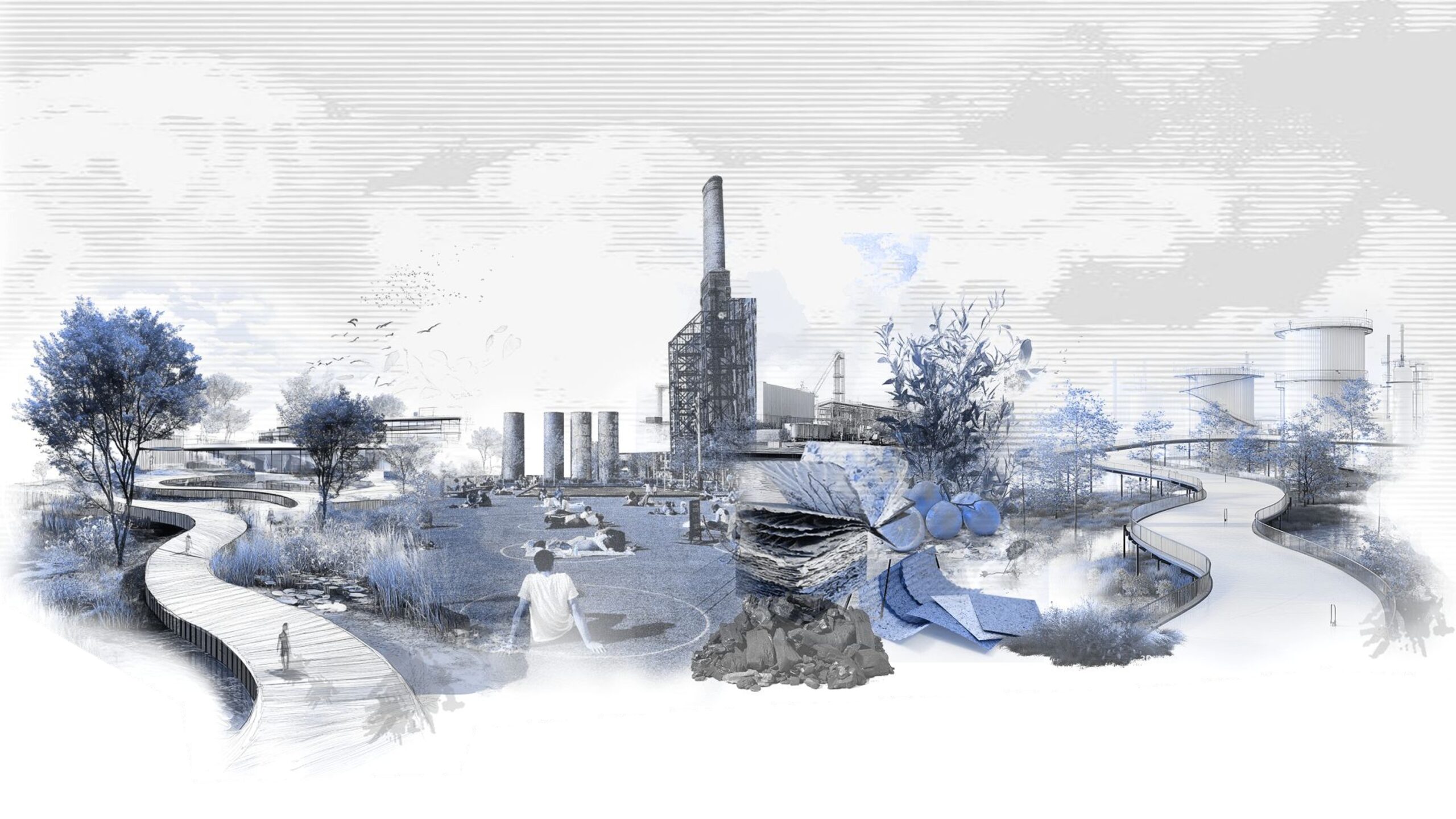
TRANSFORMING WASTE INTO SUSTAINABLE MATERIAL RESOURCES The goal is to convert various types of waste into sustainable resources, establishing a circular economy that enhances environmental benefits by repurposing waste, promoting renewable energy, and encouraging innovation in bioproducts. This site, like many others around the world, holds the memories of a different time. What happens when … Read more

Aqua Horta

Aqua Horta aims to establish a sustainable aquaponic farm in Vallcarca, focusing on producing fresh, chemical-free, local produce while creating an engaging therapy garden for patients of the neighbouring hospital complex. This controlled ecosystem combines aquaculture and hydroponics to create a closed-loop system that minimizes water wastage and incorporates rainwater harvesting to enhance resilience against … Read more

EntoNest

This project seeks to transform La Fira, an industrial zone in Barcelonès, into a sustainable insect farming hub. By embedding insect farming within the existing infrastructure, it will leverage local resources to efficiently produce high-protein insect products. Traditional agriculture faces growing pressures including water scarcity and limited space, especially in urban areas like Barcelona. Insect farming … Read more

CORVERD

MANIFESTO CorVerd – Meaning “Green Heart” in Catalan, this name reflects both the agricultural focus and a commitment to sustaining the city’s green spaces and historical beauty.This project is a vibrant intervention near Montjuïc, blending sustainable hydroponic farming with green corridors to foster community and enhance biodiversity. The Hydroponic Treehouse concept reimagines urban farming as … Read more

Roots & Routes

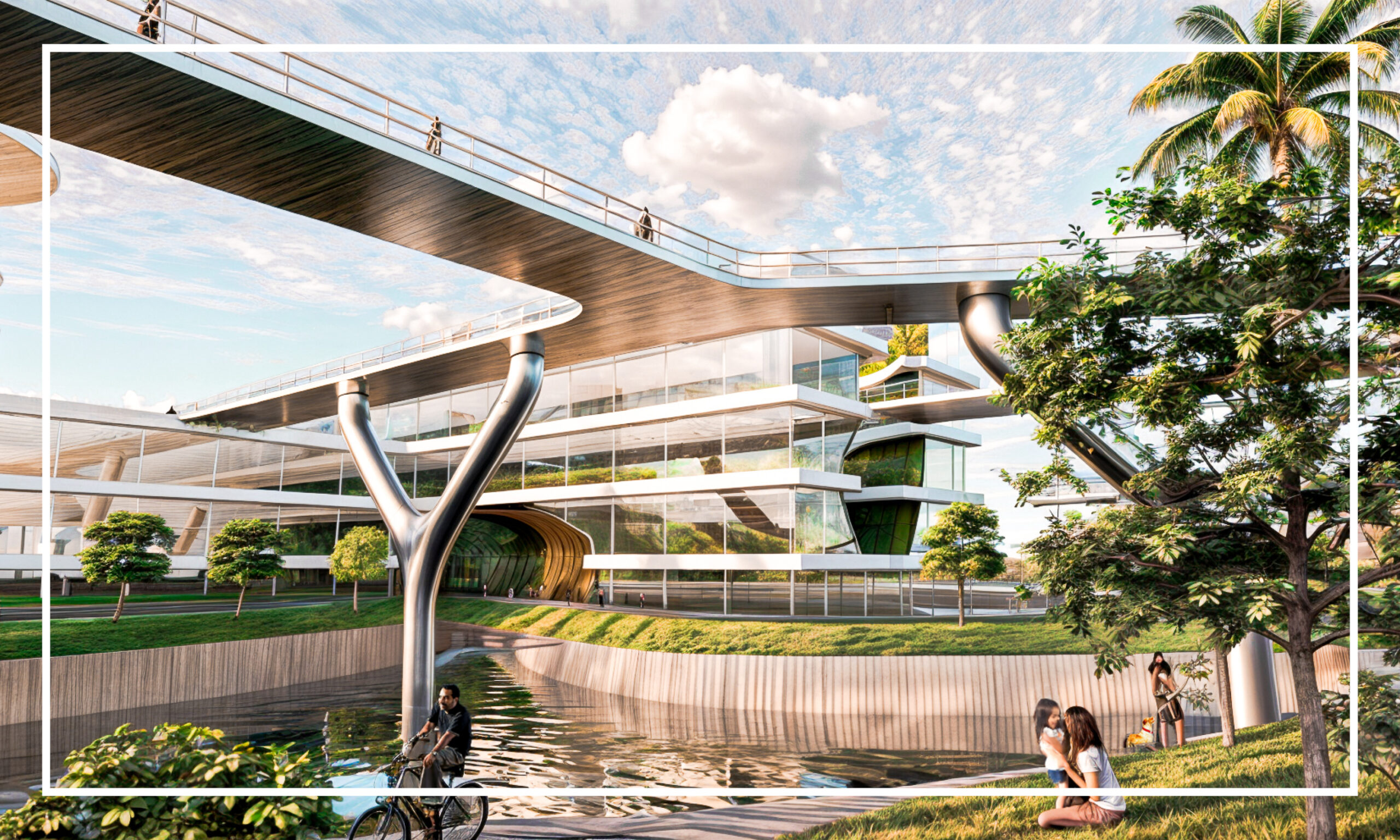
BIODIVERSE PUBLIC SPACECollaborative Design with Humans and Non-humans The Besòs River in northeastern Spain flows through Catalonia from the Montseny mountains to the Mediterranean Sea near Barcelona, covering about 17 kilometers. Once heavily polluted by industrial waste and urban runoff, it has undergone significant environmental restoration, improving its water quality and accessibility for wildlife and … Read more