The MAA is a visionary master program with an innovative and open structure, mixing diverse disciplines, shaping professionals capable of producing theoretical & practical solutions towards responsive cities, architecture & technology.


Filters
Course

BARA

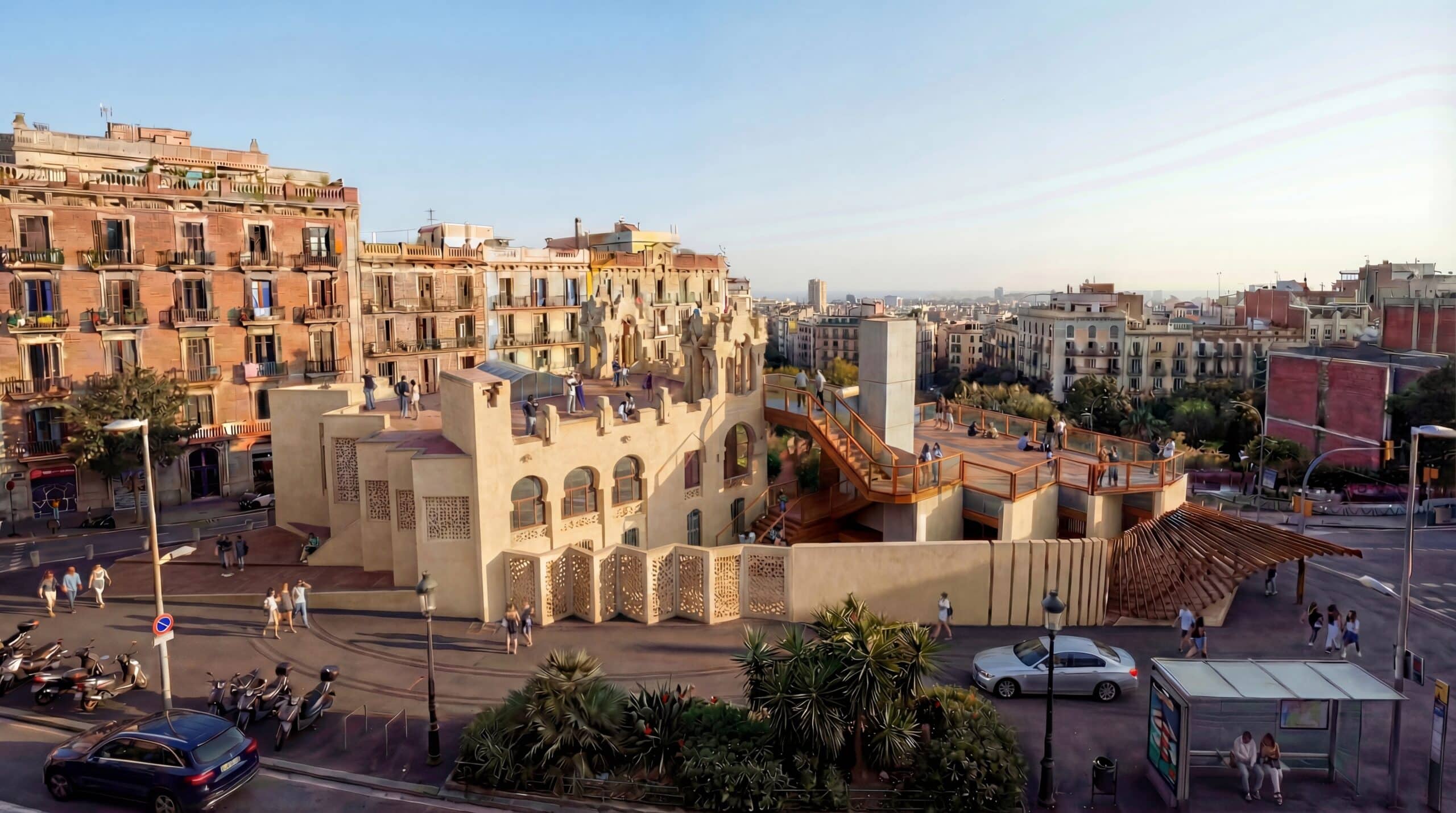
Carbon Envelopes Toward Carbon-Sequestering Architectural Systems through Biochar-Concrete and Hybrid Fabrication The construction industry is one of the biggest contributors to climate change.We’re facing a paradox: The materials we use and how the construction industry works today are destroying our chance of having a future. Besides the emissions, there are other problems that we need to … Read more

Portfolio Enhancer

Our portfolios are dynamic records that show not only our completed projects but also the changing methods styles and visual languages we use as designers and architects. However as visualization trends change—from stylized schematics to photorealistic renderings—our older images may begin to seem out of place. With the Portfolio Enhancer a proof-of-concept interface that uses … Read more

AQUA.NEST

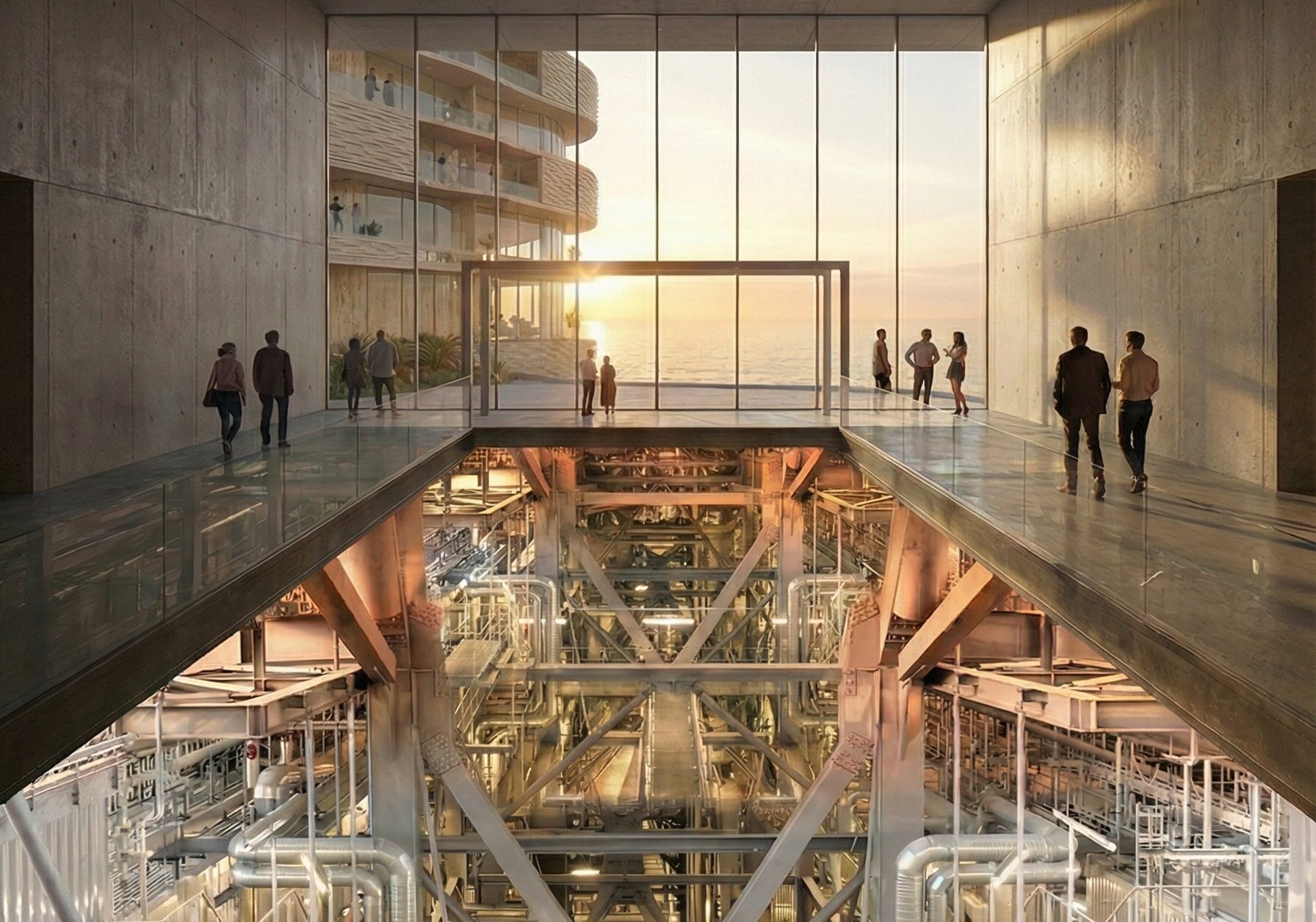
AQUA.NEST: An AI-Powered Decision Support Toolbox for Adaptive Urban Design Using Nature-Based Solutions in Flood-Exposed Coastal Cities Coastal urban flooding is emerging as one of the most urgent climate challenges of our time. Without strong adaptation, annual flood damages could reach €930 billion globally by 2050, even with improved infrastructure (OECD, 2020). Rising sea levels and … Read more

The Echoes We Buried

Construction fractured an ecosystem, and listening began to heal it The Echoes We Buried is a speculative eco-fiction set in a fractured Barcelona, where construction noise disrupts not just human life but the deep, vibrating language of ecosystems. As species falter and signals blur, one person begins to listen—to the pressure, the silence, the unraveling. … Read more

Carbon Envelopes

a BIOCHAR BASED concrete WITH A negative carbon footprint BARA is an opportunity to build negative carbon constructionsystems by rethinking concrete and methods used in the buildingindustry. Using on-site 3D printing and casting, entire buildings can beconstructed with reduced cement while storing and capturing carbon. The focus is on optimizing and improvingstructural performance, enhancing carbon … Read more

EMI: Engine for Morphological Integration Vol II

A Methodological Approach to Urban Morphology and Hybrid Energy Systems in the Global South Project Statement: “Even as we advance in Energy Innovation, our cities continueto grapple with deep inequalities. In this research, I proposerethinking Urban Morphology—not merely as the physicalform of our settlements, but as a strategic lever for equitableenergy solutions. The conceptual Energy-Morphology … Read more

SecondMatter

SecondMatter challenges architecture’s extractive processes and wasteful material cycles by upcycling Construction Demolition Renovation Waste (CDRW) into structural and non-structural applications. It blends ramming, which compacts granular materials into high-strength forms, with jamming-inspired interlocking of irregular aggregates. Large concrete waste pieces form a reinforced core, wrapped in a rammed mix of fine brick and concrete … Read more

Living Frames: Architecting Intelligence for Multispecies Design

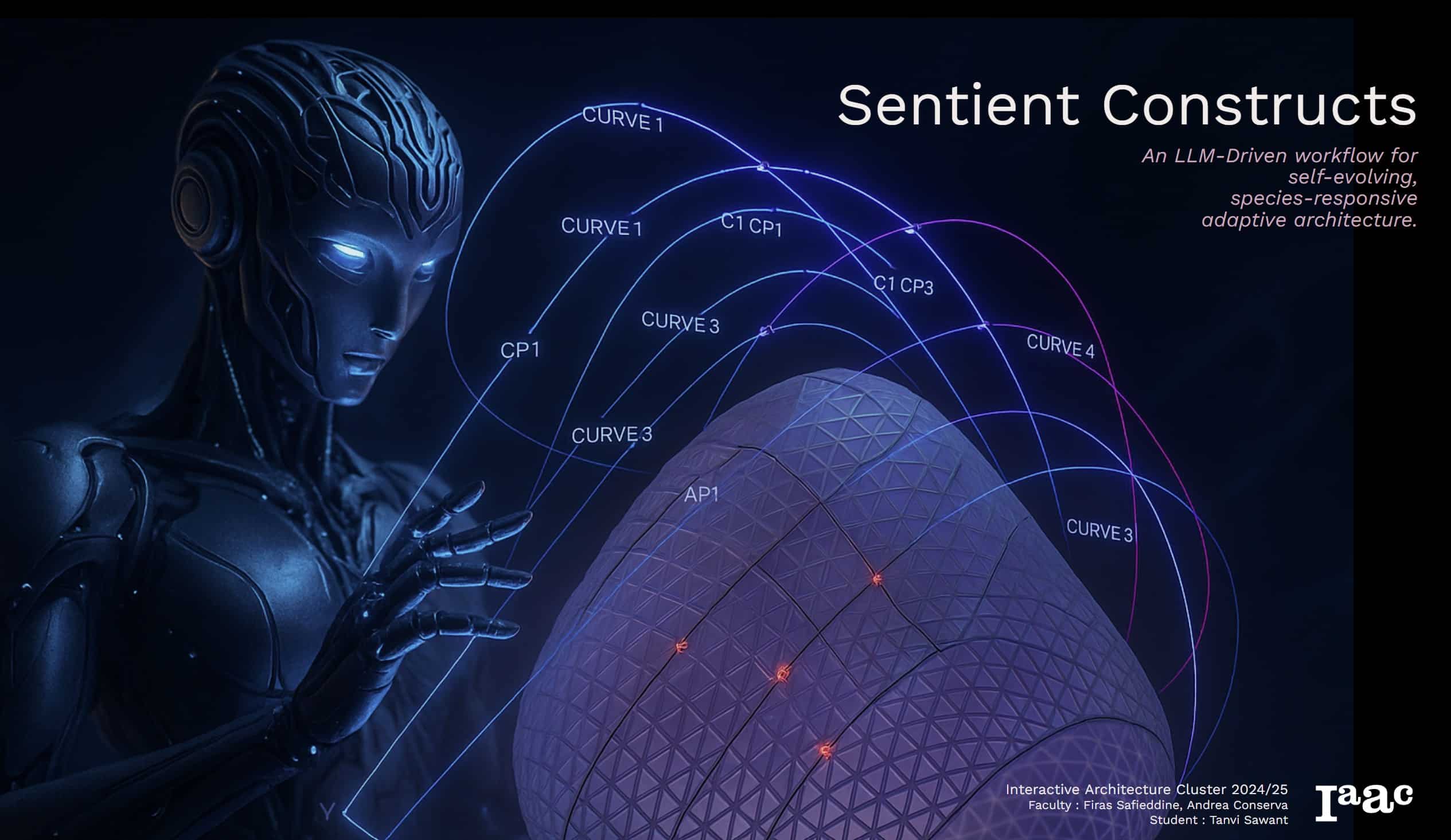
Contemporary architecture often prioritizes humans at the expense of ecological balance, distancing us from nature and other species. This thesis envisions a future where buildings evolve into living, adaptive frameworks that foster interspecies mutualism. By integrating third-order cybernetics, machine learning, and AI, architecture can become a mindful mediator, enhancing relationships between humans and other species. … Read more

InFormed.

Manual floorplan generation for high-rise residential buildings is labor-intensive and often overlooks key environmental parameters, limiting the ability to quickly assess performance-based design alternatives.

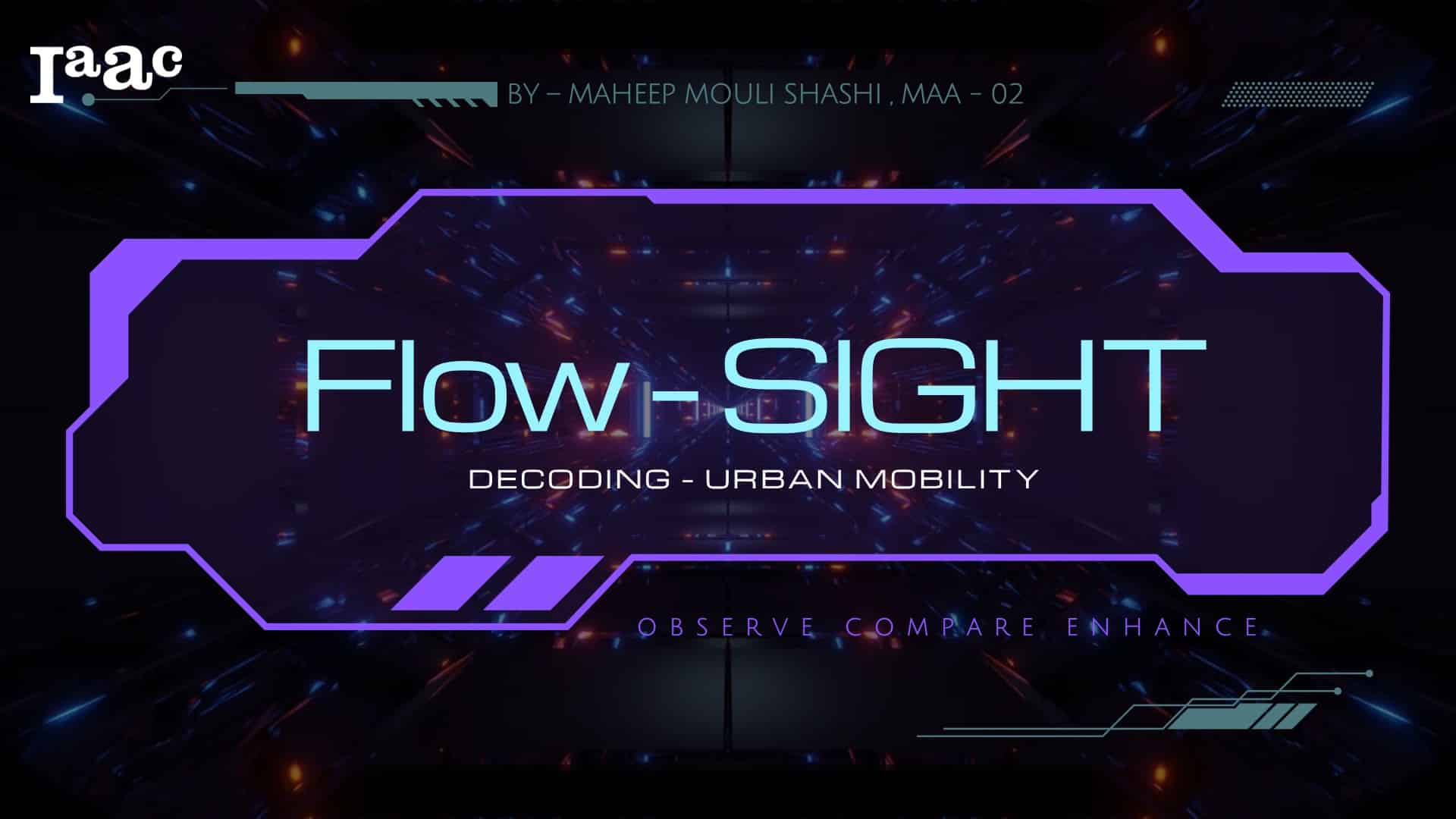
DECODING URBAN MOBILITY

ABSTRACT; Decoding Urban Mobility: This project evaluates the impact of AI-driven traffic management versus conventional fixed-timing methods on urban congestion. It analyzes real-time and historical data—including traffic patterns, weather, demographics, and incident reports—from cities like London, Barcelona, and Los Angeles and compares machine learning models (e.g., LSTM, GRU, XGBoost) with traditional techniques. The study identifies … Read more

EcoNodes

Introduction Urban areas are increasingly becoming impermeable, exacerbating environmental challenges such as elevated temperatures, flooding, and pollution. EcoNodes is designed to empower policymakers with a sophisticated tool for dynamically assessing and adapting urban environments towards increased sustainability by pinpointing and prioritizing areas for green interventions. Impervious Surfaces and Urban Heat Islands Cities today face the … Read more

FLOOD RESILIENCE TOOLBOX

Flood Resilience Toolbox: AI-Powered Solutions for a Sustainable Future Flooding is the most frequent and costly natural disaster worldwide, with annual damages exceeding €38 billion. By 2050, this figure could rise to $64 billion, impacting millions of lives. Coastal cities, particularly in Southeast Asia, are at high risk due to rapid urbanization, sinking land, and … Read more