The MAA is a visionary master program with an innovative and open structure, mixing diverse disciplines, shaping professionals capable of producing theoretical & practical solutions towards responsive cities, architecture & technology.


Filters
Course

Auto Irrigation Plant System

CONCEPT In the modern urban life, people constantly move between work, travel, and rest — often ignoring the plants that bring vitality and warmth to their homes. When we are away, these plants silently endure the risks of dryness and decay. This Auto-Irrigation Plant System offers a gentle solution to that small but meaningful concern. … Read more

LumiMaze

The goal of this project is to design a smart light maze that reacts to the movement or presence of people. In this system, the paths and walls of the maze are made of colorful LED strips (such as NeoPixel), which light up dynamically and interactively as participants move through the maze. When a person … Read more

AutoAdapt

All seats in public areas are typically uniform in height; however, individuals differ in stature. When a seat is elevated, a child may find it challenging to access, whereas a low seat could cause discomfort for a taller individual. The optimal proportion is that the chair’s seat height should be approximately 25% of your total … Read more

The ClimaColour Code

Abstract Environmental conditions are more often than not invisible and something that is felt rather than visually perceivable. The ClimaCode provides our spatial surroundings with their own language that enables them to better communicate with us as humans.  By translating climatic conditions, such as temperature and humidity, into light, the device communicates its climatic ‘mood’ … Read more

Sound-responsive Alert System

by Francisco Pinel  on October 26, 2025 The Quiet-o-Meter is an interactive sound awareness prototype designed to promote mindful noise behavior in shared environments. Inspired by the need for greater awareness of how our collective sound levels can affect others, this project transforms ambient noise into visual and auditory cues that encourage quieter, more considerate spaces. Built on … Read more

BreatheSmart

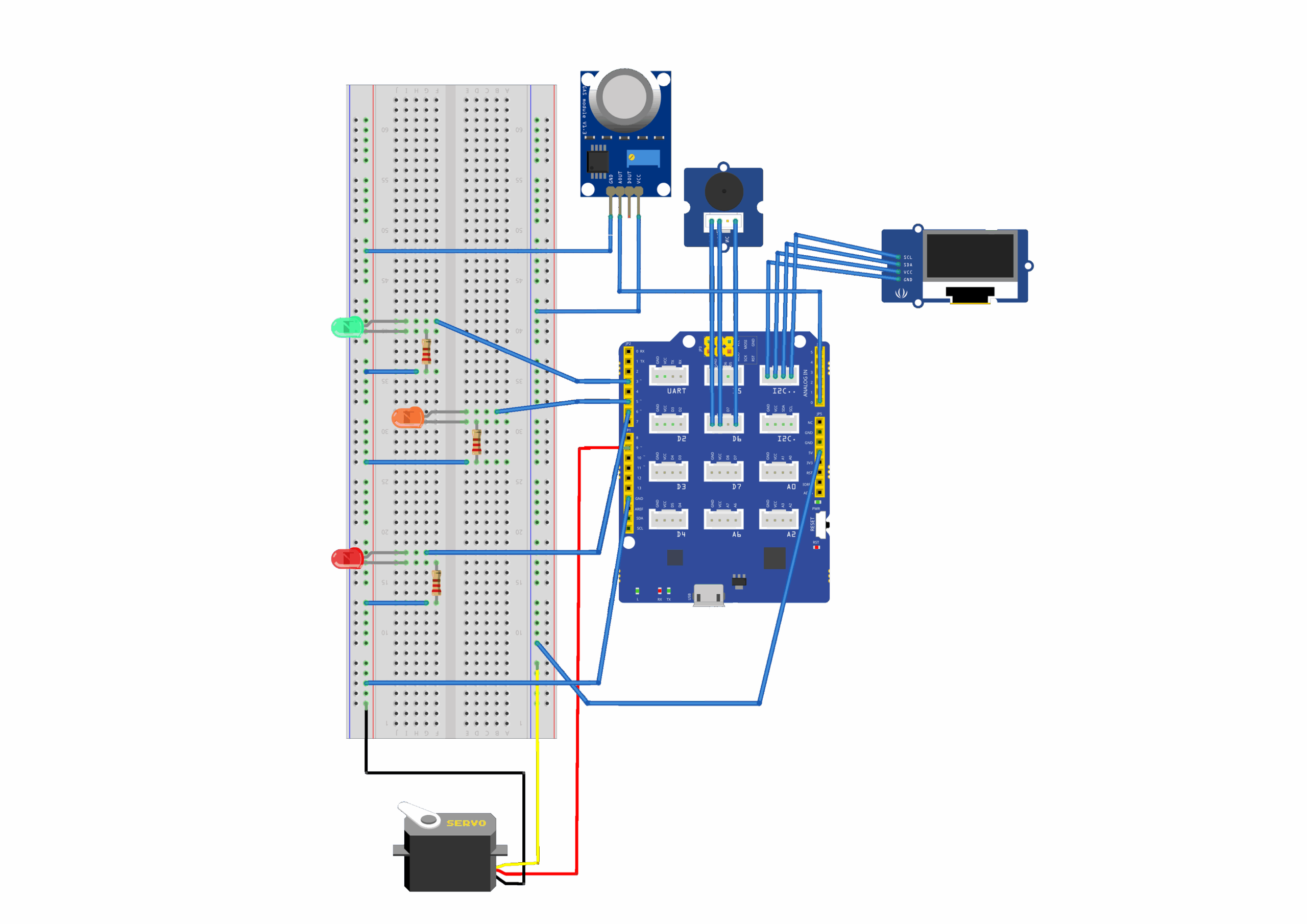
Introduction to Programming and Physical Computing Seminar This project focuses on developing a smart air quality monitoring system using a Seeed Lotus microcontroller, an MQ-135 air quality sensor, a 0.96” OLED display, a buzzer, a small motor or fan, and a panel with three LEDs to indicate air quality levels. The system continuously measures CO₂ … Read more

Rainwater Harvester The project proposes a regenerative infrastructure for runoff water collection, treatment, and reuse within the built environment. Conceived as a responsive system embedded in architecture, it seeks to transform excess rainwater often perceived as waste into an active resource within a closed ecological loop. During episodes of heavy rainfall, the system captures surface … Read more

Studio Silence.

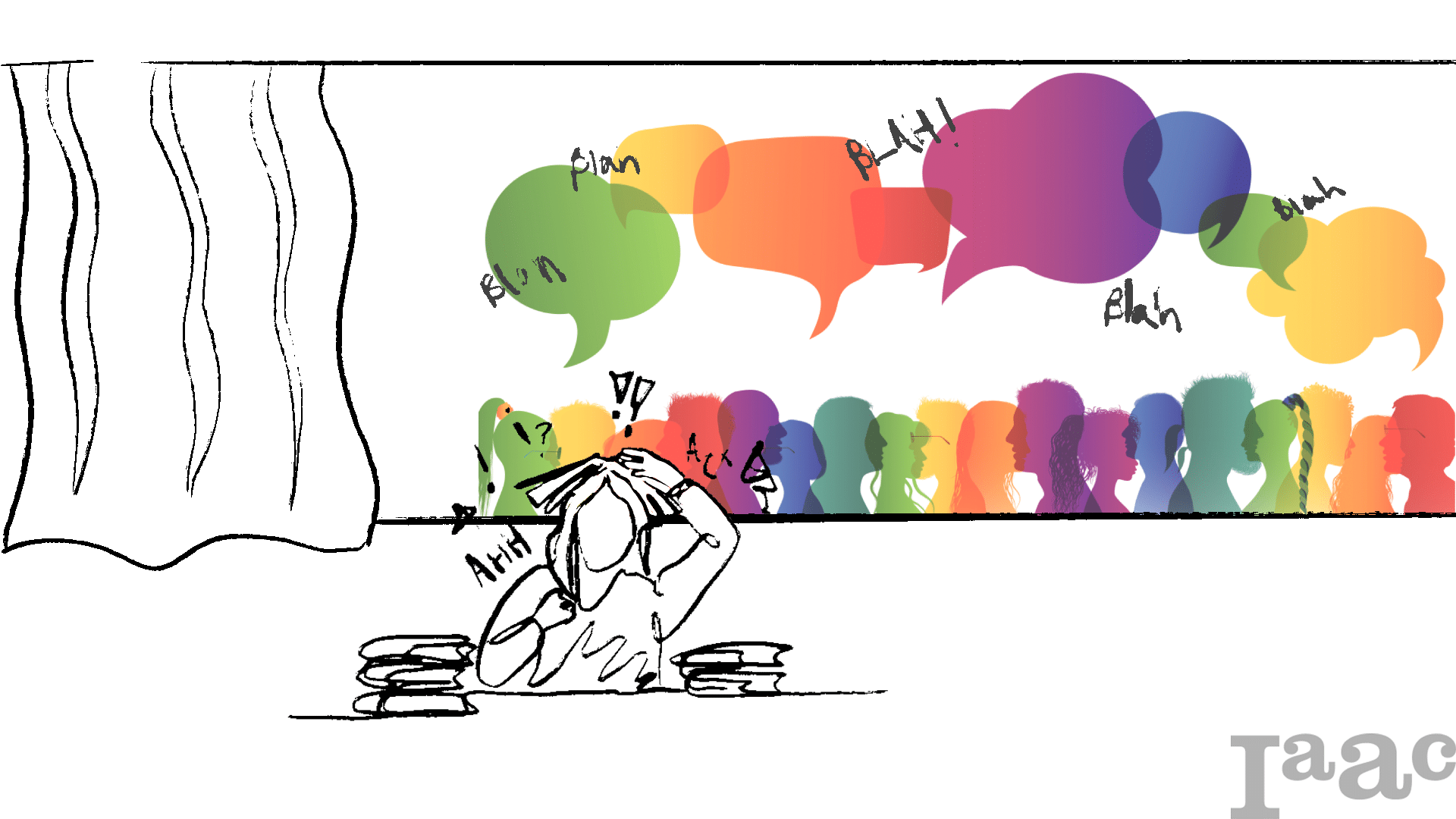
stressed student studying in noisy environment

In today’s collaborative work environments, open and shared workspaces have become the norm. Yet while they promote connection and creativity, they also introduce a significant challenge: noise. This project seeks to address the problem of excessive noise in shared workspaces while maintaining flexibility and openness.  The Concept – The project is inspired by the shared … Read more

SolarShift

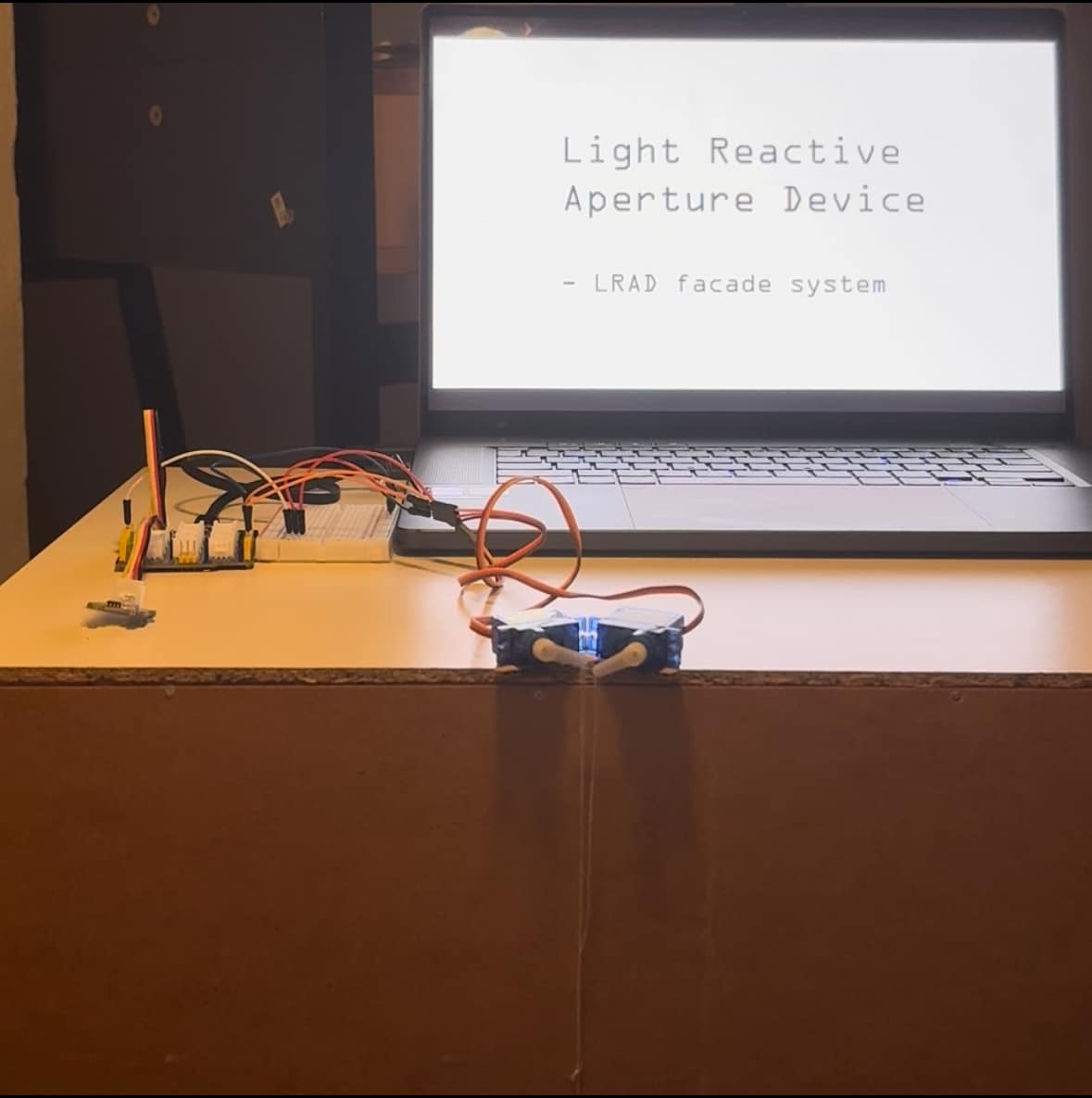
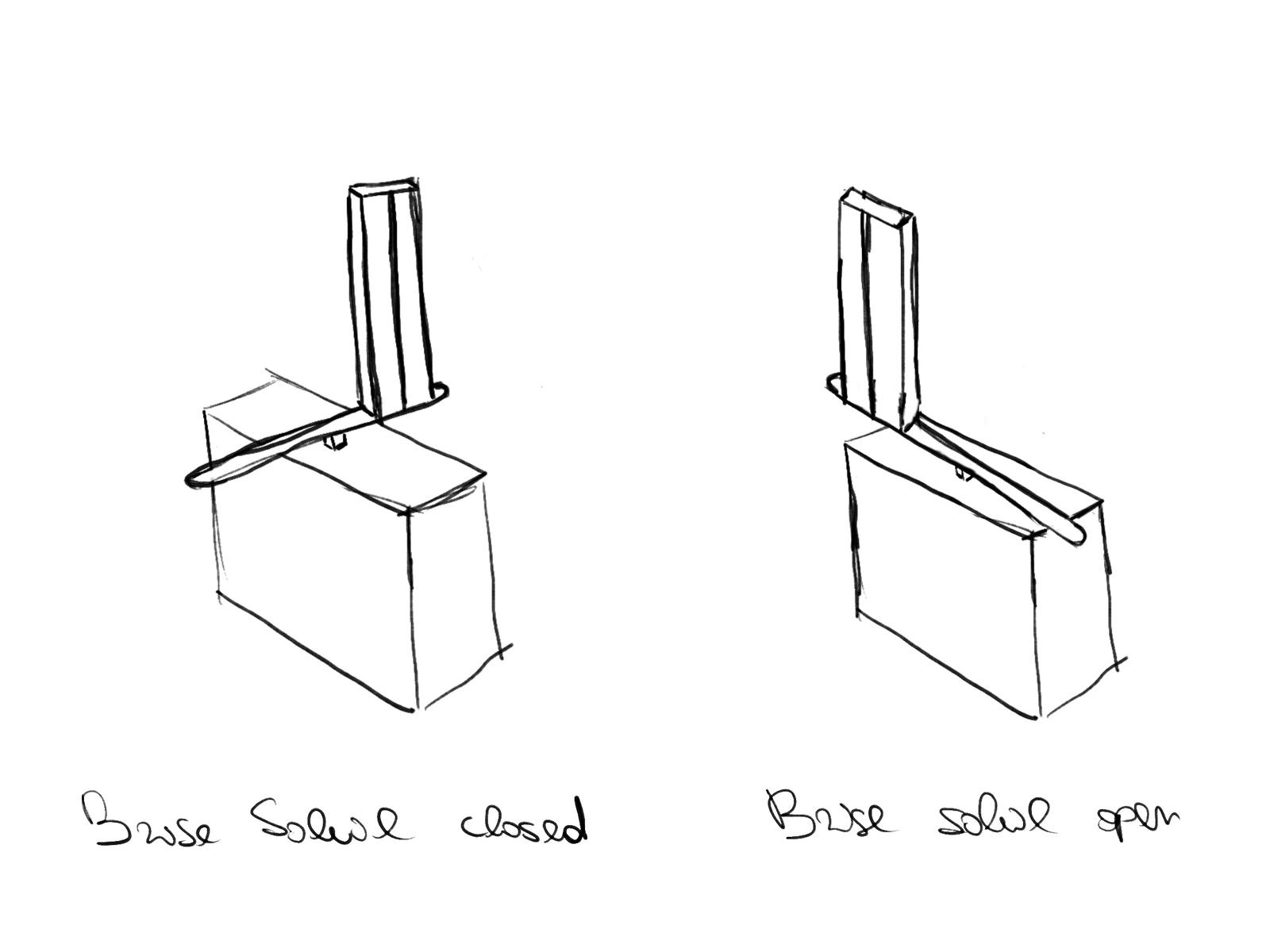
Concept What if our façades could react to sunlight? This project explores how architecture can respond to changing light conditions through simple automation. Using Arduino, it translates light intensity into movement, mimicking the adaptive behavior of a brise-soleil, and highlighting how design can respond to environmental change. REFERENCES – BRISE SOLEIL Schematics The Arduino code … Read more

INTERACTIVE LIGHTSCAPES

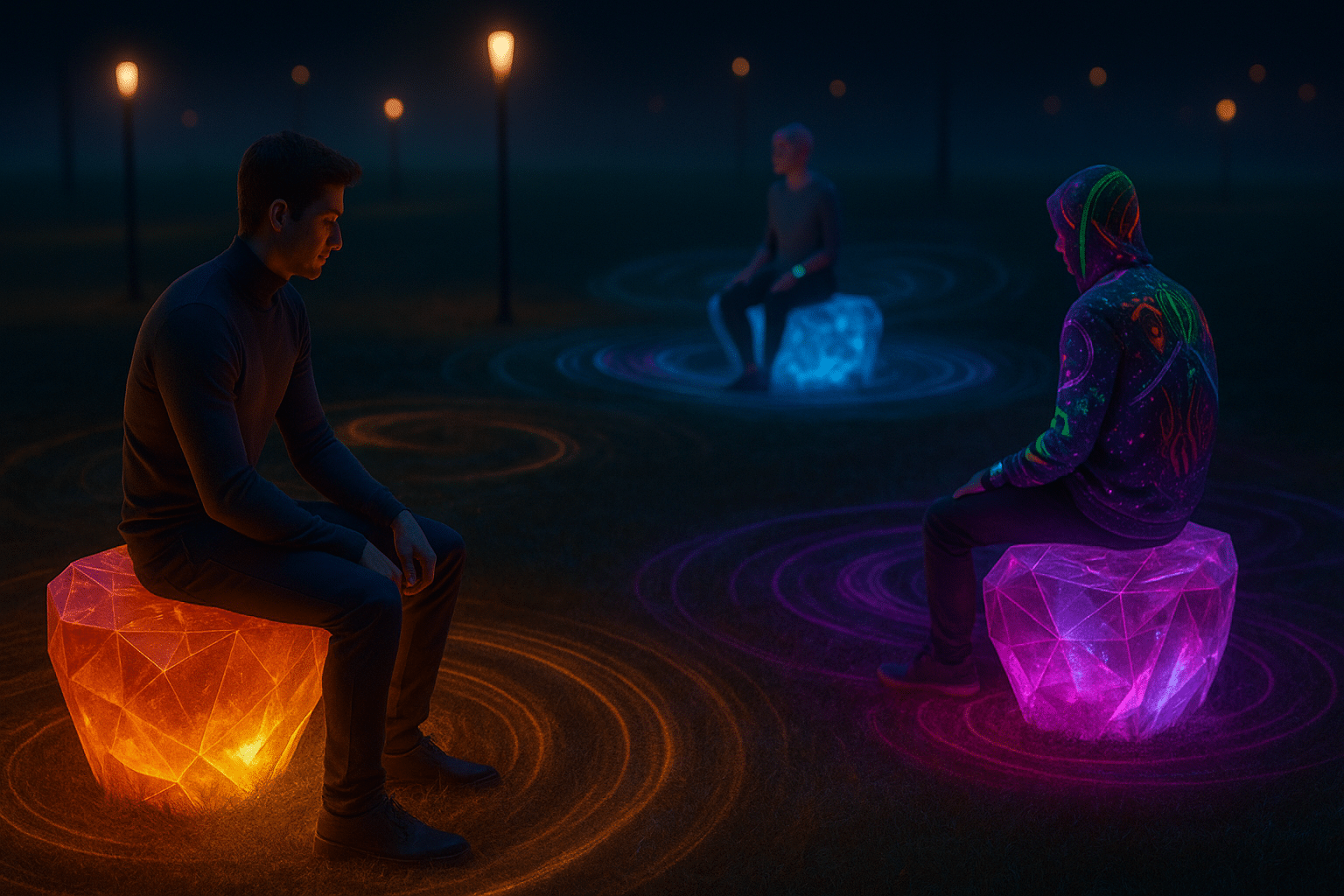
Creating Charismatic and Safer Public Spaces through Light RESEARCH QUESTION: How can experiential lighting features — ones that create interactive, changing, and flexible environments– be used in public spaces in order to create senses of community, safety, and improved mental and emotional health? HYPOTHESIS: If we integrate interactive lighting solutions as permanent fixtures in public … Read more

Bio-Receptive | Interfaces

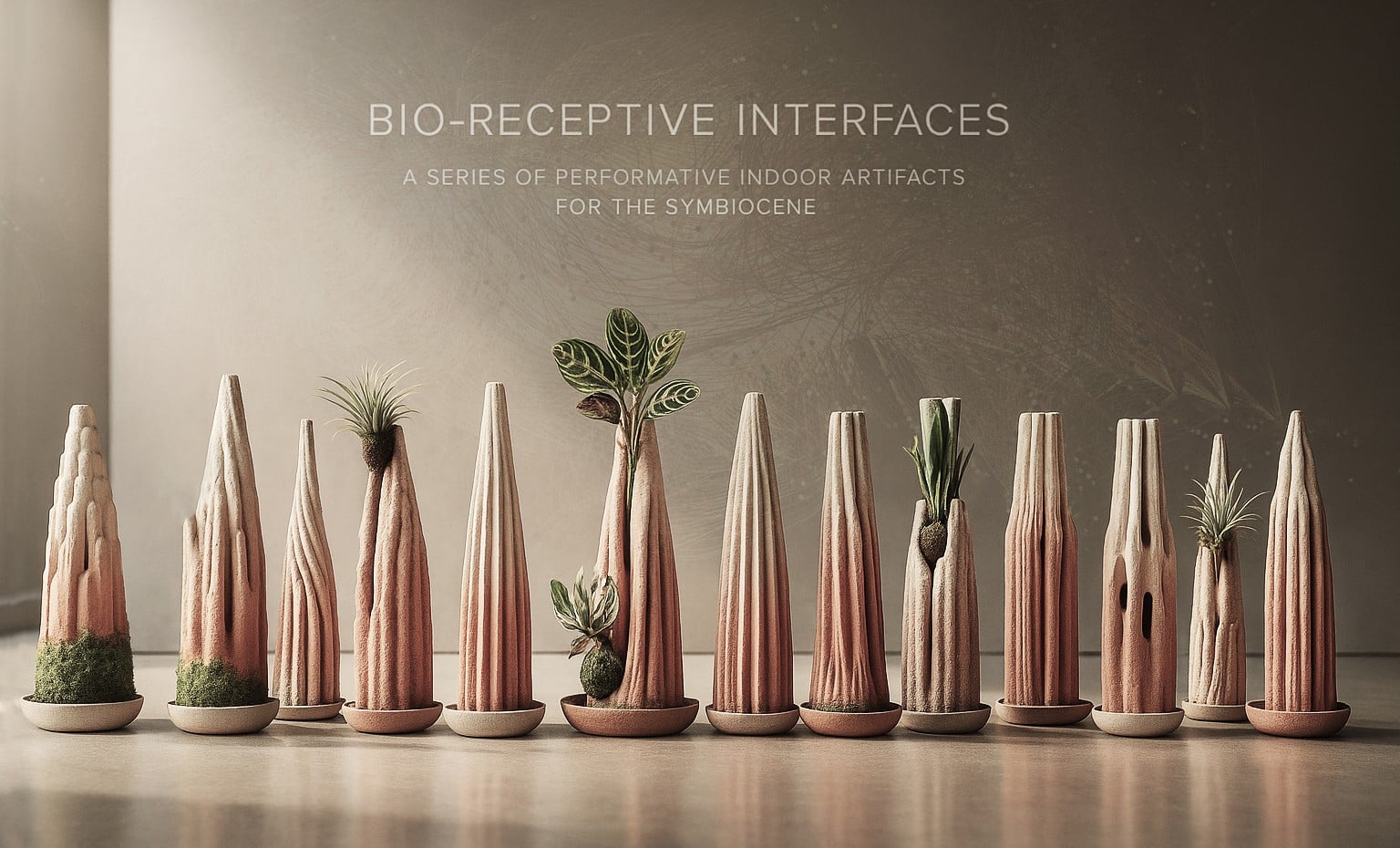
Bio-Receptive Interfaces is a performative multi-material clay-based system for indoor environments, integrating hydrogel vascularity to host an ecosystem of cryptogams and vascular plants. Fusing biological intelligence with embedded sensors and AI, it sustains a prolonged hydration cycle, purifies air, sequesters carbon, and reintroduces ecological presence into synthetic indoor worlds—transforming sealed spaces into living, responsive, multi-species … Read more

TÀN 58

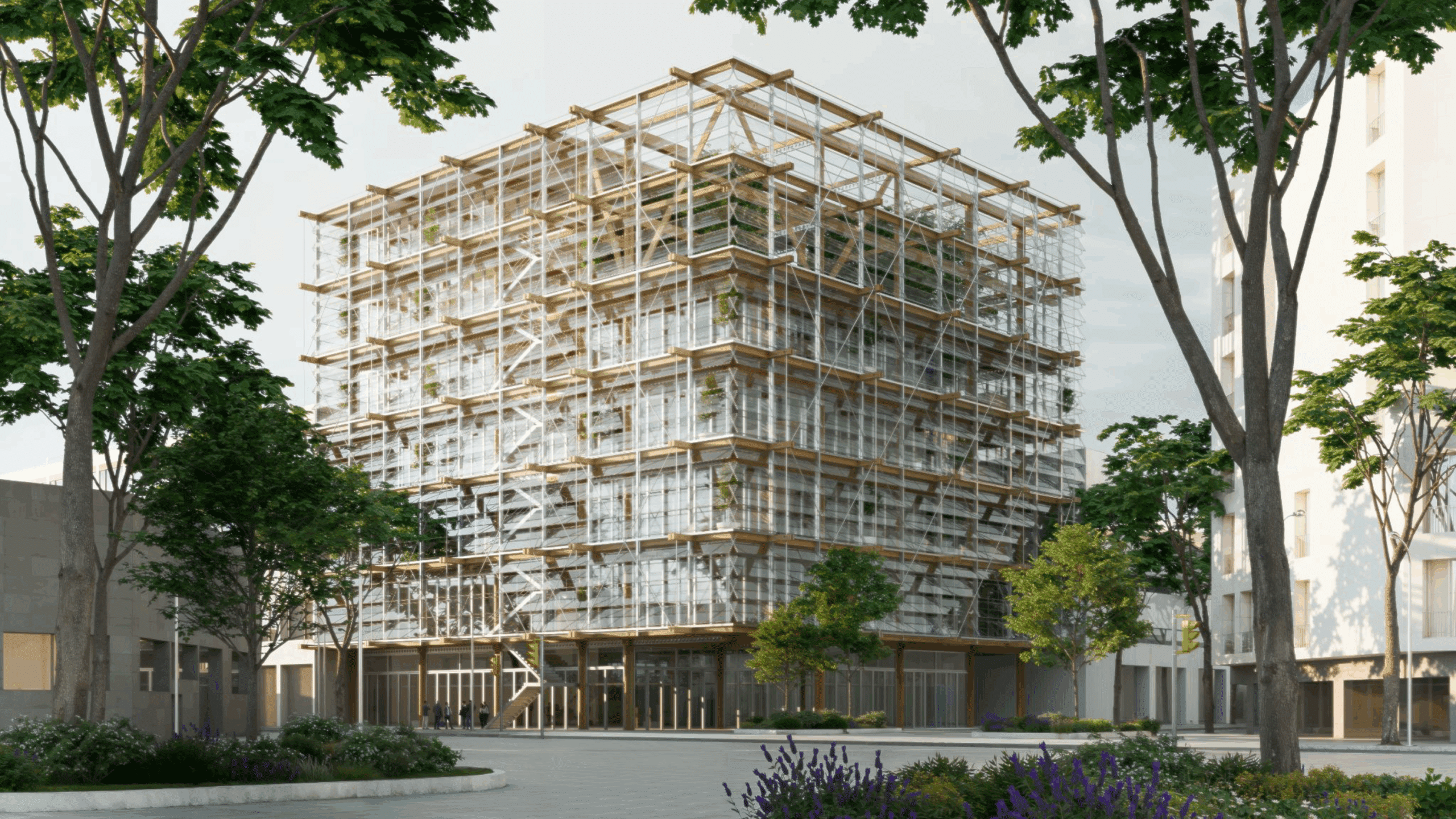
TÀN 58 is a seven-story student housing project located in Poblenou, an industrial district of Barcelona. The building’s form and orientation were shaped through computational studies that optimized daylight access and solar radiation across the site. This analysis led to the introduction of two central atriums, which act as vertical heat sources and organizational cores—spaces … Read more

The Echoes We Buried

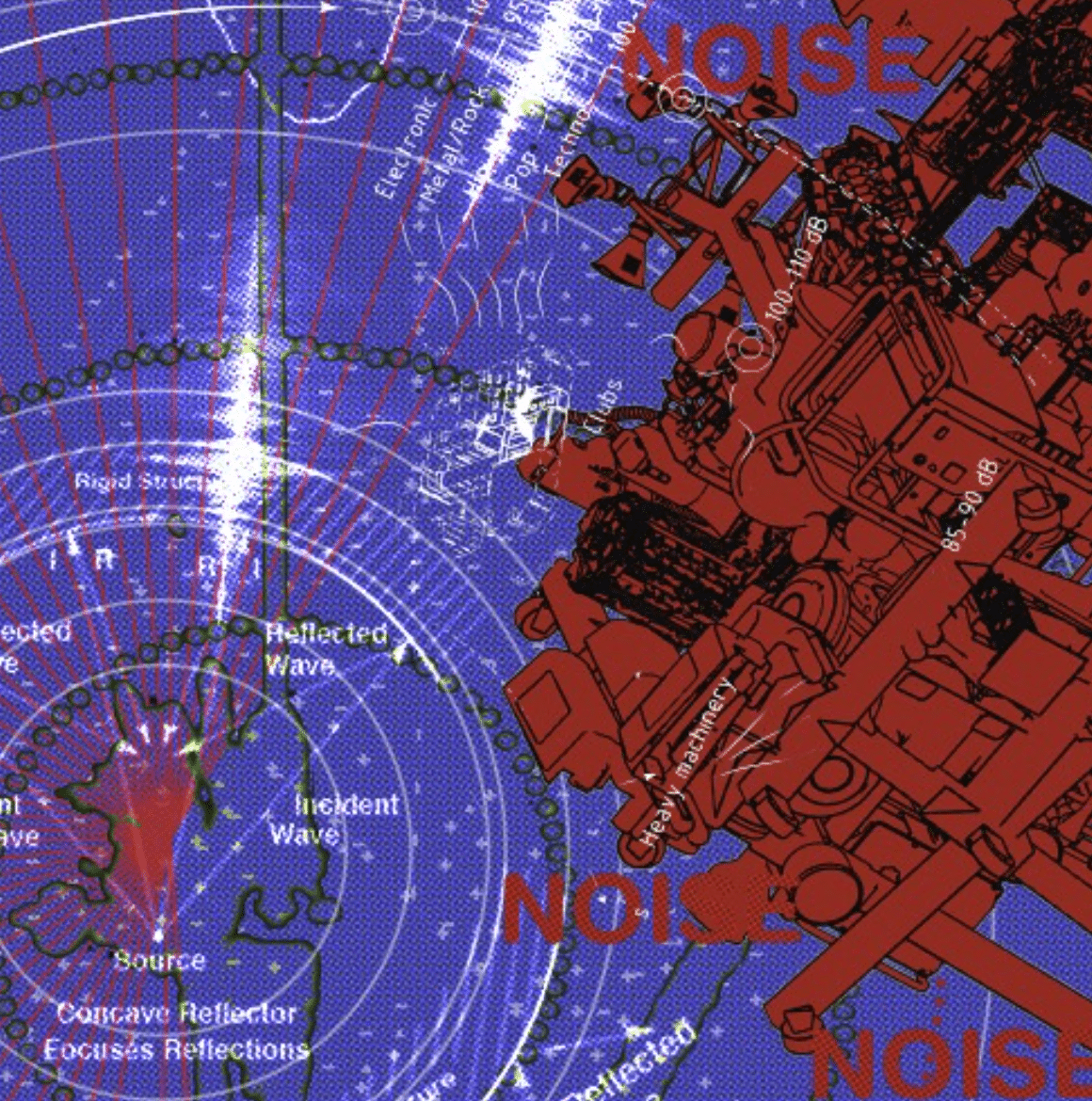
Construction fractured an ecosystem, and listening began to heal it The Echoes We Buried is a speculative eco-fiction set in a fractured Barcelona, where construction noise disrupts not just human life but the deep, vibrating language of ecosystems. As species falter and signals blur, one person begins to listen—to the pressure, the silence, the unraveling. … Read more