The MAA is a visionary master program with an innovative and open structure, mixing diverse disciplines, shaping professionals capable of producing theoretical & practical solutions towards responsive cities, architecture & technology.
Urban Matrix
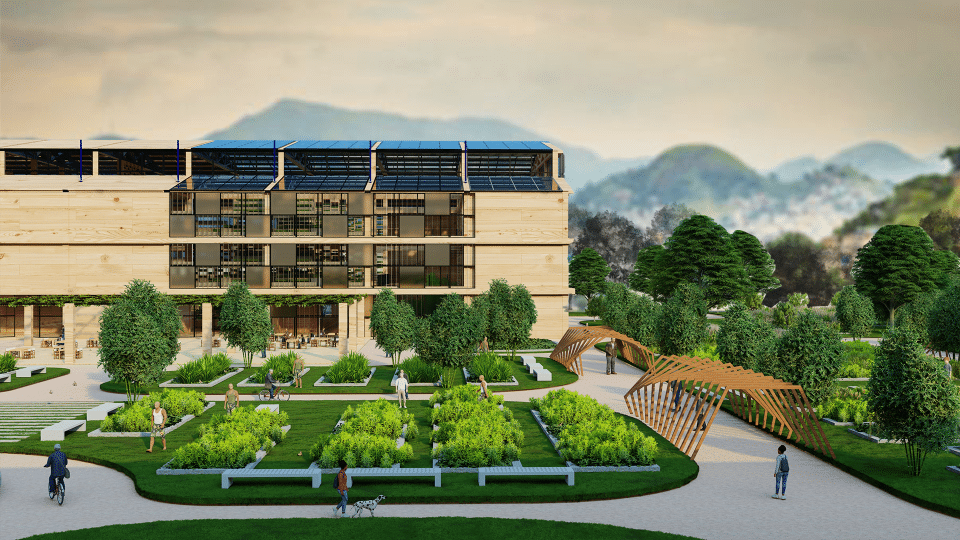
Abstract Our project, addresses the need for Productive Justice for Self-Sufficiency in Mesquita, a municipality in Rio de Janeiro marked by socio-economic challenges such as food insecurity, water scarcity, infrastructure deficiencies, and a strong dependence on government subsidies. Our strategy transforms residual urban spaces-abandoned plots, unused corners, canal edges-into a Productive Web of interconnected hubs … Read more
Flow – SIGHT: De- coding urban mobility
Introduction Urban traffic congestion is more than just an inconvenience—it’s a global challenge tied to pollution, stress, and wasted time. While cities are turning to AI-driven systems to ease the gridlock, the question remains: Do these technologies actually perform better than traditional methods?Flow – SIGHT is a comparative research project that investigates traffic systems across … Read more
Re- Rio Infrastructural Justice
Re-Rio is a vision to bring dignity, connection, and opportunity to the Gradim fishing community in Rio de Janeiro. Faced with poor infrastructure and social neglect, this project reimagines housing and public space through sustainable, affordable, and flexible design. It creates cool, breathable homes, shared learning spaces, and eco-tourism paths that celebrate local culture. By … Read more
The Palace of Trash
This project reclaims abandoned silos in Rio de Janeiro as neighborhood-scale infrastructures for ecological justice. It builds a circular system where waste is not only recycled, but revalued through community collaboration. Organic and material waste become part of urban greening and pollination strategies, empowering catadores and youth as co-creators. Through reuse, education, and biodiversity enhancement, … Read more
ReGen.Ai
ReGen.Ai is a data-driven design project that reconnects fragmented urban green spaces in Bangalore through multifunctional green corridors, using AI tools to guide nature-based, regenerative urban transformation.
AQUA.NEST
AQUA.NEST: An AI-Powered Decision Support Toolbox for Adaptive Urban Design Using Nature-Based Solutions in Flood-Exposed Coastal Cities Coastal urban flooding is emerging as one of the most urgent climate challenges of our time. Without strong adaptation, annual flood damages could reach €930 billion globally by 2050, even with improved infrastructure (OECD, 2020). Rising sea levels and … Read more
Domus-X
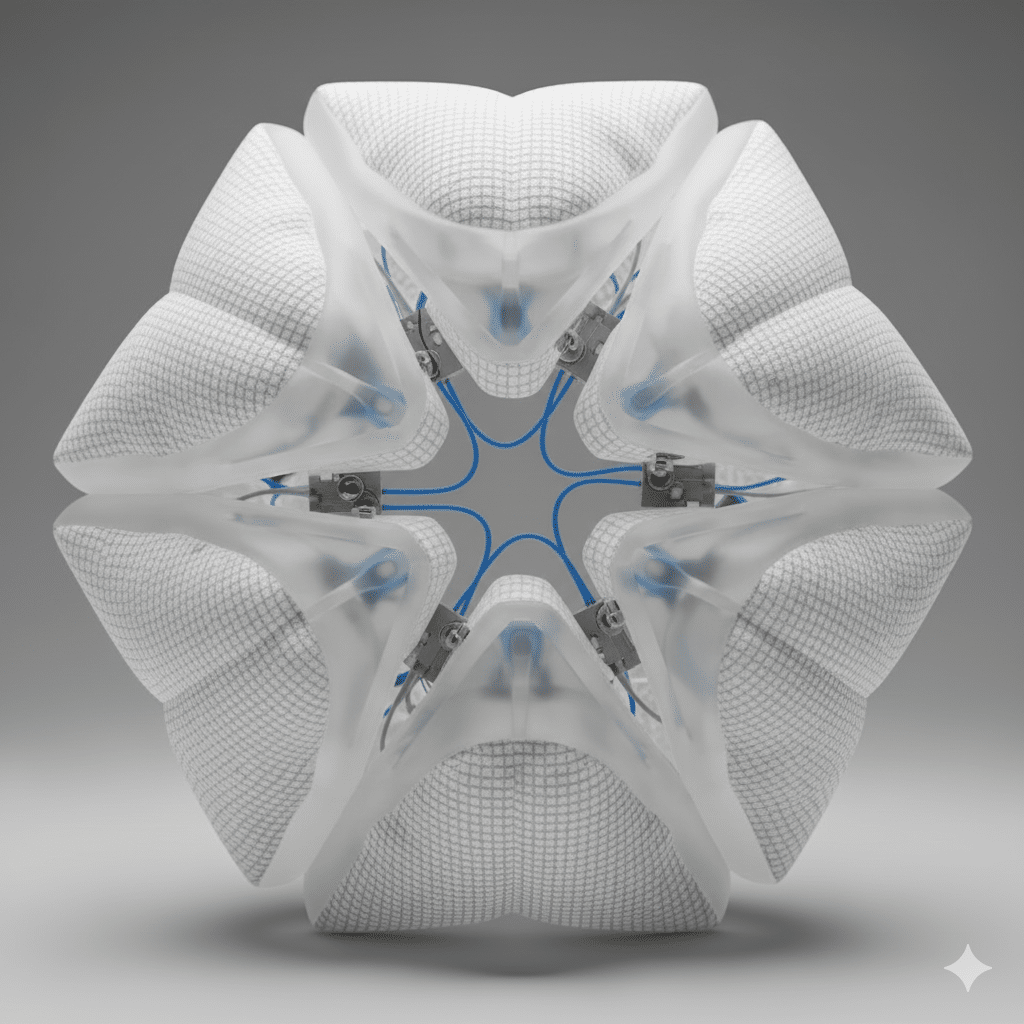
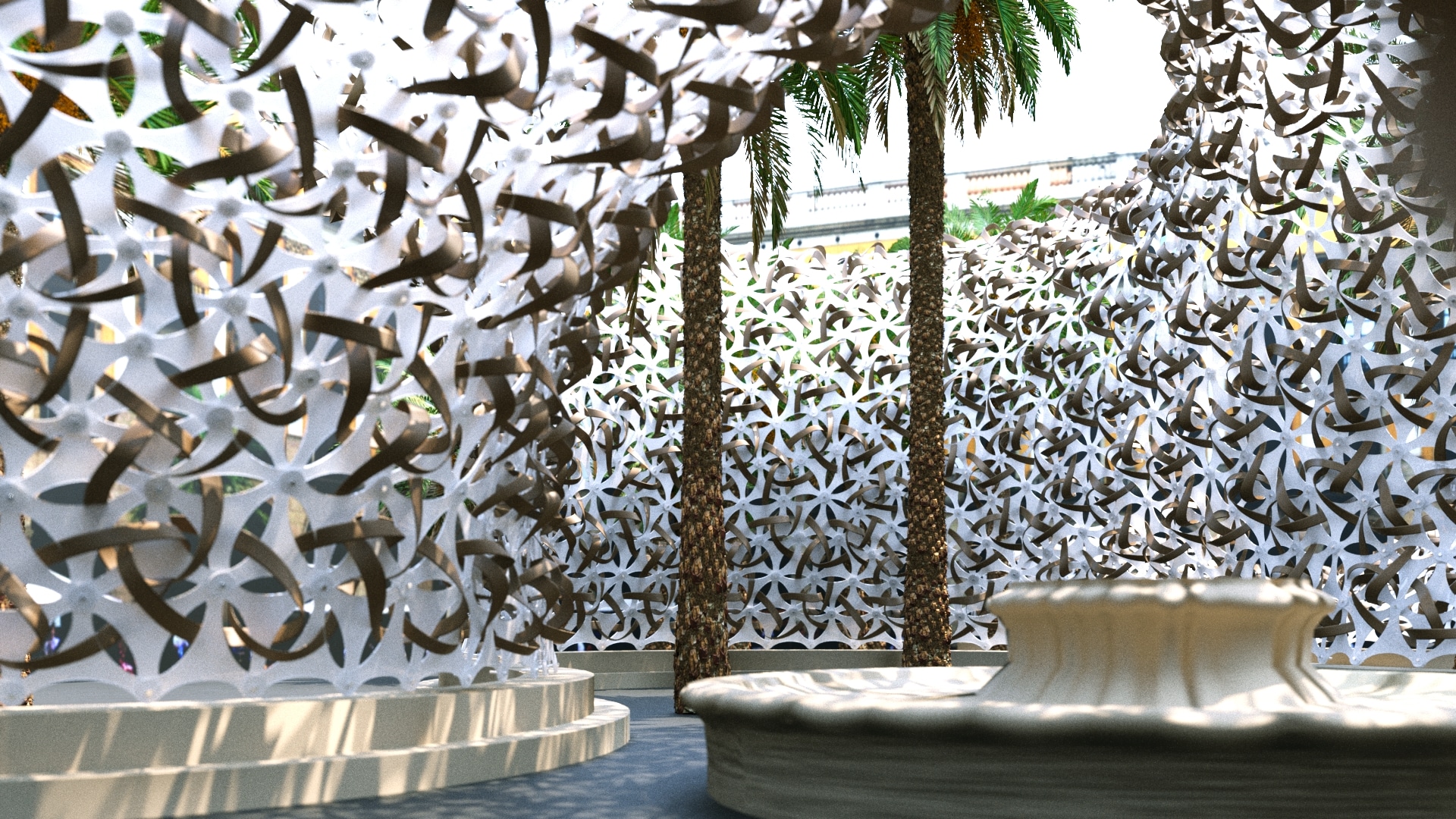
DomusX is a modular pavilion designed using the Assembler plugin in Grasshopper, exploring parametric assembly systems for adaptive architecture. The structure consists of interlocking components that can be easily reconfigured or expanded, allowing flexibility in design and use. DomusX promotes sustainable, site-responsive design through modularity and digital fabrication. DomusX leverages Assembler’s generative capabilities to create … Read more
Tierra Potencia: Computational Design
Inner Courtyard Section Galapagos Pseudo Code Script Animation Renders
URBAN SPROUT
COMPUTATION AND DYNAMIC VISUALISATION
HOSTILE
Architectural Alienation In a world that is rapidly urbanizing itself, architecture holds immense power to shape the lives of individuals and how they experience the public space. Yet, architectural design often neglects the various needs of the community it is supposed to serve, leading to alienation and exclusion, particularly for marginalized populations. – 1.1.Hostile design … Read more
EMI: Engine for Morphological Integration Vol II
A Methodological Approach to Urban Morphology and Hybrid Energy Systems in the Global South Project Statement: “Even as we advance in Energy Innovation, our cities continueto grapple with deep inequalities. In this research, I proposerethinking Urban Morphology—not merely as the physicalform of our settlements, but as a strategic lever for equitableenergy solutions. The conceptual Energy-Morphology … Read more
Re – Rio_ The Next 10 years
Redesigning the Municipality of Mesquita for Productive Justice: A Sustainable Urban Transformation Productive Justice “Productive justice for self-sufficiency” refers to the frameworks and practices aimed at enhancing individual and community self-reliance while promoting social justice. Productive Justice Through Architecture and Urban Planning State Of The Art Collectives/Case Studies Rio De Janeiro _Productivity Focused Research on … Read more
Re Rio: Infrastructure Justice
What is Infrastructure Justice? Rio’s Context State of the Art Rio Maps Sao Goncalo Proposal Thank you!