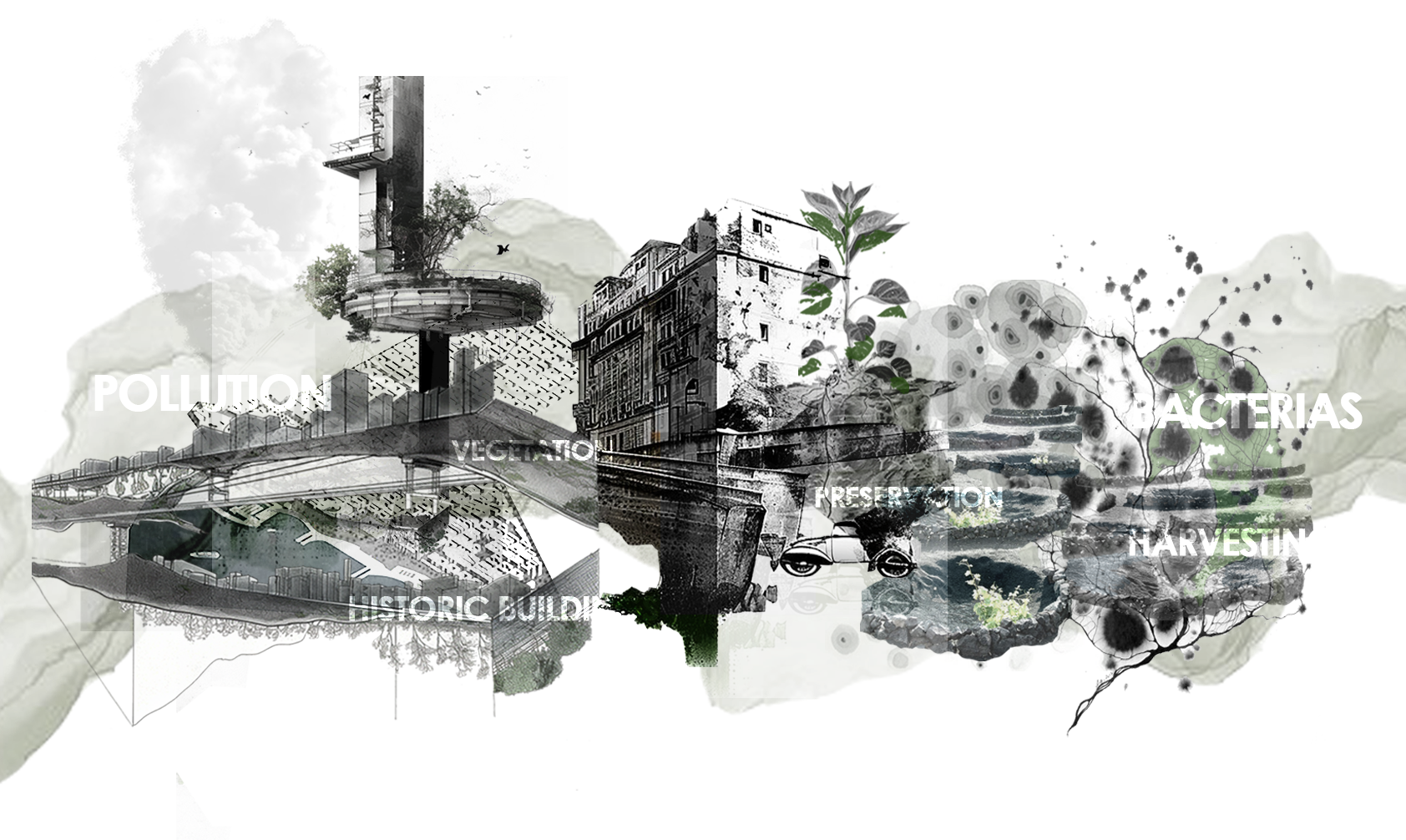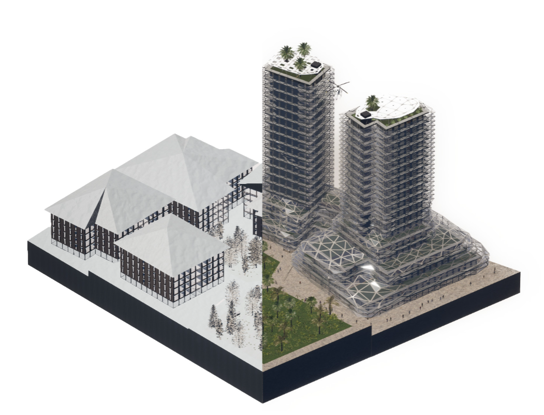
The MAA is a visionary master program with an innovative and open structure, mixing diverse disciplines, shaping professionals capable of producing theoretical & practical solutions towards responsive cities, architecture & technology.


Filters
Course

Roots & Routes

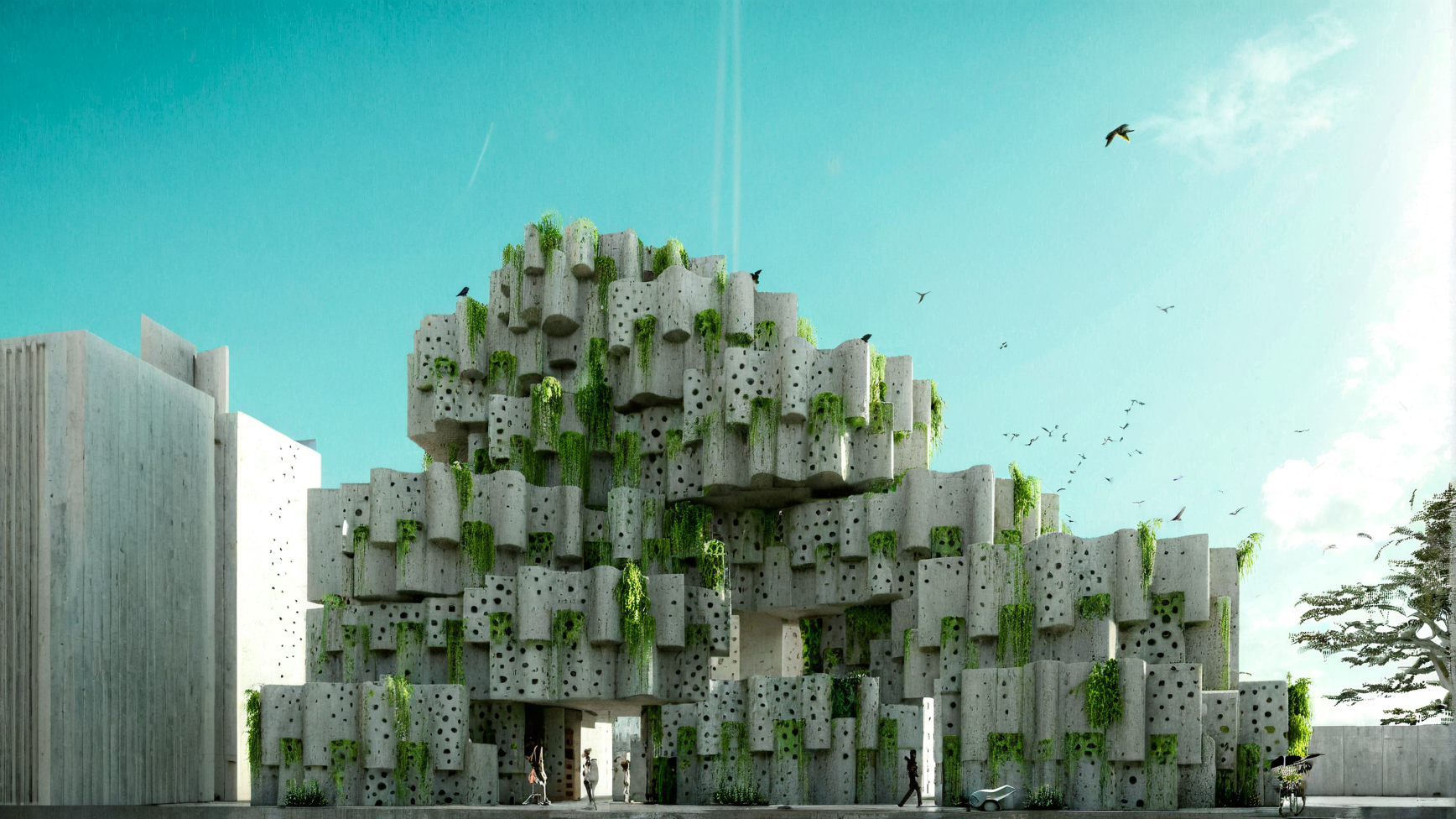
BIODIVERSE PUBLIC SPACECollaborative Design with Humans and Non-humans The Besòs River in northeastern Spain flows through Catalonia from the Montseny mountains to the Mediterranean Sea near Barcelona, covering about 17 kilometers. Once heavily polluted by industrial waste and urban runoff, it has undergone significant environmental restoration, improving its water quality and accessibility for wildlife and … Read more

Pixel ecology

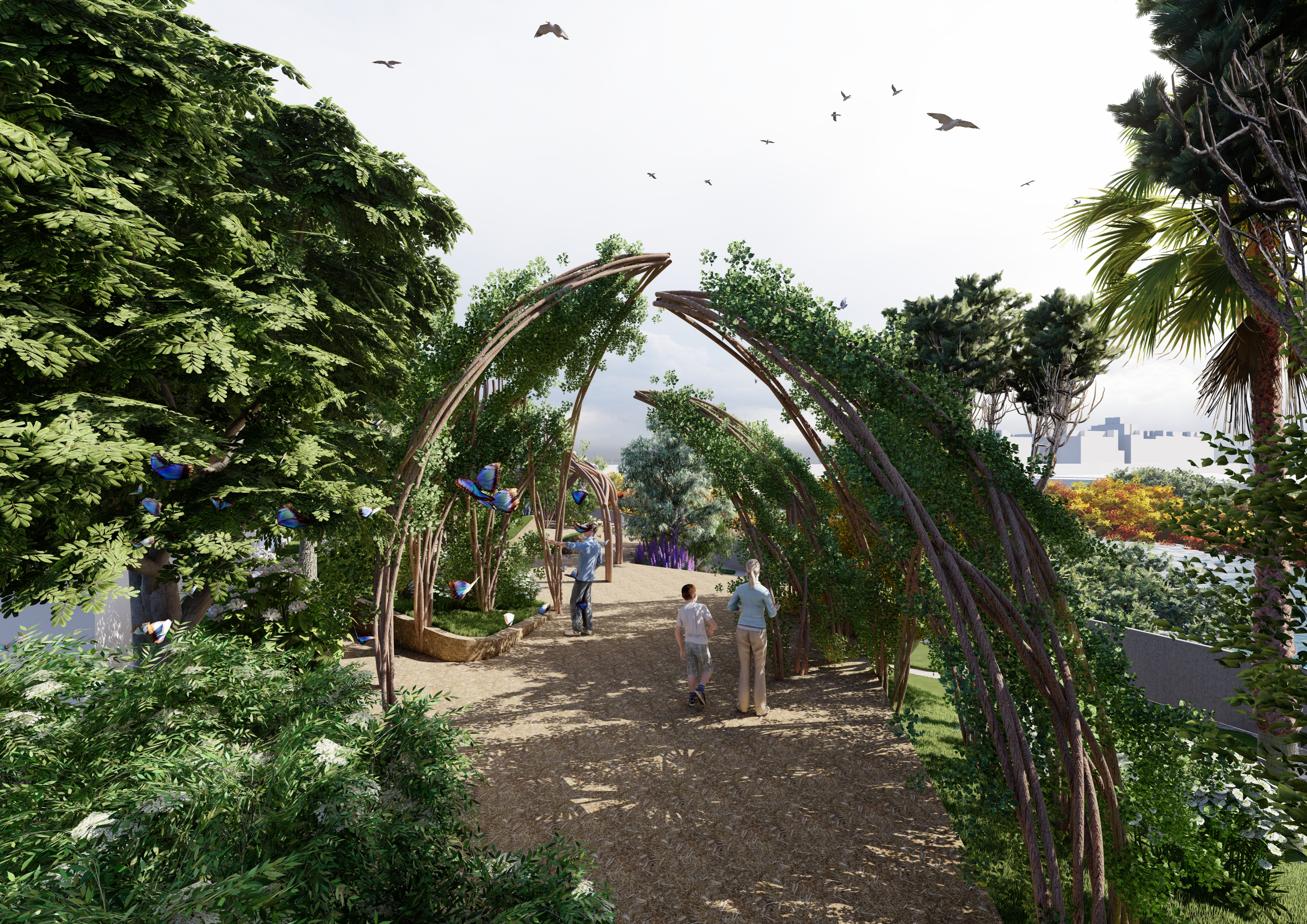
Succession Landscape Strategy of succession through the creation of ecological island Site ANALISIS PROJECT MATRIX CONCEPT Strategy of succession through the creation of ecological island MASTERPLAN THE COMPONENT THE ISLANDS Island 01 Island 02 Island 03 SUSSECCION STRATEGY HOW IT WORKS VIDEO MODEL

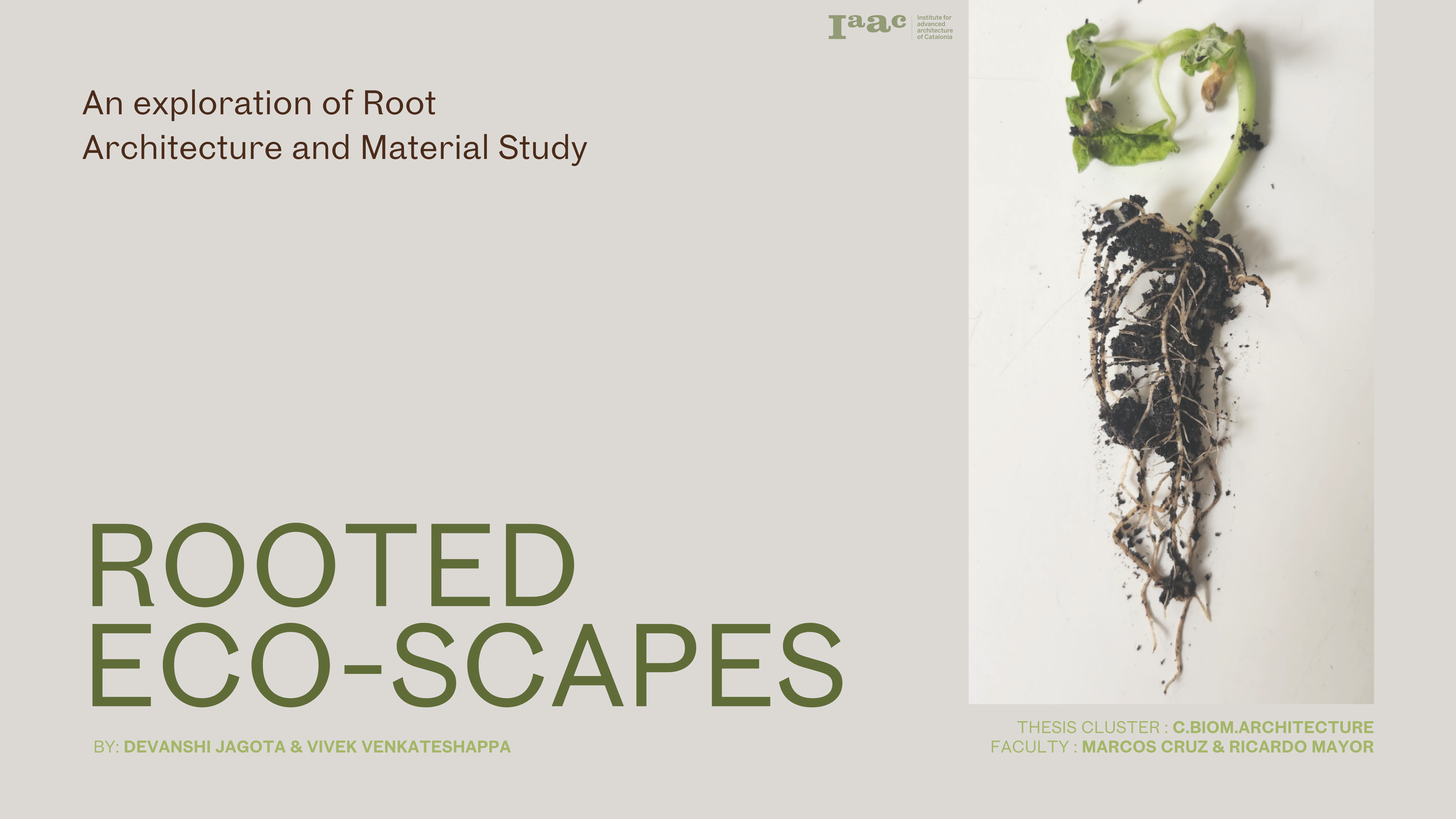
ROOTED ECO-SCAPES

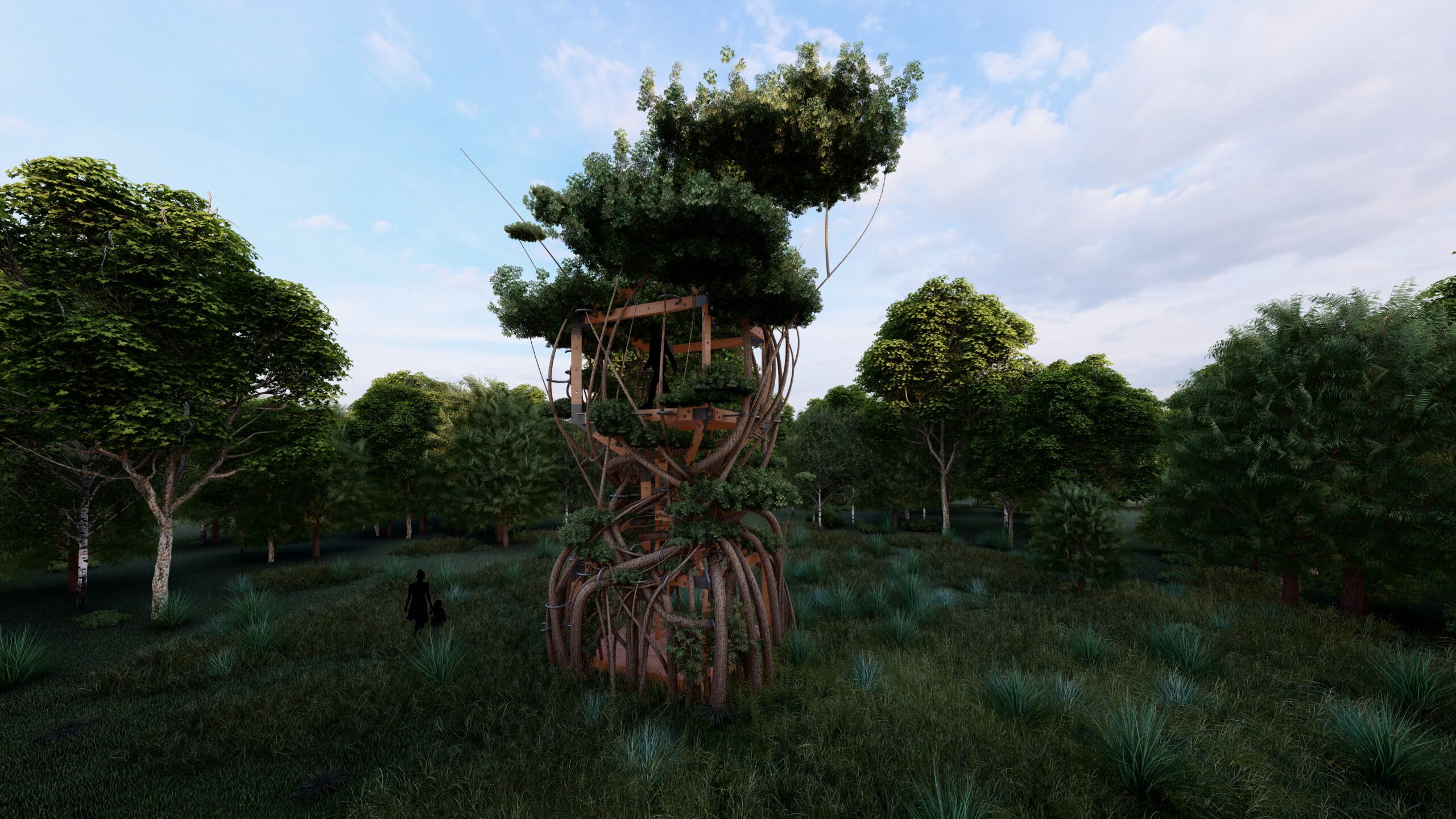
An exploration of Root Architecture and Material Study By uniting Ecological Restoration techniques with an adaptable architectural system, this project envisions a scalable, self-sustaining model that harmonises with natural ecosystems. Although the approach is contextualised within specific urban challenges, it offers a flexible framework adaptable to various environmental conditions and site-specific needs, ensuring its broader … Read more

Reconnecting Urban Fragments

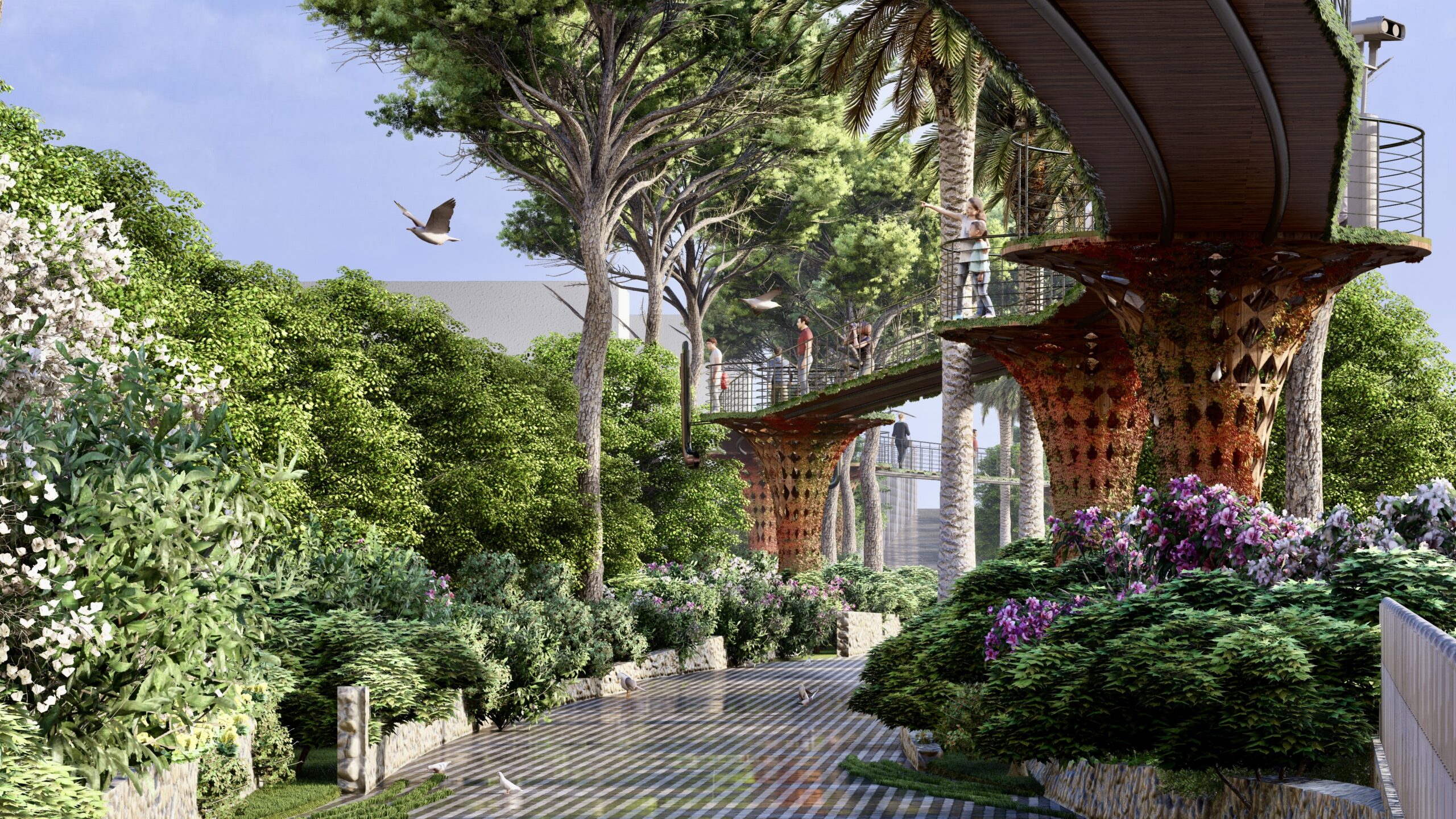
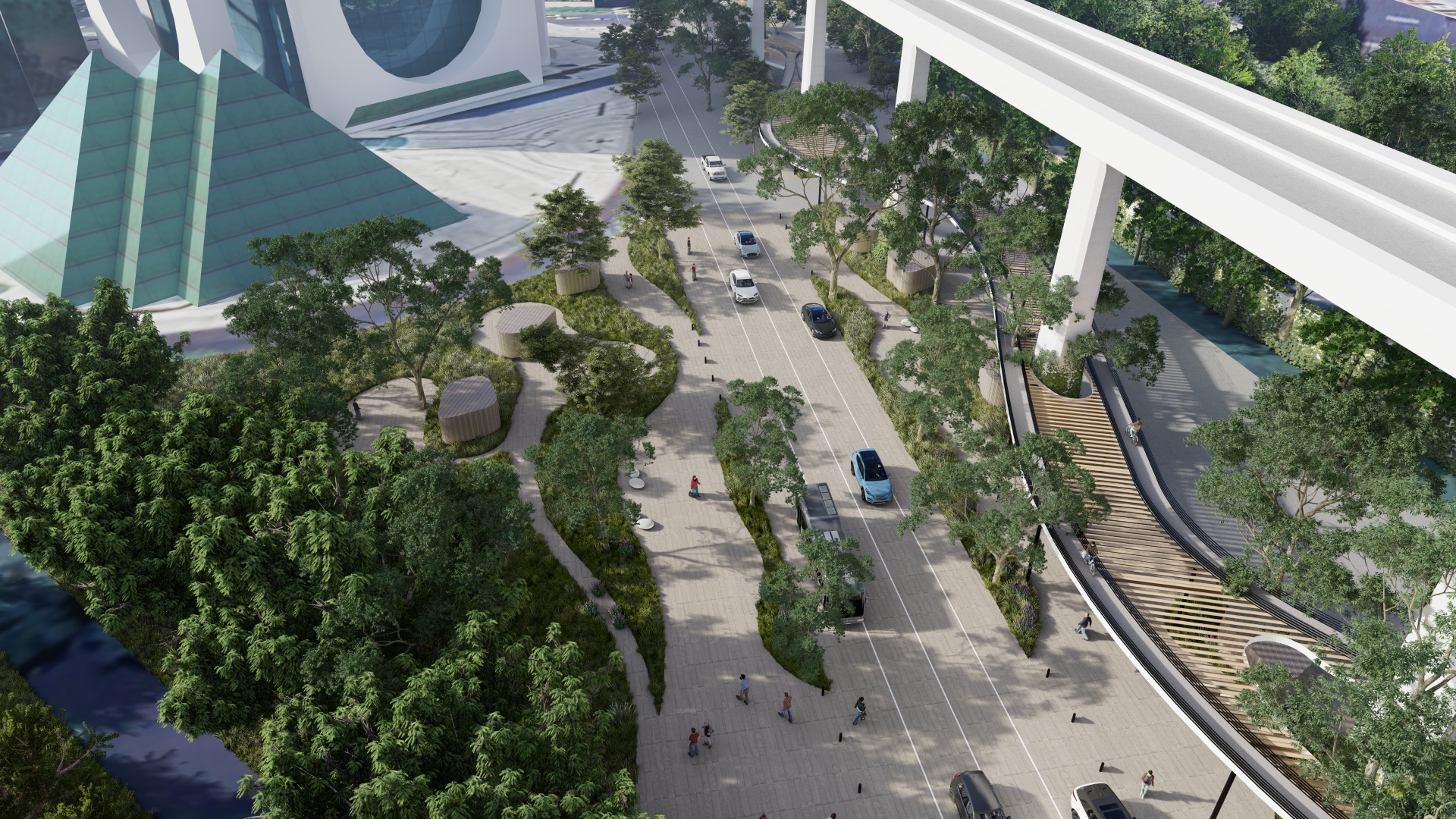
“Reimagining Urban Corridors: From Rigid Infrastructure to Inclusive Green Networks” “Urban environments today face critical challenges—population growth, rapid urbanization, and the fragmentation of ecological systems. As cities evolve, their rigid infrastructure often alienates natural systems and creates barriers to inclusivity and sustainability. This thesis focuses on reconceptualizing rigid urban environments by integrating transportation and ecological … Read more

FLOOD RESILIENCE TOOLBOX

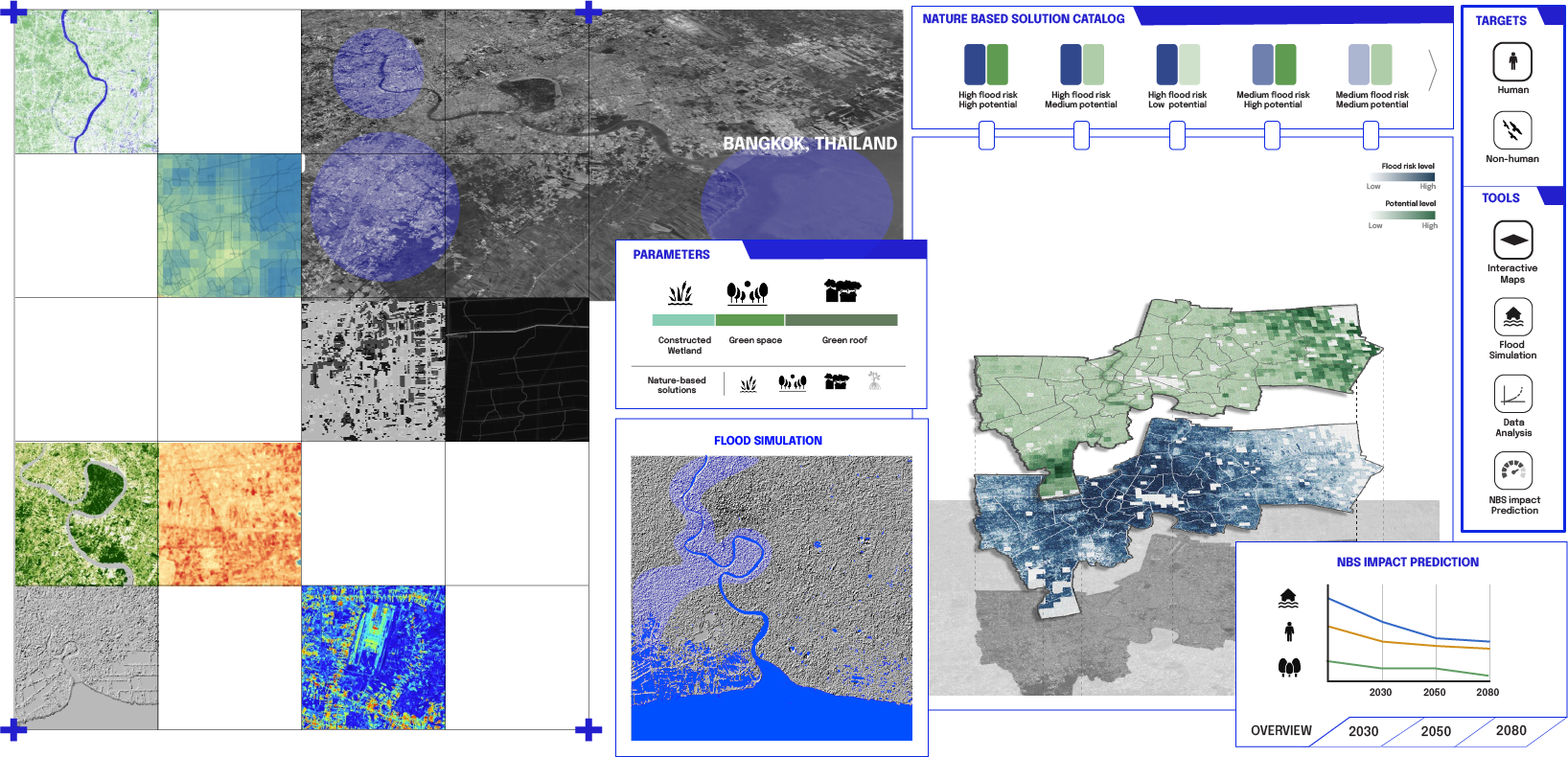
FLOOD RESILIENCE TOOLBOX FOR ADAPTIVE URBAN DESIGN IN COASTAL CITIES Flooding is the most frequent natural disaster worldwide. By the report from The OECD (Organization for Economic Co-operation and Development), floods cause more than 38 billion euro in damages worldwide per year. Due to climate change, floods are becoming more extreme and frequent. Coastal areas … Read more

SHORE SWIRL 

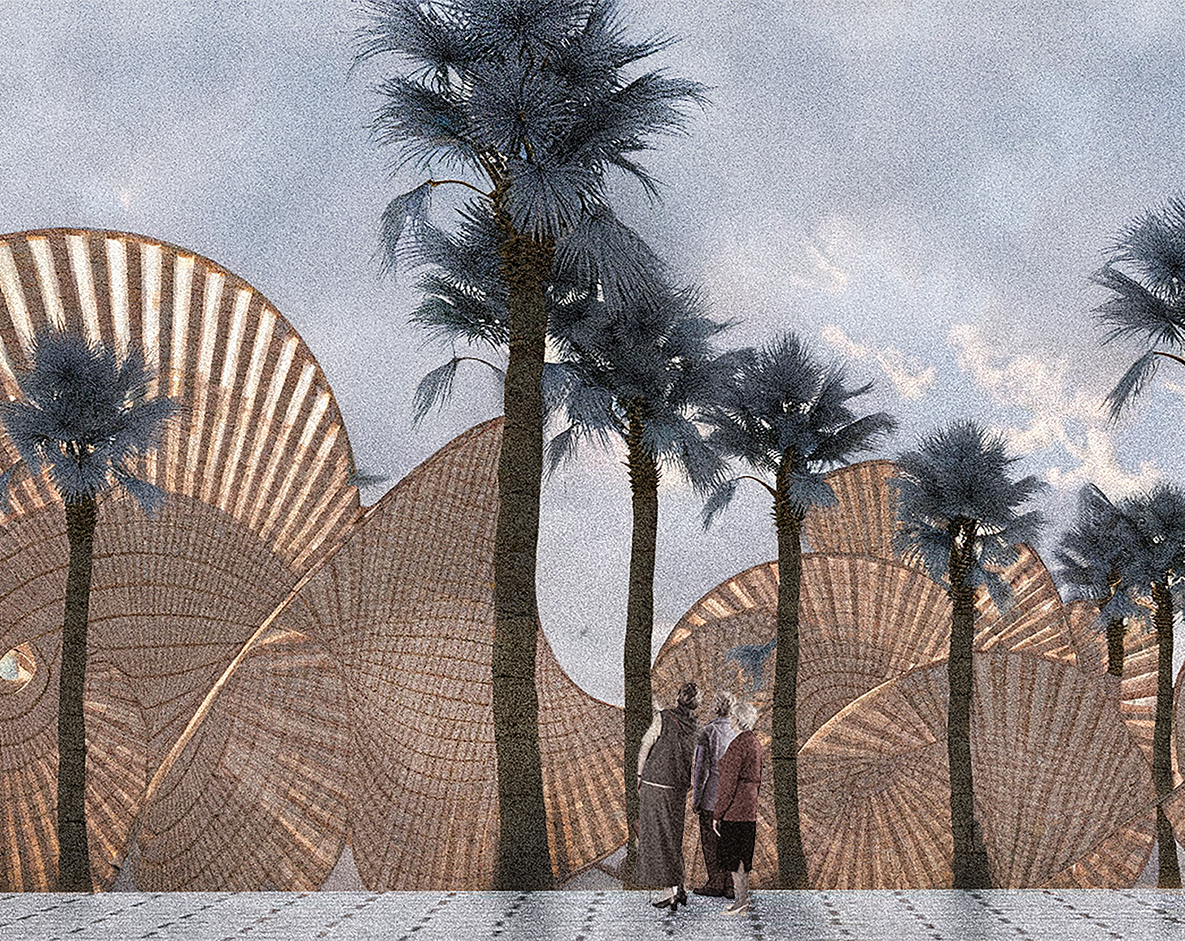
COMPUTATIONAL DESIGN SEMINAR-TERM 1 Our proposed pavilion for Plaça del Mar near Barcelona coastline draws inspiration from seashells, featuring a twisted shell structure that blends nature and architecture. Designed using Grasshopper software, the pavilion’s parametric form optimizes shading, wind resistance, and structural stability, offering a sustainable and functional space. This multifunctional landmark celebrates the coastal … Read more

CATALUNYA’s ‘TABLE’

Bringing Producers, Consumers and Nature Together This project aims to connect local food producers, consumers, and nature in a symbolic way. The metaphor of a “table” represents unity and sustenance, gathering people across different genders, ages, and social classes. This installation, built from waste materials and invasive plants like Pontederia Crassipes, doubles as an ecosystem, … Read more

Changing Landscapes

ReCitying is a Workshop hosted by IAAC and Parc Agrari del Baix Llobregat to explore sustainable design and creative recycling in rural spaces. The first phase of the Workshop, in October 2024, focused on developing proposals for an installation using waste from Parc Agrari and planting crops to integrate into the project. We explored initial … Read more

PARQUE ARBORESCENTE VASCO DE QUIROGA

La creación de Santa Fe fue resultado de la intensa expansión que experimentó la Ciudad de México en los años setenta, concebida como parte de una estrategia de reordenamiento urbano. Aunque en ese entonces no se hablaba en términos de reciclaje urbano, esta iniciativa abordó aspectos que hoy se consideran fundamentales en ese concepto. Las … Read more

Vallvidrera Reservoire

Context Frogs as An Indicative Species: The Pelophylax Perezi frogs, native to the reservoir are an indicator of the ecosystem’s biodiversity, and require a permanent body of water to thrive. These amphibians traverse through ecotones and patches, evidently providing us an indication of a diverse ecosystem.  Why Frogs? Analysis Methodology Could we use the behaviours … Read more