
The MAA is a visionary master program with an innovative and open structure, mixing diverse disciplines, shaping professionals capable of producing theoretical & practical solutions towards responsive cities, architecture & technology.
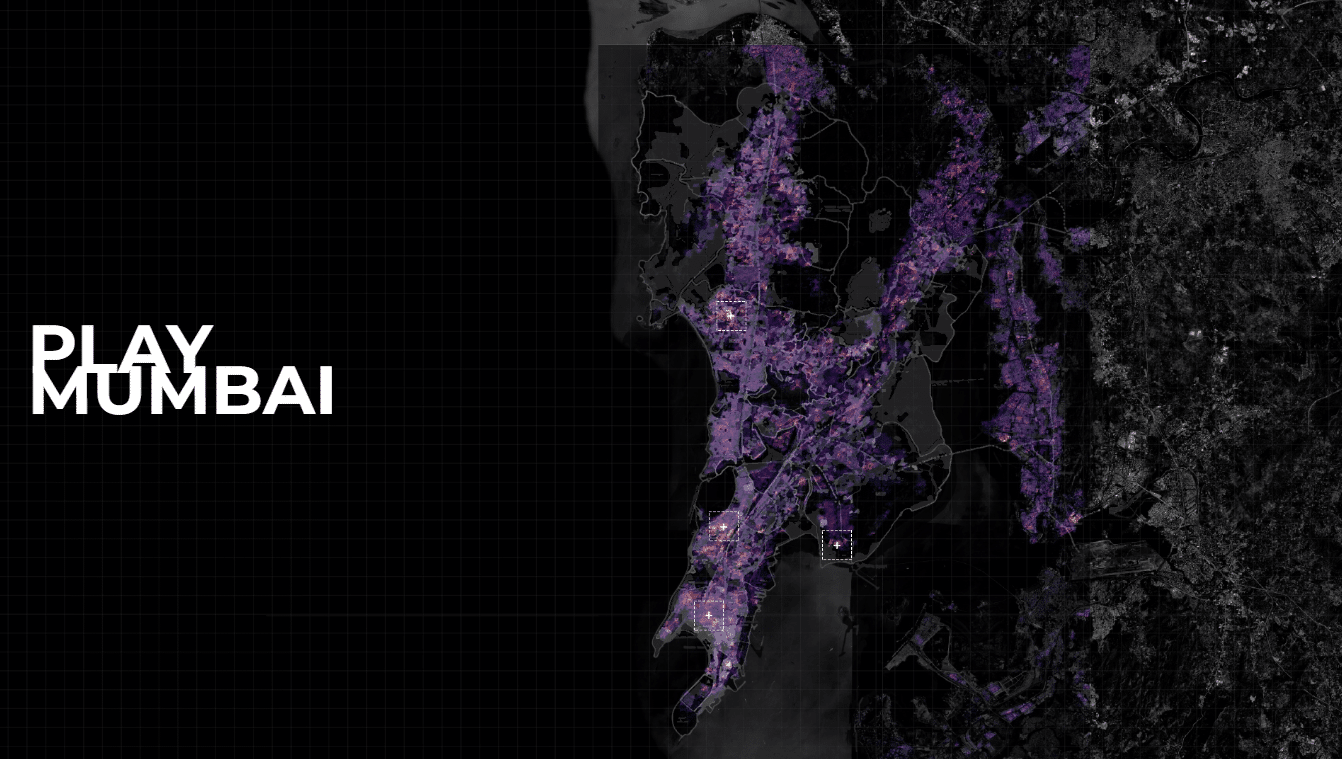
Wildlife Integrating Landscape Design Artificial Intelligence – WILD.AI — Term_II
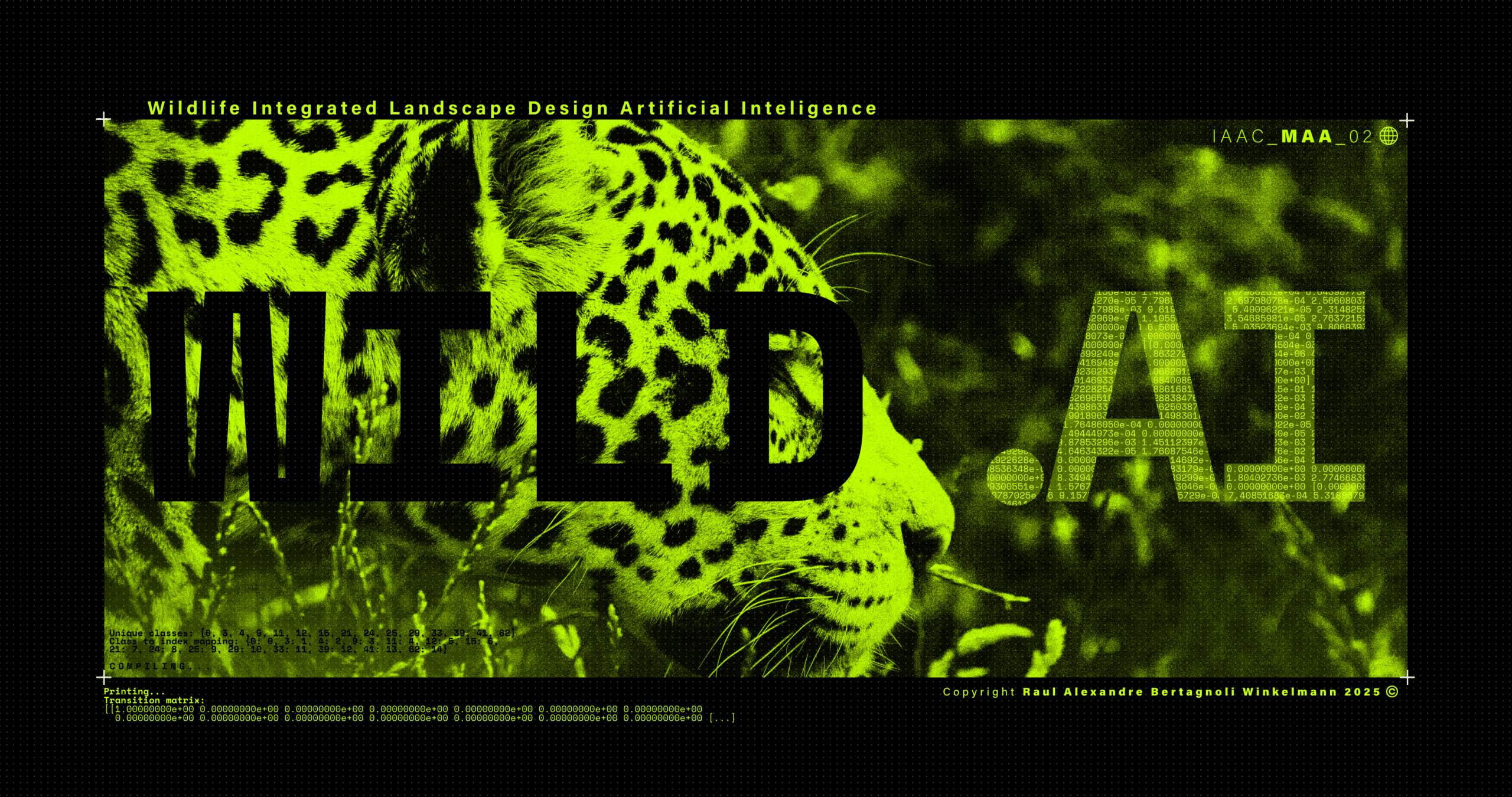
Context How? Where? Workflow Outputs
DESIGN FLEX- PHASE- II

Abstract Parametric design tools like Grasshopper empower architects to create adaptive and efficient spatial layouts, but their complexity presents a barrier for non-experts. This research proposes a community-driven design tool that leverages Graph Neural Networks (GNNs) and Large Language Models (LLMs) to learn from expert-authored Grasshopper scripts, enabling prompt-based parametric layout design. By encoding design … Read more
DECODING URBAN MOBILITY
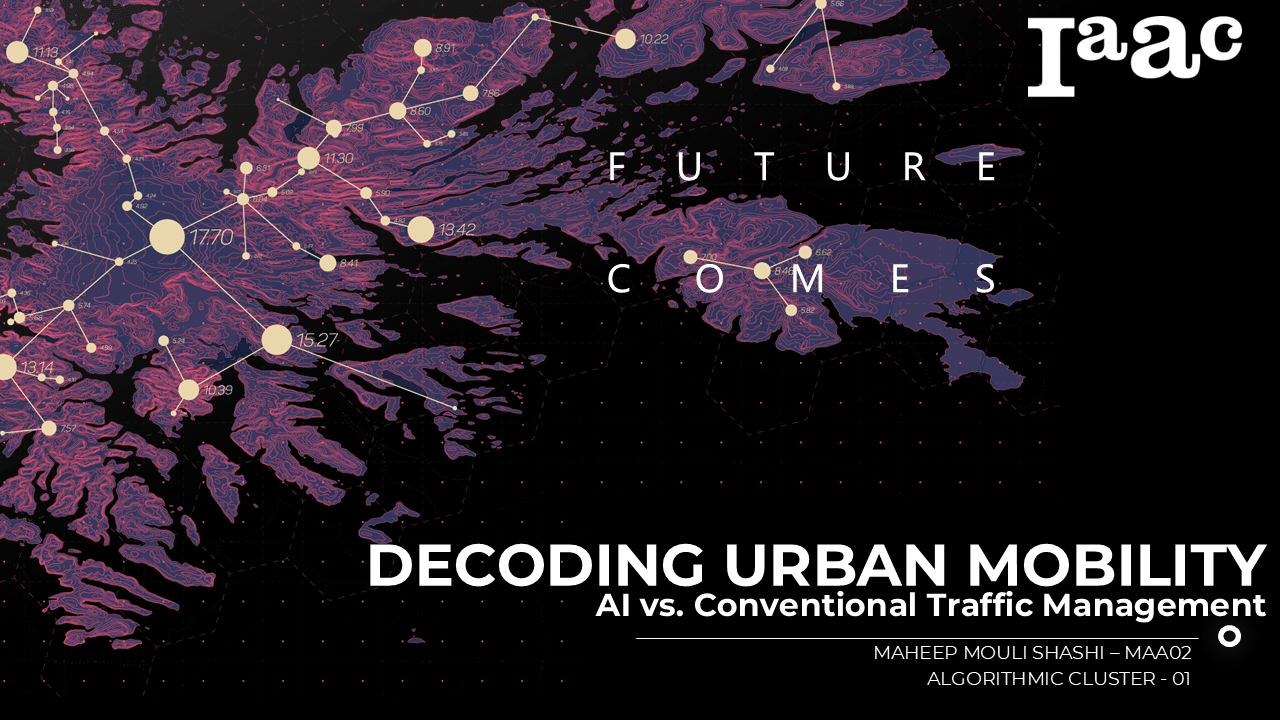
ABSTRACT; Decoding Urban Mobility: This project evaluates the impact of AI-driven traffic management versus conventional fixed-timing methods on urban congestion. It analyzes real-time and historical data—including traffic patterns, weather, demographics, and incident reports—from cities like London, Barcelona, and Los Angeles and compares machine learning models (e.g., LSTM, GRU, XGBoost) with traditional techniques. The study identifies … Read more
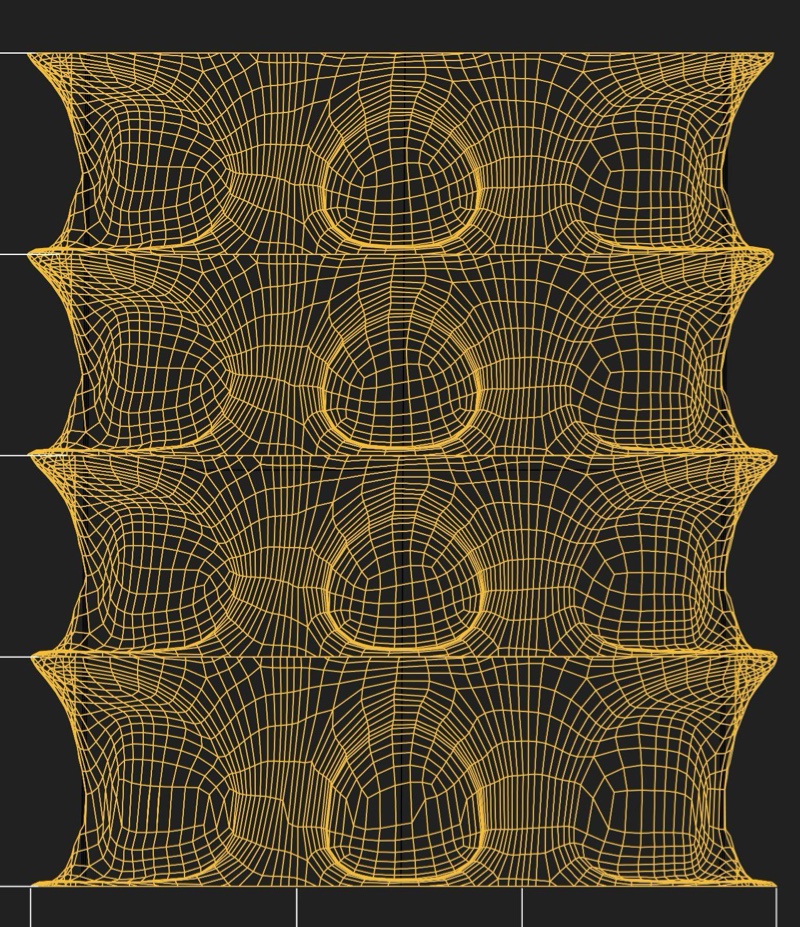
TERRANOVA: Organic Waste to Ecological Wealth
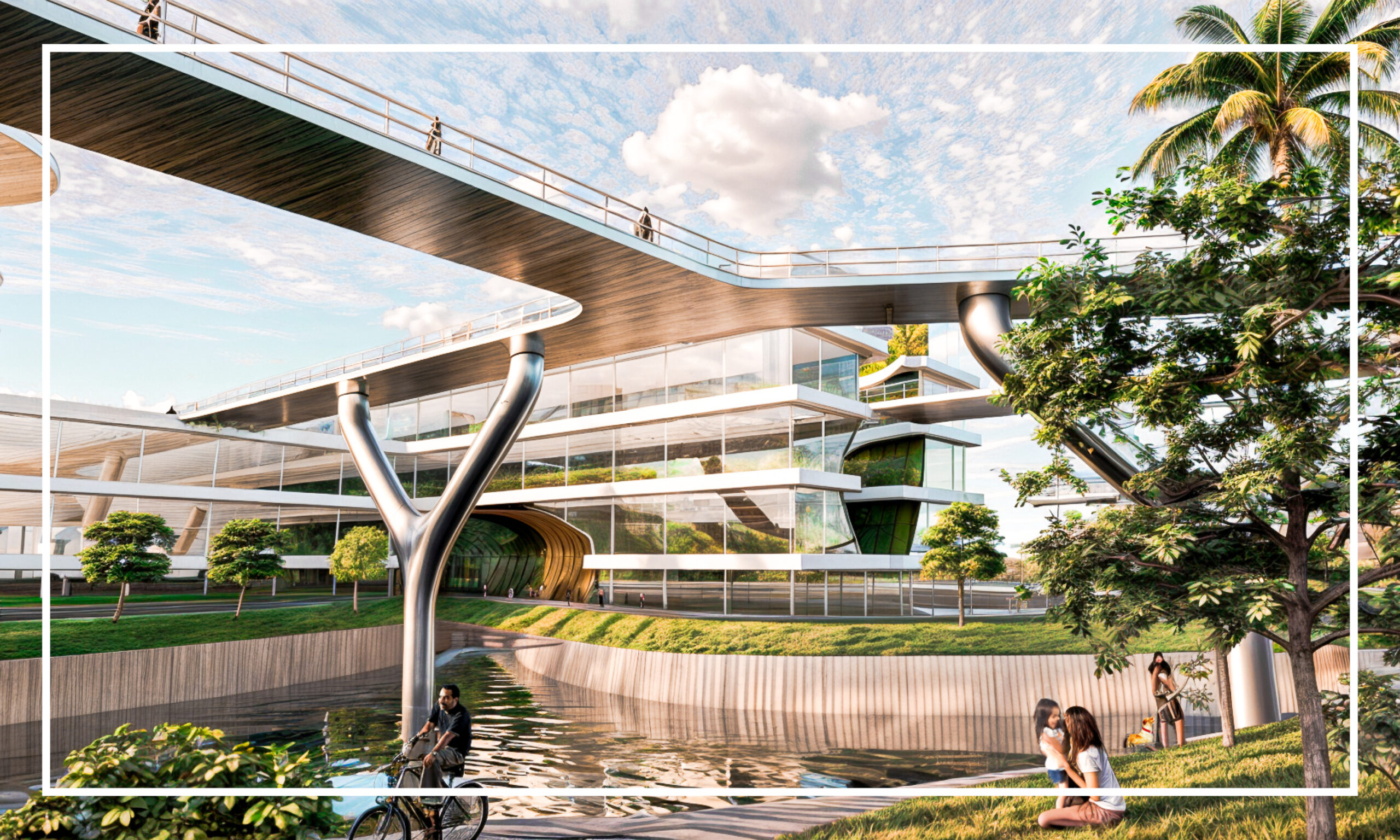
Located in the quiet community of Sant Adria De Besos lies the Besos Power Station. This waste to energy power plant is responsible for providing power to over 10 municipalities of Spain and takes care of nearly half of the waste that comes into Barcelona. While this factory proves to be highly effective, several negative … Read more
BIOGENESIS
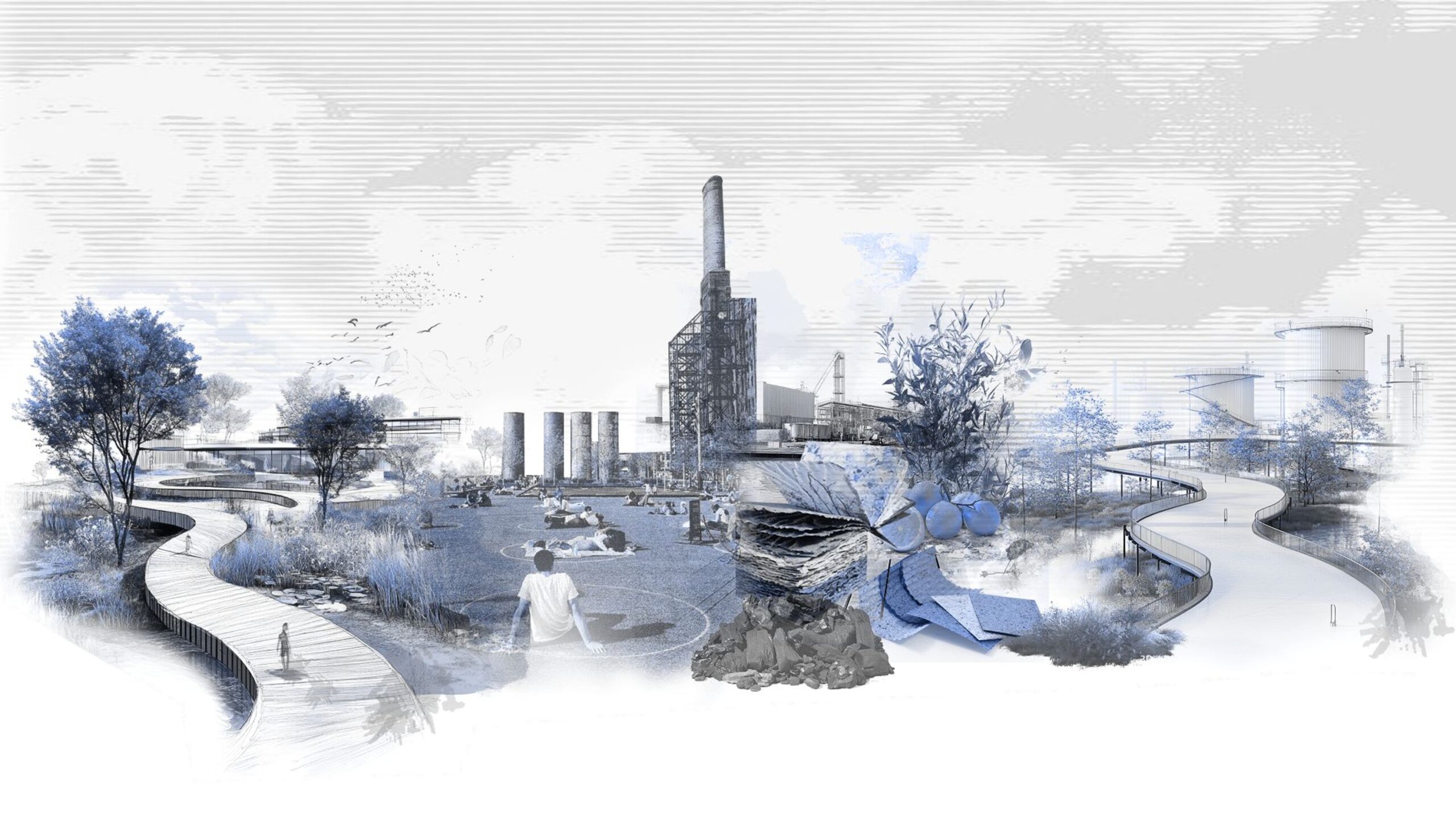
TRANSFORMING WASTE INTO SUSTAINABLE MATERIAL RESOURCES The goal is to convert various types of waste into sustainable resources, establishing a circular economy that enhances environmental benefits by repurposing waste, promoting renewable energy, and encouraging innovation in bioproducts. This site, like many others around the world, holds the memories of a different time. What happens when … Read more
TerraFlux: The Cloud that Rains
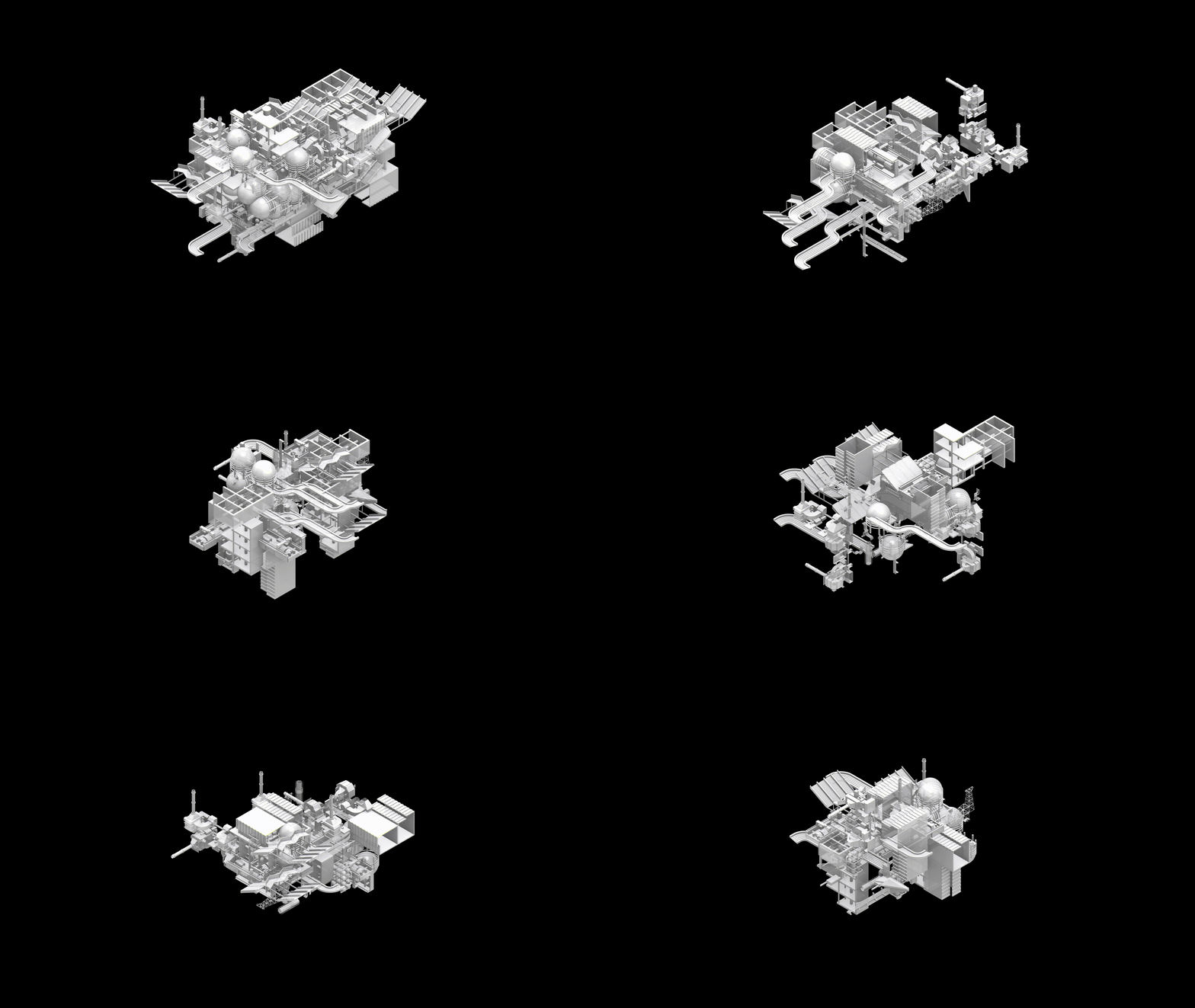
Narrative TerraFlux[the cloud that rains]: humanity’s rehearsal for the future, a transhuman data driven system TerraFlux as a Singularity ThresholdThe Technological Singularity marks the moment when artificial intelligence surpasses human cognition, triggering a cascade of rapid, uncontrollable innovation. At this threshold, AI will evolve autonomously, improving itself at an accelerating pace. This transformative leap will … Read more
Aqua Horta

Aqua Horta aims to establish a sustainable aquaponic farm in Vallcarca, focusing on producing fresh, chemical-free, local produce while creating an engaging therapy garden for patients of the neighbouring hospital complex. This controlled ecosystem combines aquaculture and hydroponics to create a closed-loop system that minimizes water wastage and incorporates rainwater harvesting to enhance resilience against … Read more
The Living Loop
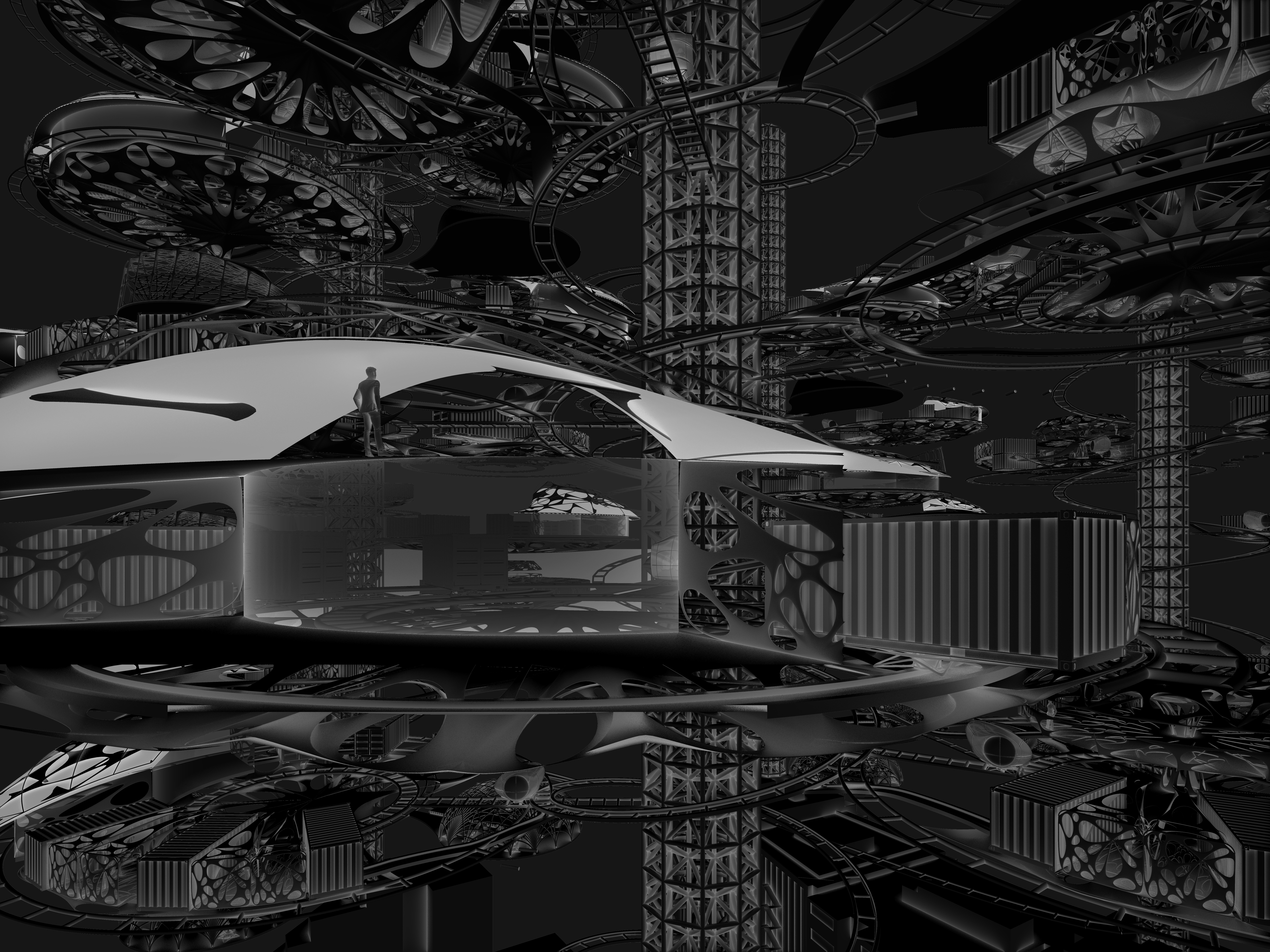
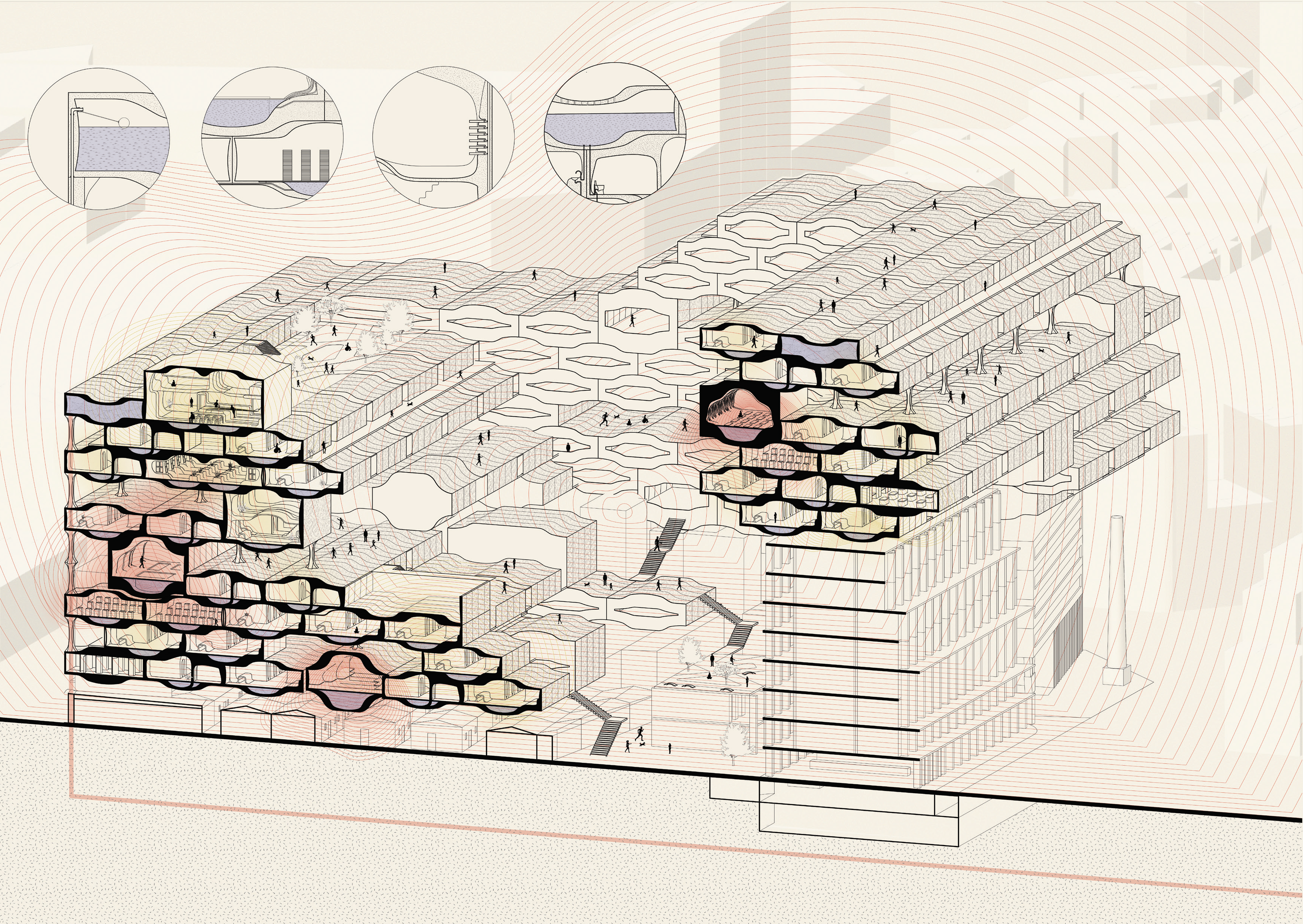
ABSTRACT This project seeks to transform a plot in Poblenou’s 22@ district into a pioneering model of metabolic co-living and circular urbanism. By leveraging the district’s technological ecosystem and repurposing e-waste from nearby Green Points, the project integrates a localized recycling and up-cycling facility with innovative prefabrication techniques. Modular co-living units, structural frames, and facades … Read more
CORVERD
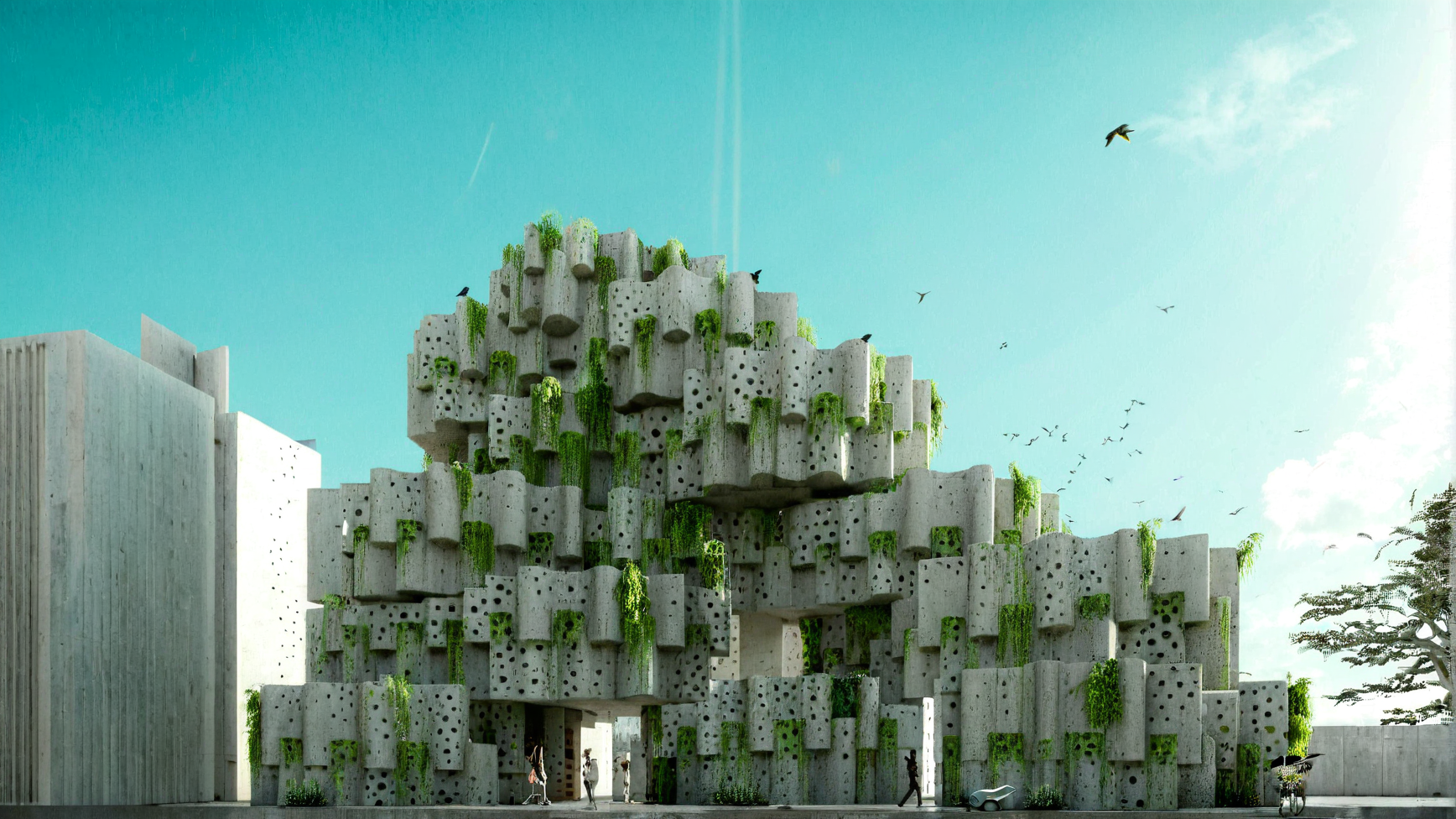
MANIFESTO CorVerd – Meaning “Green Heart” in Catalan, this name reflects both the agricultural focus and a commitment to sustaining the city’s green spaces and historical beauty.This project is a vibrant intervention near Montjuïc, blending sustainable hydroponic farming with green corridors to foster community and enhance biodiversity. The Hydroponic Treehouse concept reimagines urban farming as … Read more
Roots & Routes
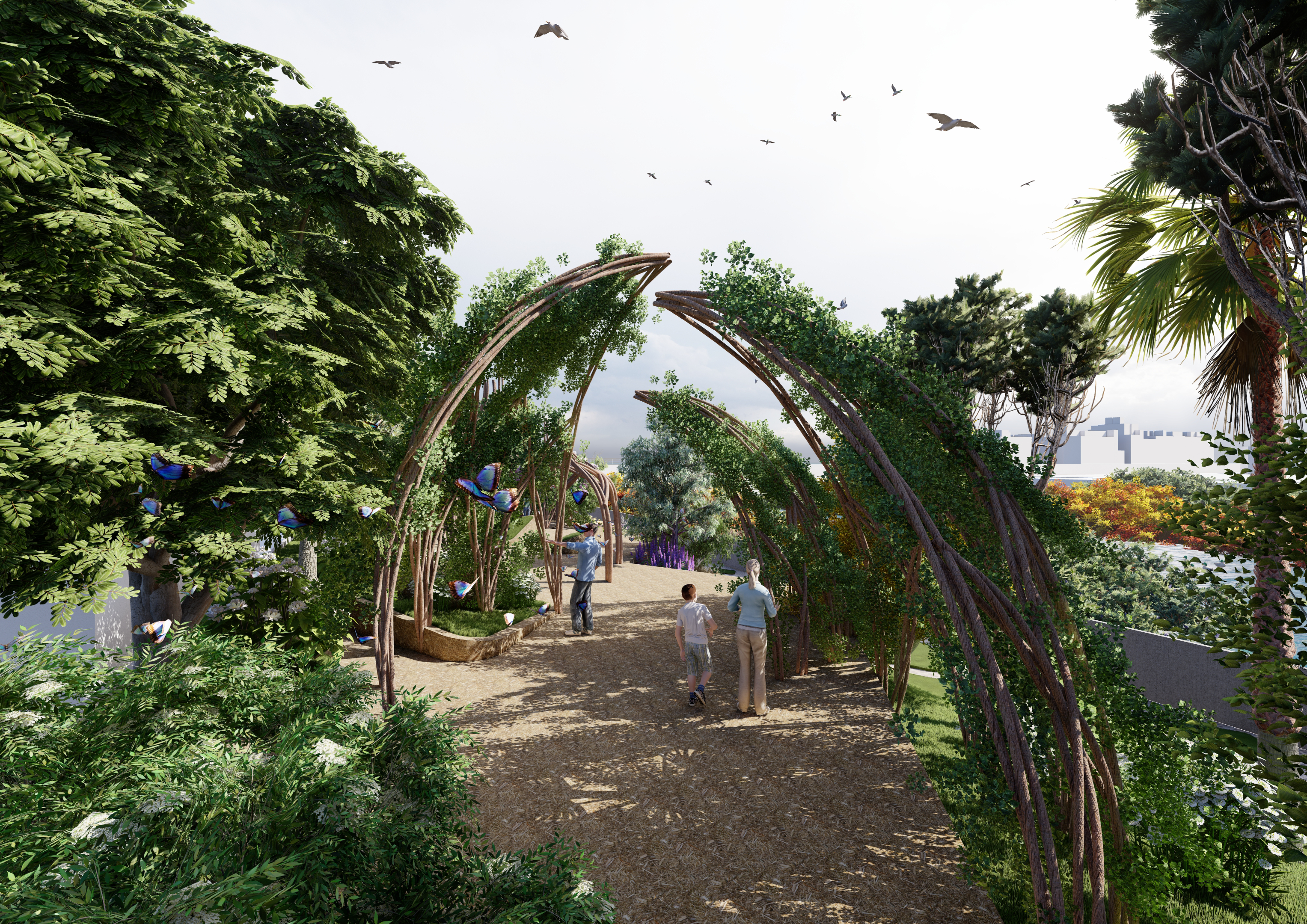
BIODIVERSE PUBLIC SPACECollaborative Design with Humans and Non-humans The Besòs River in northeastern Spain flows through Catalonia from the Montseny mountains to the Mediterranean Sea near Barcelona, covering about 17 kilometers. Once heavily polluted by industrial waste and urban runoff, it has undergone significant environmental restoration, improving its water quality and accessibility for wildlife and … Read more
The Green Oasis : A Haven for Diverse Bird Species
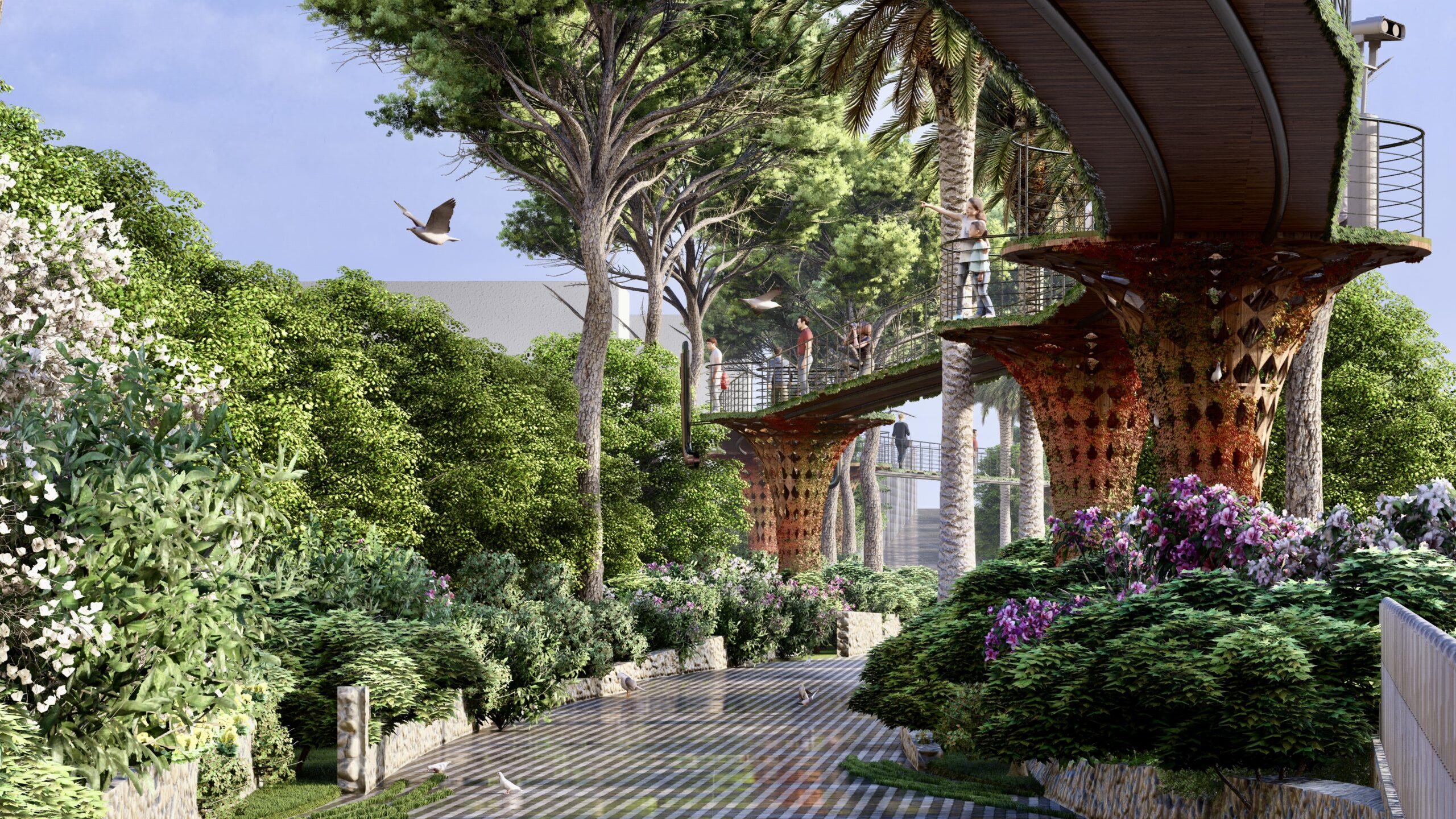
Renaturalized Pathways SITE ANALYSIS ECOTONES AND BIOMES FLORA AND FAUNA Hypothesis & Concept THE DESIGN THE VISUALS HUMAN INTERACTION
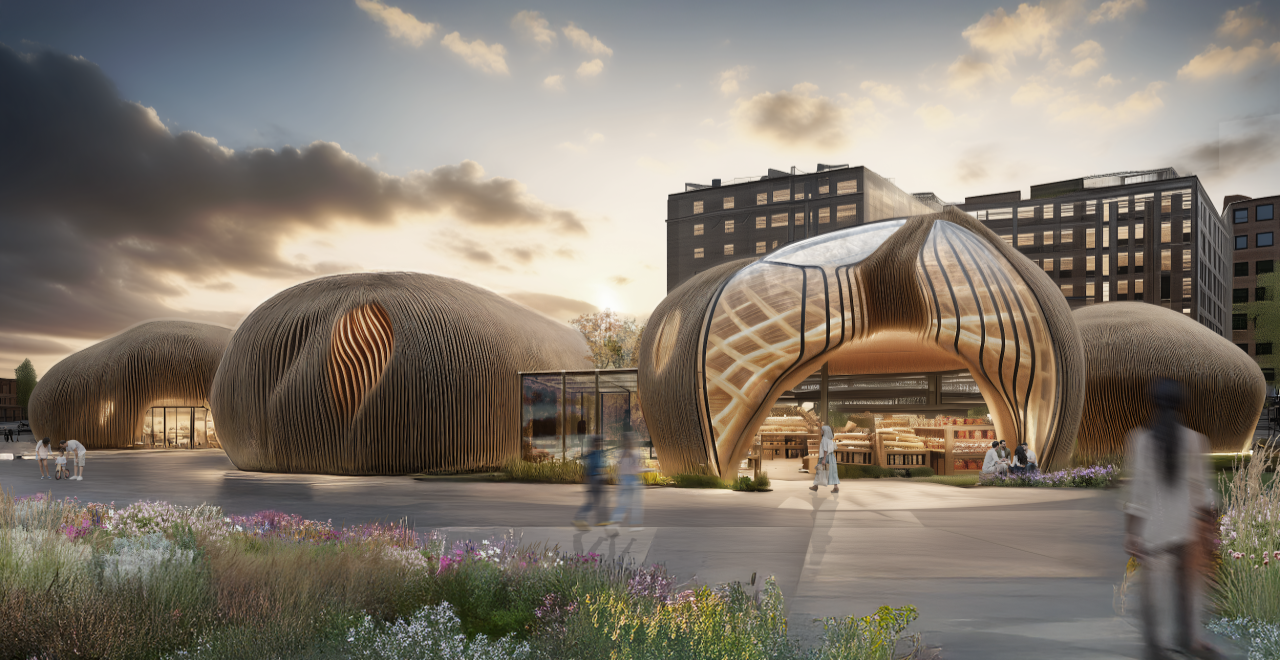
ROOTED ECO-SCAPES
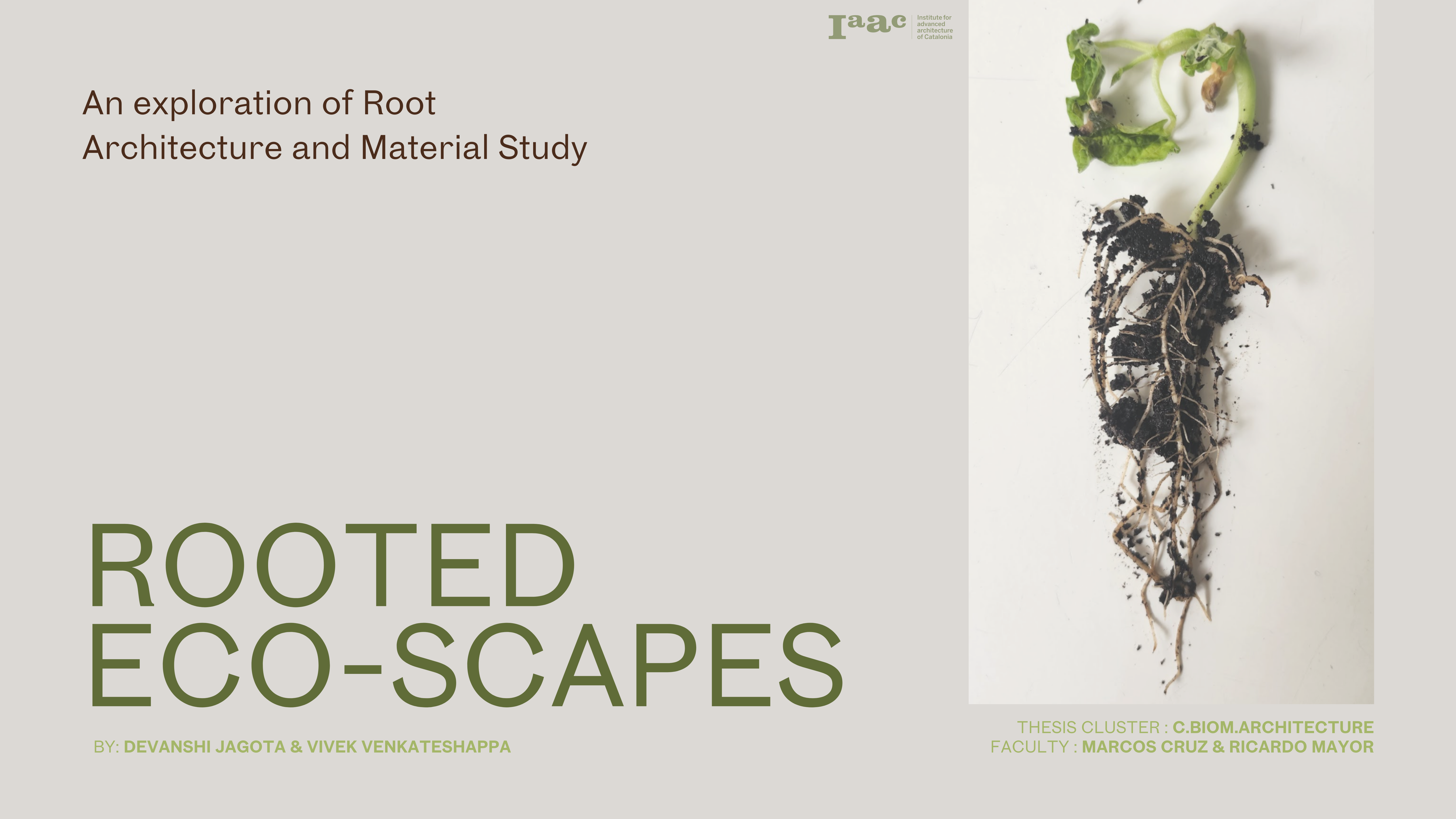
An exploration of Root Architecture and Material Study By uniting Ecological Restoration techniques with an adaptable architectural system, this project envisions a scalable, self-sustaining model that harmonises with natural ecosystems. Although the approach is contextualised within specific urban challenges, it offers a flexible framework adaptable to various environmental conditions and site-specific needs, ensuring its broader … Read more
