The MAA is a visionary master program with an innovative and open structure, mixing diverse disciplines, shaping professionals capable of producing theoretical & practical solutions towards responsive cities, architecture & technology.


Filters
Course

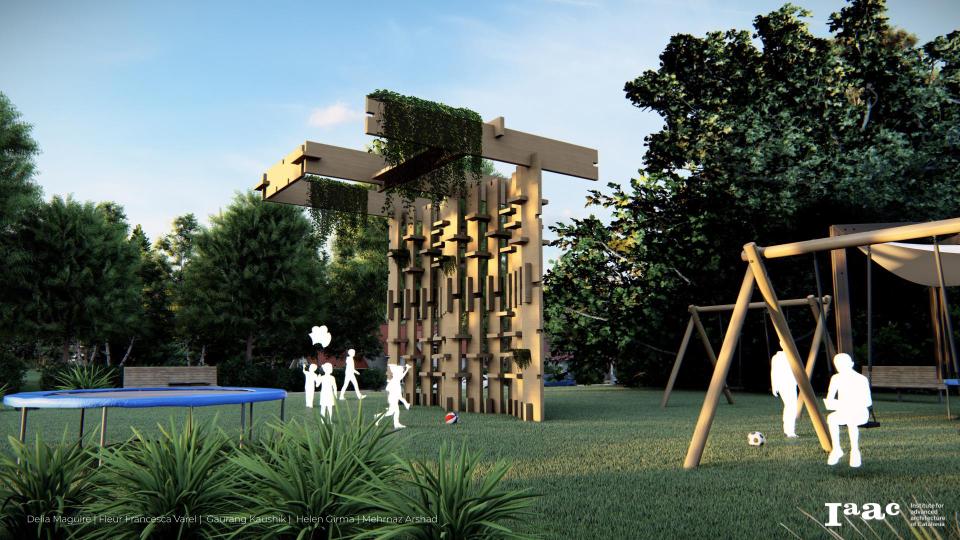
Directional Strength: Glulam Components in Force-Responsive Design

This research explores the optimization of glulam in architectural design by aligning material grading and grain orientation with force trajectories. Combining glulam offcuts and higher-grade timber, the study minimizes waste while maximizing structural efficiency. Computational workflows and generative algorithms are used to design force-aligned components for scalable applications. Prototypes demonstrate enhanced performance and sustainability, offering … Read more

Transient Plastics

The plastic crisis has reached staggering proportions. If all the plastic waste on Earth were laid out, it would be enough to cover the entire surface of Argentina ankle-deep. Every year, we produce 300 million tons of plastic globally. Yet only 10% remains in use, while more than 80% is discarded. Of this discarded plastic, … Read more

.WAVE LIGHT.

“When light scenography meet architecture” .Manifesto. This pavilion is conceived as an immersive scenographic installation that merges architectural geometry, lighting design, and environmental interaction. At its core, the project explores the dynamic relationship between form, light, and water, transforming the structure into a performative space that engages visitors through a carefully choreographed visual experience. The … Read more

ROTATIONAL COLUMN – CIRCULAR WOOD DESIGN

STATE OF ART Part to Whole HG-A, South Korea – 2014 Building Traditions with Digital Research Rui Oliveira, Jose Pedro Sousa – 2016 Columns are analyzed as primary element of Ferreira’s designs. Columns, traditionally crafted through meticulous layering of bricks, are viewed both as structural and visual elements in his designs. RESEARCH QUESTION; “In what … Read more

ROBOTIC FABRICATION SEMINAR

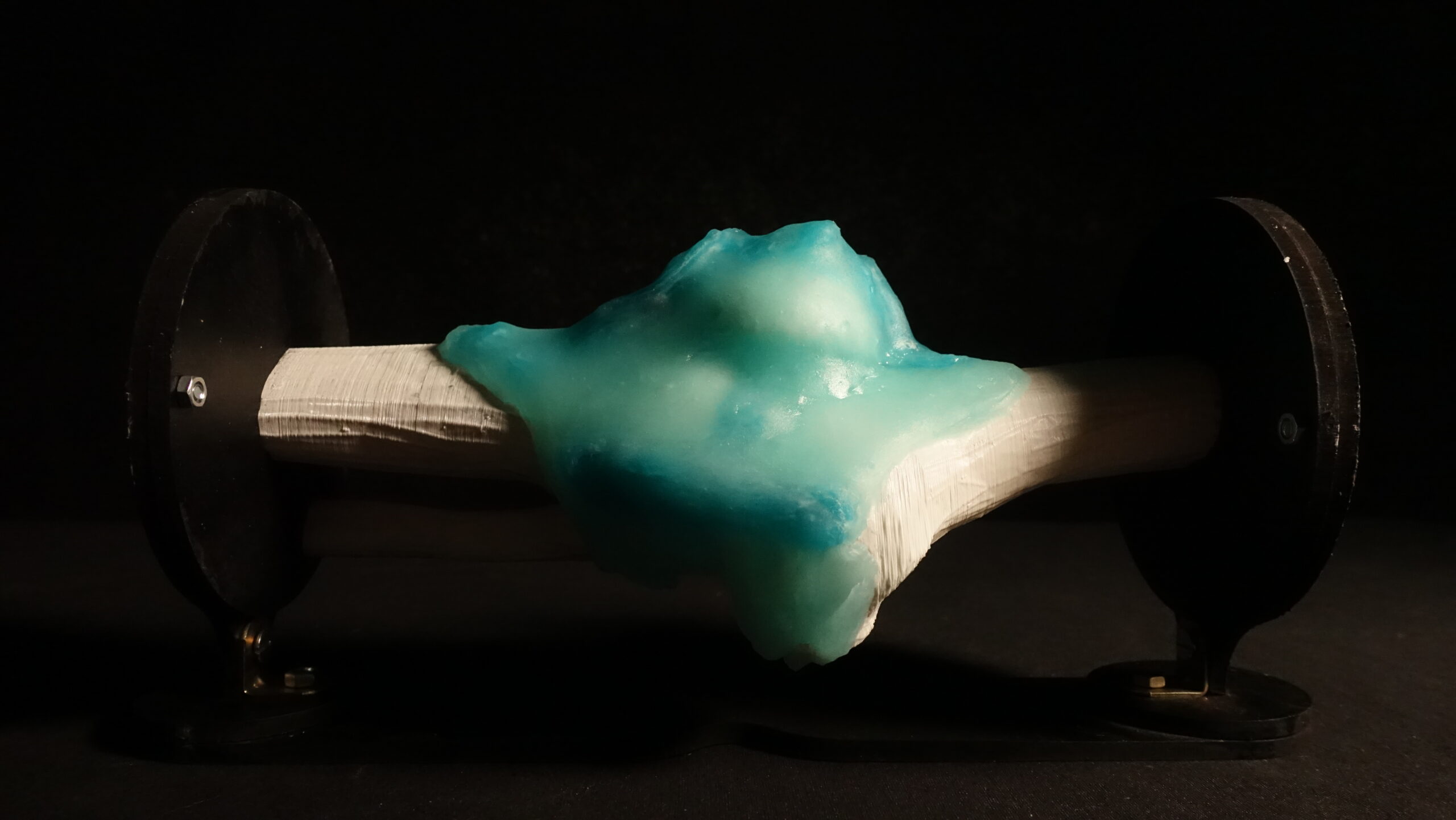
The environmental impact of the construction industry is a pressing concern. As architects, it’s essential that we shift from a linear model of consumption and production to a circular economy. In recent years, there has been notable progress in upcycling various construction materials and replacing high-emission materials like concrete with more sustainable alternatives, such as … Read more

Irregular Modularity

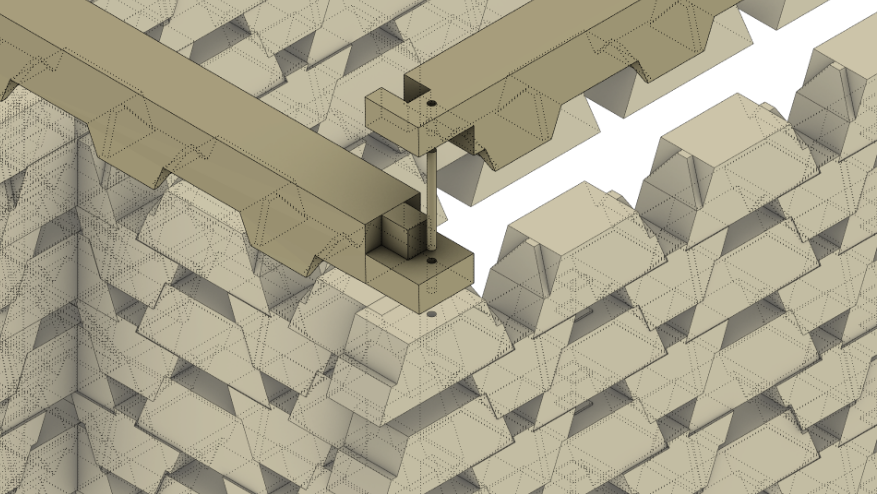
How can we use irregular elements of reclaimed offcut-timber to  challenge the methodology of using planar, Interlocking and stacking techniques which can then be utilized in the design of forms ? Data CollectionThis first starts with a collection of materials and the creation of a database. This database serves as a resource for the planning … Read more

Decharbonization

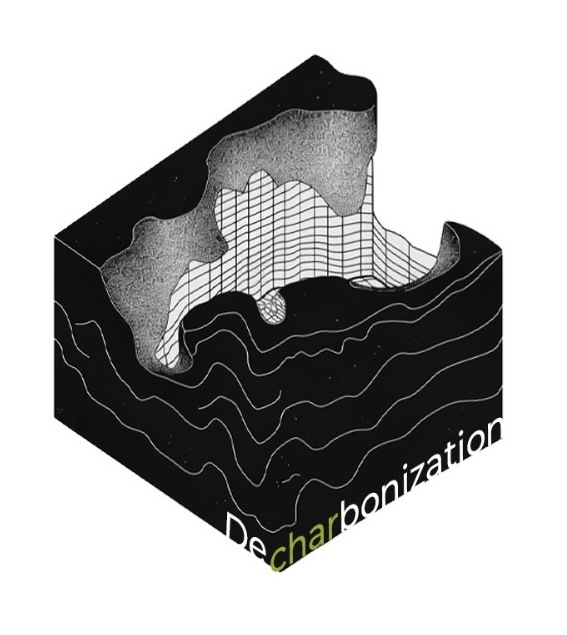
From exterior soil remediation to interior acoustics enhancement The goal of this project is to create a non-cementitious geopolymer, using as the main component biochar, an worldwide abundant material, and amplify its qualities to sequester carbon in order to make carbon sink architecture. Through the process of material engineering and testing, it was possible to … Read more

SilentShell

Segmented Shell Structures with Cork Panels: Design, Robotic Fabrication and Assembly “SilentShell” explores the use of cork for sound absorption in creating buffer partitions within the IAAC workspace, employing a shell structure concept. The design features a wooden frame with cork panels, fabricated through a combination of robotic and human efforts. The process includes preparing … Read more

Saline Manifolds

Thesis Statement Poor quality health services is an emerging  phenomenon in low, middle and even high income countries. The situation is worse in low and middle-income countries where 10 percent of hospitalized patients can acquire an infection during their stay, as compared to seven percent in high income countries. Moreover, the situation is even more dire … Read more

MARTIAN LINK

Reimagining a Human Settlement on the Red Planet Envisioning a self-sustained colony on Mars, our primary focus is on revolutionizing transportation within the red planet. Sustainability is our guiding principle as we design an efficient transportation system that seamlessly connects habitats across various clusters. Incorporating Tensegrity moving parts, Inflatable lightweight structures, and a Hexagonal Grid framework, our approach embraces a Kit-Of-Part methodology. Following … Read more

GAUDI’S CAT

GAUDI’S CAT pavilion is inspired by the geometry of Antonio Gaudi – famous Catenary arches. The structure of the pavilion consists of a central space under the canopy and an open part above. Catenary arches are located in three parts of the pavilion, serving as entrances to it, and elements of Catenary arches are also … Read more