Within the current global context of rapid change, integrated with the potentials of digital technologies, IAAC’s Master in AI for Architecture and the built environement (MaAI01) is committed to the generation of new ideas and pioneer novel AI-driven solutions applications for the fields of Urban Tech, Smart Construction and Natural Ecosystems. The three transversal objectives of the program are Regenerative Design, Carbon Neutrality and Co-Design Processes.
In this context IAAC and the MaAI works with a multidisciplinary approach, integrating computational design, rapid prototyping, machine learning, data science, and generative AI implementing sustainable practices at an unprecedented scale. Facing the challenges posed by our environment and the future development of cities, architecture and buildings, through a virtuous combination of technology, biology, computational design, digital and robotic fabrication, pushing innovation beyond the boundaries of a more traditional architectural approach.

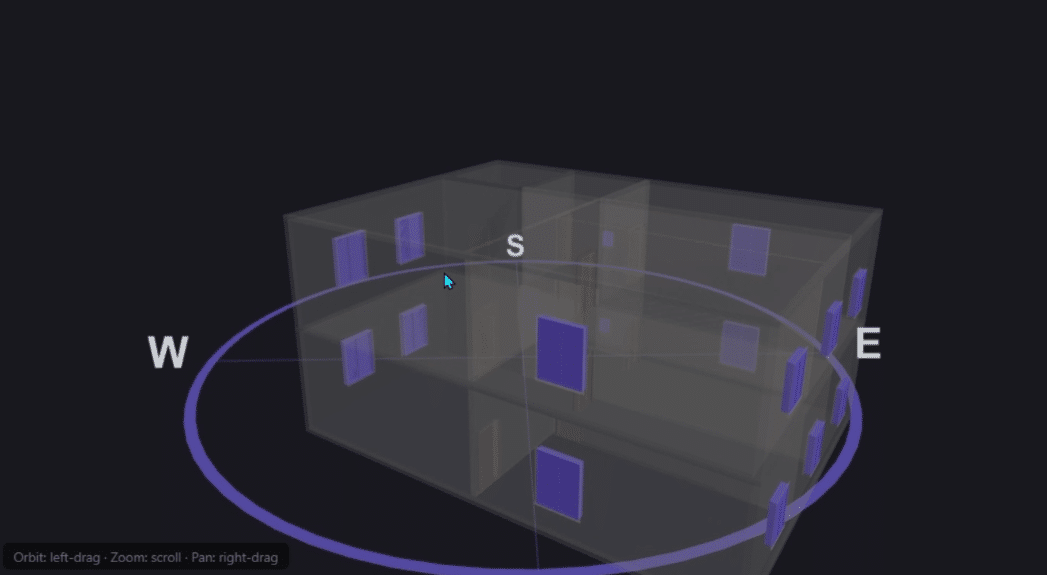
Go Passive

A web application that analyses an IFC building model and recommends passive cooling strategies for Mediterranean climates. Upload a building, place it on the map, set its orientation, and get a ranked set of design interventions backed by a knowledge graph and Claude AI. The tool helps architects explore the passive strategies of their building … Read more


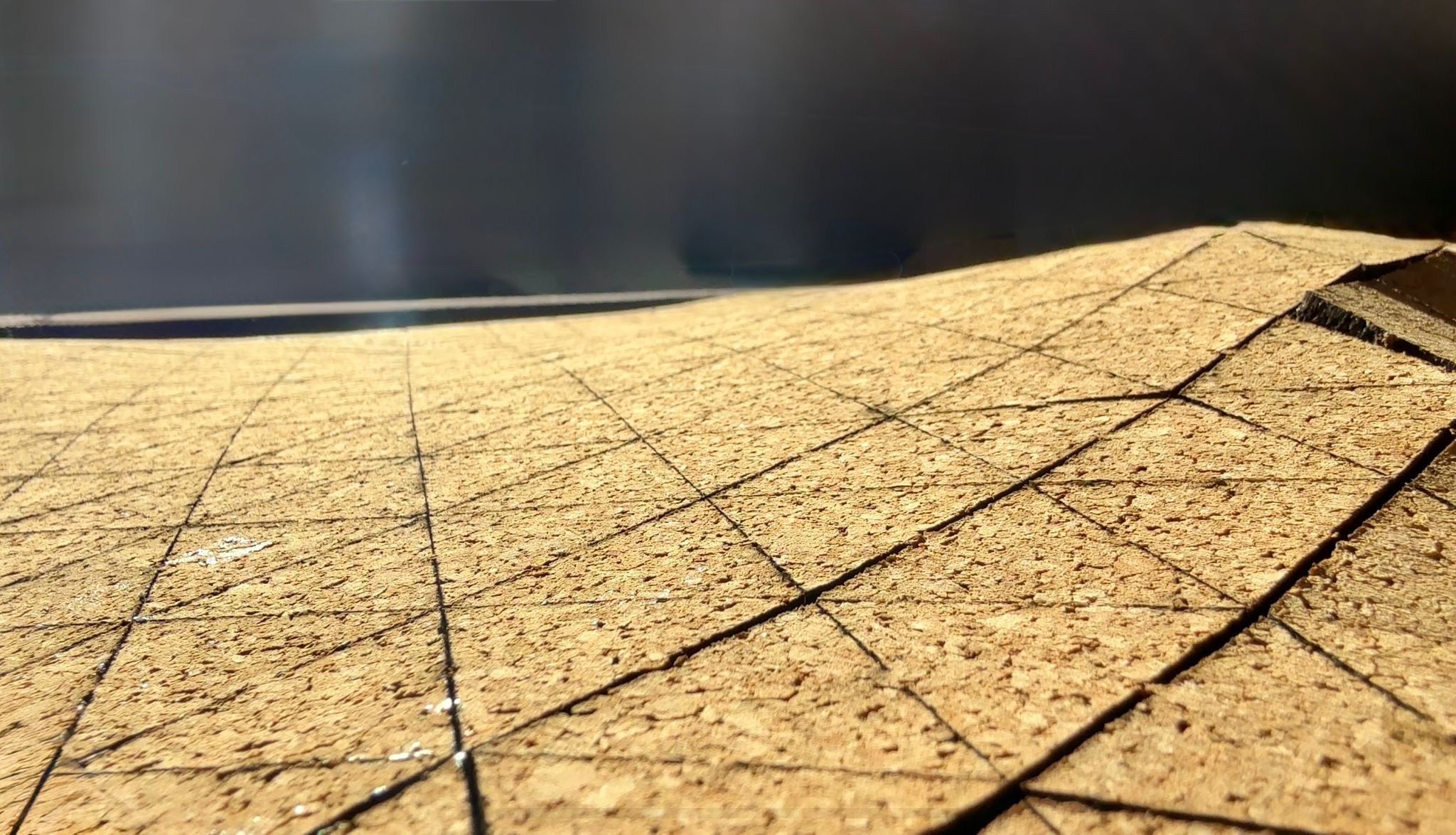
Guided Comparative Assembly

A tangible table that shows a building’s cost, carbon and time while you design it Hardware III · Human in the Loop · Interactive Systems · 2025–2026 Every building starts with a handful of decisions made in the dark — material, method, footprint, height. They are committed first, before anyone consults the data, and they … Read more

Holy Woah

The global agricultural system is facing a severe crisis. Currently, agriculture is responsible for consuming a staggering 79% of global freshwater. Despite this massive consumption, the process is highly inefficient, with 60% of irrigation water being lost. Furthermore, modern farming relies heavily on chemicals, seeing a 70% increase in pesticides, while an estimated 40% of … Read more

IAAC · Research Studio · 2026

GigAI: An Event-Driven Coordination Execution Layer for Construction Project Management Team: Martina Simoni · Sumit Sudhir Shingne · Rafik El KhouryFaculty: Marita Georganta & Akshay Madapura Project managers spend more than half their time chasing information that no plan ever scheduled. We built GigAI to fill that gap — the coordination execution layer that sits between planning, … Read more

Veil Of Timber

Veil of timber title

Veil of Timber explores the transformation of a parametric pavilion into a detailed, data-driven BIM system. By integrating computational design and metadata with the help of grasshopper and real-time visualisation using Speckle and Power BI. The project bridges geometry and data to enable querying, analysis, and informed decision-making. Overview The pavilion is a parametric system … Read more

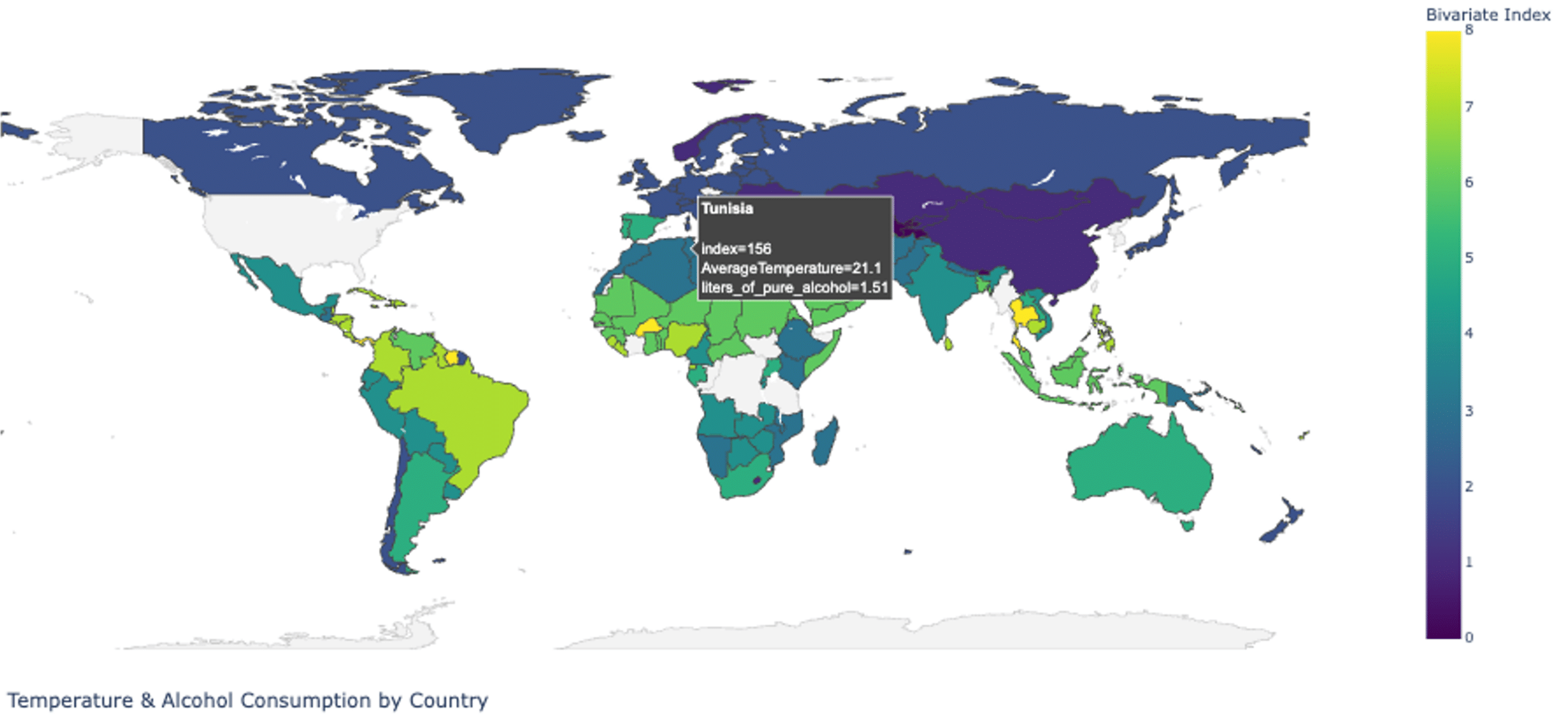
Deforestation, Land Cover, & Urbanization In Brasil – Dashboard

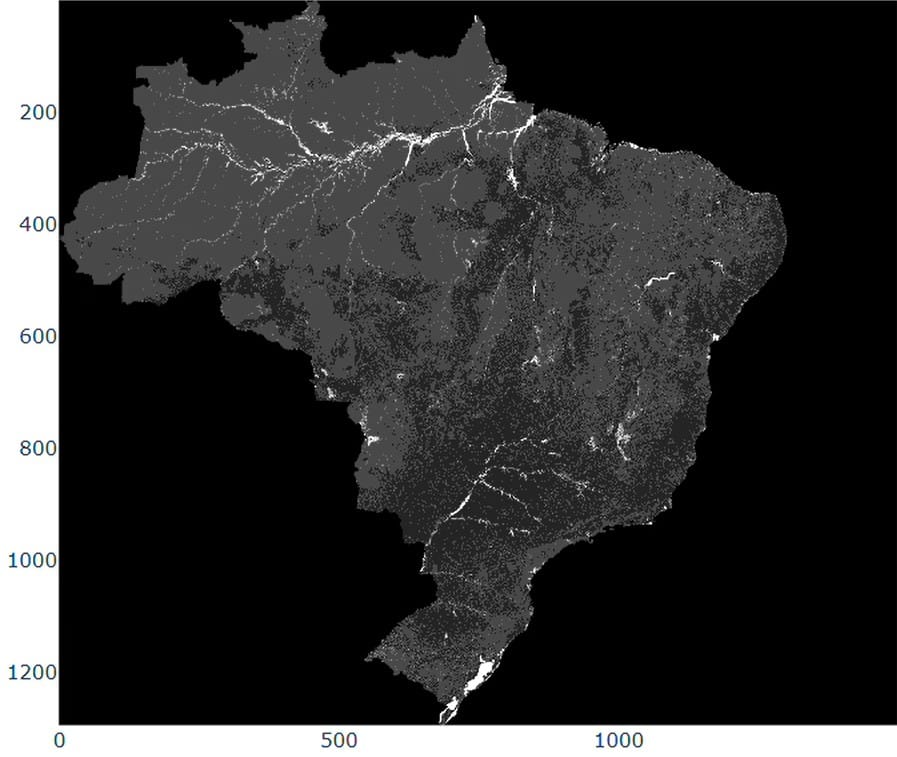
Deforestation Raster Map – 2024 The visualization depicts accumulated and annual deforestation patterns in Brazil from 1985 to 2024. The accumulated dataset shows a continuous rise in total deforested areas, reaching over 140 milllion hectares. Annual trends reveal strong fluctuations, with peaks in the late 1980’s and mid-2000’s, followed by decreases and renewed variability in … Read more

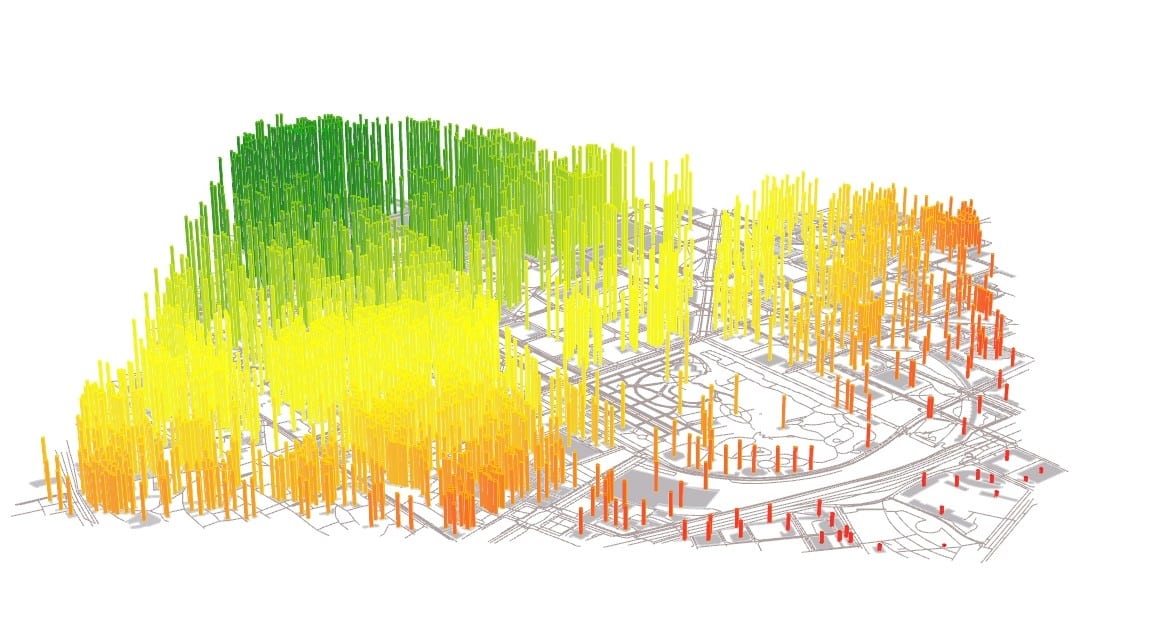
URBAN-Ai: AI based forecasting platform that predicts evolution of urban density and land-use.

The growth of cities on an urban level has been very random and often scattered due to several reasons, like; UNDPREDICTABLE URBAN GROWTH, DYNAMIC ZONING TRENDS and SHIFTING DEMANDS. This has led to the cities being have to be planned reactively rather than proactively. This has led to a problem of cities being inefficient, rising … Read more

Urban Healthcare

Cities are complex systems where accessibility to essential services—such as healthcare—can directly affect quality of life and emergency response outcomes. Traditional urban maps often show where services are located, but they rarely communicate how accessible these services are in real, everyday conditions. The This project explores how computational design tools can be used to analyze … Read more

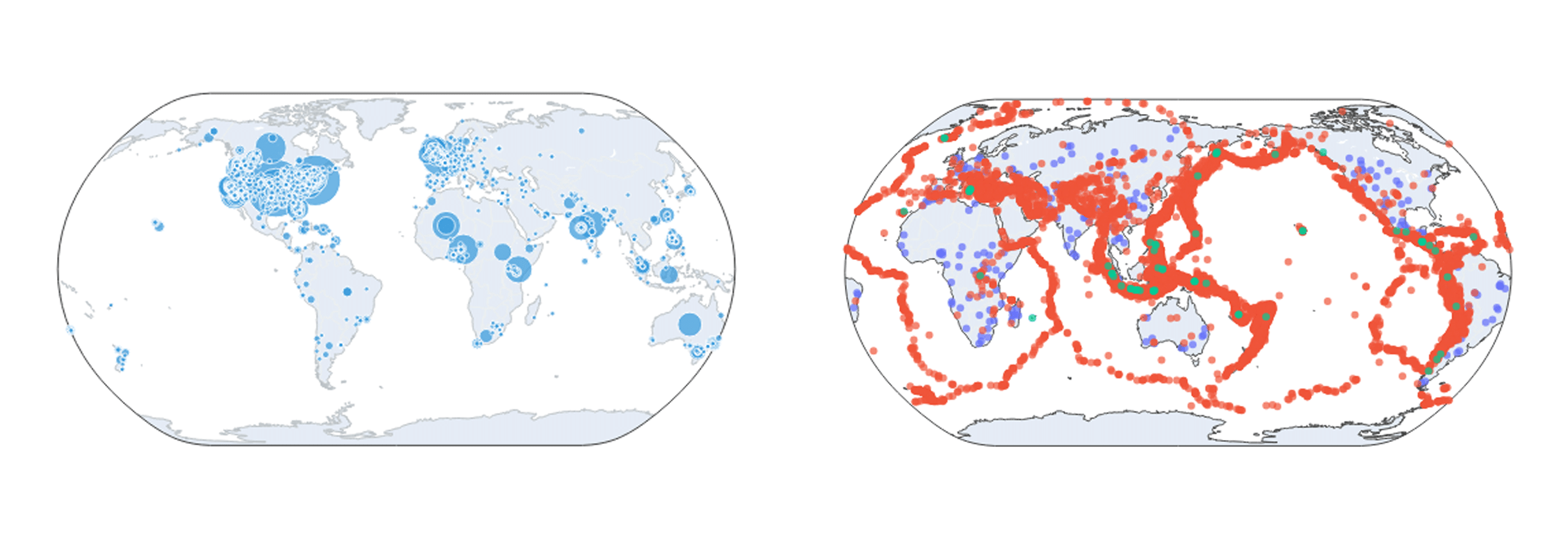
Unified Disaster Intelligence : Mapping Live Social Signals onto Historical Risk

Context This dashboard explores how real‑time tweets about disasters can be read against a global catalogue of events such as droughts, earthquakes, and eruptions between 2010 and 2025. By combining these two layers, the project asks how public, noisy, bottom‑up signals might complement slower institutional data in climate‑driven risk scenarios Framing the question Over the … Read more

Acoustic Skin

An Intelligent, Shape-Shifting Sound Control System 01 | Project Abstract Acoustic Skin is an acoustic panel that morphs its surface geometry in real time to control the way sound interacts with the environment.
 It uses an array of miniature pistons embedded in a felt-covered membrane, behaving like a living, breathing skin that adapts its texture … Read more