
IAAC’s Master in AI for Architecture & the Built Environment is a unique program oriented towards leading the change in decarbonising human activities and crafting a more sustainable, resilient future urbanisation for our planet. Through an innovative curriculum deeply rooted in AI applications, the program pioneers novel AI-driven solutions that not only respond to the pressing challenges of our time but also set a new standard for environmentally and socially conscious co-design and planning. The Master in AI for Architecture & the Built Environment is training the professionals that city administrations, governments, industries, and communities need, to transform the built environment in the era of digital technologies.

Parametric Transformation: Gaudi Inspired Acoustic Panels

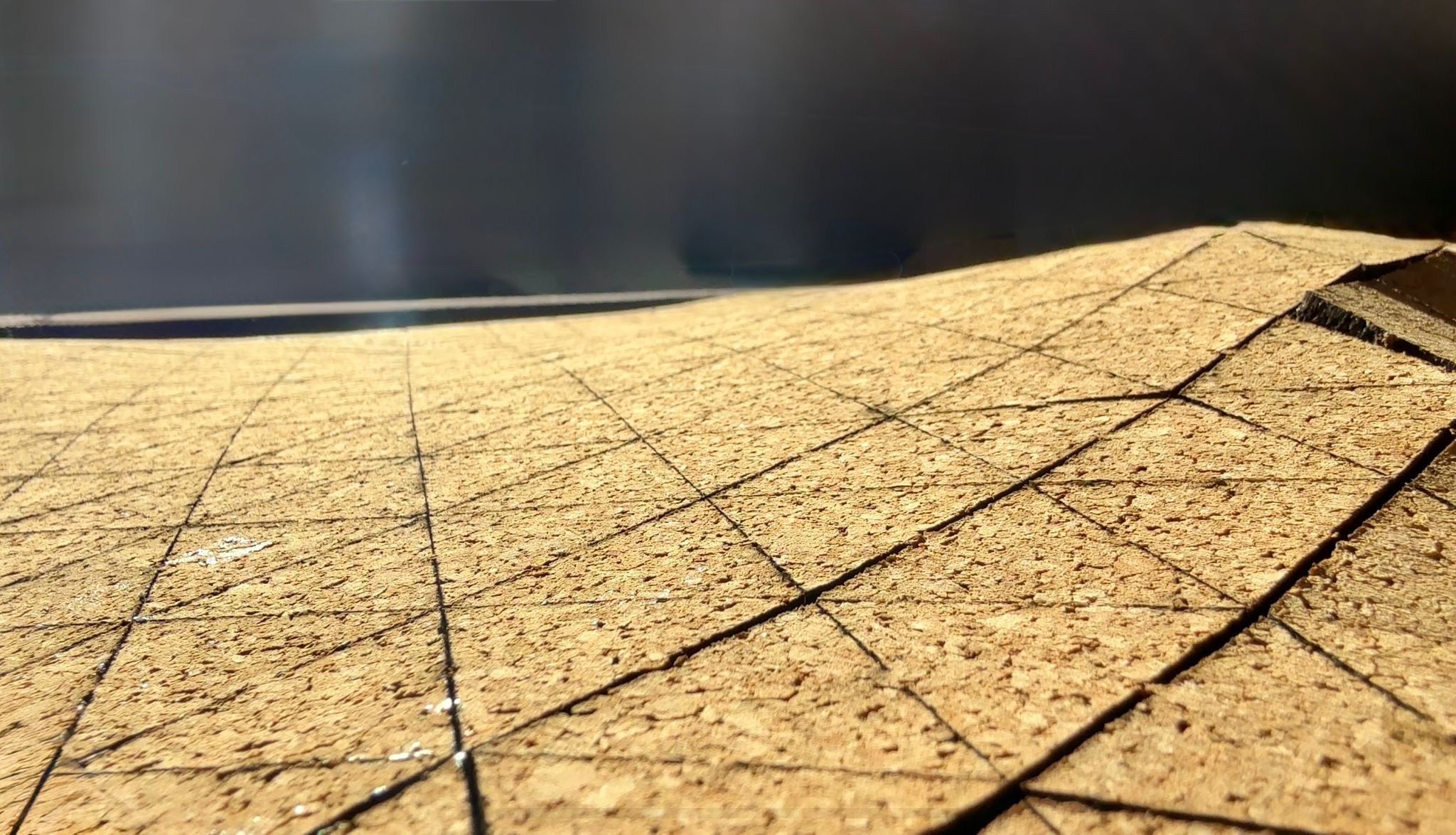
Abstract This project looks at turning waste cork materials into 3D printed acoustic panels, using design ideas taken from Gaudí’s work in the Sagrada Familia. The cork comes from reused bottle stoppers collected in Catalonia, then ground down and turned into a printable filament, so the whole process fits into a circular material workflow. On … Read more
Acoustic Skin
An Intelligent, Shape-Shifting Sound Control System 01 | Project Abstract Acoustic Skin is an acoustic panel that morphs its surface geometry in real time to control the way sound interacts with the environment. It uses an array of miniature pistons embedded in a felt-covered membrane, behaving like a living, breathing skin that adapts its texture … Read more
Thermo – Acoustic Urban Pavilion

01 | Concept 02 | Resonance 03 | Prototype 04 | Components 05 | Circuit diagram If the temperature inside the pavilion is high or the noise level outside is high, both panels will close automatically using the servo motors. Below is how this logic connects to your architecture layers and the circuit design: 06 … Read more
Real time fabrication space control

AI for Robotic Fabrication Real-time control in fabrication spaces is essential for enhancing operational efficiency, minimizing risks, and ensuring worker safety. In dynamic manufacturing environments, accurately locating and tracking elements—such as machinery, tools, materials, and personnel—can drastically reduce accidents, optimize workflows, and streamline resource management. Through this project, we aim to integrate advanced sensing technologies, … Read more
AI FOR ROBOTIC FABRICATION: Smarter Motion by Bridging Simulation and Reality in Robotic Clay 3D Printing
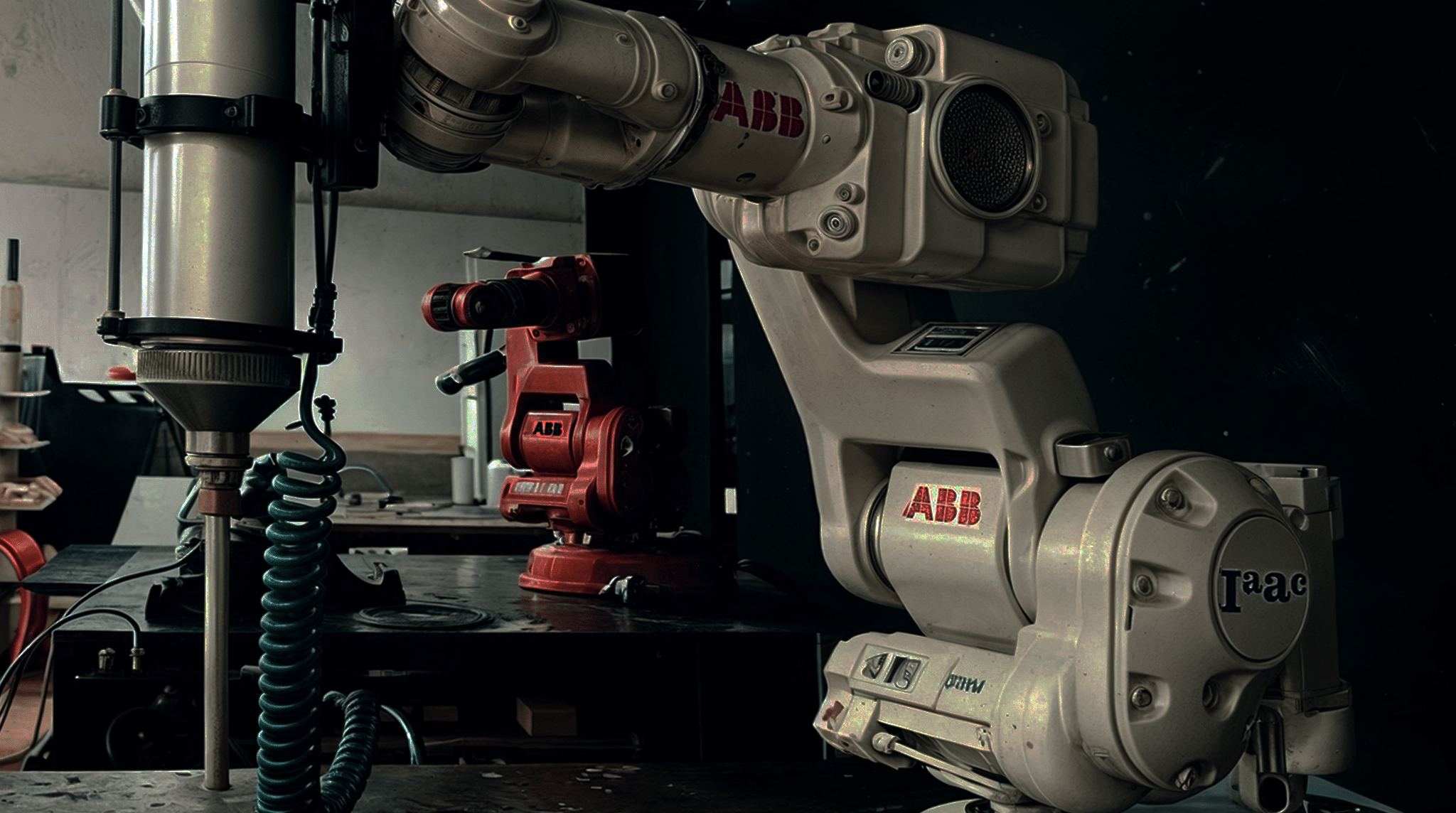
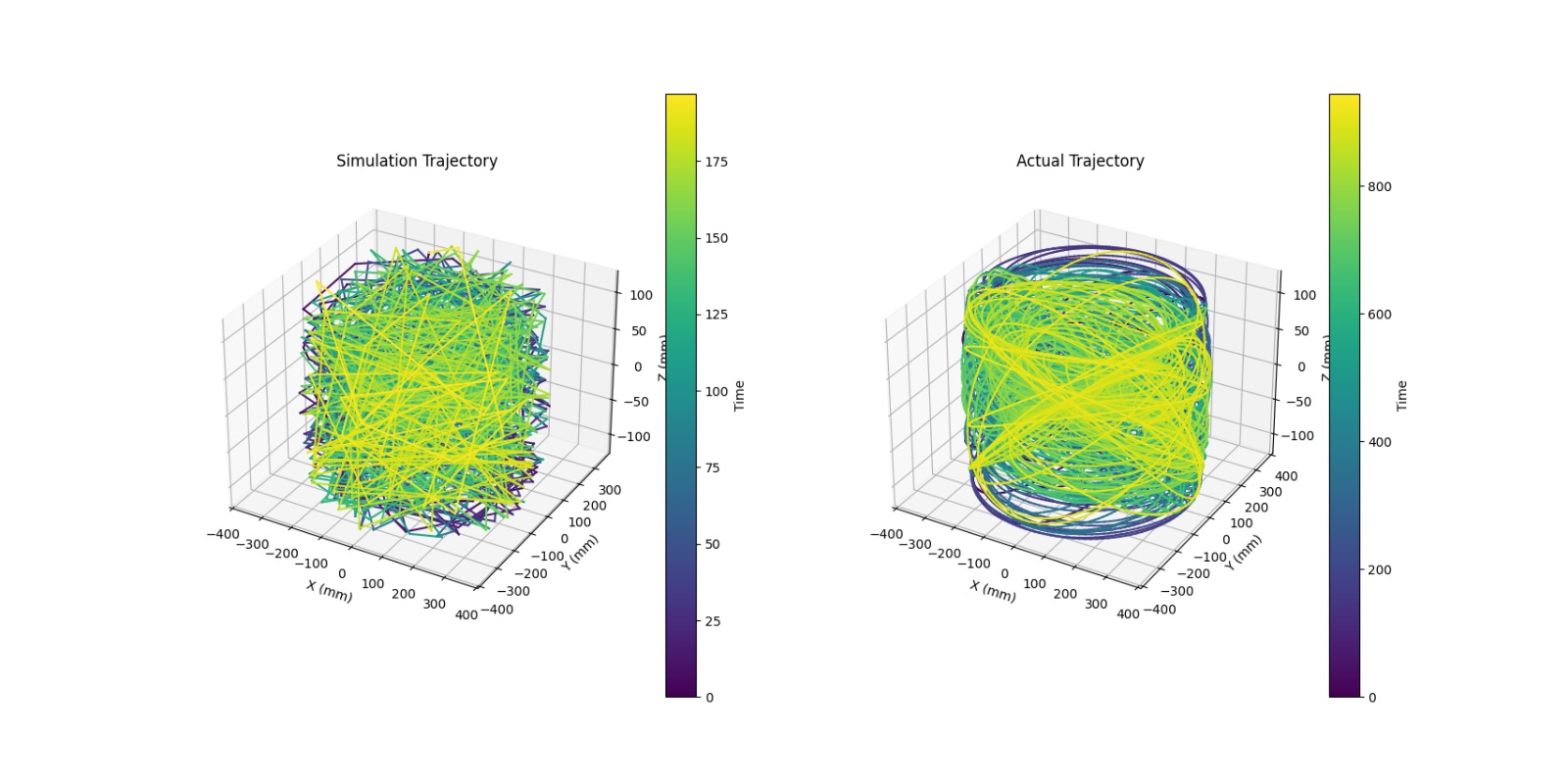
https://github.com/PaintDumpster/ai_for_robotic_fabrication.git In the field of robotic fabrication, precision is everything! Yet there’s often a significant gap between a simulated toolpath and the real-world movement of a robotic arm. Subtle discrepancies can lead to printing errors, structural issues, or failed prototypes. We explored how AI can be used to minimize this gap. This investigation sits at … Read more
Reinforcement Learning for Robotic Pick and Place
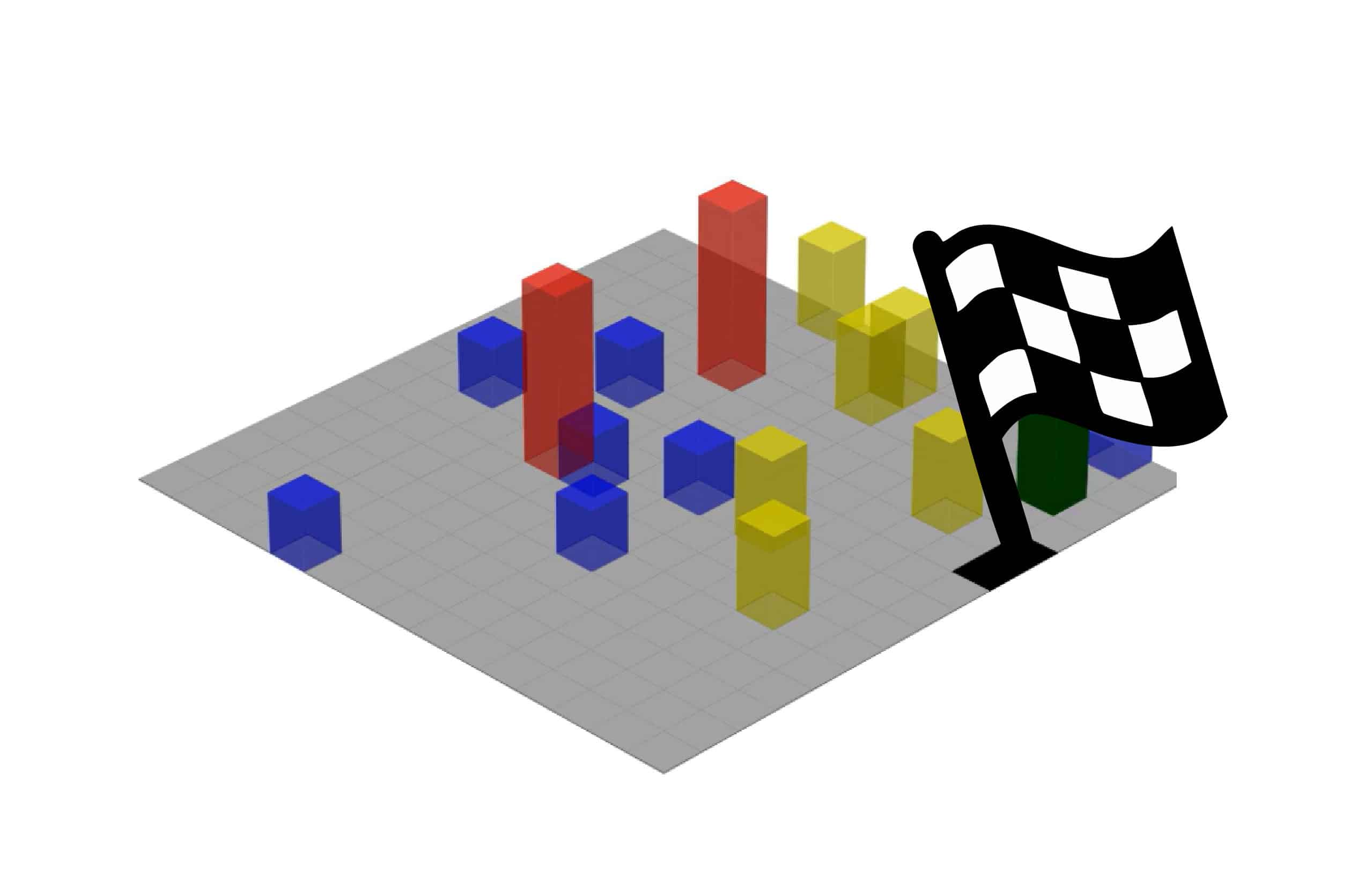
In pick-and-place robotics, a robotic arm must move from a start position to a target location (e.g., to pick or place an object) while safely navigating around obstacles. These obstacles may vary in size, severity, or risk — requiring the robot to adapt its path based on the workspace condition. This project simulates the core … Read more
Intelligent Prototyping using Robot & Arduino
Intelligent Prototyping: Robotics and Micro-controllers
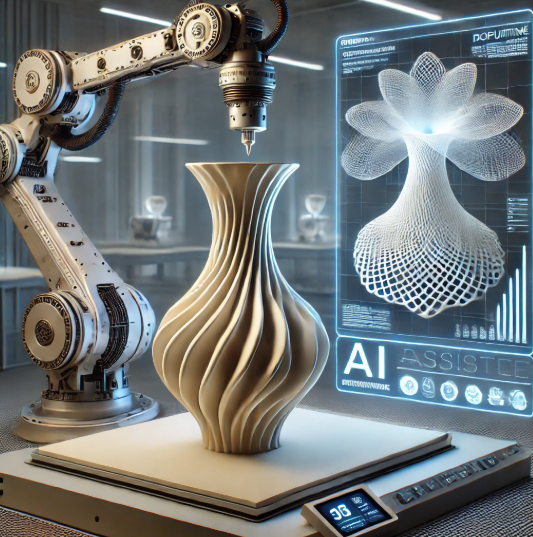
The work presented in this blog post is an approach combining Robotics and Microcontrollers as preparation for a main Research Studio project focused on sustainable facades and environmental guidelines. This represents our first steps in exploring these fields and their connections with Artificial Intelligence in Architecture and the Built Environment. In the Robotics domain, the … Read more
