IAAC’s Master in AI for Architecture & the Built Environment is a unique program oriented towards leading the change in decarbonising human activities and crafting a more sustainable, resilient future urbanisation for our planet. Through an innovative curriculum deeply rooted in AI applications, the program pioneers novel AI-driven solutions that not only respond to the pressing challenges of our time but also set a new standard for environmentally and socially conscious co-design and planning. The Master in AI for Architecture & the Built Environment is training the professionals that city administrations, governments, industries, and communities need, to transform the built environment in the era of digital technologies.


Filters

Curbside Intensification
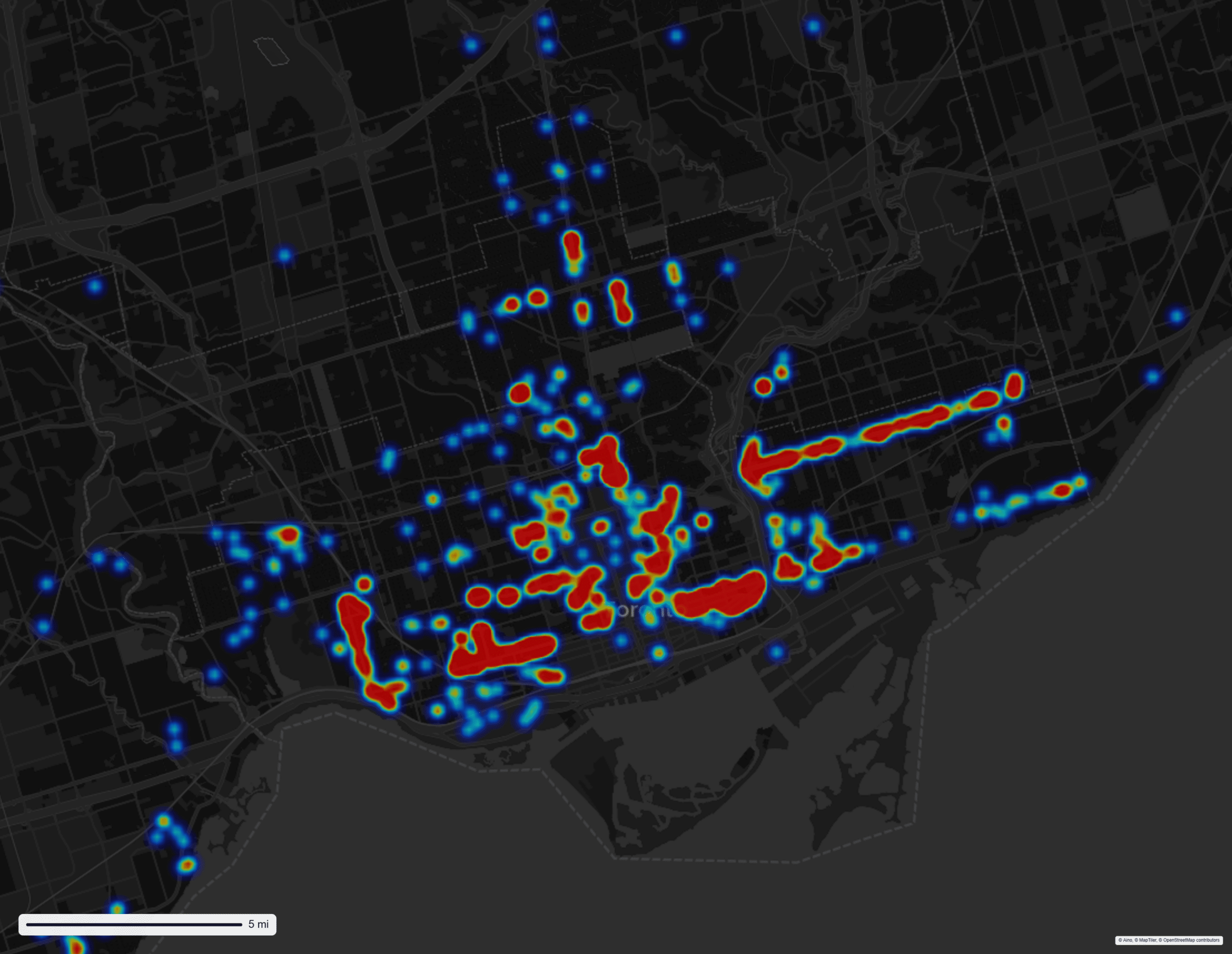
Ertuğrul Akdemir MAAI · Master in AI for Architecture and Business Innovation 25/26 Advisor: Shajay Bhooshan An AI tool that reads how streets behave through the day and tests where the curb could change use, then shows how that change spreads across the city before anything is built. Streets are designed once and rarely questioned. The … Read more

Invest Through Behavior

Invest Through Behaviour reframes how capital decisions are made in social housing impact investment. Today, investment decisions rely on high-level financial and ESG indicators that assume impact rather than demonstrate it, and that obscure the real trade-offs between competing priorities. This project proposes a decision-support approach that treats neighbourhoods across London as a landscape of … Read more

SURROUND

Turning pollution data into planning decisions. TEAM: Martina Simoni , Rim Choufani, Rashi Desadla, Bhavana Priya B INTRODUCTION Kraków’s air quality problem isn’t abstract. It’s measurable, and it’s bad. Over six sessions, our team (Rim, Martina, Rashi, and Bhavana) used the CRISP-DM framework to ask a focused question: can urban form (building density, road networks, … Read more

Motion Pixels

Mapping out Spatial Intelligence Program: Master in AI for Architecture and the Built Environment (MaAI)Supervisor: Wassim Jabi Motion Pixels is a research project that explores how pedestrian movement can be transformed into spatial intelligence. By combining computer vision, trajectory analysis, behavioral mapping, and machine learning, the project converts video recordings of public spaces into spatial … Read more

Reclaiming the streets

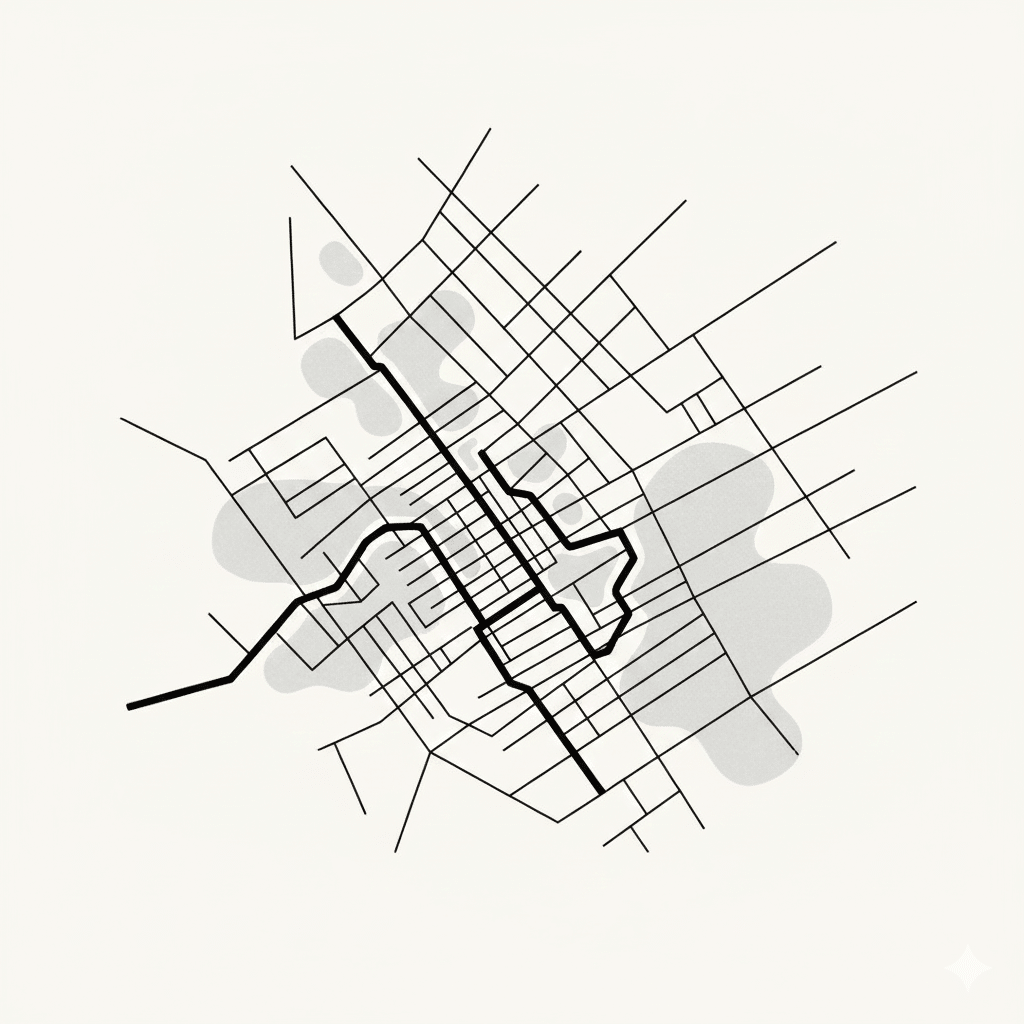
In contemporary urban planning, we often focus on the best parts of a city. However, true transformation begins by identifying the most vulnerable areas. We have recently developed a parametric model in Grasshopper to analyse the Gràcia District in Barcelona, utilizing a worst-case scenario routing logic to pinpoint exactly where new Green Axes should be … Read more

Deforestation, Land Cover, & Urbanization In Brasil – Dashboard

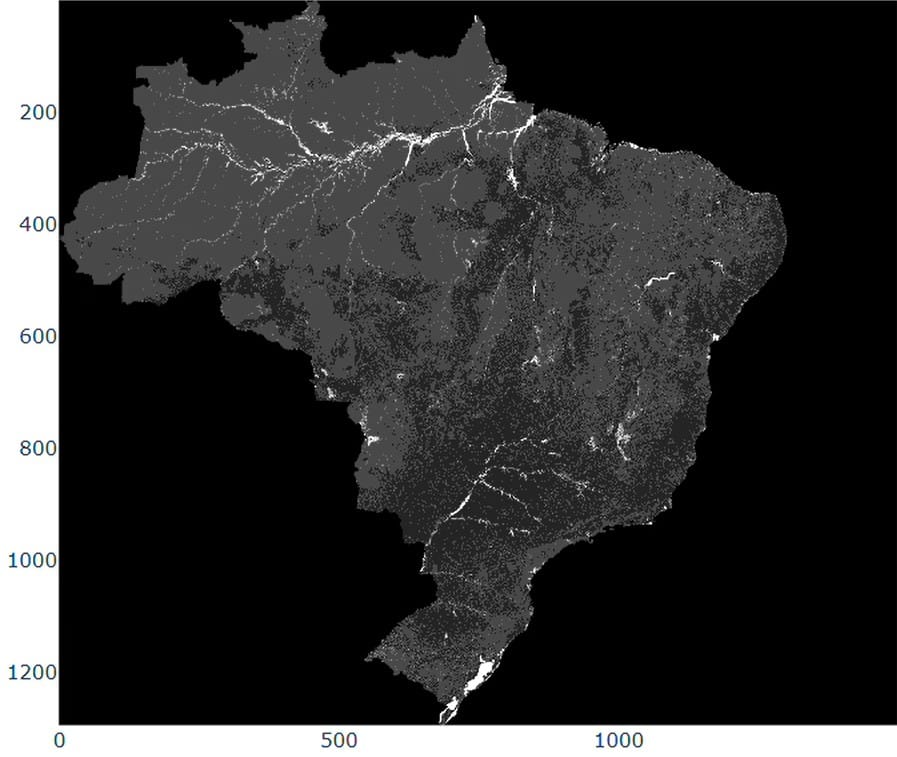
Deforestation Raster Map – 2024 The visualization depicts accumulated and annual deforestation patterns in Brazil from 1985 to 2024. The accumulated dataset shows a continuous rise in total deforested areas, reaching over 140 milllion hectares. Annual trends reveal strong fluctuations, with peaks in the late 1980’s and mid-2000’s, followed by decreases and renewed variability in … Read more

Urban Amenities Accessibility in Istanbul

How accessible is the city we live in? Beyond iconic landmarks and infrastructure, everyday life is shaped by small but essential places: schools, parks, shops, and services. Urban Amenities Accessibility in Istanbul is a computational design project that explores how these everyday amenities are distributed across Istanbul’s historical center and how easily they can be … Read more

Urban Healthcare

Cities are complex systems where accessibility to essential services—such as healthcare—can directly affect quality of life and emergency response outcomes. Traditional urban maps often show where services are located, but they rarely communicate how accessible these services are in real, everyday conditions. The This project explores how computational design tools can be used to analyze … Read more

Open to Sky

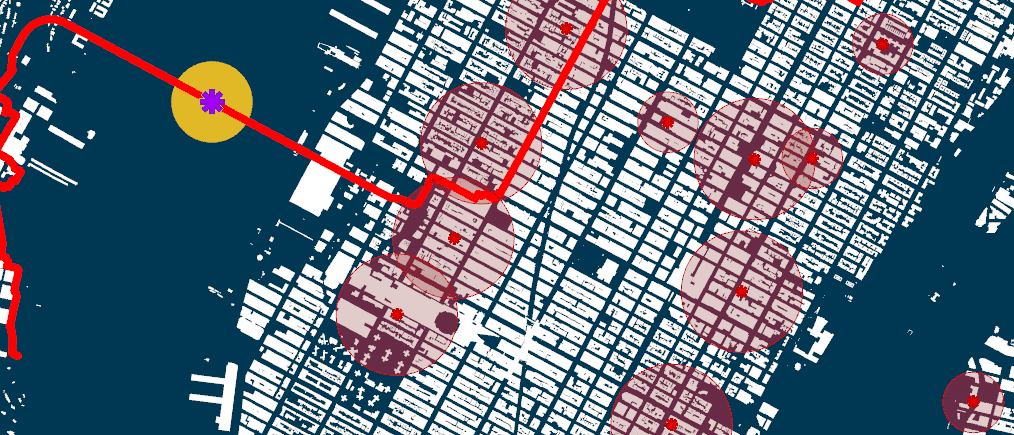
The aim of the project is to map the sky visibility in New York City as one walks from one public park to another with an added analysis layer of Heat Vulnerability Index (HVI)  to neighbourhoods. HVI is an index of the likelihood of someone from a neighbourhood to die due to excessive heat exposure, which … Read more

Flap-alona – butterflies, pollinators and Barcelona’s gardens

Pollinators, bees, butterflies, moths, bumblebees, quietly keep our ecosystems alive. They enable flowering plants to reproduce, sustain wild biodiversity, and support much of our food supply. Yet many of these species are in decline worldwide, threatened by habitat loss, chemical use, urban sprawl and climate change. In cities like Barcelona, where green spaces, gardens, parks … Read more