Within the current global context of rapid change, integrated with the potentials of digital technologies, IAAC’s Master in AI for Architecture and the built environement (MaAI01) is committed to the generation of new ideas and pioneer novel AI-driven solutions applications for the fields of Urban Tech, Smart Construction and Natural Ecosystems. The three transversal objectives of the program are Regenerative Design, Carbon Neutrality and Co-Design Processes.
In this context IAAC and the MaAI works with a multidisciplinary approach, integrating computational design, rapid prototyping, machine learning, data science, and generative AI implementing sustainable practices at an unprecedented scale. Facing the challenges posed by our environment and the future development of cities, architecture and buildings, through a virtuous combination of technology, biology, computational design, digital and robotic fabrication, pushing innovation beyond the boundaries of a more traditional architectural approach.

Filters

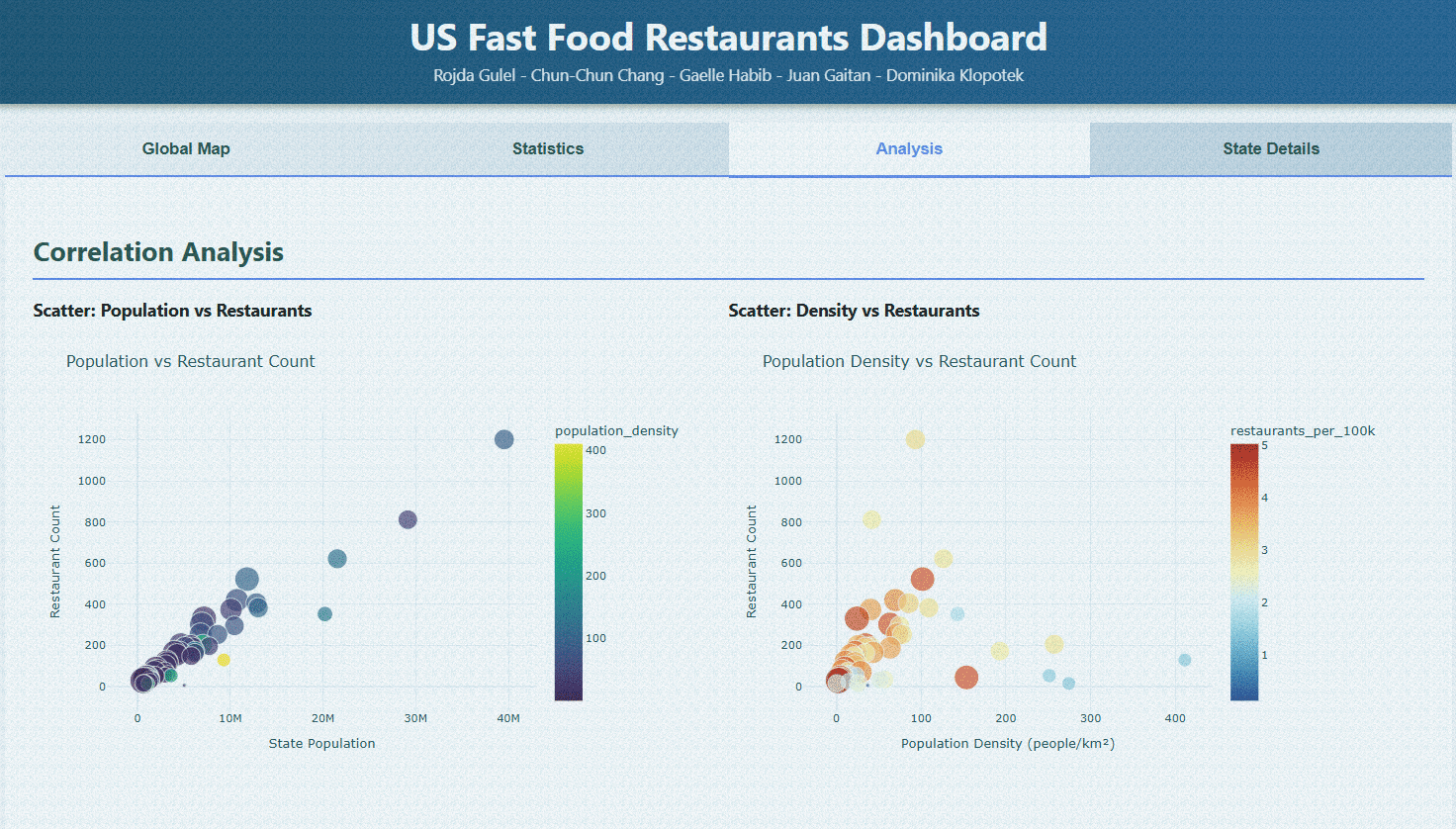
Deforestation, Land Cover, & Urbanization In Brasil – Dashboard

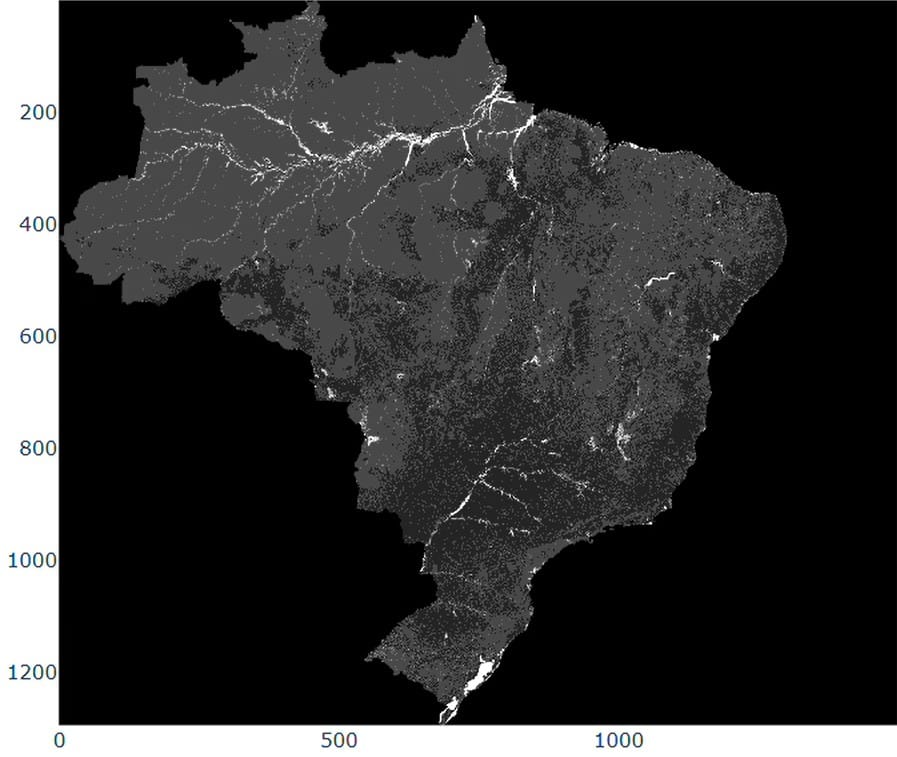
Deforestation Raster Map – 2024 The visualization depicts accumulated and annual deforestation patterns in Brazil from 1985 to 2024. The accumulated dataset shows a continuous rise in total deforested areas, reaching over 140 milllion hectares. Annual trends reveal strong fluctuations, with peaks in the late 1980’s and mid-2000’s, followed by decreases and renewed variability in … Read more

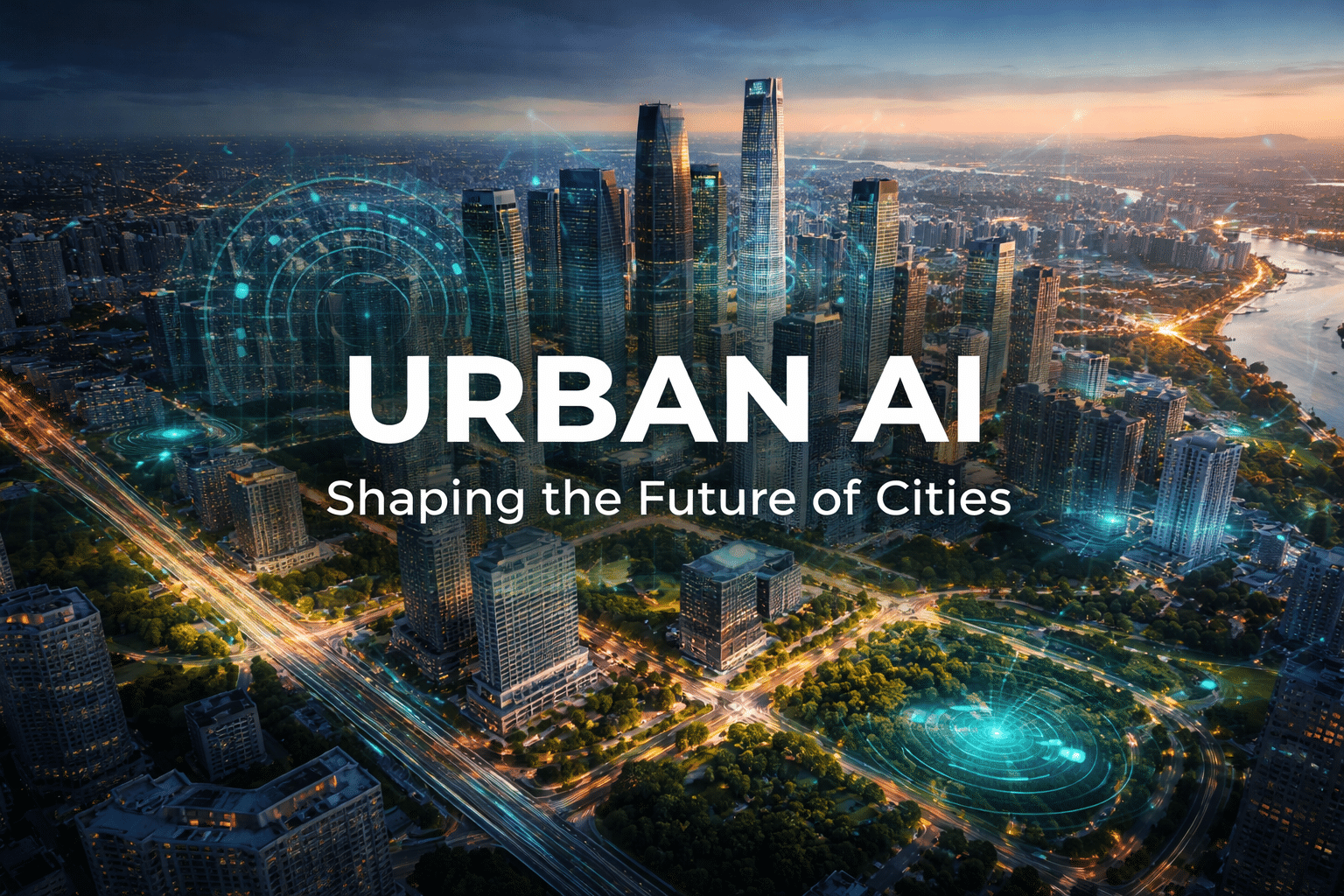
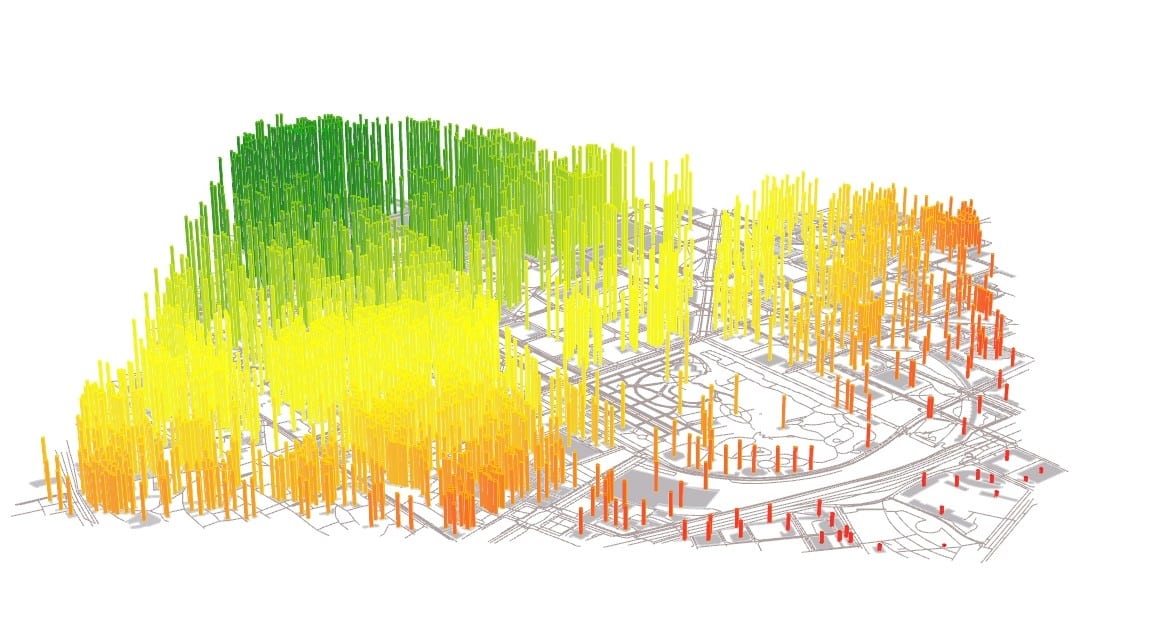
URBAN-Ai: AI based forecasting platform that predicts evolution of urban density and land-use.

The growth of cities on an urban level has been very random and often scattered due to several reasons, like; UNDPREDICTABLE URBAN GROWTH, DYNAMIC ZONING TRENDS and SHIFTING DEMANDS. This has led to the cities being have to be planned reactively rather than proactively. This has led to a problem of cities being inefficient, rising … Read more

Urban Healthcare

Cities are complex systems where accessibility to essential services—such as healthcare—can directly affect quality of life and emergency response outcomes. Traditional urban maps often show where services are located, but they rarely communicate how accessible these services are in real, everyday conditions. The This project explores how computational design tools can be used to analyze … Read more

Unified Disaster Intelligence : Mapping Live Social Signals onto Historical Risk

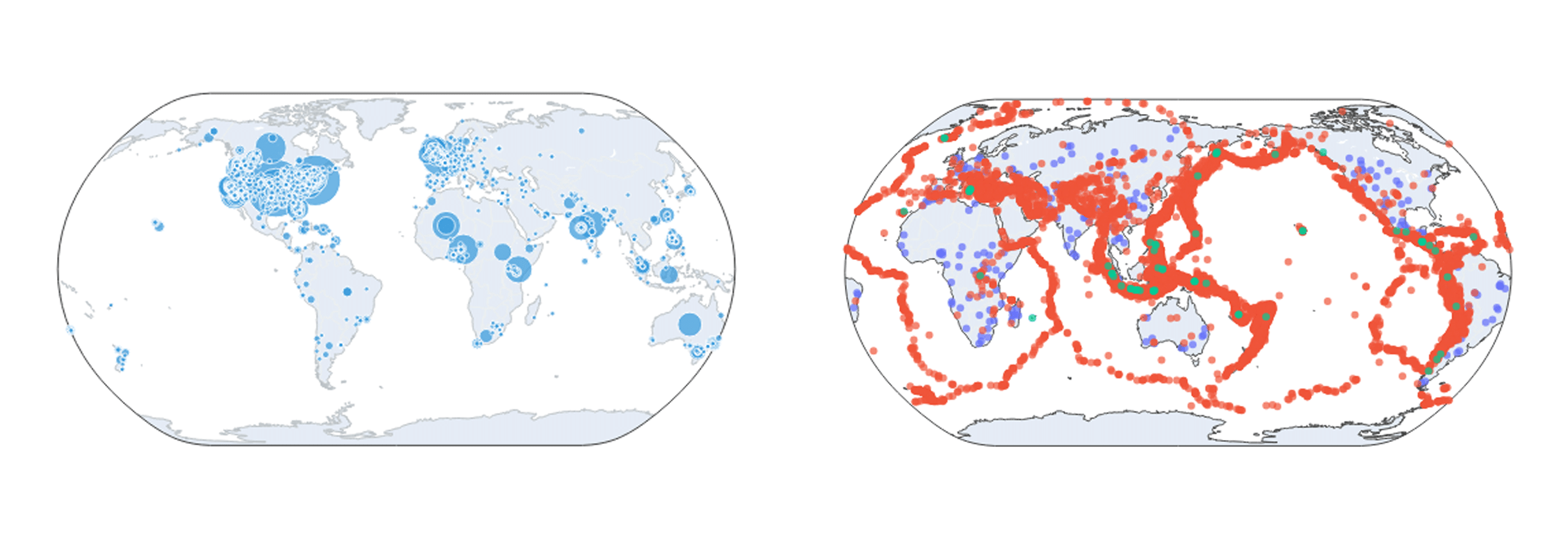
Context This dashboard explores how real‑time tweets about disasters can be read against a global catalogue of events such as droughts, earthquakes, and eruptions between 2010 and 2025. By combining these two layers, the project asks how public, noisy, bottom‑up signals might complement slower institutional data in climate‑driven risk scenarios Framing the question Over the … Read more

Acoustic Skin

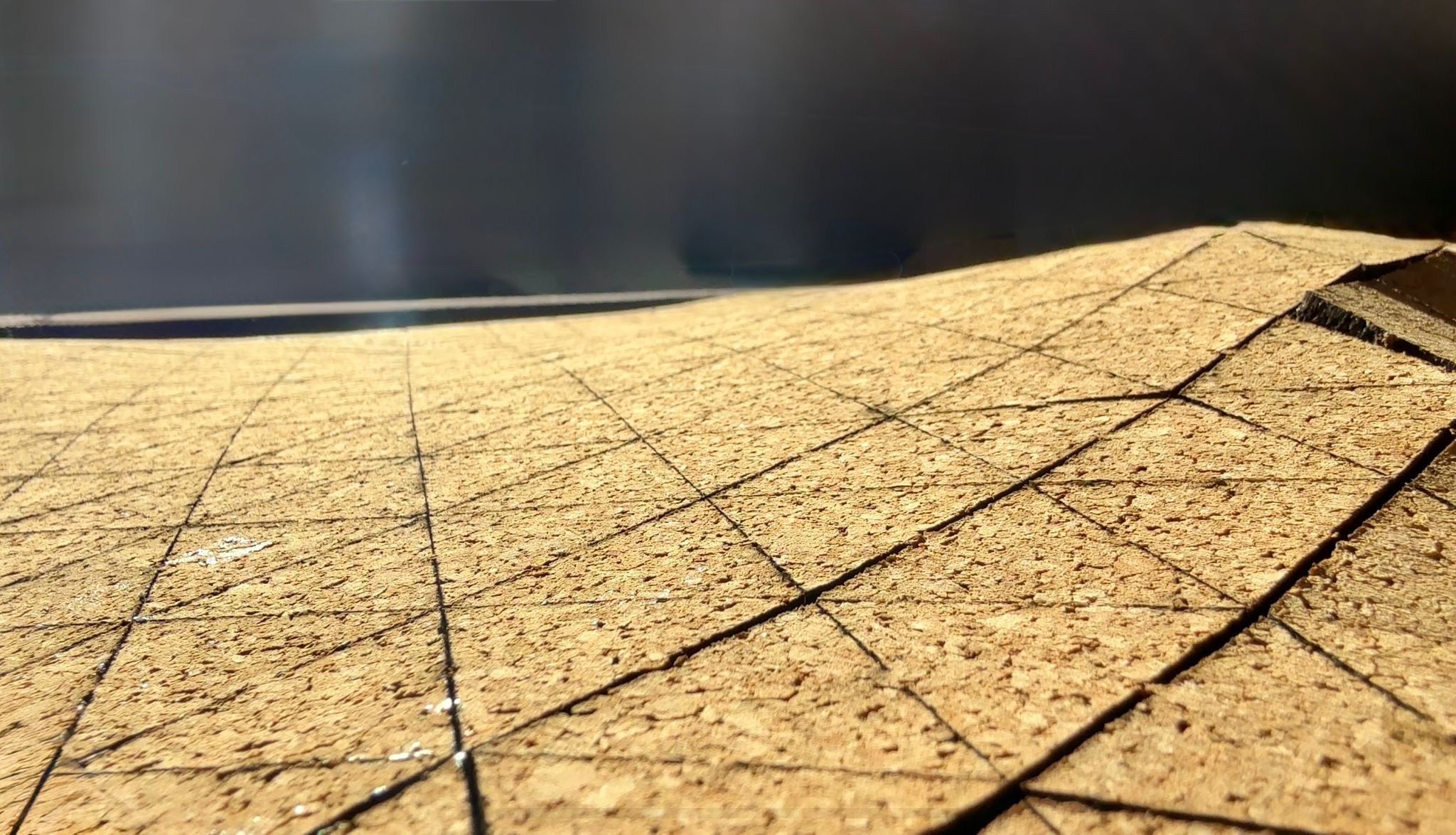
An Intelligent, Shape-Shifting Sound Control System 01 | Project Abstract Acoustic Skin is an acoustic panel that morphs its surface geometry in real time to control the way sound interacts with the environment.
 It uses an array of miniature pistons embedded in a felt-covered membrane, behaving like a living, breathing skin that adapts its texture … Read more

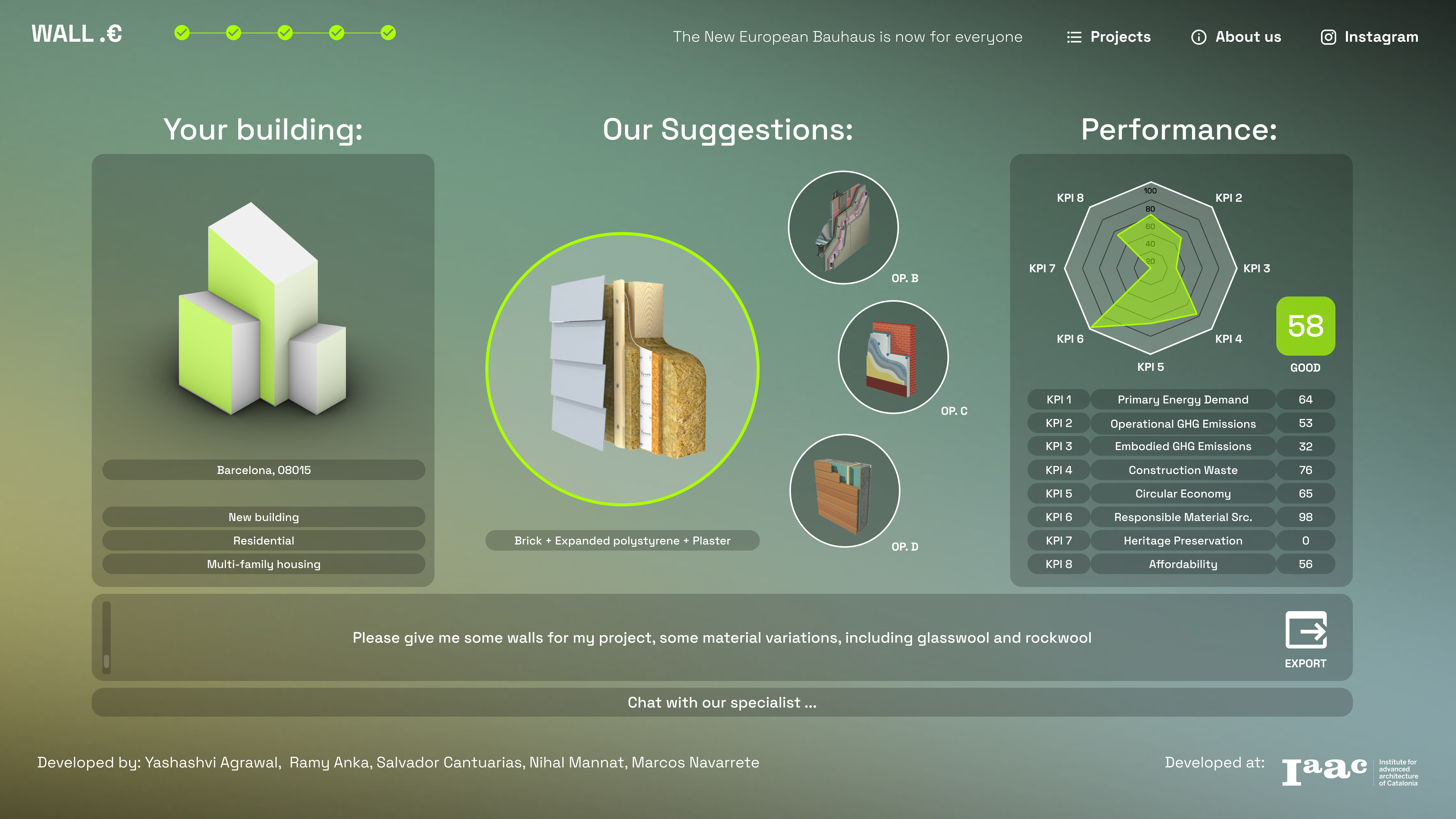
Design Communication & Interfaces: Accesible and Interactive AI Suggestions in Facades, based on Environmental Guidelines

The work presented in this blog post explores how UX and UI tools can be used to create a more accesible and interactive platform to this research group’s main project in the Research Studio class. By using tools like Figma and programming in HTML, CSS and JAVA, we try to apply the learnings into AI … Read more

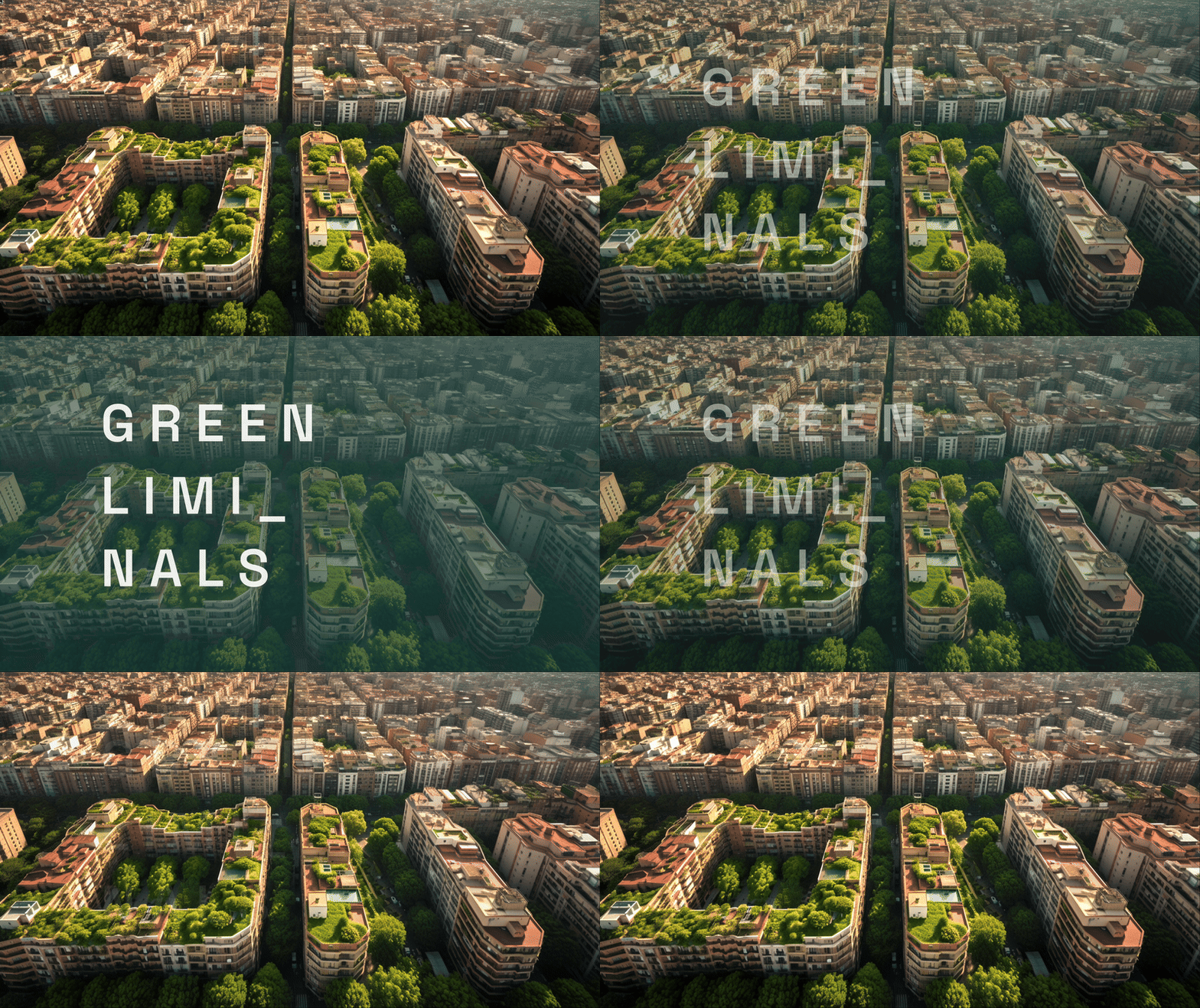
Green Liminals : Dashboard Interface for Feasibility Study | AI-Driven Budget Optimization Tool  for Urban Sustainable Solutions

Abstract The project explores innovative ways to address Barcelona’s sustainability challenges, such as carbon emissions, air pollution, and energy inefficiency.By leveraging AI, IoT sensors, and Nature-Based Solutions (NBS), the project aims to optimize municipal budgets for interventions that transform underutilized urban spaces into productive assets. The study highlights solutions like urban farming, greenery, and solar catchment systems, evaluated … Read more

Green Liminals: Feasibility Study for AI-Driven Budget Optimization for Urban Sustainable Solutions

Abstract The project explores innovative ways to address Barcelona’s sustainability challenges, such as carbon emissions, air pollution, and energy inefficiency. By leveraging AI, IoT sensors, and Nature-Based Solutions (NBS), the project aims to optimize municipal budgets for interventions that transform underutilized urban spaces into productive assets. The study highlights solutions like urban farming, greenery, and … Read more

Intelligent Prototyping Combining Microcontrollers & Robotic Fabrication: Obstacle Detection – Notification System & Clay Pots

Microcontrollers This project focuses on creating an automated door system designed to enhance accessibility, particularly in healthcare environments such as hospitals and clinics. Using an ultrasound sensor to detect distance, the system provides auditory guidance and ensures safe and efficient door operation for users, including those with visual impairments. The system is programmed to announce … Read more

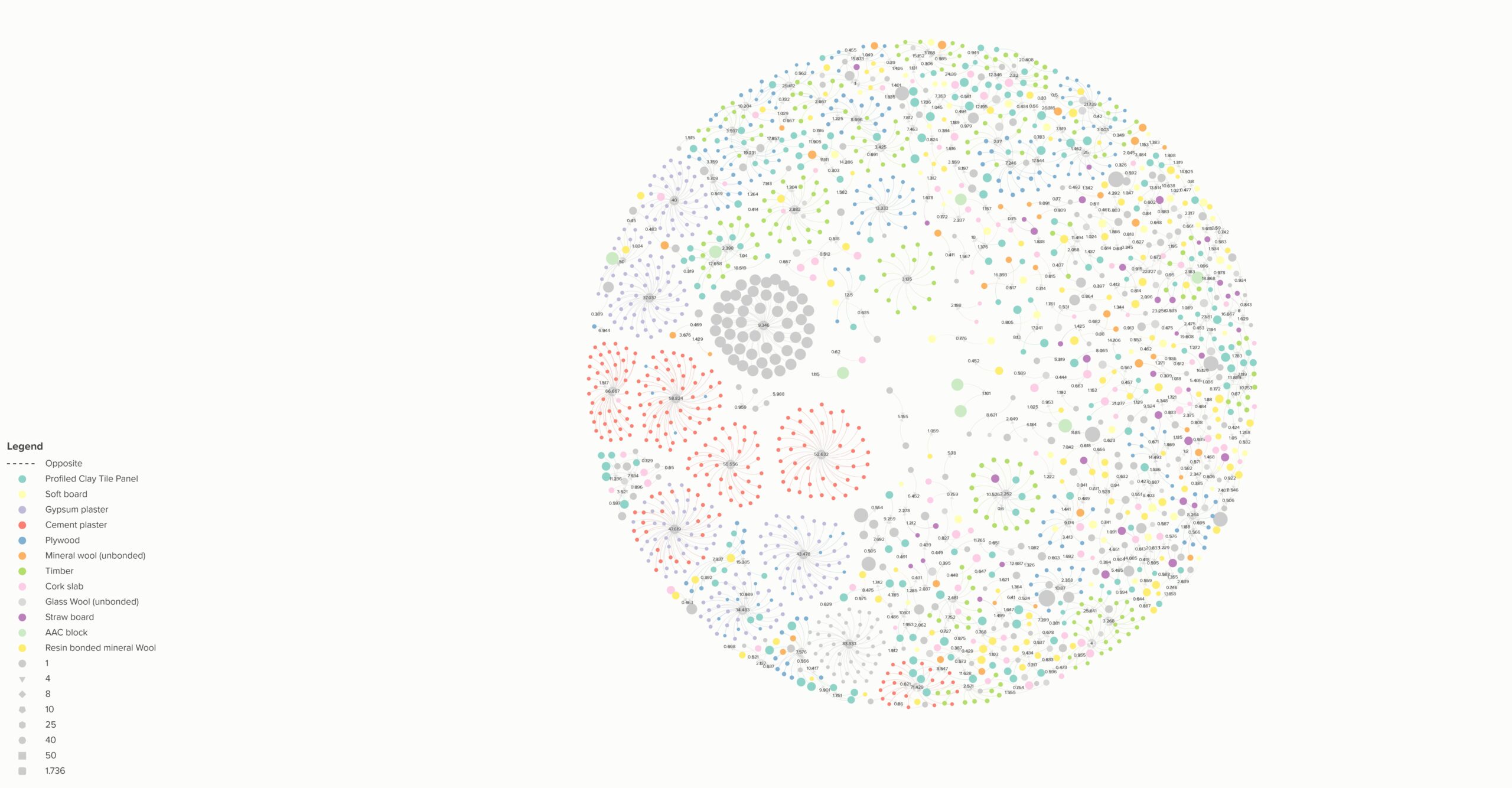
Data Driven Design: Populating & Visualizing Walls for GraphRAG

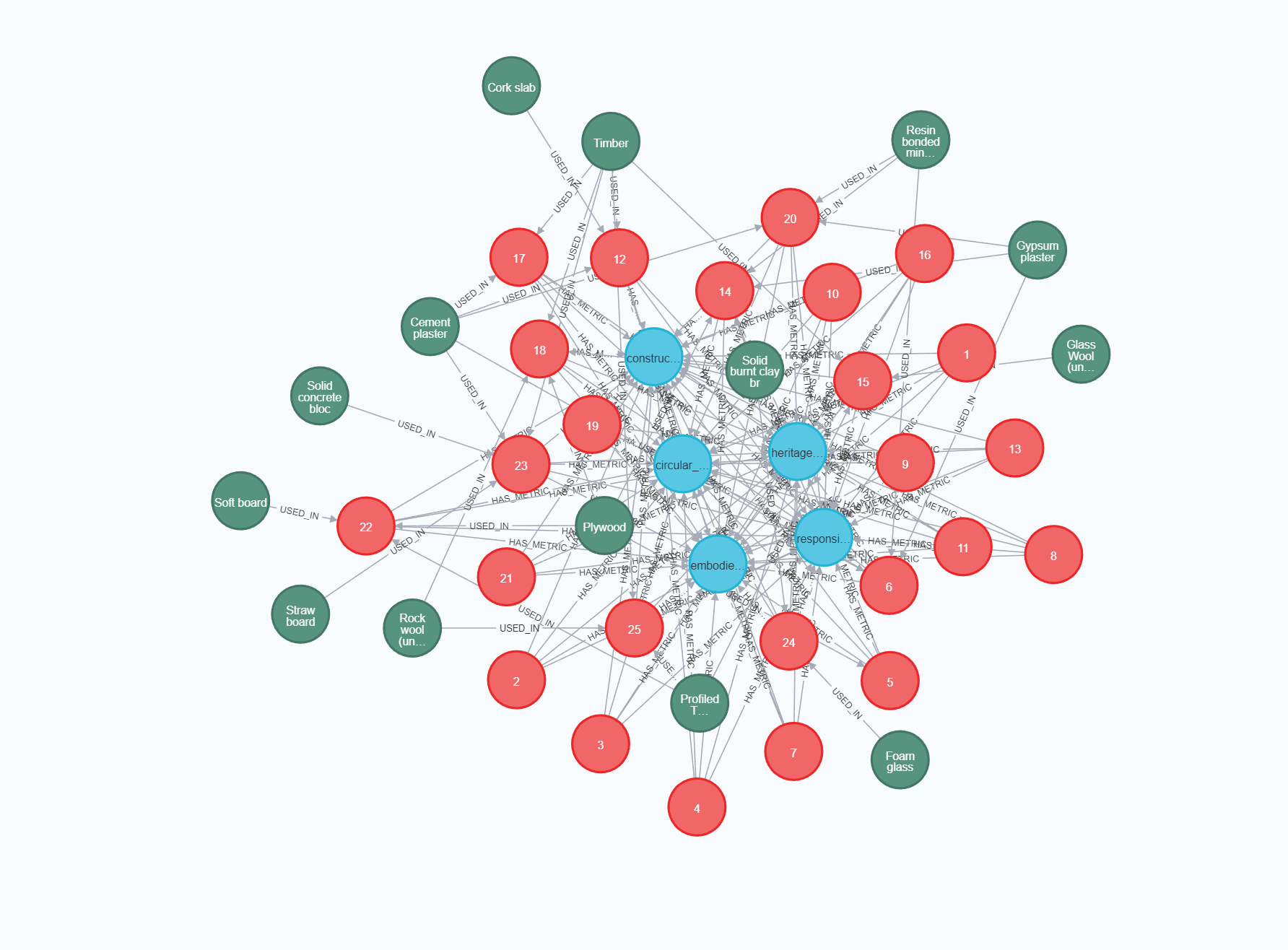
The work presented in this blog post explores how code and visual tools can be used to create and represent the data central to this research group’s main project in the Research Studio. It focuses on integrating data-driven design methods to support sustainable façade development while aligning with environmental guidelines. By emphasizing the creation and … Read more

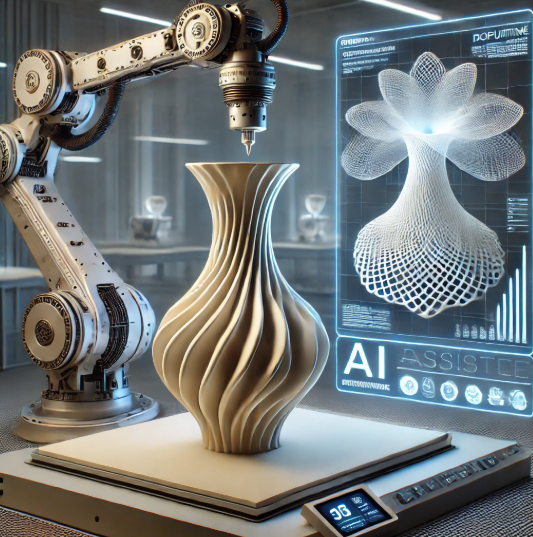
Intelligent Prototyping using Robot & Arduino

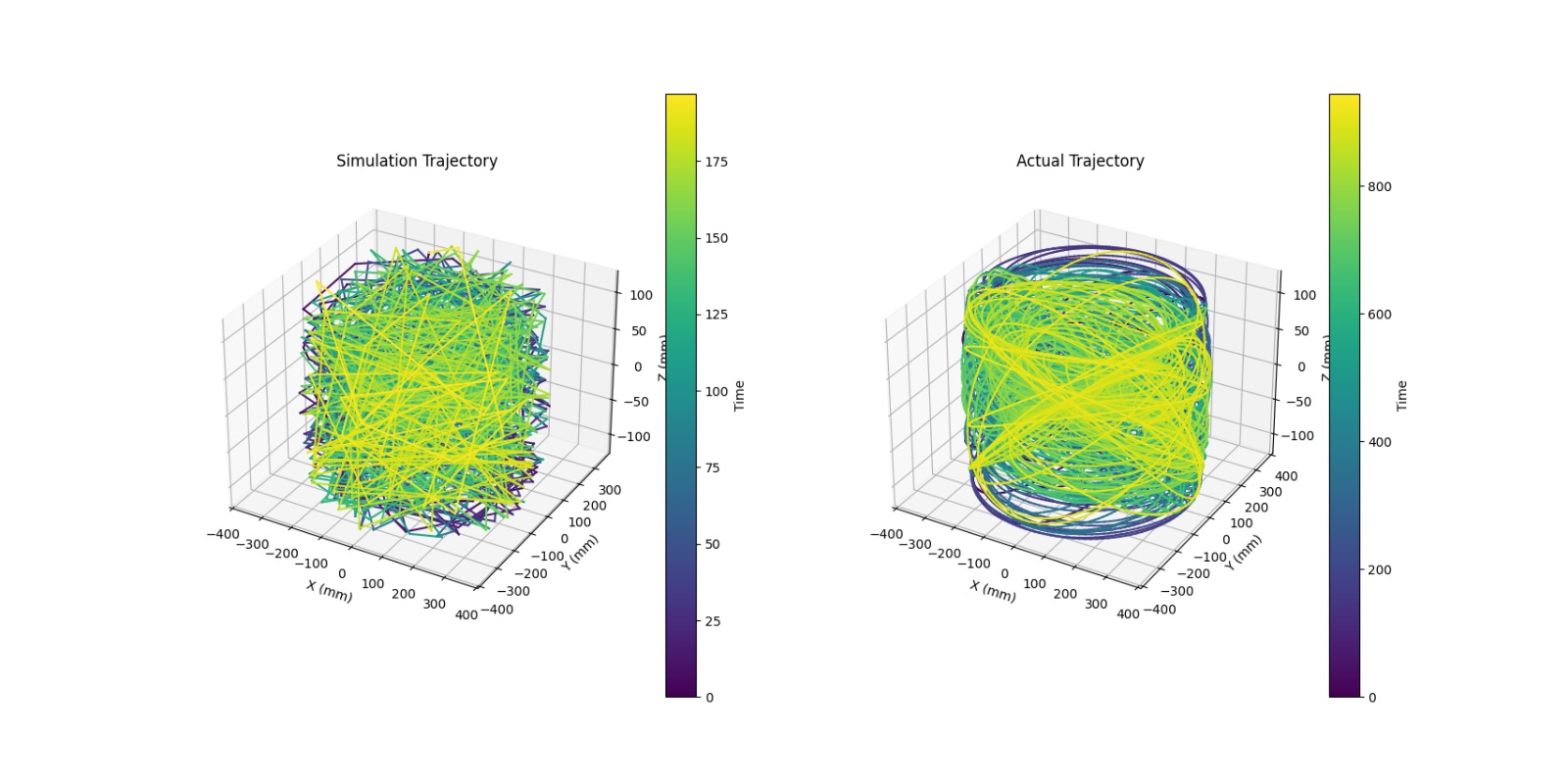
FABRICATED PROTOTYPES & DESIGN ANALYSISIn this project, our group explored the integration of parametric modeling, robotic fabrication, and data-driven analysis to optimize clay-based 3D printing. We began by generating two vase geometries using Grasshopper and subsequently fabricated these designs with an ABB 120 robotic arm extruding clay. Throughout the process, we recorded both visual documentation ... Read more

Intelligent Prototyping: Robotics and Micro-controllers

The work presented in this blog post is an approach combining Robotics and Microcontrollers as preparation for a main Research Studio project focused on sustainable facades and environmental guidelines. This represents our first steps in exploring these fields and their connections with Artificial Intelligence in Architecture and the Built Environment. In the Robotics domain, the … Read more

AI theory: Using NLP – Graph Rag for AI Suggestions in Facades, based on Environmental Guidelines

This project leverages Graph Retrieval-Augmented Generation (Graph RAG) to provide intelligent facades configuration recommendations aligned with the New European Bauhaus (NEB) principles. This post presents how we apply AI theory approaches for reaching the stablished target. The project correlates quantitative data and qualitative guidelines, by integrating 17% of the assessed metrics in this guidelines and creating … Read more