Within the current global context of rapid change, integrated with the potentials of digital technologies, IAAC’s Master in AI for Architecture and the built environement (MaAI01) is committed to the generation of new ideas and pioneer novel AI-driven solutions applications for the fields of Urban Tech, Smart Construction and Natural Ecosystems. The three transversal objectives of the program are Regenerative Design, Carbon Neutrality and Co-Design Processes.
In this context IAAC and the MaAI works with a multidisciplinary approach, integrating computational design, rapid prototyping, machine learning, data science, and generative AI implementing sustainable practices at an unprecedented scale. Facing the challenges posed by our environment and the future development of cities, architecture and buildings, through a virtuous combination of technology, biology, computational design, digital and robotic fabrication, pushing innovation beyond the boundaries of a more traditional architectural approach.

Filters

Deforestation, Land Cover, & Urbanization In Brasil – Dashboard
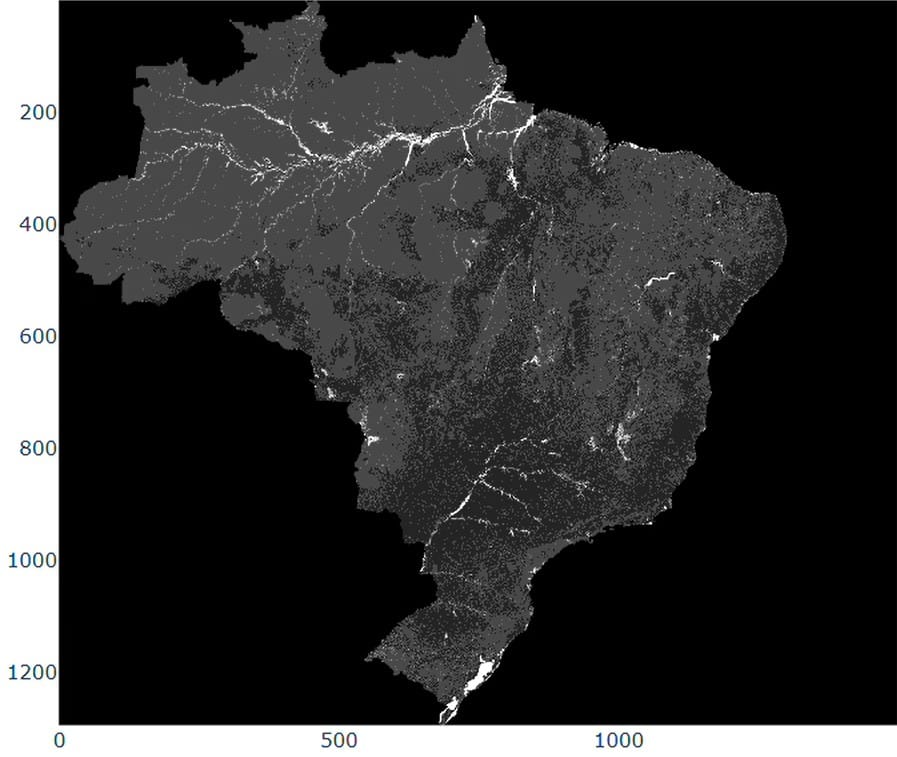
Deforestation Raster Map – 2024 The visualization depicts accumulated and annual deforestation patterns in Brazil from 1985 to 2024. The accumulated dataset shows a continuous rise in total deforested areas, reaching over 140 milllion hectares. Annual trends reveal strong fluctuations, with peaks in the late 1980’s and mid-2000’s, followed by decreases and renewed variability in … Read more

Satellite-Based Assessment of Vegetation Loss in Evia Wildfires

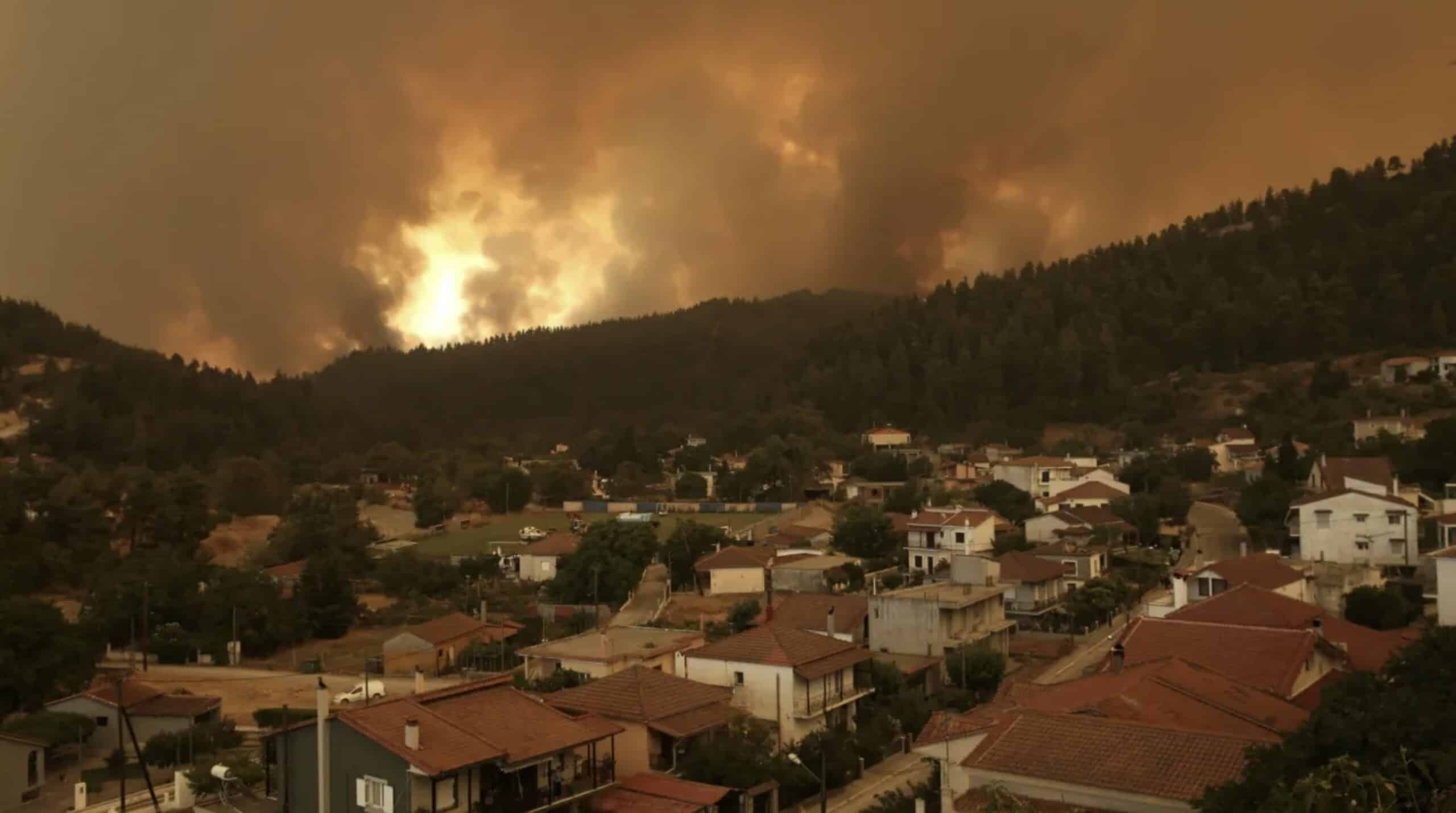
This project focuses on Evia, Greece, where devastating wildfires in the summers of 2021 and 2023 caused massive environmental damage. This is only an example, but this pipeline could be applied to any wild-fire affected area. Our aim is to quantify green loss and monitor post-fire ecosystem recovery. Thus we compare satellite imagery from key … Read more

Agrowealth : Does agriculture correlate to economy?

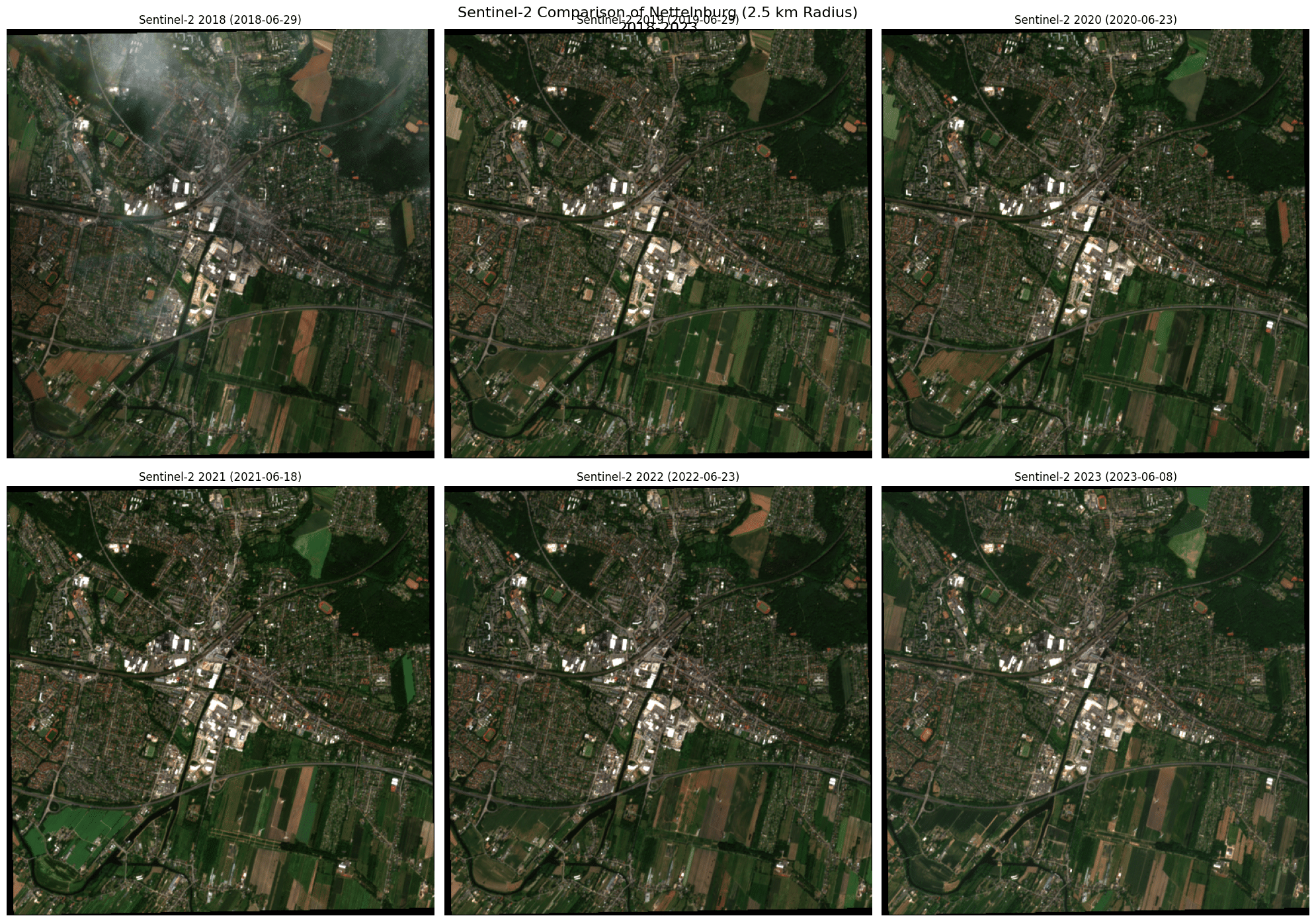
The goal of this project is to compare between the economic stability of an agriculture first city. Hamburg’s agricultural wealth is largely connected to its surrounding regions—particularly Schleswig-Holstein and Lower Saxony, which are among Germany’s leading food producers. Consequently, we focused on peripheral areas of the city that have recently transitioned into agricultural land, allowing … Read more

Green Liminals: Feasibility Study for AI-Driven Budget Optimization for Urban Sustainable Solutions

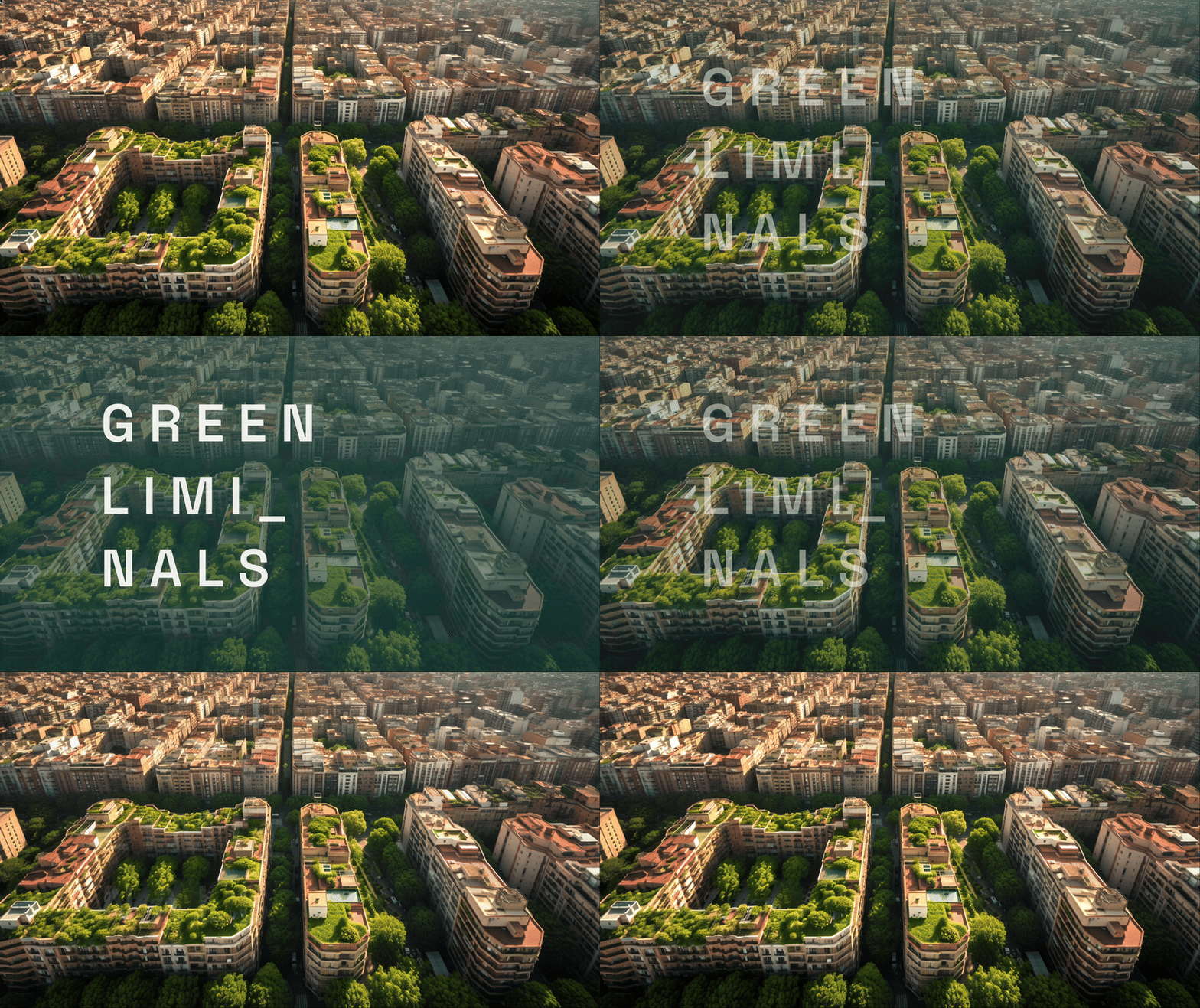
Abstract The project explores innovative ways to address Barcelona’s sustainability challenges, such as carbon emissions, air pollution, and energy inefficiency. By leveraging AI, IoT sensors, and Nature-Based Solutions (NBS), the project aims to optimize municipal budgets for interventions that transform underutilized urban spaces into productive assets. The study highlights solutions like urban farming, greenery, and … Read more