The MaCAD is a unique online programme training a new generation of architects, engineers and designers ready to develop skills into the latest softwares, computational tools, BIM technologies and AI towards innovation for the Architecture, Engineering and Construction (AEC) industry.

Filters
Course

Data-Driven Parametric Workflows for Environmental Optimization in Architecture: The Development of In-House Tools
Intro In recent years, the AEC industry has begun rethinking traditional linear workflows, where environmental analysis often comes too late to meaningfully influence design.  The development of in-house tools, shows how integrating environmental analysis into parametric, data-driven processes can guide decisions from the outset.  Topic This research investigates how in-house software tools developed by AEC … Read more

Beyond Construction: BIM as a World-Building Tool for Real-Time Game Engines

Abstract This research investigates how Building Information Modeling (BIM) can be leveraged to generate structured and meaningful architectural environments for architectural visualization, video games, and animated films. It explores workflows between BIM tools and real-time game engines, focusing on the transfer and preservation of spatial logic and metadata. The study aims to demonstrate how BIM-based … Read more

BIM in Rhino to faborication world

Expert introduction Milos DimčićCEO &founder of Programming Architecture Milos Dimčić, PhD is an architect, computational designer and software developer specializing in the automation of design and construction workflows in the AEC industry. He has PhD in architecture & structural design from the University of Stuttgart and is guest assistant professor at TU Graz Faculty of … Read more

Parametric Engineering: Collaborate with Structural Data on the Cloud

Topic brief In the AEC industry, building analysis workflows often operate in isolated software environments, causing structural data to lose meaning once it leaves its original authoring tool. This study argues that the value of structural analysis depends not only on computational accuracy, but on the ability of its outputs to remain consistent as they … Read more

Optimizing For The Mind: Integrating Generative AI and Game Engines into BIM

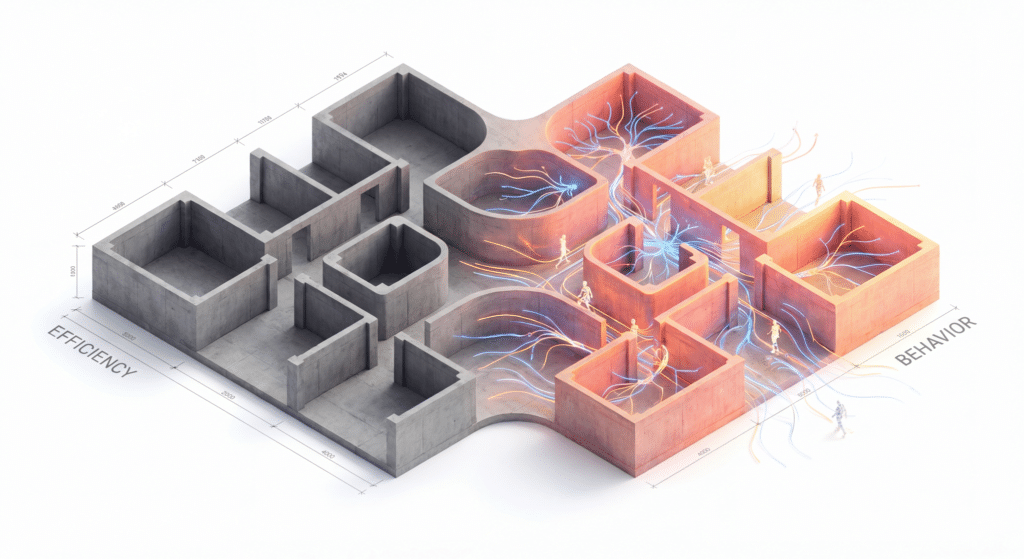
How architectural neuroimmunology is redefining the relationship between design and human health. The AEC industry optimizes for physical efficiency but neglects the neuro-physiological impact of built environments. This research investigates how Generative AI and Game Engine simulations, integrated into BIM workflows, can enable predictive cognitive performance analysis, transitioning the discipline from Building Information Modeling to … Read more

From The Very Many to the Very Least (Podcast)

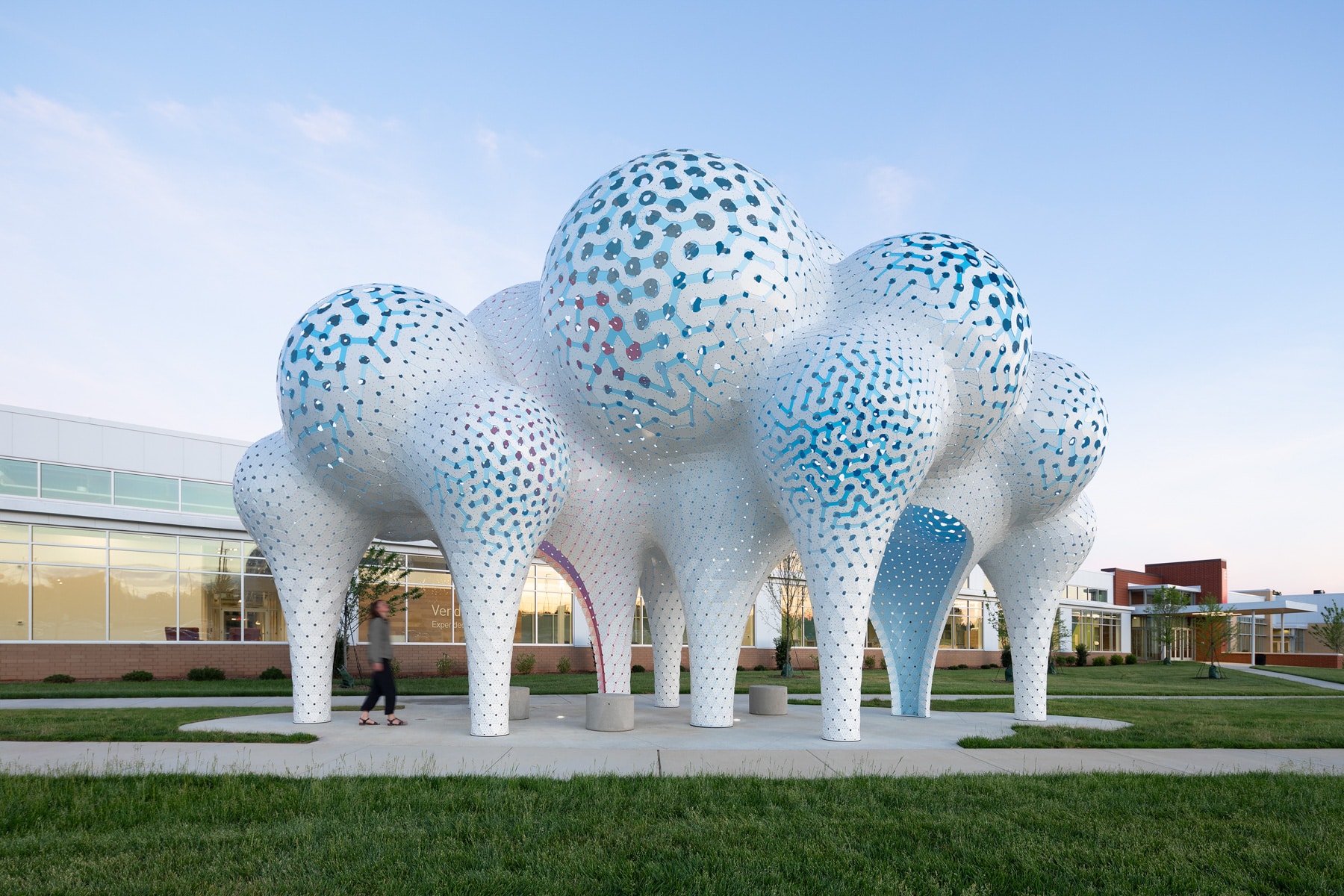
Abstract In Contemporary Architecture, we are witnessing a shift from standardized building systems towards highly differentiated, data driven and geometrically complex structures. These projects challenge conventional workflows, requiring new methods to manage variation, fabrication logic, and translation of digital models into physical assemblies. Our research investigates how computational design, parametric modelling, and digital fabrication workflows … Read more

BIM in Ongoing Heritage Construction: The case of the Sagrada Família

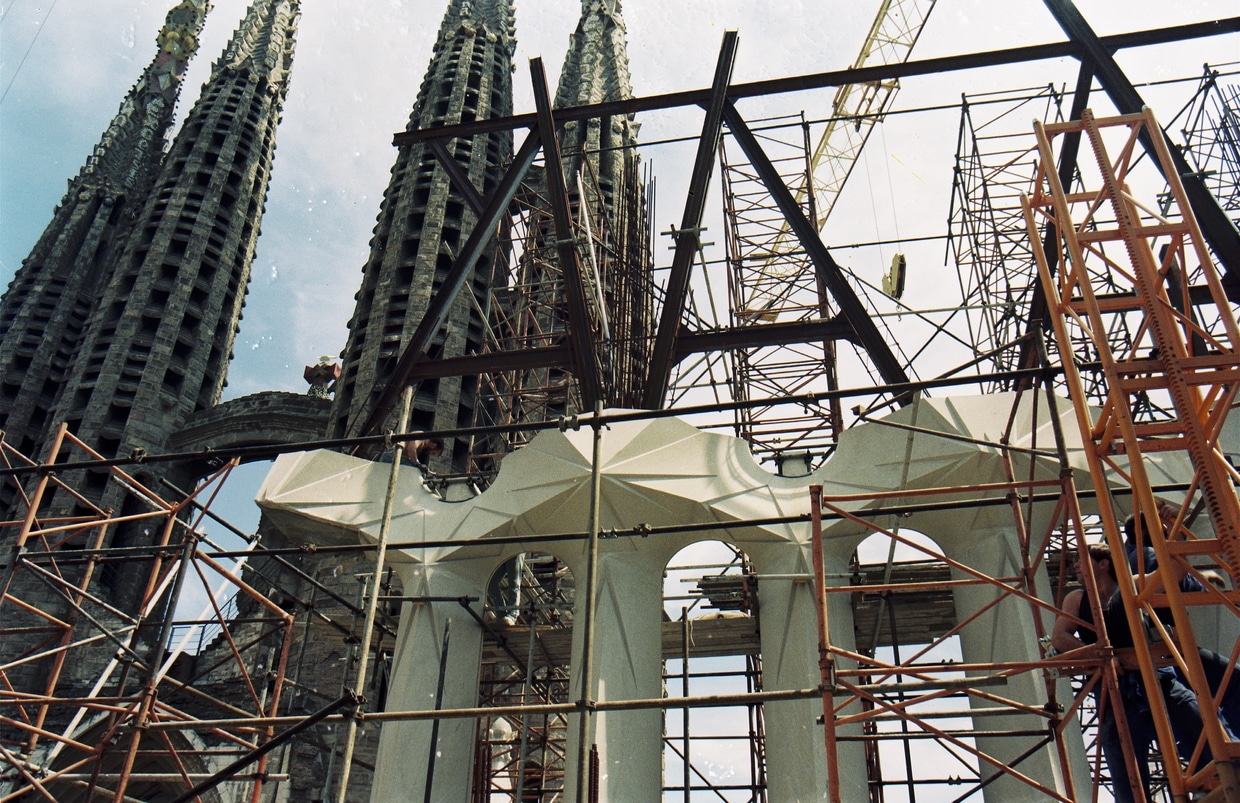
Computational Workflows at the Sagrada Família The Sagrada Família in Barcelona is one of the most complex and long-running architectural projects in the world. Begun in 1882 and still under construction today, the basilica sits at the intersection of historical heritage, evolving design intent, and contemporary digital technology. To understand how digital tools support such … Read more

Architectural Creativity in the Age of AI

“Technology is the answer, but what was the question?” Cedric Price, 1966 Data Becoming ART! This research investigates whether AI and BIM enhance architectural creativity or contribute to the standardization of design. It examines whether computational workflows expand the boundaries of architectural expression or gradually replace human intuition with optimized uniformity. The study further explores … Read more

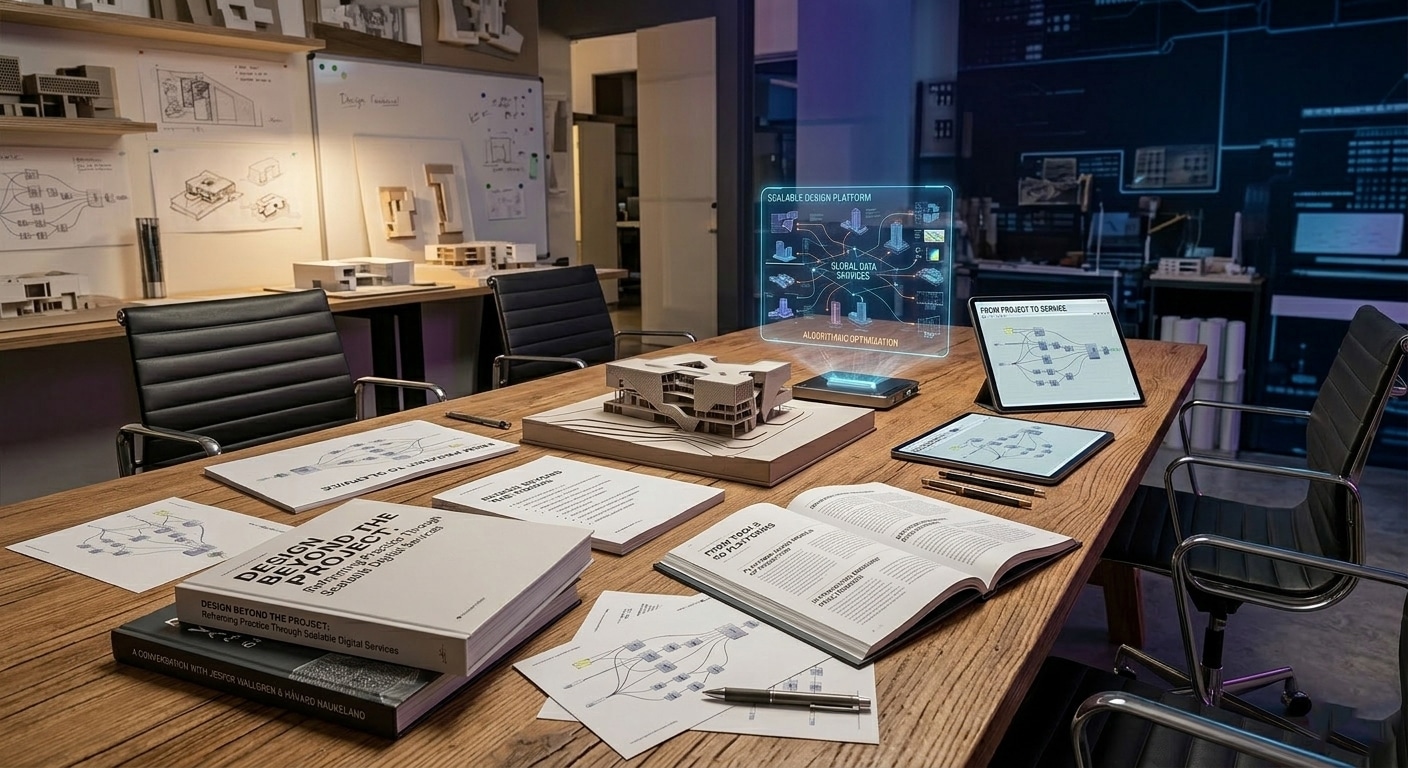
Design Beyond the Project: Reframing Practice Through Scalable Digital Services

A conversation with Jesper Wallgren Introduction In recent years, computational design and BIM workflows have become common tools in architectural practice. However, most of these tools remain confined to individual projects, often developed as internal scripts or one-off automation solutions to solve immediate design problems. While effective in improving efficiency within a project, these tools … Read more

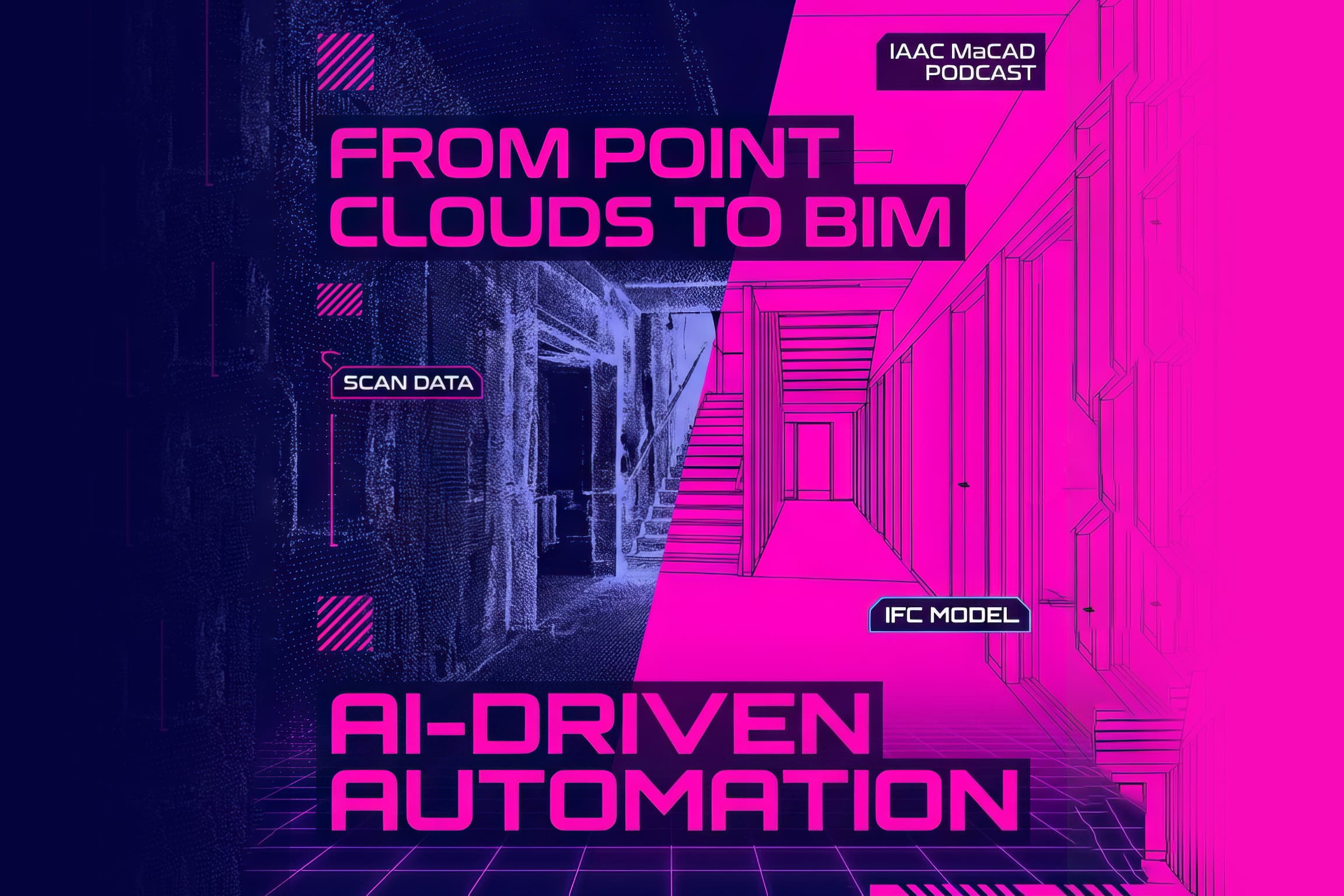
Automated Scan-to-BIM workflows through artificial intelligence: A Conversation with Václav Nežerka

From Point Clouds to Digital Twins: Inside the Cloud2BIM Workflow The Architecture, Engineering, and Construction (AEC) industry is currently undergoing a major technological shift. We are witnessing a definitive transition from manual, labor-intensive site measurements to AI-driven scan-to-BIM workflows. The goal is clear: to unlock the digital potential of existing buildings by creating high-fidelity records … Read more

Bridging the Gap: What Two Computational Industrial Designers Taught Me About Getting In

Computational design can feel like a field you need permission to enter, a space guarded by complex software, specialized knowledge, and a career path that isn’t clearly written anywhere. But after sitting down separately with Aaron Porterfield, developer of the open-source Grasshopper plugin Crystallon, and Aman Agrawal, founder of Cademy and computational design specialist at … Read more