The MaCAD is a unique online programme training a new generation of architects, engineers and designers ready to develop skills into the latest softwares, computational tools, BIM technologies and AI towards innovation for the Architecture, Engineering and Construction (AEC) industry.

Filters
Course

Roof Panelizer – Breaking Free from Planar Constraints in Roof Design
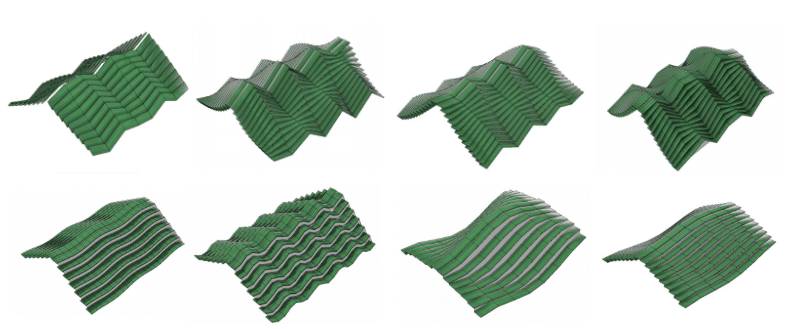
Roof design has long been constrained by the limitations of traditional BIM applications. While architects envision expressive, non-planar geometries, they often default to repetitive planar forms due to technological barriers. Beyond aesthetics, these planar designs leave critical questions unanswered: How many panels are needed? What custom tile sizes must be fabricated? How do design decisions impact material costs and constructability? Problem Statement Most BIM applications limit roof design to planar forms, creating a significant gap between architectural vision and what’s … Read more
Designing Productive Friction in BIM Collaborative Workflows

How intentional pauses in digital workflows improve accountability, decision-making, and collaboration in BIM practice. There’s a particular kind of confidence that comes with a smooth workflow. Files transfer without errors, models update on schedule, clash reports run automatically, information moves. That feeling is satisfying. It can also be exactly what should make you pause This … Read more

Web-Based Bitmap Terrain Generator

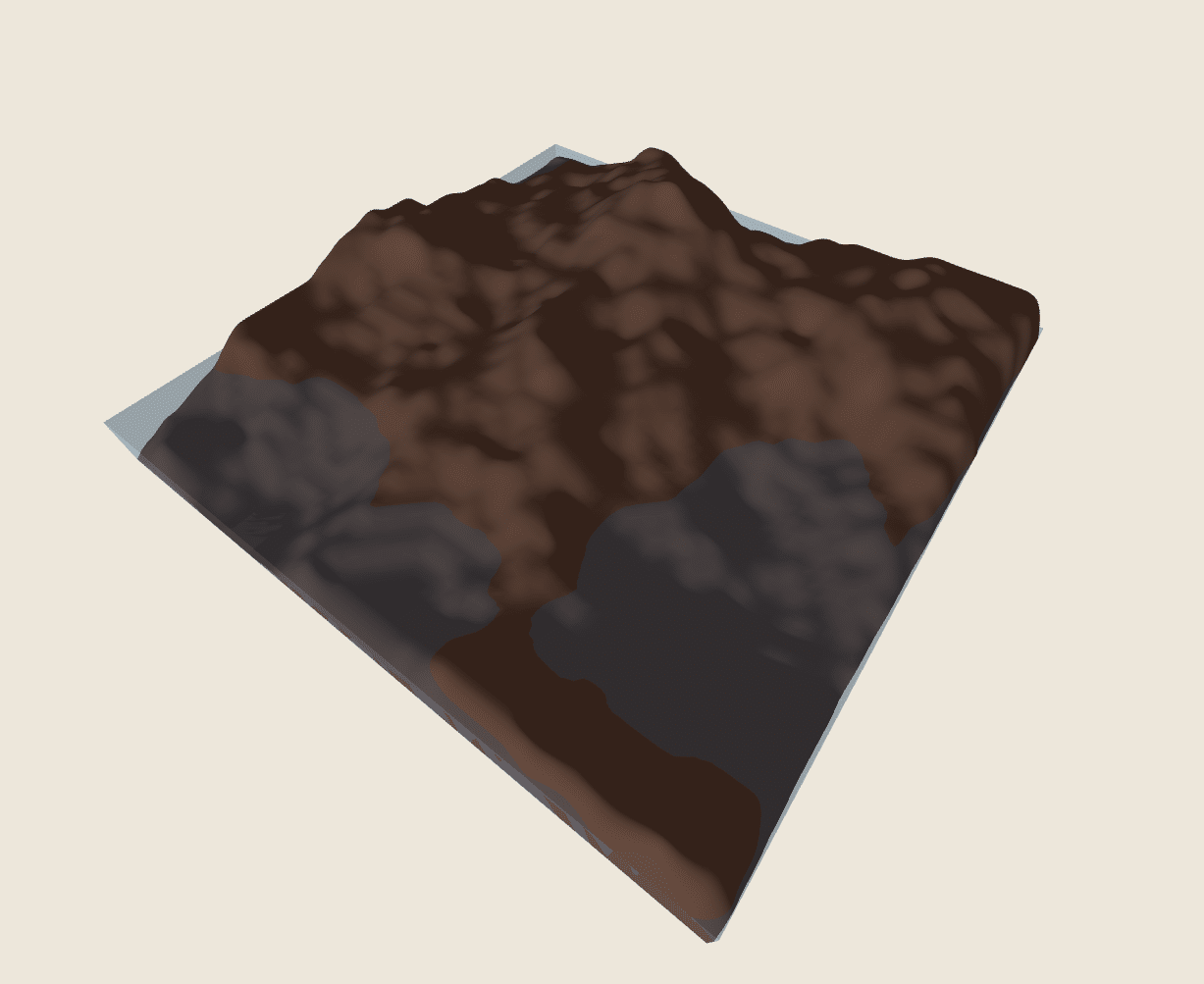
In the Cloud-Based Data Management seminar, our final project explored how parametric design tools can move beyond the desktop and become accessible through the web. The course focused on transforming Grasshopper definitions into web-based applications using Rhino.Compute, Vue, and web visualization workflows, with the goal of making computational design more accessible to end users. This … Read more

Digital Tissue: A Living Map of the Hyperbuilding Cells

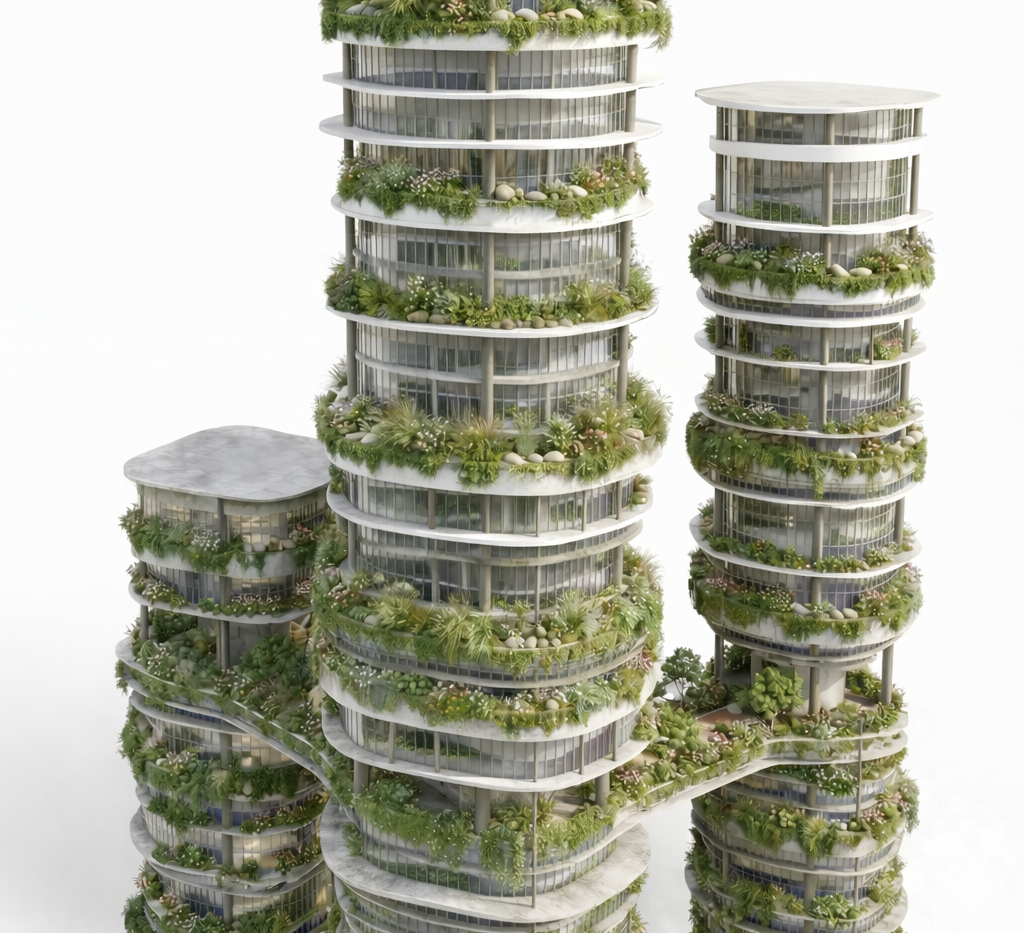
Preliminary Study: Demography as Design Driver In Hyperbuilding 3, our focus was to understand how demographic data can actively inform architectural decisions. We started by analysing the Chilean census portal, which provides detailed information for the entire metropolitan region and specifically for the Providencia district. From this dataset, we looked at age distribution, household composition, … Read more

Beyond the Dashboard: Building Information Modelling as Socio-Technical Governance in Smart Cities

Introduction The smart city stands at a conceptual crossroads. On one side, we encounter an optimistic narrative: Building Information Modelling (BIM), digital twins, and integrated urban dashboards promise unprecedented visibility into city systems, enabling data-driven governance, resource optimization, and responsive urban management. On the other side, a more sobering reality: these sophisticated technical infrastructures often … Read more

HB03: Data-Driven Towers for Human-Nature Coexistence

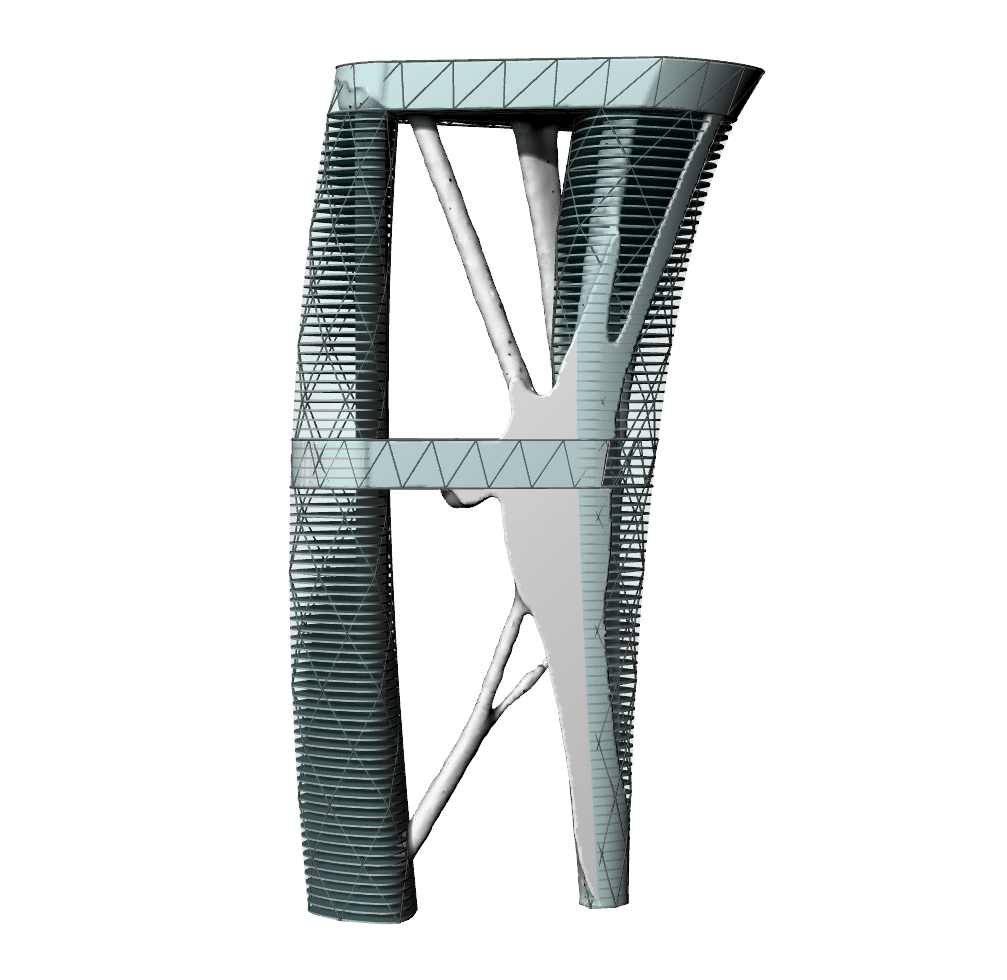
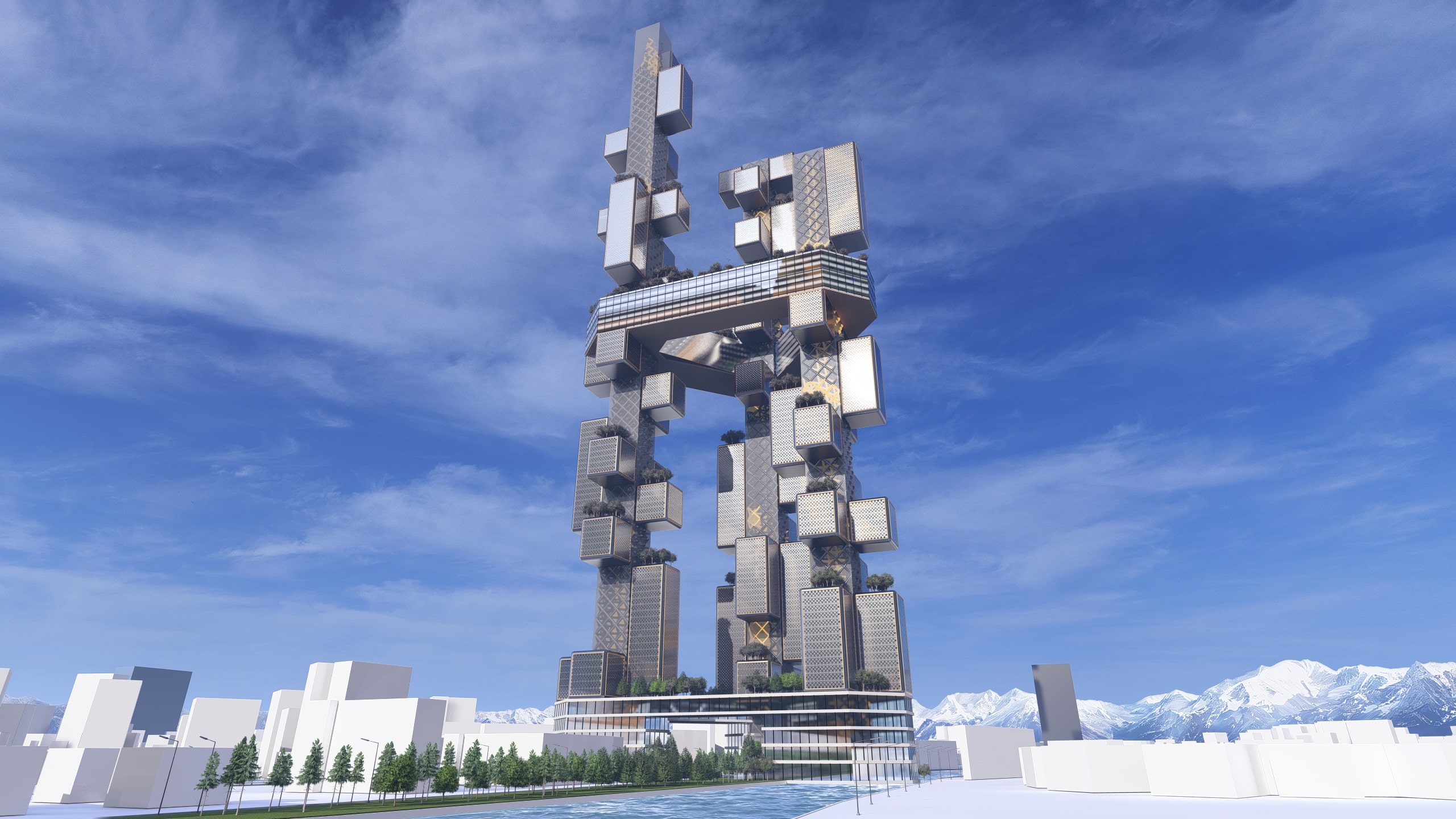
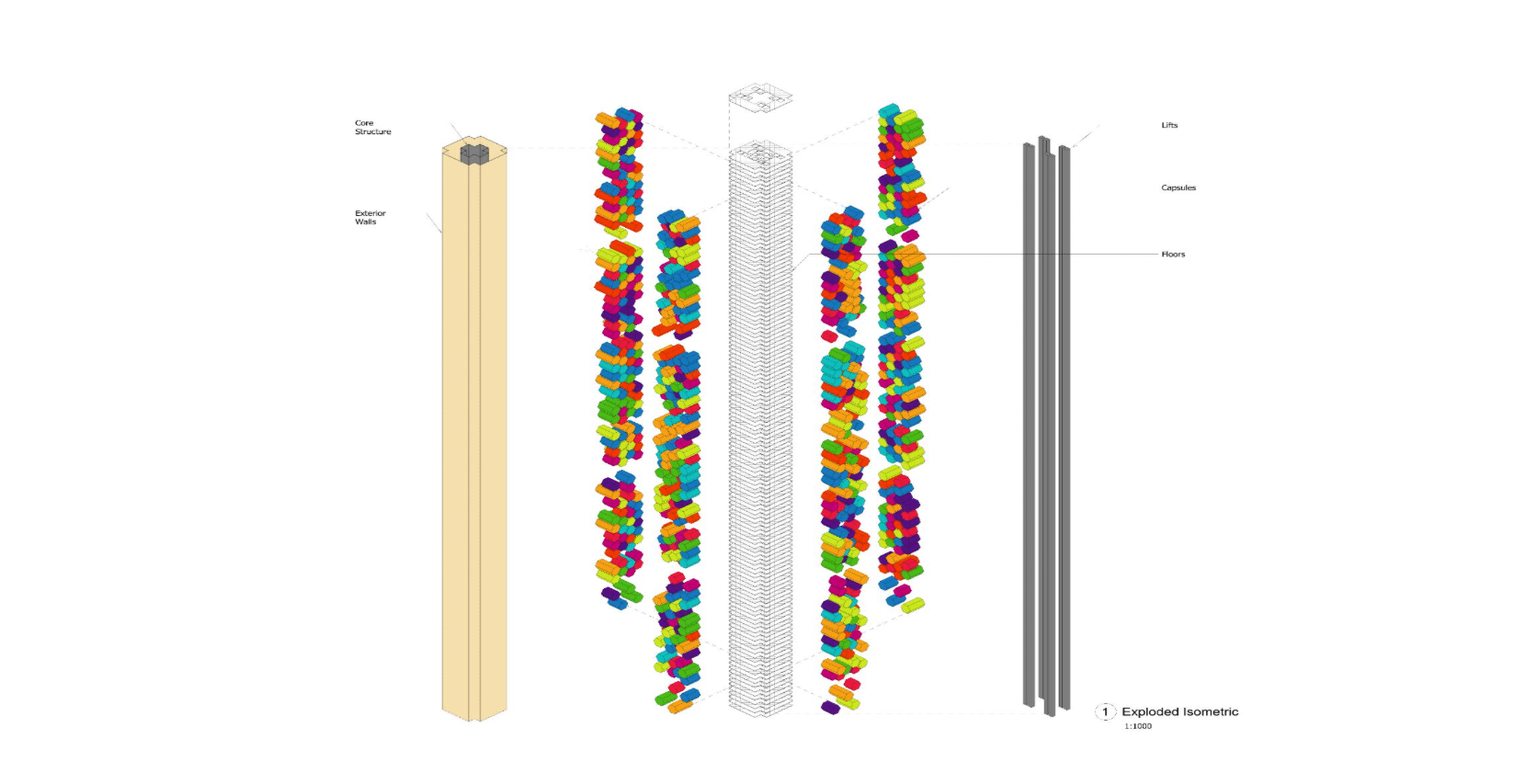
Explore HB03, a hyperbuilding developed through parametric design, structural engineering, and adaptive façade optimization. Discover a data-driven approach to sustainable vertical urbanism, daylight performance, and human-centric high-rise design. Introduction: Engineering the Skeleton of Vertical Urbanism In the Vertical Machine studio, architecture is treated as a dynamic urban organism rather than a static object. Within this … Read more

The Heart of the Vertical Machine – A Data-Driven Urban Organism

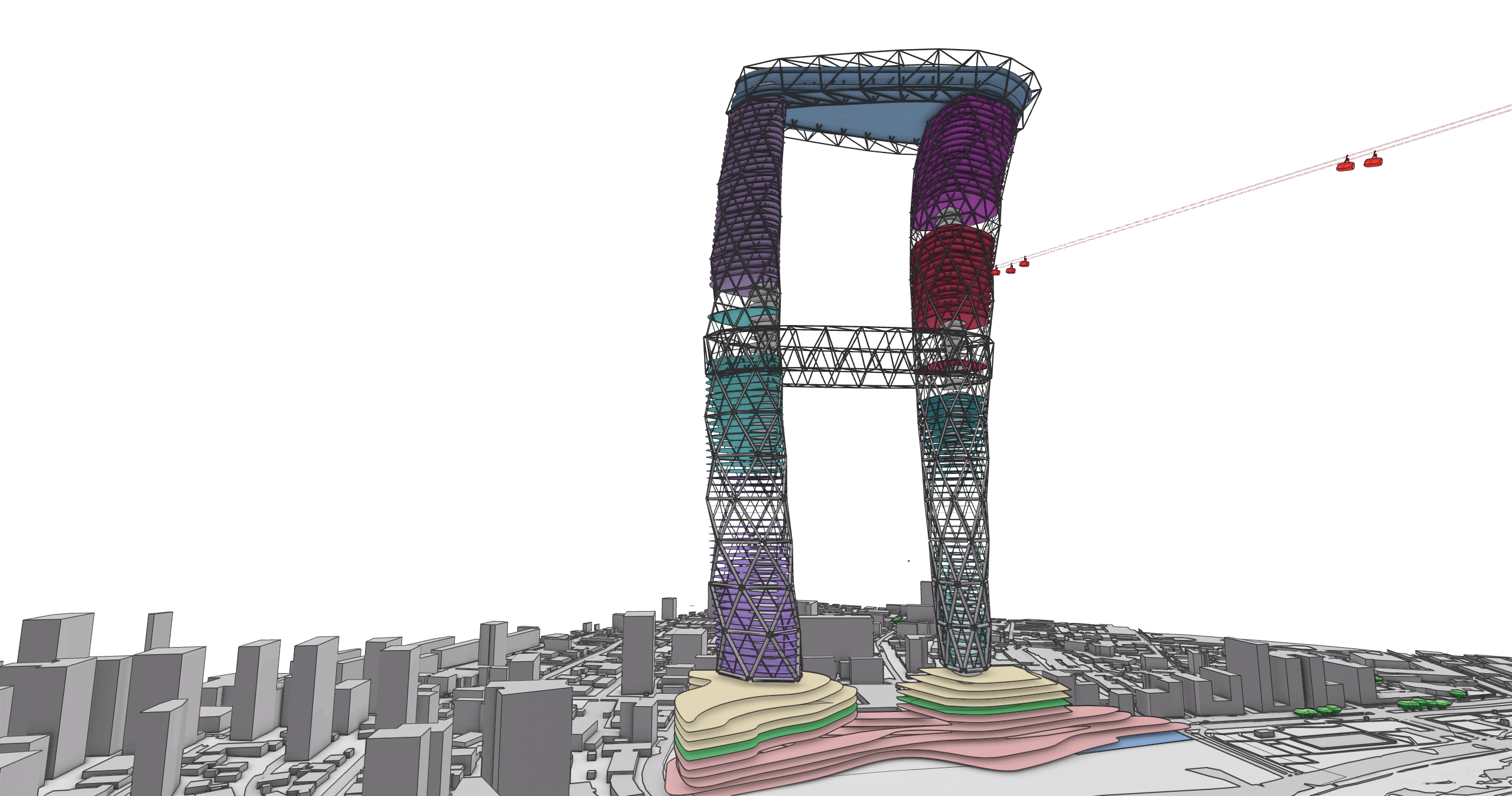
HB02: The Heart of the Vertical Machine 1. Project Overview 1.1 HB02 within the Vertical Machine In the pursuit of reimagining high-density urban living, our collaborative team developed Hyperbuilding 02 (HB02), also known as “The Heart”. As part of a larger 3-million-square-meter urban organism, HB02 serves as the vital circulatory engine, pumping life, data, and … Read more

The Geometry of Intelligence: How Hyper-building One Turns Geometry into Meta-data

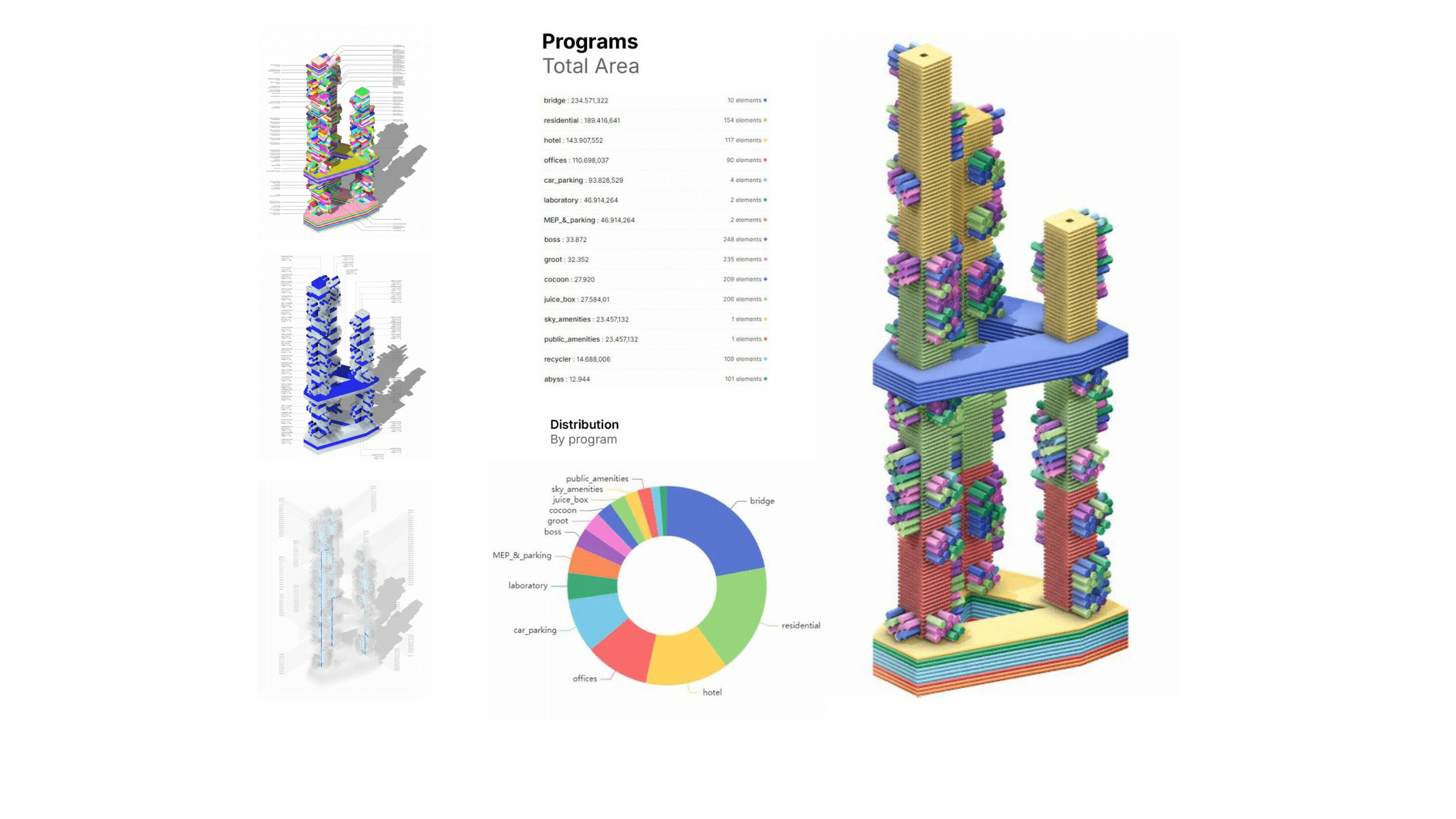
Hyperbuilding One is a data-driven ecosystem that achieves seamless connectivity between Static and Kinetic spaces through an optimized large-scale integrated environment. Architecture is No Longer Static: How Hyper Building One Turns Geometry into Code The traditional architectural blueprint is a corpse. It is a static snapshot of an idea that begins to age the moment … Read more

Urban Quant Tool

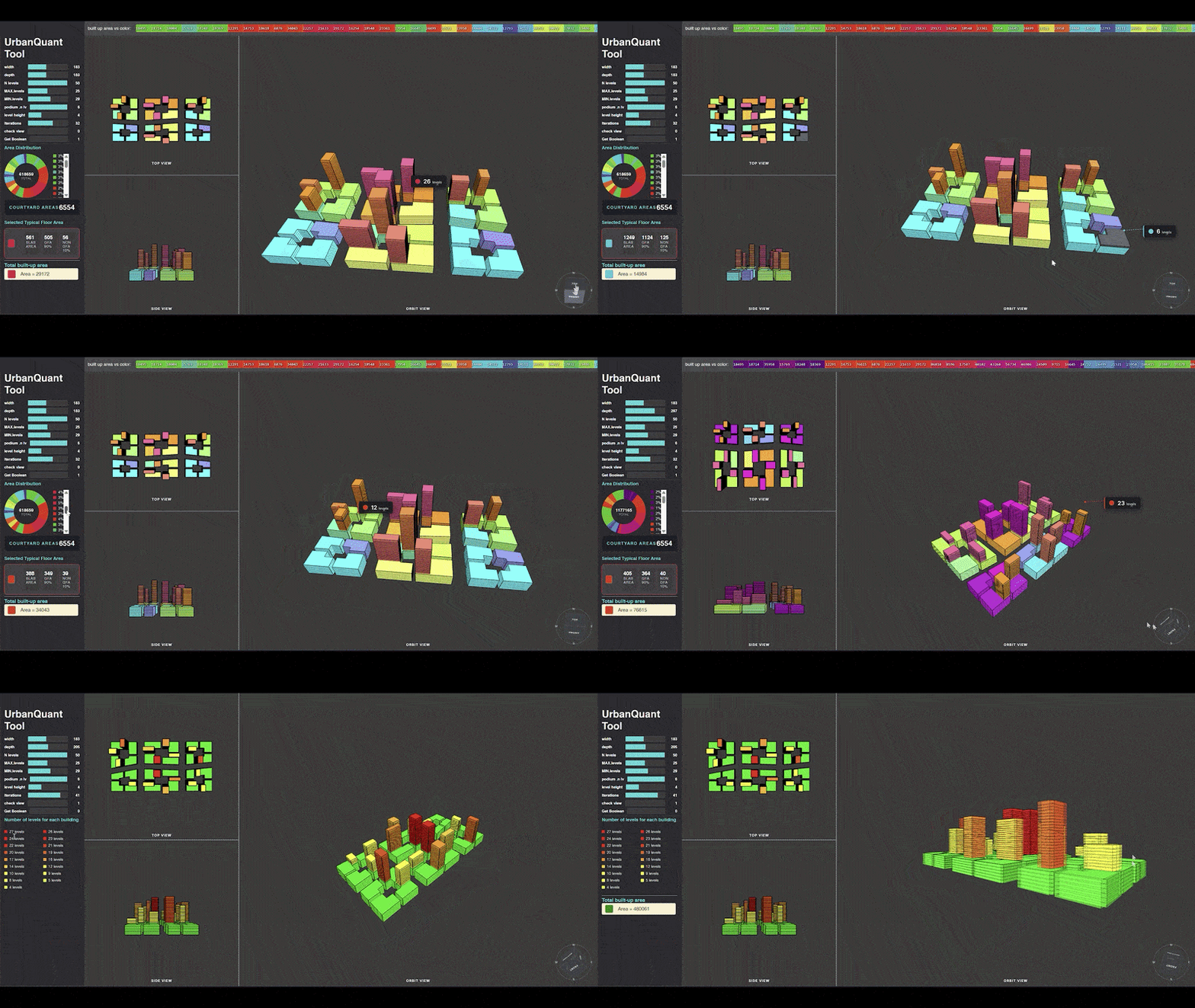
Urban Quant is a data‑driven urban design tool delivering area and massing analyses for buildings and open spaces. It calculates Built‑Up Area (BUA), Gross Floor Area (GFA), service/core areas and building levels, integrating solar exposure and sun‑hour simulations. The platform converts regulatory, programmatic, contextual inputs into comparable scenarios, visualizations, and reports for architects. Area distribution … Read more

Digital to Physical: An Interview with Melike Altınışık on Bridging the Geometric Gap

In contemporary architecture, designing a visually stunning, non-standard building envelope is only half the battle. The true test lies in the translation: how do we ensure that the mathematical precision of a parametric model survives the chaotic reality of a construction site? This exact challenge is the driving force behind our ongoing research proposal at … Read more

Designing a Time-Responsive Tower: A Data-Driven BIM Workflow

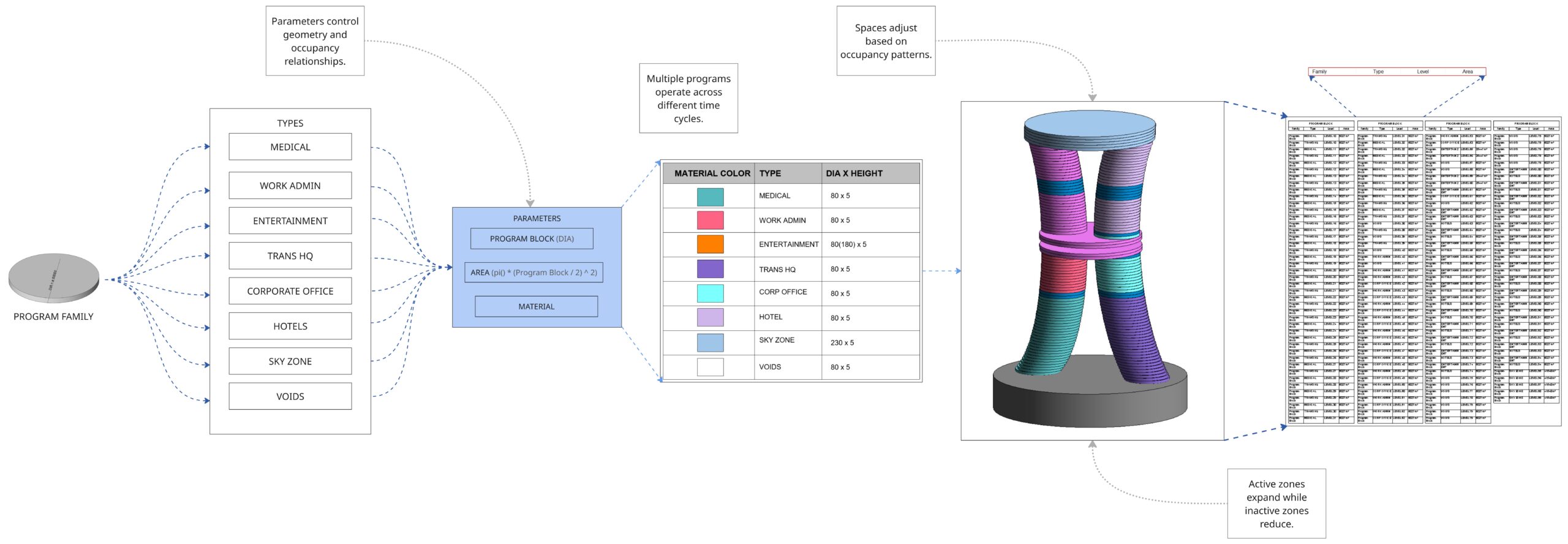
Hyperbuilding 2 functions as the transportation heart of the Vertical Machine, chanelling 20,000 passengers hourly while coordinating energy, logistics, and information flows across the entire urban system. Our team tackled the Program development for HB02, using Revit and Rhino Inside Revit to build a parametric system where occupancy data directly generates architectural form. The studio … Read more

The Data Pipeline Behind NeuroSpace: From Sliders to Synapses

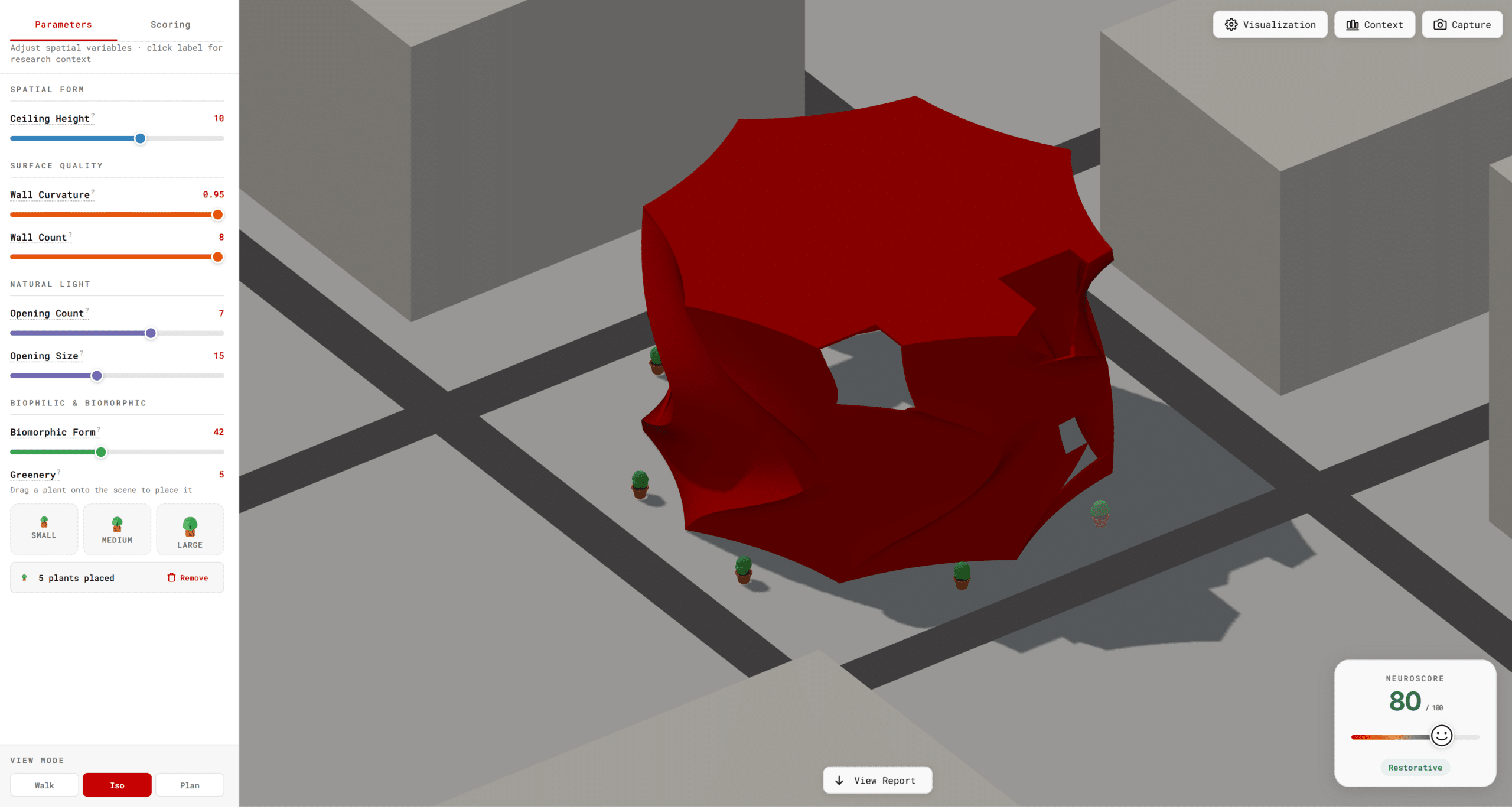
Abstract NeuroSpace is a browser-based parametric design tool that reframes Building Information Modeling as Behavior Information Modeling — encoding predicted neurophysiological outcomes into architectural geometry. This post traces the full data pipeline: from seven UI sliders through a dual-path architecture (server-side Rhino.Compute for 3D geometry, client-side JavaScript for real-time NeuroScore calculation), through reactive state management … Read more

Automating Interoperability with Rhino.Inside.Revit and ACC

Designing dynamic, adaptive skyscrapers is no longer just a conceptual exercise; it is a computational reality. The true challenge lies not just in creating fluid, parametric geometries, but in translating those complex forms into rigorous, actionable building information models. Developed during the Master in Advanced Computation for Architecture & Design (MaCAD) Integrative Modeling Seminar at … Read more

Program Through Geometry: An Integrative Modeling Approach with Rhino.Inside Revit

INTRODUCTION As the program team our role is to define the overall program strategy, which we call The Living Cells, with the goal to create a livable neighborhood that supports daily life beyond residential use. This means integrating a range of supporting functions — public and green spaces, schools, retail, and community amenities — so … Read more