The MaCAD is a unique online programme training a new generation of architects, engineers and designers ready to develop skills into the latest softwares, computational tools, BIM technologies and AI towards innovation for the Architecture, Engineering and Construction (AEC) industry.

Filters
Course

Tower Design App

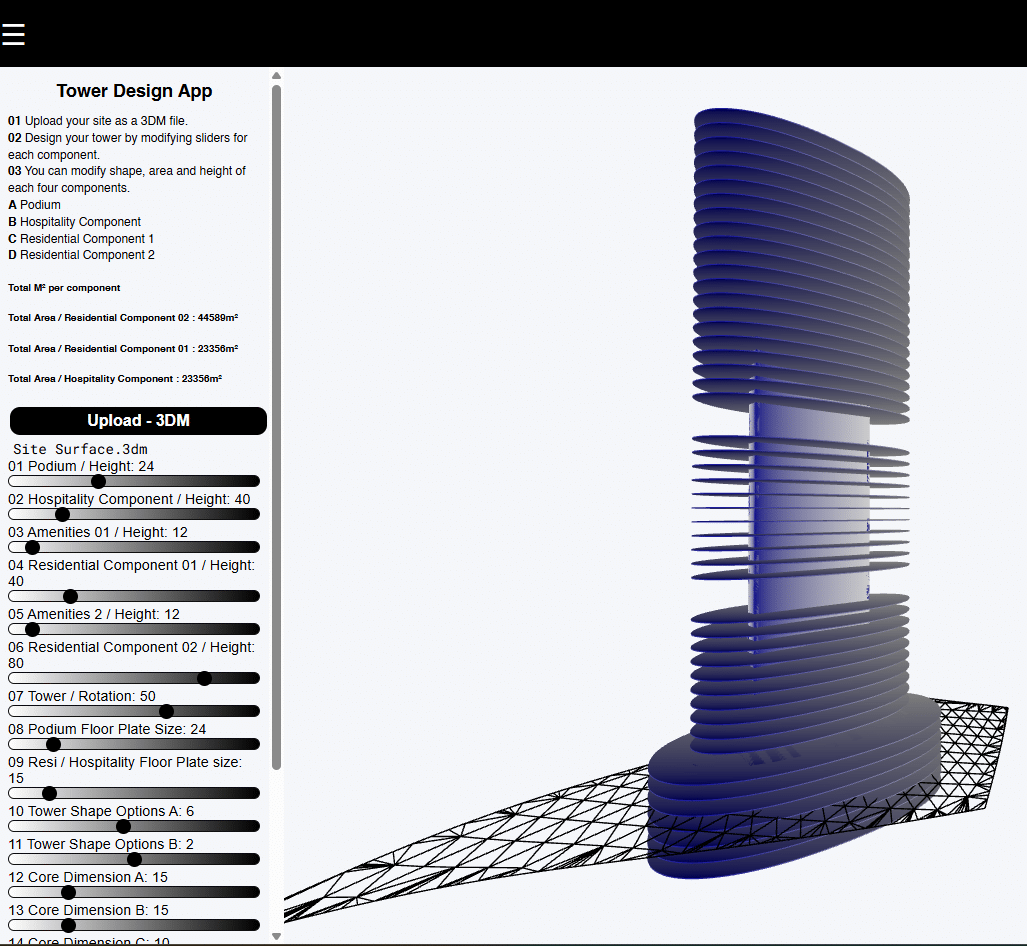
The Tower Design App is an interactive web application that empowers architects and designers to create and refine tower designs. Users start by uploading a site file in 3DM format, which establishes the design context. They then adjust a variety of design parameters through intuitive sliders that control component heights, floor plate sizes, rotations, and … Read more

Form follows Data

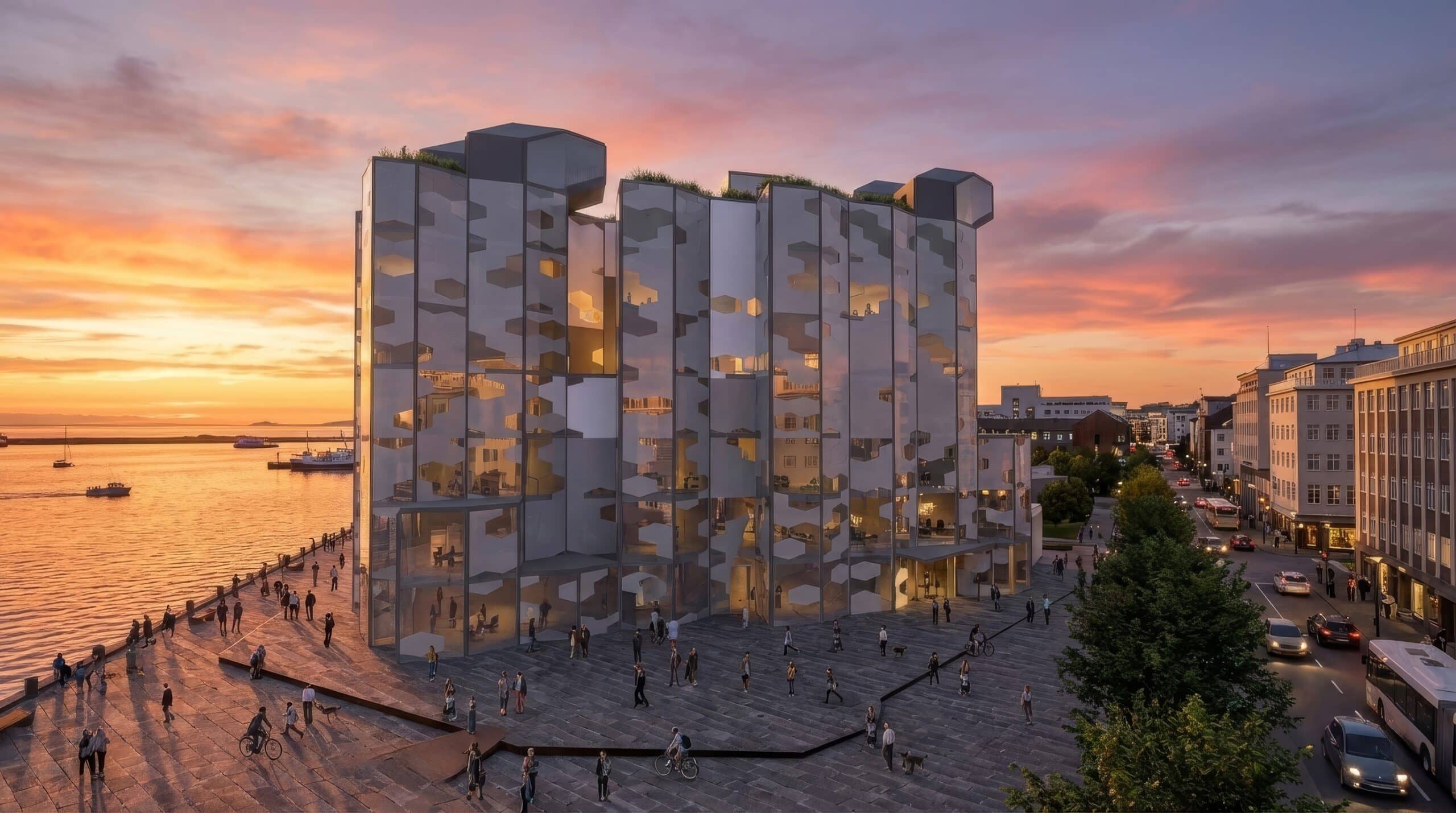
Introduction Facades are vital architectural elements, functioning as the interface between a building’s interior and exterior while reflecting broader design strategies. Vitruvius emphasized the concept of Venustas, the aesthetic appeal achieved through harmonious proportions and calculated symmetries, as central to the role of facades in conveying beauty and balance. In modern architecture, facades transcend their … Read more

Digital tools for Integrative Modelling – Hyper A Facade

The Facade Team Team Vision Group Topic Kinetic Component  Envelope Development Hyper Building A is a self-sustaining, energy-efficient project designed to seamlessly integrate into Japanese culture. The design follows the 15-minute walk theory, organizing the building into distinct neighborhoods to promote accessibility and community interaction. The vision for this project is centered around energy efficiency, … Read more

Seats and Sightlines

The App The purpose of the app is to help Step 0 of designing a stadium. This is a complex subject, in fact FIFA has a 1300 page handbook capturing the explicit requirements for every aspects of the design, down to the finest details, which is driven by benchmarked operational needs. The scope of the … Read more

Shadow Dome Configurator

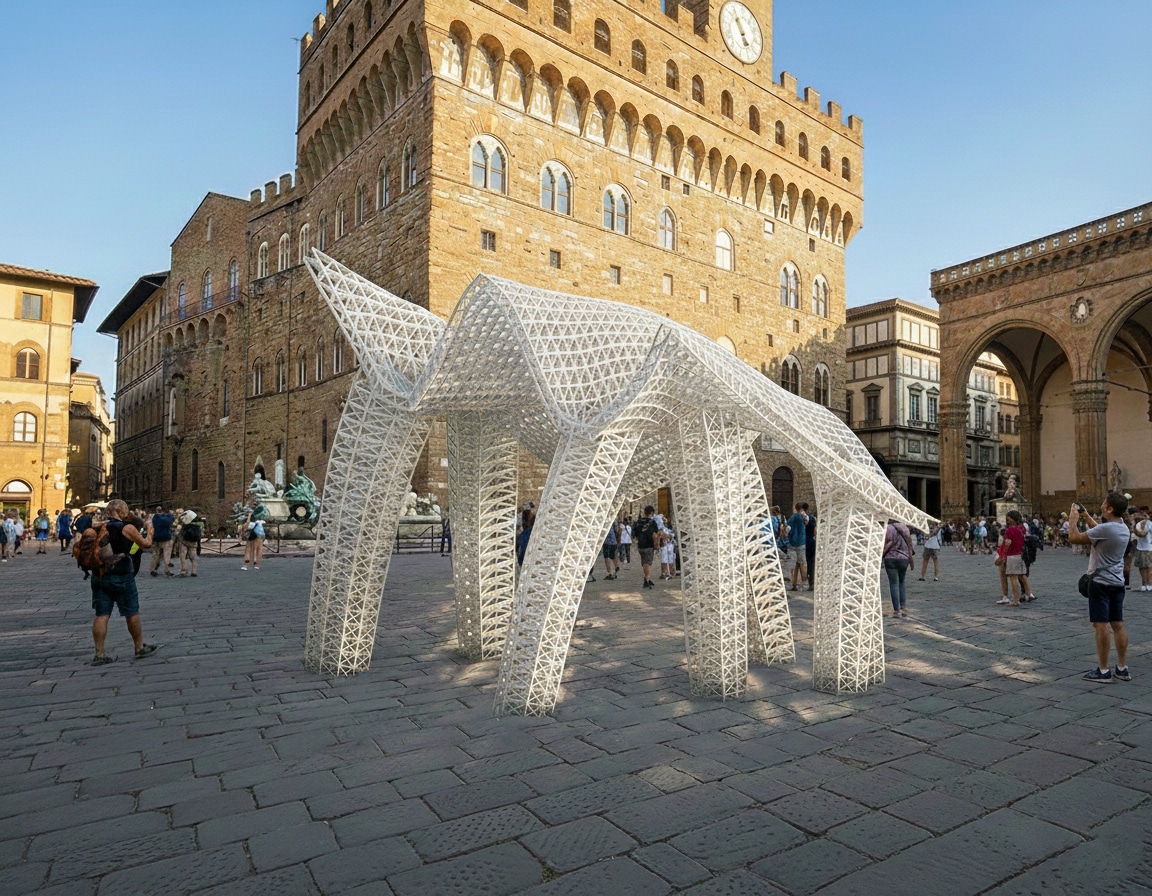
Web Application for Dome Design General Description: The Shadow Dome Configurator is a Grasshopper-based tool designed to generate and customize wood domes optimized for shade creation. It enables users to adjust parameters such as dimensions (radius & height), perforation size and patterns to control light and shadow effects. This tool is ideal for designing shaded … Read more

NeoCapsules – A Modular Approach to Sustainability

Evolving Nakagin Capsule Tower

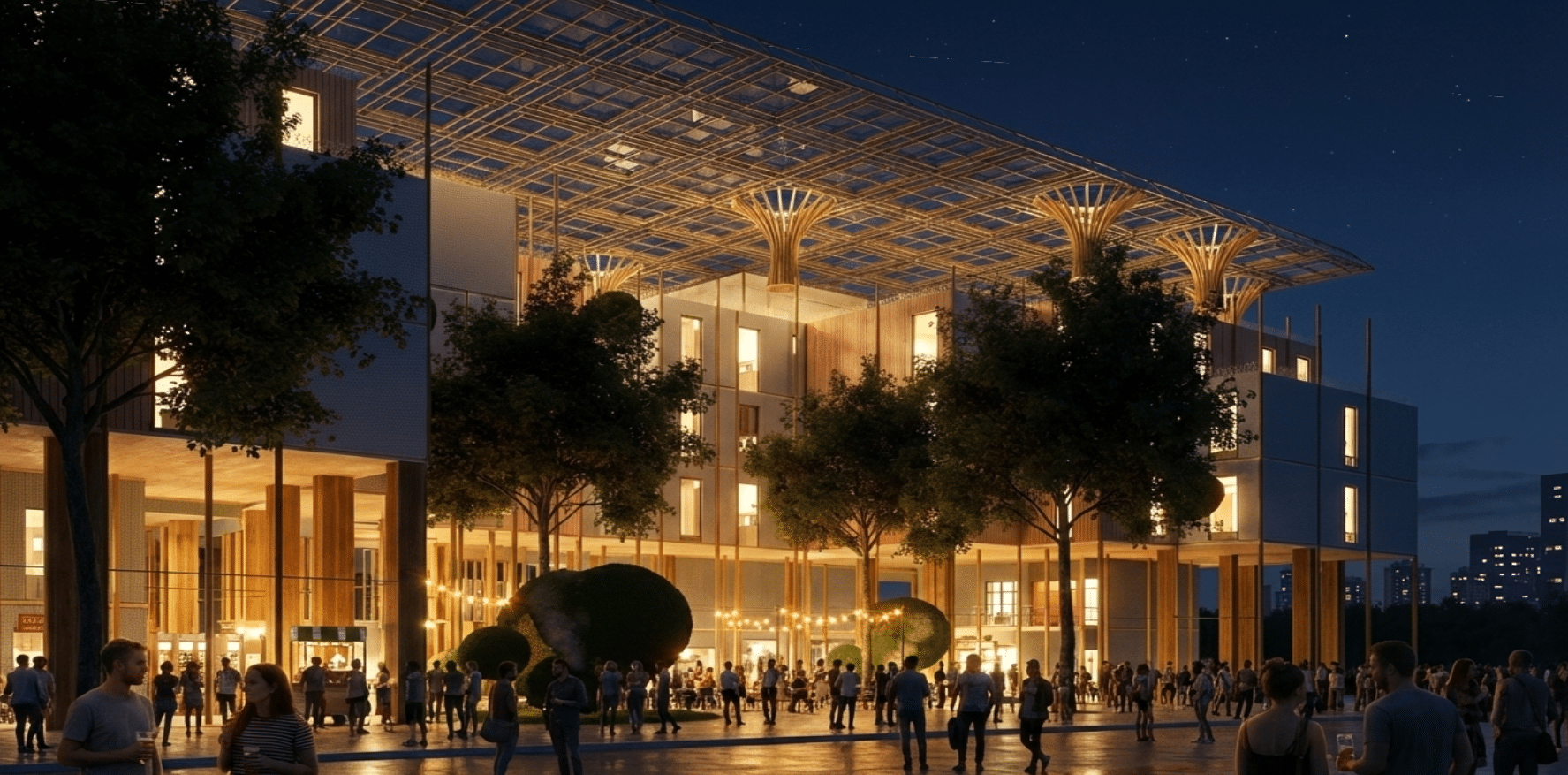
NeoCapsules is an innovative residential project inspired by the Nakagin Capsule Tower, reimagined to suit modern needs. Unlike the original design, which featured small, single-use capsules, NeoCapsules offers modular units in different sizes to accommodate families, young professionals, and individuals with diverse lifestyles. This flexibility allows residents to select layouts that best match their needs, … Read more

TRAVELNA / Hospitality for solo travelers

TRAVELNA is an innovative architectural design concept merging the subscription model of services like Netflix with Airbnb’s global accommodation network, tailored for solo travelers frequently moving across major cities worldwide. Subscribers gain access to a curated selection of high-quality apartments—ranging from studios to three-bedroom units—aligned with their chosen subscription tier. To ensure exclusivity and availability, … Read more

Energy Consumption for Interchangeable Units in a Mixed Use Building Typology

For our MaCAD Studio project, we wanted to explore the idea of circularity during the assembling/disassembling stage of the various programmatic functions housed by the building structure. The main materials employed are CLT and Reinforced Steel, of which we picked the first to be the focus of our study since it is the primary material … Read more

NeoCapsules: modular living design

NeoCapsules Residence: A Vision for Modern Family Living Affordable design solution for families NeoCapsules, an innovative residential complex inspired by the Nakagin Tower concept, offers a dynamic and adaptable living environment that seamlessly integrates sustainability with an urban lifestyle. This innovative approach fosters growth, flexibility, and community interaction, making it more than just a building, … Read more

PARAMETRIC NEXUS

Designing a Mixed-Use High-Rise for Urban Efficiency and Adaptability In the evolving urban landscape, designing a high-rise that blends commercial, residential, and recreational spaces requires thoughtful planning and innovative approaches. Our project, Parametric Nexus, employs parametric design tools to optimize functionality, sustainability, and adaptability. Here’s a closer look at the key elements of our design … Read more

Parasyte: Growing exisiting structure

INTRODUCTION We approached our parametric project with a top-down methodology, emphasizing the importance of urban, climatic, social, and economic parameters. These factors, alongside the needs for project development, are crucial when discussing architecture that focuses on the reuse and recycling of existing structures in both established and developing contexts. CONCEPT & STAGES The algorithm is … Read more

SYSTEM ON A CHIP

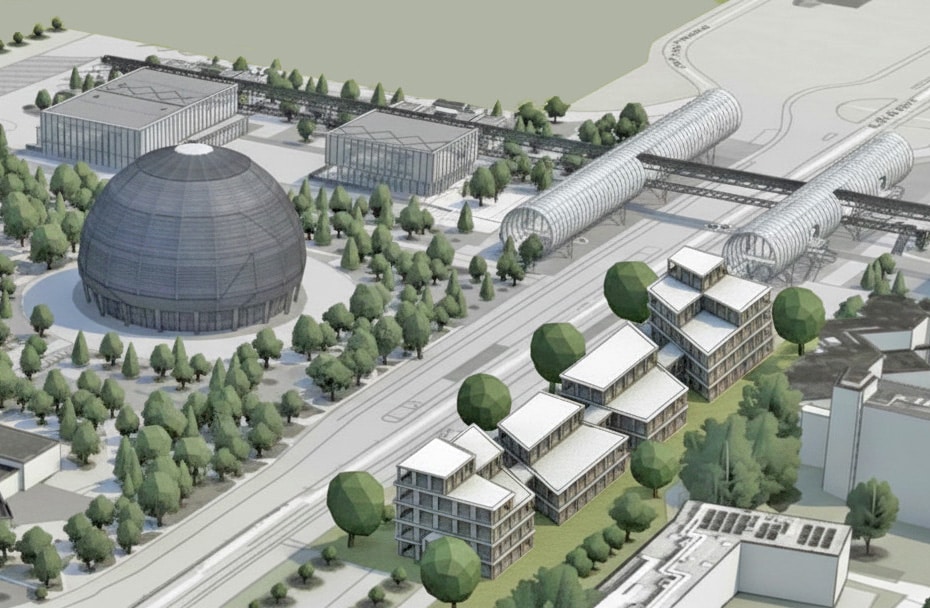
DATA CENTER: A BOTTOM-UP APPROACH WITH MODULAR AGGREGATION Data creation is exploding. With all the selfies and useless files people refuse to delete on the cloud, by the year 2025, there will be 200+ zettabytes of data in cloud storage. This explosion of data triggers the industry to streamline data management, security and storage, raising … Read more

The Perch – A Generative Building Typology

Introduction In our studio project, we use a combined bottom up and top down approach to develop a mixed use building; designed to integrate multiple functions, including residential, recreational, and commercial, within a single structure. Our goal is to feature a flexible layout, using modular construction techniques and clear circulation patterns, with well-designed junctions. Programmatic … Read more

System on a chip: Data Center modular aggregation structural optimization

Concept The architectural concept is based on creating a data center that expands over time, following a Design for Manufacturing and Assembly (DfMA) approach. At the core of the design is a superstructure, populated by smaller modular data halls. These are supported by a service program that includes operational spaces, storage, and MEP systems, particularly … Read more