The MaCAD is a unique online programme training a new generation of architects, engineers and designers ready to develop skills into the latest softwares, computational tools, BIM technologies and AI towards innovation for the Architecture, Engineering and Construction (AEC) industry.

Filters
Course

Faster Architectural Workflows with Generative AI: From Text Prompts to Custom LoRAs

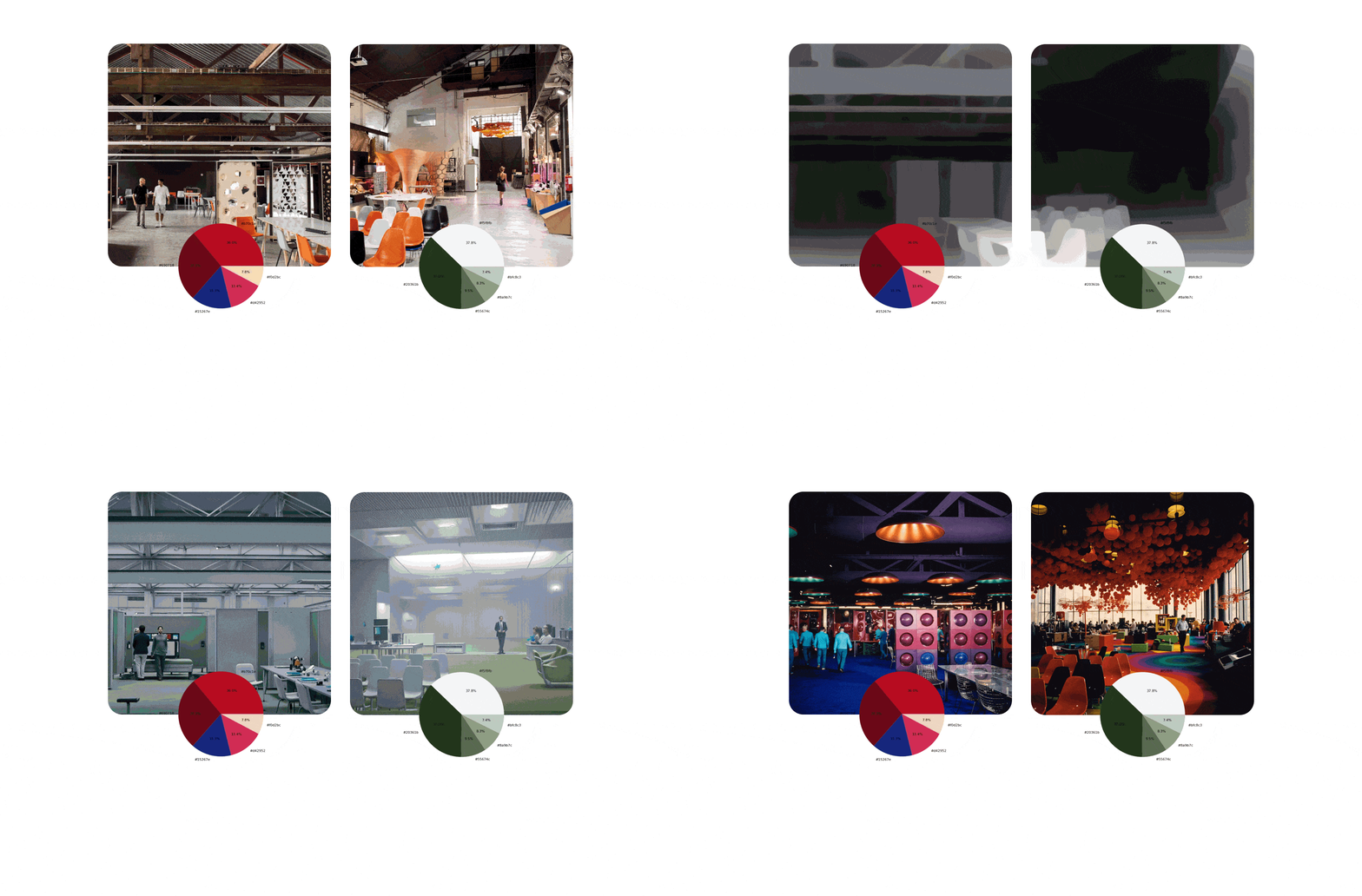
Morph 2 LoRAs

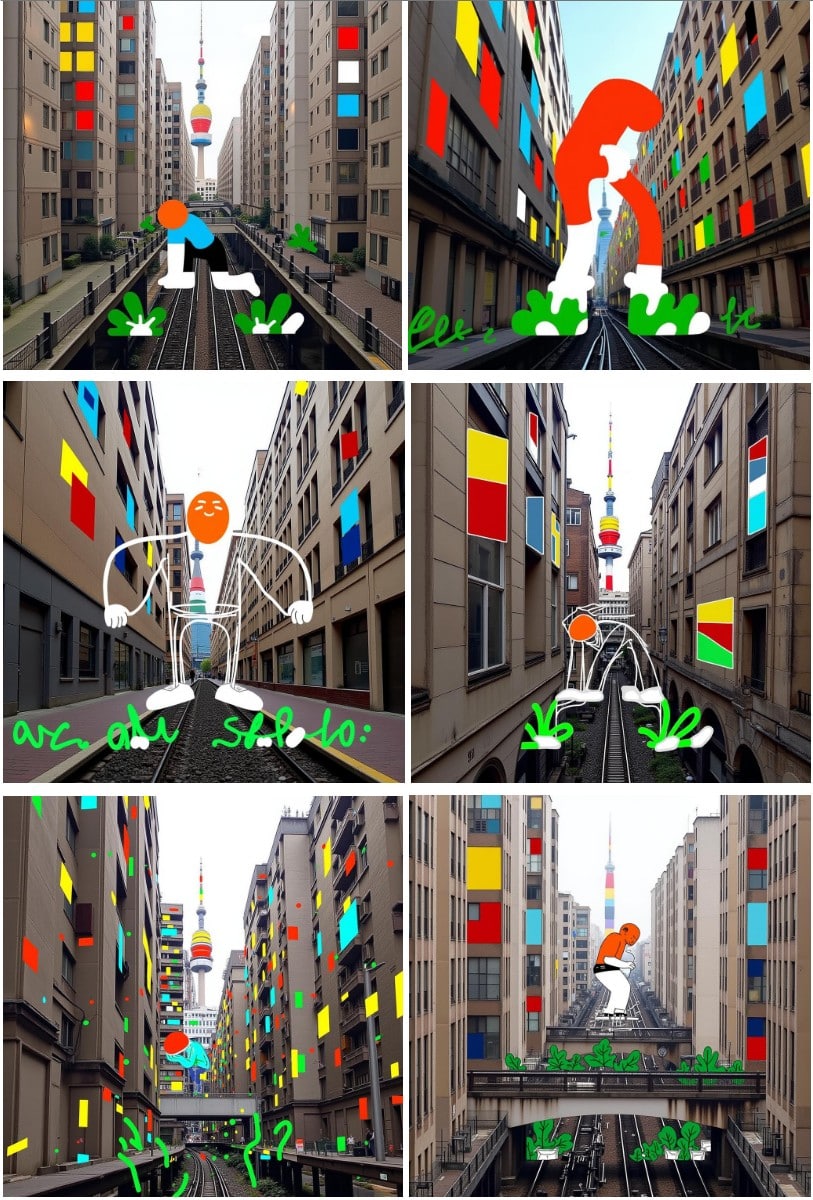
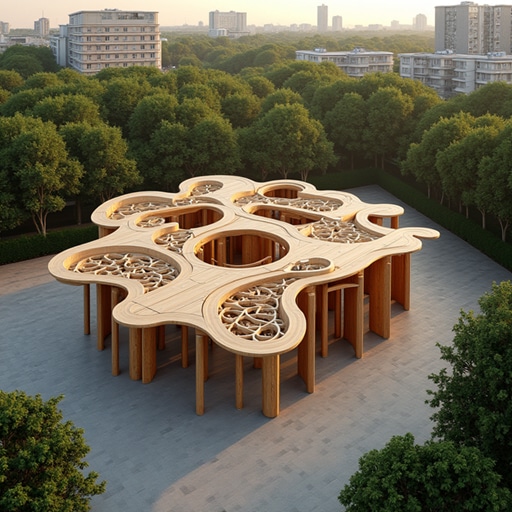
Why “Faster” Matters A single photorealistic render can quickly be very expensive and take days to produce, locking design changes behind hefty bills and long waits for architects. Generative AI, through models like Stable Diffusion and custom LoRAs, slashes both cost and time, turning sketches into near-final visuals in seconds. By democratizing high-fidelity imagery, it … Read more

From Raw Acoustics to Predictive Insights: Modeling Comfort in Architectural Spaces

Introduction In this blog, we walk through the complete data science process applied to a unique challenge: predicting the acoustic comfort index of apartment units based on architectural and environmental features. This includes data preprocessing, feature engineering, model training, interpretation, and tuning—with tools like XGBoost, Neural Networks, and SHAP for explainability. The workflow is split … Read more

CarbonAI

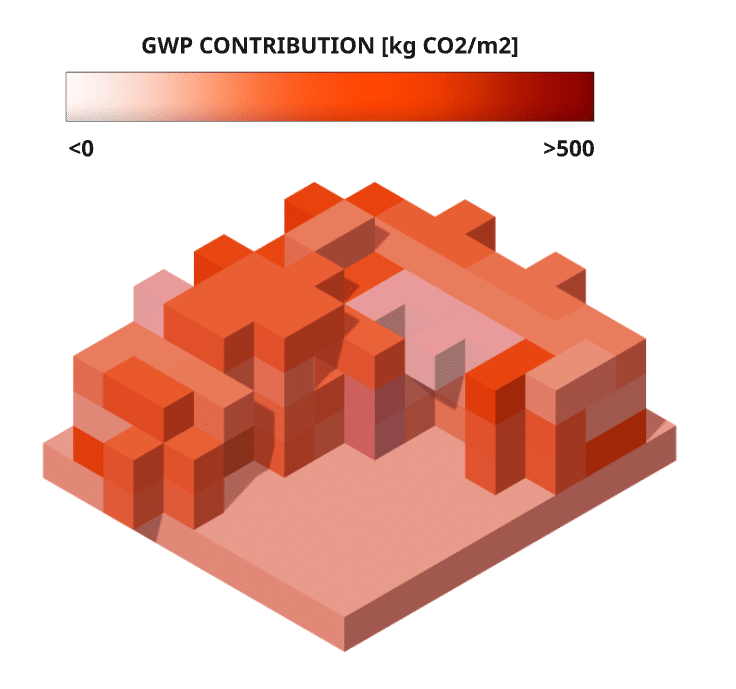
Bridging Carbon estimations in early design stages The built environment accounts for nearly 40% of global carbon emissions, the urgency to integrate sustainability into architectural and engineering processes has never been greater. Yet, decisions made in the earliest stages of building design often lock in the majority of a structure’s lifetime carbon footprint, long before … Read more

Co-Creator for Shared Outdoor Spaces: Activity Prediction in Residential Buildings

1 — Project OverviewOur project is based on the building geometry model that is provided with three apartment types and spaces in between them. We chose to focus on the shared spaces: the courtyards, terraces, and balconies. The building is located in Barcelona, so we rely on fixed environmental conditions and don’t re-run simulations. We … Read more

Hassan Fathy Style Transfer

A tool that transforms any architectural sketch into the style of Hassan Fathy using AI. Introduction Our app takes a simple sketch as input and automatically renders it in the hand-drawn style of Hassan Fathy.This enables users to visualize their ideas as if sketched by the master himself, in just seconds. We trained our model … Read more

Fire Risk Prediction

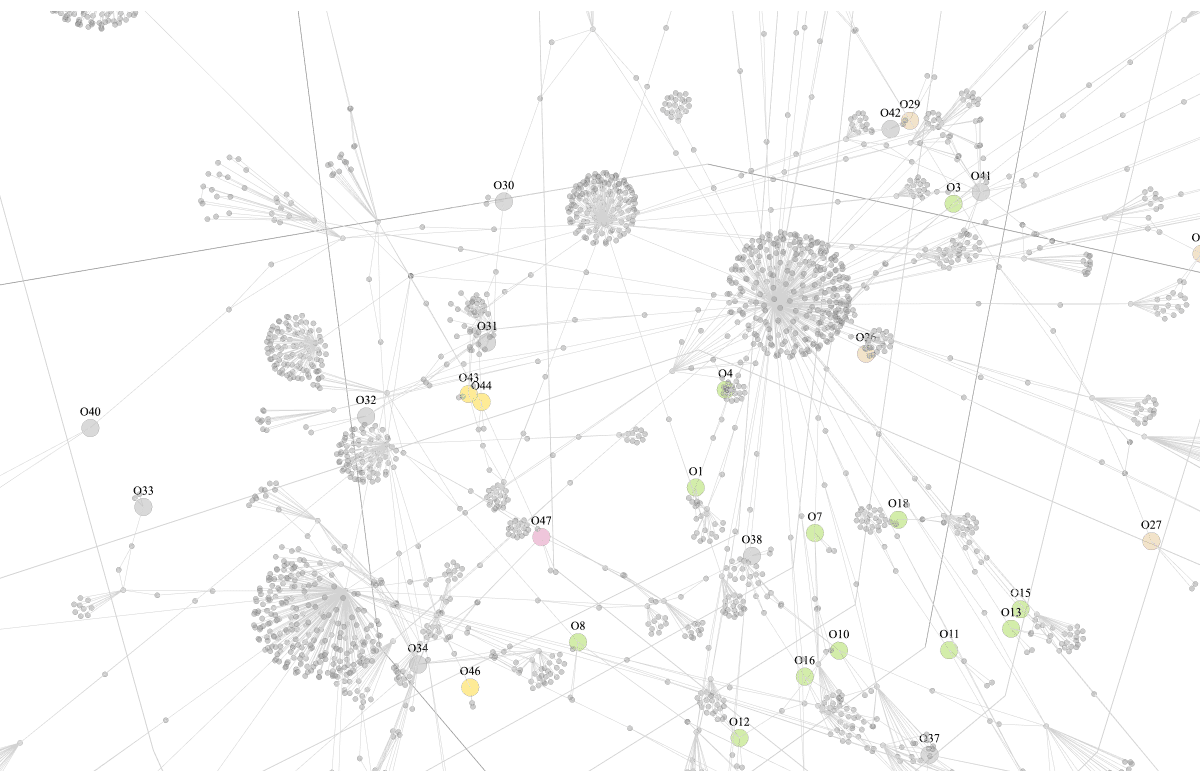
Fire Spread Prediction in Building Layouts Project Goal The goal is to predict fire safety risk at the unit level in a building. We are conducting a fire spread analysis for building layouts by examining spatial, structural, and material features. The objective is to model and understand how fire propagates through different parts of a … Read more

Integrative Modelling – Hyper B Service Team

As part of the Hyper Building B Services Team, our Integrative Modeling session focuses on developing a strategic approach to podium-level services. This initial stage revolves around conceptualizing and allocating key functions across different building levels. Key Spatial Allocations: This preliminary discussion serves as the foundation for refining an integrated approach to building services, ensuring … Read more

Impact of Roof features and Materials on the Roof Albedo

Roof albedo, the measure of a roof’s reflectivity, significantly impacts urban heat islands, energy consumption, and overall building efficiency. This study aims to analyze how different roof features and materials affect roof albedo in Copenhagen using machine learning techniques. Extreme heat events are rising globally and projected to increase in frequency and intensity, posing a … Read more

Thermal Insight: Optimizing Indoor Analysis

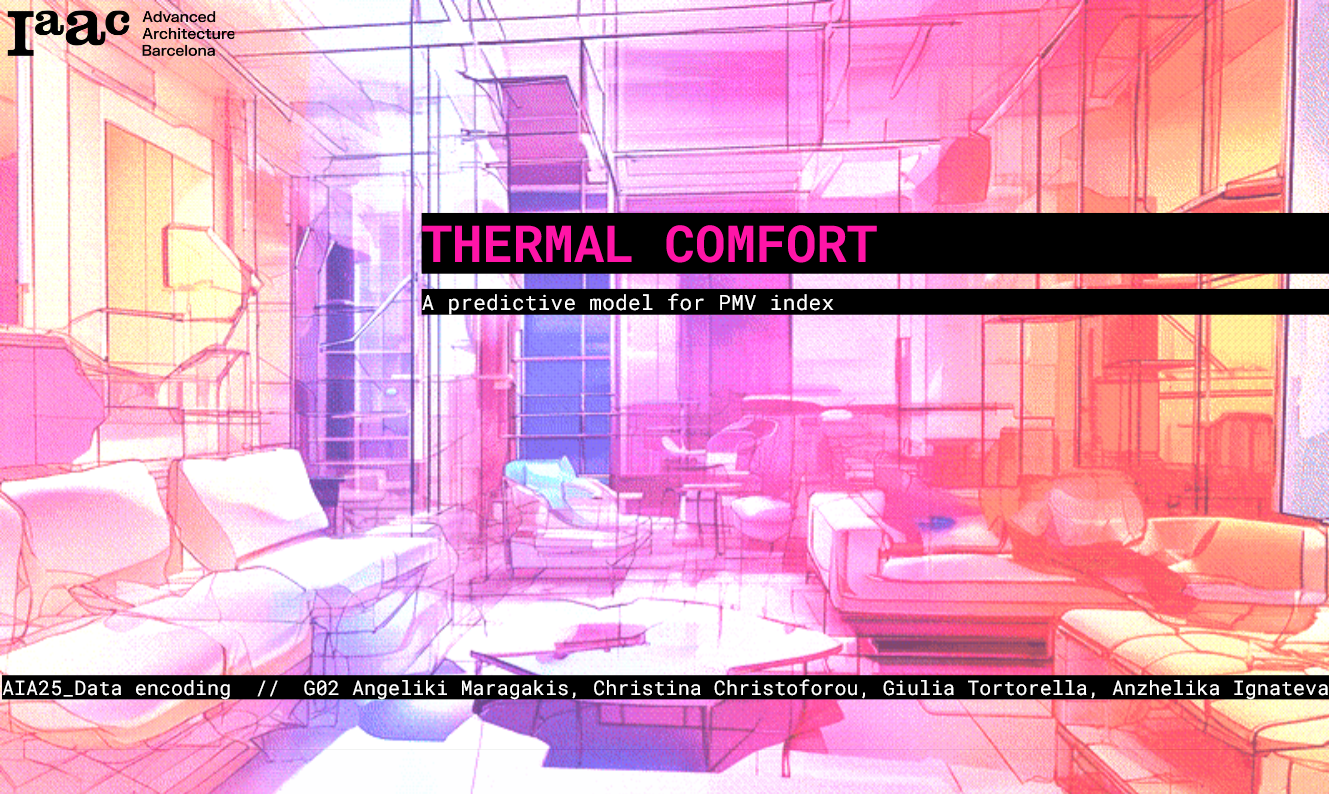
Thermal Insight would be a standalone app that optimizes indoor environments by predicting thermal comfort. With simulations from trained models to help enhance occupant comfort and energy efficiency, evaluating metrics like PMV, PPD, and MRT. This tool would help improve well-being and productivity while achieving efficiency goals. Abstract Methodology Use Case Data Analysis Results and … Read more

Predicting optimal layout configurations for sustainable heritage shophouses

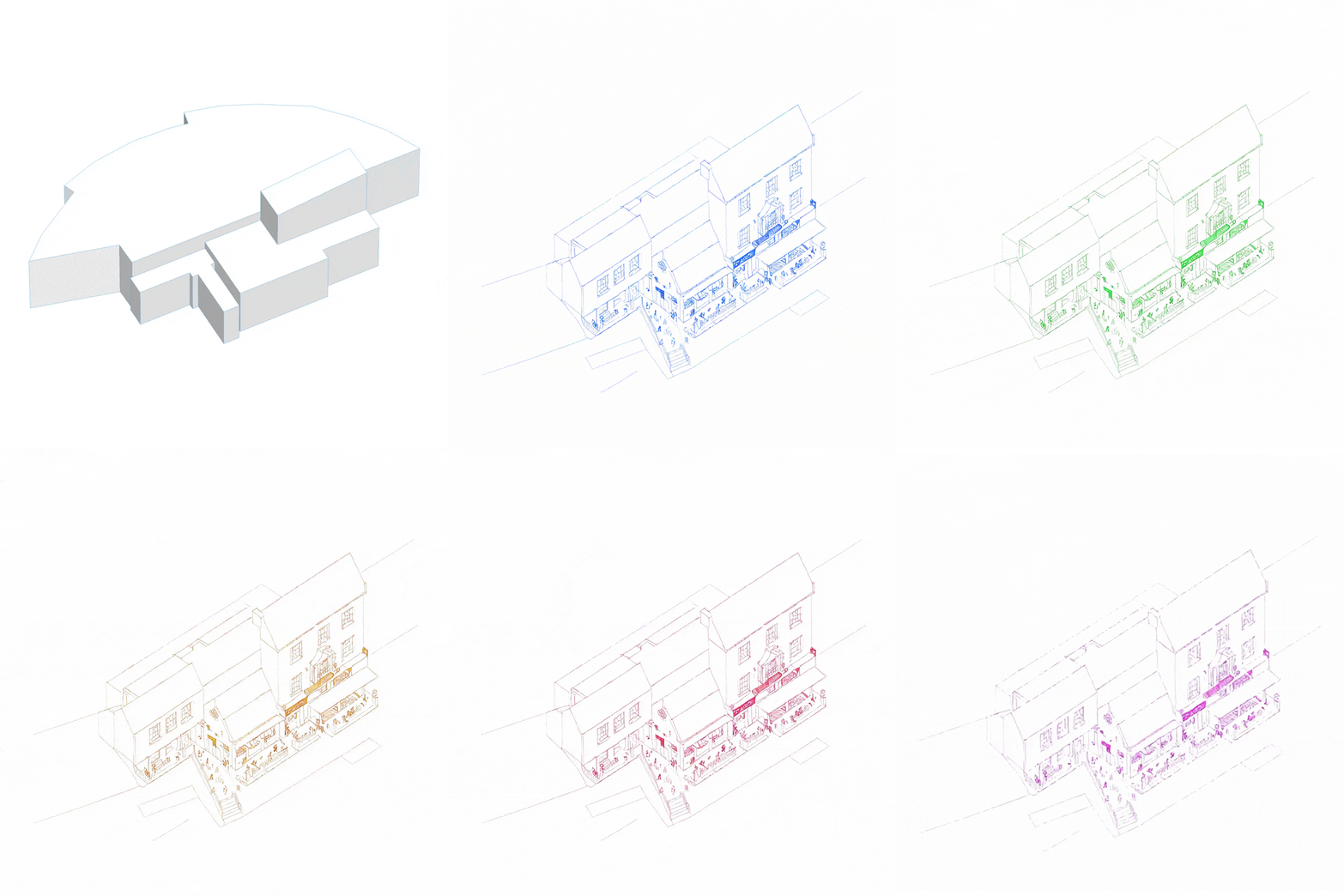
Our project aims to determine suitable workstation arrangement for office typology in a conservation shophouse in Singapore through maximise daylight on the worksurface to achieve 300 lux (to a maximum of 3000 lux) for good lighting condition. In a conservation shophouse, where the building envelope and facade cannot be altered. There are two daylight sources … Read more

Hotel Prediction for Singapore

Our project derives from our observation that in Singapore, most of hotels are located along the east and southeast areas near Changi Airport. There are very few hotels on the west side of Singapore. We also take into account on factors that tourists and visitors consider when making a reservation. These factors include public transportation, … Read more

YELP RESTAURANT REVIEWER

The exercise analyses Yelp reviews on restaurants and tries to investigate on how we can leverage the accuracy and the volume of the review information. The data structure then, is built up directly from the YELP web sites and associate the “review id” to a code that than has been analyzed though a RAG method…. and … Read more

Facade Gen AI

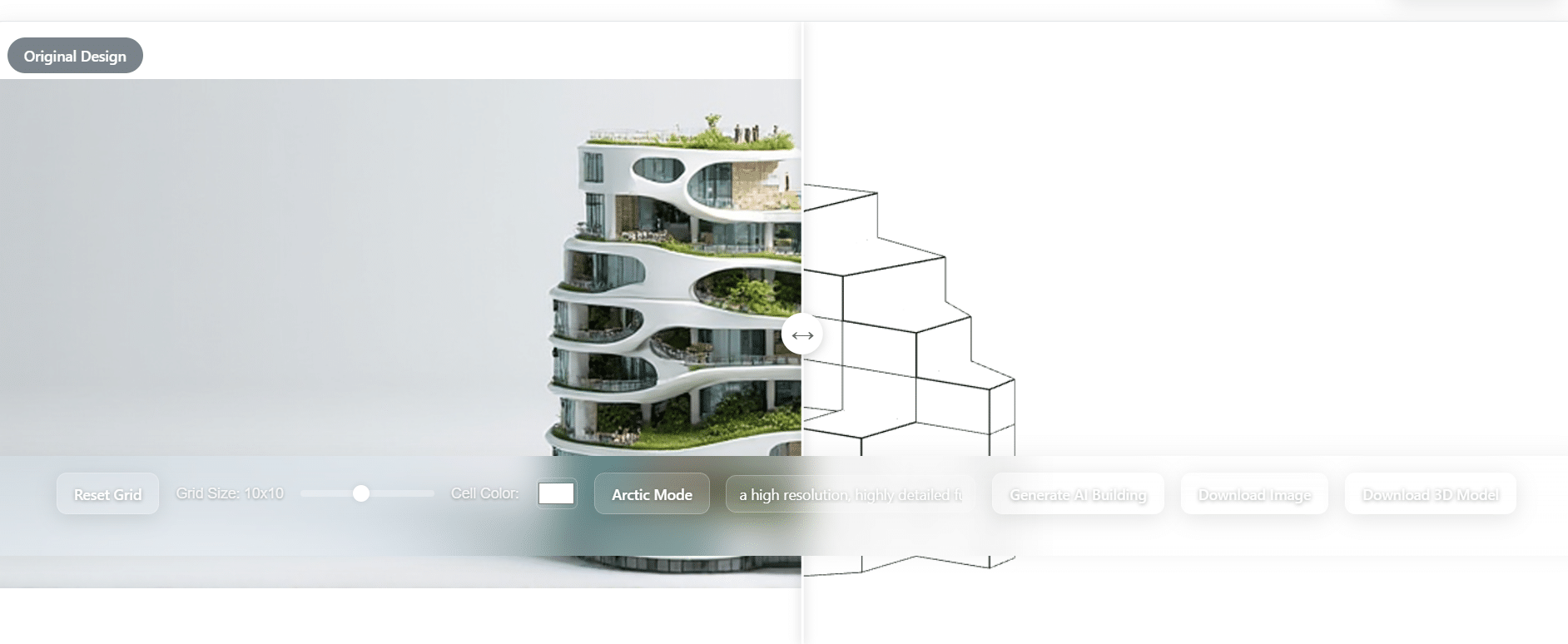
Our Generative AI seminar is dedicated to supporting our work at AIA studio, which focuses on sustainable design. Our task is to collaboratively generate a dataset of at least 800 facade images using generative AI techniques. This dataset will be an essential resource for us, enabling advanced research and development in sustainable architectural design and … Read more

Code – VIZ

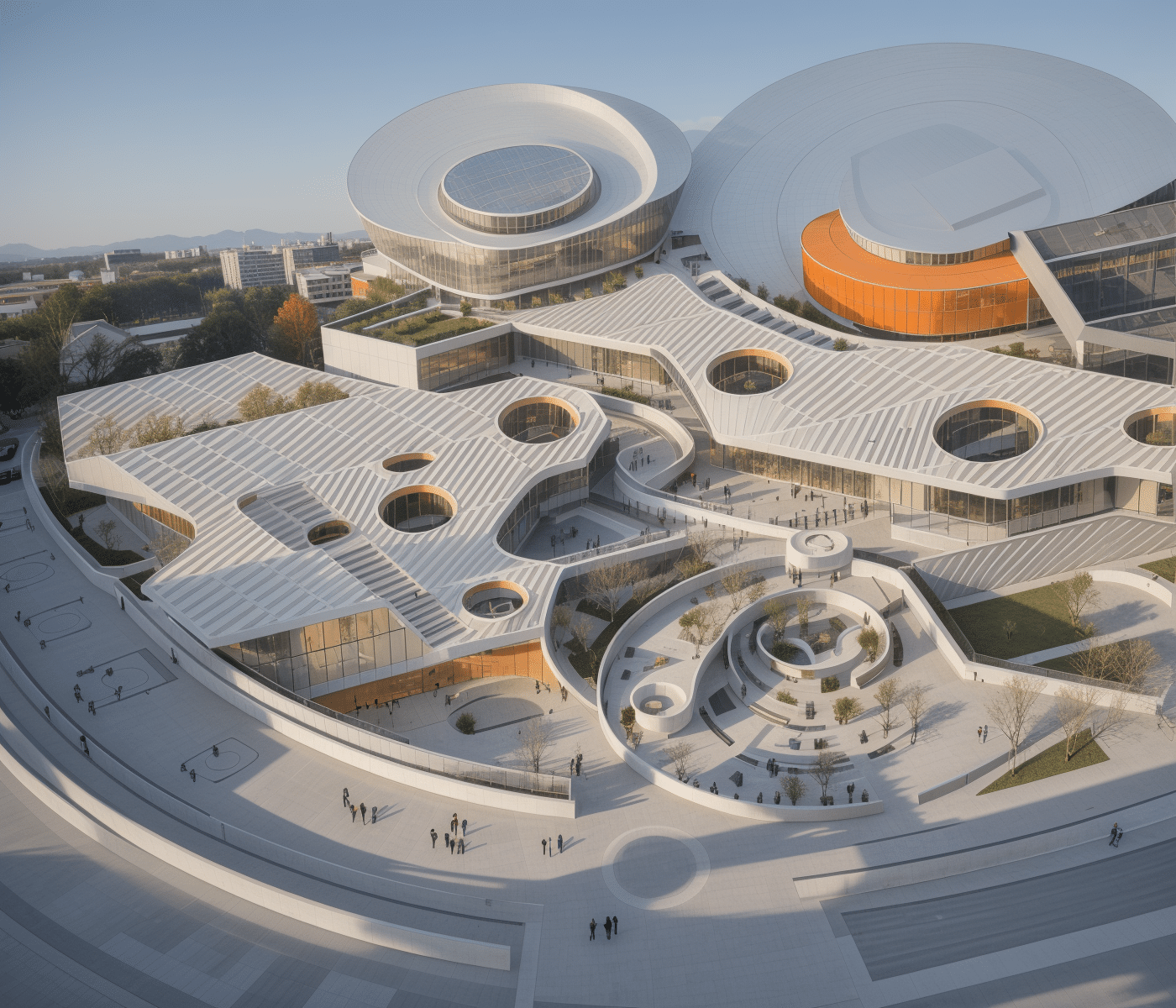
We embarked on a fascinating journey through the latest advancements in Image Synthesis and Language Models within the Architecture, Engineering, and Construction (AEC) industry. The course highlighted the transformative potential of generative AI, enabling architects, engineers, and designers to push the boundaries of traditional design processes, streamline workflows, and tackle complex challenges in groundbreaking ways. … Read more

Skin Sense

Skin Sense is a project that aims to help users optimize the thermal comfort of their interior spaces by applying skin shaders. Why implement this? What can skin sense help the user with? Once the designer designs the skin for the building facade it has to be analyzed for indoor comfort. To analyze indoor comfort … Read more