The Master in City & Technology’s academic structure is based on IAAC’s innovative, learn-by-doing and design-through-research methodology which focuses on the development of interdisciplinary skills. During the Master in City & Technology students will have the opportunity to be part of a highly international group, including faculty members, researchers, and lecturers, in which they are encouraged to develop collective decision-making processes and materialize their project ideas.

Filters
Course

What’s happening to our downtowns ? 

Abstract : In recent years, urban cores across the world have entered a period of uncertainty. Accelerated by the COVID-19 pandemic and the widespread adoption of hybrid work, many central business districts (CBDs) have experienced declining footfall, rising commercial vacancy, and shifts in social life—while others have demonstrated surprising resilience. This project investigates how foundational … Read more

$pot Finder

Preview of our dashboard with cost per m2 map on the right and a bar graph on the left

Opening a business is a bold investment. Factors (many out of business owners’ control) can determine whether or not local businesses thrive or struggle. Location matters, especially for businesses that depend on foot traffic. But the bigger questions are tough to answer: where should the business open? What is a fair rent to expect? Which … Read more

Cities in Pixels: Mapping, Moving, and Meaning in the Digital Era

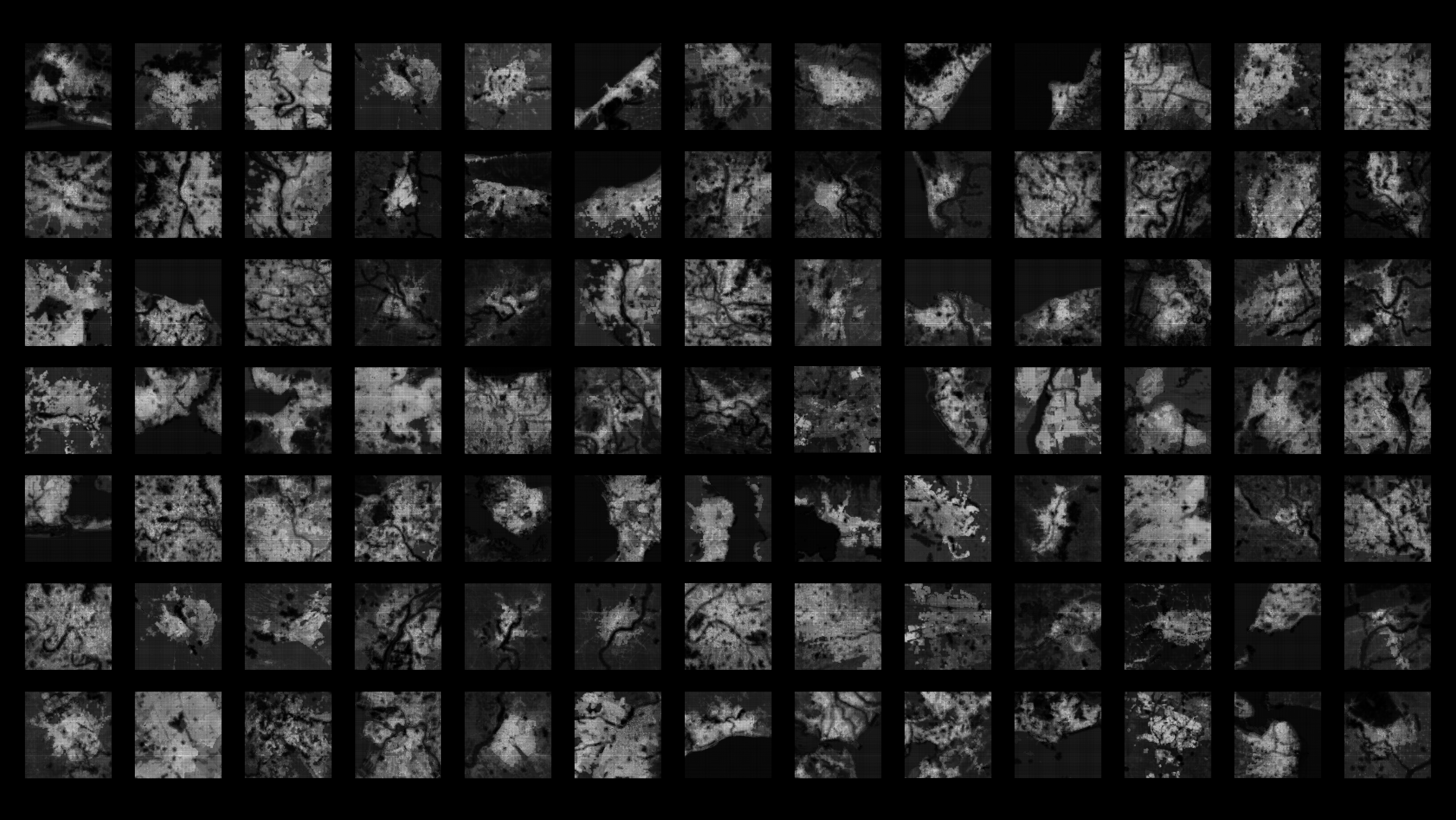
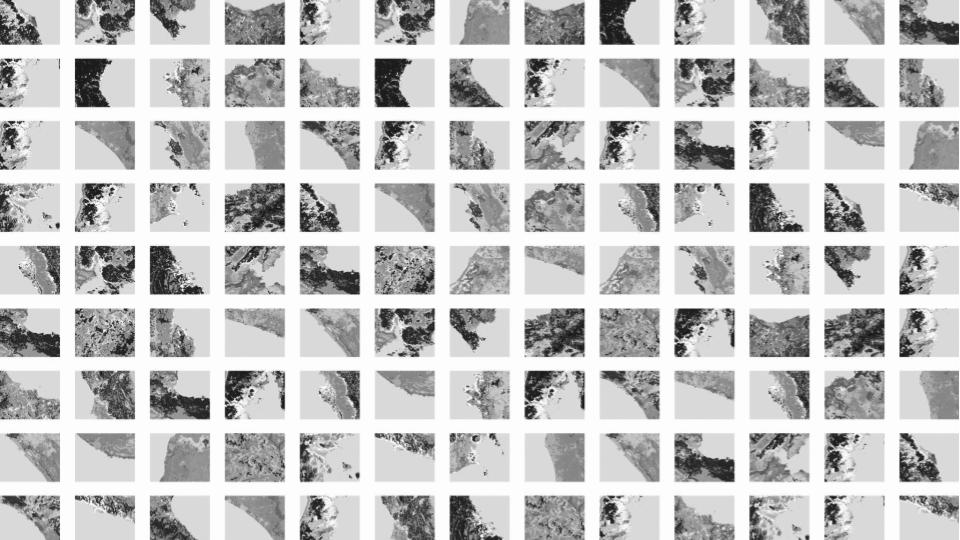
In the age of digital urbanism, cities are no longer understood only through streets, buildings, or neighbourhoods—they are interpreted, navigated, and governed through layers of pixels, data points, and algorithmic models. Our visualization project, Cities in Pixels: Mapping, Moving and Meaning in the Digital Era, examines this transformation using Geographic Information Systems (GIS) as its … Read more

Connexió (Connection)

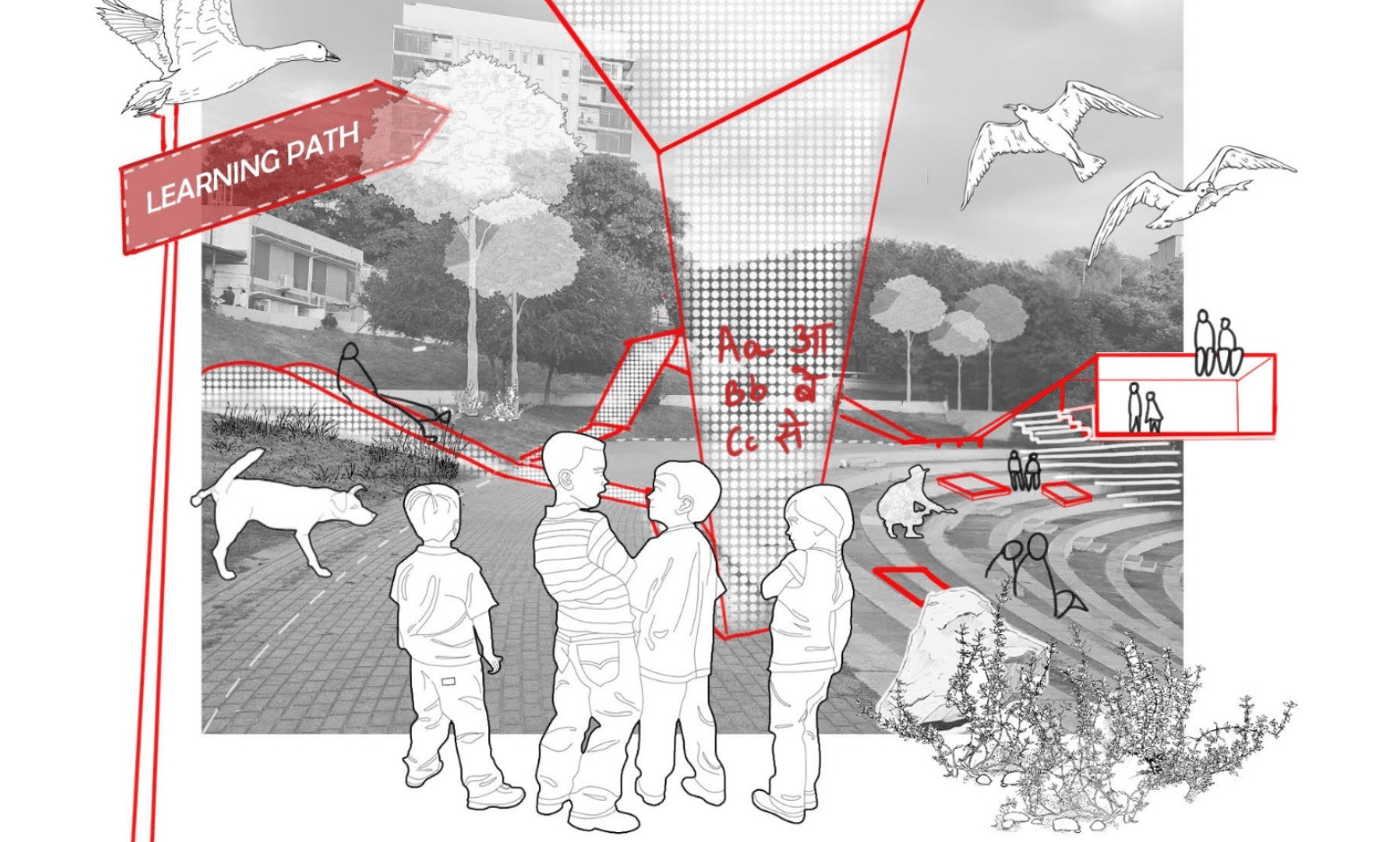
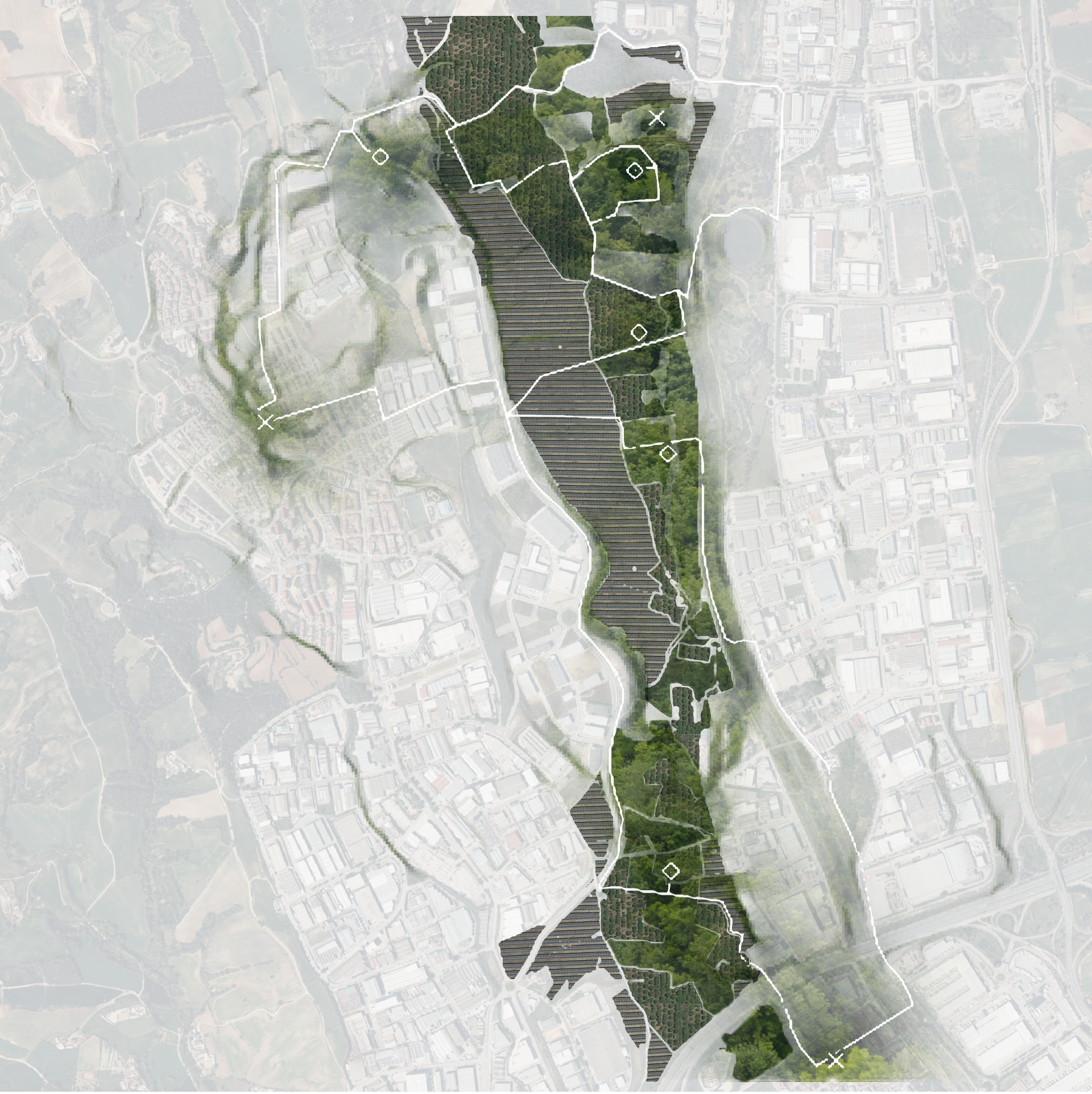
Santa Coloma de Gramenet, located to the north of Barcelona, is bordered by the Besòs River on the west and the Marina Mountain Range on the north. The city’s terrain features an irregular relief that rises to 303 meters at Mount Castellar, its highest point, a topographical character also visible within Parc dels Pins. The … Read more

Heat Archipelagos

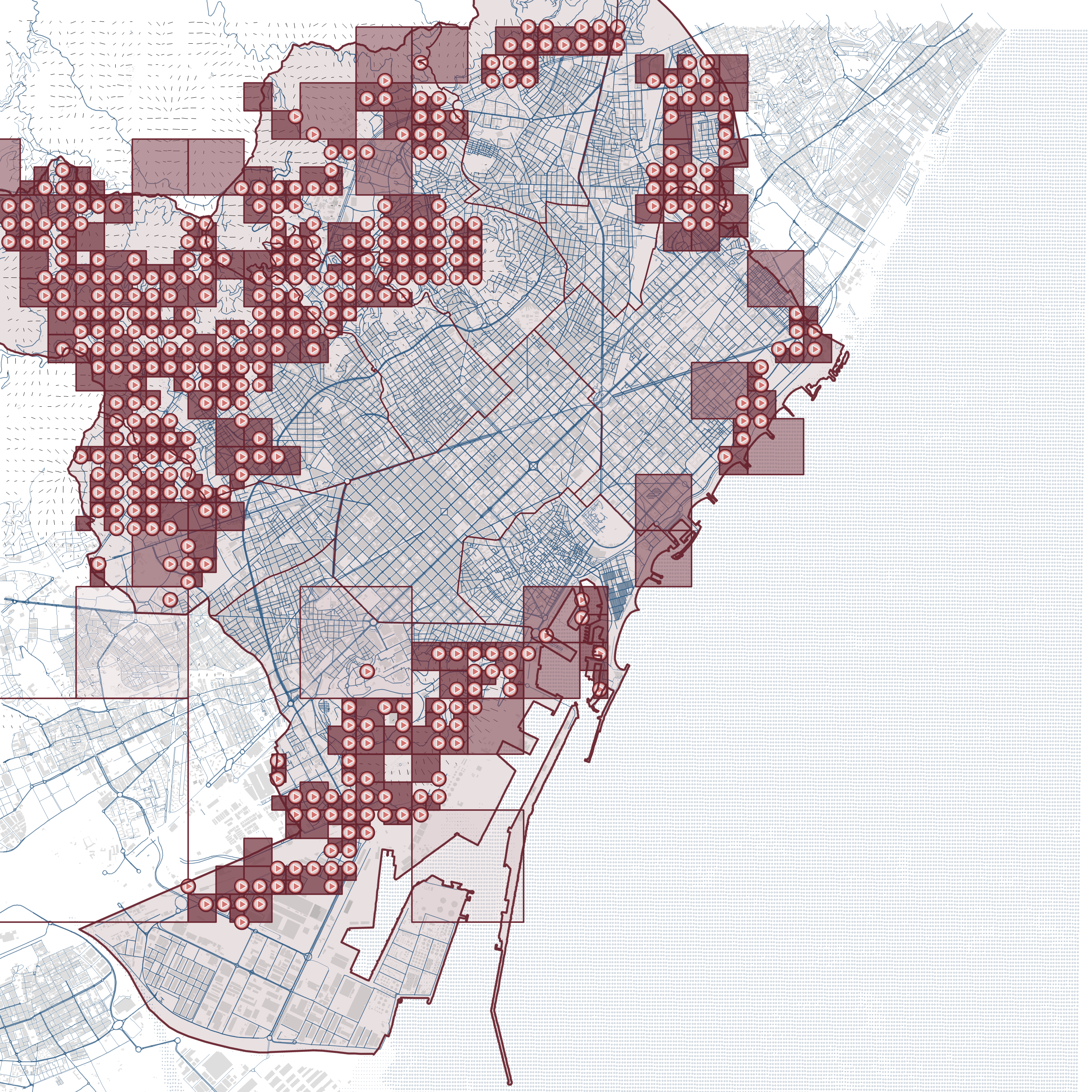
Rising heat is an increasingly critical global condition driven by climate change, urbanization, and deforestation. Average global temperatures have climbed due to greenhouse gas emissions, leading to more frequent and intense heatwaves that threaten ecosystems, economies, and public health. Urban areas, in particular, experience exacerbated effects due to the urban heat island phenomenon, where concrete, … Read more

TIME³

Multidimensionality of Time for Inclusive Urban Lives This project explores urban inclusivity through the multidimensional lens of time, using Barcelona as a case study. The analysis considers three temporal dimensions: time of day, time of year, and time of life, recognizing how these factors shape access to essential urban amenities. Proximity serves as the first … Read more

THE CITI BIKE NETWORK IN NEW JERSEY ANALYSIS

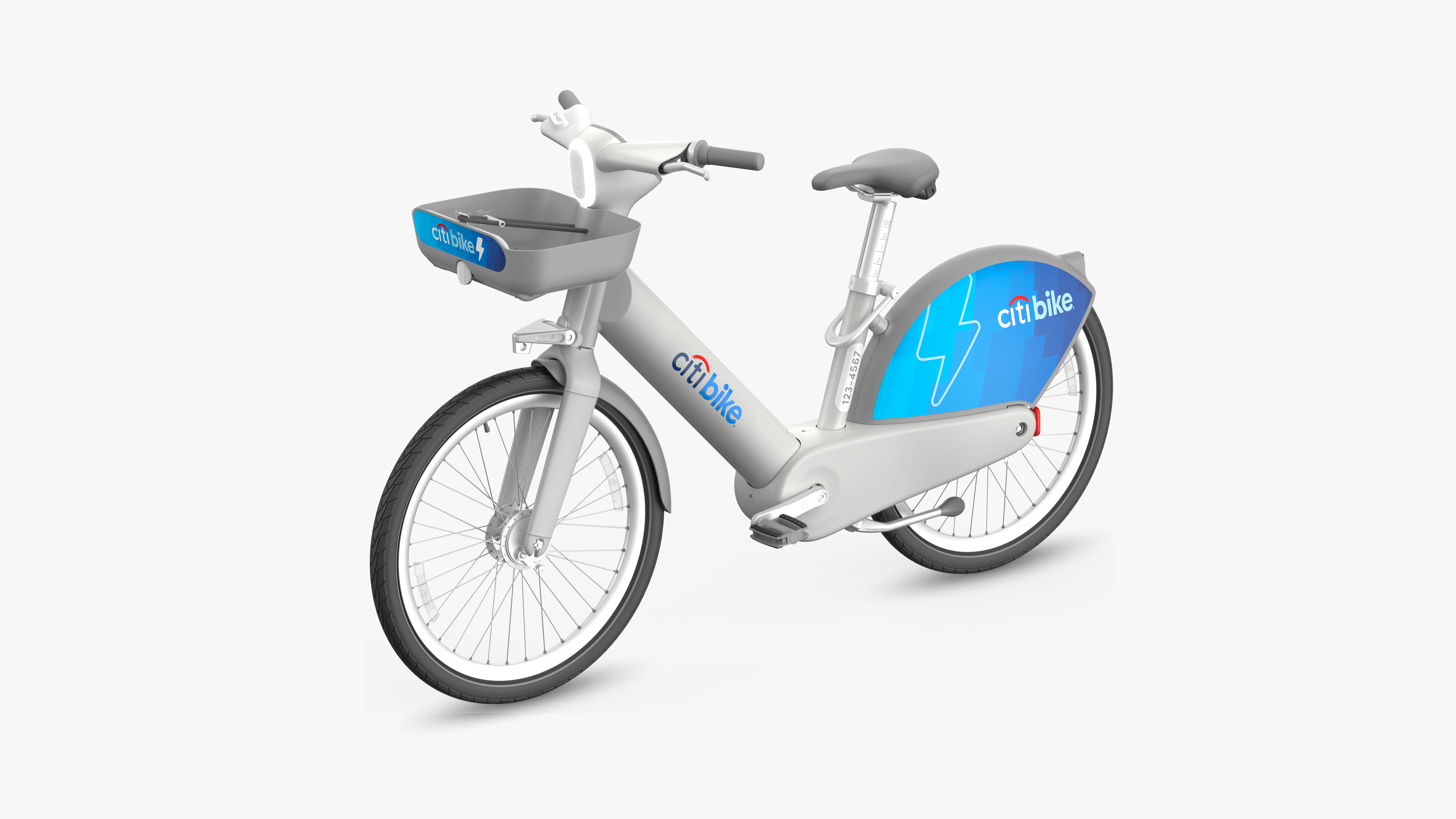
The exploratory analysis performed by Josefina Ovalle, Maja Mawusi and Michał Modelski We present you an exploratory analysis on the New York City’s Citi Bike network in New Jersey. We chose the latest dataset, from October 2024, that gives us data on bike stations, bike types, bike users, and bike usage over time. The choice … Read more

US time use change during and after COVID

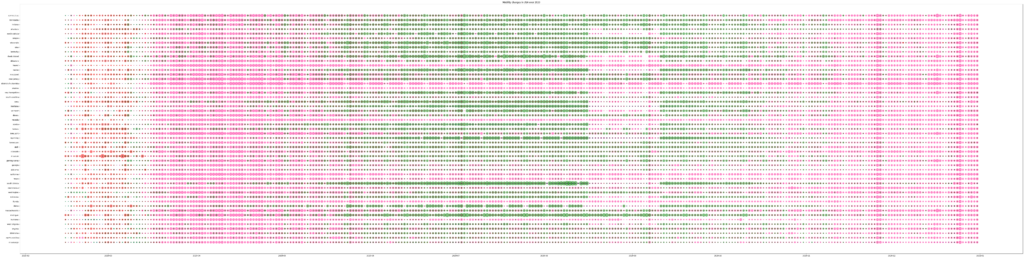
ABSTRACT Derived from the 2020 pandemic sanitary measures for Covid-19, Google created the Community Mobility Reports, which provide valuable insights of how people’s mobility changed as a result of the established health policies. The objective of this analysis was to understand how United States residents’ mobility behavior changed over time due to the COVID-19 pandemic. … Read more

La Barceloneta: A District in Transition

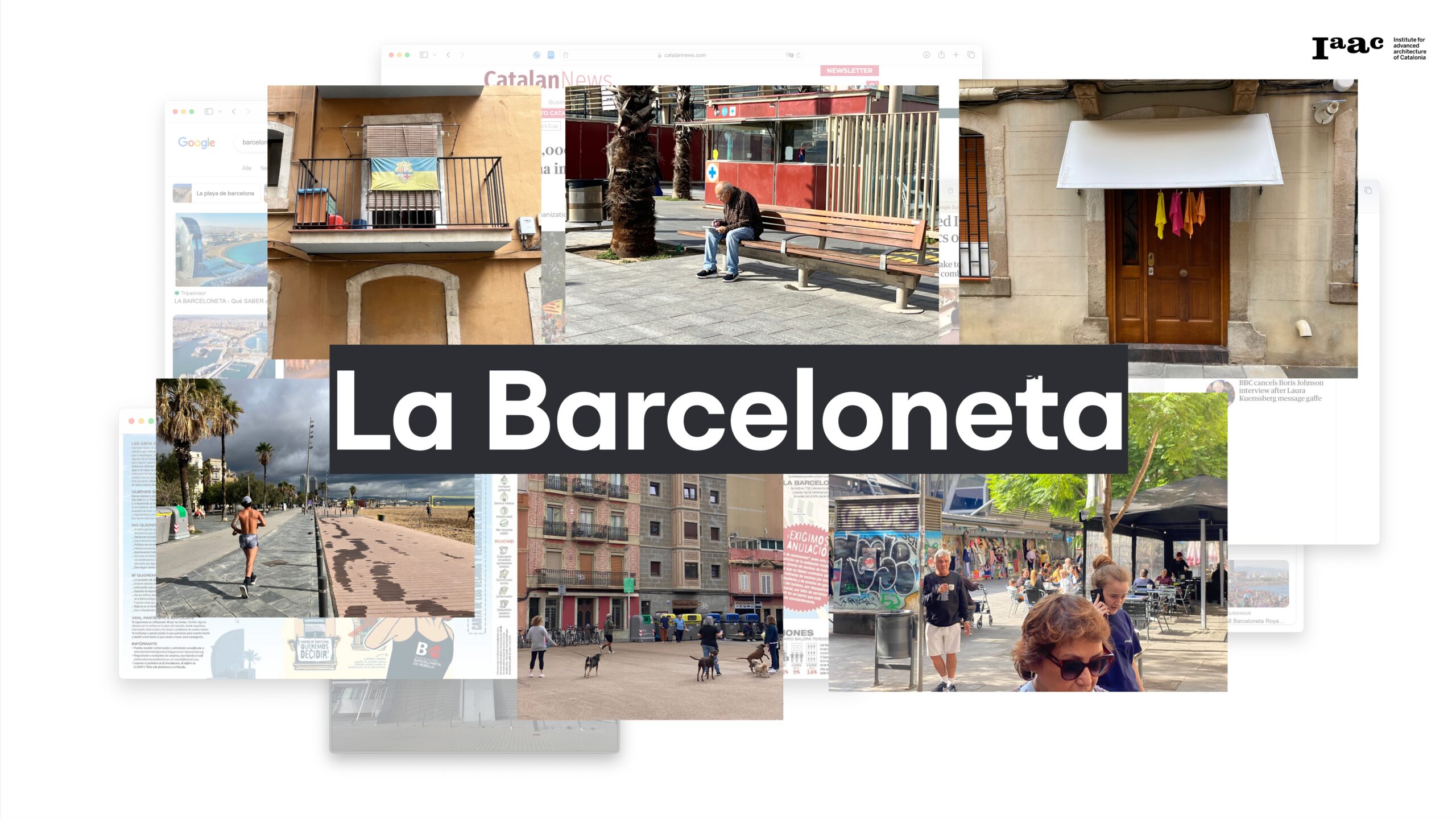
As part of the Master in City & Technology Introductory Workshop, our team was tasked with studying La Barceloneta, a district characterized by its complex layers of social, economic, architectural, and administrative systems. This project aims to explore these dimensions, highlighting the interactions between tourism and the local community in one of Barcelona’s most iconic … Read more

Coltura

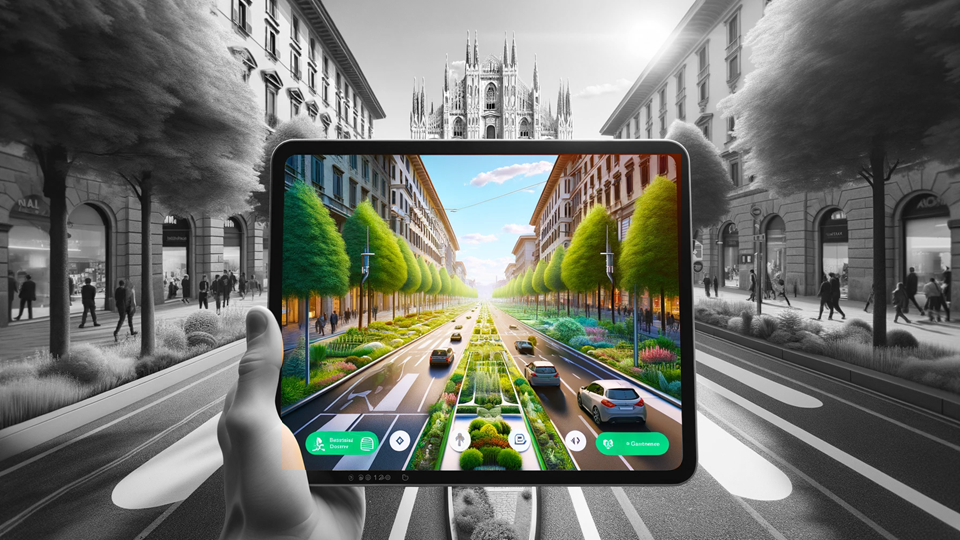
Introduction Milan, Northern Italy’s epicenter, confronts economic and environmental challenges rooted in a shift from agriculture to manufacturing. To secure its future, Milan invests in knowledge, tourism, and place-based innovation, relying on revenue from high-income foreigners, students, and the European Union. Strategic efforts to transition to a green economy focus on renewable energy, waste reduction, … Read more

Towards a multi-performative soil

Introduction The contemporary postcard city of Barcelona is supported by a world wide web of hidden urbanization. One of the closest and most prominent hidden pieces of urbanization of Barcelona is found in the Besós Valley. When going on site, we encountered a fragmented urban landscape of logistical infrastructure, urban wasteland, scattered agriculture and haphazard … Read more

GreenScape – Milan

Introduction Known for its fashion, history, and culture, Milan also faces a pressing environmental issue: it stands as one of the most polluted cities in the World. The challenge of mitigating air pollution in Milan is complex, as it is shaped by a mix of geographical, meteorological, socio-economic, and cultural factors. From the city’s dense … Read more

Arbitration of the Arbitrary

Critical urbanists are empowered by theory, constrained by history, and valued by their ability and will to negotiate opportunities. The powers of theory are defined by Brenner and Roy as that of critical imagination and rejection of definition; contexualized as historically urban and increasingly planetary by Harvey, Brenner, and Schmid; and actualized by Kaika and … Read more

Navigating GeoPandas and the Digital Wilderness

“Start the machine” …was the first operation in mind when asked to perform a task with Python script. One of the motivations to learn Python as an urban designer is to organize geospatial data with accuracy and legibility. Before we dive into the digital wilderness, of data trees and data frames, it’s important to note … Read more