IAAC’s Master in City & Technology (1 or 2-year program) is a unique program oriented towards redefining the analysis, planning, and design of twenty-first-century cities and beyond. The program offers expertise in the design of digitally enhanced, ecological and human-centered urban environments by intersecting the disciplines of urbanism and data science. Taking place in Barcelona, the capital of urbanism, the Master in City & Technology is training the professionals that city administrations, governments, industries, and communities need, to transform the urban environment in the era of big data.


Filters
Course

Cities in Pixels: Mapping, Moving, and Meaning in the Digital Era
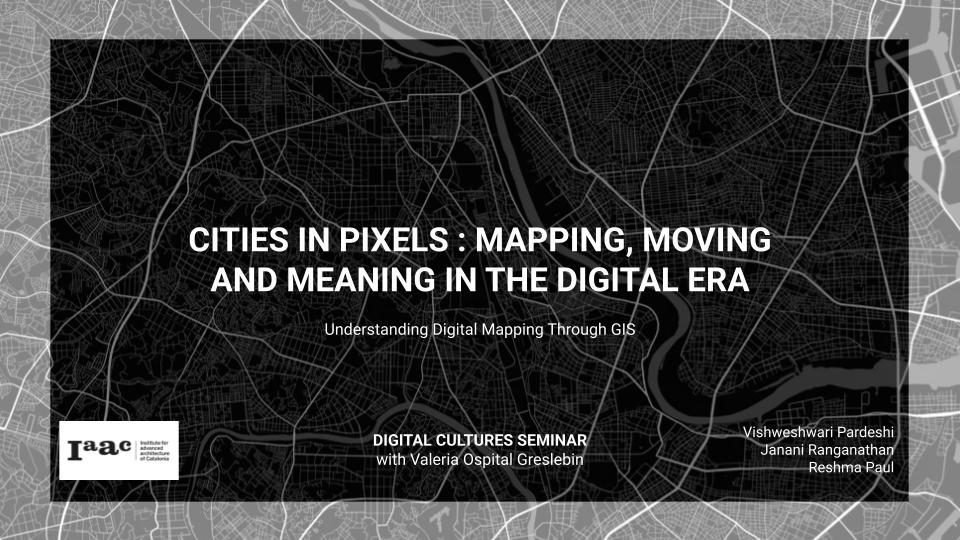
In the age of digital urbanism, cities are no longer understood only through streets, buildings, or neighbourhoods—they are interpreted, navigated, and governed through layers of pixels, data points, and algorithmic models. Our visualization project, Cities in Pixels: Mapping, Moving and Meaning in the Digital Era, examines this transformation using Geographic Information Systems (GIS) as its … Read more
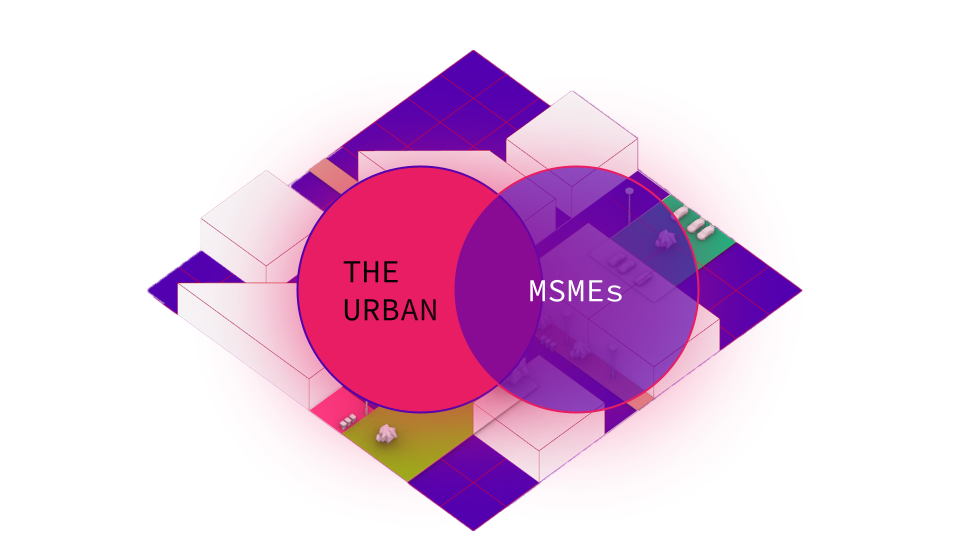
DEMOCRATIZING CREDIT: A New Paradigm in Lending

City

The project envisions the use of novel data collection strategies for the purpose of increasing access to formal credit for MSMEs in the F&B Space Across the globe, cities face a pivotal challenge: unlocking the potential of their micro, small, and medium enterprises (MSMEs) to drive both urban transformation and national economic growth. These enterprises, often comprising over 90% of businesses in developing … Read more

Digital Culture(s): A cultural blindspot of solutionism

photo credits: ‘Imagining Intercitizenships’ 3D artwork by Lorna Pittaway for IAM

In an era of accelerating change, digital cultures weave together a mosaic of materiality, temporality, and social impact, redefining the very essence of culture itself. The interplay between these dimensions raises compelling questions about the way we live, create, and envision futures. From solutionism in the face of a polycrisis to the extractivist underpinnings of … Read more

Collective imagination in a crisis scenario

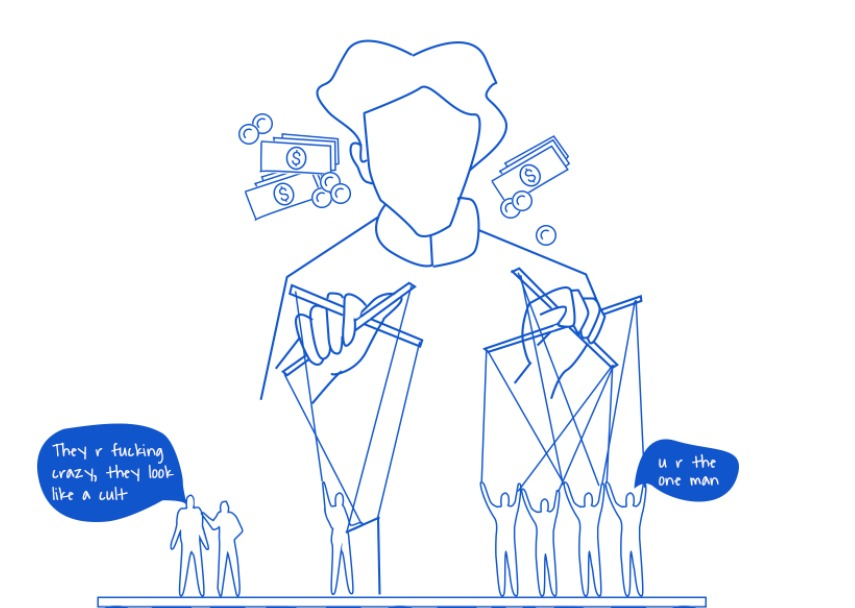
In order to overcome the current climate emergency and polycrisis a critical approach needs to be explored. This implies analyzing the impacts and trends of the contemporary (inter)relationships between society, culture and digital technologies.     However, the nature of those phenomena is multiclausal. There is not a single factor who produces it. Although capitalism and its … Read more

Designing Futures: Exploring Digital Cultures in a Climate Emergency

This course examined the interplay of ecological, cultural, and digital transformations amidst a climate emergency, emphasizing the need to prioritize cultural over economic value. It explored how language shapes perceptions of technology, the hidden environmental costs of digital infrastructures, and the biases embedded in AI systems. Addressing the prevalence of misinformation, it highlighted the role … Read more

Unmasking Digital Culture: Rethinking Progress, Equity, and Sustainability

Accumulation: A Mirage of Progress Imagine a minimalist workspace—a pristine desk, a single laptop, a small plant to complete the tableau. It’s serene, efficient, and modern. Yet, behind this simplicity lies a sprawling network of data centers consuming vast amounts of energy, hidden from view. This duality invites a deeper reflection: is our pursuit of … Read more

Navigating Digital Culture(s): Complexity, Imagination, and Responsibility

In a world of interconnected crises and rapid technological change, Digital Cultures provides a lens to explore how we interact with technology and respond to global challenges. The Digital Cultures class invited us to reflect on these dynamics, highlighting the importance of rethinking the narratives, metaphors, and values shaping our present and future. Central to … Read more

Understanding Planetary Urbanization and Capitalism

“capitalism as a mode of production has necessarily targeted the breaking down of spatial barriers and the acceleration of turnover time as fundamental to its agenda of relentless capital accumulation” (David Harvey.) 01. The Evolution of Urban Reading Urbanization, much like the transition from print to digital media, reflects evolving modes of engagement. The shift … Read more

Designed Realities

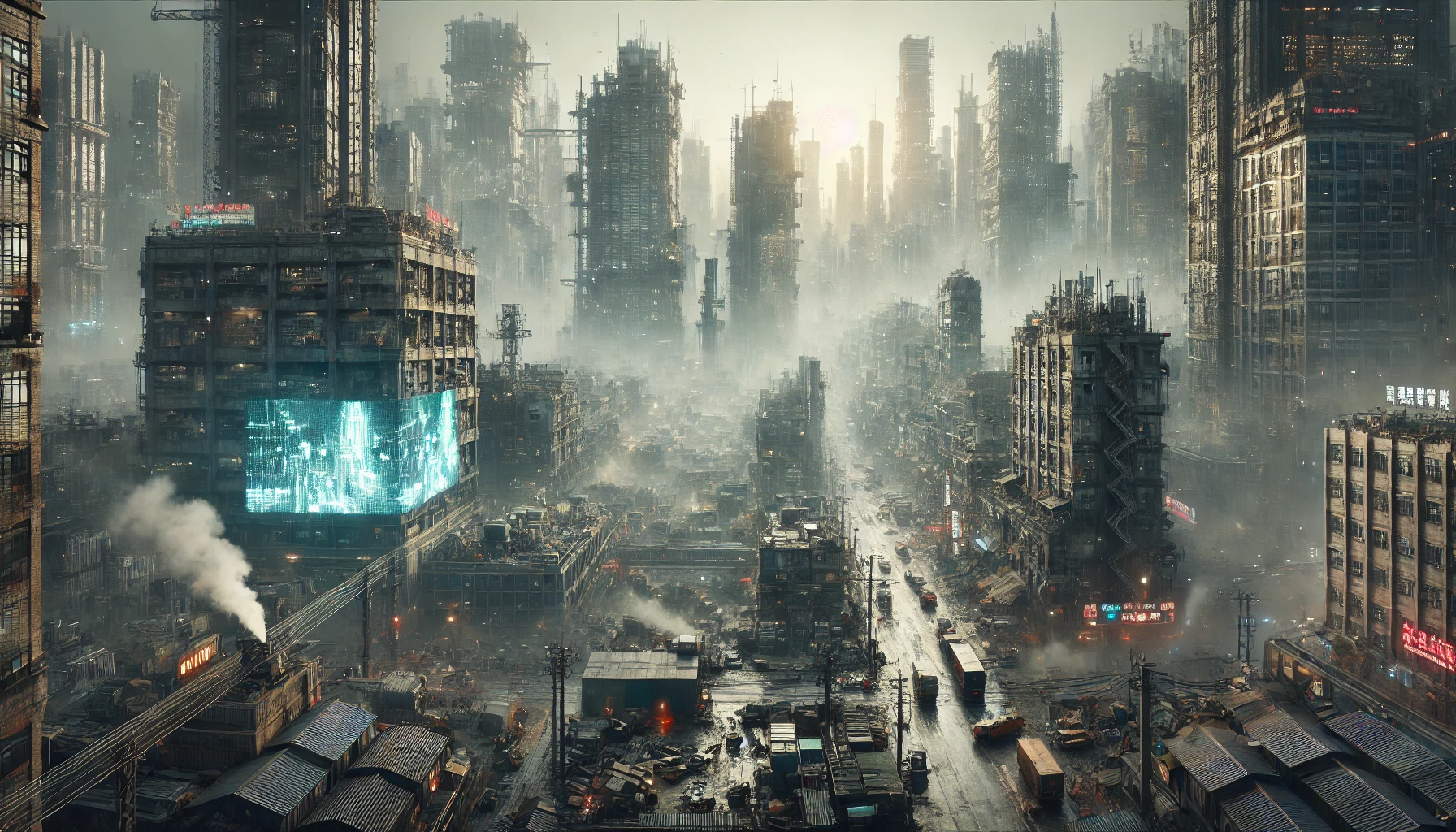
“The artificial refers not to the fake, but to what is deliberately created, designed with purpose, and capable of reshaping both human and planetary futures.” Benjamin Bratton In recent years, the notion of artificiality has evolved from being seen as an imitation of the natural, to an integral part of planetary and urban systems. Benjamin … Read more

Coltura

Introduction Milan, Northern Italy’s epicenter, confronts economic and environmental challenges rooted in a shift from agriculture to manufacturing. To secure its future, Milan invests in knowledge, tourism, and place-based innovation, relying on revenue from high-income foreigners, students, and the European Union. Strategic efforts to transition to a green economy focus on renewable energy, waste reduction, … Read more

GreenScape – Milan

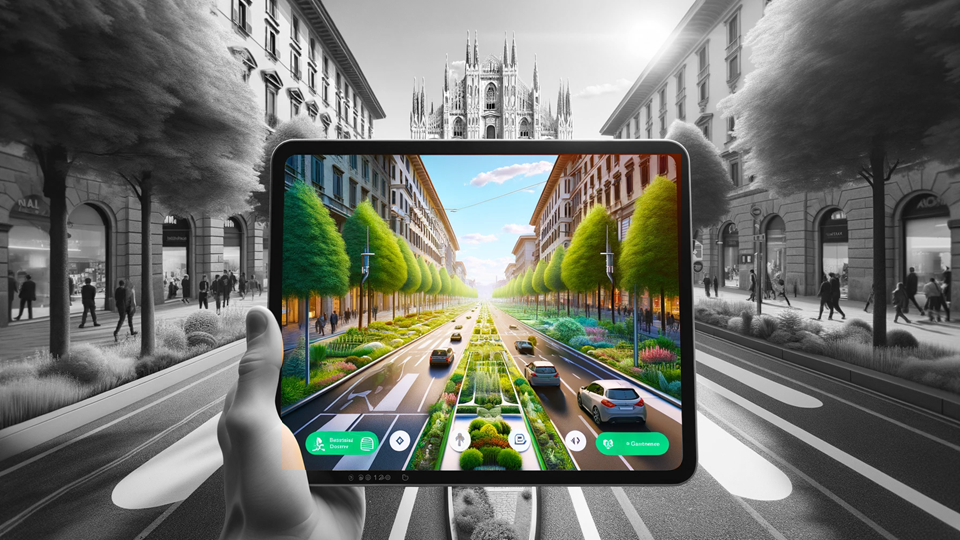
Introduction Known for its fashion, history, and culture, Milan also faces a pressing environmental issue: it stands as one of the most polluted cities in the World. The challenge of mitigating air pollution in Milan is complex, as it is shaped by a mix of geographical, meteorological, socio-economic, and cultural factors. From the city’s dense … Read more

Decoding Critical Urban Theory

Harnessing AI to deconstruct text to visuals Introduction Welcome to our exploration of urban theory, where we decipher the complexity of urban theory through the lens of imagery and aphorisms. We—three students with diverse perspectives—have delved into the intricate narratives and critical readings to let us translate them to critical urban thinking. This blog post … Read more