IAAC’s Master in City & Technology (1 or 2-year program) is a unique program oriented towards redefining the analysis, planning, and design of twenty-first-century cities and beyond. The program offers expertise in the design of digitally enhanced, ecological and human-centered urban environments by intersecting the disciplines of urbanism and data science. Taking place in Barcelona, the capital of urbanism, the Master in City & Technology is training the professionals that city administrations, governments, industries, and communities need, to transform the urban environment in the era of big data.


Filters
Course

Bee Careful


A Bee Survival Game Context – Bee-Careful starts in Lisbon, Portugal. Where social (vulnerable young community), environmental (ecological unbalance and fragmentation), and mobility (elderly retired community) problematics are adressed through one common medium; greenery. Greenery forms the binder in which the previous elderly community of Lisbon convverges with a new and young community across a … Read more

Fish Tail Park, Nanchang – Case Study

Case Study of Ecological Restoration, Human Presence and Design of Co-Existence Introduction Fish Tail Park is located in the center of Nanchang City, a historic city in southeastern China with approximately 6.6 million residents, has experienced rapid urban growth and high-tech industrial expansion along the Gan River. Is a large-scale ecological restoration project designed by … Read more

Parc del Centre del Poblenou

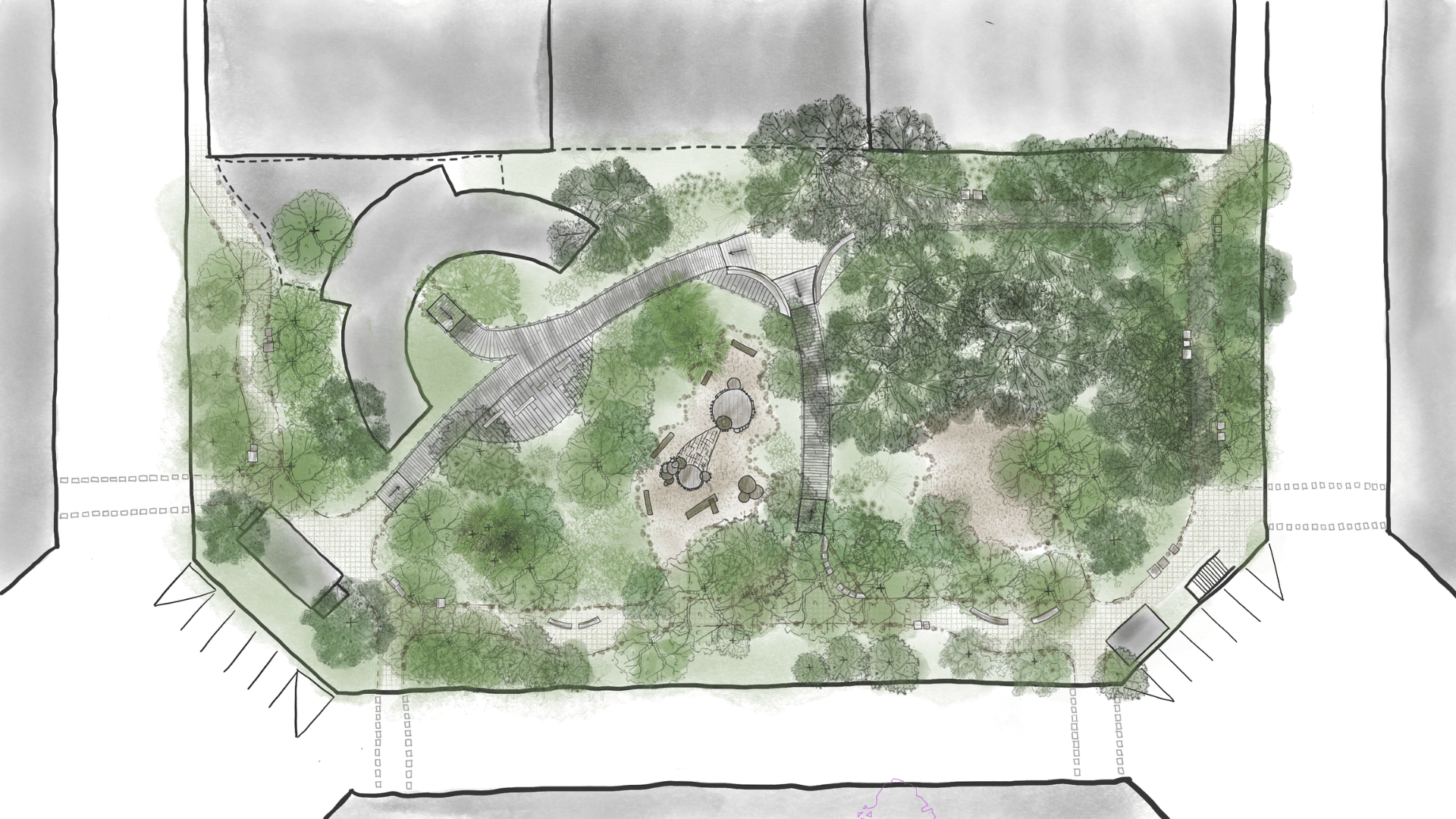
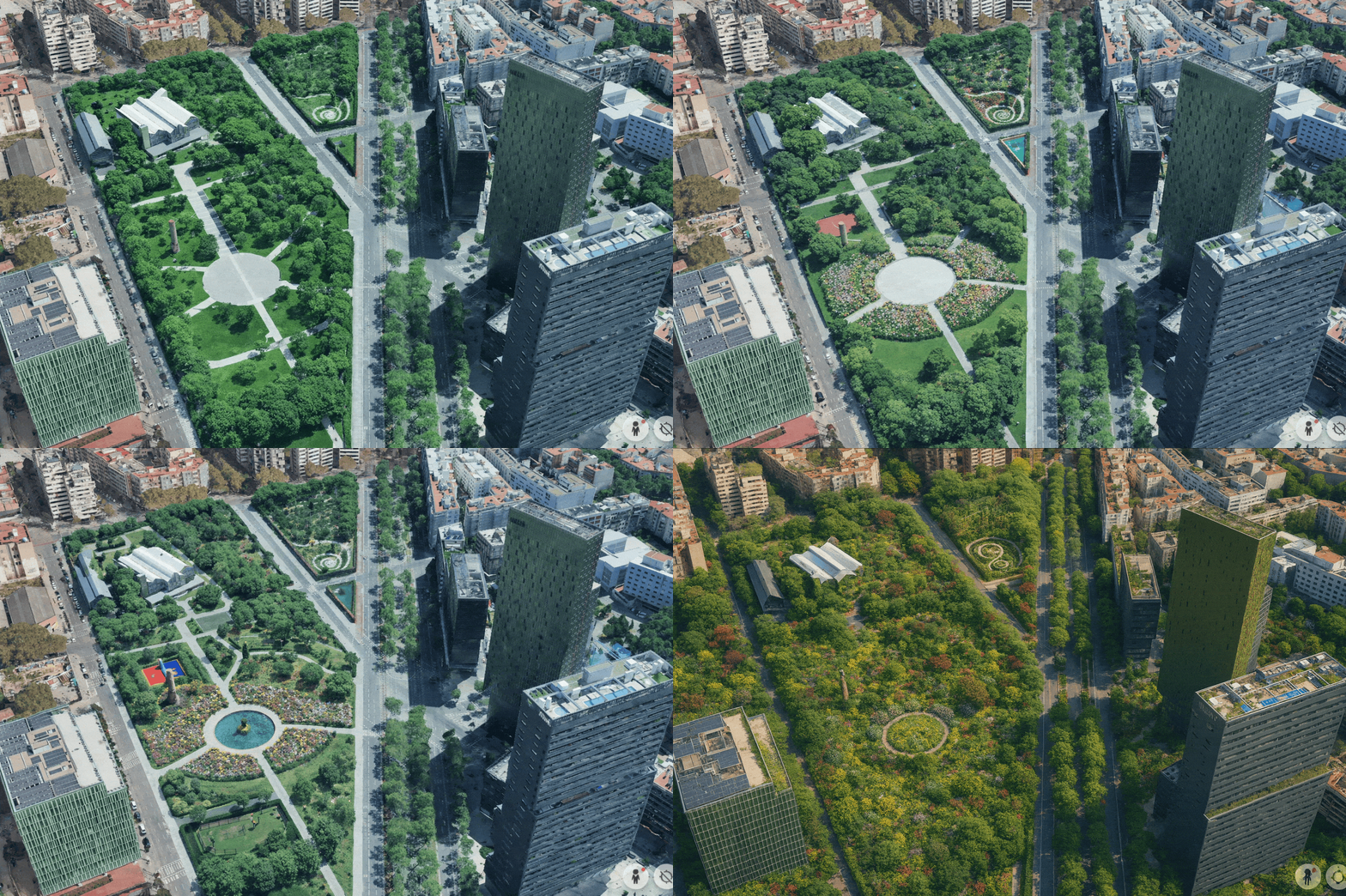
This project investigates Parc del Centre del Poblenou through the lens of Designing for More than Humans. The park, although permeable and vegetated, is spatially structured around human circulation and programmed activity. As a result, human occupation is continuous and dominant, while non-human life remains fragmented and residual. Through rule-based speculation, the project tests how … Read more

The Wooded Circle

entrance image Started off in 1504 as a Renaissance-era fortification system, designed to resist cannon warfare. Over the years, it has undergone many reconstructions, with the latest turning it into a managed heritage park in the early 2000s (Planted rows of trees) . Ecology has played an important role in each of its eras, as … Read more

How does Power operate spatially in Poblenou?

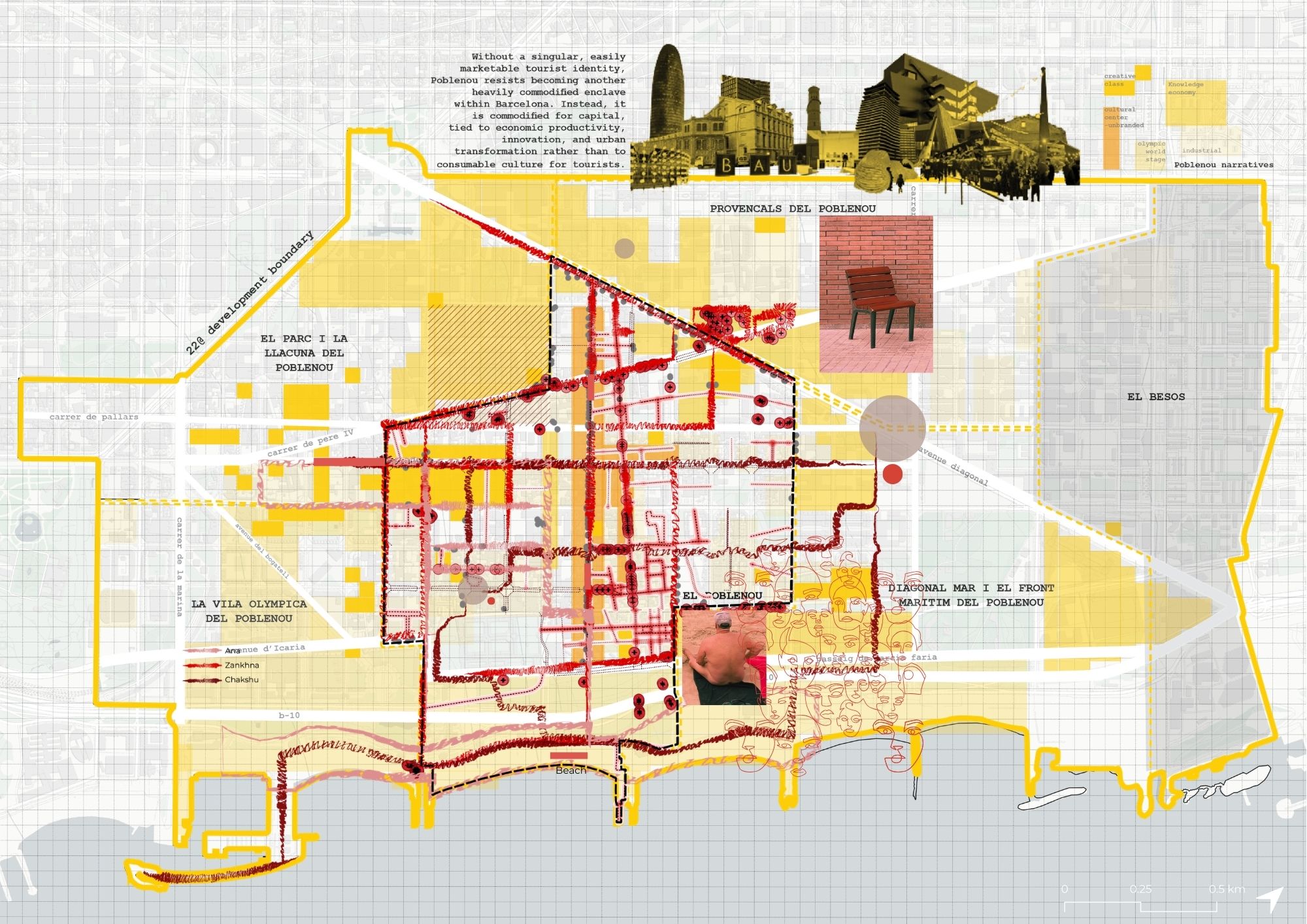
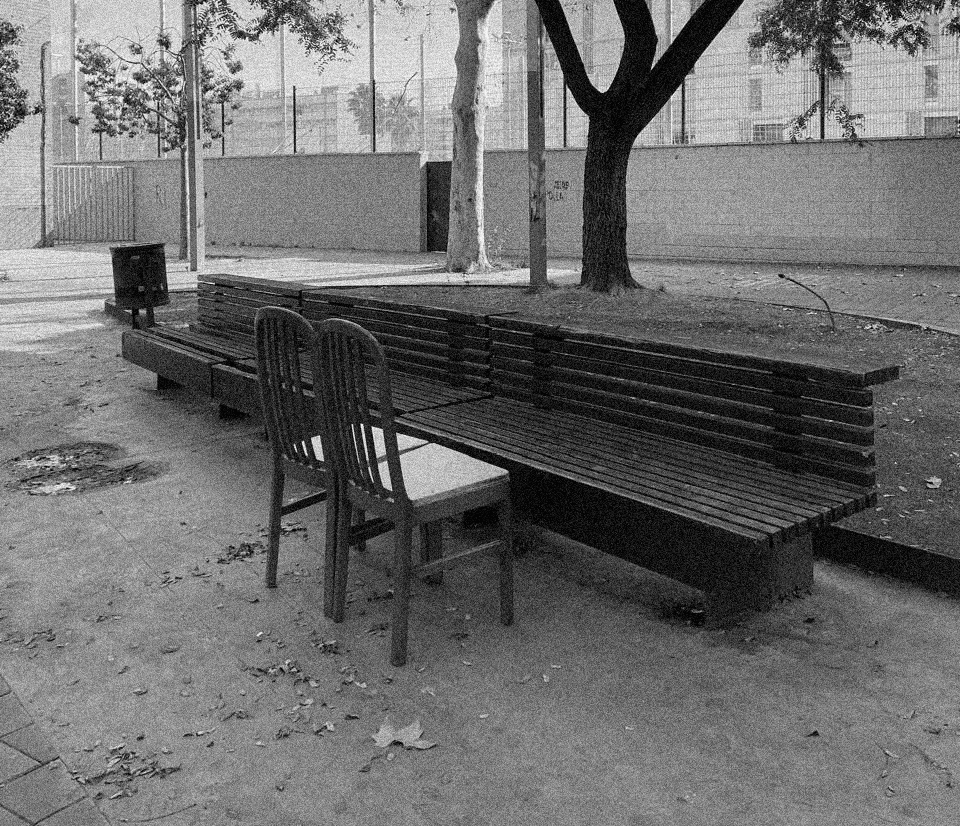
This project explores how power operates spatially through counter-cartography and autoethnography in Poblenou, Barcelona. Combining observation, mapping, and self-tracking, the research examines how infrastructure, urban objects, rules, and rhythms shape behavior, movement, and perception. Benches, pedestrian streets, and smoking practices reveal how freedom, restriction, and permission are unevenly distributed. Findings show that movement is widely … Read more

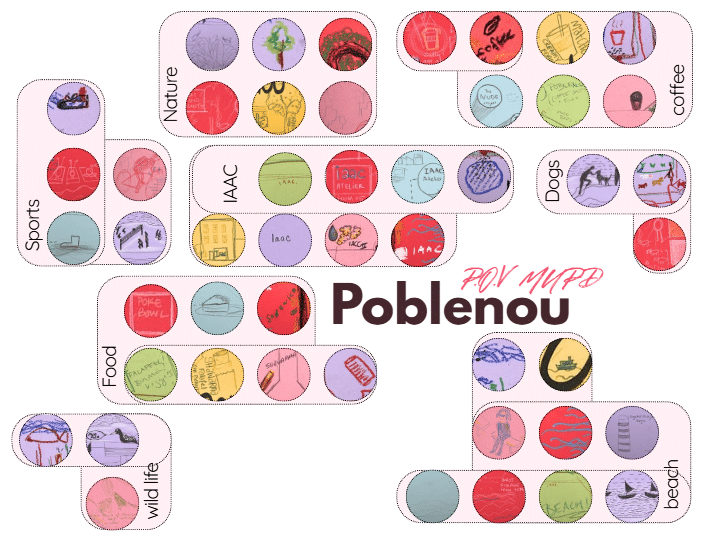
Poblenou as Lived Space

Cities are often described in terms of movement. We often tend to move through them in familiar loops – leaving home to catch the metro, commuting to work, coming back in the evening, running errands, going to appointments. Over time, these repeated paths shape how we think about urban space and can seem to define … Read more

VISUALISING VISIBILITY OF WOMEN+ SAFETY

Overview Visualizing Visibility of Women+ Safety is a research initiative aimed at evaluating how the design of public spaces influences perceptions of safety for women+ in India, particularly in Delhi. The central question driving this study is: “How can we assess the current paradigms of urban design to better understand and improve perceptions of safety … Read more

Democratizing Credit: Diving Deeper

City

Diving deeper into building a reliable rating algorithm The Importance & Significance of the F&B establishments in the City Food and Beverage (F&B) service outlets are significant indicators of urban progress as they reflect evolving consumer preferences, economic vitality, and the integration of social spaces within urban landscapes. These establishments act as hubs for community … Read more

Learning From Sants

When we locate Sants within Barcelona, it appears to be on the city’s edge. However, when considering the metropolitan area as a whole, Sants is actually closer to the center. Historically, Sants was one of the towns surrounding Barcelona until its annexation in 1897. Its agricultural and industrial roots contribute to a unique neighborhood identity—one … Read more

Layers of Besòs: Unfolding Barrio’s Identities

Introduction: Understanding Besòs Beyond the Surface The El Besòs i el Maresme area in Barcelona carries a complex history—one shaped by migration, exclusion, and resilience. Often perceived through the lenses of insecurity and economic struggle, the neighborhood is in fact a vibrant intersection of identities, cultures, and urban transformations. Layers of Besòs is a research-driven … Read more

Literary Landscapes &AI-Driven Urban Design

tres tombs

A speculative approach to Design through data, literature, and participatory AI in Sant Antoni Our urban issue: The Lack of Narrative-Driven Urban Design in a Data-Driven City Contemporary urban design increasingly relies on AI and big data, often sidelining human stories, cultural narratives, and historical context in shaping urban spaces. While data-driven design optimizes efficiency, … Read more

Agent-Based Collaborative Design

FETCH.AI Design

Designing an Inclusive and Functional Bench Through the Lens of Iconic Visionaries Urban design has always required balancing complex social, cultural, and environmental factors. In this project, we explored the potential of AI in shaping public spaces. Specifically, designing a bench that serves the needs of both homeless individuals and daily users. We developed a … Read more

Container City

Developed as part of a Workshop hosted by IAAC and conducted by Buro Happold representatives, the project envisions the transformation of Barcelona’s Zona Franca waterfront into a mobility-driven, mixed-use district that balances industry, nature, and urban life. The master plan prioritizes seamless connectivity, enhancing public transport, pedestrian networks, and micromobility infrastructure to overcome the area’s … Read more

Stadium District

Perched at the top of Montjuïc hill, in the heart of the Sants-Montjuïc district, stands the Lluís Companys Olympic Stadium, a place where history, sport, and culture come together. From hosting the unforgettable 1992 Olympic Games to becoming a stage for world-class events, this stadium has witnessed some of the greatest moments in Barcelona’s history. … Read more

THE SKYLINE OF THE CAPITAL

Architecture as a means of social segregation “capital materializes, to a large extent, through urban construction, the establishment of social relations in the city, the organization of space in the city, among others” (Harvey 2020, 23) According to Charles Jencks, the death of the modern architecture dated on July 15, 1972 at 3:32 p.m, when … Read more