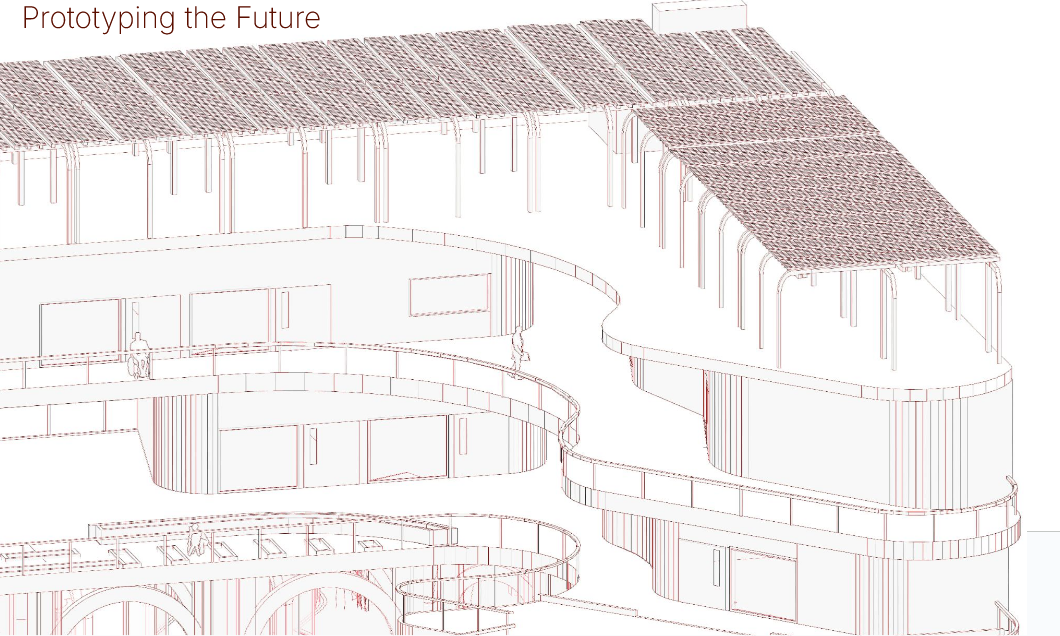
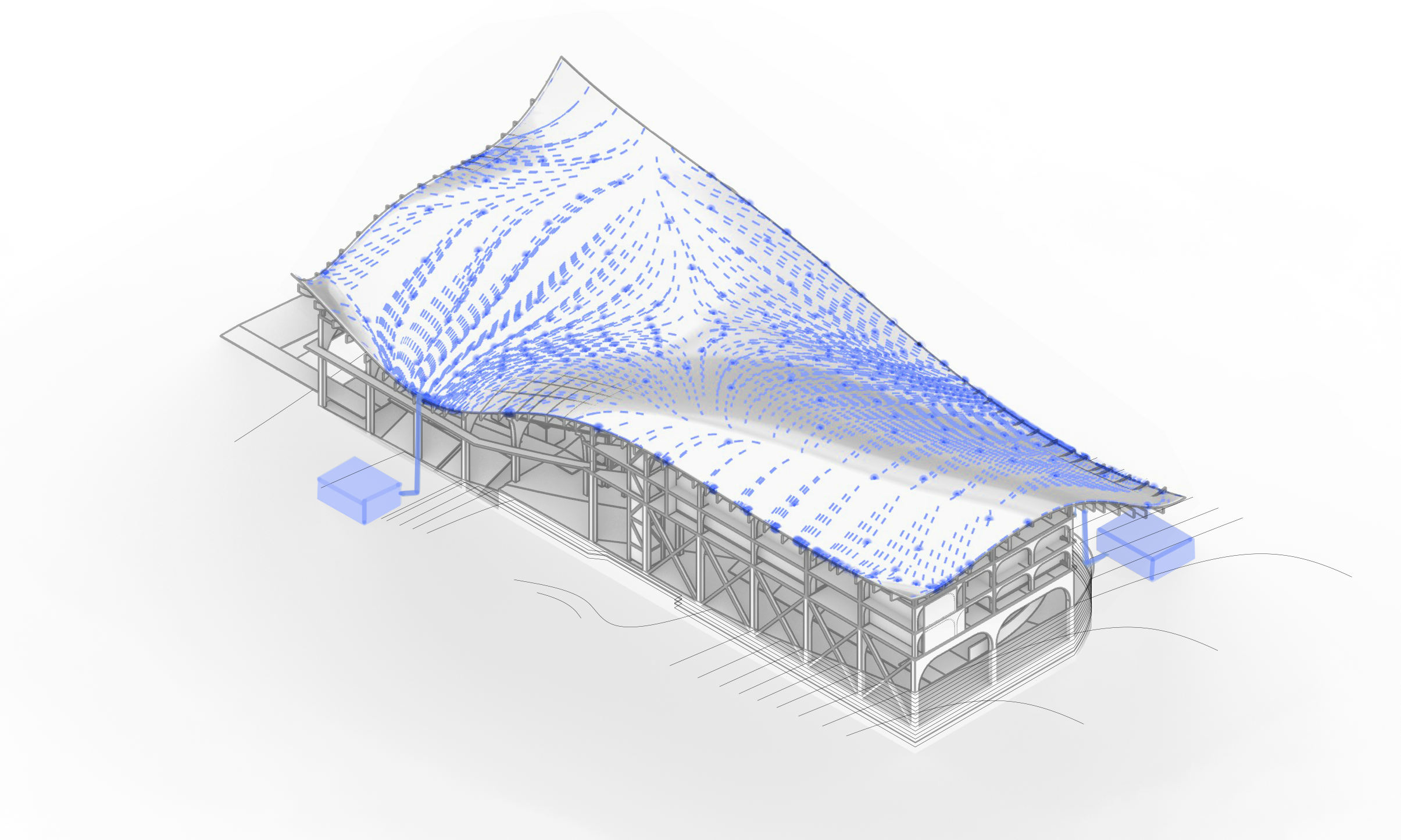
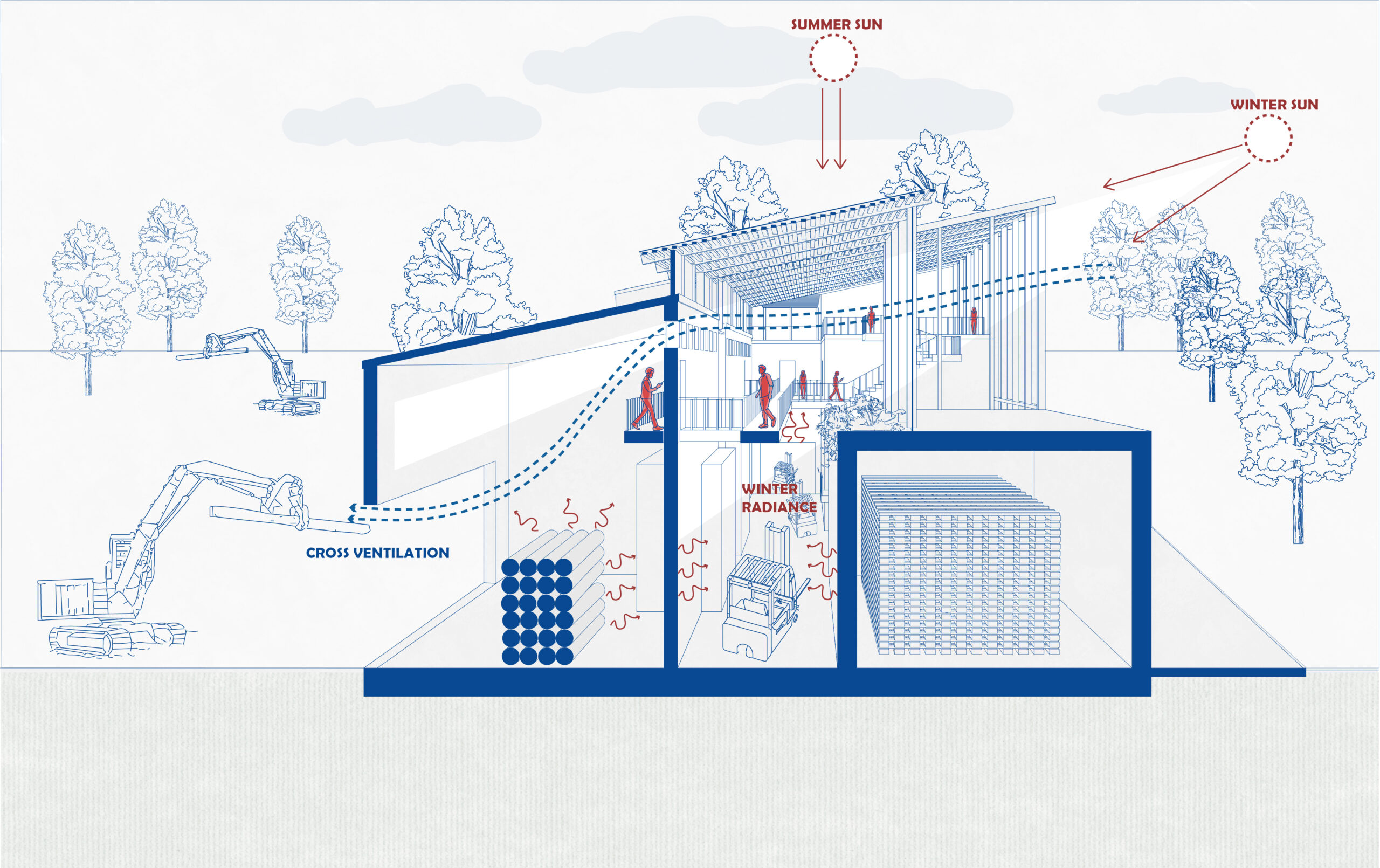
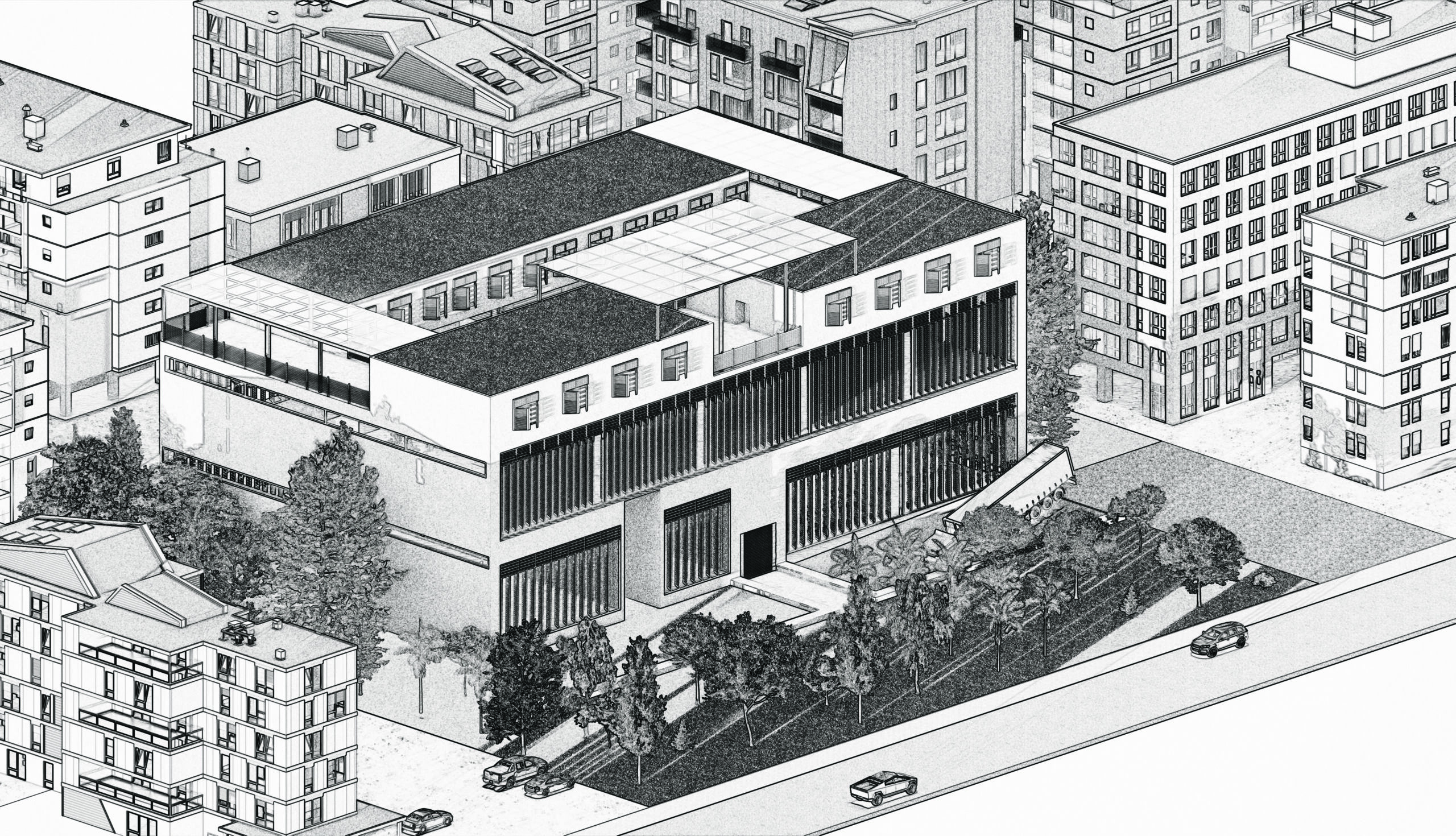
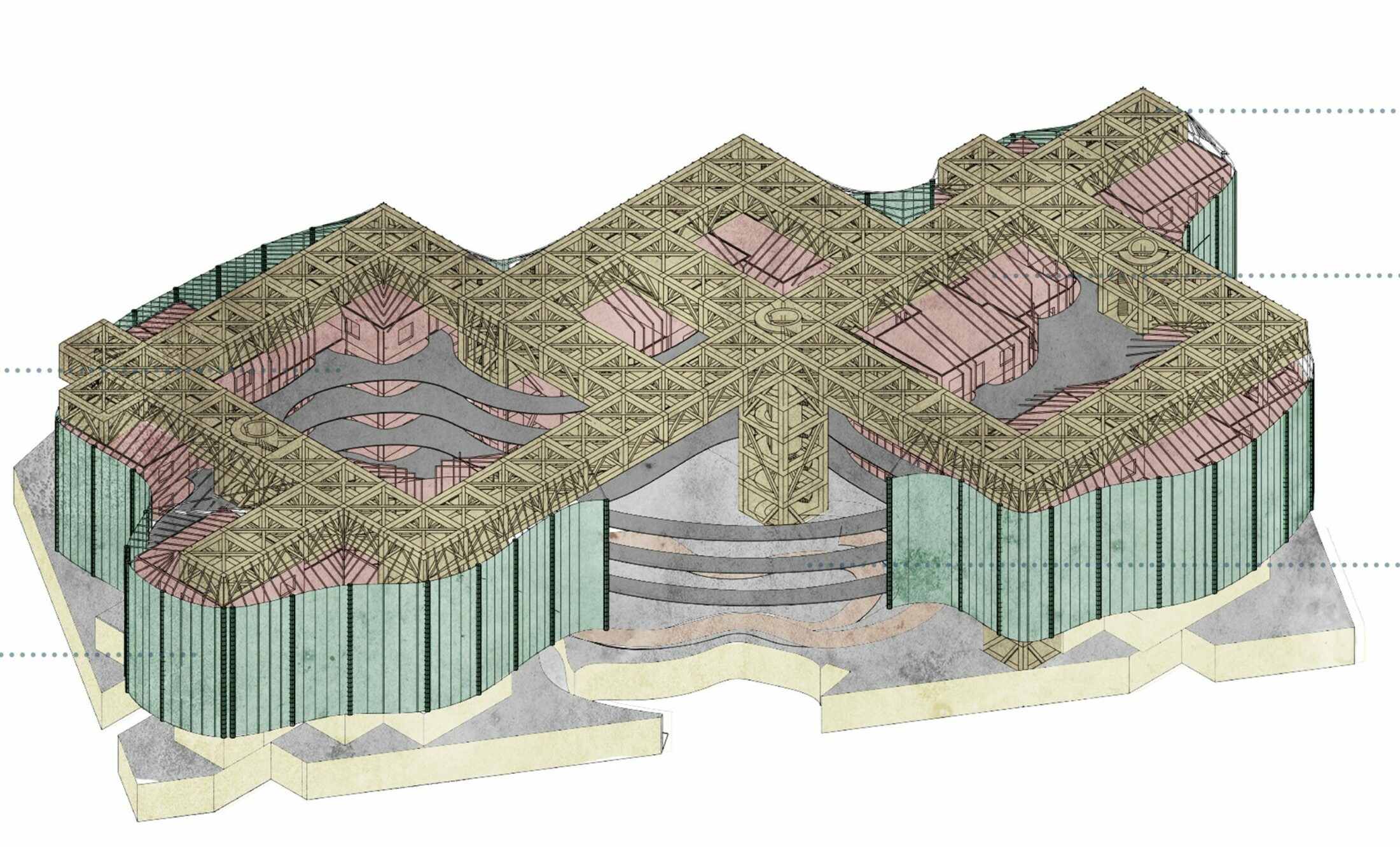
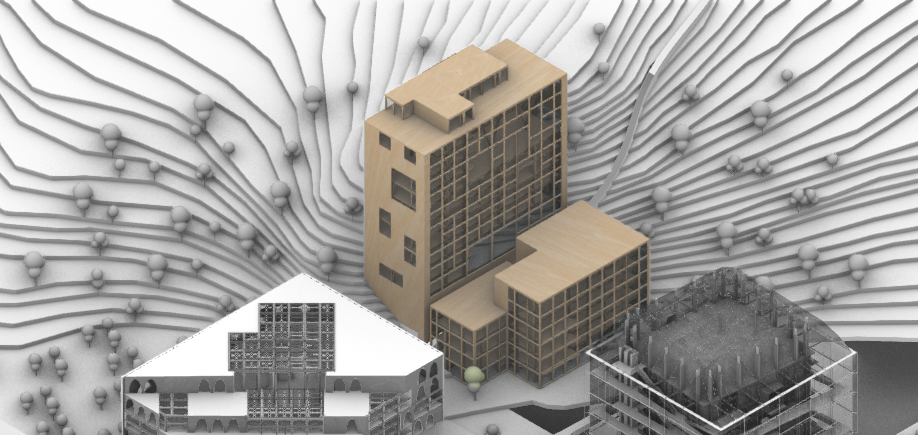
During the first six months in the program, students are comprehensively trained in the principles of design and construction of advanced ecological buildings through a series of focused and intense modules, which include material production, thermal and metabolic building systems, ecological structures and façade systems and much more. After developing the necessary skills and a holistic understanding of advanced and ecological design, students collectively draft and build a full scale ecological building prototype.

Filters
Course

Designing for More Than Humans: Exploring Multispecies Futures in a Changing Climate
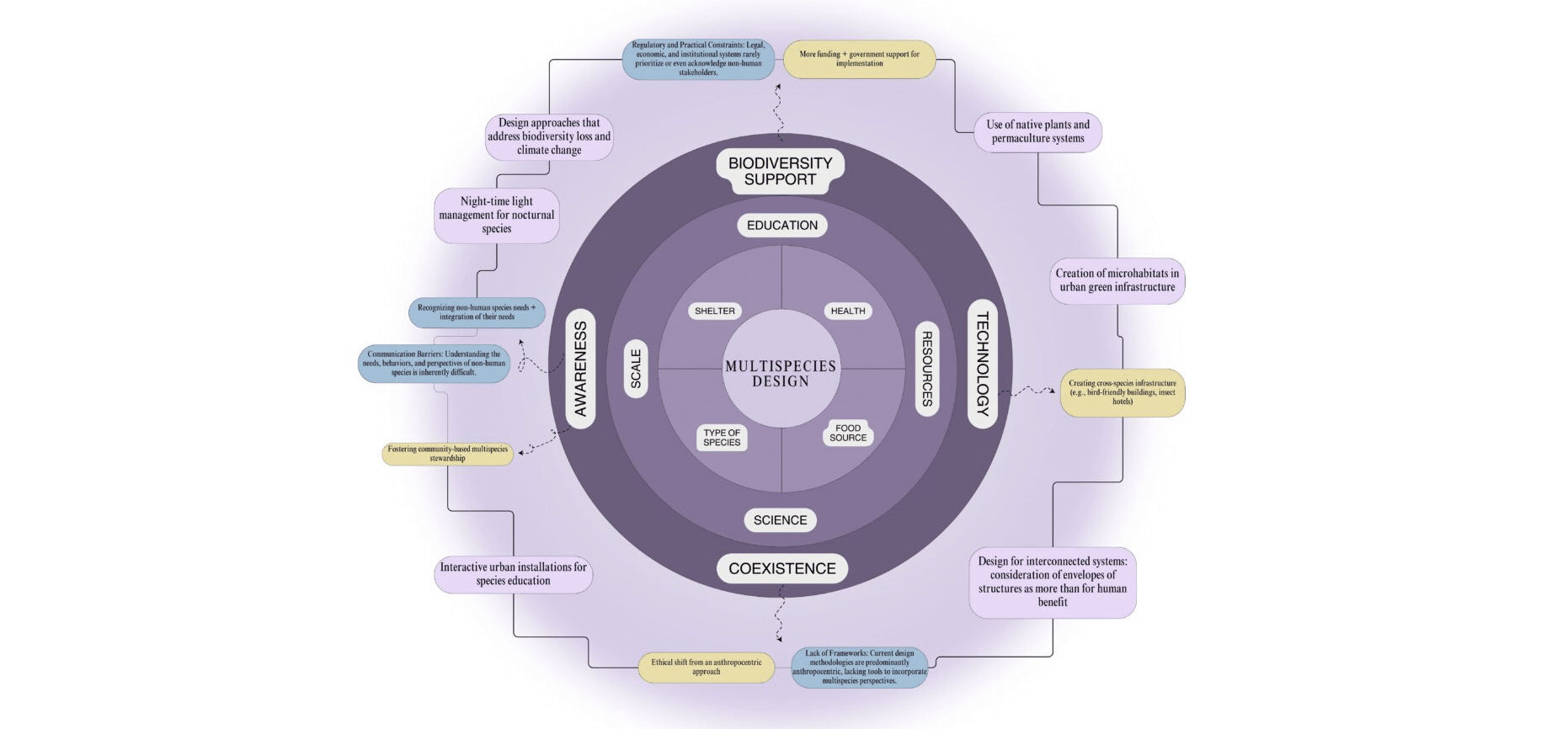
Among the topics explored in this course, Multispecies Design stood out as the most transformative and thought-provoking. It challenges the core assumption that humans are the sole users—or beneficiaries—of designed environments. Instead, it calls for recognizing other species as co-inhabitants and co-participants in shared spaces. This approach not only widens the ethical scope of design, … Read more

Opportunities and Gaps in Climate Adaptation & Mitigation

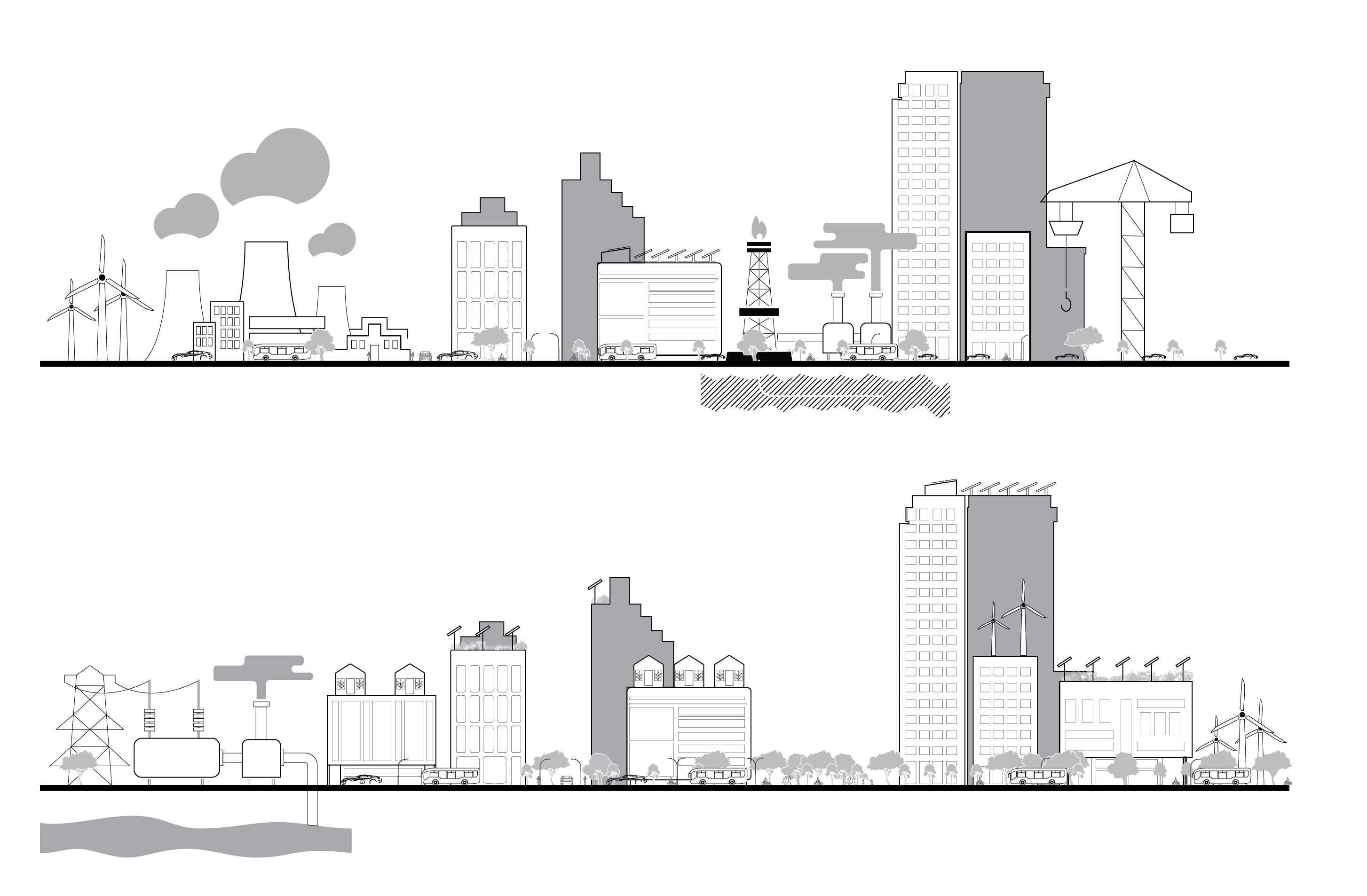
In today’s climate-conscious world, industries and governments alike are actively aligning their strategies toward climate adaptation and mitigation. The urgency of the climate crisis has unified efforts across disciplines, yet many responses tend to focus on highly specific, niche areas of research and intervention. While such targeted approaches are undoubtedly valuable, they often risk overlooking … Read more

Timber V4ult: Resilient Envelopes

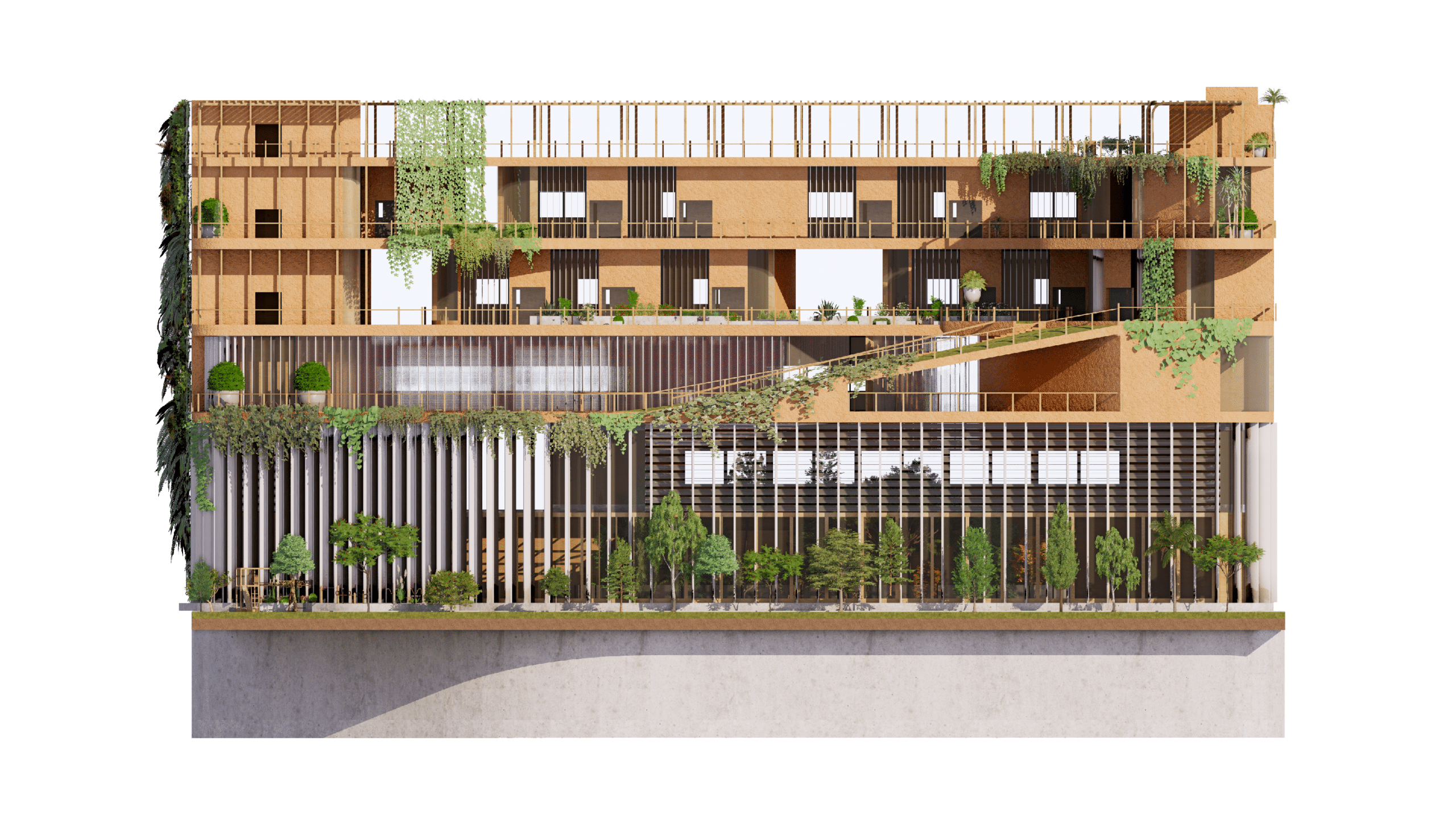
Objective To develop resilient, adaptable, and sustainable building envelopes that integrate active and passive design strategies, utilizing advanced ecological materials and systems to optimize energy efficiency, recyclability, and environmental responsiveness throughout their lifecycle. Location Case Studies Wind & Sun Path Analysis Solar Radiation Diagram Envelope Layer : Roof Pergolas Design Intent : Our pergolas were … Read more

Timber V4ult: Thermodynamic Fabrications

Objective – Initially understand local climatic patterns and develop climatically-adapted design strategies.-First design step: develop interior spatial and material strategies adapted to body demands.-Second design step: learn how program can be used from a thermodynamic perspective to generate heat sources and sinks.-Thirdly, develop external massing morphological and material strategies to interact with local sun wind … Read more

VeloVerd La Verneda: Urban Synthesis

Incorporating the principles of Industry 4.0, our architectural project redefines urban living by seamlessly integrating sustainable design strategies with advanced manufacturing techniques. With a focus on promoting bicycle culture and health, our industry manufactures bikes. In this module, we synthesised the previous modules into a holistic design. The design principles from thermodynamics, exosystemic structures, metabolic … Read more

Zero Waste Project | Metabolic Building System: Energy

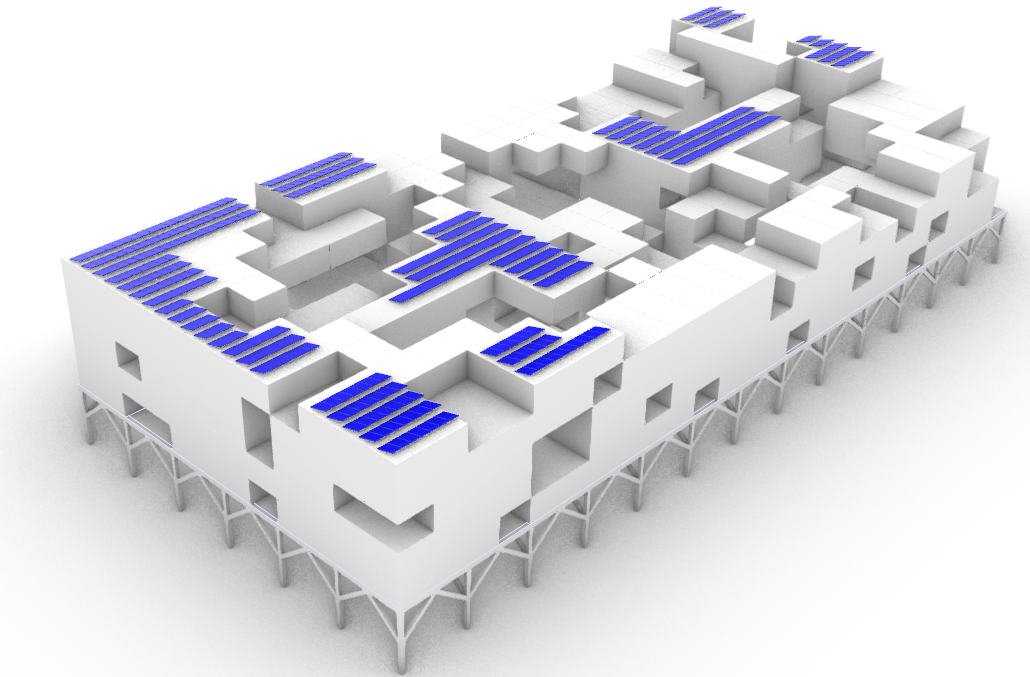
This module emphasized understanding and optimizing energy consumption and generation by building and utilizing various strategies. Calculating energy and power consumption per function per unit area for our projects was the first task of the course. In accordance with this mandate, we submitted suggestions on Sunny Design to assist in designing rooftop solar panels in … Read more

Tetris Town: Thermodynamic Fabrications Workshop

To properly kick off the development of the Urban Synthesis project, researching and prototyping during the Thermodynamic Fabrications workshop ended up being both very fascinating and educational. For better understating of the relationship between the project’s building site and the forces of nature, namely, wind direction and sun path, we created a prototype of a … Read more

Urban Alliance -Thermodynamic Fabrications

The “Urban Alliance” is a mixed-use architectural design seamlessly integrating Industry 4.0 principles, featuring advanced photovoltaic production units. This visionary space harmoniously combines sustainable energy practices with residential and commercial areas, embodying a forward-thinking urban landscape that fosters eco-friendly living and innovative business practices. It exemplifies a holistic and tech-driven approach to urban planning. The … Read more

DZONGHA | Urban Interventions

The Site chosen is Paro, Bhutan is a place of rich culture, high environmental values, and beautiful nature. For the design of a place to learn and exchange traditional handicraft techniques and knowledge, our building follows design values to enhance the space by efficient, environmentally-sound choices. In the first layer of design, we studied and … Read more

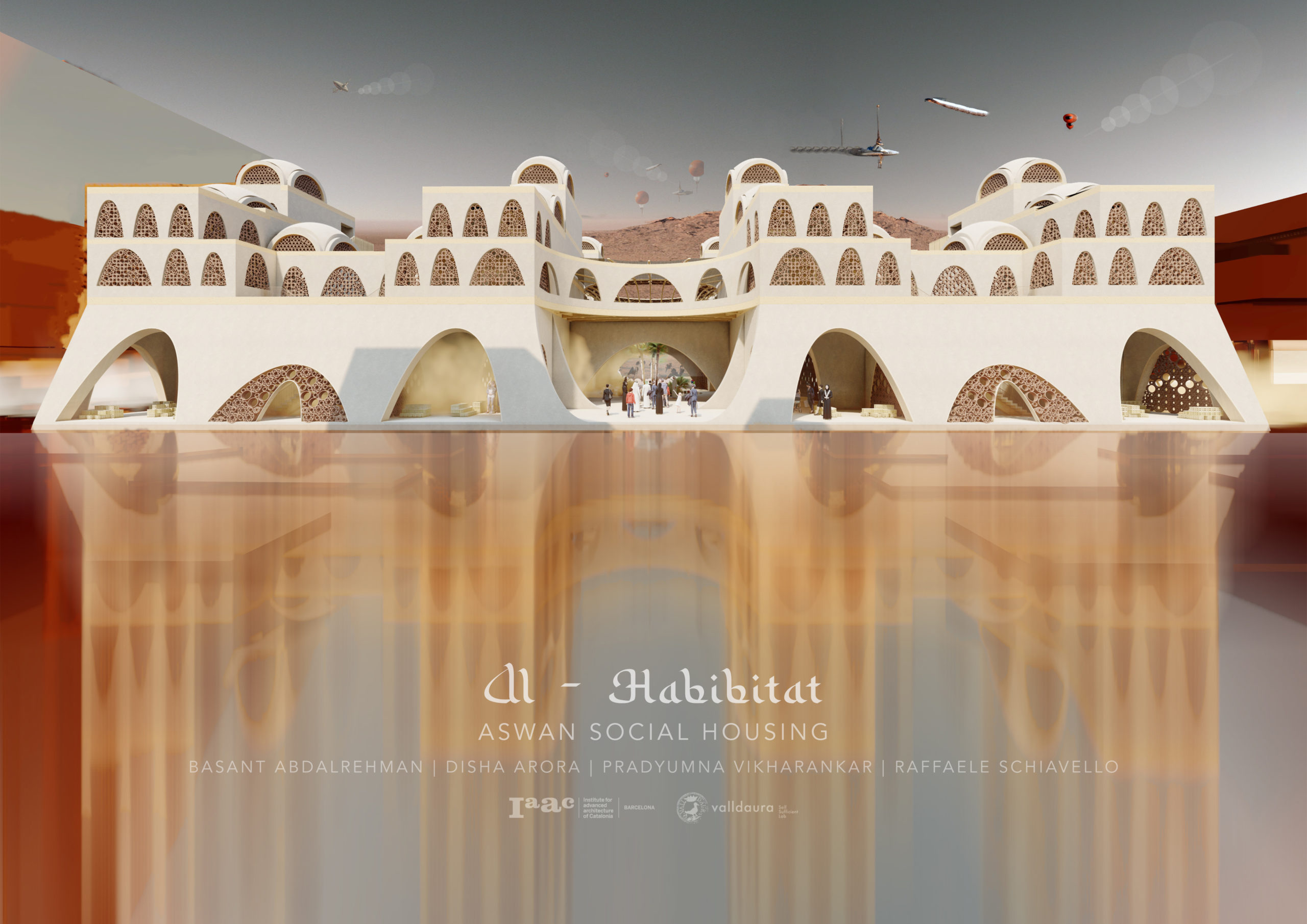
AL HABIBITAT | Urban intervention

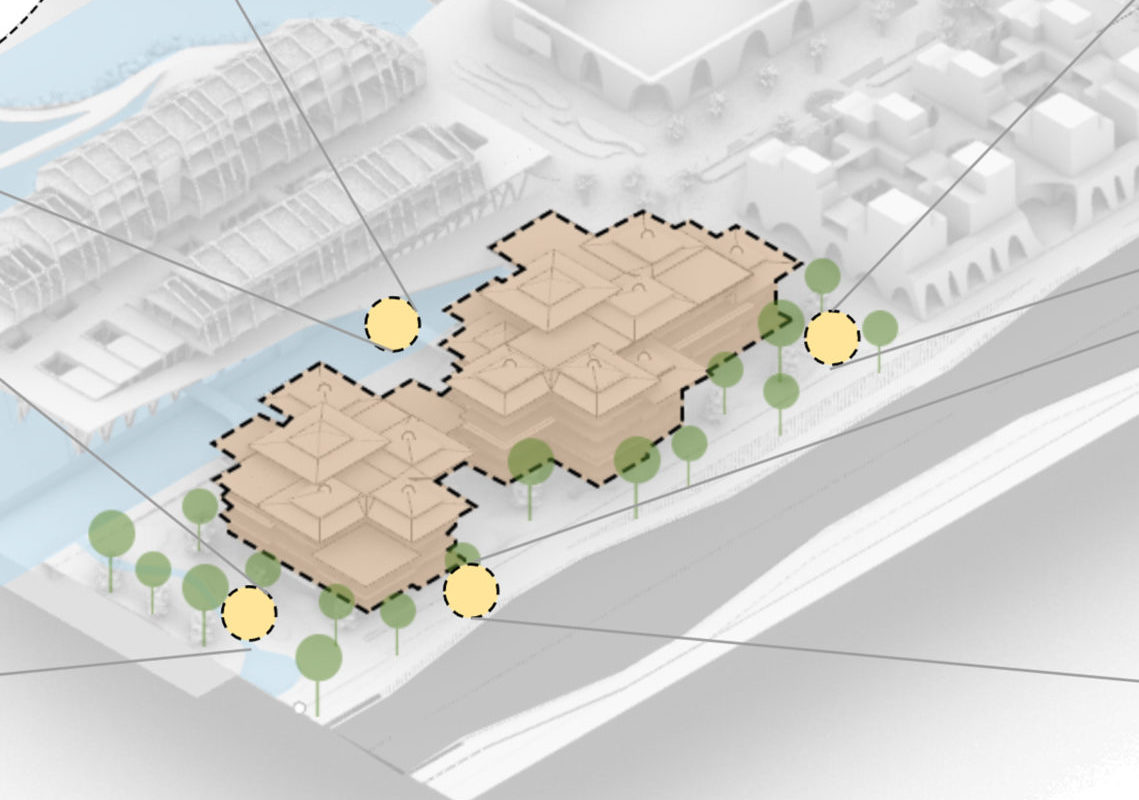
Aswan, Egypt being a desert city shows diurnal aspects of climate on a daily basis. The same also affects the day to day activity pattern of the community that adapts to the climate at any given time. This analysis indicates at a close relation between climate, people & their clothing & eventually it traces ahead … Read more

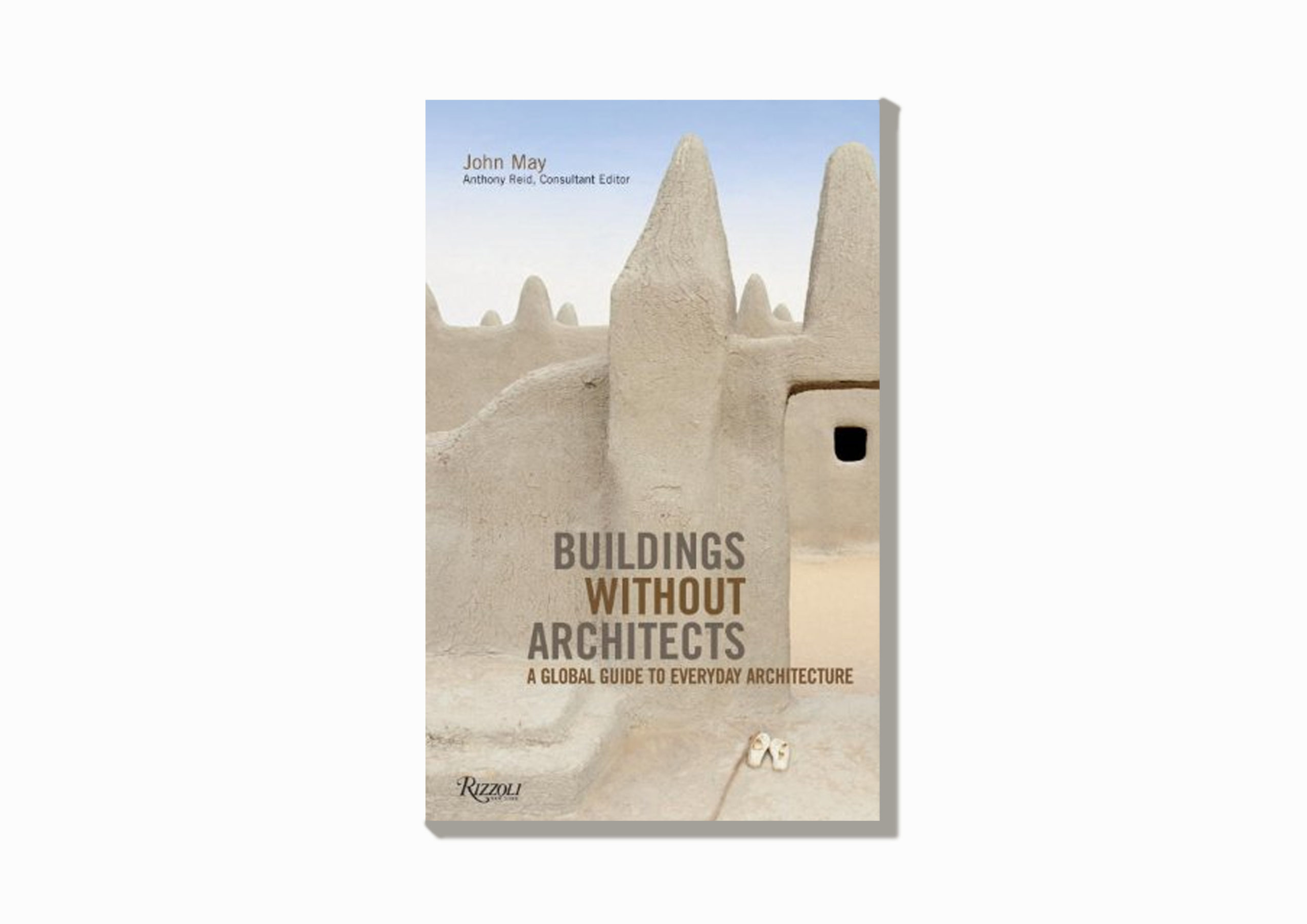
BUILDINGS WITHOUT ARCHITECTS: A Global Guide to Everyday Architecture by John May | Ecological Thinking

This blog is a review of the book, Buildings without Architects: A Global Guide to Everyday Architecture by John May. The book is a culmination of 60+ different styles of vernacular architecture ranging from different materials and different regions of the world. “Architecture should speak of its time and place, but yearn for timelessness.” – … Read more