
The Master in Robotics and Advanced Construction (MRAC) seeks to train a new generation of interdisciplinary professionals who are capable of facing our growing need for a more sustainable and optimised construction ecosystem. The Master is focused on the emerging design and market opportunities arising from novel robotic and advanced manufacturing systems.
Through a mixture of seminars, workshops, and studio projects, the master programme challenges the traditional processes in the Construction Sector. It investigates how advances in robotics and digital fabrication tools change the way we build and develop processes and design tools for such new production methods.

Anatomy of a Machine: Stroke
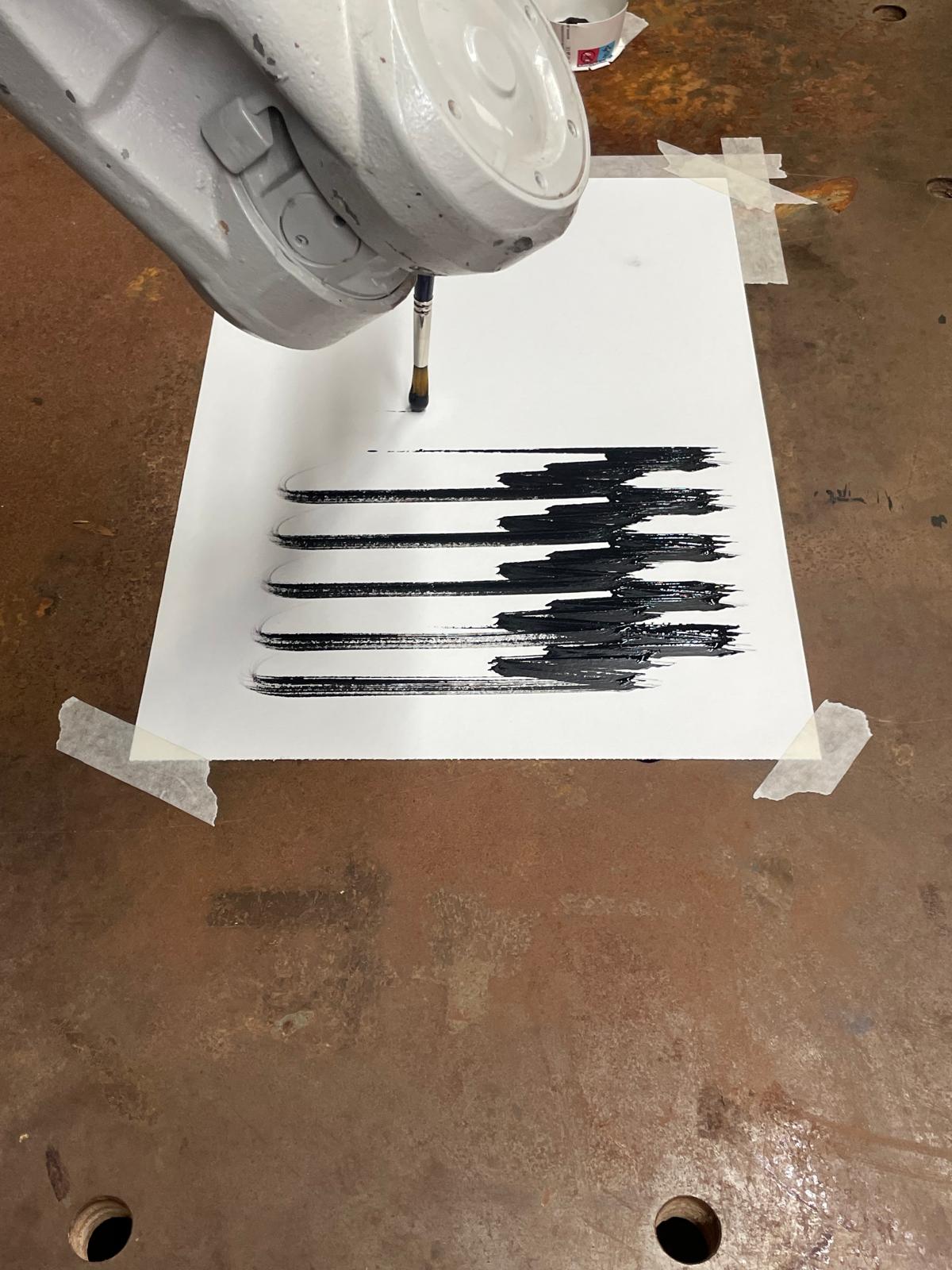
Introduction The Anatomy of a Machine: Stroke project explores the dialogue between human and robotic motion through painting. Conducted during the first MRAC studio, the exercise investigates how the physical behavior of paint, brush, and hand movement can be translated into robotic articulation. Over three weeks, we studied the anatomy of a brushstroke — first … Read more
The Massage Chair
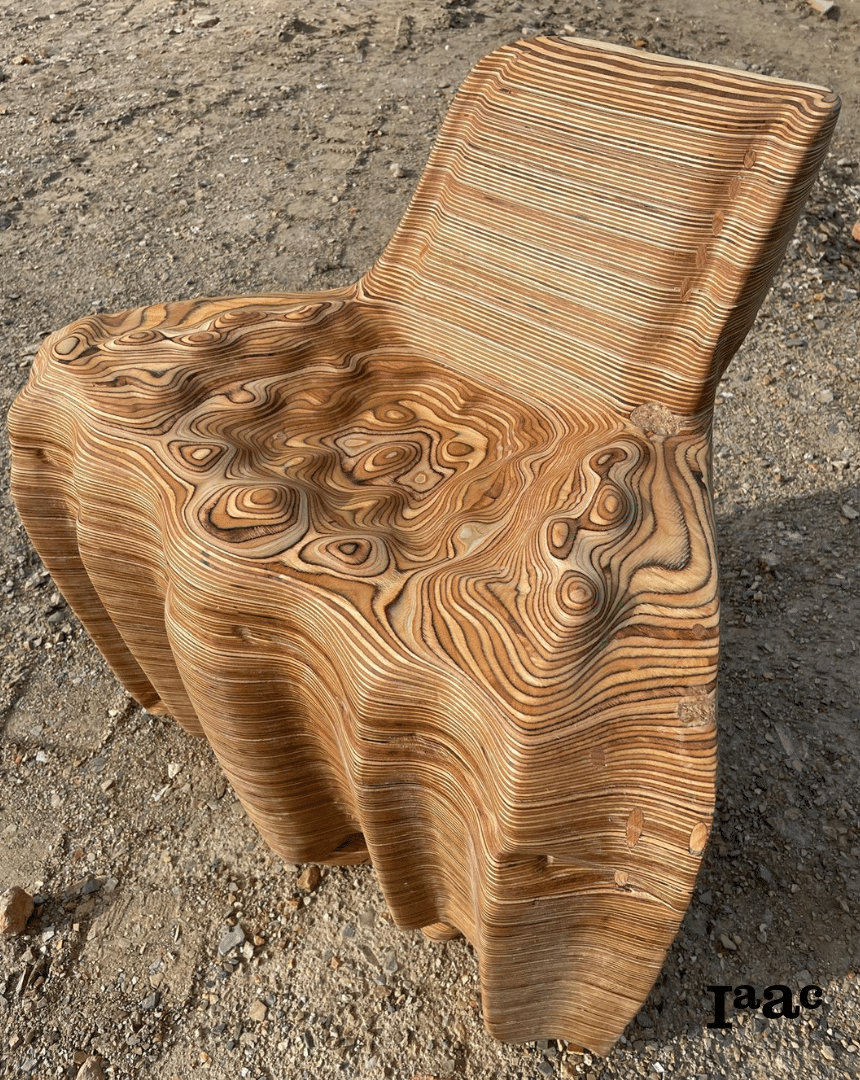
The massage chair is an experiment in digital fabrication and hybrid workflows, using computational design, CNC milling, 6-axis robotic milling, and human assembly and finishing, to understand how different subtractive manufacturing processes can be combined to balance speed, precision, and material expression in digital fabrication. Materials Tools Used Early Designs Early explorations of designs in … Read more
The Chesterfield chair – MRAC & MAEB Workshop1.1
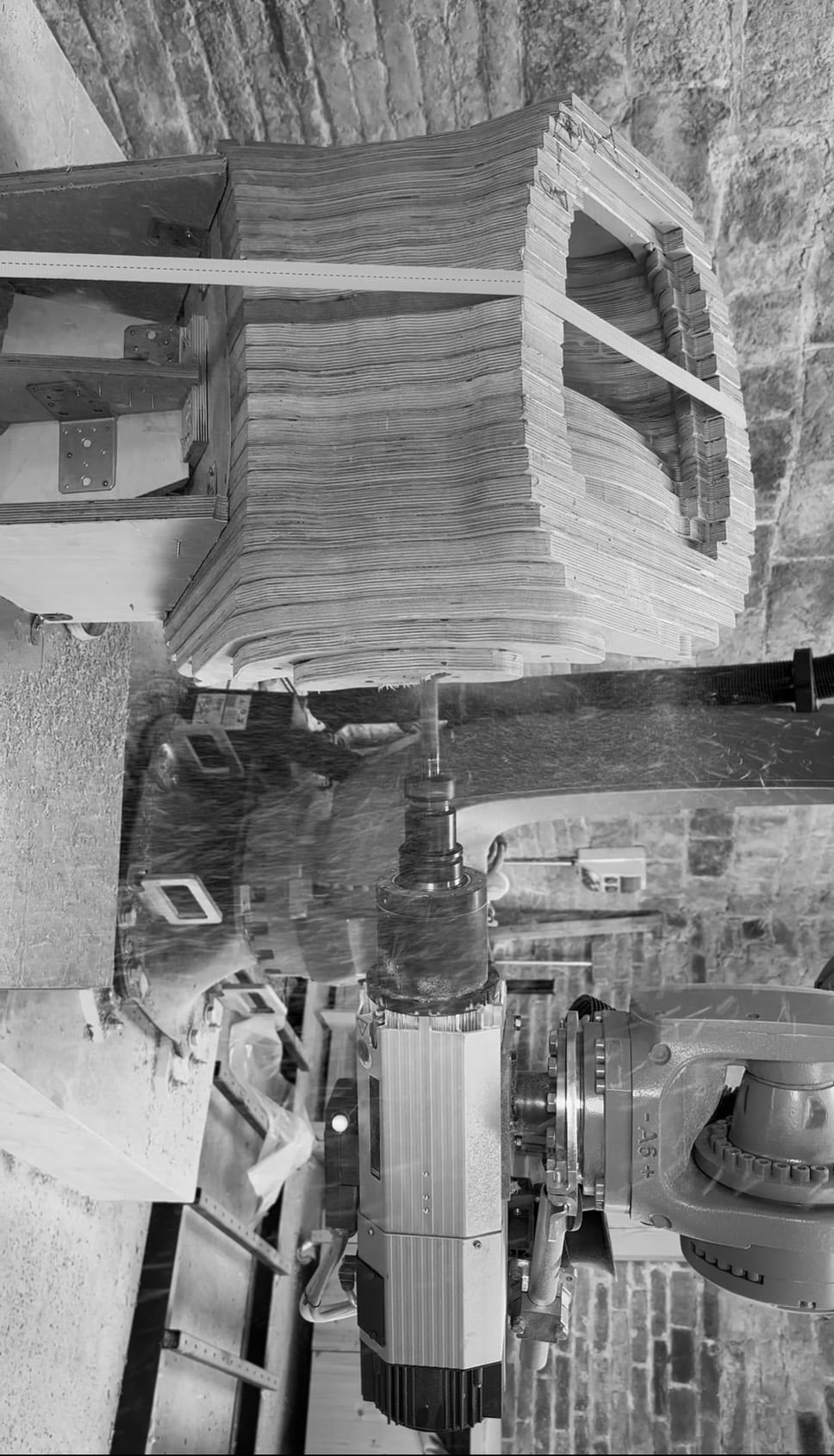
So basically, these are the iterations we made with the first day at the workshop. These are the many iterations of the different topologies and chairs we made using SubDs. In the end, we decided to go with a simple shape, yet with a complex textile texture. For these diagrams, we conducted a draft angle … Read more
Nidra chair – MRAC & MAEB Workshop 1.1
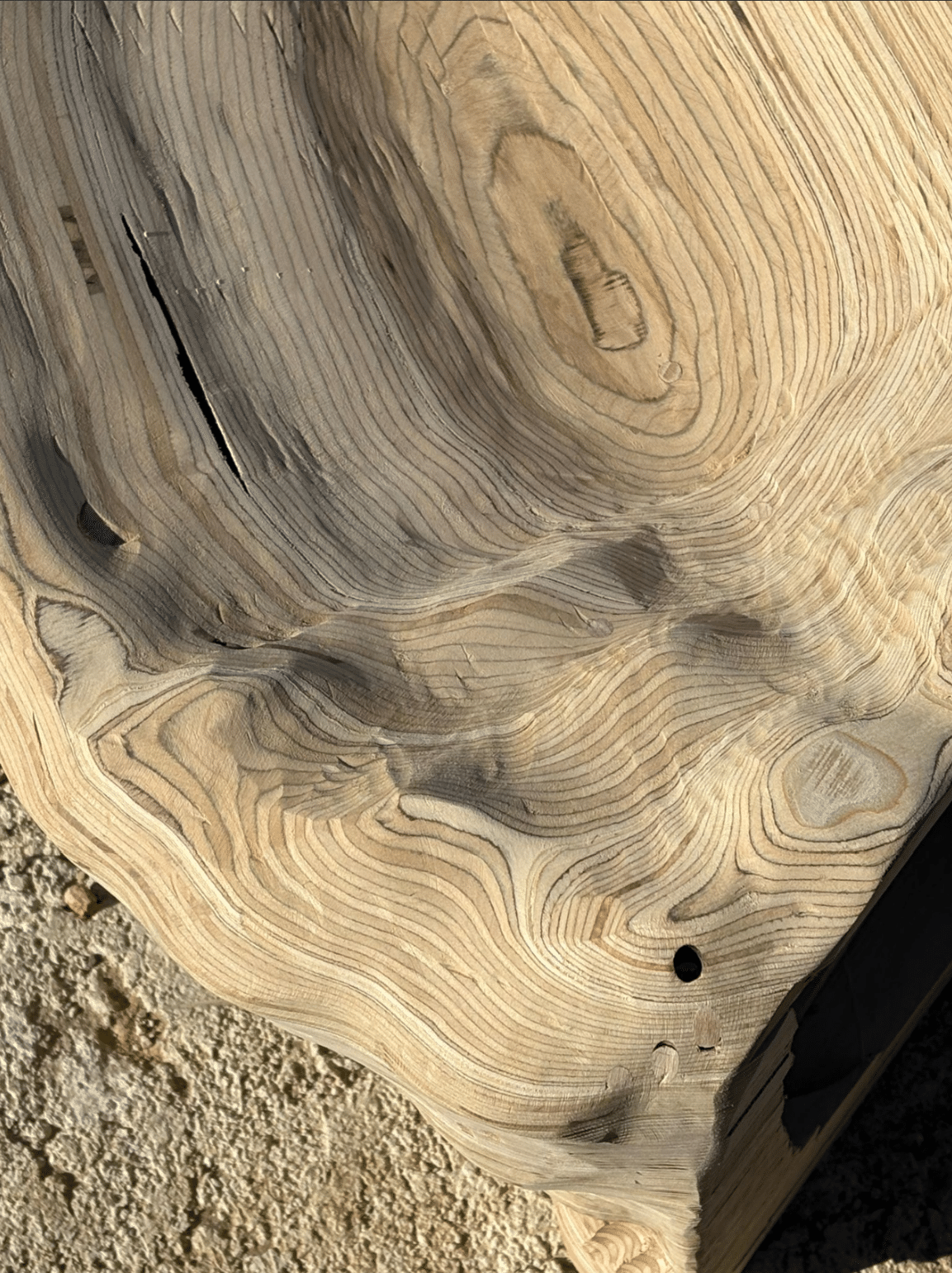
The Nidra Chair was developed within the framework of Workshop 1.1, where we explored robotic milling using the KUKA robotic arm. The design process was guided by a set of conceptual ideas—texture, nest, wings, and storage—which shaped the formal and tactile language of the piece. Inspired by notions of protection, warmth, and well-being, Nidra seeks … Read more
Robotic Milling and Design for Subtractive Manufacturing — Elephant Chair
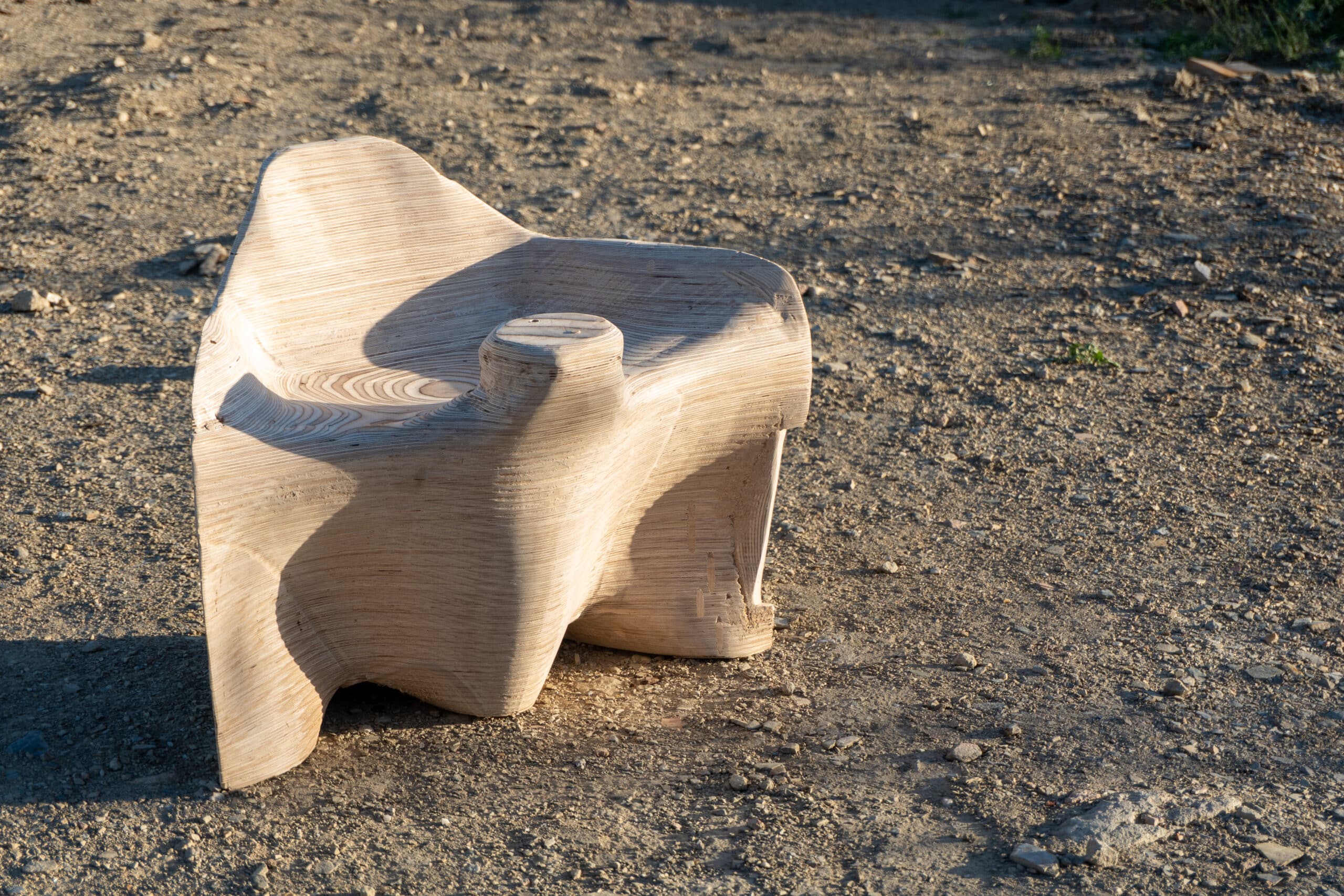
Abstract: The Elephant Chair project was developed during the workshop “Robotic Milling and Design for Subtractive Manufacturing Workflows.”This workshop explored hybrid fabrication methods combining 3-axis CNC milling and 6-axis robotic milling to translate digital geometries into precise wooden prototypes. Our team designed and fabricated a furniture piece inspired by organic anatomy, robust yet flexible, mirroring the mechanical elegance of the machines used … Read more
