The Heart of the Vertical Machine – A Data-Driven Urban Organism

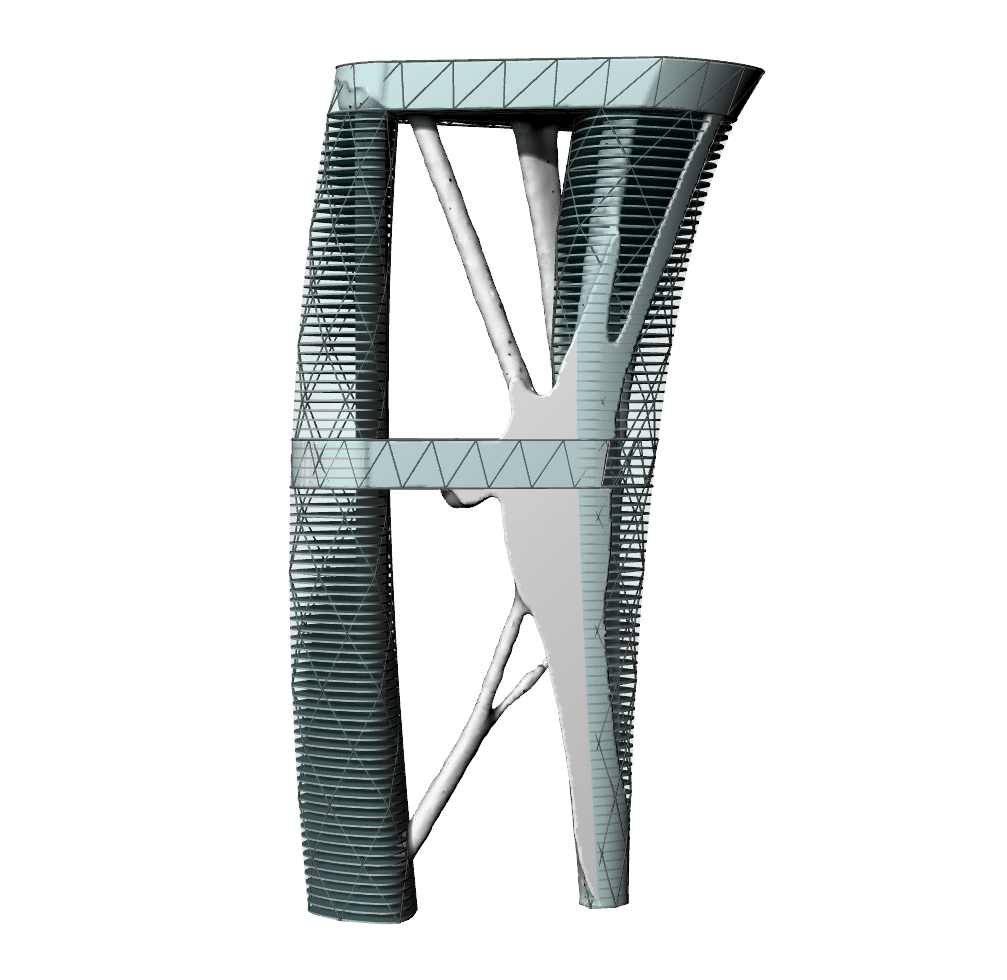
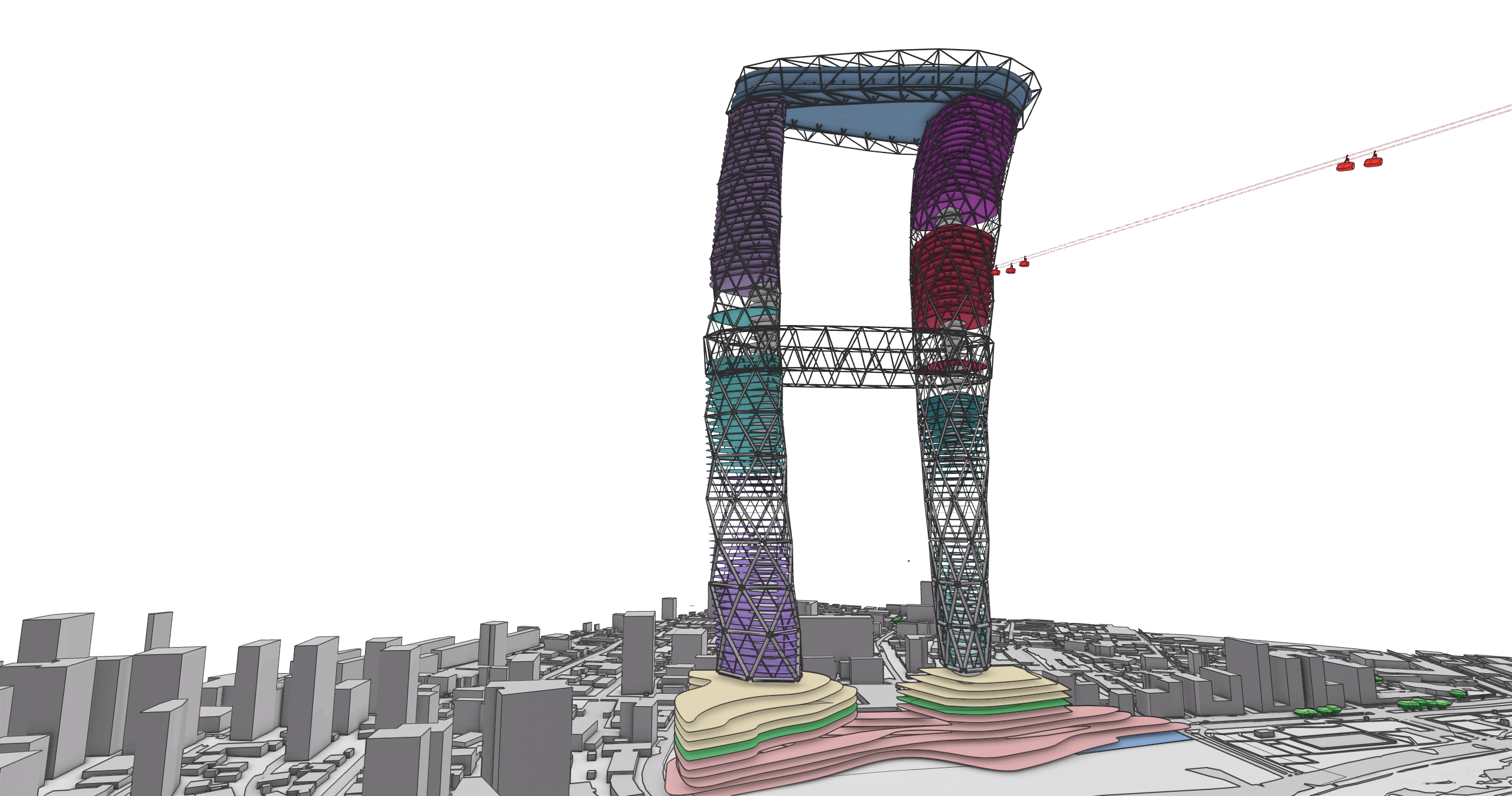
HB02: The Heart of the Vertical Machine 1. Project Overview 1.1 HB02 within the Vertical Machine In the pursuit of reimagining high-density urban living, our collaborative team developed Hyperbuilding 02 (HB02), also known as “The Heart”. As part of a larger 3-million-square-meter urban organism, HB02 serves as the vital circulatory engine, pumping life, data, and … Read more

The Geometry of Intelligence: How Hyper-building One Turns Geometry into Meta-data

Hyperbuilding One is a data-driven ecosystem that achieves seamless connectivity between Static and Kinetic spaces through an optimized large-scale integrated environment. Architecture is No Longer Static: How Hyper Building One Turns Geometry into Code The traditional architectural blueprint is a corpse. It is a static snapshot of an idea that begins to age the moment … Read more

Urban Quant Tool

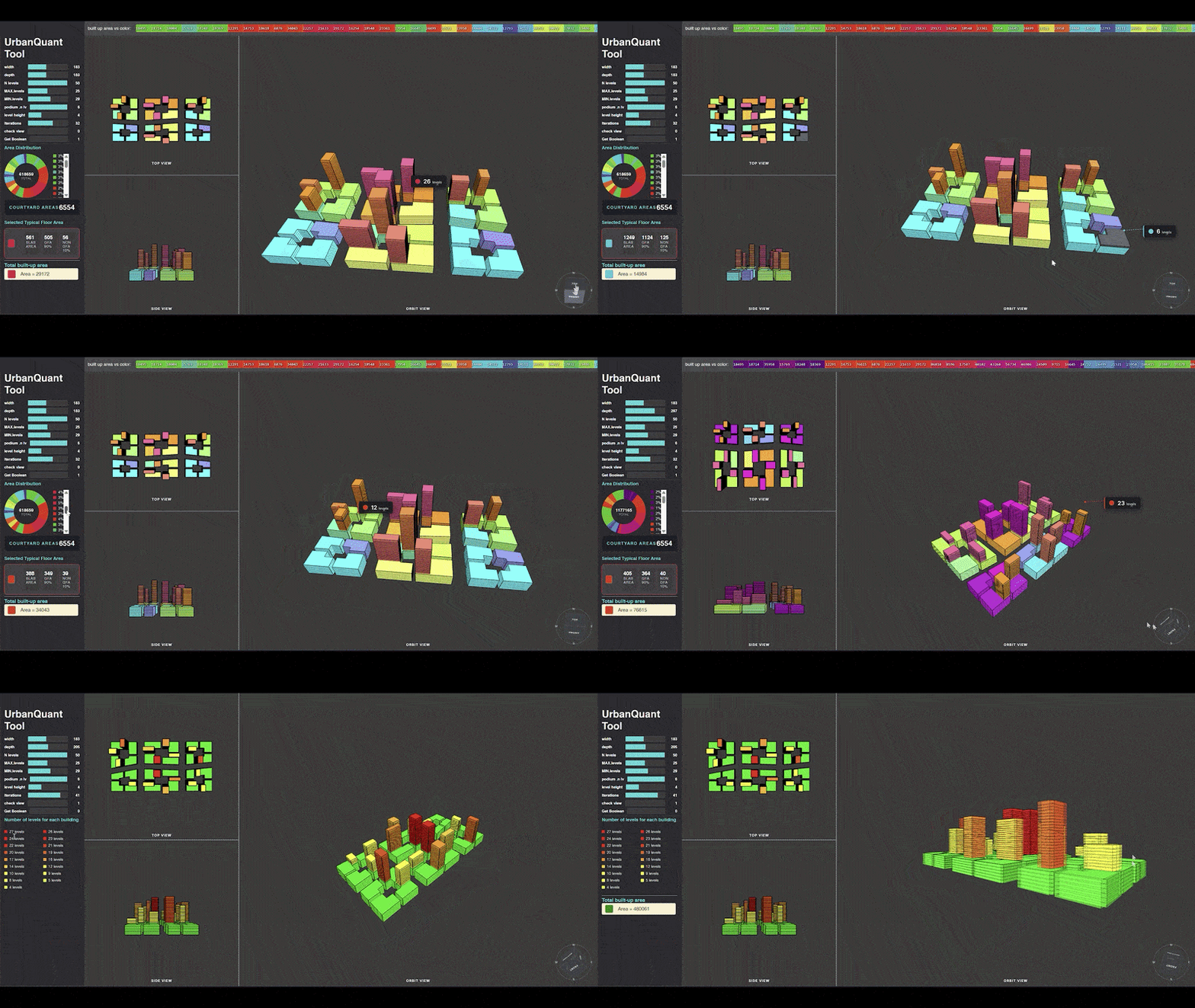
Urban Quant is a data‑driven urban design tool delivering area and massing analyses for buildings and open spaces. It calculates Built‑Up Area (BUA), Gross Floor Area (GFA), service/core areas and building levels, integrating solar exposure and sun‑hour simulations. The platform converts regulatory, programmatic, contextual inputs into comparable scenarios, visualizations, and reports for architects. Area distribution … Read more

Digital to Physical: An Interview with Melike Altınışık on Bridging the Geometric Gap

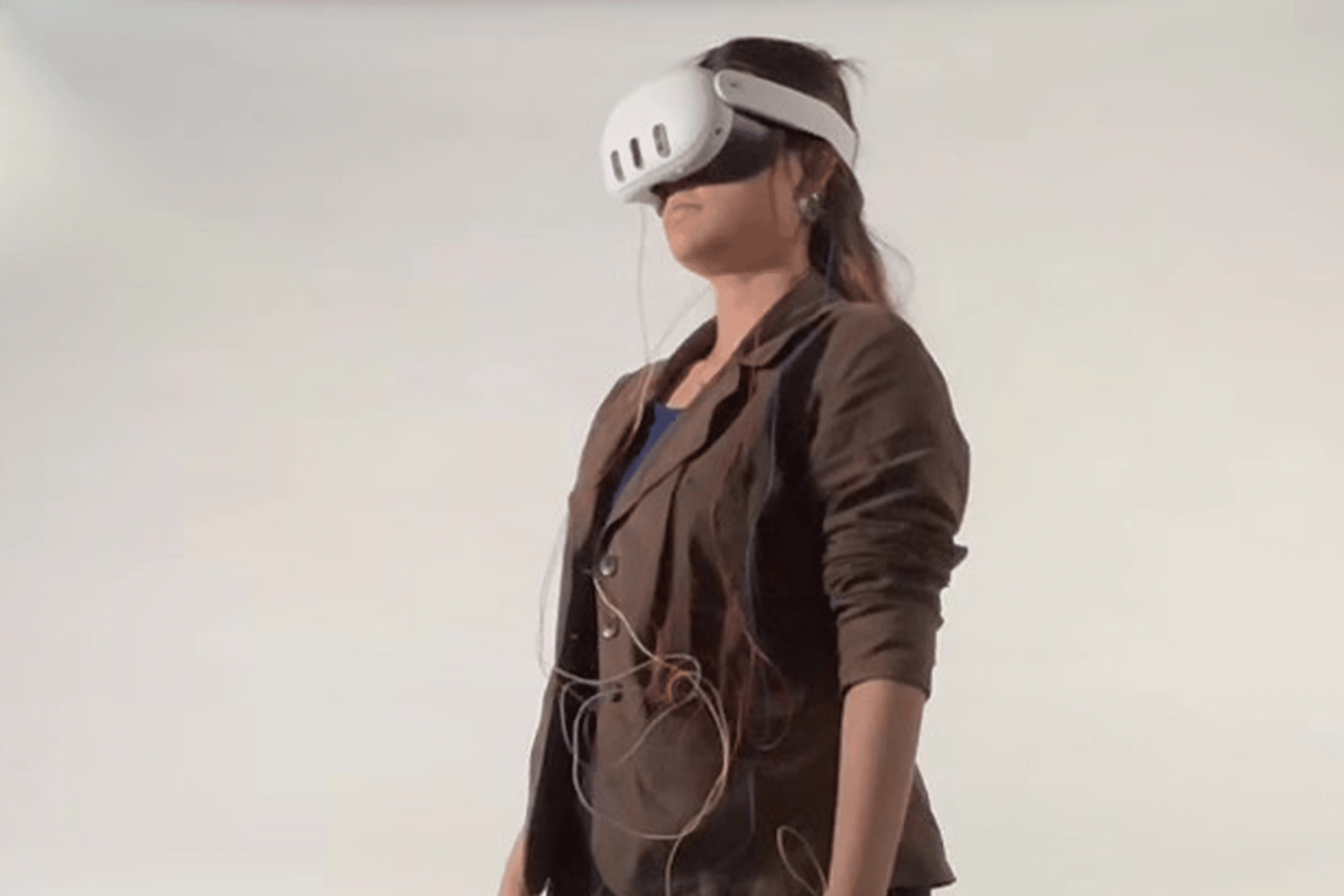
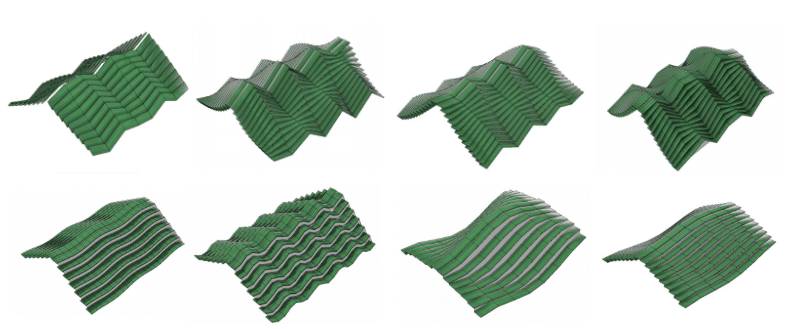
In contemporary architecture, designing a visually stunning, non-standard building envelope is only half the battle. The true test lies in the translation: how do we ensure that the mathematical precision of a parametric model survives the chaotic reality of a construction site? This exact challenge is the driving force behind our ongoing research proposal at … Read more

Designing a Time-Responsive Tower: A Data-Driven BIM Workflow

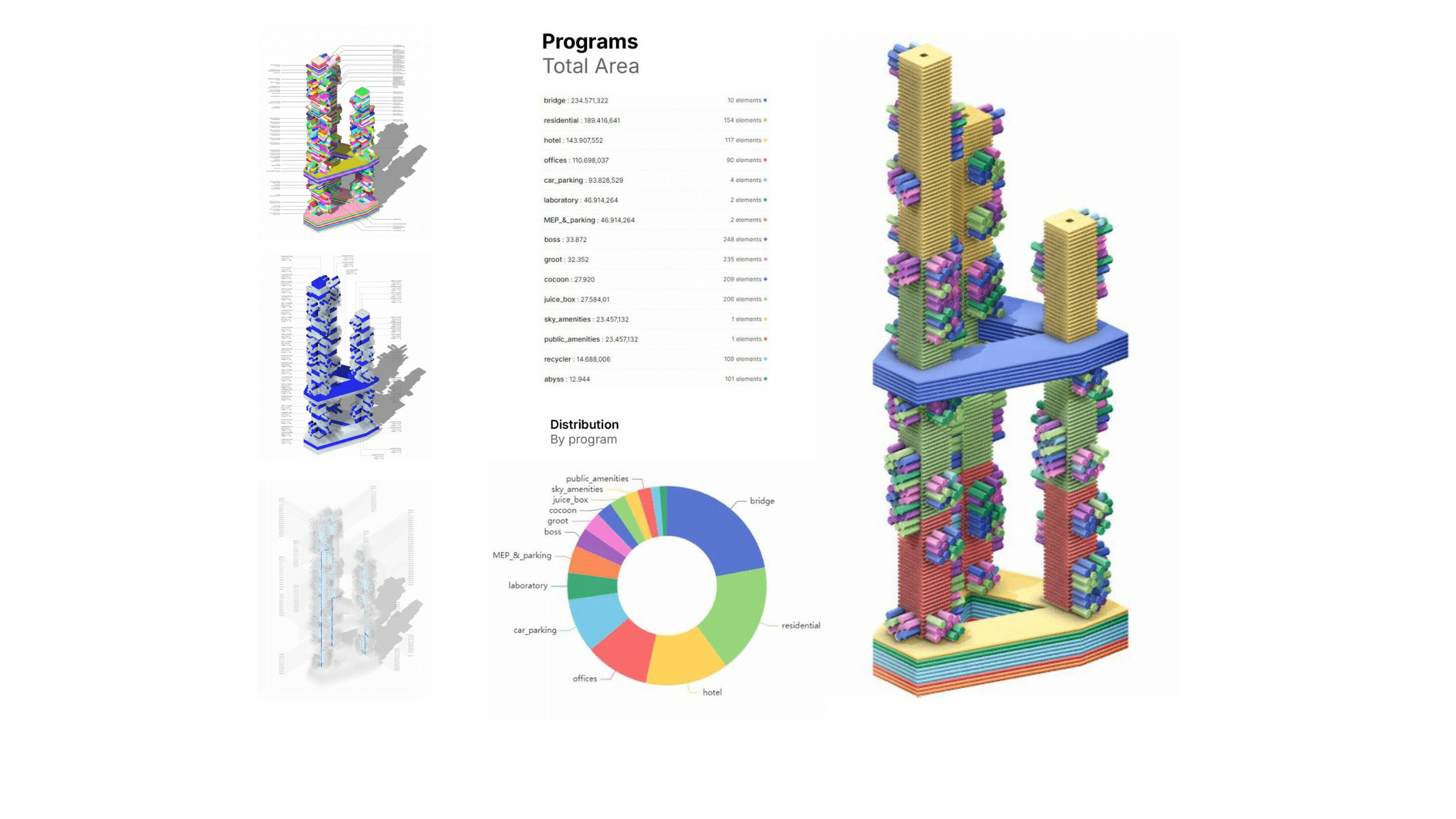
Hyperbuilding 2 functions as the transportation heart of the Vertical Machine, chanelling 20,000 passengers hourly while coordinating energy, logistics, and information flows across the entire urban system. Our team tackled the Program development for HB02, using Revit and Rhino Inside Revit to build a parametric system where occupancy data directly generates architectural form. The studio … Read more

The Data Pipeline Behind NeuroSpace: From Sliders to Synapses

Abstract NeuroSpace is a browser-based parametric design tool that reframes Building Information Modeling as Behavior Information Modeling — encoding predicted neurophysiological outcomes into architectural geometry. This post traces the full data pipeline: from seven UI sliders through a dual-path architecture (server-side Rhino.Compute for 3D geometry, client-side JavaScript for real-time NeuroScore calculation), through reactive state management … Read more

Automating Interoperability with Rhino.Inside.Revit and ACC

Designing dynamic, adaptive skyscrapers is no longer just a conceptual exercise; it is a computational reality. The true challenge lies not just in creating fluid, parametric geometries, but in translating those complex forms into rigorous, actionable building information models. Developed during the Master in Advanced Computation for Architecture & Design (MaCAD) Integrative Modeling Seminar at … Read more

Program Through Geometry: An Integrative Modeling Approach with Rhino.Inside Revit

INTRODUCTION As the program team our role is to define the overall program strategy, which we call The Living Cells, with the goal to create a livable neighborhood that supports daily life beyond residential use. This means integrating a range of supporting functions — public and green spaces, schools, retail, and community amenities — so … Read more

How much kgCO2e does our HyperBuilding weight?

Introduction Life Cycle Assessment (LCA) is increasingly required in the building industry, yet it remains difficult to integrate into the design workflow. The challenge is that LCA operates across multiple scales, from macro-level building decisions to micro-level material choices. This is especially relevant for designers, since they have to engage with these considerations from the … Read more

Architecture as Living Matter: Turning Data into Geometry

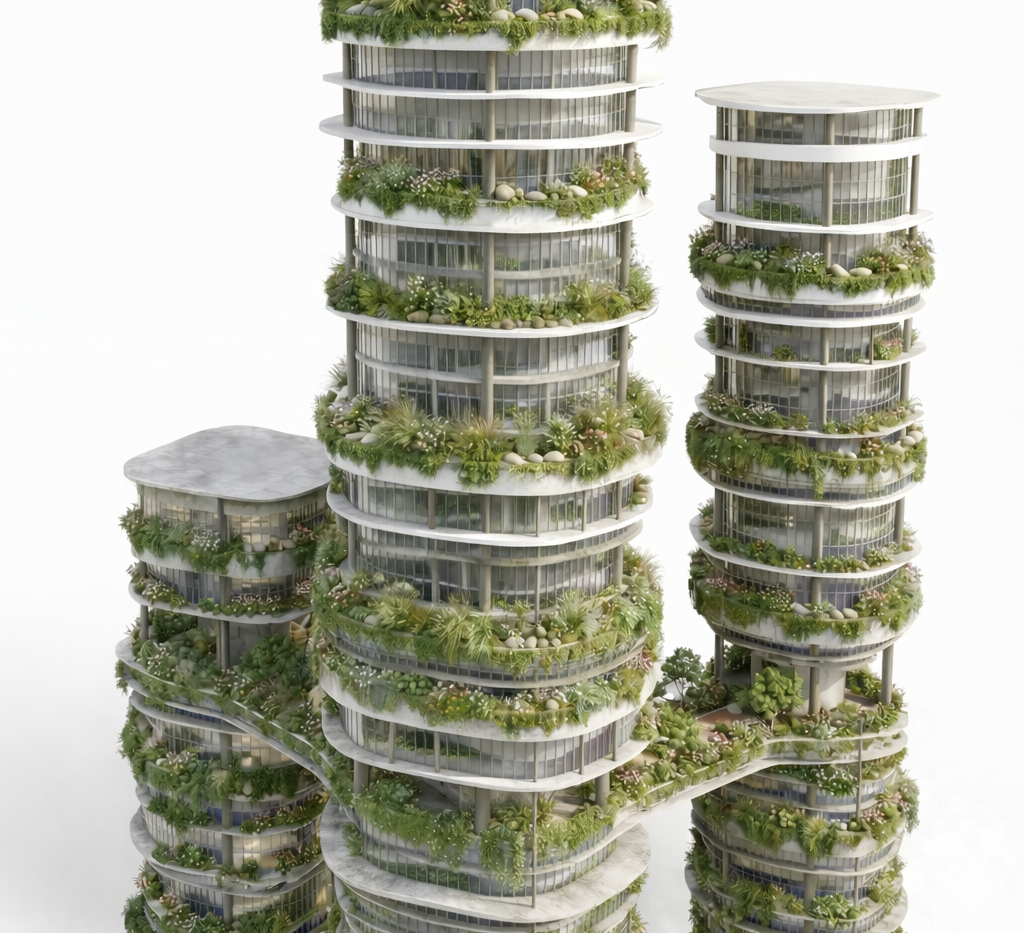
Introduction Hyperbuilding 03 In our project, the building is conceived not as an isolated object, but as a vertical living tissue within the broader human organism of the “Vertical Machine”. Much like a network of functional cells, it sustains life, maintains environmental balance, and coordinates with the system’s “lungs” and “heart.” This biological metaphor guided … Read more

Automated Cloud-Based Metadata Extraction: HB01 – Program Team

An automated pipeline that transforms raw 3D model metadata into structured cloud spreadsheets. This makes complex geometric data easily accessible and adaptable for various end-uses, from simple data reading to feeding live web platforms. Problem Statement Streamlining Complex Metadata Communication Communication across large design teams presents a significant challenge due to the massive volume of … Read more

Turning Data Into Geometry: Rhino.Inside Revit workflows for modelling & documenting

In the MaCAD Studio Seminar, our group worked as the Data Team for Hyperbuilding 01, one of three interconnected megastructures designed for Santiago de Chile, which together work as a single, cohesive vertical machine. Hyperbuilding 01 operates as both lung and skin for the urban environment. In response to Santiago’s severe air pollution, the building … Read more