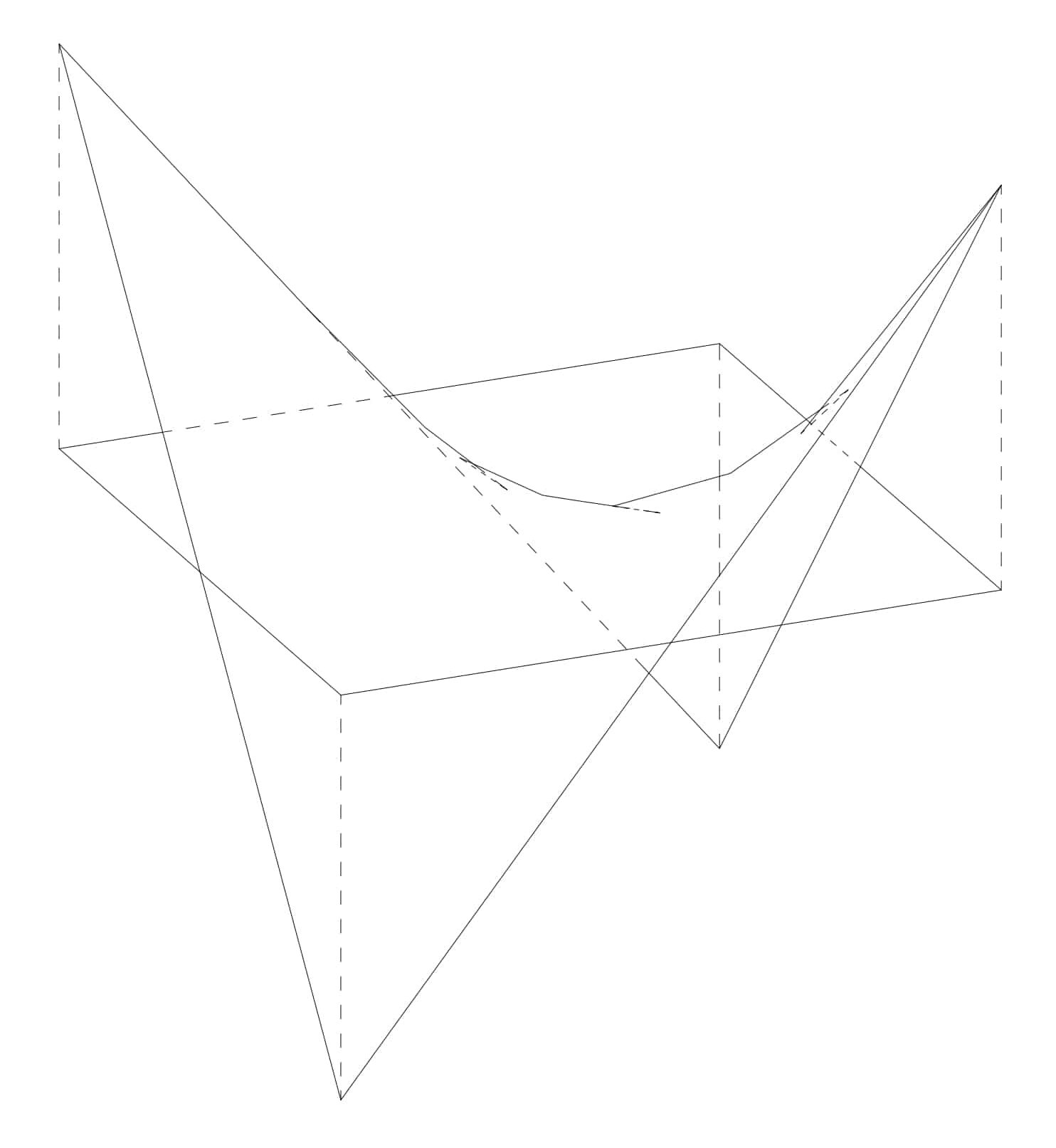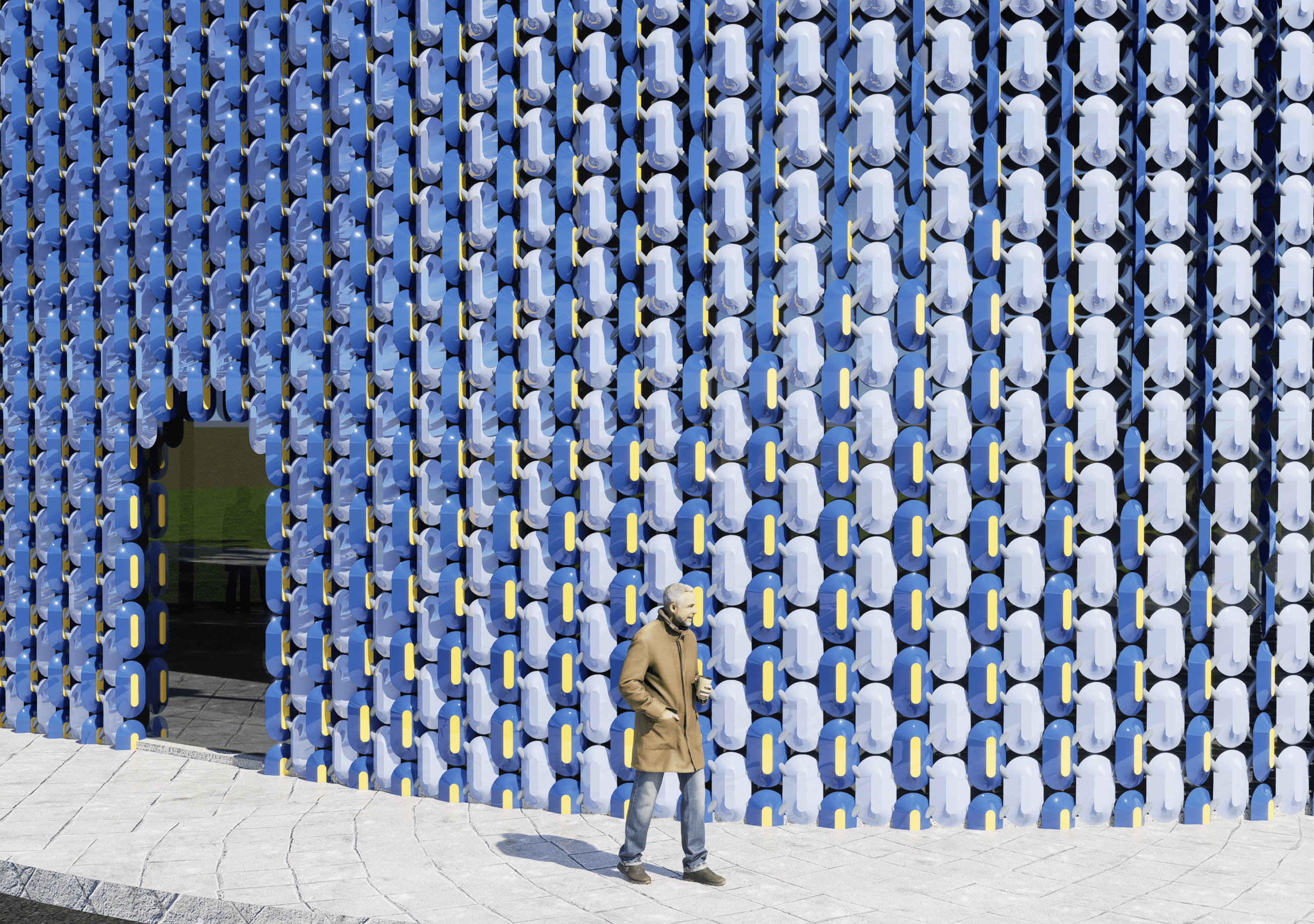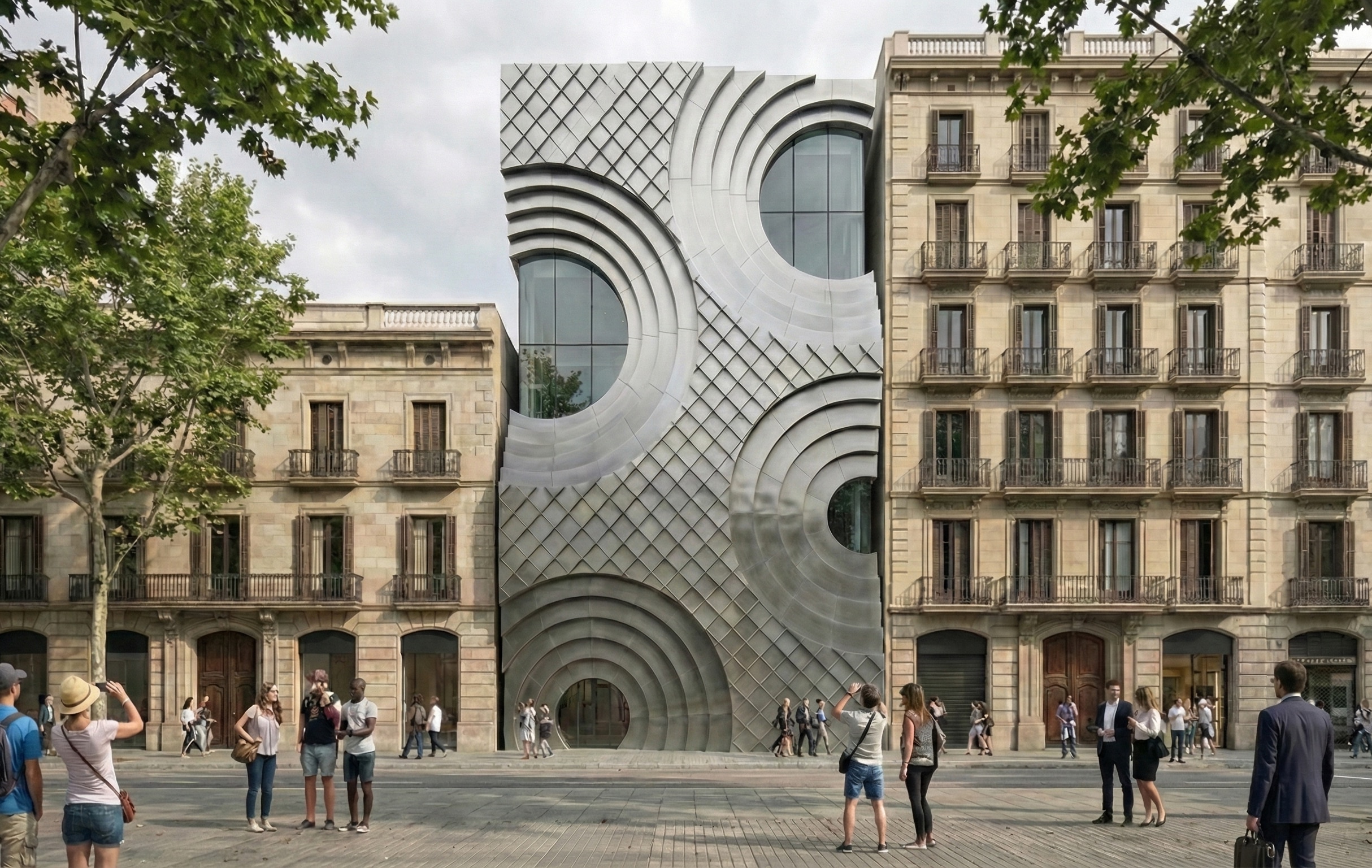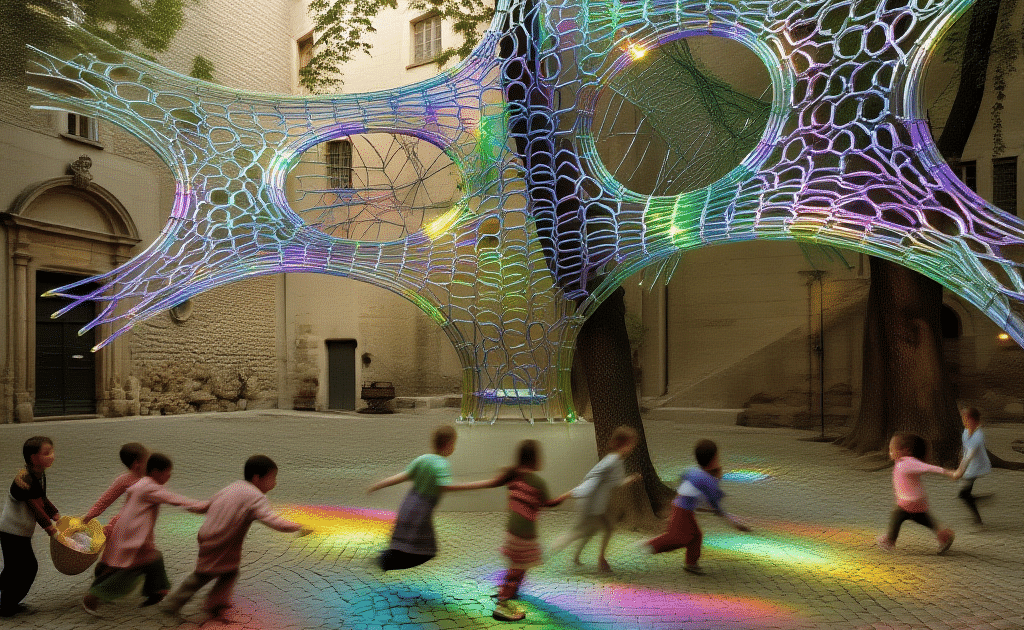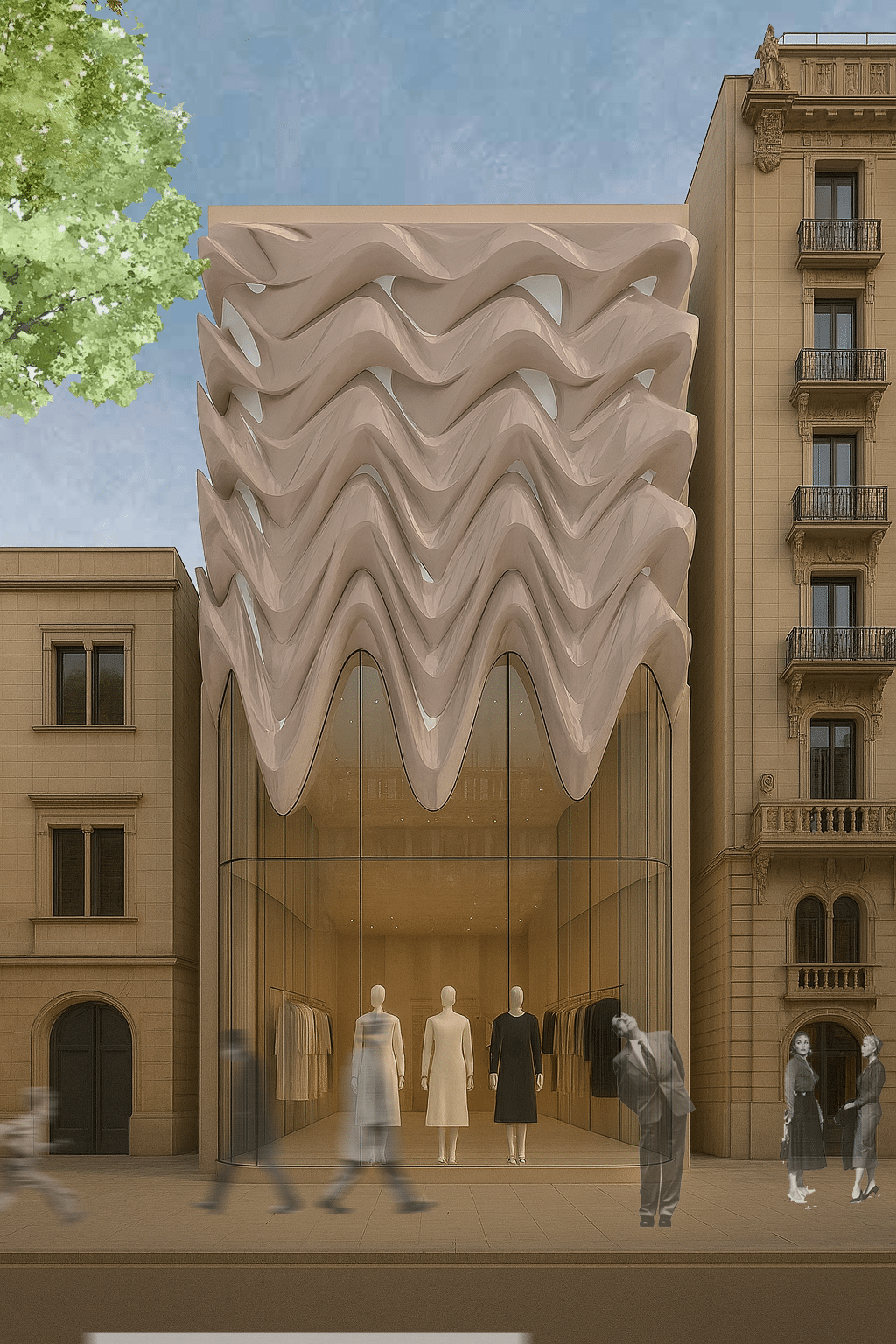
From Pixels to Parameters: transforming AI image to editable facade geometry

ABSTRACT Recent developments in generative artificial intelligence, particularly diffusion models such as Stable Diffusion and DALL·E, have enabled the creation of visually compelling architectural façades from text-based prompts. While these outputs are expressive and stylistically diverse, they remain fundamentally unstructured, lacking spatial intelligence, semantic clarity, and geometric editability. This limits their integration into architectural design … Read more

AssetPulse – Graph-Driven Asset Mastery

Simulate. Forecast. Outpace failure. Abstract AssetPulse is an advanced asset management simulation tool and synthetic data generator designed to optimize resource allocation, improve decision-making, and facilitate research through realistic scenario modeling. Building on a graph-based approach, AssetPulse models asset lifecycles, calculates remaining useful life (RUL), and applies business rules for budget planning, risk management, and … Read more

InFormed

Manual floorplan generation for high-rise residential buildings is labor-intensive and often overlooks key environmental parameters, limiting the ability to quickly assess performance-based design alternatives. Demo :

CINEFLOW : An AI-Powered Cinematic Walkthrough for Architectural Design

Automating Architectural Visualization: A Journey Through Technical Pivots and AI Evolution Introduction In the rapidly evolving landscape of architectural visualization, the gap between conceptual design and compelling visual presentation remains a significant challenge. While architects and designers excel at creating innovative spaces, transforming these 3D models into cinematic walkthroughs typically requires specialized skills, expensive software, … Read more

EMI: Engine for Morphological Integration

An algorithmic roadmap that converts self-organized settlement morphology into clean-energy action: the Energy-Morphology Index mines open roof- and density data, ranks each building’s readiness, and matches “Ready / Promising / Not-Ready” clusters to modular solar toolkits—turning self-organized settlements into engines of energy justice

Bio-Receptive | Interfaces

Bio-Receptive Interfaces is a performative multi-material clay-based system for indoor environments, integrating hydrogel vascularity to host an ecosystem of cryptogams and vascular plants. Fusing biological intelligence with embedded sensors and AI, it sustains a prolonged hydration cycle, purifies air, sequesters carbon, and reintroduces ecological presence into synthetic indoor worlds—transforming sealed spaces into living, responsive, multi-species … Read more

Terraweave

Crafting performative structures through robotic earth injection in dynamic fiber scaffolds Terraweave is an architectural research project that explores how robotic additive manufacturing can enhance the performance of natural building materials. Conducted as part of the Master in Robotics and Advanced Construction at IAAC, the project investigates the integration of willow scaffolds and earth injection … Read more

Spatial Data to Economic Intelligence

Using Street View and Remote Sensing methods to infer ground level socio-economic realities The Challenge: The Urban Data Blind Spot Urban economies are dynamic, fast-evolving systems—but the data used to understand them is often static, delayed, or incomplete. In many cities, a significant share of economic activity unfolds beyond the reach of traditional measurement frameworks, … Read more

Go With The Flow

Computational Fluid Dynamics for Natural Ventilated Systems primarily located within the United States The Problem within Context: Sears Catalogue from 1930s to 1950s United States. The American Dream is a phrase that has taken meaning in the ownership of a home with a white picket fence. The phrase was popularized in the 1930s after WWI … Read more

DRDA- Dynamic Robotic Design Activities

ABSTRACT Autonomous parametric furniture assembly using modular blocks and ROS-driven industrial robots promises to revolutionize on-demand manufacturing. In this work, we introduce DRDA (Dynamic Robotic Design Activities), a unified framework that seamlessly links customer-driven design to autonomous multi-robot execution. A user-defined geometry and style, which our custom block-selection and toolpath-generation engine converts into collision-free pick-and-place … Read more

TÀN 58

TÀN 58 is a seven-story student housing project located in Poblenou, an industrial district of Barcelona. The building’s form and orientation were shaped through computational studies that optimized daylight access and solar radiation across the site. This analysis led to the introduction of two central atriums, which act as vertical heat sources and organizational cores—spaces … Read more

Timber Syntax: A Computational Pipeline for Assembling Non-Homogeneous Timber

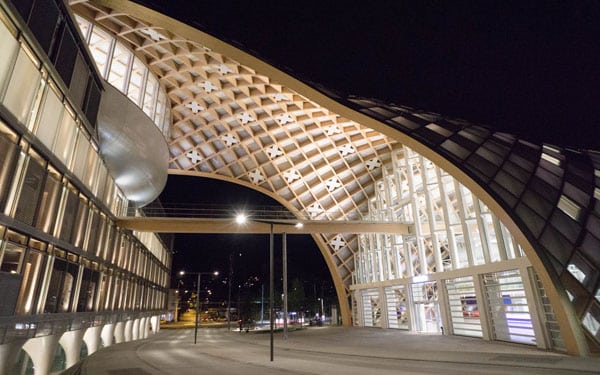
In the pursuit of a sustainable built environment, Timber Syntax demonstrates how reclaimed, non-homogeneous timber can be transformed into high-quality facade systems through a computational and robotic pipeline. Developed at the Institute for Advanced Architecture of Catalonia (IAAC), this project bridges waste reuse, advanced fabrication, and circular design to propose a new paradigm for timber … Read more

AIA25 Studio – HaBiCoM

HaBiCoM is an AI-powered copilot designed to assist architects, designers, and users in shaping smarter, more responsive interior spaces. At its core, HaBiCoM redefines the way we approach furniture placement within residential environments by aligning each design decision with the user’s unique daily habits, lifestyle rhythms, and thermal comfort needs. Unlike traditional layout tools, HaBiCoM … Read more