Tectonic Hub: Climate-Adaptive Recipe for Cultural Hubs in Reykjavik, Iceland

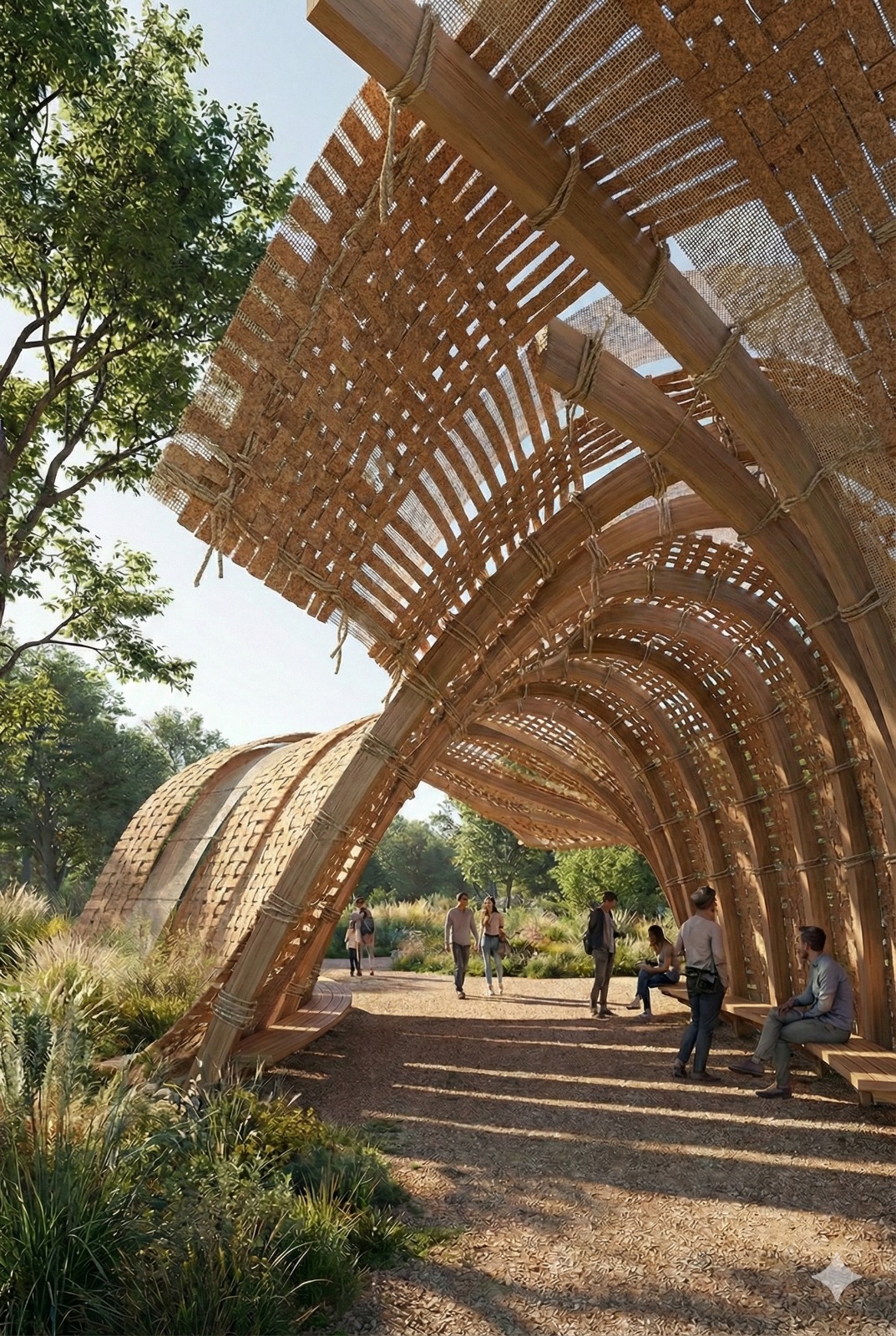
Ingredients Climate Reykjavík’s climate shapes the entire project. The site is exposed to strong, multi-directional winds reaching 27 m/s, with a prevailing direction around 135°. Daylight conditions are equally extreme, shifting from long summer days to very short winter ones. The system therefore needs to adapt, protect, and still create comfortable public spaces. Form Our formal … Read more

Morphing Sands

Morphing Sands is a climate-responsive mixed-use architectural system developed for Jeddah, Saudi Arabia, addressing urban densification in a hot–humid coastal environment. Inspired by the historic fabric of Al-Balad, the project reinterprets Hijazi principles—such as courtyards, shaded streets, and layered façades—through a modular and computational design approach. The project organizes commercial functions horizontally at the lower … Read more

Casa Tosquella: The Mending of the Commons

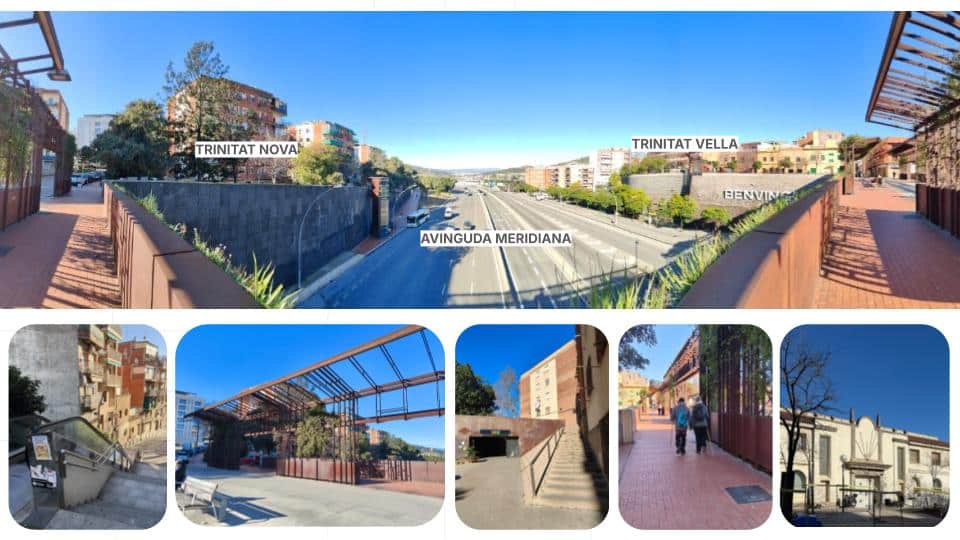
Heritage is not memoryHeritage is Production + Community In the dense urban fabric of Sant Gervasi, Casa Tosquella sleeps a Modernista jewel originally conceived as a summer retreat, now stranded in a city grappling with permanent heat. This project explores the tension between heritage preservation and climatic urgency. The proposal views the building not as … Read more

Anatomy of a Machine: Stroke

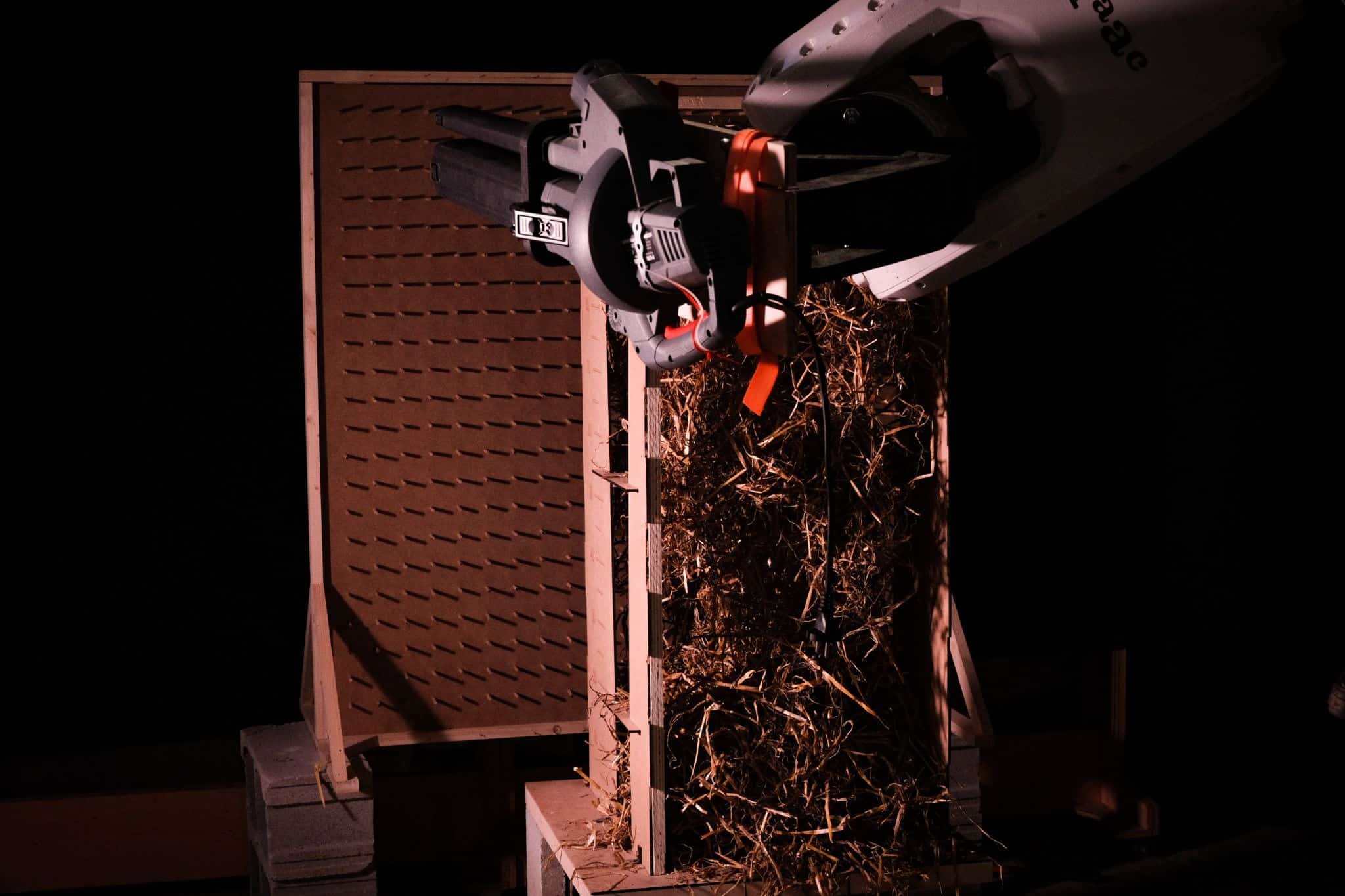
INTRODUCTION The first assignment of Anatomy of a Machine investigates how a robotic system can produce a brushstroke, an action typically associated with human intuition, variability, and continuous motion. Rather than beginning with predefined toolpaths or digital control, the project starts by reframing the human hand as a machine. Through a series of analog drawing … Read more

Chromascope Studios

Crafting Nature’s Palette for Sustainable Printing Introduction For our ecological interactions class, we were tasked with creating a place specific cottage industry, that takes local natural resources and turns them into unique products for the community. The cottage industry should be mostly self-sufficient, and should use resources intentionally and responsibly, to promote longevity and healthy … Read more

Anatomy of a Machine: Stroke

Introduction This project investigates the dialogue between human gesture and robotic motion through painting. Over three weeks, students study brush behavior, paint flow, and stroke dynamics, beginning manually and progressively translating gestures into robotic trajectories. The final outcome is an A2 robot-made painting, accompanied by a vectorial drawing and a 60-second video, reflecting the anatomy … Read more

Machine Thinking

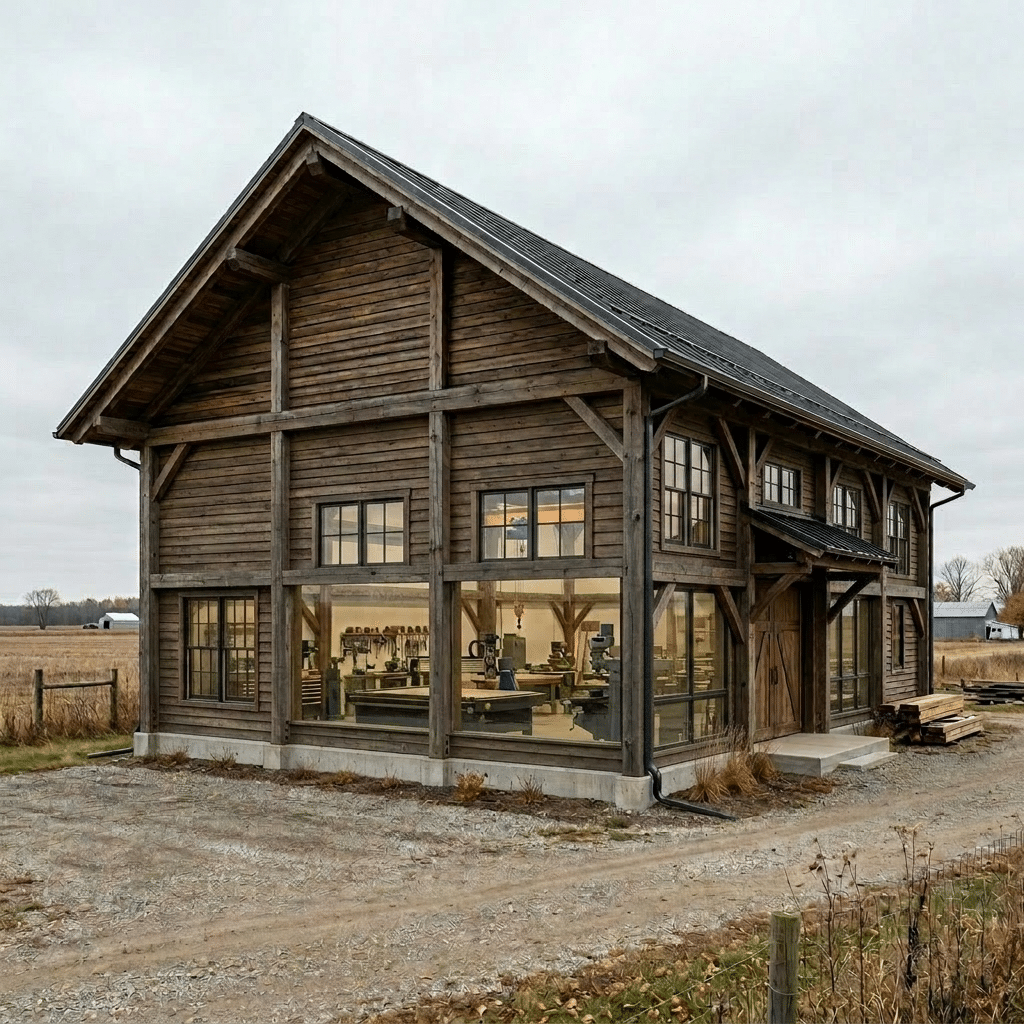
Introduction to Digital Fabrication Team : Sejin Park & Hasan Hirji CNC Milling During the CNC Milling process, RhinoCAM software automatically creates bridges; a necessary milling process outside of commands that one might use to manipulate material. We began with the idea of testing the frequency and depth of 2-axis bridging path movement presets to … Read more

Performative Wall Textures

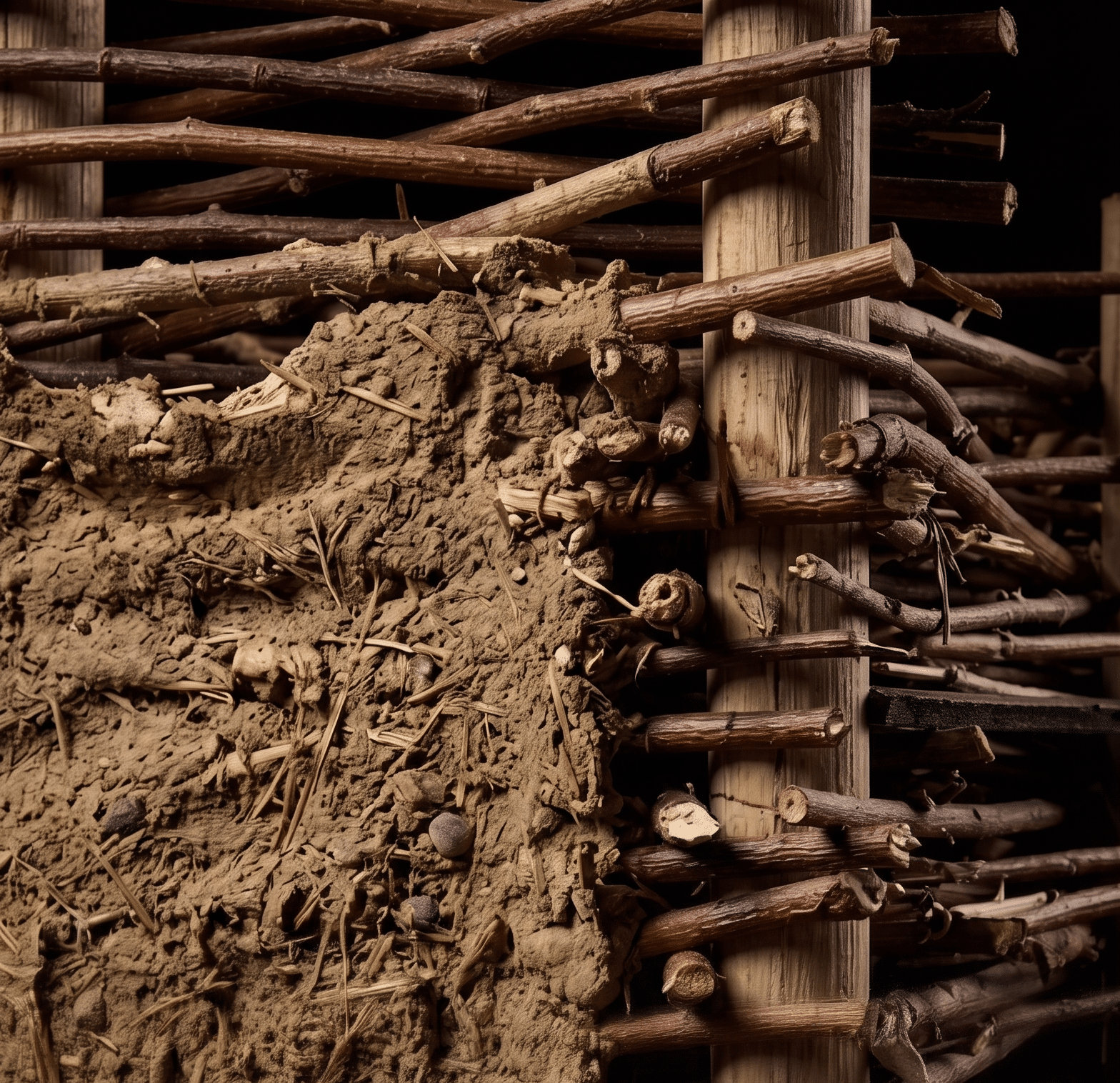
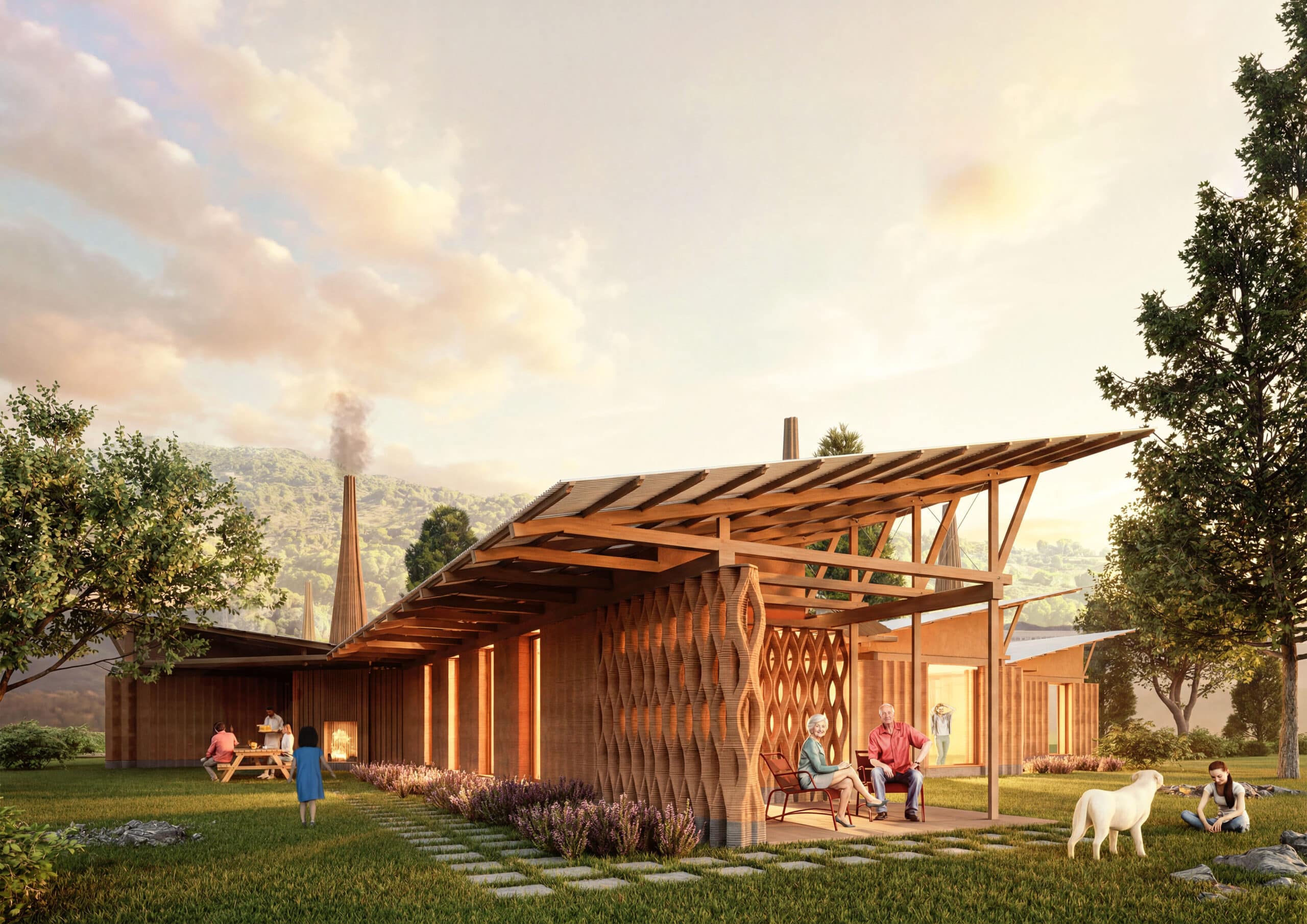
Introduction & Problem Statement Earthen 3D printing offers a low-carbon, recyclable, and locally sourced alternative to conventional construction materials. However, its architectural use remains limited by a critical issue: wet-state instability during printing. Freshly extruded clay has very low strength and stiffness, so walls usually reach only 15–20 cm per day. Beyond this height, the … Read more

The ClimaColour Code

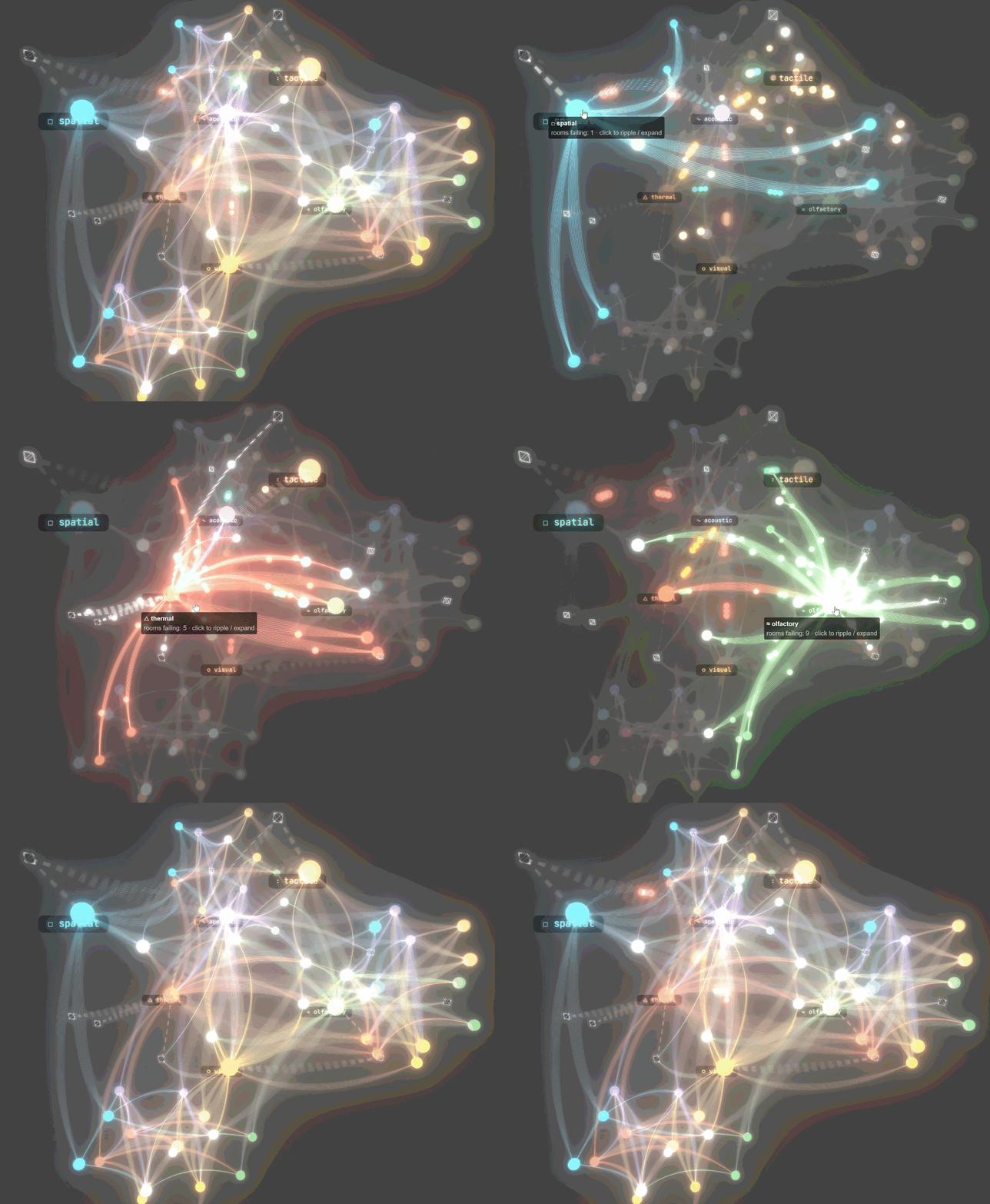
Abstract Environmental conditions are more often than not invisible and something that is felt rather than visually perceivable. The ClimaCode provides our spatial surroundings with their own language that enables them to better communicate with us as humans.  By translating climatic conditions, such as temperature and humidity, into light, the device communicates its climatic ‘mood’ … Read more

Mind vs Machine: MENTOR

A Multi-Agent, Socratic, Cognitive-Preserving Tutoring System for Architectural Education The Silent Crisis Picture this: A design student faces a challenging architectural problem. They need to create a sustainable community center that harmonizes with its urban context while meeting complex programmatic requirements. In 2023, they would likely turn to ChatGPT, type their question, and receive a … Read more

ThinkSpaceAI

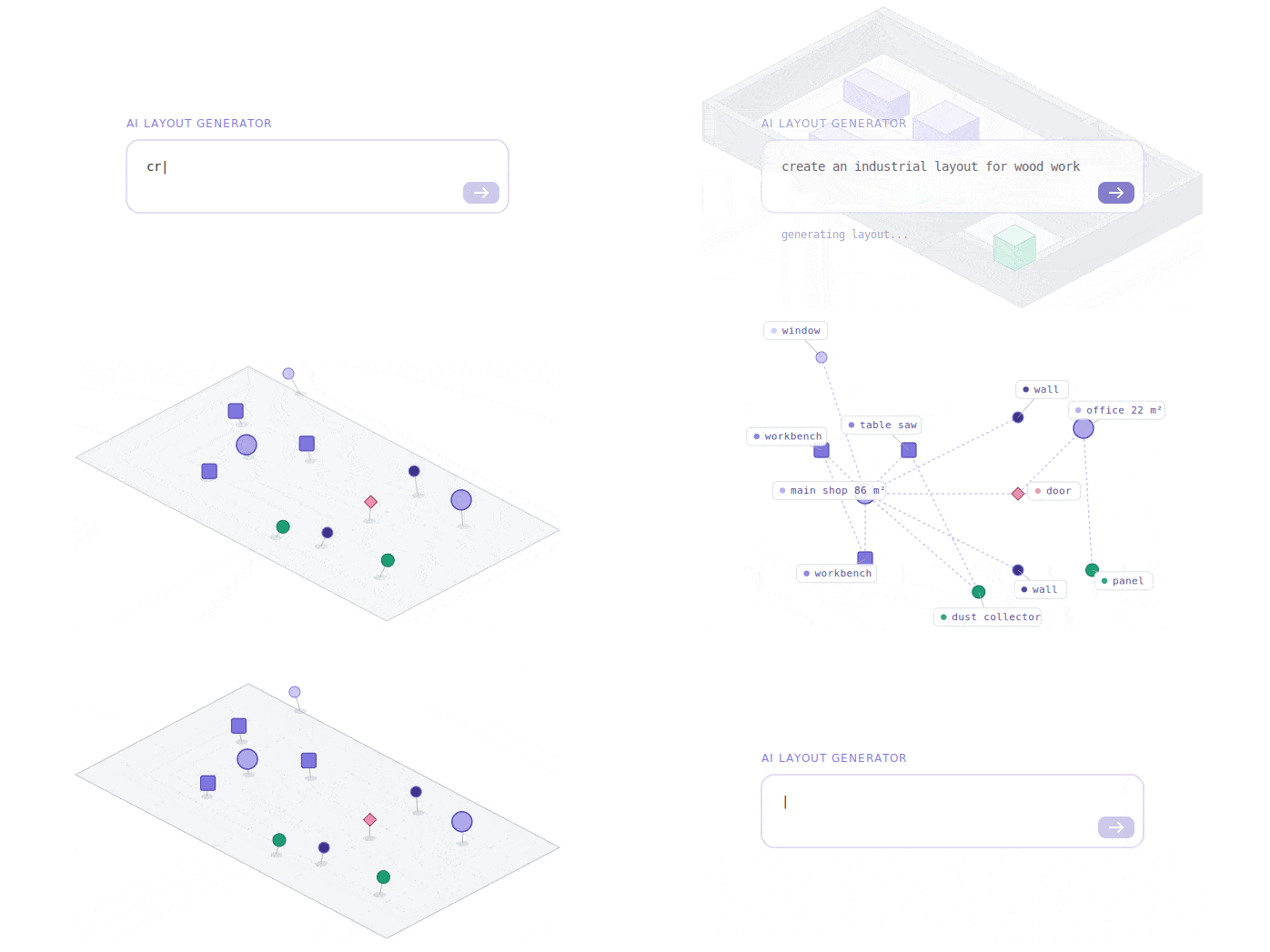
Turning Natural Language into Architecture Designing a house is never just about walls and windows—it’s about translating human stories into spaces that feel alive. Clients describe routines, aspirations, and cultural practices. Architects then face the challenge of turning those narratives into coherent layouts that also respond to site, climate, and context. Most computational tools fall … Read more

CINEFLOW : An AI-Powered Cinematic Walkthrough for Architectural Design

Automating Architectural Visualization: A Journey Through Technical Pivots and AI Evolution Introduction In the rapidly evolving landscape of architectural visualization, the gap between conceptual design and compelling visual presentation remains a significant challenge. While architects and designers excel at creating innovative spaces, transforming these 3D models into cinematic walkthroughs typically requires specialized skills, expensive software, … Read more

Rootscapes

An exploration of root structures and material study 70% of the world’s population lives along coastlines and rivers, out of which, thousands of people get affected yearly due to erosion. However, our marine ecosystems such as mangroves and soils have the capability of storing large amounts of CO2 and provide a barrier amongst erosion.  CAUSES … Read more