Agent Based Model: A Way to Visualize Alternative Multispecies Futures, Support Decision-making and Empower Collective Action

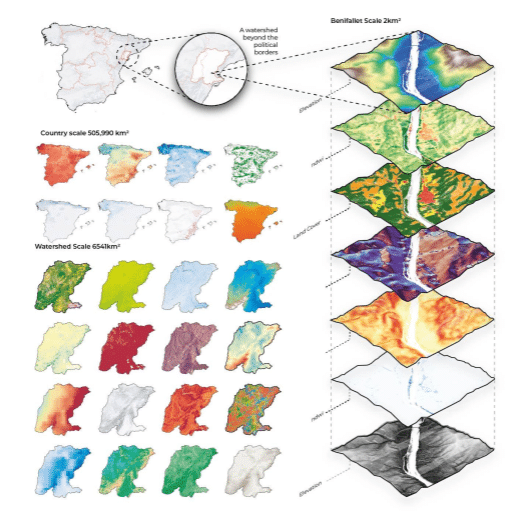
This proposal envisions an agent-based ecological simulation where human and non-human actors, farmers, water, soil, plants, fungi, and climate, interact within a shared bioregion defined by watersheds rather than political borders. Agricultural technicians serve as mediators between data and local knowledge. Agents are not merely data points but active participants in a living network, continuously … Read more

Fish Tail Park, Nanchang – Case Study

Case Study of Ecological Restoration, Human Presence and Design of Co-Existence Introduction Fish Tail Park is located in the center of Nanchang City, a historic city in southeastern China with approximately 6.6 million residents, has experienced rapid urban growth and high-tech industrial expansion along the Gan River. Is a large-scale ecological restoration project designed by … Read more

Oerliker Park

Oerliker Park in Zürich, Switzerland is not a natural forest that slowly emerged over time. It is a designed urban ecology: structured, calculated, and deliberately designed among buildings and former industrial sites. Even though the park may read as “natural” with its trees, parks like Oerliker are often designed primarily around human use. But parks … Read more

Parc del Centre del Poblenou

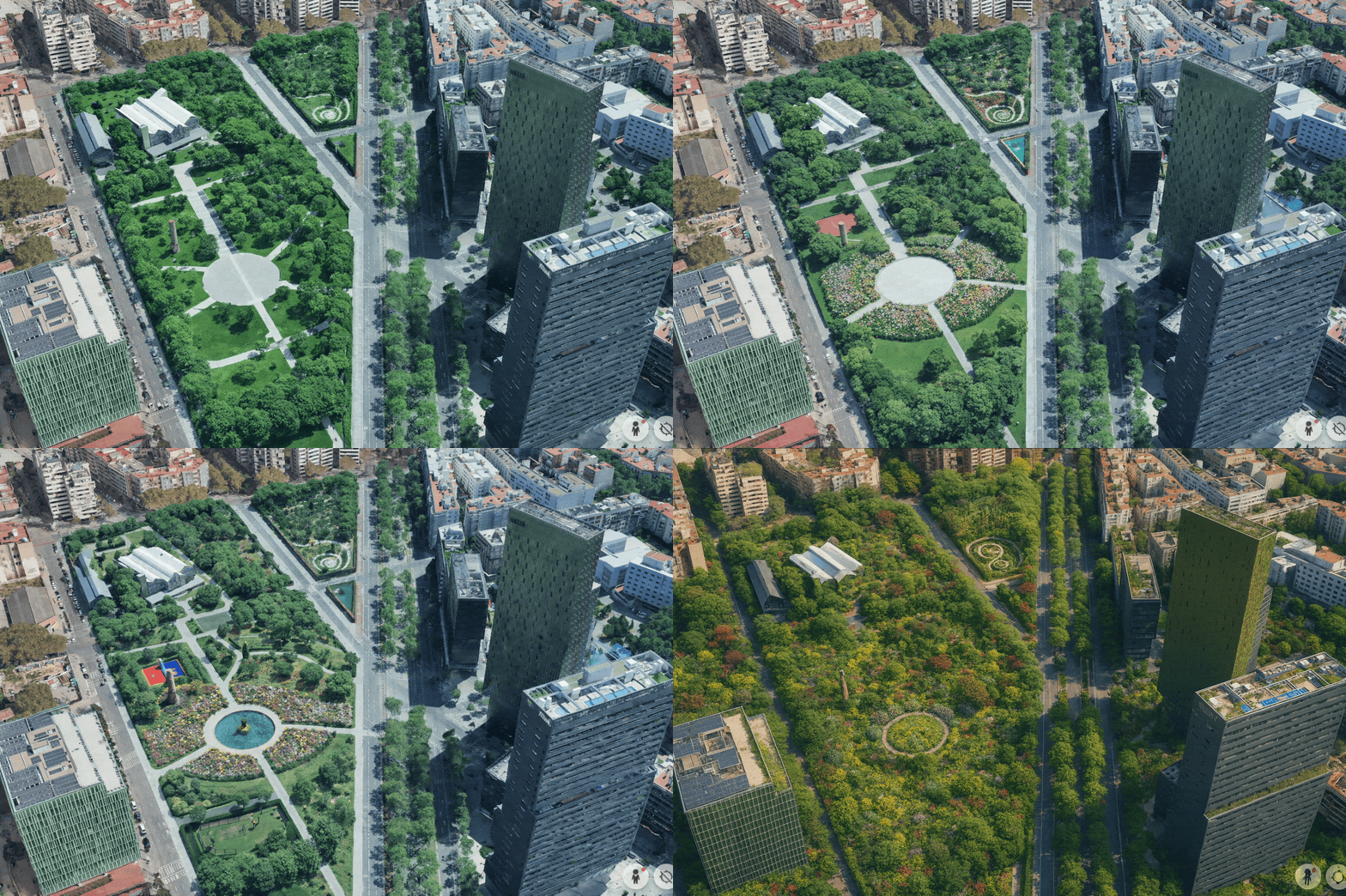
This project investigates Parc del Centre del Poblenou through the lens of Designing for More than Humans. The park, although permeable and vegetated, is spatially structured around human circulation and programmed activity. As a result, human occupation is continuous and dominant, while non-human life remains fragmented and residual. Through rule-based speculation, the project tests how … Read more

The Wooded Circle

Started off in 1504 as a Renaissance-era fortification system, designed to resist cannon warfare. Over the years, it has undergone many reconstructions, with the latest turning it into a managed heritage park in the early 2000s (Planted rows of trees) . Ecology has played an important role in each of its eras, as we’ll see … Read more

Who else lives here?

Urban space is conventionally conceptualized as an anthropocentric construct. However, non-human species continuously appropriate architectural surfaces, infrastructural voids, and vegetated fragments. Birds occupy ledges and canopy layers, insects colonize engineered soils, bats navigate nocturnal corridors along tree lines, and plants root within pavement fissures. These presences are not incidental; they reflect how spatial design either … Read more

Lifecycle of a Landslide

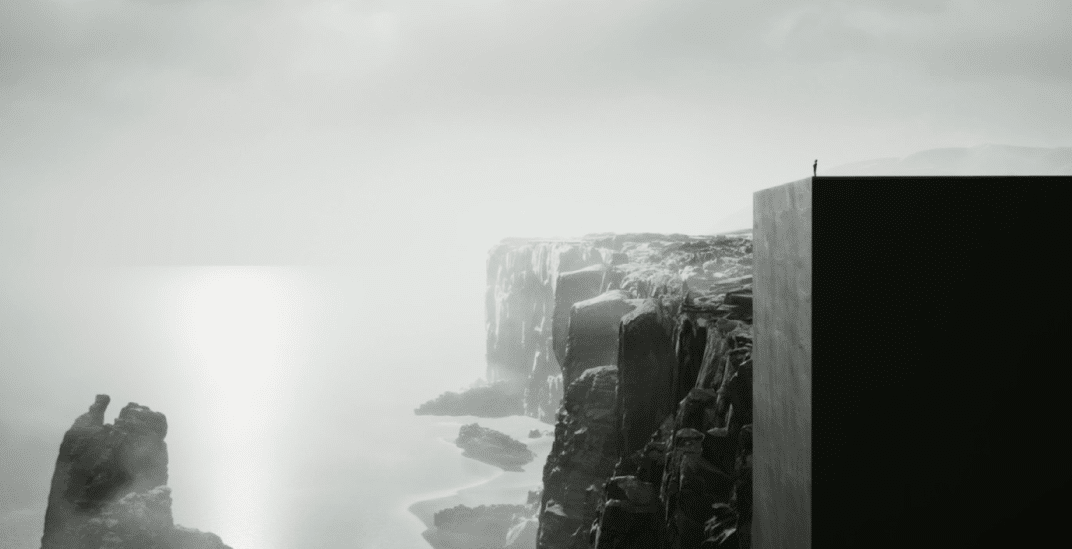
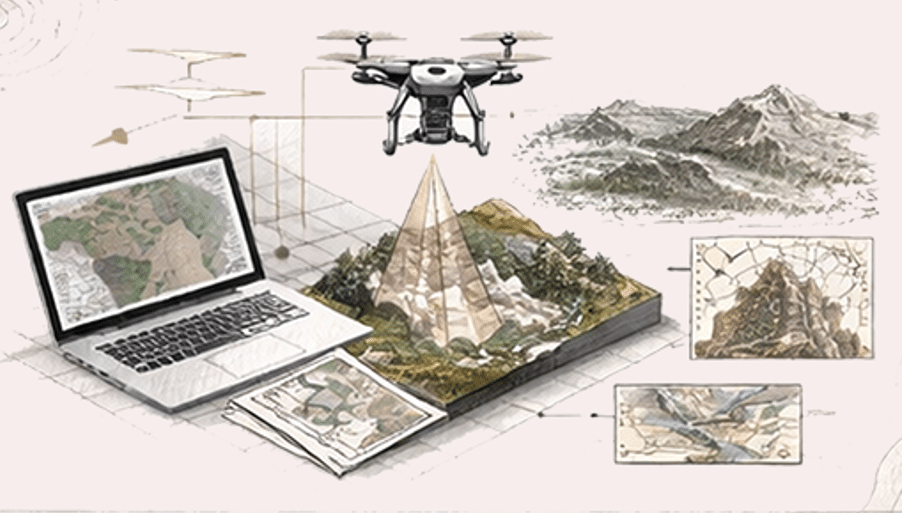
THE GREAT HIMALAYAN TERRAINKinnaur lies in the Middle to Higher Himalayas, one of India’s most landslide-prone regions, while also functioning as a critical ecological transition zone between temperate, sub-alpine, and cold desert ecosystems. The Sutlej valley acts as both a human infrastructure corridor and a biological movement corridor.         News reports show … Read more

Croando el río de vuelta a la vida

Contexto During much of the 20th century, the Besòs River was transformed by industrialization and urban growth into a highly engineered system. Its new rigid structure, designed to control flooding, disconnected the river from its natural processes, accelerated water flow, and reduced ecological habitats Today, these structural modifications continue to generate major problems. Difficulties in … Read more

THE SWALE – Water, Soil & Life

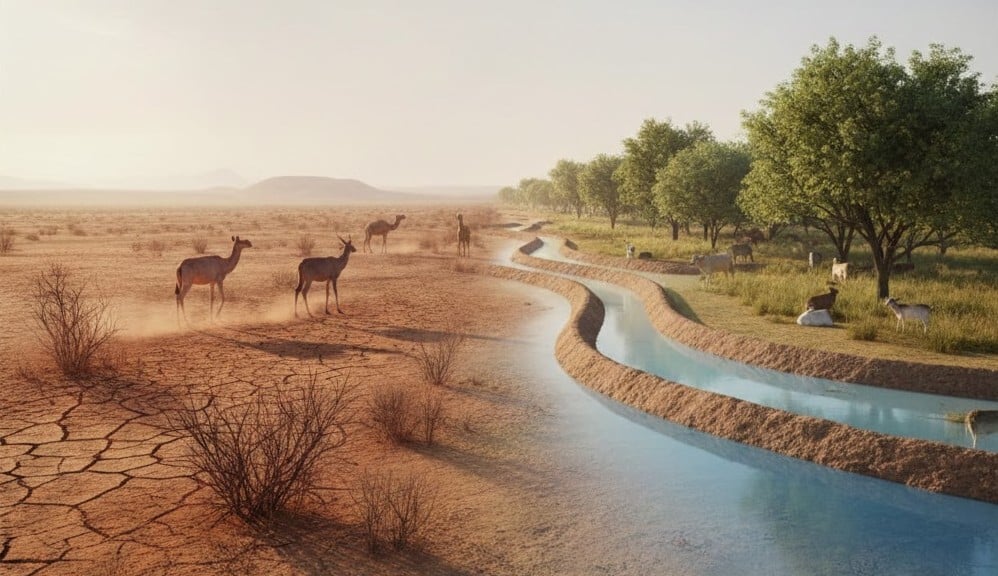
Dhikwani, Rajasthan Dhikwani is a Village in Shahbad Tehsil in Baran District of Rajasthan State, India. It belongs to Kota Division . It is located 67 KM towards East from District head quarters Baran. 16 KM from Shahbad. 279 KM from State capital Jaipur. Dhikwani lies in the semi arid region – high solar radiation, … Read more

Inhabitable Walls

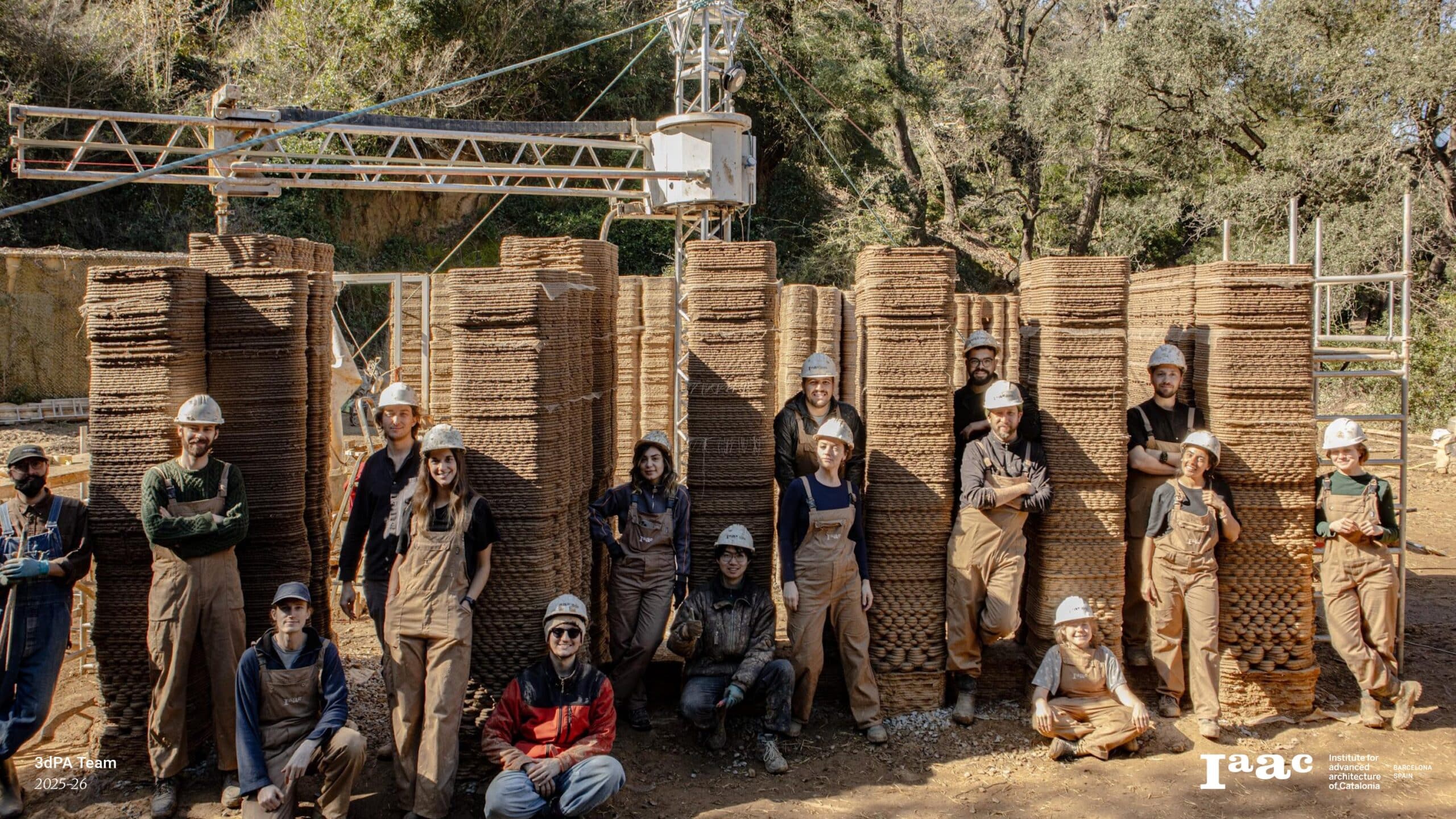
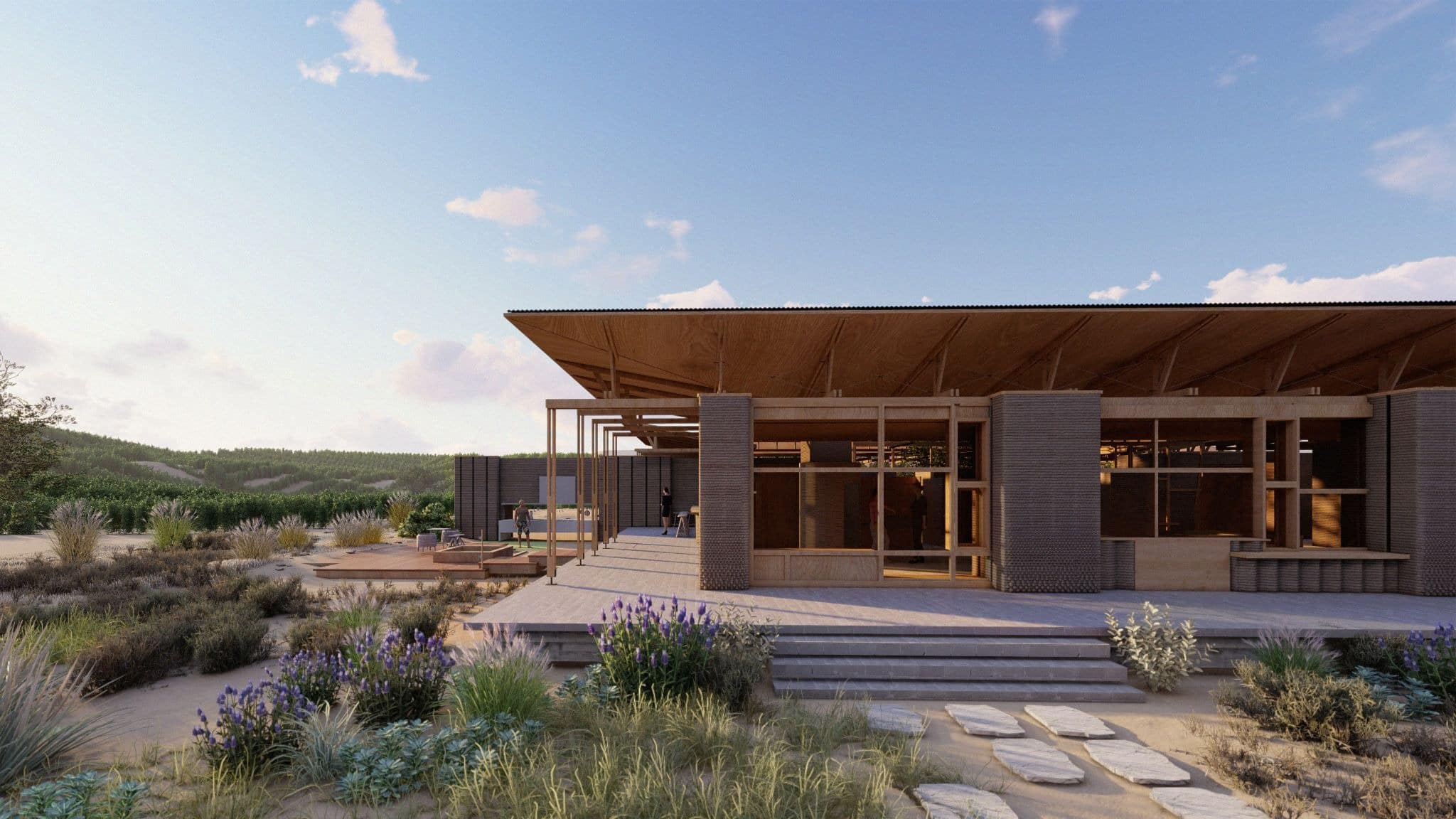
– Vision 2025/2026 3D printing is increasingly entering the construction industry, with many examples of printed houses and buildings already realised. Its appeal lies in clear advantages: automation, speed, reduced material use, and minimal waste, all of which lower construction costs. Beyond efficiency, however, 3D printing offers architects significant design freedom, enabling an architecture that … Read more

Beyond Efficiency

The Purpose of AI in the Age of Resource Scarcity Introduction: Redefining the Question The question “What is the purpose of AI in AEC?” often elicits a predictable response focused on speed. For years the industry has viewed Artificial Intelligence primarily as a mechanism for automation. It is seen as a faster way to produce … Read more

Bandy – House

Rooted in earth, bound by flavor “This co-living brings together four user profiles whose needs and daily rhythms shape the architecture of the project. A married couple with a child requires stability, clear routines, and functional domestic spaces; a young couple with cats needs calm and flexible environments that support living with pets; a divorced … Read more

Floating Grounds-Rethinking Resilience in Jakarta

Introduction Floating Grounds proposes a flood-resilient urban model for Jakarta that merges housing, public programs, and a stadium into a single floating system. Instead of resisting water, the project accepts it as a permanent condition and uses it as an organizing element. The work explores how large-scale infrastructure can support community life while addressing land … Read more

Mining The City

“Metabolising waste into habitat in a resource-scarce future” “Mining the City” reconceives legacy industrial infrastructure as an active force for urban regeneration and material resilience. Rather than treating waste as a problem to be discarded, this project positions Barcelona’s material flows from household refuse to industrial by-products as the resource base for a new metabolic … Read more

Chromascope Studios

Crafting Nature’s Palette for Sustainable Printing Introduction For our ecological interactions class, we were tasked with creating a place specific cottage industry, that takes local natural resources and turns them into unique products for the community. The cottage industry should be mostly self-sufficient, and should use resources intentionally and responsibly, to promote longevity and healthy … Read more

Traceable Extra Virgin Olive Oil & Artisanal Castile Soap: A Business Plan

Tornant a l’olivera was born from a simple belief: that the most nourishing products come from landscapes that are alive, respected, and cared for. Based in Catalunya, we work with regenerative olive groves where resilient olive trees coexist with aromatic undergrowth—lavender, rosemary, and native plants that strengthen ecosystems and shape the character of each harvest. … Read more