Robotics for Ecological Buildings : CLAY

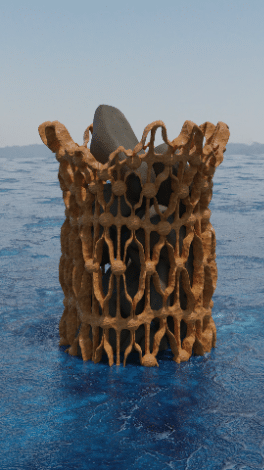
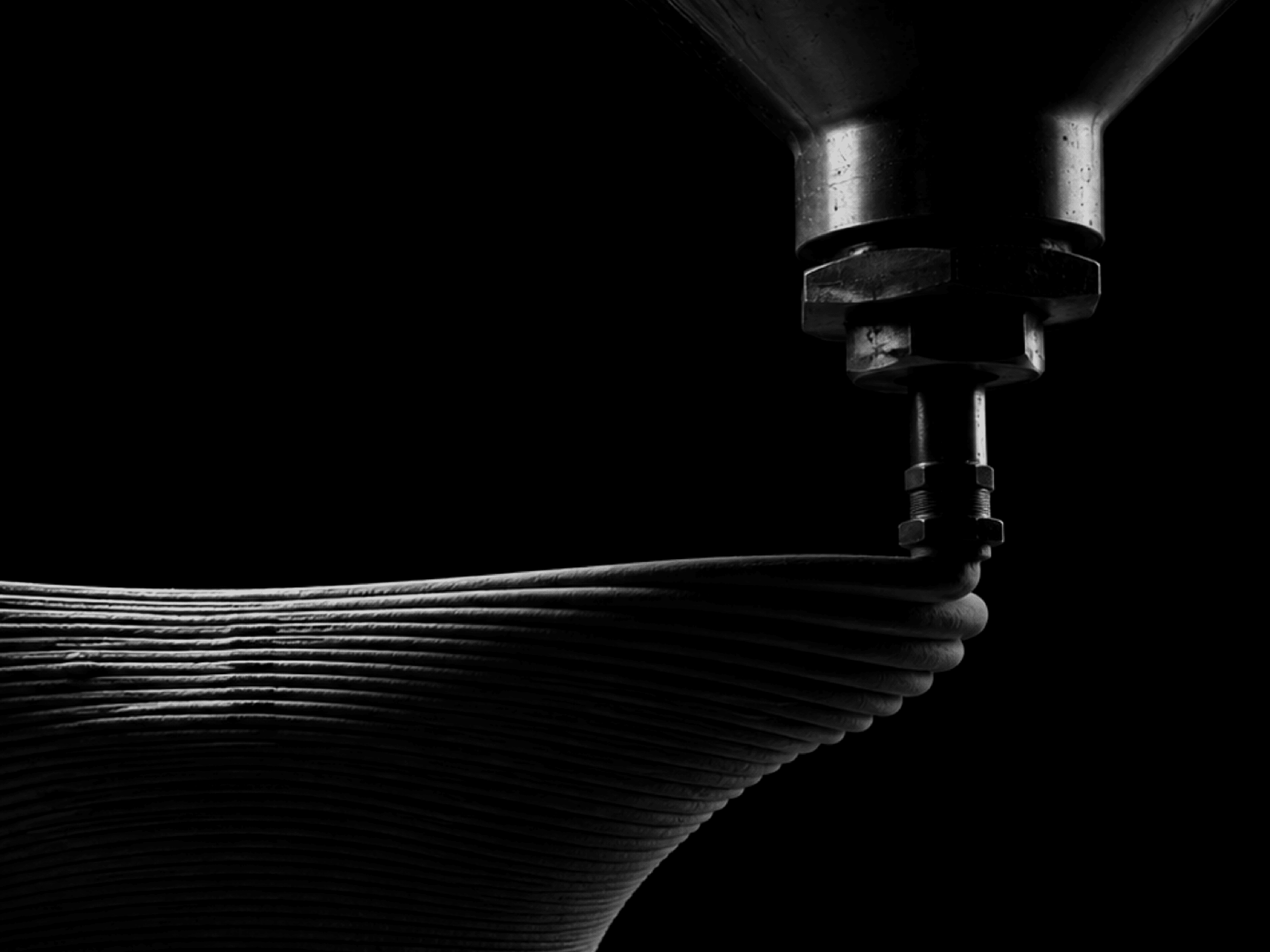
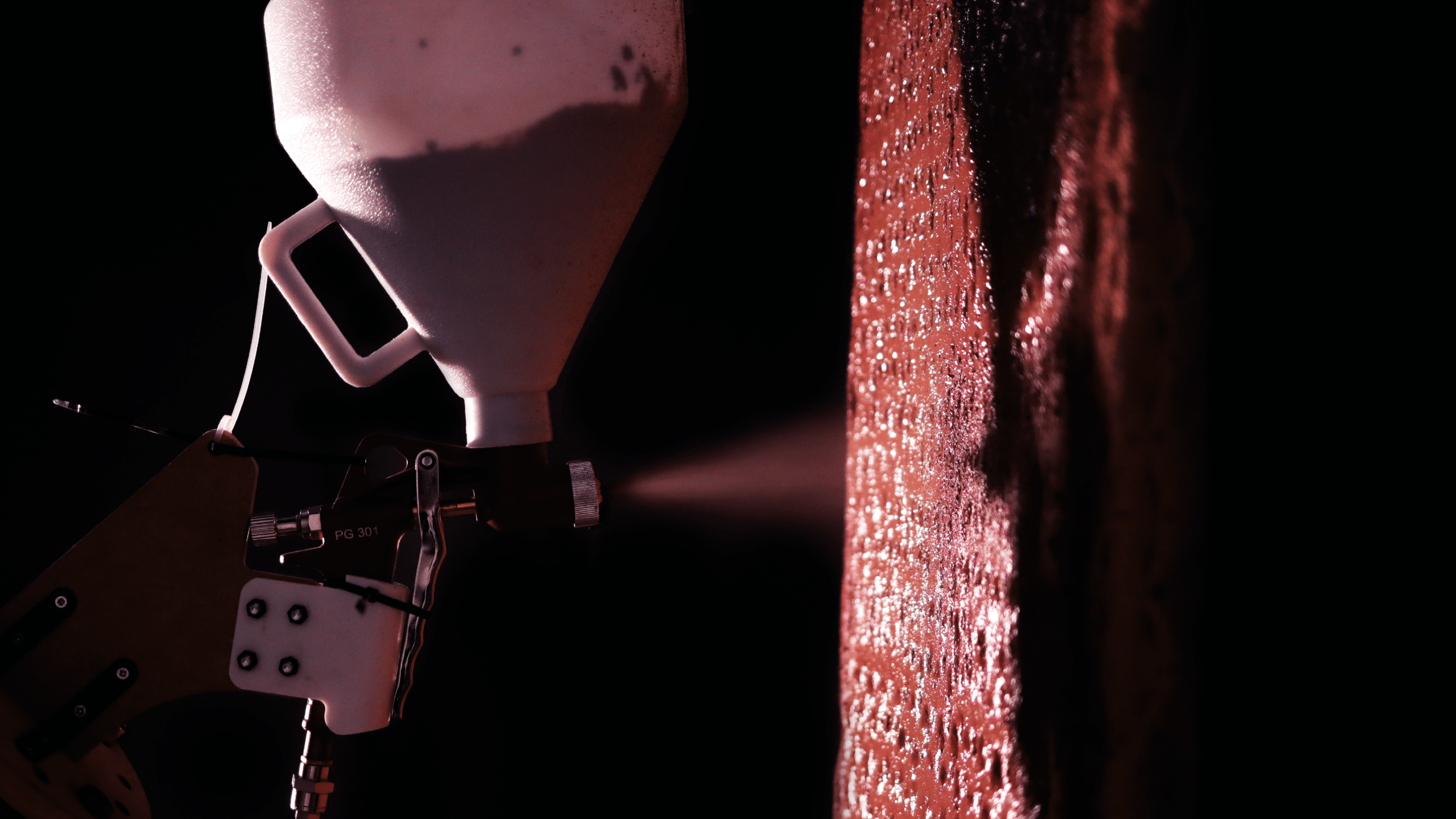
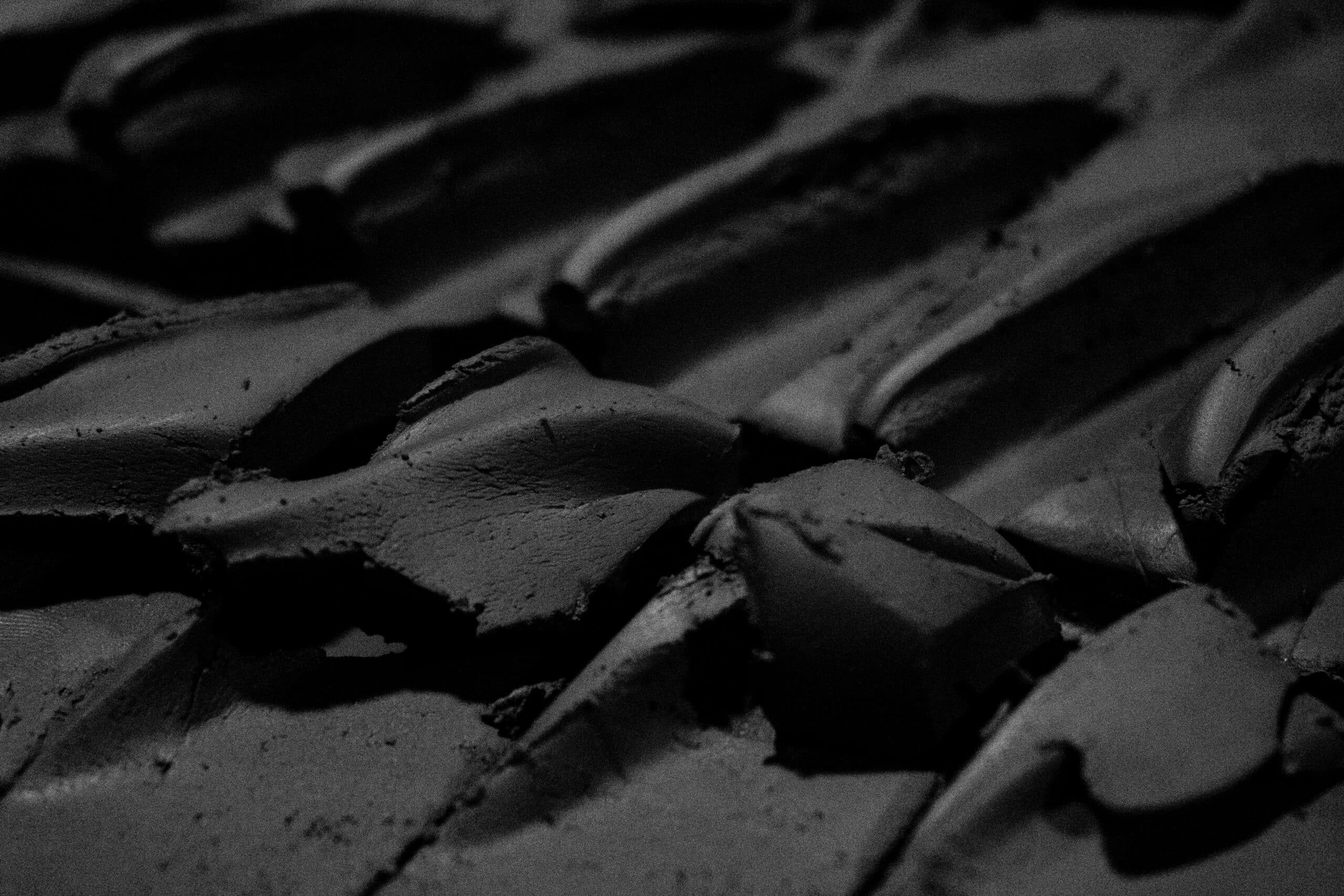
This work explores how clay can be used to introduce compression strength into flexible surfaces. By using robotics for controlled deposition, the process becomes parameterised, allowing a traditional material to be developed into a precise and predictable building system. Introduction This project proposes a system that transforms a flexible surface into a rigid, three-dimensional structure. … Read more

WeaveLamp Configurator: From Craft Logic to a Web-Based Parametric Tool

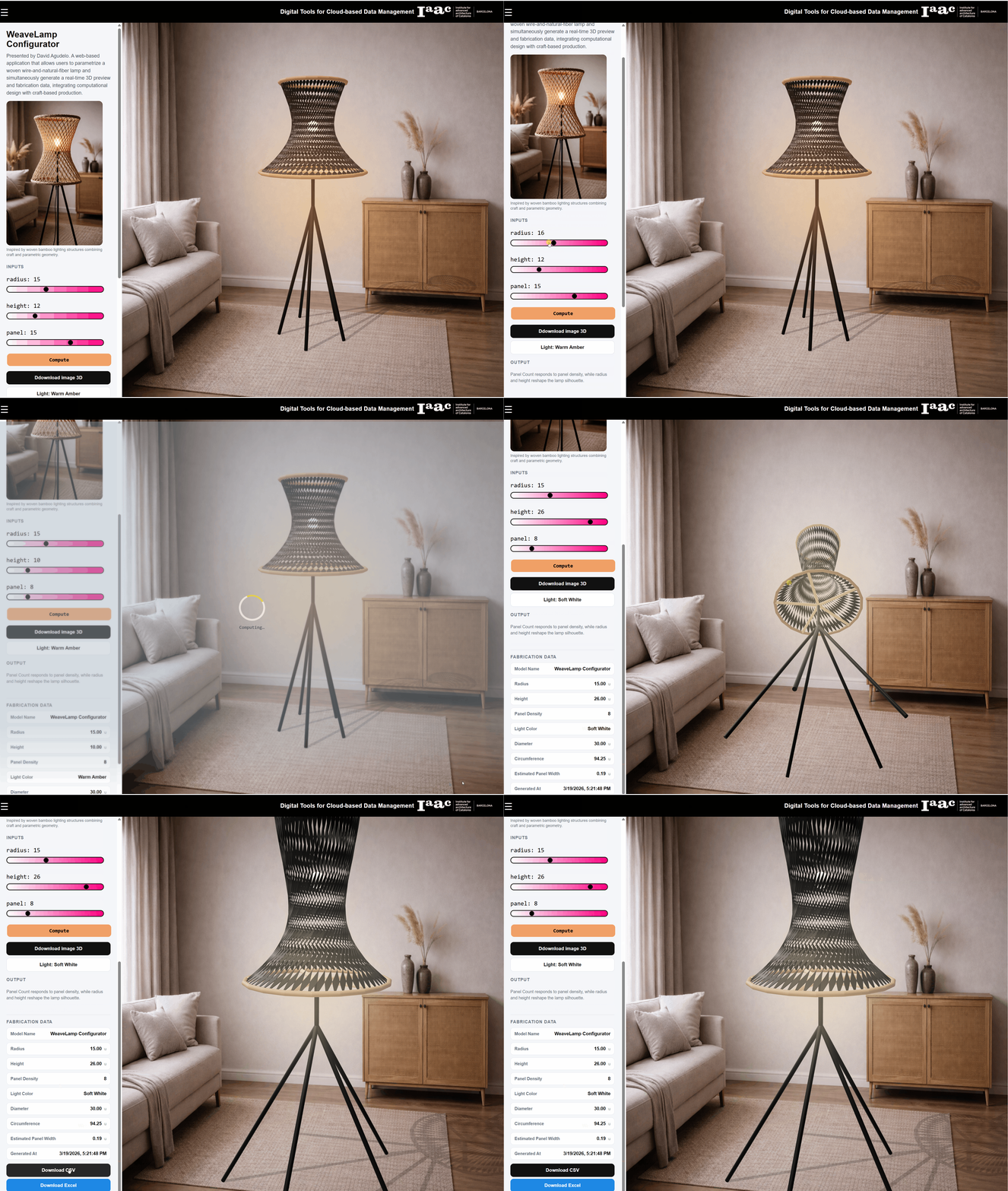
WeaveLamp Configurator WeaveLamp Configurator is a web-based application that brings a Grasshopper workflow into an accessible browser-based experience. The project explores how a craft-inspired lamp system can be translated into a clear digital tool for customization, spatial visualization, and fabrication-oriented output. Concept Origin The project started from a manual exploration of ring proportions, textile density, … Read more

Nyara House – Prototype 2026

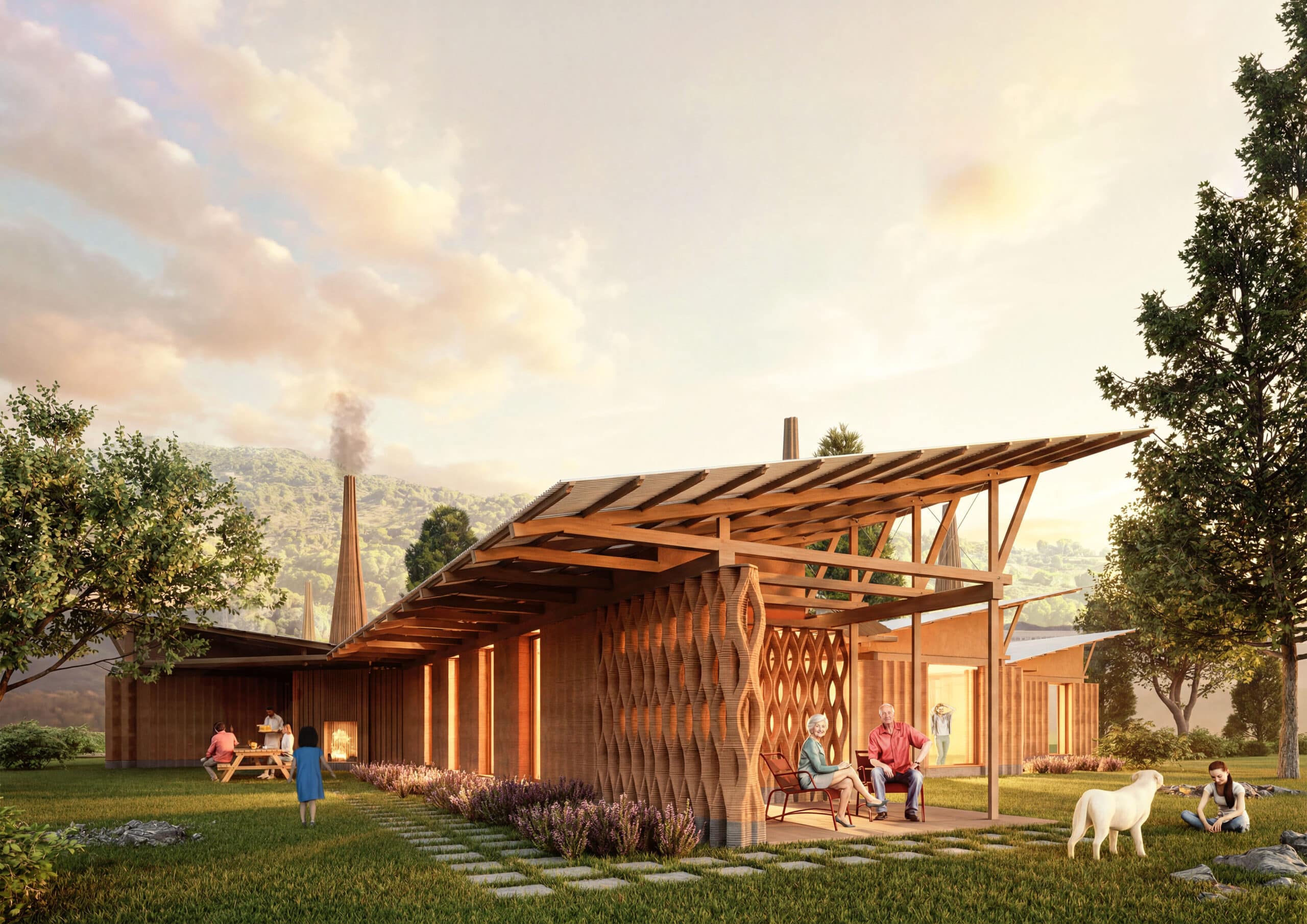
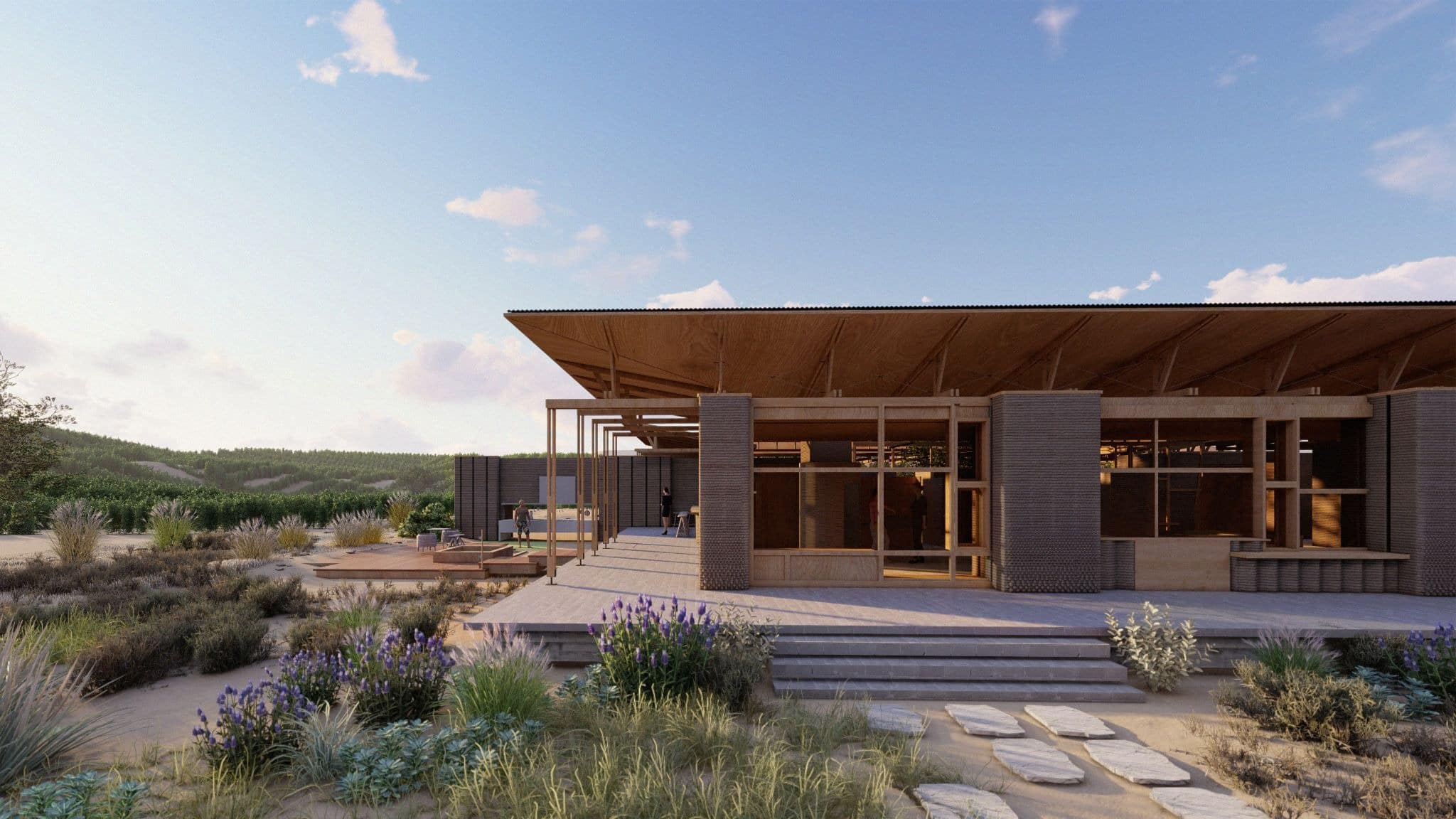
Case study of a 3D printed project Site Organization The site plan was developed to support a continuous and efficient design-to-production workflow, integrating material preparation, digital control, and on-site fabrication into a single coordinated system. The spatial organization follows a clear operational sequence, from raw material handling to final deposition, reducing unnecessary movement, interruptions, and … Read more

FLOW FORM

CONCEPT Double-Skin Façade STRATEGY TO CURVE CURVE ITERATIONS FINAL DESIGN THERMAL SIMULATIONS LOAD APPLICATIONS ROBOTIC FABRICATION Layer Height – 2.0 Clay thickness  – 10mm Pressure – 3.95 Nozzle Diameter – 6mm FINAL BLOCK FABRICATION FRAME ASSEMBLY  Final Assembly

Fa(ça)de

Fa(ça)de explores robotic clay fabrication as a method for producing expressive, materially efficient façade modules. Starting from a 2D patterned surface, the project develops a parametric workflow that transforms mesh-based geometries into 3D printed clay elements with controlled relief, wave amplitude, and module rotation. Through iterative prototyping, the design responds to fabrication limits such as … Read more

Inhabitable Walls

– Vision 2025/2026 3D printing is increasingly entering the construction industry, with many examples of printed houses and buildings already realised. Its appeal lies in clear advantages: automation, speed, reduced material use, and minimal waste, all of which lower construction costs. Beyond efficiency, however, 3D printing offers architects significant design freedom, enabling an architecture that … Read more

Bandy – House

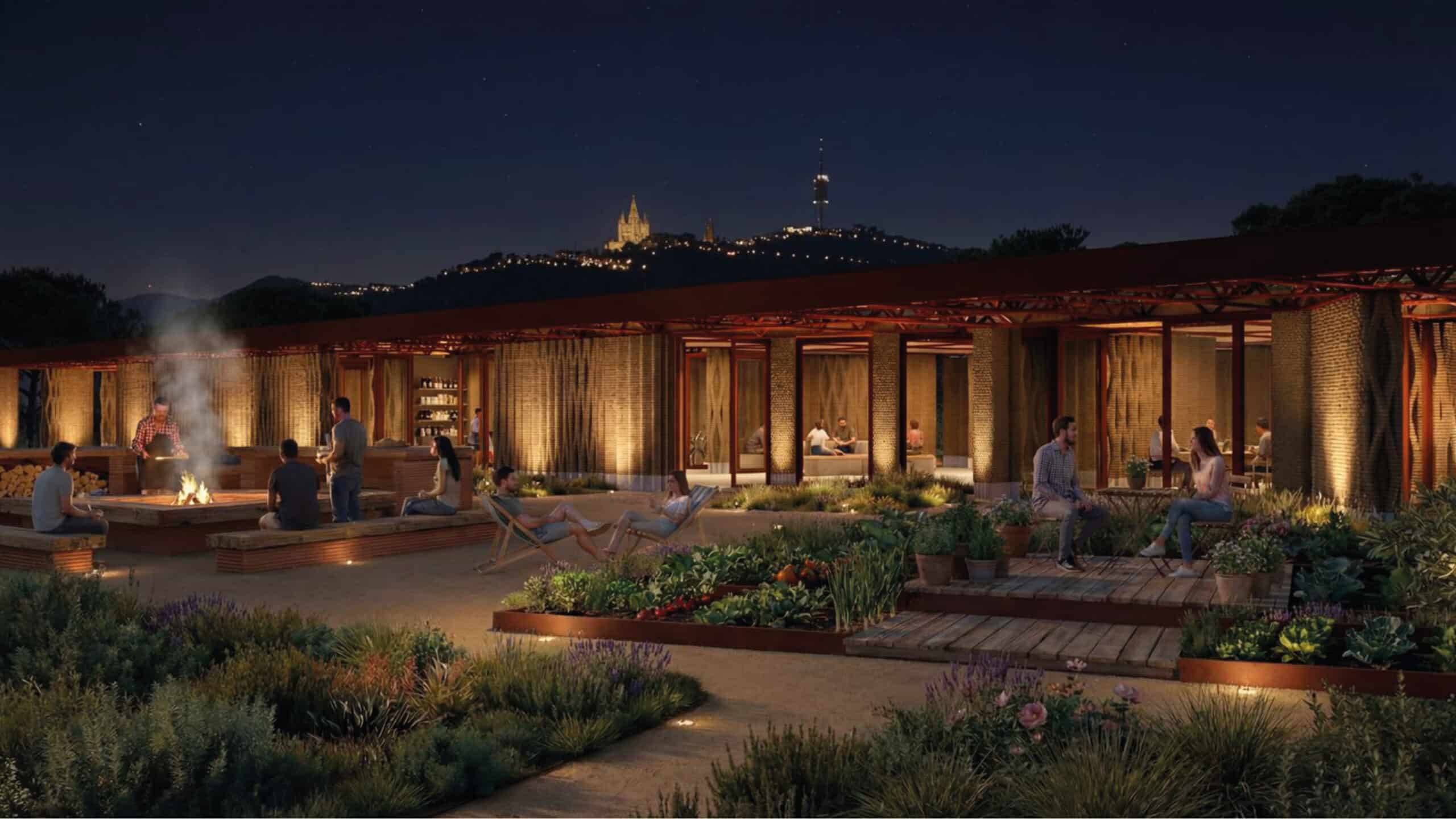
Rooted in earth, bound by flavor “This co-living brings together four user profiles whose needs and daily rhythms shape the architecture of the project. A married couple with a child requires stability, clear routines, and functional domestic spaces; a young couple with cats needs calm and flexible environments that support living with pets; a divorced … Read more

Anatomy of a Machine: Shape

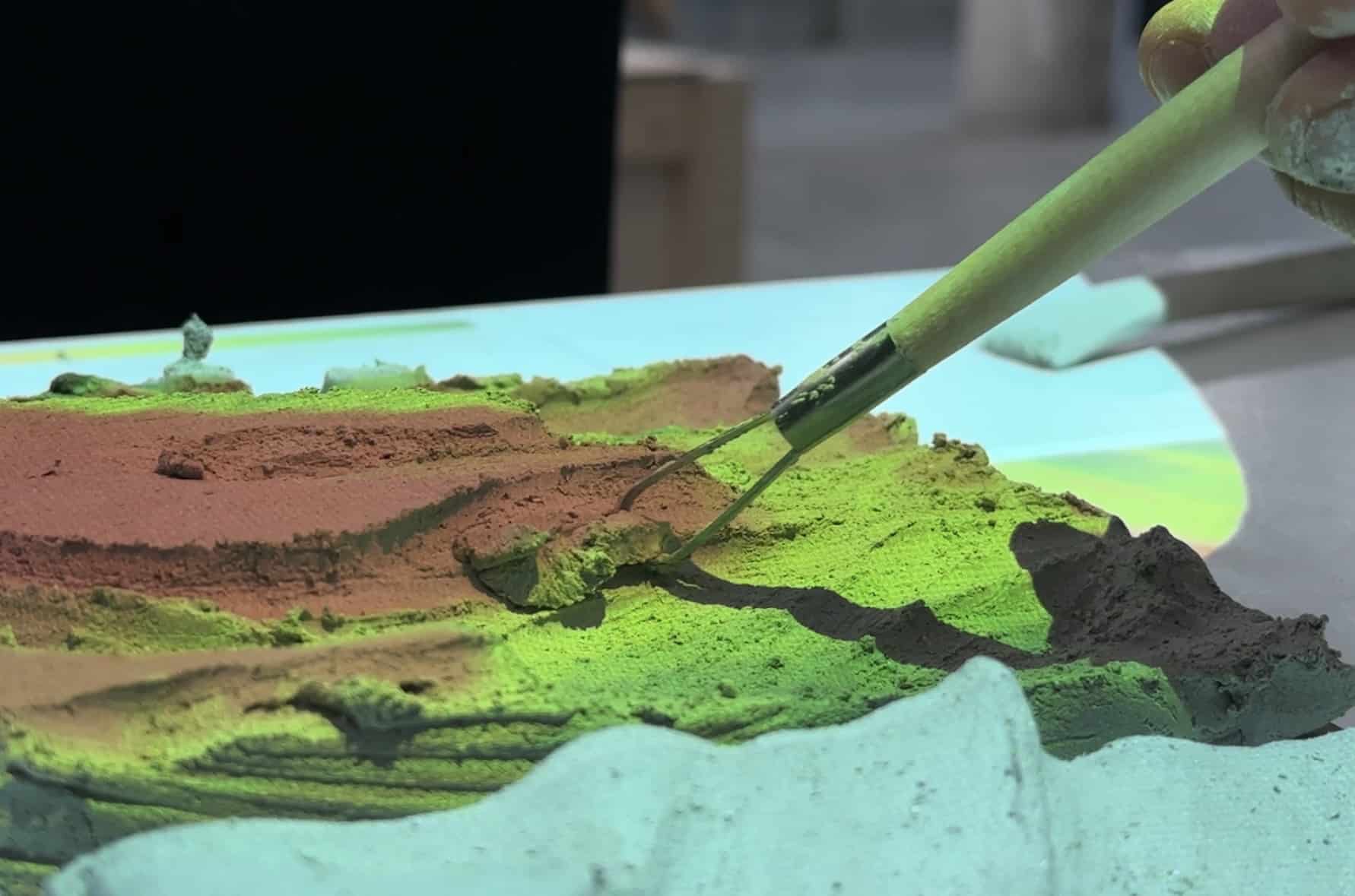
Context This exercise explores robotic fabrication processes through the direct manipulation of malleable materials. The assignment consisted of producing a 2.5D clay piece, measuring 40 × 40 cm with a maximum height of 5 cm, understood as a physical result of a robotically applied force on soft matter.Rather than designing a predefined form, the goal … Read more

Geomorphing Terrascape: Dignifying Informal Praxis at Chihuahua, México

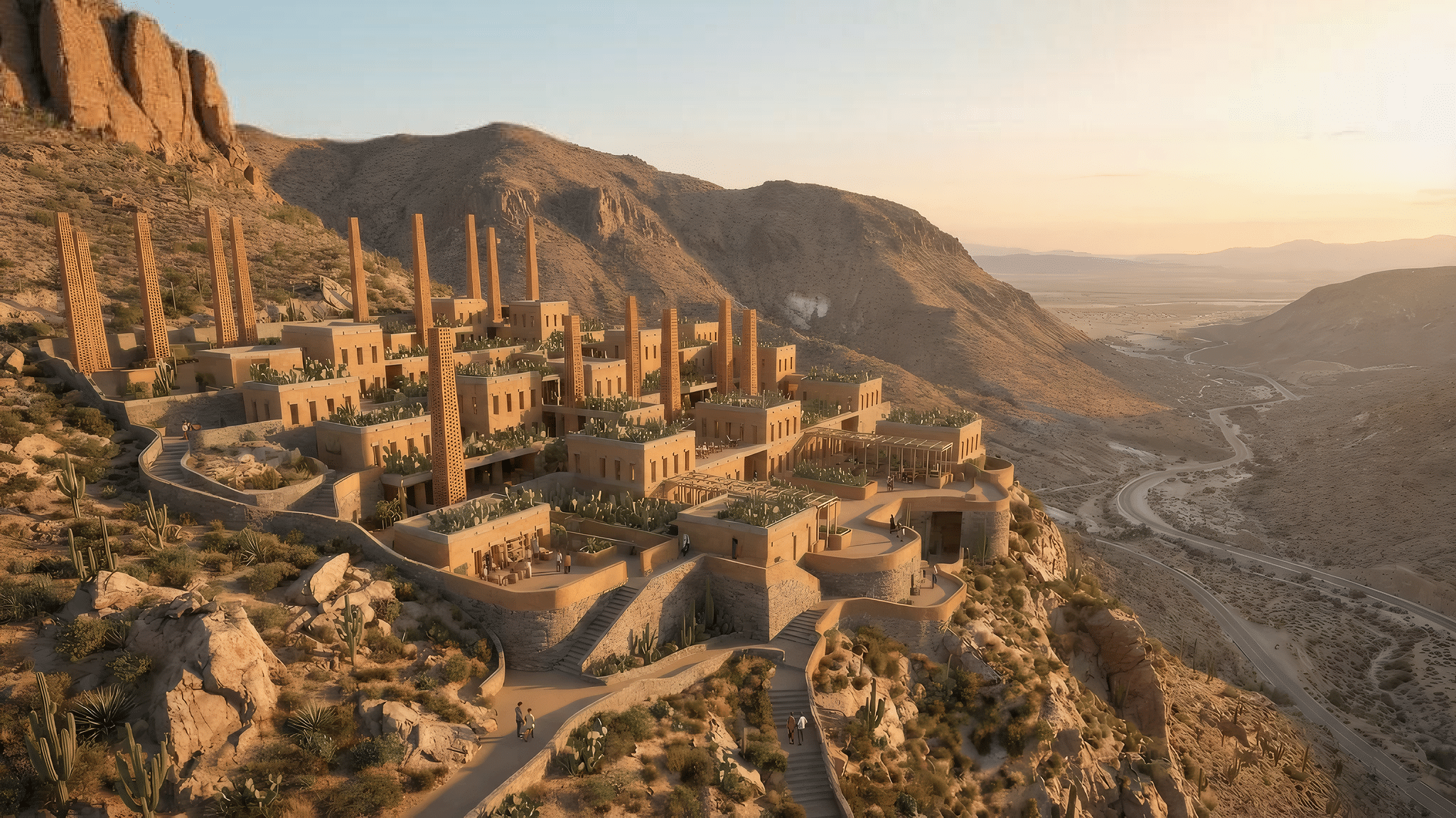
“Terrascape does not impose an external order; it encodes the survival logic of the Mexican informal ‘barrio’ to transform it into a dignified, resilient, and dynamic housing system.“ The Geometry of Necessity In the rugged topography of Chihuahua, Mexico, the “Barrio” is not just a residential zone; it is a morphological catalyst. It embodies a … Read more

Anatomy Anatomy of a Machine: Shape “Blobs & Lines”

Exploring Clay 3D Printing Through Viscosity, Speed, and Time For the Shape exercise within Anatomy of the Machine, we worked with clay as a material, specifically focusing on robotic 3D printing using clay extrusion. The objective was to understand how material behavior, robotic parameters, and geometry interact, and how form emerges from the machine–material relationship. … Read more

Earthen curtains

Inspirations The Earthen Curtains project is rooted in a deep reflection on vernacular architecture and passive sustainability. The primary formal and conceptual inspiration is derived from the work of Hassan Fathy and the tradition of the Nubian Vaults. This architectural heritage, celebrated for the use of local materials (raw earth) and intrinsic climatic strategies, is … Read more

THE MANUFACTURED VERNACULAR 

Image of comparison between a vernacular structure and a modern structure

Turning time-tested vernacular intelligence into scalable, multi-hazard self sufficient building INTRODUCTION See this image above? yes, its comparison between two structures that survived a 6.8 rector scale earthquake in year 2005. The ironic part is , that these vernacular structures hold the carbon friendly intelligence responding towards climate adaptation and structural resistance against earthquakes, yet … Read more

Feasibility and cost estimations in digital fabrication

Building on our previous analysis of a large clay-printed geometric form, this study evaluates the feasibility of its digital-fabrication workflow. Through modular breakdown, material and time estimation, non-planar slicing analysis, and production-logistics modeling, we assess whether the system can be manufactured efficiently and economically. The process concludes with the development of a complete production plan … Read more

Digital Fabrication Library

In today’s architectural landscape, digital fabrication has significantly expanded the way we design and construct building elements—offering unprecedented accuracy, efficiency, and formal freedom. Techniques such as laser cutting, CNC milling, 3D printing, and robotic manufacturing each bring distinct advantages in terms of material behavior, geometric complexity, and performance potential. RE:CELL Concept The Re:Cell is a … Read more