BANANA MATTERS

Abstract Banana Matters transforms discarded banana pseudostem biomass into carbon-sequestering architectural panels through material research, bio-based binders, and digital fabrication. The project addresses the untapped potential of nearly 525 million tonnes of annual banana waste by developing lightweight, low-carbon composites with acoustic and structural applications. Through iterative material experimentation, heat-press manufacturing, and mechanical and physical … Read more

Hardware III: Drift

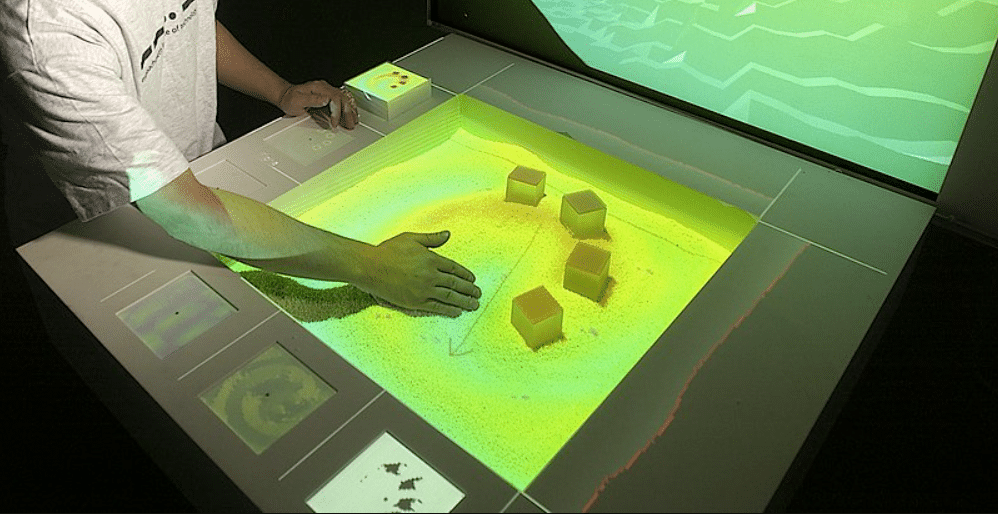
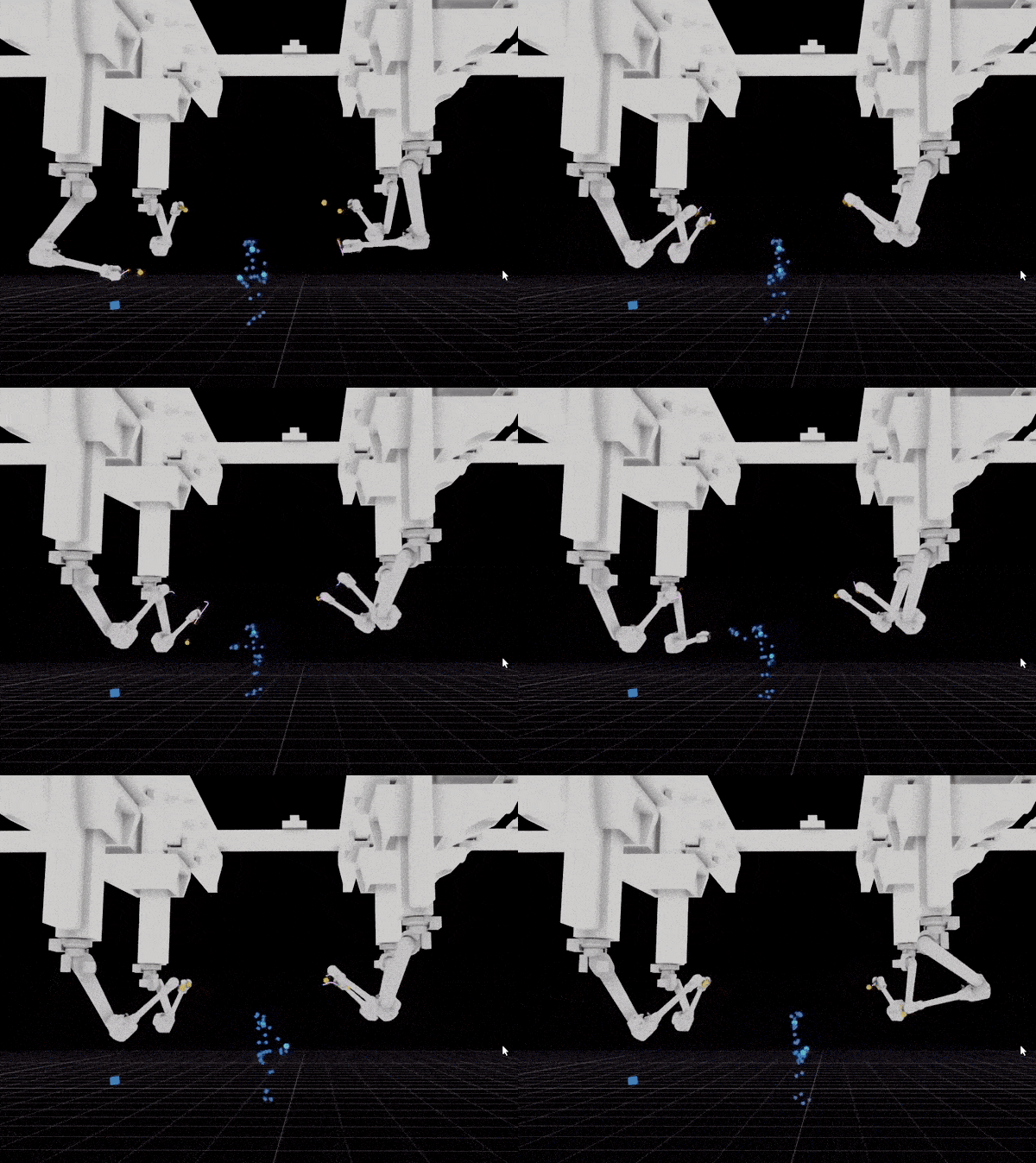
Human-in-the-Loop: Interactive Systems Faculty: Hamid Peiro + Aleksandra Kraeva Hardware III is a cross-discipline project led by Hamid Peiro and Aleksandra Kraeva (Sasha); between MRAC and MAAI to explore the possibilities of interactive design within and around the boundaries of the worlds of robotics and AI. The project aims to better understand how the human … Read more

NEURO-ADAPTIVE INTERFACE

Neuro Daptive Interface

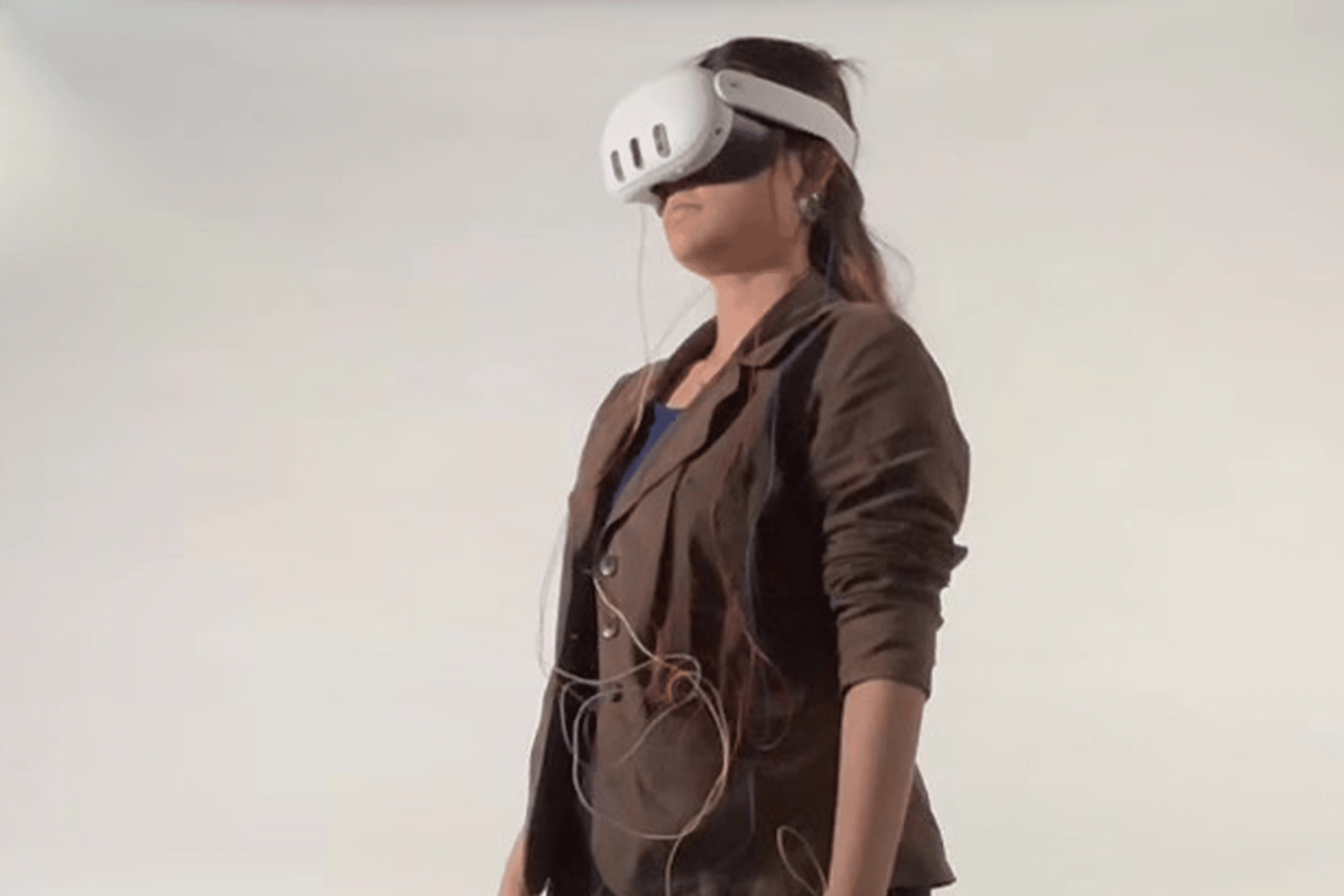
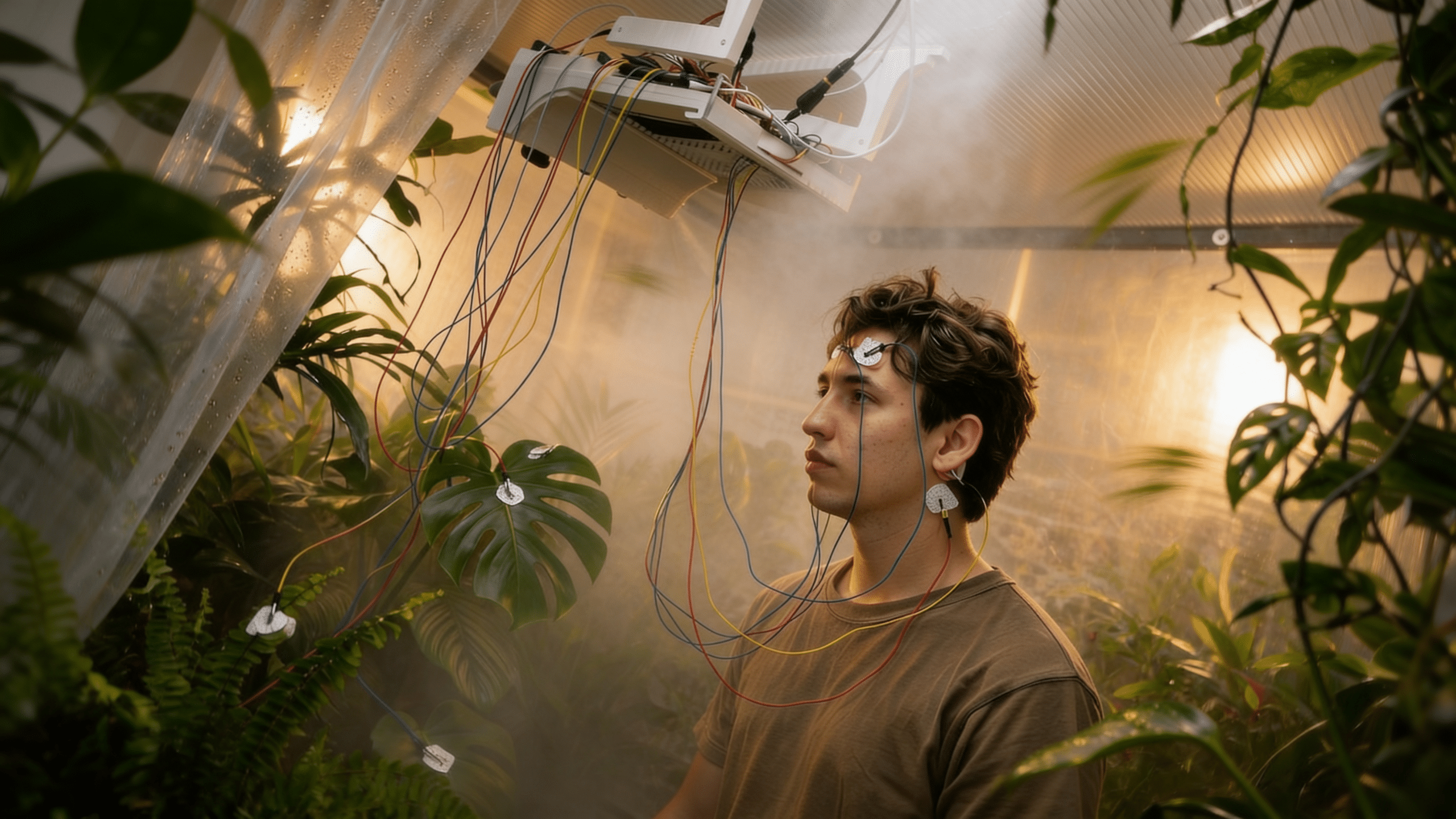
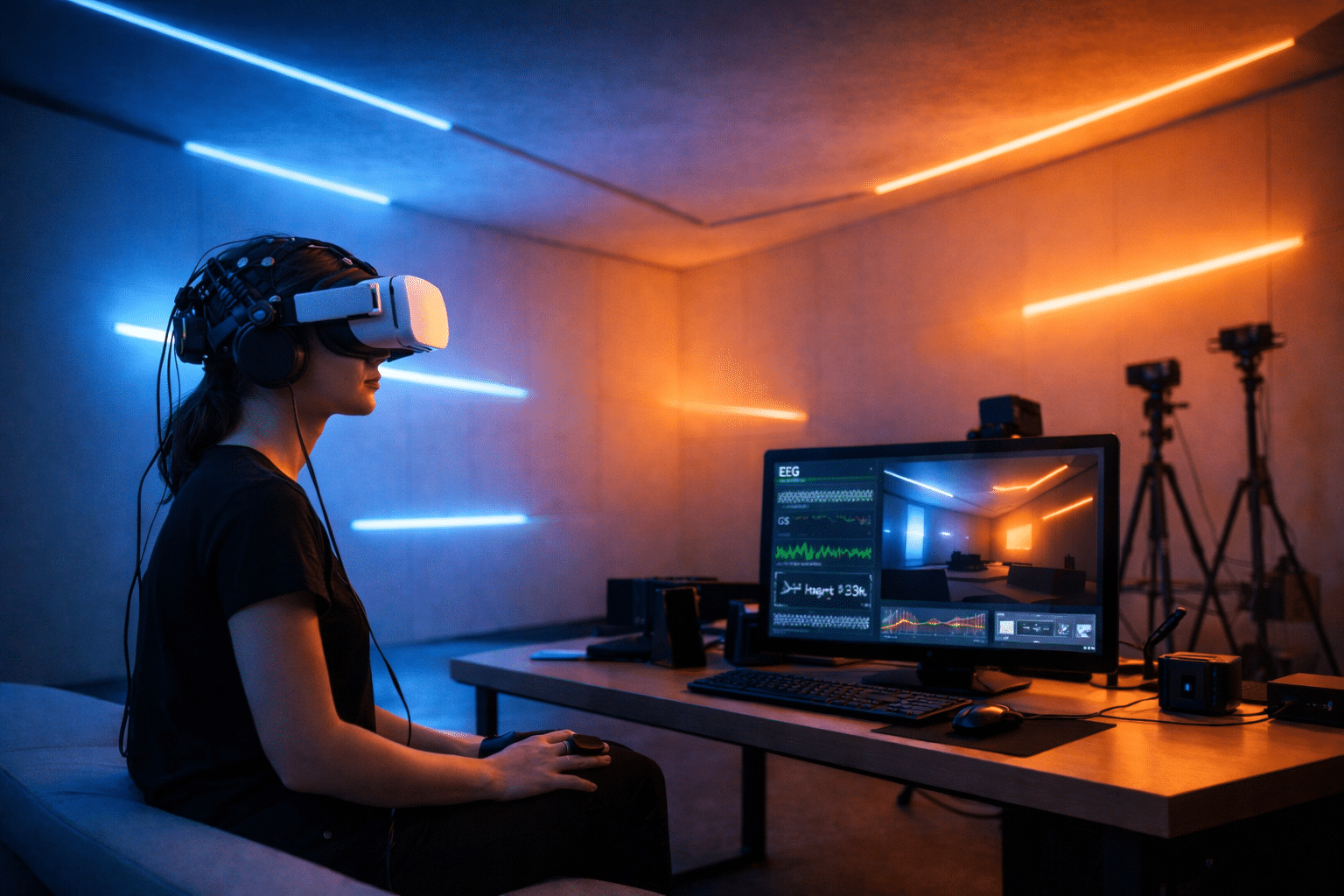
This thesis explores how biosignals can transform artificial light into an adaptive architectural interface. While light strongly affects human emotions, cognition, and well-being, most lighting systems still rely on manual control and cannot respond to users in real time. The research investigates how EEG, ECG, and GSR data can be used to create dynamic lighting … Read more

NEURON – Workshop 3.1

HRC

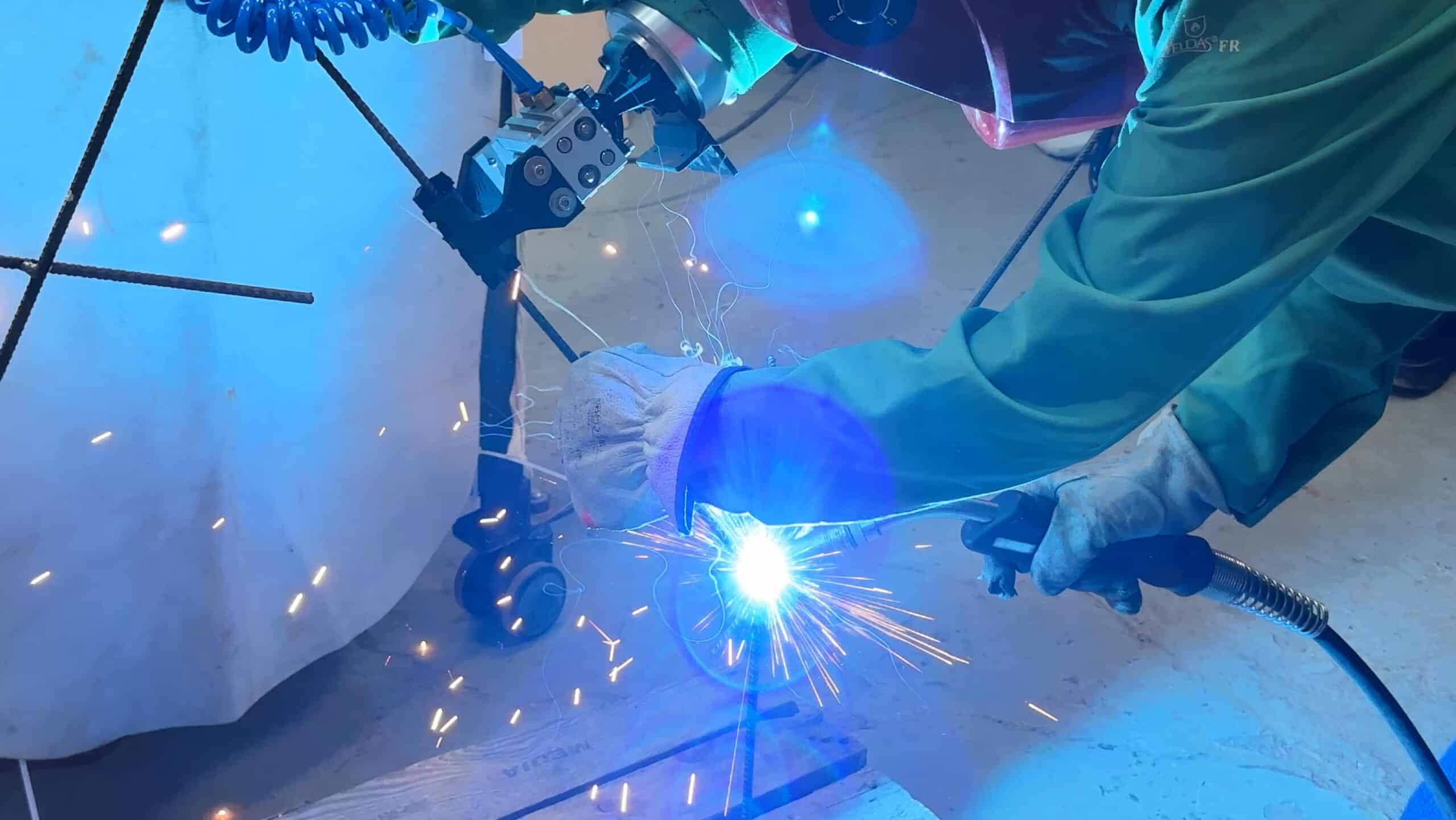
Neuron is a project developed during the IAAC MRAC 3.1 Welding Workshop that explores human–robot collaboration in the assembly of space-frame structures. The project focuses on the interaction between a Universal Robots UR10e robotic arm and a human welder, working together to assemble pre-cut steel bars through a continuous exchange between robotic precision and human … Read more

The Illusion of Life: A conversation with Madeline Gannon

Rethinking Robotics Through Experience Reflections on a lecture by Madeline Gannon Introduction “Somehow, someway, I have built a career out of misusing technology.” Madeline Gannon has spent over a decade working at the intersection of industrial robotics, art, and human interaction. This text presents a thematic synthesis of her lecture for the MRAC, followed by … Read more

WORKSHOP 2.2_Disassembly & Reassembly

Robotic Disassembly& Reassembly with Spatial AI In this blog post, we’re presenting the project developed during IAAC 2026 Workshop 2.2 in collaboration with the Augmented Fabrication Lab. Our focus was to step beyond purely digital design and engage directly with physical processes, using robotic systems and sensor-based feedback. Through hands-on experimentation with robotic fabrication and … Read more

Software -II- Brick-Scan

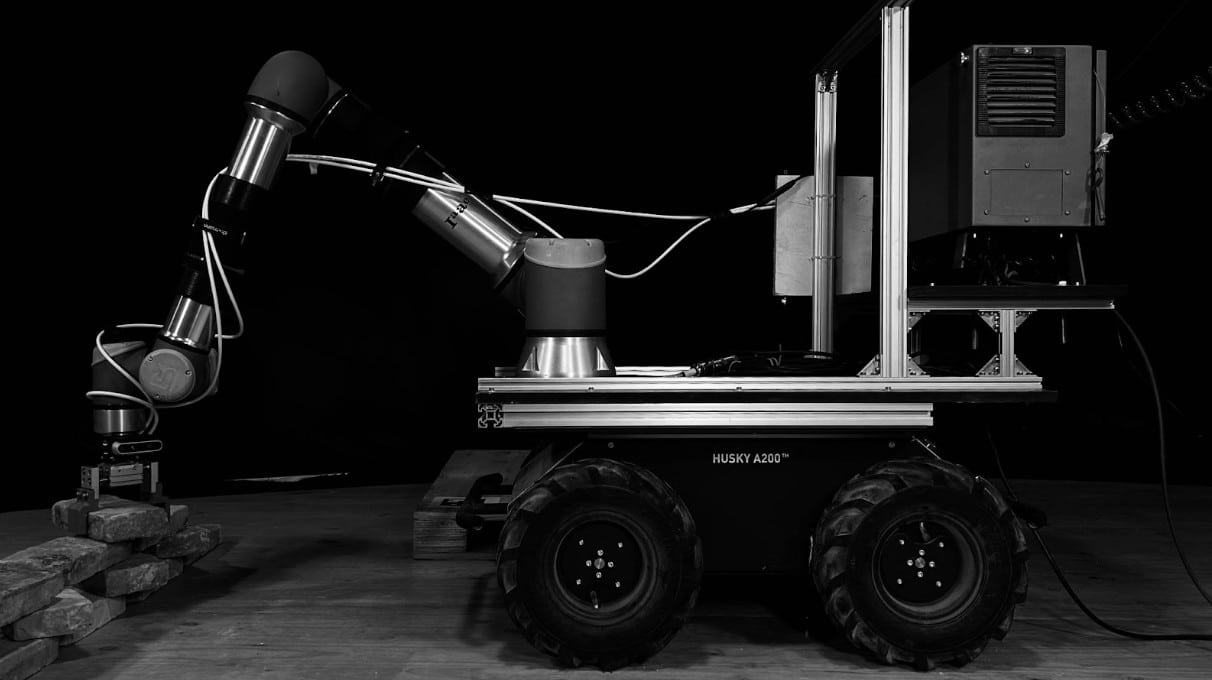
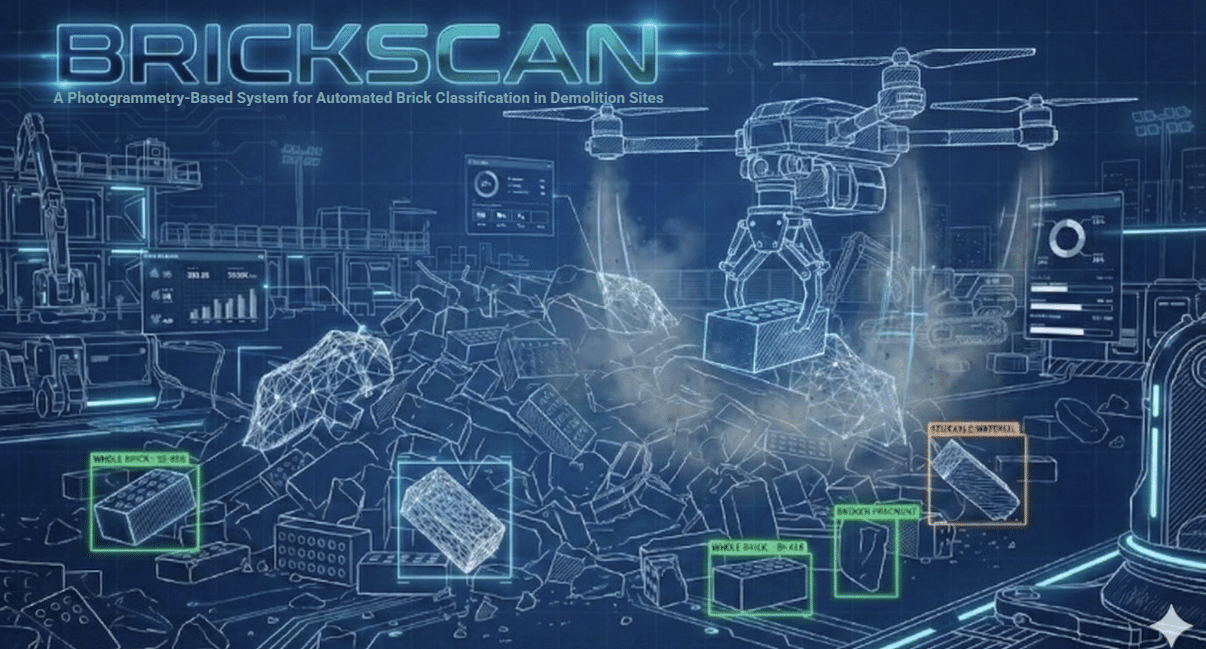
This article presents a project exploring how collected data can be processed and translated into automated classification and robotic decision-making logic. The core concept revolves around studying the physical condition and spatial arrangement of reclaimed construction material, extracting geometry-based and surface-level information to generate a data-driven sorting and retrieval workflow. By combining artificial intelligence with … Read more

Applied Computer Vision & Robotics with AI for Architecture andInteractive Systems

Hardware 2 cover image

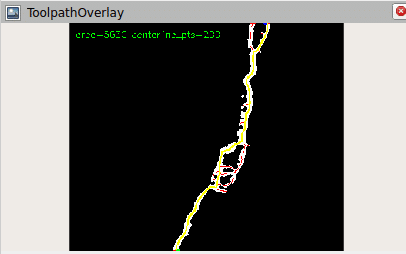
RE:PAIR –Perception-Driven Closed-Loop Robotic Repair Faculty: Hamid Peiro and Aleksandra Kraeva (Sasha) Mission Statement: RE:PAIR is a perception-driven, decision-visible closed-loop robotic system that detects cracks, repairs them using robotic 3D printing, and autonomously verifies the result. 1) Crack detection 2) Segmentation and Masking 3) Centreline and points First we outlayed the workflow of the project. … Read more

Optimizing For The Mind: Integrating Generative AI and Game Engines into BIM

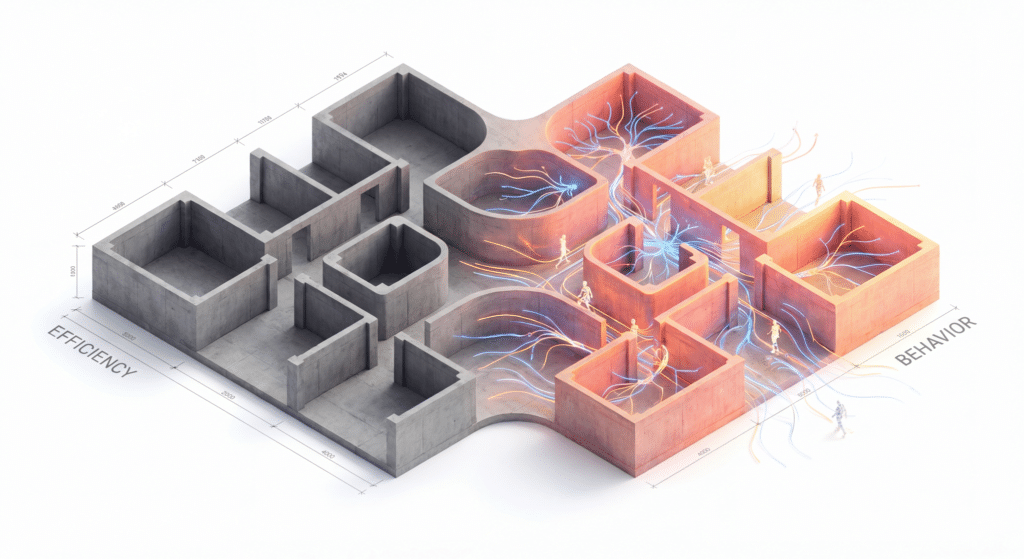
How architectural neuroimmunology is redefining the relationship between design and human health. The AEC industry optimizes for physical efficiency but neglects the neuro-physiological impact of built environments. This research investigates how Generative AI and Game Engine simulations, integrated into BIM workflows, can enable predictive cognitive performance analysis, transitioning the discipline from Building Information Modeling to … Read more

Smelling The Caterpillars

Thaumetopoea pityocampa During a field walk conducted on the slopes of Turó de Roquetes, a notably high population density of Thaumetopoea pityocampa (pine processionary moth) caterpillars was observed. Within a short observation period, a total of 85 individual records were documented, with the population appearing to increase progressively throughout the survey. Situated between the densely … Read more

ADAPTIVE ATMOSPHERE LAB

Adaptive Atmosphere Lab

This project explores how light can respond to human emotions through biosignals. The main goal is to design an adaptive architectural space where lighting changes according to the user’s physiological data, such as EEG, ECG, and GSR. Instead of using light only for visibility, this research treats light as an empathic interface between the human … Read more

Workshop 2.1 – Flip Bottle Challenge

This project was developed within the framework of MRAC Workshop 2.1: Team Collaborative Workflow and Modular System Development. The workshop focuses on learning, internalizing, and applying collaborative software development practices using Git and GitHub through the development of a modular robotic system. In this context, the group was tasked with designing and implementing a robotic … Read more