Project Michigan

Using climate clustering, vernacular precedent research, and evolutionary optimisation to create climate-responsive design typologies when no established local precedent exists Overview Lovingly named after the very first test location, Project Michigan is a tool that provides climate-responsive design guidelines when no local vernacular precedent exists. Through scraping climate data and global vernacular information, it helps … Read more

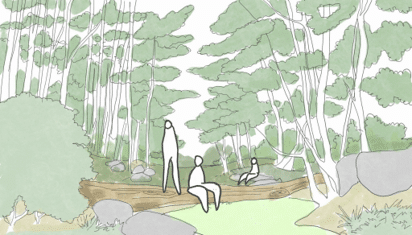
Natural Lab Inside the City of Barcelona: Local Habitat with Native Planting

Design for More Than Humans Seminar | IAAC Understanding Local Habitats, Native and Exotic Species What is a Local Habitat? “A place where plants or animals normally live, characterized primarily by its physical features such as topography, plant or animal , soil characteristics, climate, water quality etc and secondarily by the species of plants and … Read more

Timber Reuse Stacking Typologies

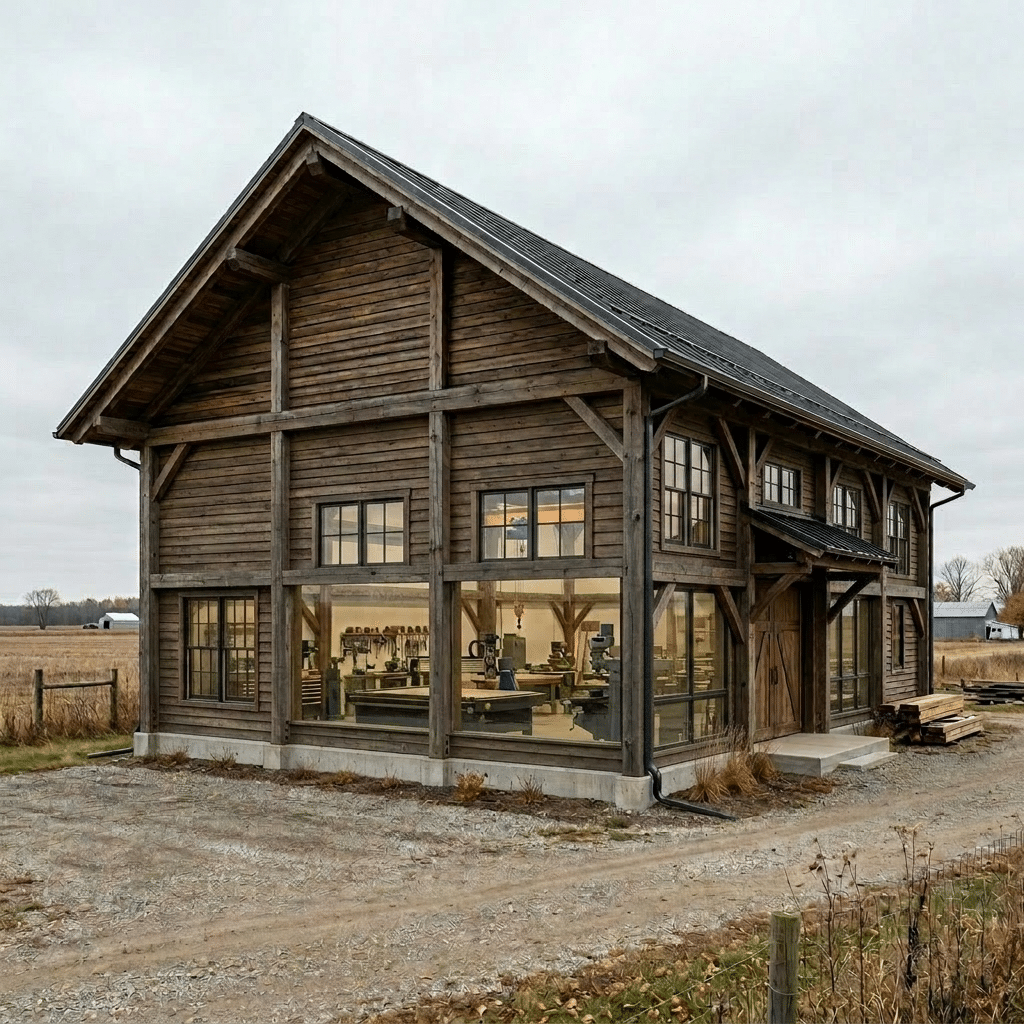
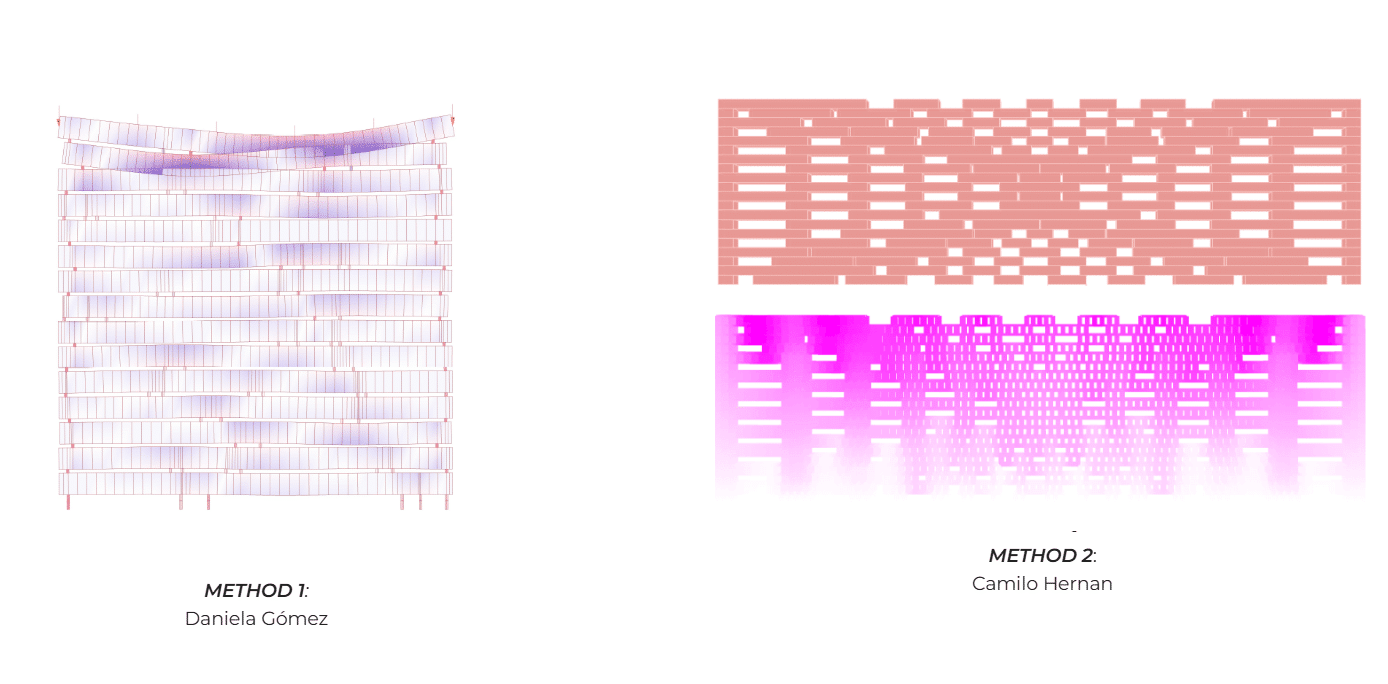
Using AI scripting in grasshopper to create and analyse reused timber stacked systems Two methods of creating panels made from an existing stocklist of reclaimed Timber using AI scripting integrated into Grasshopper. The first method explores the simple end to end stacking, by taking a random piece from the stock and placing it in a … Read more

F.lok

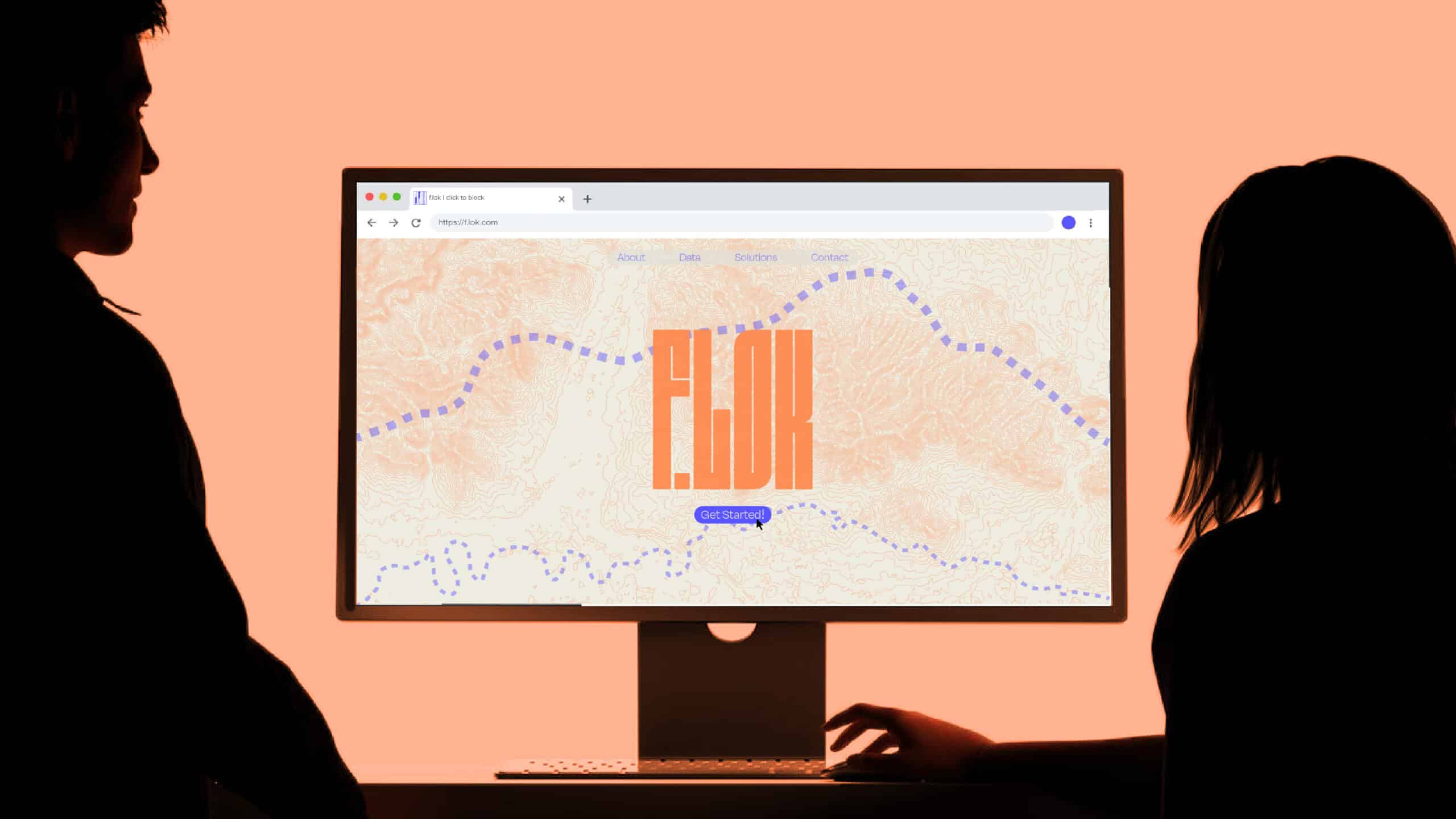
…digitizing terrain to understand runoff & delivering local NBS solutions… …there are 3 types of floods… …the mountains affect runoff… GREEN CITIES AROUND THE WORLD NBS (Nature Based Solution) Bank …Prototyping Phase… …understanding the prototype… THE PROTOTYPE

Between Ritual and River

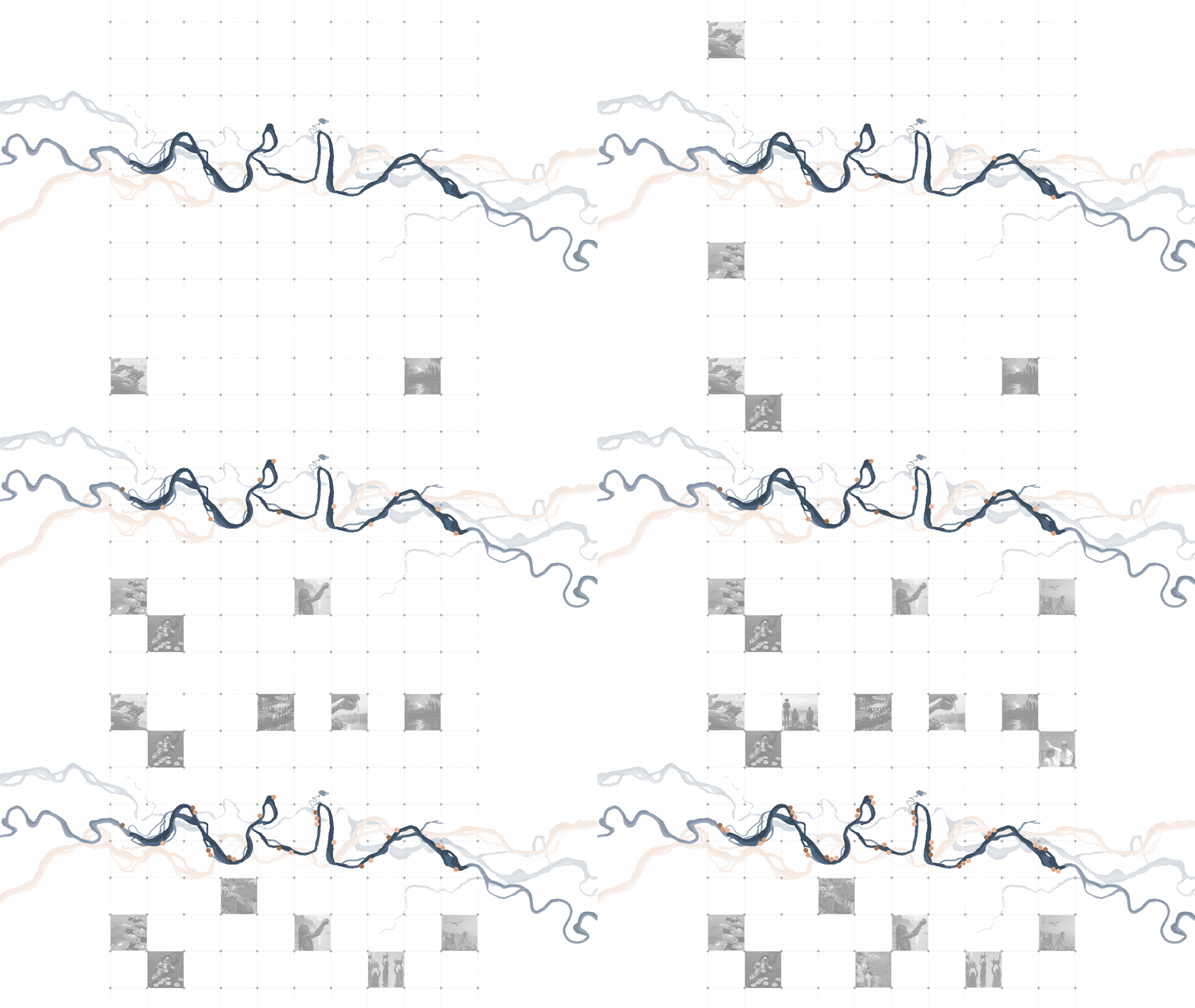
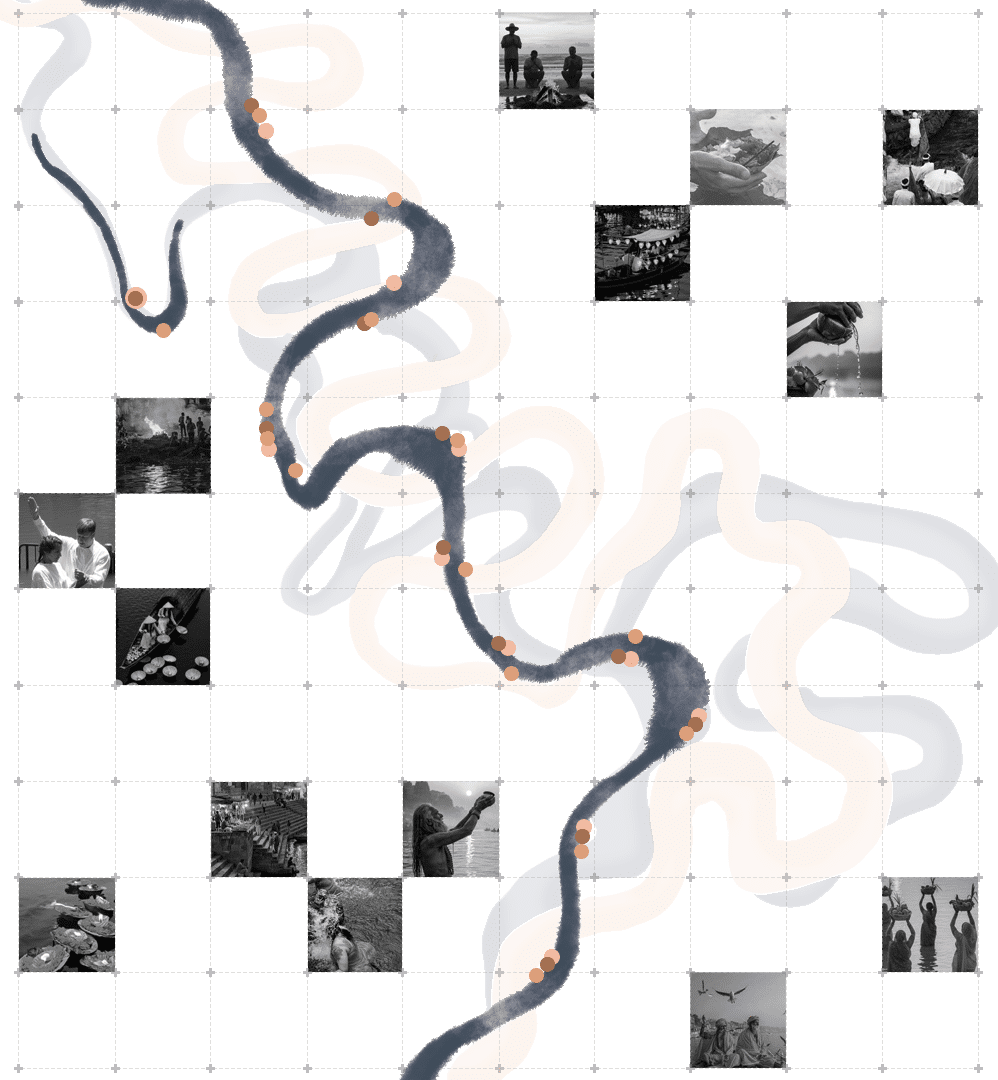
Ecological Renewal of Ghats Statement “While industrial and sewage pollution receive significant attention in river conservation efforts. Ritual pollution stemming from religious and cultural practices remains largely unaddressed due to its sensitive nature. But it contributes substantially to river degradation and requires culturally respectful solutions.” Sacred Sites Across every continent and culture, rivers have never … Read more

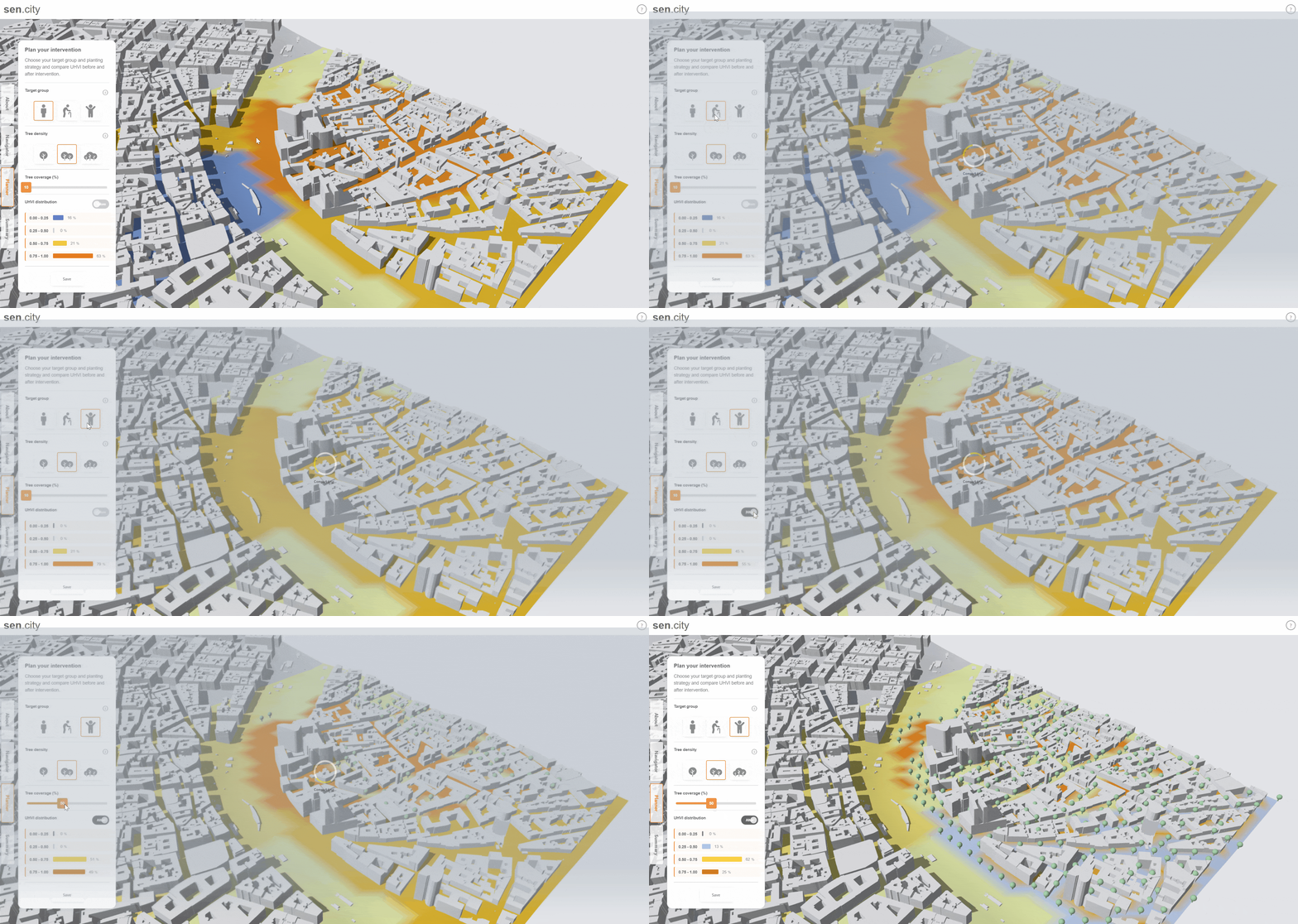
sen.city – Sense urban heat and plant cooler futures for everyone

Cities are warming rapidly, and dense urban centers feel it the most — especially areas with little shade or vegetation. Heat doesn’t affect everyone equally: groups like the elderly, youth, and people with health conditions are far more vulnerable. Problem Statement Most existing tools focus on UTCI, the Universal Thermal Climate Index. It measures how … Read more

Community Connections

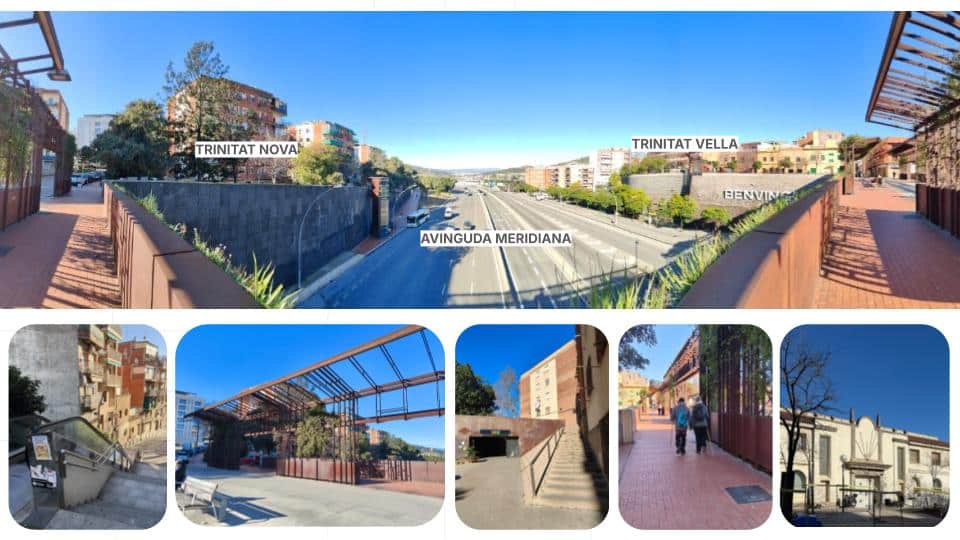
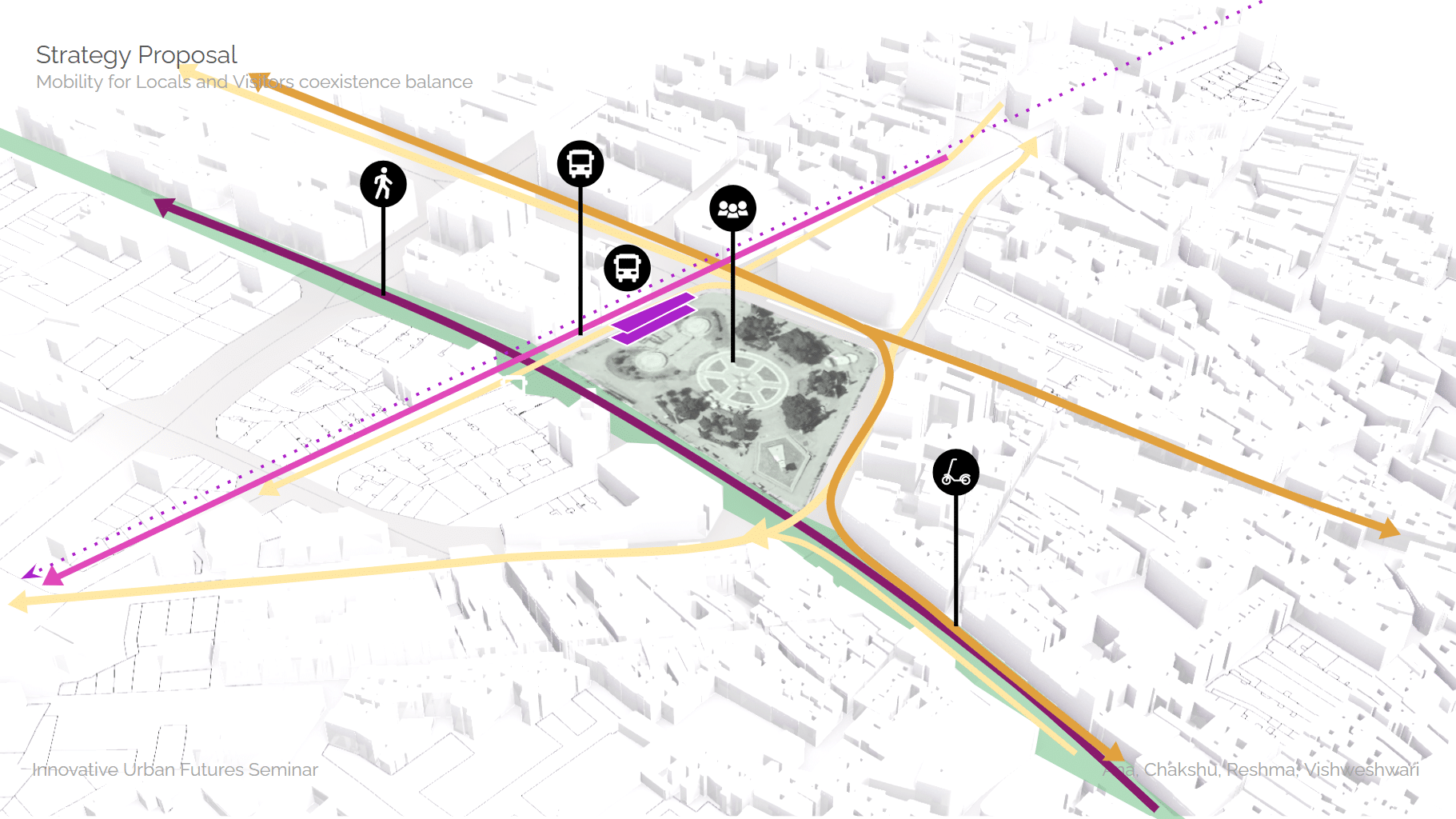
Trinitat Nova and Trinitat Vella Scavenger Hunt   Moving between the neighborhoods of Trinitat Nova and Trinitat Vella in Barcelona, and reaching natural landscapes nearby, like the Collserola hillside or the Besòs River, can already feel a bit like a scavenger hunt. Large highway infrastructures carve through the area, creating barriers that make simple trips … Read more

Lifecycle of a Landslide

THE GREAT HIMALAYAN TERRAINKinnaur lies in the Middle to Higher Himalayas, one of India’s most landslide-prone regions, while also functioning as a critical ecological transition zone between temperate, sub-alpine, and cold desert ecosystems. The Sutlej valley acts as both a human infrastructure corridor and a biological movement corridor.         News reports show … Read more

Inhabiting the Edge

A Model for Connected Stewardship Context The Montseny landscape is shaped by terraced slopes, a system that historically functioned as both agricultural infrastructure and ecological stabilization. These terraces were carefully constructed to retain soil, slow water, and create productive microclimates along steep terrain. Stone walls regulate moisture. Layered planting stabilizes slopes. In this system, humans … Read more

Make the Vulnerable, Less Vulnerable

Brazil Vulnerability Cartography Brazil, a vast and vibrant country, is renowned for its breathtaking landscapes from rolling highlands to expansive savannas. It’s known for iconic beaches and bustling urban centers where a dynamic blend of cultures and ethnicities come together. Its cities hum with energy, music, and art. Together, these diverse landscapes and rich social … Read more

Beyond Efficiency

The Purpose of AI in the Age of Resource Scarcity Introduction: Redefining the Question The question “What is the purpose of AI in AEC?” often elicits a predictable response focused on speed. For years the industry has viewed Artificial Intelligence primarily as a mechanism for automation. It is seen as a faster way to produce … Read more

THE HARBIN CODE

“The Harbin Code“, designed by Muhammed Senin and Sushmitha Ravi, explores housing as a system-driven response to extreme cold climates. The project treats environmental performance, social interaction, and spatial flexibility as equally important design parameters, and is structured as a ‘building recipe’ that allows repeatable yet adaptable outcomes across the site. BUILDING RECIEP DESIGN STRATEGY … Read more

The Can Ricart Regeneration Project

Design Ethos This project seeks to explore how issues of stagnation and obsolescence can be tackled whilst still enabling socio-economic and technological developments of our urban spaces. It will explore how they can be applied within architecture to evaluate how we can more effectively address issues of erasure whilst still permitting modern interventions and advancements … Read more

Revitalizing the Tsukiji Fish Market: An Environmental Analysis of Tokyo

Introduction Group Async A, comprised of Charles Abi Chahine, Emilie El Chidiac, María Sánchez, and Lakzhmy Zaro, conducted an environmental analysis of a redevelopment project in Tokyo, Japan. We focused on a 19-hectare plot that was historically the site of the Tsukiji fish market. The Challenge of Dressing for TokyoAnyone who has visited Tokyo’s famous … Read more

Flap-alona – butterflies, pollinators and Barcelona’s gardens

Pollinators, bees, butterflies, moths, bumblebees, quietly keep our ecosystems alive. They enable flowering plants to reproduce, sustain wild biodiversity, and support much of our food supply. Yet many of these species are in decline worldwide, threatened by habitat loss, chemical use, urban sprawl and climate change. In cities like Barcelona, where green spaces, gardens, parks … Read more