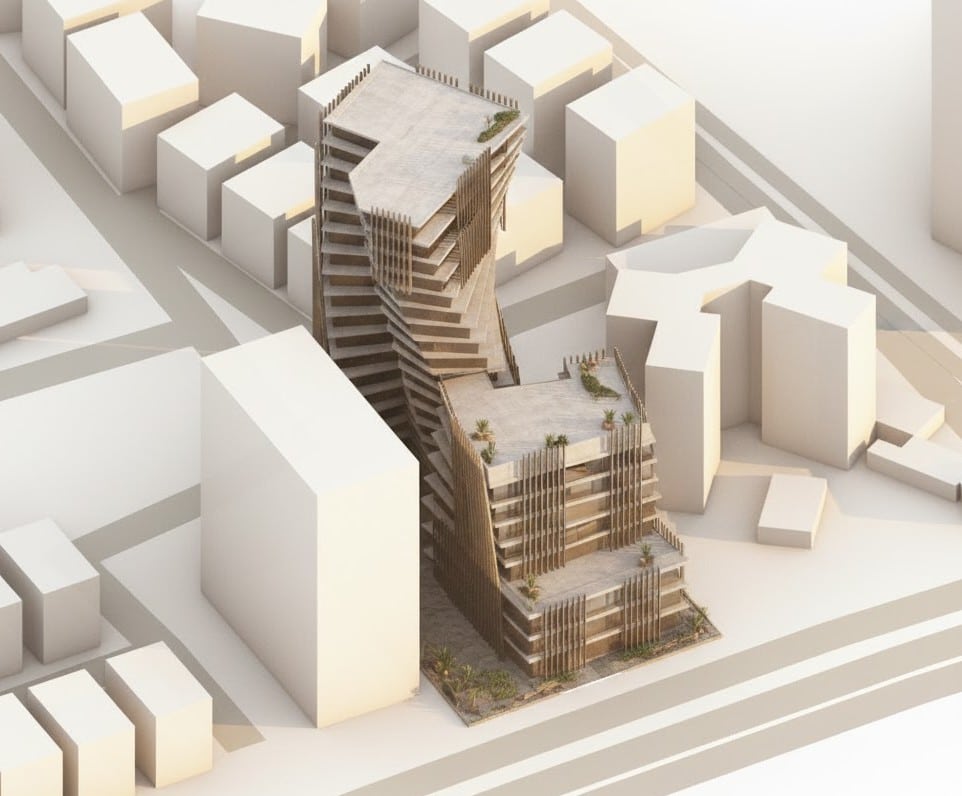
Poblenou as Lived Space

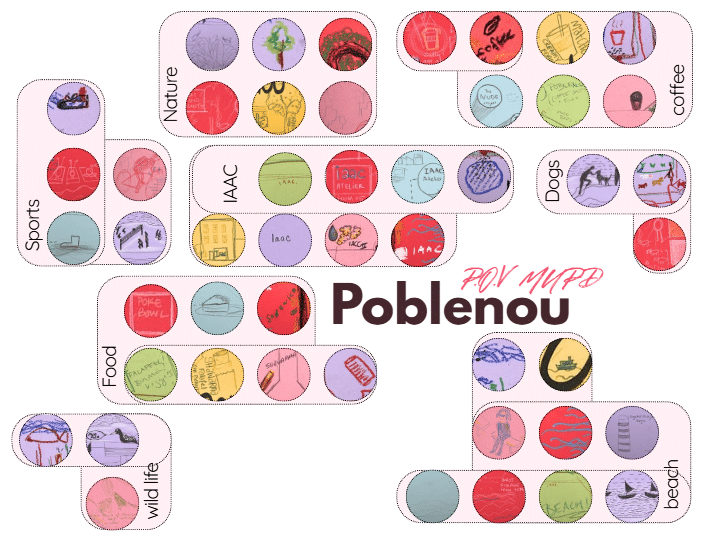
Cities are often described in terms of movement. We often tend to move through them in familiar loops – leaving home to catch the metro, commuting to work, coming back in the evening, running errands, going to appointments. Over time, these repeated paths shape how we think about urban space and can seem to define … Read more
Inhabitable Walls

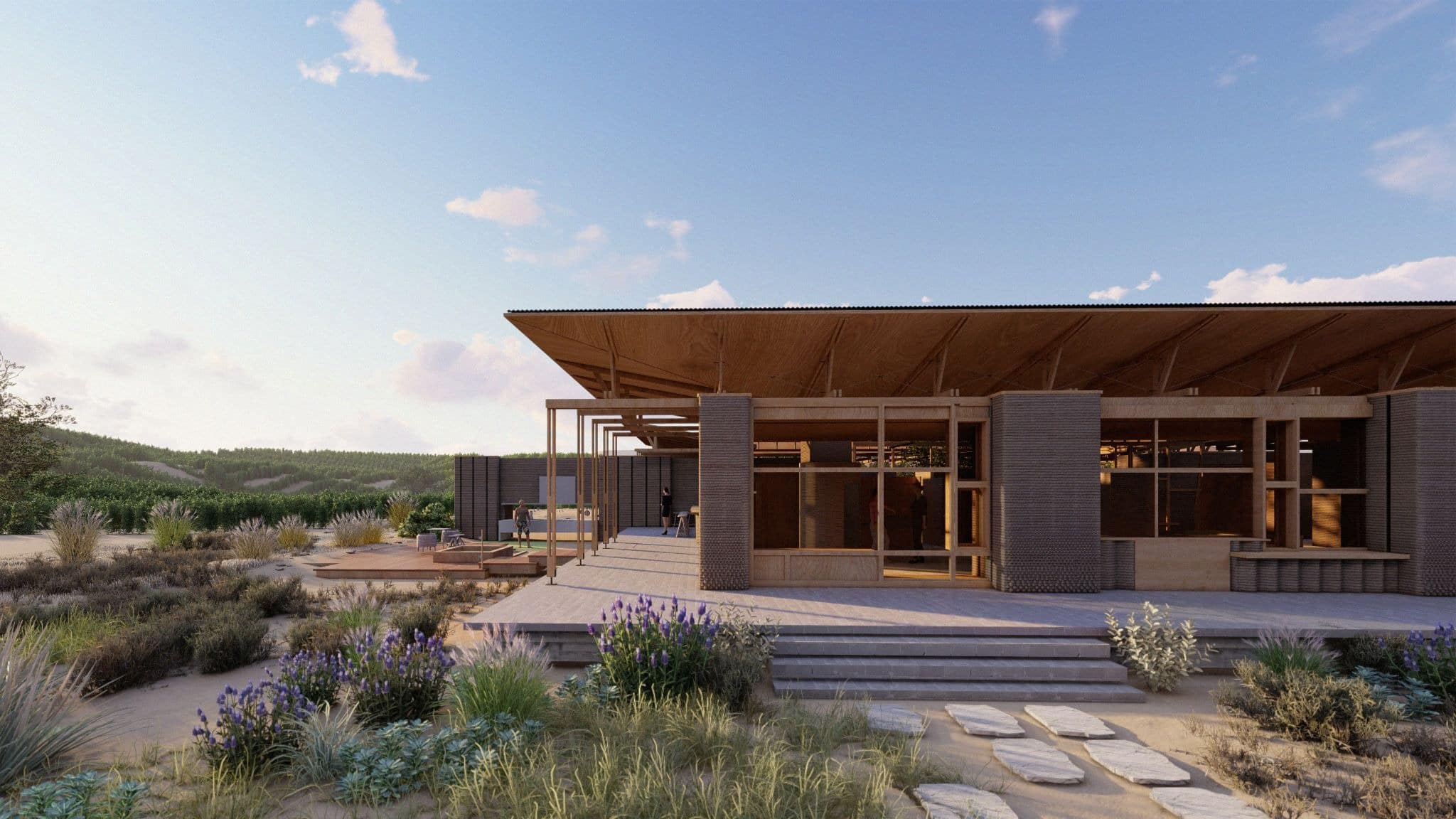
– Vision 2025/2026 3D printing is increasingly entering the construction industry, with many examples of printed houses and buildings already realised. Its appeal lies in clear advantages: automation, speed, reduced material use, and minimal waste, all of which lower construction costs. Beyond efficiency, however, 3D printing offers architects significant design freedom, enabling an architecture that … Read more

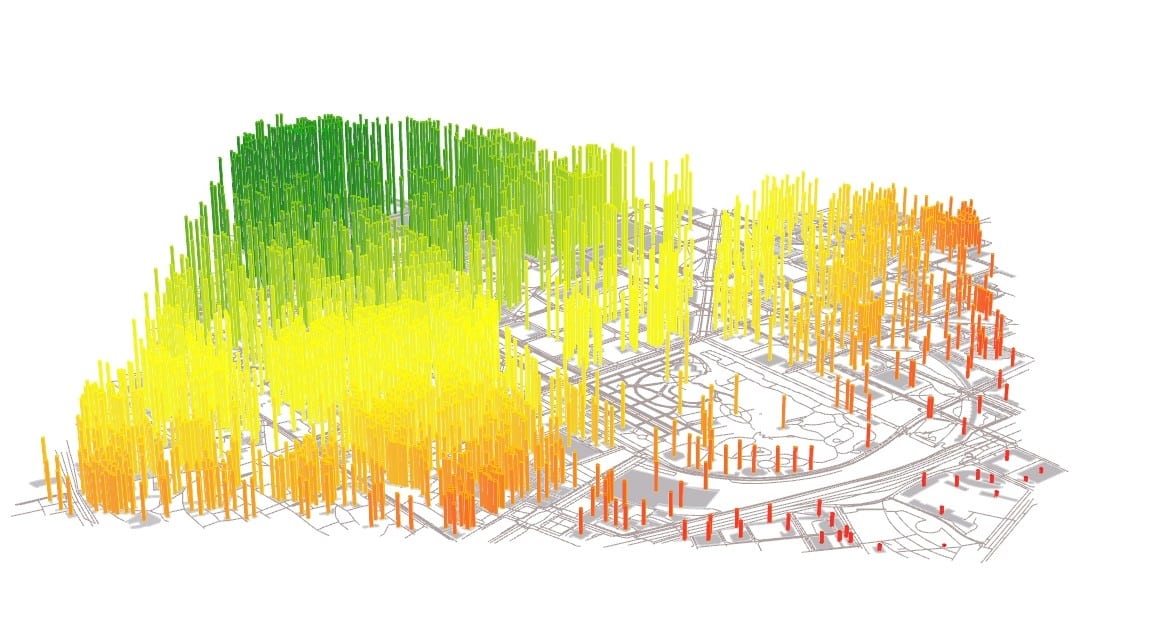
Deforestation, Land Cover, & Urbanization In Brasil – Dashboard

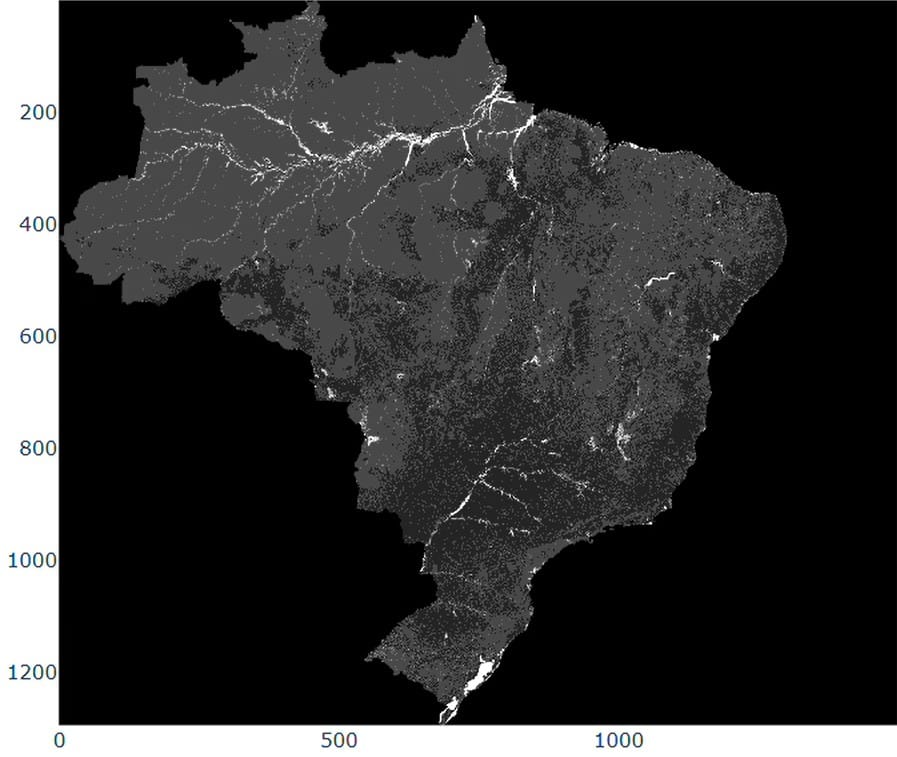
Deforestation Raster Map – 2024 The visualization depicts accumulated and annual deforestation patterns in Brazil from 1985 to 2024. The accumulated dataset shows a continuous rise in total deforested areas, reaching over 140 milllion hectares. Annual trends reveal strong fluctuations, with peaks in the late 1980’s and mid-2000’s, followed by decreases and renewed variability in … Read more

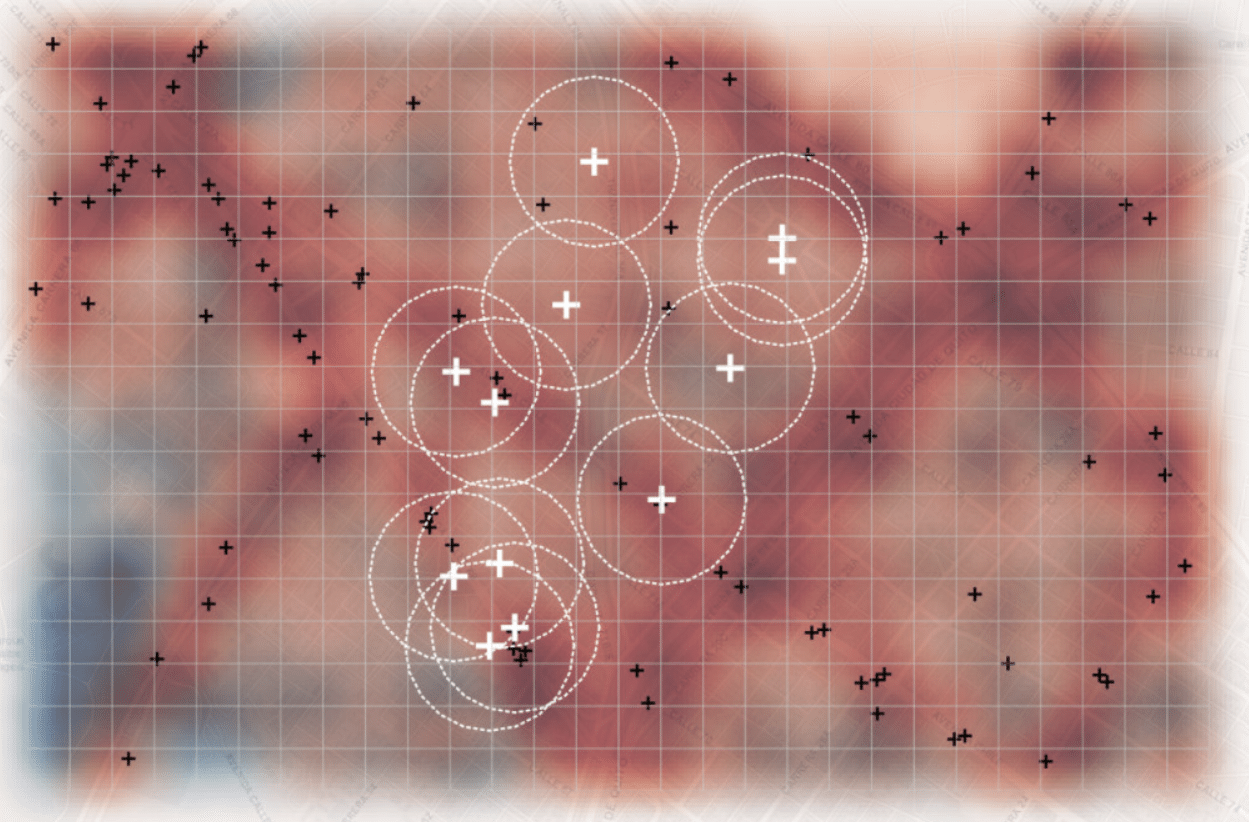
Urban Amenities Accessibility in Istanbul

How accessible is the city we live in? Beyond iconic landmarks and infrastructure, everyday life is shaped by small but essential places: schools, parks, shops, and services. Urban Amenities Accessibility in Istanbul is a computational design project that explores how these everyday amenities are distributed across Istanbul’s historical center and how easily they can be … Read more

The Kinetic Node Pavilion

Architectural render of the final timber pavilion, showing integrated ramps for skateboarding and shaded areas for pedestrians.

The Kinetic Node proposes a dynamic pavilion located in the central pedestrian zone of Plaça de la Universitat, Barcelona. Developed within a computational design seminar, the intervention explores the intersection of generative algorithms and active public space. The design utilizes parametric tools to generate a fluid structure where architectural form seamlessly transitions into skateable terrain, … Read more

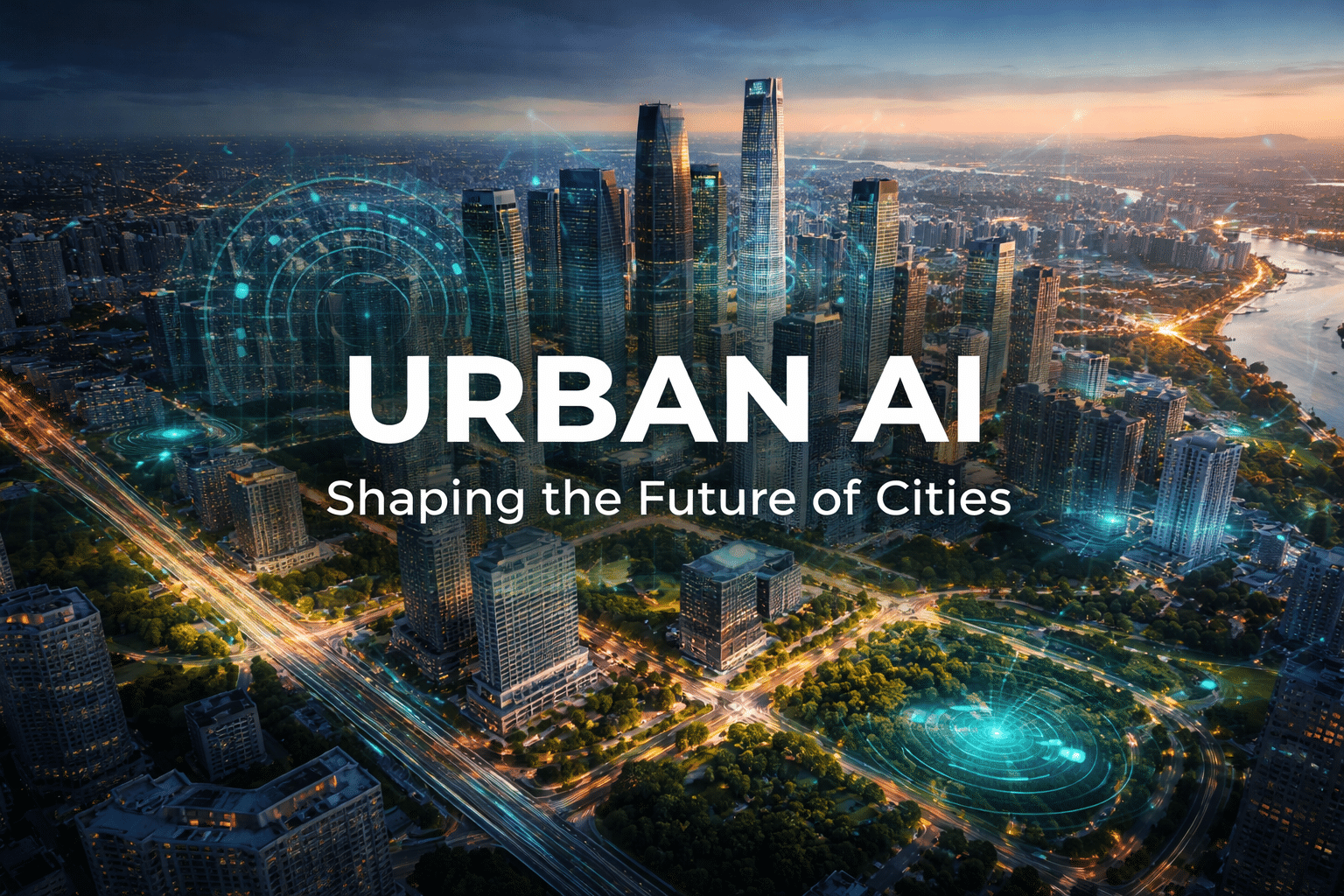
URBAN-Ai: AI based forecasting platform that predicts evolution of urban density and land-use.

The growth of cities on an urban level has been very random and often scattered due to several reasons, like; UNDPREDICTABLE URBAN GROWTH, DYNAMIC ZONING TRENDS and SHIFTING DEMANDS. This has led to the cities being have to be planned reactively rather than proactively. This has led to a problem of cities being inefficient, rising … Read more

Beyond Efficiency

The Purpose of AI in the Age of Resource Scarcity Introduction: Redefining the Question The question “What is the purpose of AI in AEC?” often elicits a predictable response focused on speed. For years the industry has viewed Artificial Intelligence primarily as a mechanism for automation. It is seen as a faster way to produce … Read more

Palmetric

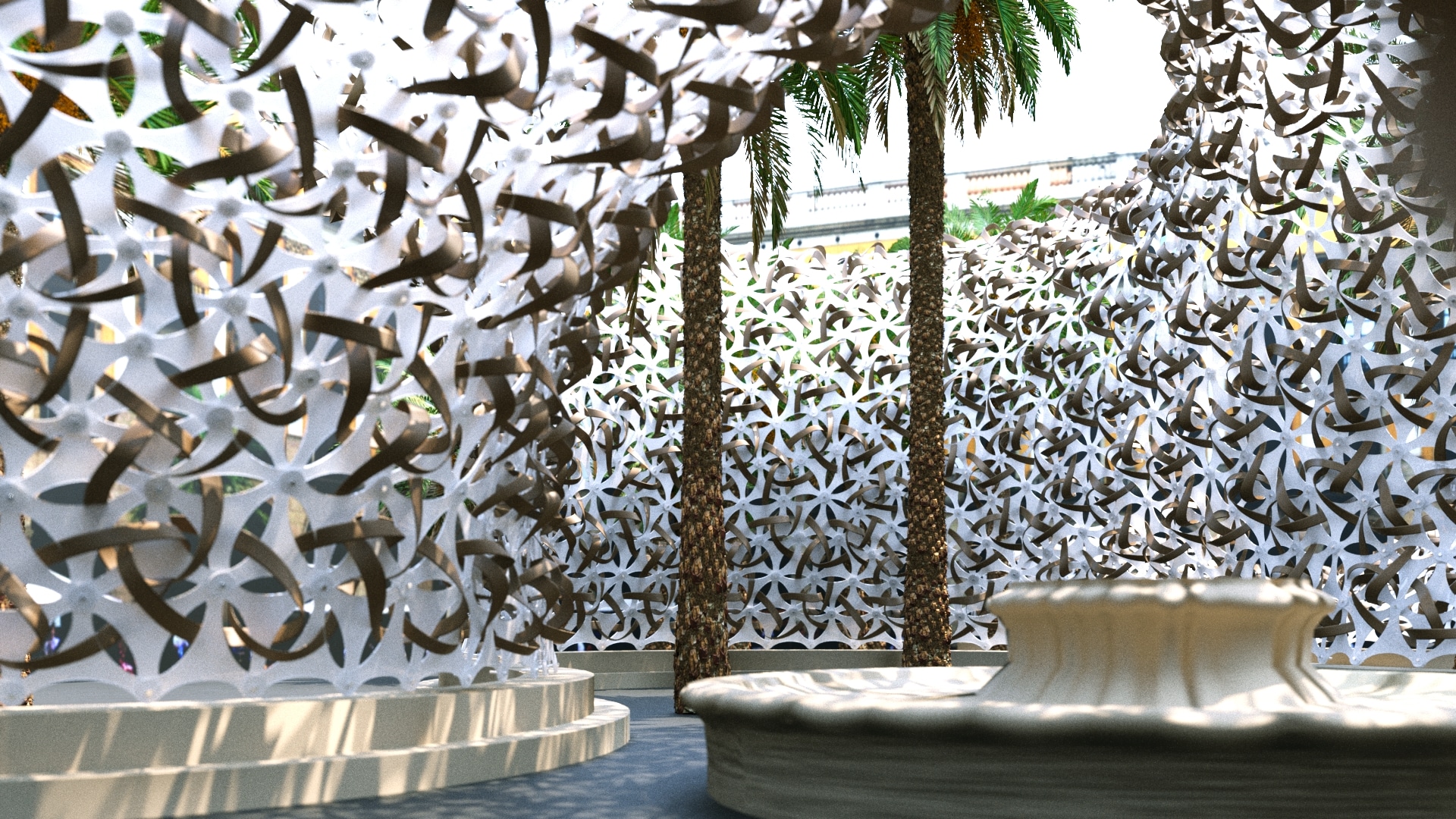
Site introduction The project is a pavilion conceived for the Plaça Reial (Royal Square) in Barcelona, Spain, which is a renowned, sophisticated square adorned with porticos, located just off Las Ramblas in the Gothic Quarter. This square is celebrated for its palm trees, fountain, lively nightlife featuring bars and restaurants, and serves as a central … Read more

Urban Healthcare

Cities are complex systems where accessibility to essential services—such as healthcare—can directly affect quality of life and emergency response outcomes. Traditional urban maps often show where services are located, but they rarely communicate how accessible these services are in real, everyday conditions. The This project explores how computational design tools can be used to analyze … Read more

The Can Ricart Regeneration Project

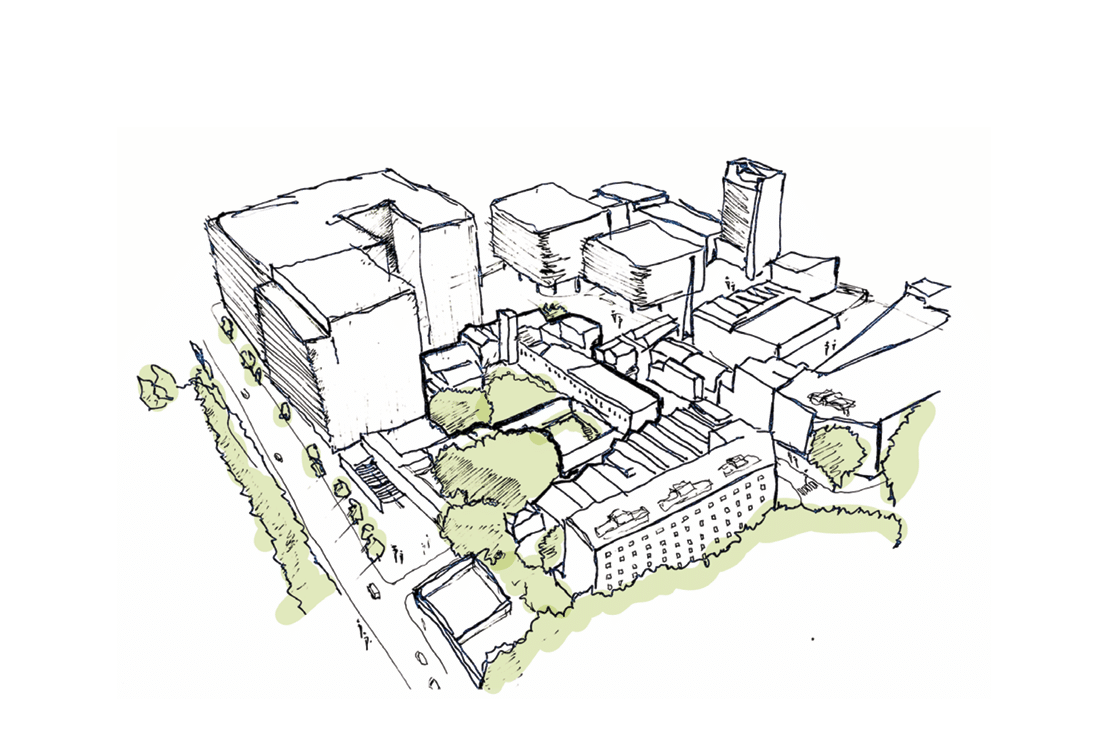
Design Ethos This project seeks to explore how issues of stagnation and obsolescence can be tackled whilst still enabling socio-economic and technological developments of our urban spaces. It will explore how they can be applied within architecture to evaluate how we can more effectively address issues of erasure whilst still permitting modern interventions and advancements … Read more

Diffused Skin Market

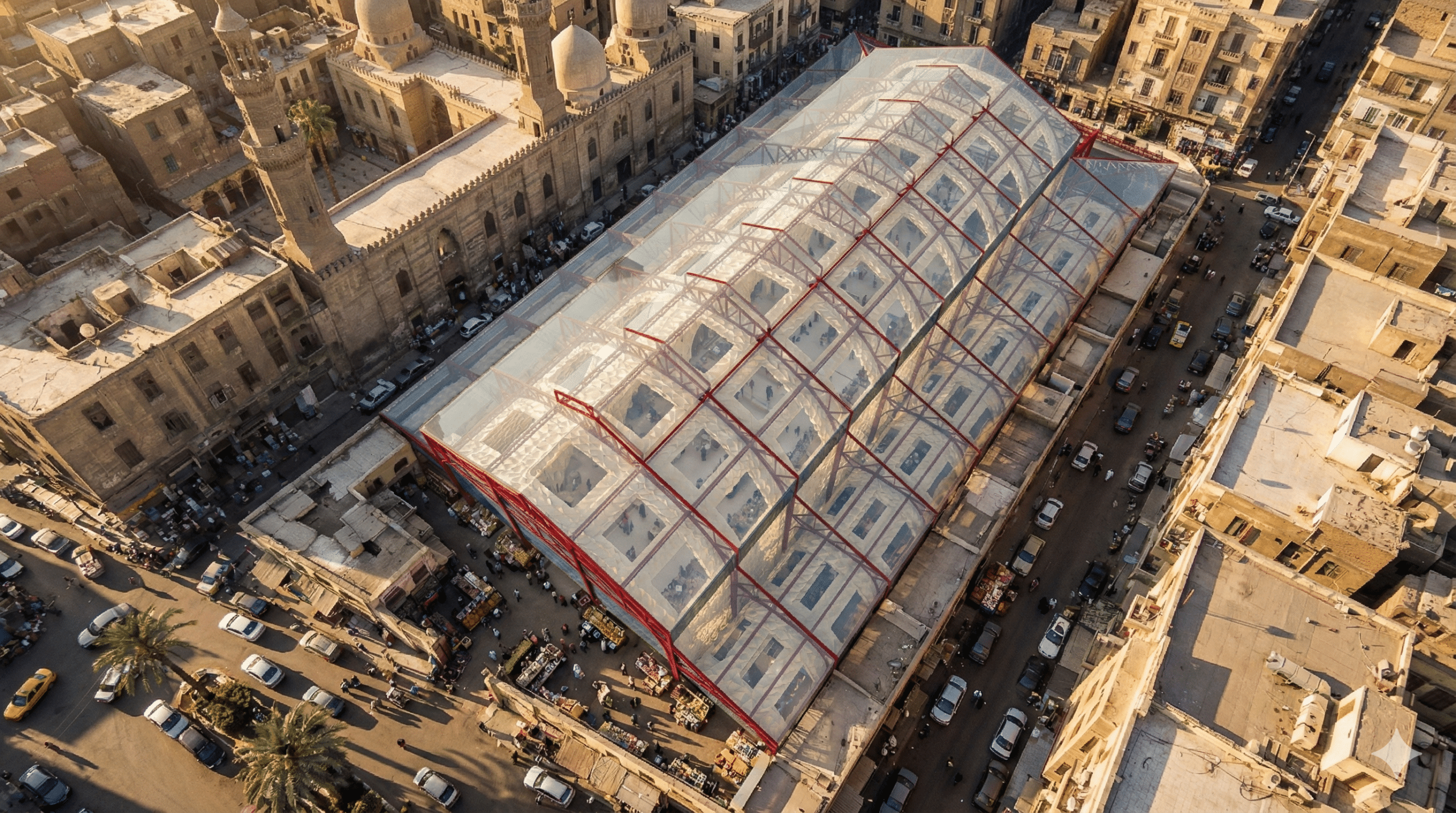
Roof Top view image

Bab al-Luq Market – Cairo, Egypt The ‘Diffused Skin Market’ project aims to cool down the market space without closing it off. The goal was to create a ‘diffusion filter” skin, that drops the temperature but keeps that vibrant natural light that vendors need to sell their products. The challenge when analyzing the place, wasn’t … Read more

INTERPOROUS OVERGROWTH

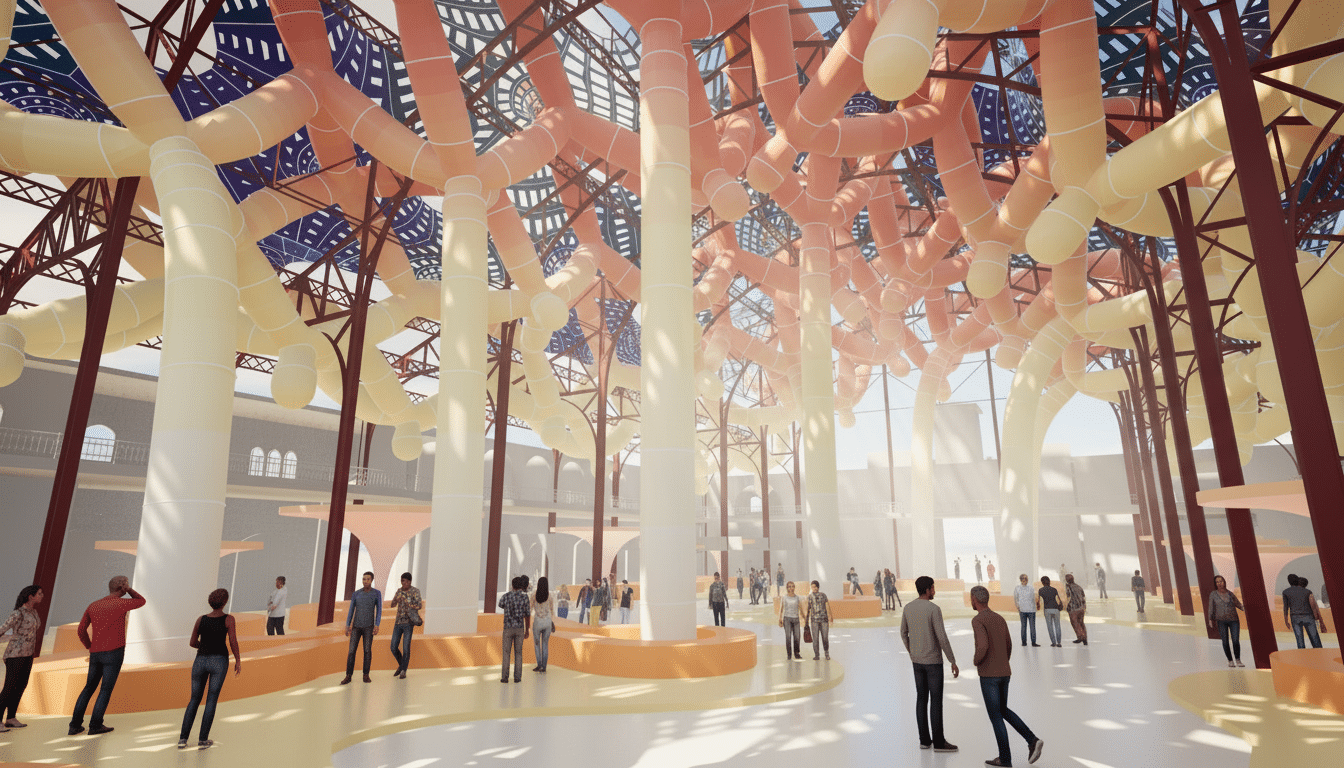
Conceptual Framework The Project explores a contemporary dialogue between past and present by enveloping a historic steel truss within a soft, inflated architectural skin. Inspired by the playful curves and buoyancy of balloon art, the installation introduces a layer of translucent, geometric “bubble wrap” forms that gently overgrow the rigid industrial structure beneath. Rather than … Read more

A Computational Interpretation of Cairene Tradition

Bab al-Luq Reimagined: Computation, Climate, and Cultural Memory This project approaches the Bab al-Luq Market not as a blank surface for formal experimentation, but as a site layered with climatic intelligence and symbolic meaning. Its proposal is rooted in two elements deeply embedded in Cairene architectural and cultural memory: the malqaf and the lotus flower. … Read more

Ahmedabad’s Extreme Climate: Environmental Performance Driven Design, from Data to Form

Introduction This project, developed by Group D (Giovanni Carlo Volpe, Nihan Malkoç, Sushmitha Ravi, Zeynep Sezen Dursun) as part of the Master in Advanced Computation for Architecture & Design at IAAC, explores a computationally driven strategy for creating environmentally responsive architecture in the challenging climate of Ahmedabad, India. Through a rigorous process utilizing Digital Tools … Read more