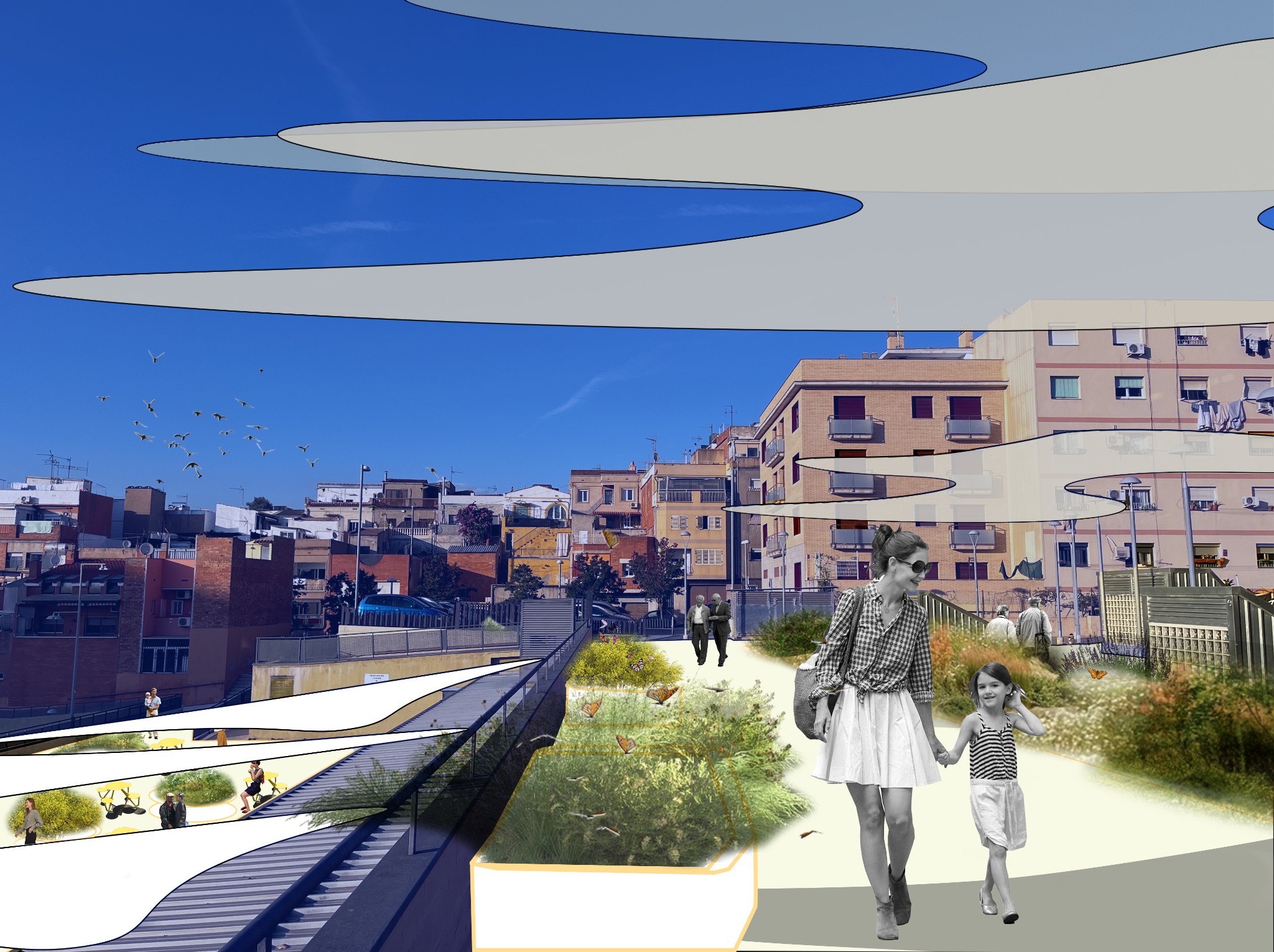
Barrio Modelo. Reintroducir la vivienda asequible en los barrios interiores de Xalapa, México

Introducción La ciudad se expande territorialmente y pierde población en su núcleo consolidado. La oferta de vivienda nueva, y particularmente la de Interés Social, existe predominantemente en la periferia, donde hay un déficit de servicios básicos, fuentes de empleo, y accesibilidad. Esto contribuye al deterioro ambiental, agrava los problemas de movilidad y ejerce presiones financieras … Read more

Síntesis de Tesis: Neuro Diseño Urbano

Consideraciones del proceso de aprendizaje y resolución final. La determinación de dominio desde nuestro cuerpo sobre la relación con la realidad, y subsecuentemente con el Entorno. Plantear el Mapa Conceptual con el cual organizar al sistema, de manera de establecer un contrapunto, con el cual desarrollar las propuestas. Establecer una categoría desde donde intervenir, que … Read more

CO(OP)HOUSING

Planta de Co(op)Housing

Una alternativa habitacional bottom-up para la clase media en Microcentro de la Ciudad de Buenos Aires según el contexto particular de cada territorio. En América Latina, en particular, la crisis económica y el alto precio del metro cuadrado hacen prácticamente inviable adquirir una vivienda para las clases medias y bajas.Las políticas de vivienda en general … Read more

BOSQUES URBANOS, ESPACIOS REALES E IMAGINARIOS

TRANSFORMANDO EL BOSQUE SAN JUAN DE ARAGÓN Aprendiendo de Chapultepec a través de sus Heterotopías Autor: Lilia Haua Miguel Tutor: Francisco Villeda Instituto de Arquitectura Avanzada de Cataluña Maestría en Urbanismo Próximo México, Agosto 2024 “Tesis presentada para obtener la calificación de Máster del Instituto de Arquitectura Avanzada de Cataluña” RESUMEN TRANSFORMANDO EL BOSQUE-ZOO SAN … Read more

Planeamiento ecológico en el área periurbana de São Paulo: estratégias para vincular el crecimiento urbano con la naturaleza

La motivación de esta tesis surgió al observar la desigualdad ambiental presente en la ciudad de São Paulo. Para la vasta y diversa población que alberga esta metrópolis, se destaca un contraste revelador: gran parte de la población, residente en las periferias, sufre la escasez de espacios públicos que integren la naturaleza, lo que se … Read more

To bike or not to bike?

Bike route classification using Graph Machine Learning The goal of the project was to develop a graph machine learning model that would predict existence of bike routes in Singapore based on collected geodata. Because the bike routes were represented by graph edges, that was also our classification type. Data Exploration & Research Topic We choose … Read more

Barcelona Program

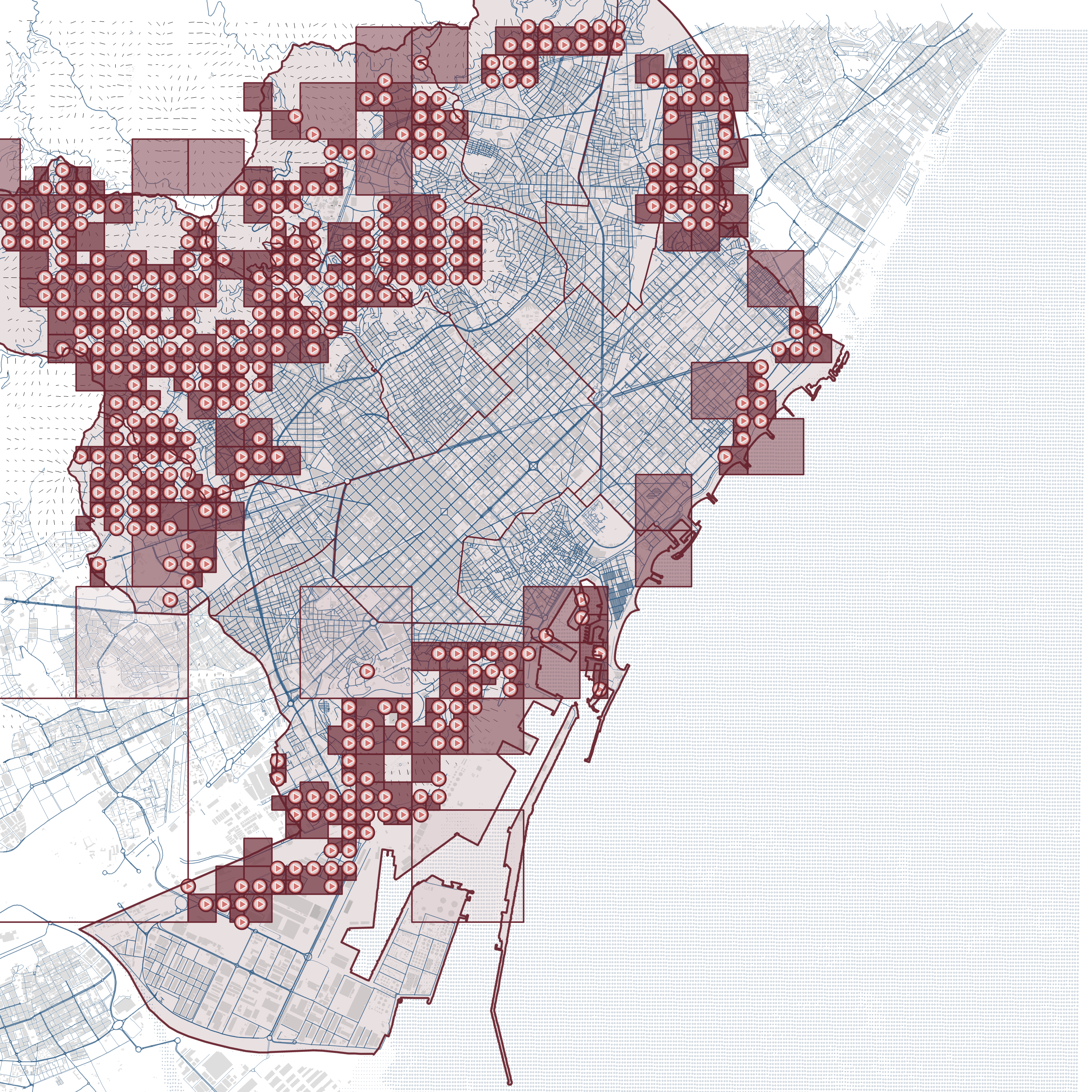
Block Classification This project aims to classify urban blocks in Barcelona, focusing on the districts of Saint Martí and Eixample, based on their dominant functions. By identifying the primary uses of these urban blocks, we can gain insights into the spatial organization and functional distribution within the research area. Saint Martí and Eixample, two vibrant … Read more

Rental Price Predictor – Amsterdam

Introduction Accurate prediction of rental prices poses a significant challenge in dynamic real estate markets such as Amsterdam. Our research project explores the use of graph-based machine learning to improve the accuracy of such predictions. This methodology could be of interest to various actors in the real estate sector, including brokers, investors, and urban planners. … Read more

migrAItion

Studying migration is crucial for urban planners and architects to anticipate and accommodate the influx of people into cities, ensuring the development of robust infrastructure that can support this growth. As migration patterns shape demographic changes, understanding these trends allows cities to plan for adequate housing, transportation, healthcare, and educational facilities. This foresight is essential … Read more

Real-time Daylighting Performance for Adaptive Reuse Planning

This project aimed to develop a daylight predictor to facilitate and generate well-informed adaptive reuse projects, with a specific focus on providing sustainable design solutions for low-income housing. Los Angeles (LA) was selected as a case study due to its proactive open data initiatives and commitment to adaptive reuse. This proposal provides a snapshot of … Read more

FacAid + Chatbot

In a world where urban areas are predominantly developed and the heat island effect is intensifying, the construction industry significantly contributes to environmental challenges. Instead of focusing on tools that promote new construction, our goal is to provide a tool that analyzes existing buildings and suggests improvements. This approach aims to enhance sustainability and mitigate … Read more

Materializer

Introduction Our project, Materializer, leverages the power of multiple self-trained machine learning models to predict material quantities based on an image uploaded by the user and the building coordinates. This innovative approach utilizes image segmentation to isolate buildings, image classification to read material pixels, and a height prediction model for buildings lacking height information in … Read more

MY PARKS : Predicting Miami City’s Parks Scores based on Amenities and Businesses

Miami Parks Prediction GraphML Project

Rethinking Urban Spaces Parks and green areas are critical in cities as they provide spaces for people to meet, interact, and find a social life. They contribute significantly to the mental and physical well-being of residents, offering a natural respite from the urban hustle. Project Summary: According to google reviews, the most important factor for … Read more